Deep-Rooted Native Flowers That Thrive In Oregon Clay Soil
Clay soil has a reputation for being stubborn, but plenty of Oregon native flowers know exactly what to do with it.
Their roots push down, settle in, and help turn heavy ground into a living, blooming system instead of a sticky garden headache.
These are the plants that do not faint at winter moisture, sulk at compacted spots, or demand constant pampering once established. They bring wildflower charm, pollinator traffic, seasonal color, and the quiet confidence of plants that actually belong here.
Even better, deep-rooted natives can help improve soil structure over time while handling Oregon’s wet springs and drier summer stretches with more grace than many fussy ornamentals.
If your shovel hits dense clay and your dreams of a flower bed start wobbling, do not panic. The right native blooms can make that tough soil feel less like a problem and more like a planting opportunity.
1. Checkermallow
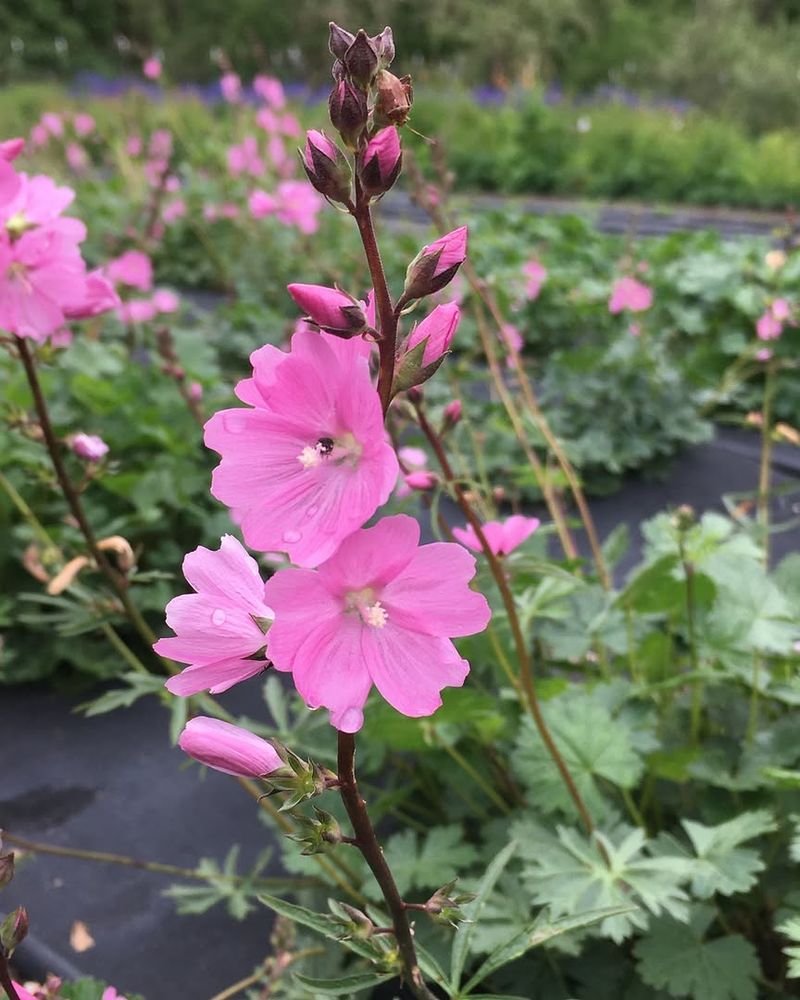
Few wildflowers can match the cheerful pink blooms of Checkermallow growing wild across Oregon’s Willamette Valley. This native beauty belongs to the mallow family and produces tall, slender spikes covered in small, rose-pink flowers that look almost like miniature hollyhocks.
It thrives in the heavy, moisture-retaining clay soils found throughout western Oregon, making it a natural fit for local gardens.
Checkermallow sends its roots deep into the ground, which helps it survive dry summers without much extra watering. Once established, it can reach two to four feet tall and blooms from late spring through early summer.
Plant it in a sunny or lightly shaded spot and watch pollinators flock to it.
This plant is also a host for the West Coast lady butterfly, so planting it supports local wildlife beyond just bees. You can start Checkermallow from seed or transplant young plants in fall or early spring.
It spreads slowly over time, gradually forming a fuller clump. Give it space to grow and minimal fertilizer, since Oregon’s rich clay already provides plenty of nutrients to keep it thriving season after season.
2. Western Columbine
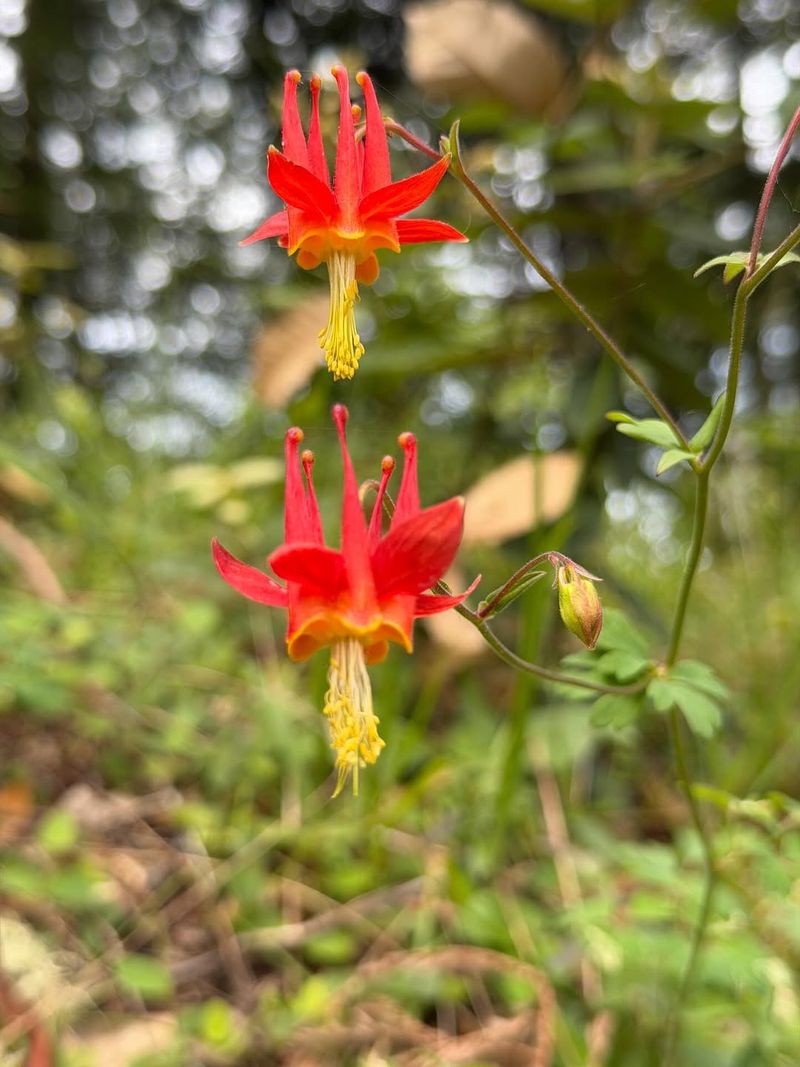
With its drooping red and yellow flowers shaped like tiny lanterns, Western Columbine is one of Oregon’s most eye-catching native wildflowers. Hummingbirds absolutely love it, hovering in front of each bloom to sip the sweet nectar hidden inside its long spurs.
It grows naturally along stream banks, woodland edges, and shaded slopes throughout the Pacific Northwest.
Western Columbine handles clay soil surprisingly well, especially when the soil stays moist in spring. It prefers partial shade but can tolerate full sun if given enough water.
Plants typically grow one to three feet tall and bloom from April through July, providing color during a season when many other natives are just getting started.
Planting Western Columbine near a window or patio is a great idea if you enjoy watching hummingbirds up close. The flowers appear in clusters and nod slightly downward, giving the plant a graceful, airy look.
After blooming, the seed pods open and drop seeds freely, so you will likely see new plants popping up nearby each year. In Oregon gardens, this native columbine pairs beautifully with ferns and native grasses, creating a layered woodland feel that looks both natural and intentionally designed.
Your Oregon Garden Changes Every Week. Your Plan Should Too.
Gardening in Oregon changes quickly throughout the season. Every Friday you’ll receive a simple weekly plan showing exactly what to plant, prune, fertilize, harvest, and protect so you never miss the right timing.
3. Nodding Onion
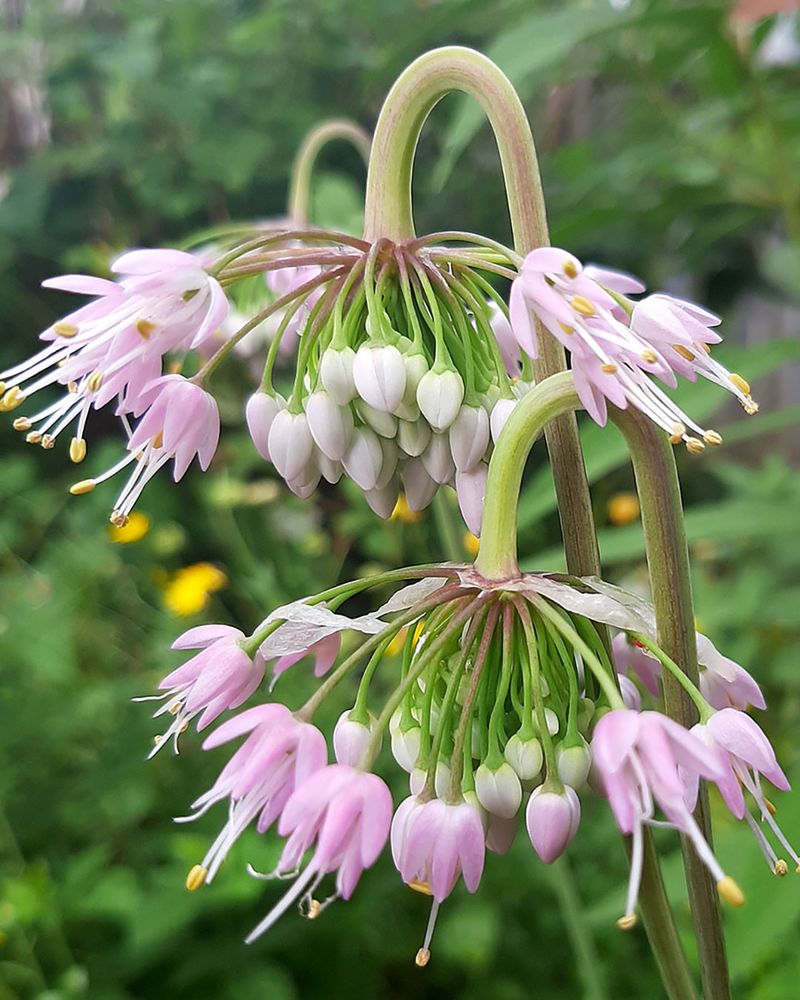
There is something wonderfully quirky about Nodding Onion. True to its name, this native wildflower bows its cluster of pink to lavender flowers downward, as if politely nodding hello.
It grows across much of Oregon, from valley floors to mountain slopes, and adapts well to the region’s notoriously heavy clay soils.
Nodding Onion blooms in mid to late summer, filling a gap in the garden when many spring bloomers have already faded. Its flowers attract a wide range of pollinators, including native bees, butterflies, and even hoverflies.
The plant grows in clumps and reaches about one to two feet tall, making it a great mid-border plant in a native garden design.
Beyond its looks, Nodding Onion has a long history of use by Indigenous peoples throughout the Pacific Northwest, who used the bulbs as food and medicine. Planting it in your Oregon garden connects you to that rich cultural history.
It spreads slowly by bulb offsets and self-seeding, so it gradually fills in over time without becoming a nuisance. Give it well-drained clay soil and full sun, and it will reward you with reliable blooms and a steady stream of pollinators every single summer.
4. Meadow Checkerbloom
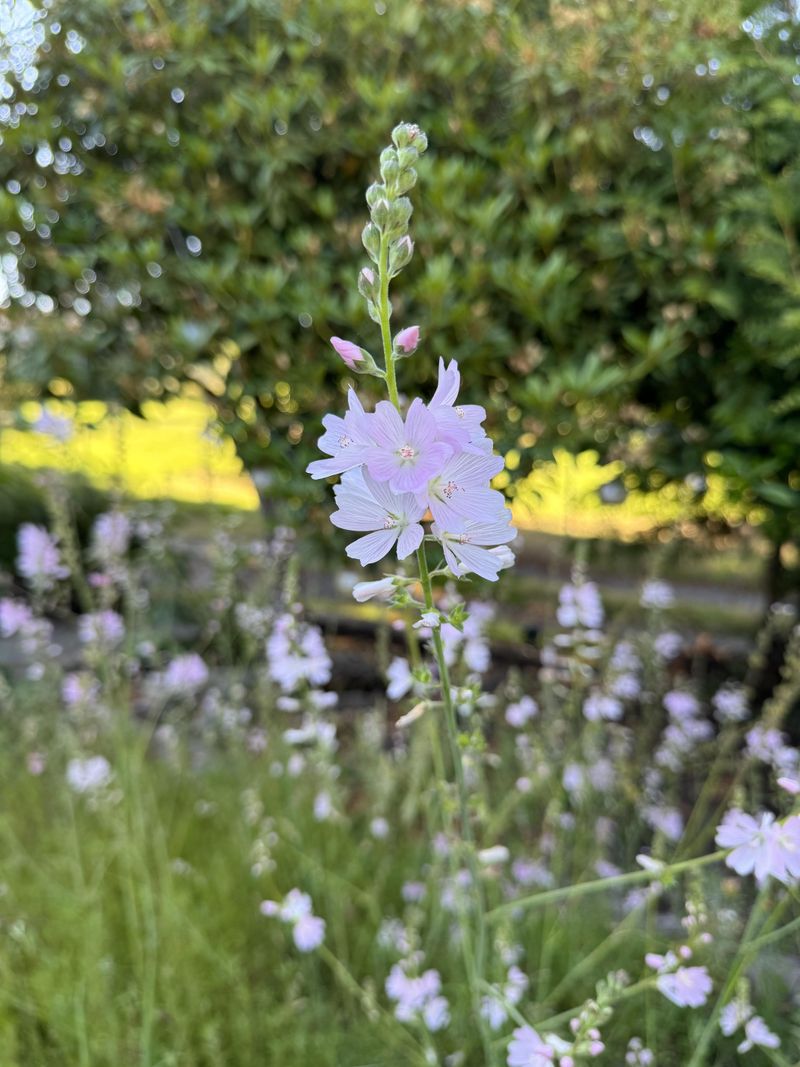
Sometimes confused with its close cousin Checkermallow, Meadow Checkerbloom has its own quiet charm that sets it apart. Native to moist meadows and stream edges across Oregon, this plant produces soft lavender-pink flowers on upright stems that sway gently in the breeze.
It absolutely loves the wet, dense clay soils common in the Willamette Valley and surrounding lowlands.
Meadow Checkerbloom blooms from spring into early summer, drawing in native bees and butterflies with its nectar-rich flowers. It grows between one and three feet tall and works beautifully planted alongside grasses and other low-growing natives.
Because it prefers consistently moist conditions, it does especially well in garden spots that stay damp after Oregon’s rainy season.
Starting this plant from seed is straightforward. Scatter seeds in fall and let winter rains do the work of stratifying them naturally.
By spring, small seedlings will appear. Once established, Meadow Checkerbloom is surprisingly resilient and requires very little care.
It self-seeds gently, slowly filling in bare patches without becoming invasive. For Oregon gardeners looking to attract pollinators while keeping maintenance low, this native wildflower is a smart and rewarding choice worth trying.
5. Large-Flowered Collomia
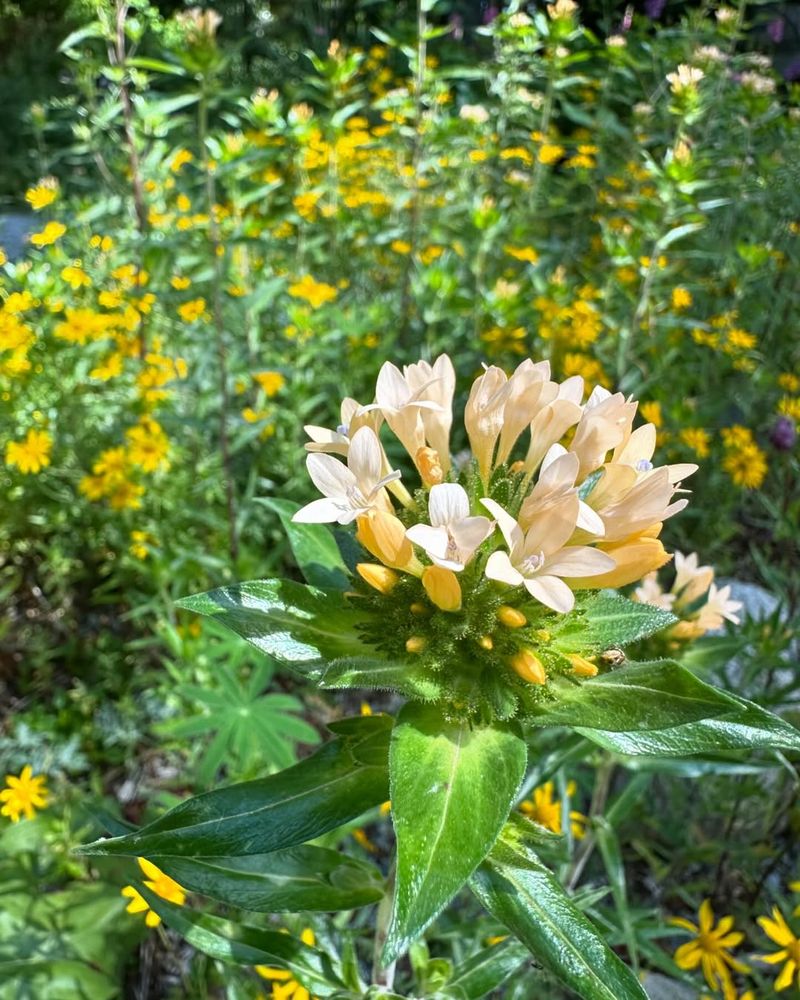
Not every native wildflower needs constant moisture to thrive in Oregon, and Large-Flowered Collomia proves that point beautifully. This annual wildflower produces clusters of salmon-pink to orange trumpet-shaped blooms at the tops of leafy stems.
It is native to dry open slopes and disturbed soils across the Pacific Northwest, making it well-suited to clay soils that bake and crack in summer.
Large-Flowered Collomia blooms from late spring through early summer and grows anywhere from six inches to two feet tall depending on soil conditions. It tends to stay shorter in poor, dry clay but still produces plenty of vibrant flowers.
Because it is an annual, it completes its full life cycle in one season and drops seeds that will sprout the following spring.
This plant is a fantastic option for Oregon gardeners who want color in tough spots where other flowers struggle. Scatter seeds in fall directly onto bare clay soil and let winter rains work them in naturally.
The plant requires almost no care after germination. Its bright blooms attract hummingbirds and native bees, adding wildlife value to even the most challenging garden corners.
Once you try it, you will likely scatter seeds every fall without hesitation.
6. Oregon Sunshine
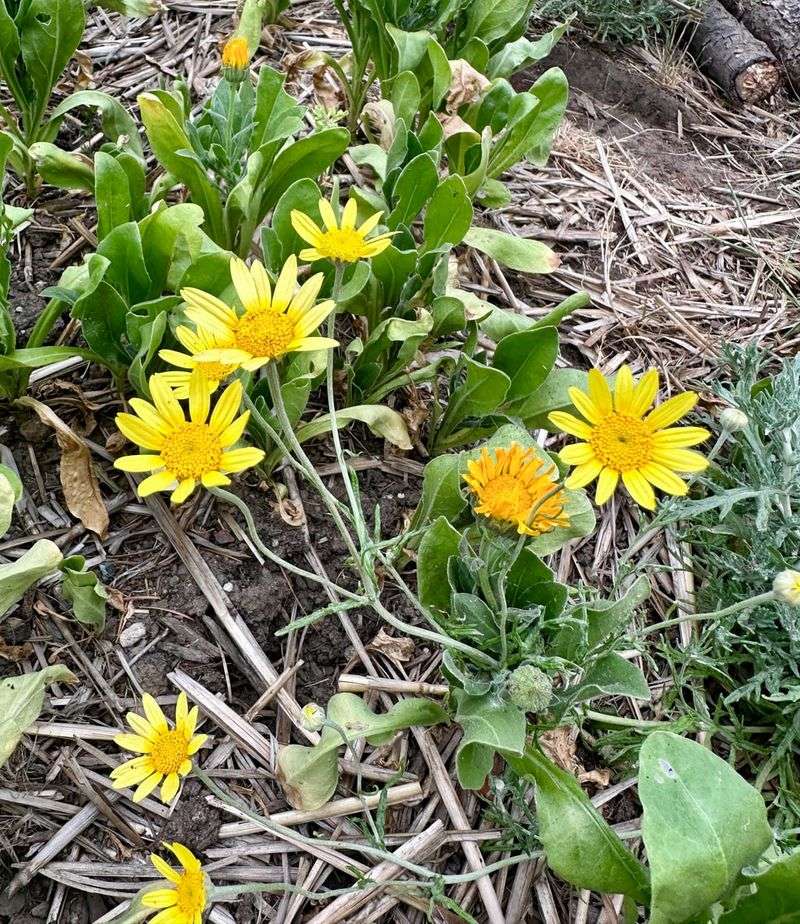
Bright as a summer afternoon, Oregon Sunshine earns its name with cheerful yellow daisy-like flowers that bloom generously from late spring into summer. This tough native perennial is one of the most dependable wildflowers you can plant in Oregon’s heavy clay soils, especially in sunny, dry spots where other plants give up.
Oregon Sunshine grows in low, spreading mounds covered in woolly silver-green leaves that help the plant conserve moisture during hot, dry spells. It typically reaches six to twelve inches tall and spreads one to two feet wide.
The bright blooms attract native bees and butterflies, making it both ornamental and ecologically valuable in any Pacific Northwest garden.
One of the best things about Oregon Sunshine is how little attention it needs once established. It actually prefers lean, well-drained clay soil and does not need fertilizer or extra watering after its first season.
Overwatering is the one thing to avoid, as it can cause root rot in soggy conditions. Plant it along sunny borders, rock gardens, or dry slopes throughout Oregon, and it will reward you year after year with consistent blooms and minimal fuss.
It is genuinely one of the easiest and most rewarding native flowers you can grow.
7. Pacific Aster
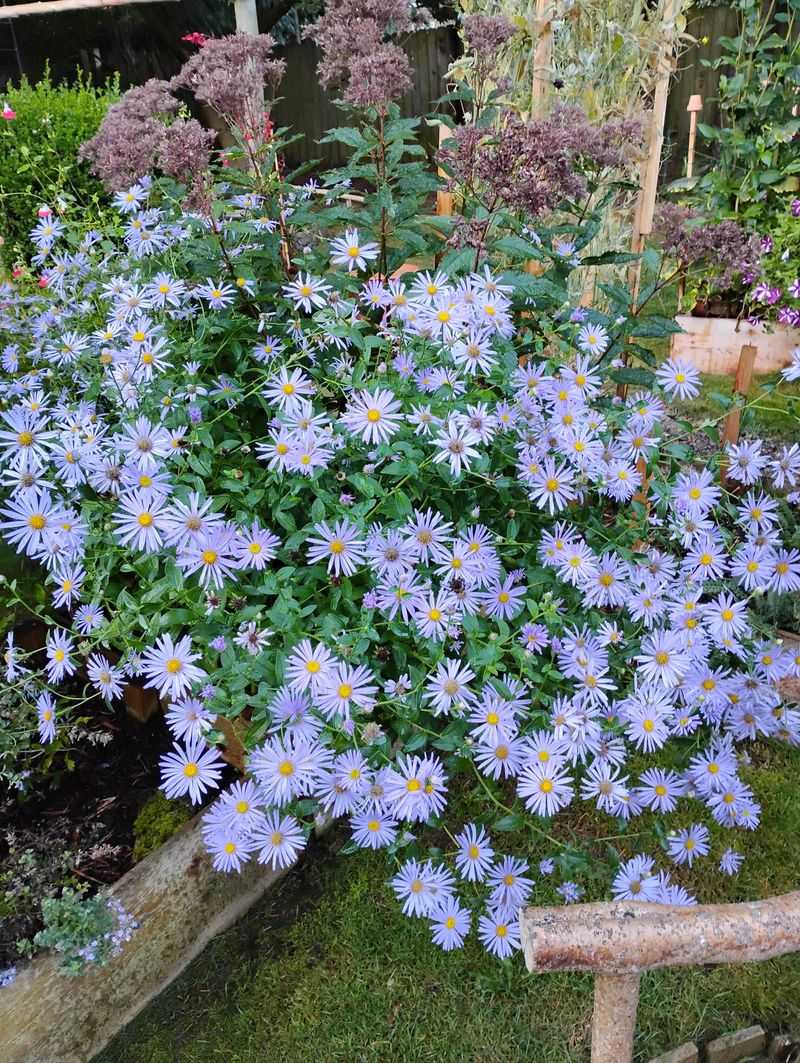
When most garden flowers are winding down for the year, Pacific Aster is just hitting its stride. This native perennial blooms from late summer into fall, covering itself with cheerful purple-blue flowers that have bright yellow centers.
It is a lifeline for pollinators in Oregon when nectar sources are becoming scarce before winter sets in.
Pacific Aster thrives in moist, heavy clay soils, especially in partially shaded or open meadow settings throughout the Pacific Northwest. It grows anywhere from one to four feet tall depending on soil moisture and light.
The plant spreads by underground rhizomes, slowly forming larger colonies over several years, which makes it excellent for naturalizing open garden areas.
For Oregon gardeners who want fall color without much effort, Pacific Aster is a top choice. It pairs well with ornamental grasses and late-blooming native plants like goldenrod, creating a warm, textured fall display.
Cut plants back in early spring to encourage fresh, bushy growth and better flowering. Pacific Aster is also remarkably tolerant of seasonal flooding, which makes it perfect for low spots in the yard where water collects after heavy Oregon rains.
Plant it and let it spread naturally for a stunning seasonal show.
8. Blue-Eyed Grass
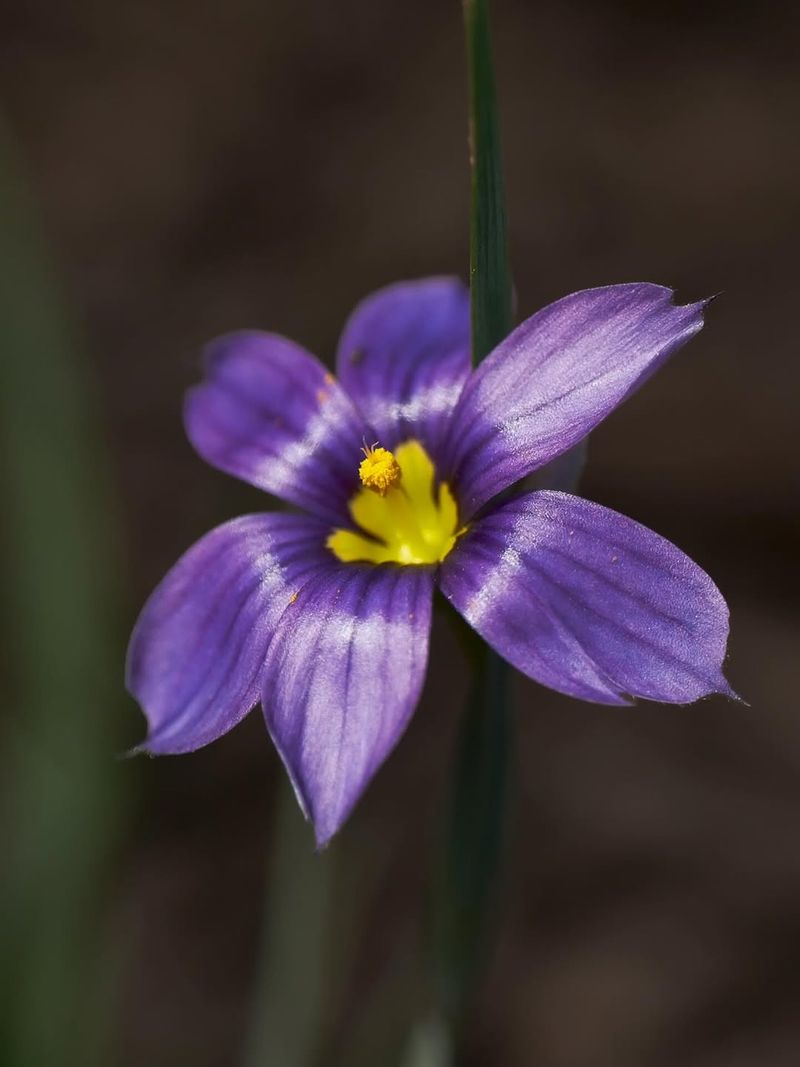
Do not let the name fool you. Blue-Eyed Grass is not actually a grass at all.
It belongs to the iris family and produces small but stunning blue-violet flowers with bright yellow centers on slender, flat stems. This delightful native wildflower grows throughout Oregon’s valleys and foothills, often popping up in moist meadows and roadside ditches where clay soil dominates.
Blue-Eyed Grass blooms in spring, typically from March through June, and grows in tidy clumps about six to eighteen inches tall. Because it looks so much like a grass when not in bloom, it blends seamlessly into lawn edges and naturalized areas.
The flowers open in full sunlight and close on cloudy days, giving the plant an almost playful personality.
In Oregon gardens, Blue-Eyed Grass works wonderfully as a border plant or ground cover in moist, sunny areas. It handles clay soil well and tolerates both wet winters and moderately dry summers once established.
Divide clumps every few years to keep plants vigorous and blooming well. It self-seeds modestly, so you will often find small new plants nearby.
For a native wildflower that adds fine texture and unexpected color to the garden, Blue-Eyed Grass is a charming and underused option worth planting.
9. Western Buttercup
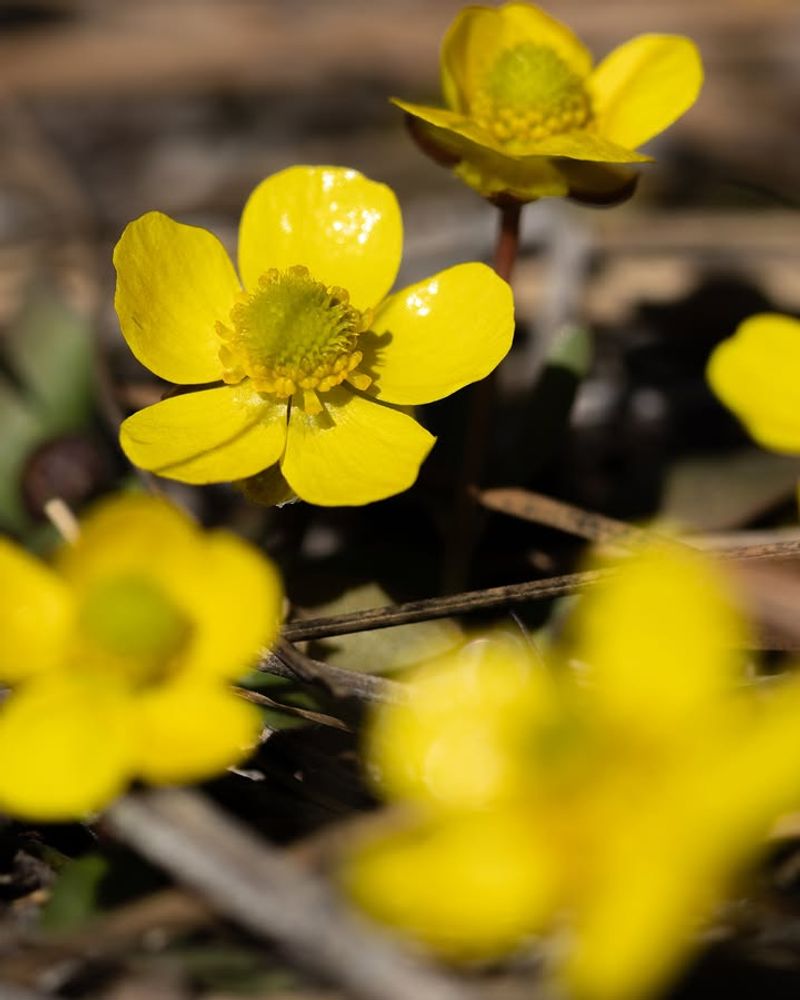
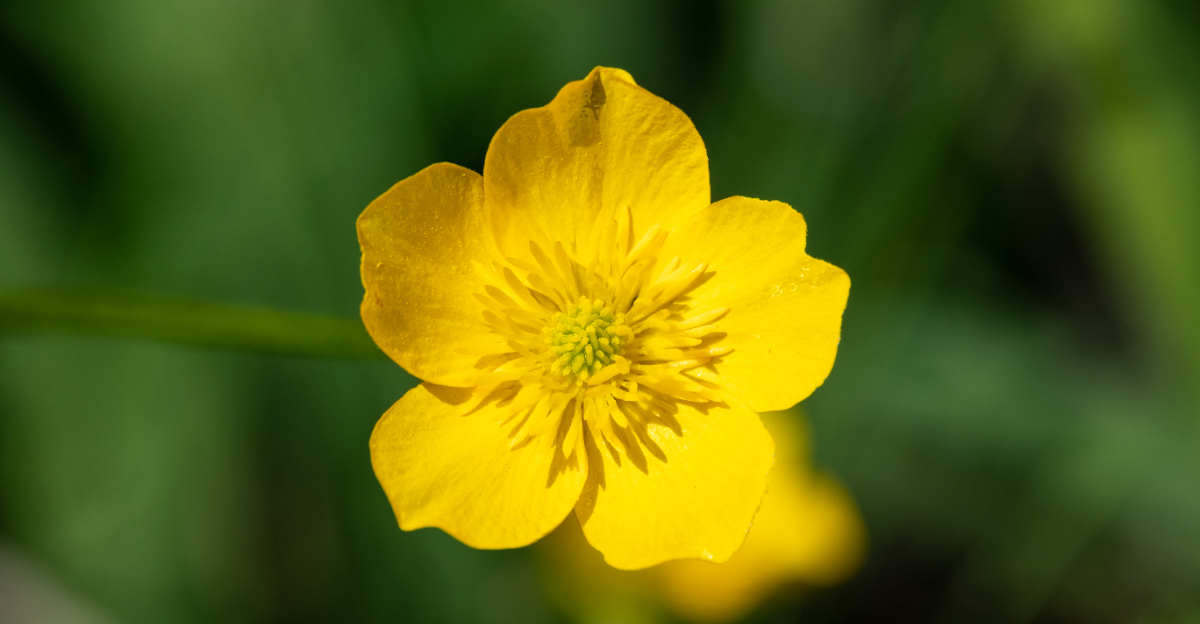
Glossy and golden, Western Buttercup is one of the first wildflowers to announce that spring has arrived in Oregon. Its small, shiny yellow petals practically glow in the sunlight, dotting wet meadows, grassy slopes, and stream edges across the Pacific Northwest.
It is one of those simple wildflowers that never gets old, no matter how many times you see it blooming each spring.
Western Buttercup grows well in Oregon’s heavy, moisture-retaining clay soils, especially in areas that stay wet through spring and dry out slightly by summer. Plants typically reach six to eighteen inches tall and bloom from March through June.
The deeply lobed leaves form a low rosette at the base, with flowering stems rising above the foliage in cheerful clusters.
Because it tolerates seasonal flooding and wet clay conditions so well, Western Buttercup is an ideal choice for rain gardens and low-lying areas in Oregon landscapes. It attracts native bees and small pollinating flies that are active early in the season.
The plant spreads slowly by seed and rhizomes, gradually naturalizing in suitable spots without becoming aggressive. Plant it in masses for the best visual effect, and enjoy watching it light up your garden every spring like a scattered handful of tiny golden coins.