Why No Mow May Doesn’t Always Work The Same In Florida
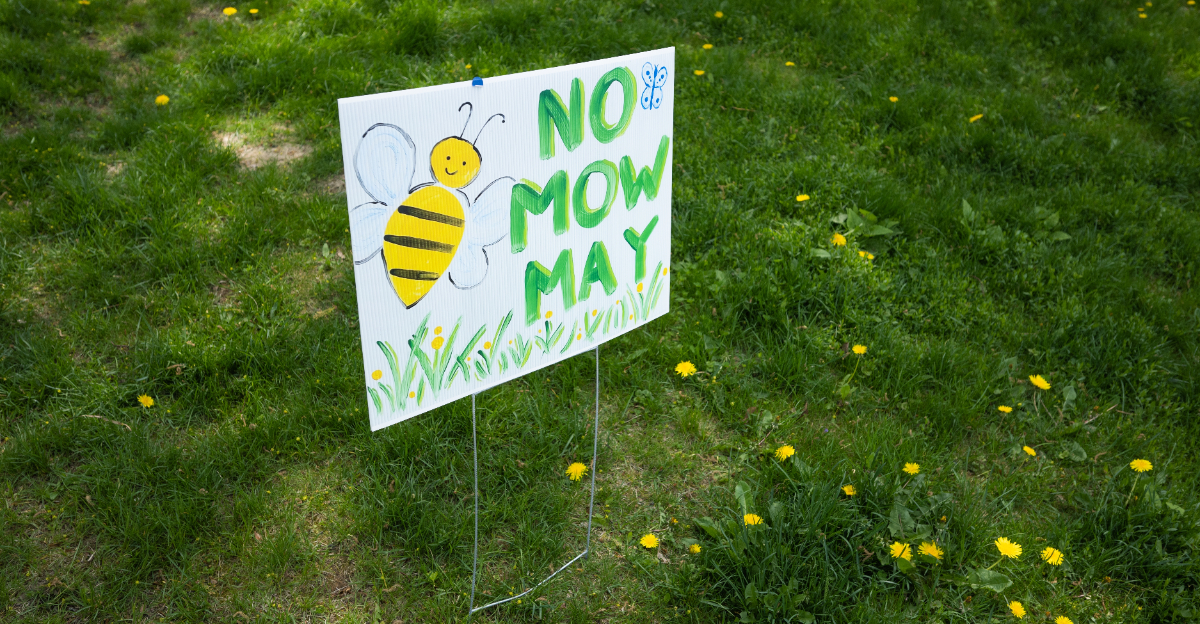
No Mow May sounds simple enough: let the lawn grow, give pollinators more flowers, and feel good about helping the yard do something useful. In cooler places, that idea can make sense.
Spring arrives slowly, lawn flowers appear at the right time, and early-season insects need quick food sources.
Florida does not follow that script.
By May, warm-season grasses are already moving fast, humidity is climbing, and weeds can spread before most homeowners realize what happened.
A month without mowing may look eco-friendly on paper, but in a Florida yard it can create a tangled mix of stressed turf, seed-heavy weeds, pest hiding spots, and HOA headaches.
The goal is still worth keeping. Pollinators need support, and Florida lawns can be managed in smarter ways.
The trick is knowing how to adapt No Mow May to a climate where spring does not behave like spring up north.
1. Understand Why No Mow May Started In Cooler Climates
No Mow May began as a campaign in the United Kingdom and later caught on in parts of the northern United States as a way to support pollinators during spring. The idea made a lot of sense in those regions.
In many cooler regions, spring lawn growth and early lawn flowers fit the timing of No Mow May better than they do in Florida. Flowering lawn plants such as clover, dandelions, and violets can appear in those lawns and offer nectar or pollen for early-season insects.
In northern climates, pollinators like bumblebees wake up from winter dormancy right around May. That short burst of blooms in an unmowed lawn can genuinely make a difference for them.
The growing season is brief, and the lawn recovers quickly once mowing resumes in summer.
Florida’s situation couldn’t be more different. The Sunshine State doesn’t have a cool, sleepy spring.
Lawns here are already in full growth mode by May, and the heat and humidity are ramping up fast. The concept of No Mow May was simply never designed with Florida’s warm, subtropical climate in mind.
Knowing where this movement came from helps Florida homeowners make smarter, more informed choices about how to adapt the spirit of the idea to their own backyards without causing unintended lawn problems.
2. Know How Florida Grasses Grow Differently
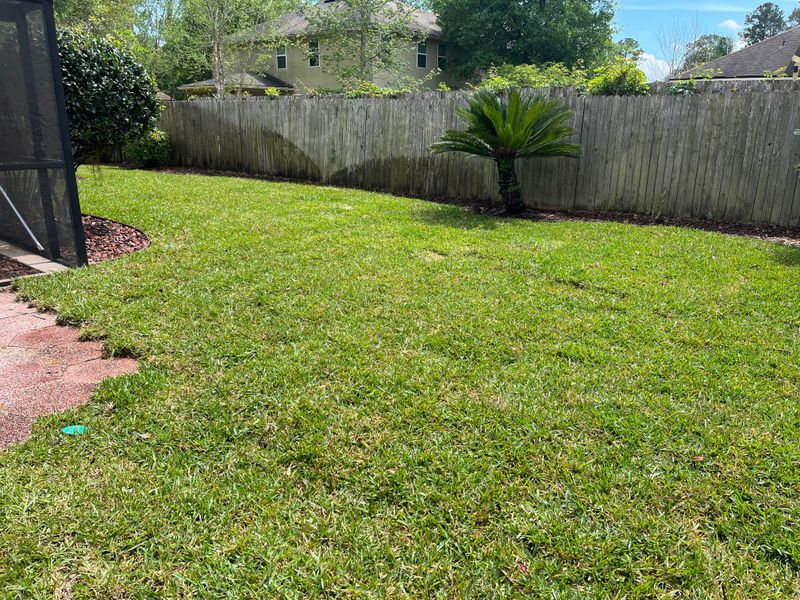
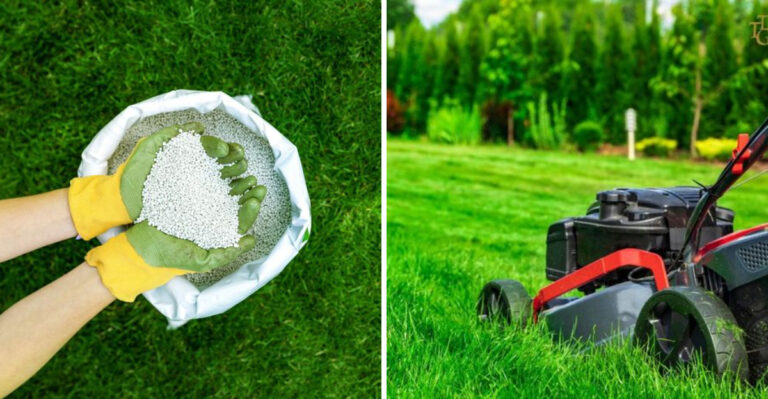
Most Florida lawns use warm-season grasses, and they behave very differently from the cool-season varieties common farther north. St. Augustine grass is the most common choice across the state, followed by bahiagrass and zoysiagrass.
These grasses love heat and humidity. By May, they may be growing fast enough to need regular mowing, depending on grass type, rainfall, fertilizer, and site conditions.
According to UF/IFAS, one of the most important mowing rules for Florida lawns is to never remove more than one-third of the grass blade at a single mowing. Skipping mowing for a full month can cause the grass to grow well beyond that threshold.
When you finally do mow, you are forced to cut off too much at once, which stresses the plant and can lead to a weakened, patchy lawn.
Your Florida Garden Changes Every Week. Your Plan Should Too.
Gardening in Florida changes quickly throughout the season. Every Friday you’ll receive a simple weekly plan showing exactly what to plant, prune, fertilize, harvest, and protect so you never miss the right timing.
Each warm-season grass also has a recommended mowing height. Many St. Augustine grass lawns are maintained around three and a half to four inches, while bahiagrass is often maintained around three to four inches, depending on cultivar and site conditions.
Zoysiagrass is typically kept lower. Letting these grasses grow unchecked in May disrupts those ideal ranges and makes it much harder to get the lawn back on track.
Florida lawns need consistent, regular mowing during peak growing season, not a month-long break, to stay strong and resilient through summer.
3. Learn Why Skipping Mowing Can Stress Your Lawn
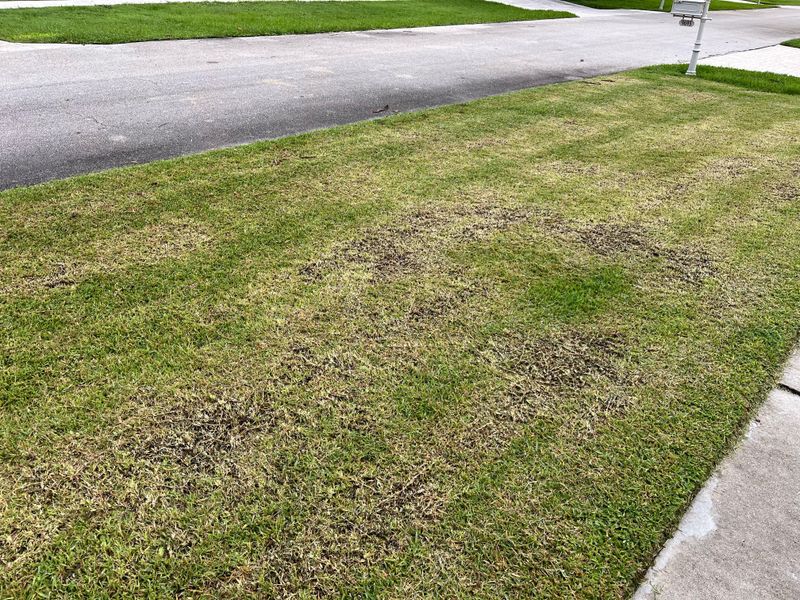
Letting your Florida lawn go unmowed for a full month might feel like a kindness, but the grass often experiences the opposite effect. Warm-season turf grows aggressively in May, and once it gets too tall, problems start stacking up.
Tall, unmanaged turf can leave behind heavy clippings and dense growth that make the lawn harder to mow cleanly and can contribute to thatch problems over time.
Excessive thatch blocks water, air, and nutrients from reaching the roots. Dense, poorly managed turf can also hold moisture and reduce airflow, which may favor some pest and disease problems.
UF/IFAS guidelines emphasize that proper mowing frequency is one of the most effective tools for maintaining a healthy Florida lawn. Regular mowing actually encourages lateral growth and a denser turf, which naturally crowds out weeds.
The real trouble often comes when mowing finally resumes after a long break. Homeowners feel the urge to cut it all down at once, which leads to scalping.
Scalping removes most of the green leaf blade, leaving the lawn looking brown and thin. Recovering from scalping takes time and extra care.
Staying on a consistent mowing schedule throughout May, even if it feels counterintuitive to the No Mow spirit, is genuinely the healthier choice for Florida turf and much easier to manage long-term.
4. Don’t Assume Lawn Weeds Help Pollinators
One of the most appealing ideas behind No Mow May is that an unmowed lawn fills up with wildflowers that feed bees and butterflies. In northern states, that sometimes happens.
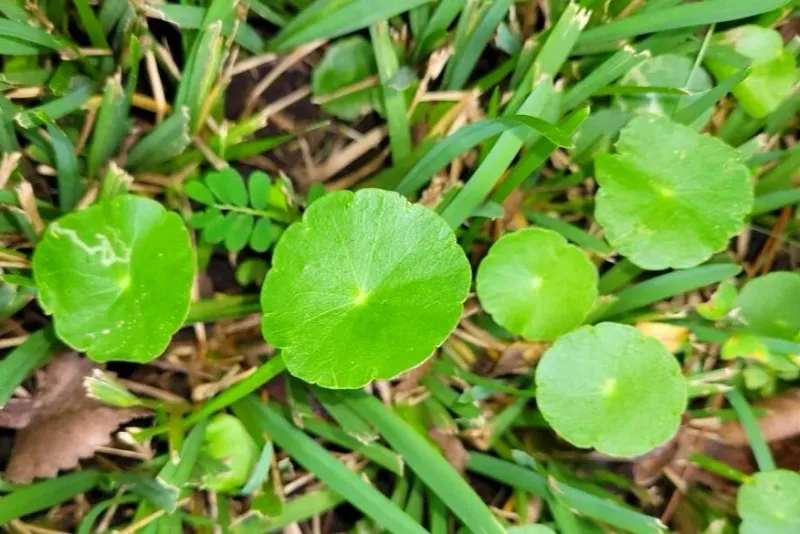
In Florida, the story is usually less inspiring. The plants that show up in an unmowed Florida lawn are typically weeds like dollarweed, spurge, crabgrass, and chamberbitter.
Some may flower, but they are not a reliable substitute for intentional pollinator plantings.
Dollarweed, for example, is one of the most persistent weeds in Florida lawns. It thrives in moist conditions and spreads quickly, but letting it take over a lawn is not the same as creating intentional pollinator habitat.
Spurge and crabgrass are similarly low-value from an ecological standpoint. Allowing these weeds to spread unchecked for a month can make them much harder to manage later and may crowd out the grass you have worked hard to establish.
UF/IFAS and Florida-Friendly Landscaping guidance both emphasize managing weeds as part of good lawn stewardship, rather than letting them run free.
If supporting pollinators is your goal, a better approach is to add intentional native plantings in garden beds rather than hoping the weeds in your lawn will do the job.
Purposeful planting always outperforms passive neglect when it comes to creating a yard that genuinely benefits Florida’s native bees and butterflies.
5. Recognize Florida Pollinators Stay Active Longer
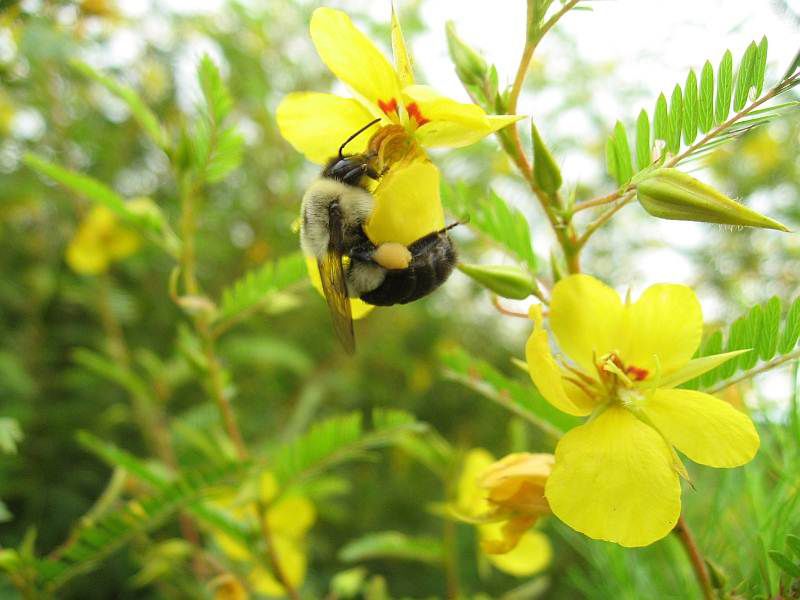
Here’s something that might surprise you: Florida is home to more than 300 native bee species, and many of them are active for much of the year.
Unlike northern states where pollinators emerge for a short window in spring, Florida’s warm climate means bees, butterflies, and other beneficial insects can stay active across a much longer season, with activity extending through much of the year in many areas.
That year-round activity is actually great news for Florida gardeners, but it also means that one month of skipping mowing has far less impact here than it does in Minnesota or Michigan.
The logic behind No Mow May relies on the idea that May is a critical, narrow window for pollinators.
In Florida, that window is wide open almost all year long.
Because Florida pollinators don’t depend on a single burst of spring blooms, you have much more flexibility in how and when you support them.
Planting native flowering plants that bloom at different times throughout the year is far more effective than skipping mowing in May.
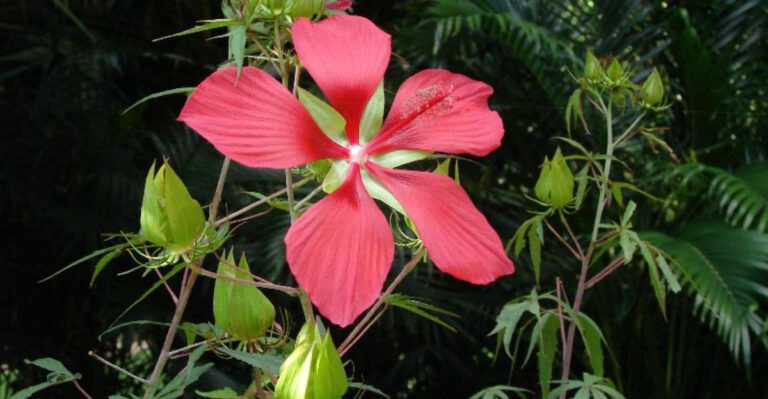
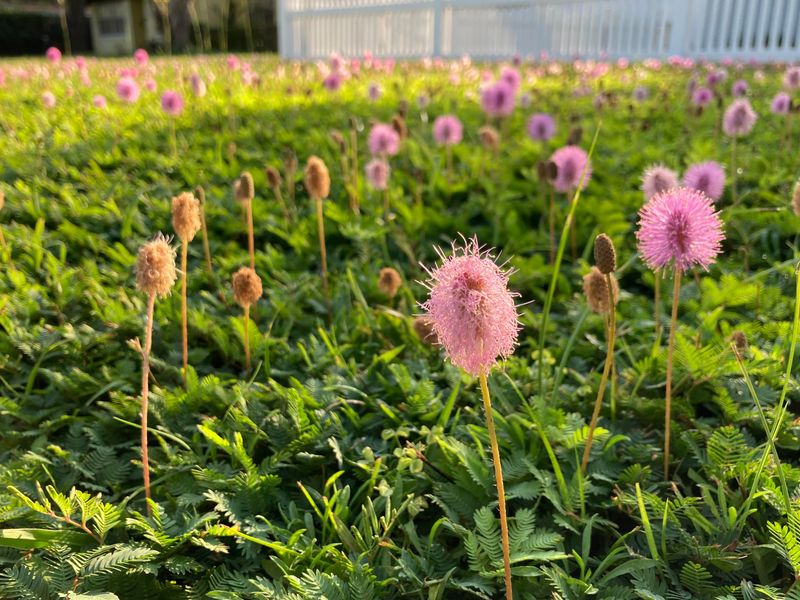
Florida-native and Florida-Friendly plants like native firebush, pineland lantana, frogfruit, sunshine mimosa, and other seasonally blooming choices can provide better pollinator resources across the year.
Spreading your pollinator support across the whole year, rather than concentrating it in one month, matches the actual rhythm of Florida’s ecological calendar.
6. Watch How Heat And Humidity Change Lawn Care
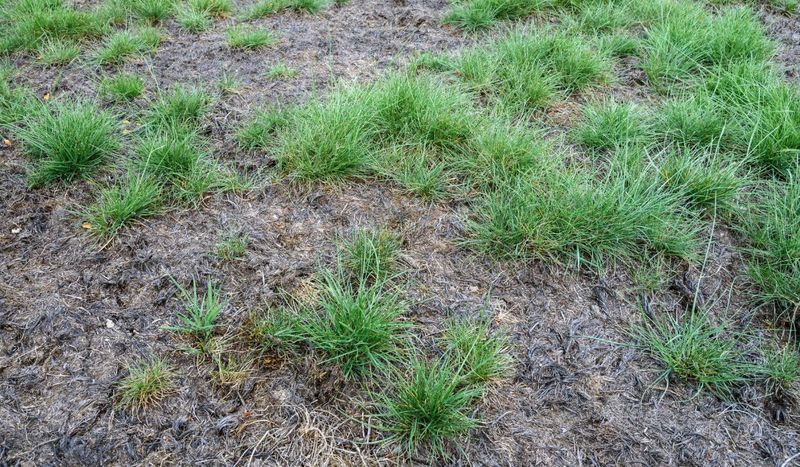
May in Florida is not the mild, breezy spring that people in cooler states enjoy. Temperatures are already climbing into the upper 80s and low 90s, afternoon thunderstorms are becoming more frequent, and the humidity is rising steadily.
That combination creates a very specific set of challenges for lawn care, especially when grass is left to grow tall and dense.
Overgrown turf traps moisture close to the soil surface and reduces airflow at the base of the grass. That warm, wet, low-airflow environment can favor fungal lawn diseases such as gray leaf spot and large patch, especially in susceptible turf.
Both can be serious problems for Florida lawns, particularly St. Augustine grass.
Dense, stressed turf can also make pest scouting harder, including for common Florida lawn pests such as chinch bugs. Regular mowing keeps the grass canopy open, improves air circulation, and reduces the conditions that invite disease and pest pressure.
UF/IFAS recommends maintaining proper mowing height year-round, and May is no exception.
Letting your lawn grow unchecked during one of the most active months for heat, rain, and humidity is a setup for lawn health problems that can take weeks or months to fully address.
7. Consider HOA Rules And Neighborhood Expectations
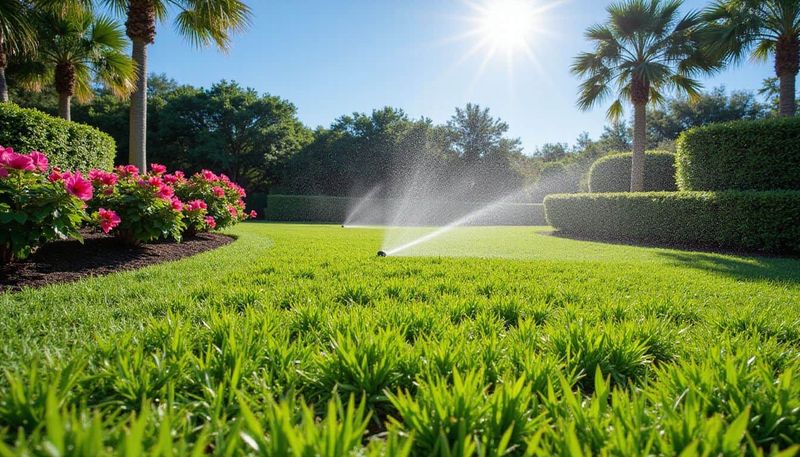
For many Florida homeowners, the decision about whether to mow in May isn’t entirely personal.
A large percentage of Florida residents live in communities governed by homeowners associations, and those organizations often have very specific rules about lawn height and appearance.
Letting your grass grow for a full month could put you in direct conflict with your HOA’s guidelines and result in fines or formal notices.
Beyond HOA rules, many Florida cities and counties have local ordinances that set maximum grass height limits. These codes exist for practical reasons, including limiting pest harborage, maintaining visibility, and preserving neighborhood standards.
A lawn that looks overgrown can also create friction with neighbors and affect the overall look of a street or community, even if your intentions are entirely good.
None of this means you can’t support pollinators or make your yard more eco-friendly. It just means the approach needs to be realistic and compatible with your local rules.
Talking to your HOA about adding a small native plant garden bed or reducing lawn area with groundcovers is often a much more productive conversation than asking for a mowing exemption.
Working within your community’s framework while still making meaningful choices for the environment is absolutely possible, and it tends to go a lot more smoothly than simply letting the lawn grow wild.
8. Try Florida Friendly Alternatives That Actually Work
You don’t have to choose between a healthy lawn and a pollinator-friendly yard. Florida-Friendly Landscaping, a program developed by UF/IFAS, offers a whole toolkit of practices that support both goals at the same time.
Most of these strategies are practical, affordable, and much better suited to Florida conditions than skipping a full month of mowing.
Start by keeping up with your mowing schedule but raising your mower blade to the highest recommended height for your grass type. Taller turf shades out weeds naturally and stays healthier through summer stress.
Avoiding unnecessary fertilizer also helps, especially as summer rain patterns approach. Some Florida communities restrict nitrogen or phosphorus fertilizer during certain months, so local rules matter.
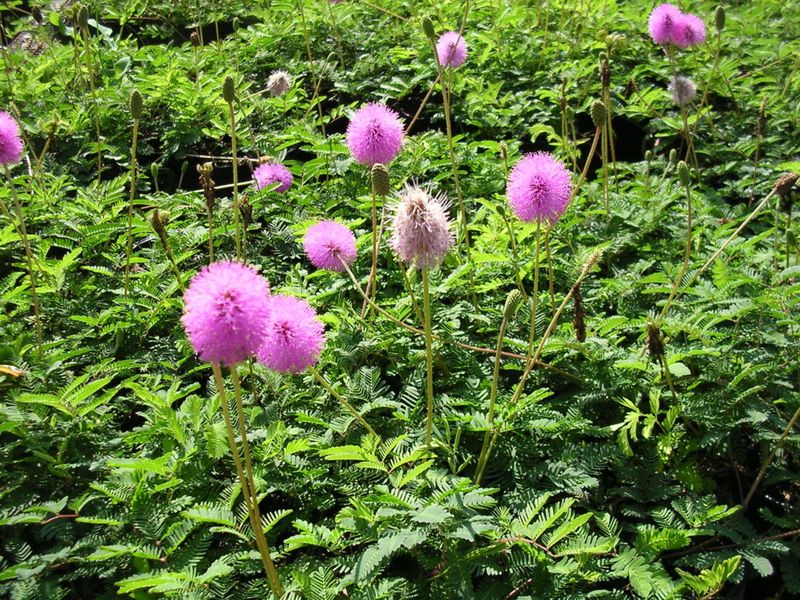
Adding a small native plant bed is one of the most impactful things you can do for Florida pollinators. Sunshine mimosa is a low-growing native groundcover that produces fluffy pink blooms and attracts bees consistently.
Frogfruit is another excellent choice that thrives in Florida heat and supports butterflies and native bees. Both can be used to replace sections of lawn with something far more ecologically valuable.
Planting a mix of native or Florida-Friendly flowering species with staggered bloom times creates steadier pollinator support than relying on a single unmowed month.