What It Really Means When A Praying Mantis Shows Up In Your North Carolina Garden
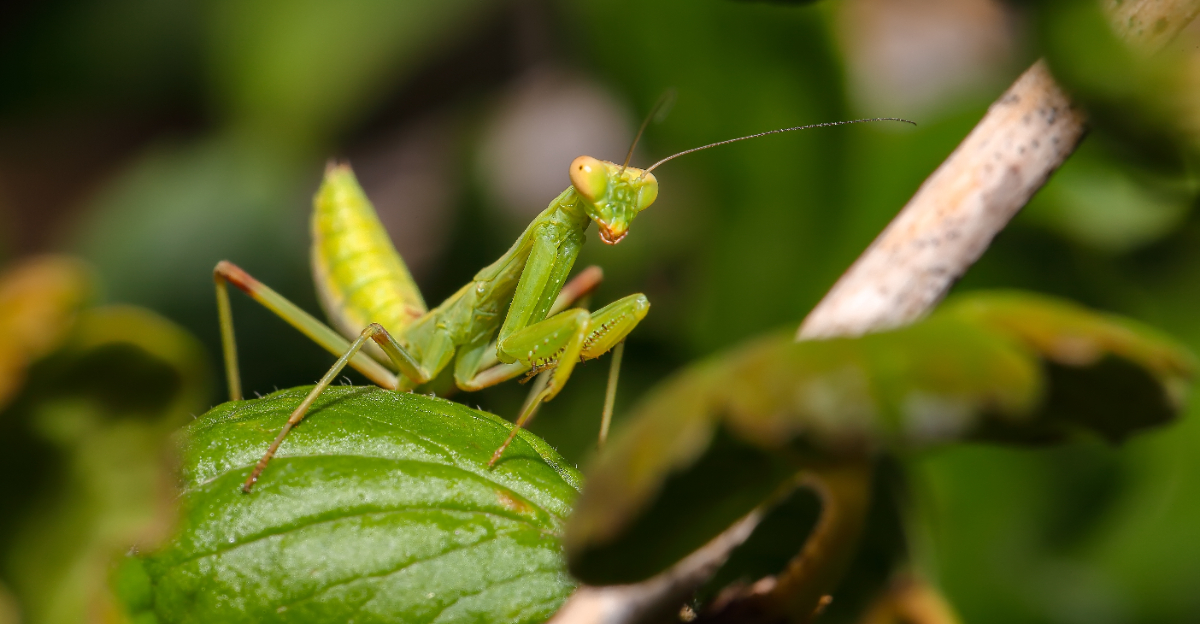
Finding a praying mantis in your garden has a way of making you stop and stare. There is something almost prehistoric about the way they hold perfectly still, rotating their heads slowly and watching everything around them with what feels like genuine focus.
Most gardeners know they are looking at something beneficial, but beyond that, the details get fuzzy. What is it actually doing there?
What does its presence say about the health of your garden? And should you be doing anything to encourage more of them?
North Carolina’s warm climate and long growing season make it excellent habitat for several mantis species, and they tend to show up right when garden activity is at its peak.
These insects are active hunters, and the garden ecosystem they choose to occupy tells you something worth knowing.
Whether you spotted a tiny juvenile in spring or a full grown adult perched on a tomato plant in late summer, here is what that sighting actually means for your garden.
1. Your Garden Has Plenty Of Insects To Offer
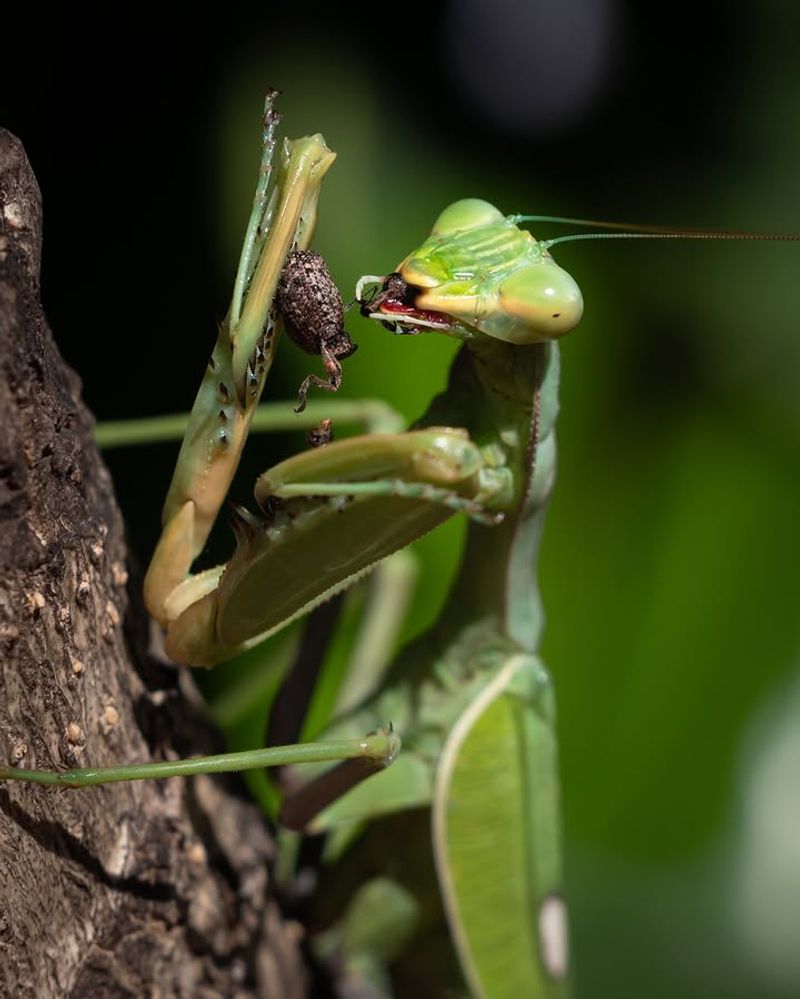
A praying mantis does not wander into just any garden. These sharp-eyed hunters only settle where food is easy to find, and their arrival is basically a sign that your North Carolina garden is buzzing with insect life.
Think of them as nature’s way of confirming that your plants are attracting a lively crowd.
Mantises belong to the order Mantodea, and they are sit-and-wait predators. They stay completely still on a branch or leaf, then strike with lightning speed when an insect comes close enough.
For that strategy to work, insects need to be nearby and plentiful.
If your garden has flowering plants, dense foliage, or vegetables that attract pollinators and other bugs, you are already creating the right conditions. North Carolina’s warm growing season makes gardens especially rich in insect activity from late spring through early fall.
A mantis spotted among your plants means you have built something genuinely alive and thriving. That is worth feeling good about as a gardener who cares about the natural world around them.
2. They Are Generalist Predators, Not Just Helpful Bugs
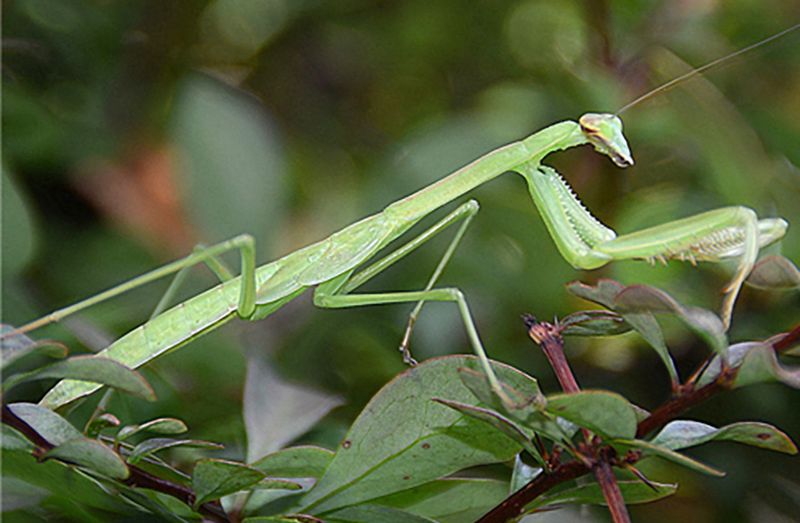
Many gardeners assume that a praying mantis only eats the bad bugs, acting like a tiny, six-legged pest control service. The truth is a little more complicated and honestly pretty fascinating.
Mantises are generalist predators, which means they eat whatever insect crosses their path, good or bad.
Yes, they will snatch up aphids, caterpillars, and grasshoppers without hesitation. But they are just as likely to grab a honeybee, a butterfly, or even a beneficial beetle if the opportunity presents itself.
They do not check a list before they strike. Hunger drives every decision they make.
In North Carolina gardens, this matters because pollinators like bees and butterflies are incredibly valuable. Losing a few to a mantis is not usually a big problem, but it is worth knowing the full picture.
A mantis is not a garden hero or a villain. It is simply a wild predator doing exactly what its biology tells it to do.
Your North Carolina Garden Changes Every Week. Your Plan Should Too.
Gardening in North Carolina changes quickly throughout the season. Every Friday you’ll receive a simple weekly plan showing exactly what to plant, prune, fertilize, harvest, and protect so you never miss the right timing.
Appreciating that honesty about nature makes you a more grounded and informed gardener, and it helps you set realistic expectations about what these remarkable insects can and cannot do for your outdoor space.
3. North Carolina’s Climate Is Perfect For Mantis Life
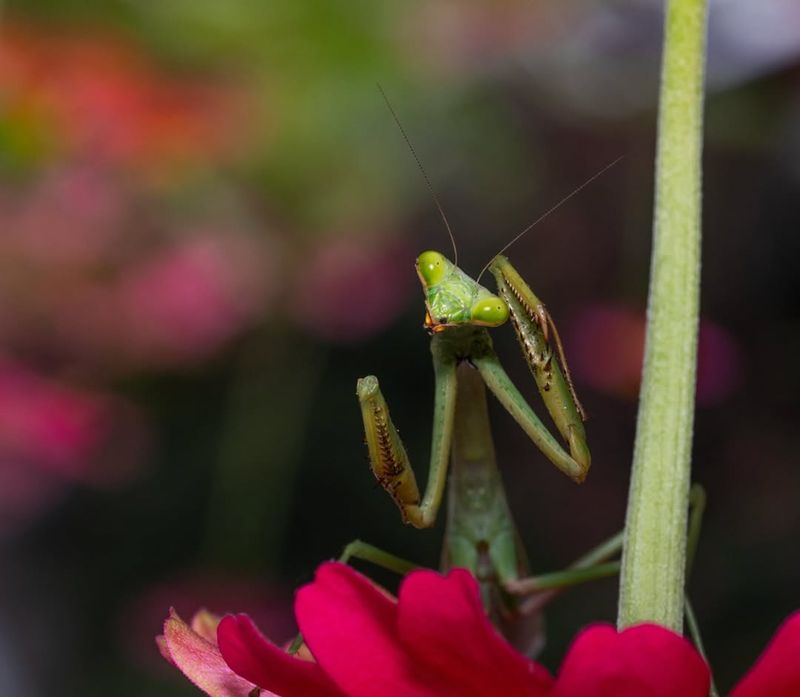
Warm temperatures, high humidity, and long growing seasons make North Carolina one of the most welcoming states for praying mantises in the entire country.
From the Piedmont to the coastal plain, the climate lines up almost perfectly with what mantises need to survive and reproduce successfully throughout the year.
Mantises are most active from late spring through early fall, exactly when North Carolina gardens are at their fullest. Temperatures between 75 and 95 degrees Fahrenheit keep mantises energetic and hunting regularly.
The dense, leafy plants that thrive in the state’s humidity also give mantises excellent cover for ambushing prey.
Interestingly, mantises are cold-blooded, so they rely entirely on the environment to regulate their body temperature. Once temperatures drop in late autumn, adult mantises slow down significantly.
North Carolina’s mild falls actually extend their active season compared to northern states, giving them more time to feed and lay egg cases before winter arrives. If you garden anywhere in central or eastern North Carolina, you are living in prime mantis territory.
Seeing one in your yard is not unusual at all. It is actually a perfectly natural outcome of gardening in such a rich and biologically active environment.
4. One Mantis Will Not Solve Your Pest Problems
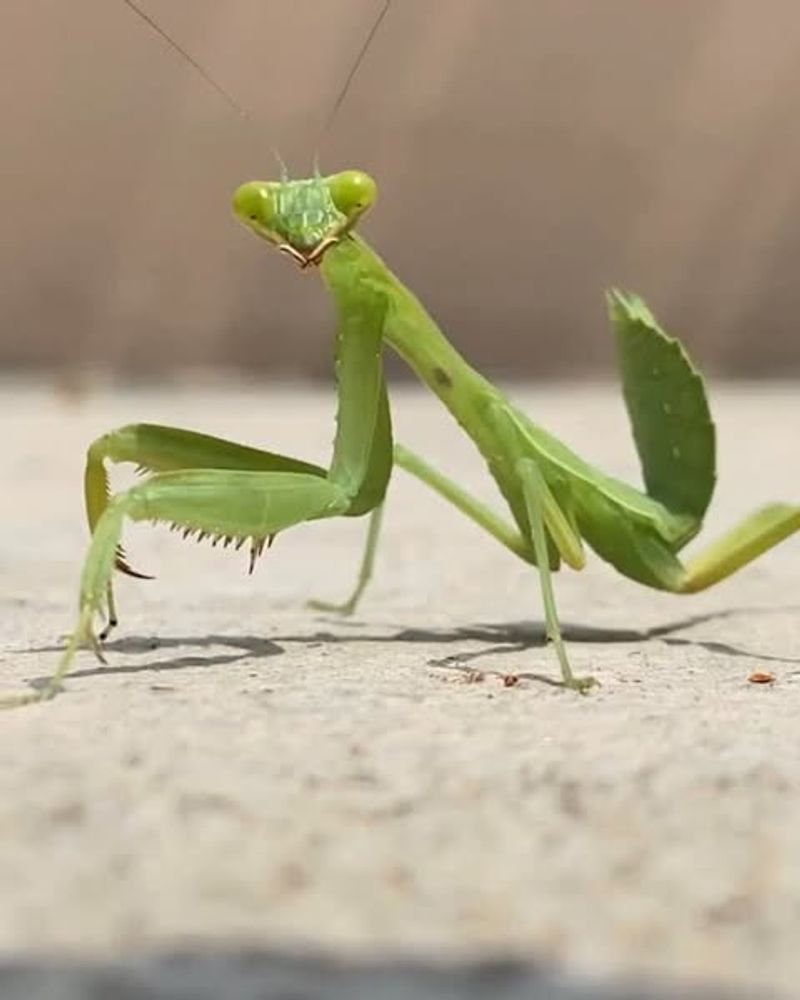
Spotting a praying mantis and thinking your pest problems are handled is a really common mistake among new gardeners. It feels logical at first.
A natural predator shows up, and suddenly you picture it patrolling your plants like a tiny guardian. But that is not quite how it works in a real North Carolina garden.
A single mantis covers a surprisingly small territory and eats only what it can physically catch one insect at a time. Aphid colonies can contain hundreds of individuals reproducing rapidly, while one mantis might catch a handful of insects per day at most.
The math simply does not work in favor of pest elimination. Mantises also do not target specific pests with any kind of preference or pattern. An aphid-covered rose bush nearby does not guarantee the mantis will visit it.
They hunt based on movement and proximity, not on where gardeners need them most. If you are dealing with a real pest infestation in your North Carolina garden, you will still need targeted solutions like companion planting, row covers, or organic sprays.
A mantis is a wonderful natural addition to any yard, but treating it as your sole pest management plan will likely leave you disappointed by midsummer.
5. An Egg Case Probably Hatched Somewhere Close By
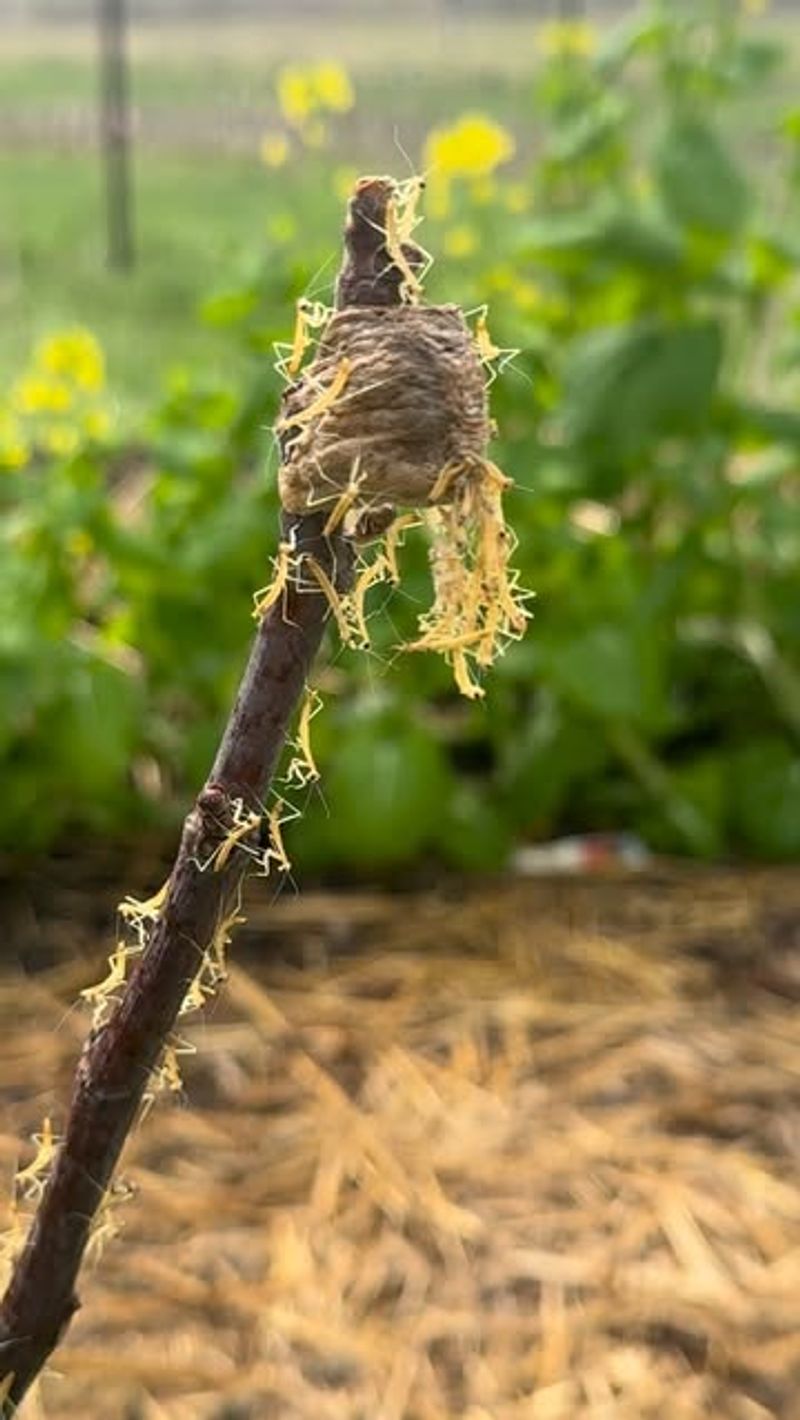
Seeing a small praying mantis early in the season is one of the most exciting little garden discoveries you can make.
Baby mantises, called nymphs, hatch from a foam-like egg case called an ootheca, and if you are spotting young ones in spring, there is a very good chance one hatched right in your own North Carolina yard.
A female mantis lays her ootheca in late summer or early fall, attaching it firmly to a sturdy stem, fence post, or tree branch. The case hardens into a tough, tan-colored structure roughly the size of a large marshmallow.
It protects anywhere from 50 to 200 eggs through the cold winter months, and they hatch when temperatures warm up again in spring.
If you find an ootheca on a plant you plan to prune or move, consider leaving that branch in place or relocating it carefully to a sheltered spot in your yard.
North Carolina’s spring warmth triggers hatching, and the tiny nymphs scatter in every direction almost immediately after emerging.
Finding one later in the season is proof that your garden provided shelter and survival conditions all winter long. That is a small but meaningful sign of a healthy, well-balanced outdoor environment worth protecting and celebrating every season.
6. Mantises Love Gardens That Are Diverse And Undisturbed
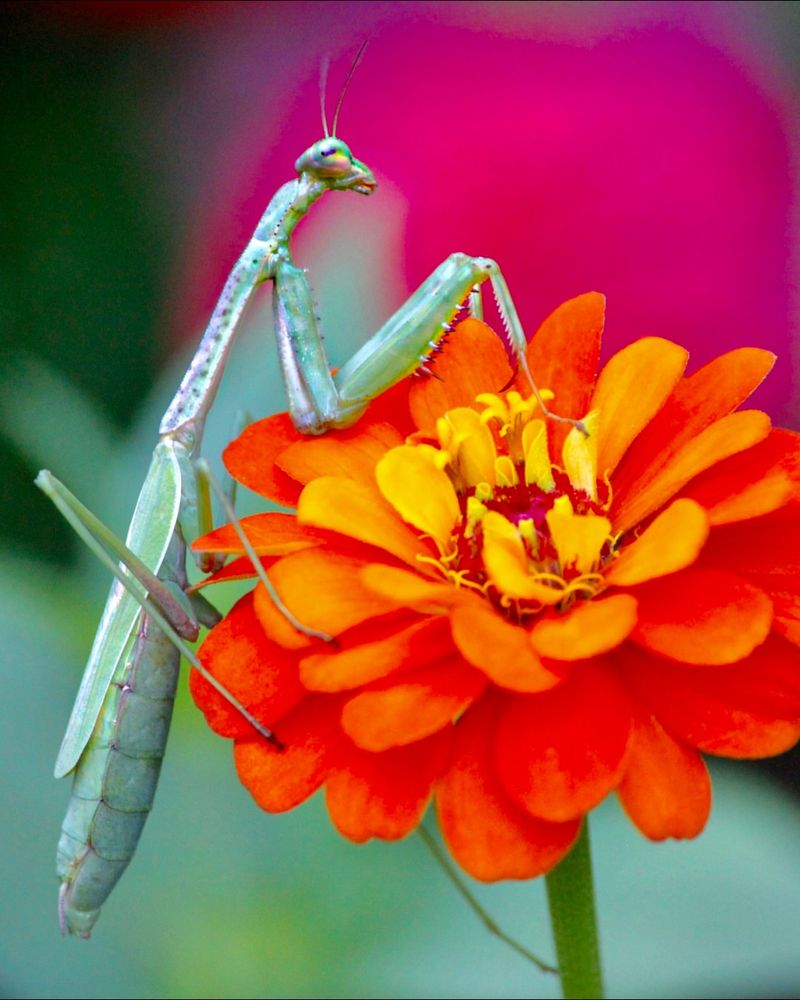
A praying mantis is not going to feel at home in a perfectly manicured, heavily sprayed garden with just one or two types of plants. These insects thrive in spaces that feel layered, varied, and a little wild around the edges.
If a mantis has moved into your North Carolina garden, you have probably created that kind of rich, welcoming environment without even realizing it.
Gardens with a mix of flowering plants, native shrubs, vegetables, and grasses offer the structural variety mantises need to hunt, hide, and rest. Tall plants give them elevated perches with wide sightlines.
Dense mid-level foliage provides cover while they wait for prey to wander within striking range. That combination is basically ideal mantis real estate.
Pesticide use is one of the biggest reasons mantis populations disappear from gardens. Chemical sprays reduce insect diversity rapidly, which removes the food supply mantises depend on entirely.
Reducing or eliminating pesticide use in your North Carolina yard creates a ripple effect that supports mantises, pollinators, and dozens of other beneficial species at the same time.
Planting native species like coneflowers, milkweed, and wild bergamot also brings in the insect variety that keeps mantises fed and active all season long. Your garden’s diversity is its greatest strength.
7. Not Every Mantis In Your Yard Is A Native Species
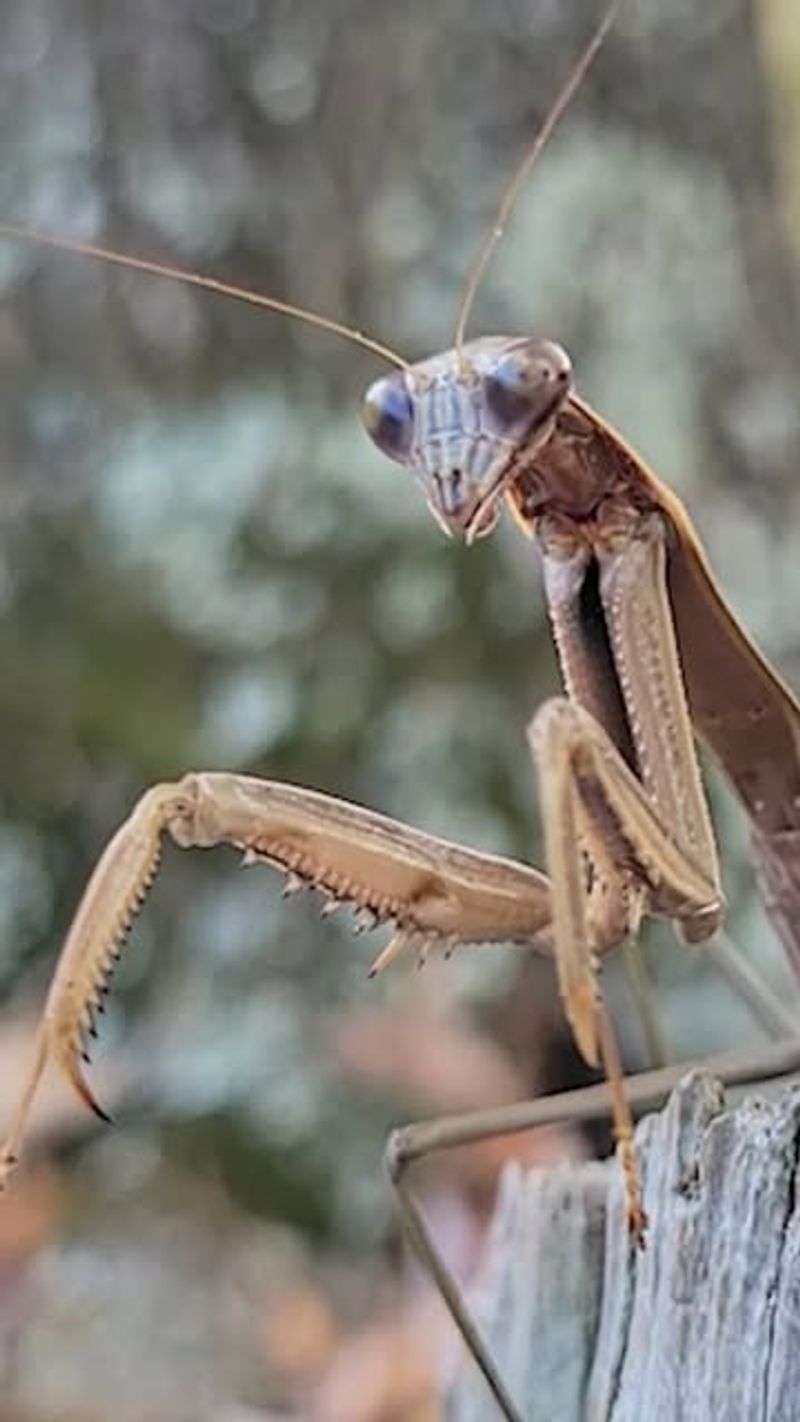
Here is something most North Carolina gardeners do not know: the large, impressive praying mantis you spotted might not actually be a native species at all.
Two types are commonly found across the state, and they are quite different from each other in ways that actually matter for your local ecosystem.
The Carolina mantis, Stagmomantis carolina, is the true native species. It is smaller, usually around two to two and a half inches long, and blends beautifully into native vegetation with mottled gray and brown coloring.
The Chinese mantis, Tenodera sinensis, is non-native, significantly larger at up to four inches, and was introduced to North America in the late 1800s as a pest control agent.
The problem is that Chinese mantises are aggressive competitors. They are larger, eat more, and can outcompete the smaller Carolina mantis for food and territory in the same garden space.
Over time, this can reduce native mantis populations in your area. You can tell them apart by size and color, with the Chinese mantis often showing a green stripe along the edge of its wings.
Supporting native plants and avoiding the purchase of non-native mantis egg cases sold at garden centers helps protect the Carolina mantis, which is a genuine and irreplaceable part of North Carolina’s natural insect community.