7 Native Pennsylvania Flowers That Pollinators Love But Nurseries Rarely Sell
Walk through any Pennsylvania nursery in spring and you’ll notice a pattern pretty quickly. The same flowers fill the benches year after year, the same colors, the same varieties, the same safe choices that fly off the shelves because people recognize them.
It’s a reliable system for the nursery, but it leaves a pretty big gap when it comes to plants that actually move the needle for local pollinators.
Pennsylvania is home to some truly spectacular native wildflowers that bees, butterflies, and hummingbirds depend on, and most of them never make it to commercial nursery shelves.
They don’t have flashy marketing behind them, they’re not bred for oversized blooms, and they don’t photograph the way hybrid varieties do. But put them in your garden and the wildlife response is immediate and honestly a little stunning.
These flowers belong in a lot more Pennsylvania gardens than they currently occupy, and finding them is easier than most people think.
1. Wild Bergamot
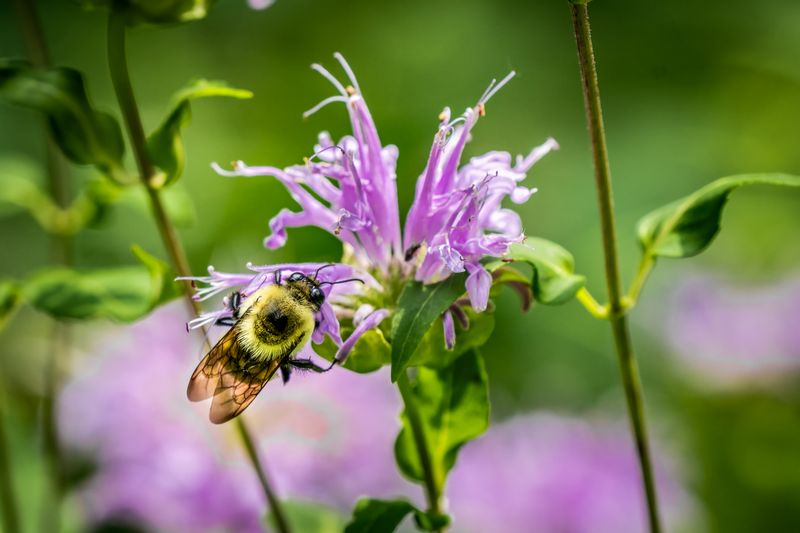
Walk through any open meadow or woodland edge in Pennsylvania during midsummer, and you might catch a sweet, herbal scent drifting through the air. That fragrance belongs to Wild Bergamot, one of the most beloved native wildflowers in the entire region.
Its lavender-pink blooms look like little fireworks, and pollinators absolutely cannot get enough of them.
Native bees, bumblebees, and butterflies swarm to Wild Bergamot in huge numbers. It is one of the top pollinator plants in the Northeast, yet mainstream nurseries consistently pass it over in favor of flashier, non-native relatives.
That makes no sense, because Wild Bergamot is genuinely easy to grow and requires almost no attention once it gets settled in.
In Pennsylvania, it thrives in full sun to light shade and handles dry, average soils without complaint. It spreads gently over time, slowly filling in patches of the garden with soft color and fragrance.
You can grow it from seed or transplant, and it will reward you with blooms every summer for years.
Beyond its pollinator value, Wild Bergamot has a rich history with Native American communities, who used it for everything from teas to medicinal purposes. That long relationship with the land makes it feel like a truly rooted Pennsylvania plant.
If you spot it at a native plant sale or specialty nursery, grab it without hesitation. Your garden and your local pollinators will thank you for it every single season.
2. Blue Wild Indigo
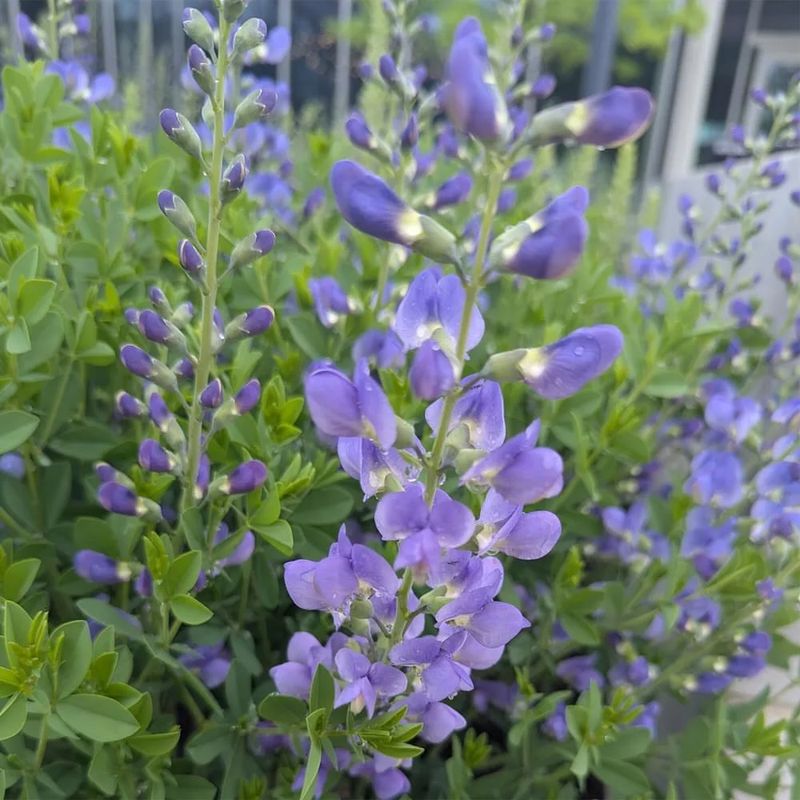
Few native plants in Pennsylvania make as bold a statement as Blue Wild Indigo. Its tall spikes of deep blue-purple flowers shoot up in late spring, looking almost exactly like lupines. The effect in a garden is genuinely dramatic, and bumblebees go absolutely wild for it.
Here is a fun fact most people do not know: bumblebees are actually one of the only insects strong enough to pry open Blue Wild Indigo flowers.
The blooms are built specifically for them, which makes this plant a critical food source for Pennsylvania bumblebee populations. That relationship between plant and pollinator is something truly special to witness up close.
Your Pennsylvania Garden Changes Every Week. Your Plan Should Too.
Gardening in Pennsylvania changes quickly throughout the season. Every Friday you’ll receive a simple weekly plan showing exactly what to plant, prune, fertilize, harvest, and protect so you never miss the right timing.
Once established, Blue Wild Indigo is one of the toughest plants you can grow in Pennsylvania. It handles drought without fuss, resists pests almost completely, and lives for decades in the same spot.
The roots go incredibly deep, which is why it survives tough conditions that would stress other plants.
Despite all of these qualities, it is surprisingly hard to find at regular garden centers across the state. Most mainstream nurseries skip it entirely.
Your best bet is a native plant nursery, a plant swap, or a local native plant society sale. It does take a couple of seasons to really get going, so patience pays off here.
Once it matures, Blue Wild Indigo becomes an absolute anchor plant in any Pennsylvania pollinator garden, delivering reliable beauty and wildlife value year after year.
3. Golden Alexanders
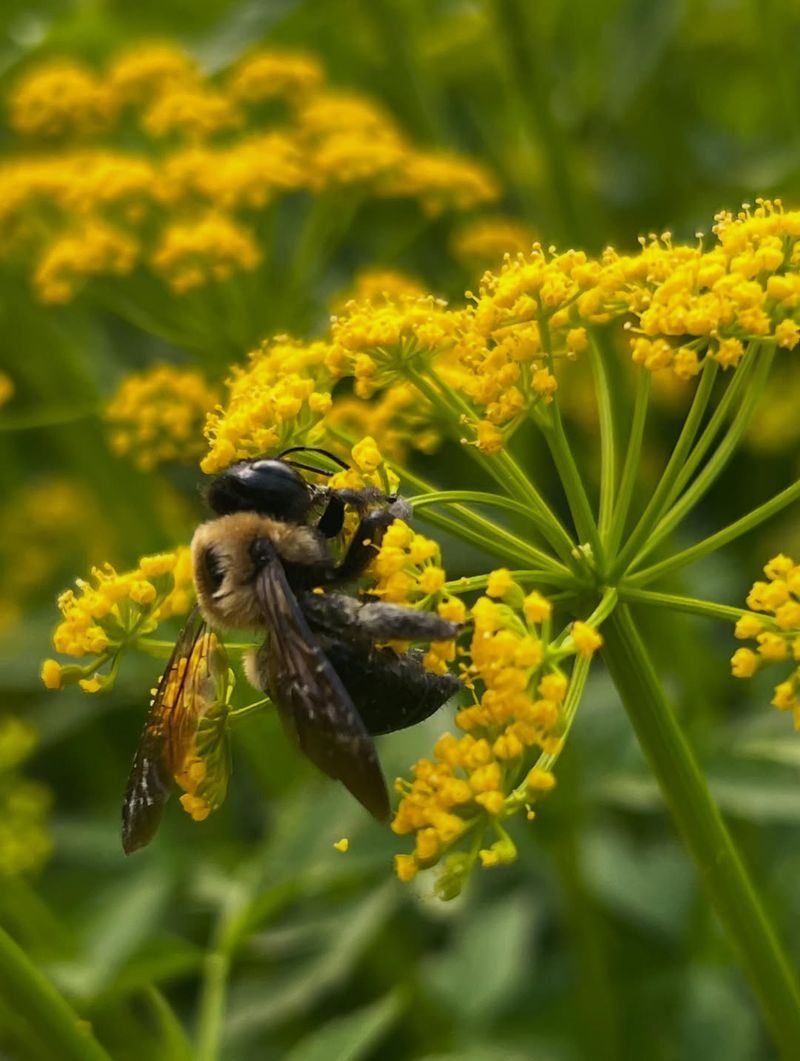
Timing is everything in a pollinator garden, and Golden Alexanders has timing down perfectly.
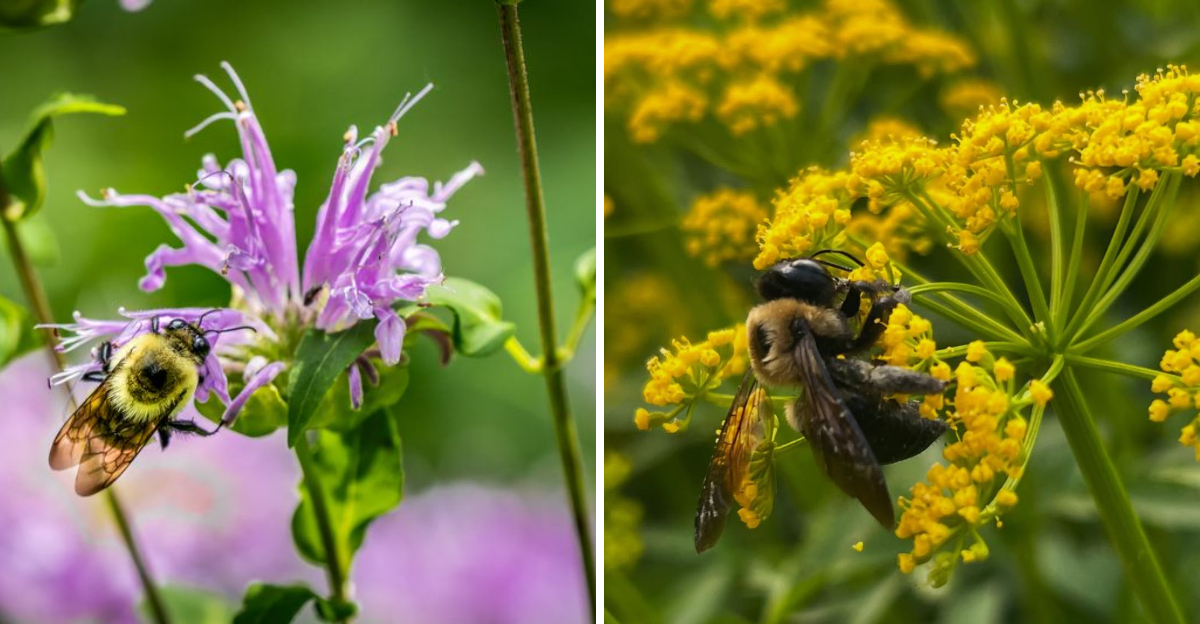
It is one of the very first native wildflowers to bloom in Pennsylvania each spring, pushing out bright clusters of golden yellow flowers right when bees and butterflies are waking up and desperately searching for food.
That early bloom makes it an incredibly important plant for the whole local ecosystem. Early native bees and spring butterflies rely on Golden Alexanders as a critical early-season fuel stop.
On top of that, it serves as a host plant for the Black Swallowtail butterfly, meaning females lay their eggs on its leaves and caterpillars feed on it as they grow.
Supporting a plant like this means supporting an entire chain of wildlife, not just a single species.
Golden Alexanders is also wonderfully flexible about where it grows. It thrives in both full sun and partial shade, handles moist soils well, and looks lovely planted near rain gardens or along stream edges common throughout Pennsylvania.
It forms tidy clumps and pairs beautifully with other spring natives like Wild Columbine. Sadly, mainstream nurseries across Pennsylvania almost never carry it. That is a real missed opportunity, because it is genuinely easy to grow and looks stunning in spring borders.
Native plant sales hosted by local conservation groups and native plant societies are your best source for Golden Alexanders. Once you get it established, it self-seeds lightly and slowly builds a natural, relaxed presence in your garden over time.
4. Wild Columbine
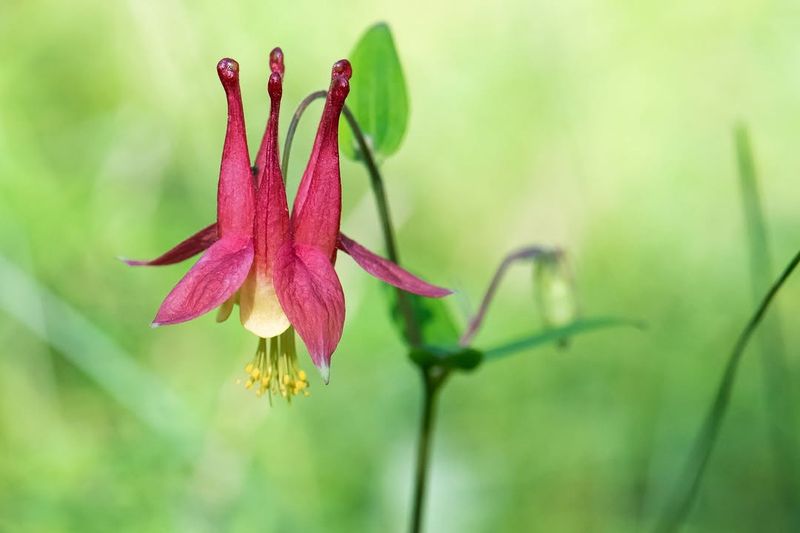
There is something almost magical about seeing Wild Columbine in bloom. Its nodding red and yellow flowers hang like little lanterns from slender stems, swaying gently in the spring breeze.
Hummingbirds absolutely love it, darting in to sip nectar from the long curved spurs. Long-tongued bumblebees and native bees are equally devoted fans.
Wild Columbine is a true Pennsylvania native with a personality all its own. It loves rocky woodland edges, shaded slopes, and the kind of challenging spots where other plants struggle to get going.
That toughness makes it a genuinely useful plant for difficult garden areas across the state. It blooms reliably in spring, right when hummingbirds are returning from their winter travels and need a quick energy source.
One of its best qualities is how gracefully it self-seeds. Wild Columbine drops its seeds nearby and gently spreads through a garden over several years, filling in spots with cheerful color without ever becoming pushy or aggressive. You barely have to do anything once it gets established.
Most garden centers across Pennsylvania stock non-native columbine hybrids that look flashy but offer far less value to local wildlife. The native species is actually more charming in a quiet, understated way.
Look for Wild Columbine at native plant sales, botanical garden plant swaps, or specialty nurseries focused on Pennsylvania natives. It is the kind of plant that makes you stop and stare every single spring, no matter how many times you have seen it bloom before.
5. Hairy Beardtongue
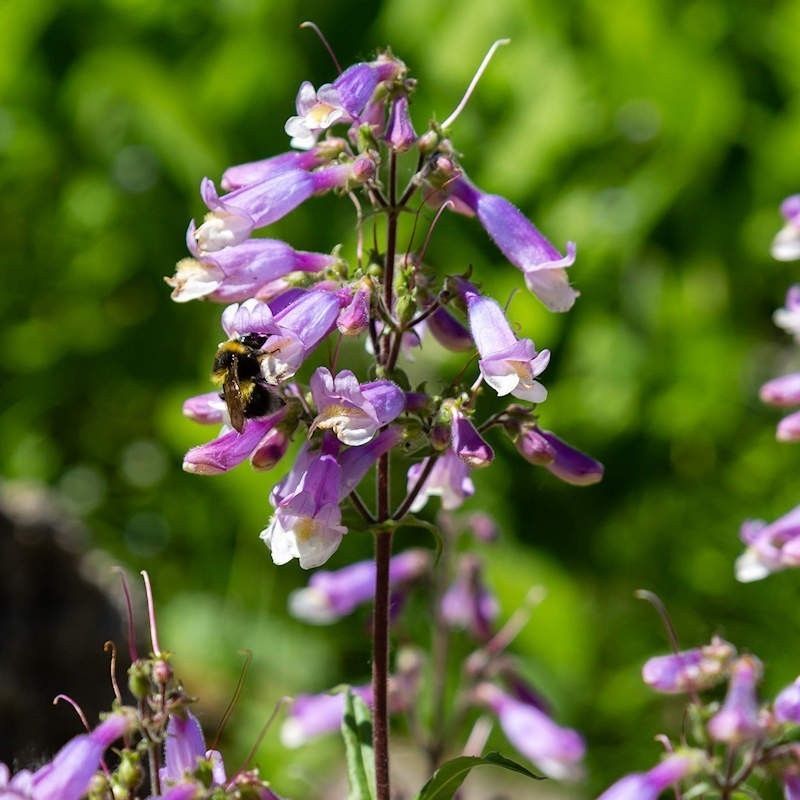
Rocky, dry soil is not exactly the easiest growing condition, but Hairy Beardtongue treats it like a luxury. This lovely Pennsylvania native actually prefers the kind of lean, gritty ground that most garden plants refuse to touch.
If you have a dry, sunny slope or a rocky patch in your Pennsylvania yard that nothing else seems to like, Hairy Beardtongue was practically made for that spot.
Its tubular flowers come in soft shades of lavender and white, giving it an elegant, understated look that pairs well with other native grasses and wildflowers.
Bumblebees are perfectly shaped to work these flowers, crawling inside to reach the nectar and picking up pollen as they go. Watching a bumblebee disappear into one of those small blooms is genuinely entertaining.
Despite being so well-suited to Pennsylvania conditions, Hairy Beardtongue is almost never found at regular nurseries. Most garden centers do not even know it exists.
That makes it a real hidden gem for gardeners willing to seek it out through native plant sales or specialty growers focused on regional wildflowers.
It is a low-maintenance plant in the best possible way. Once established, it asks for almost nothing.
No special fertilizer, no extra watering, no complicated pruning routine. It simply grows, blooms, and feeds pollinators season after season.
For gardeners dealing with challenging dry sites across Pennsylvania, Hairy Beardtongue is one of the most practical and rewarding native plants you could possibly choose. It earns its spot every single year.
6. Yellow Wild Indigo
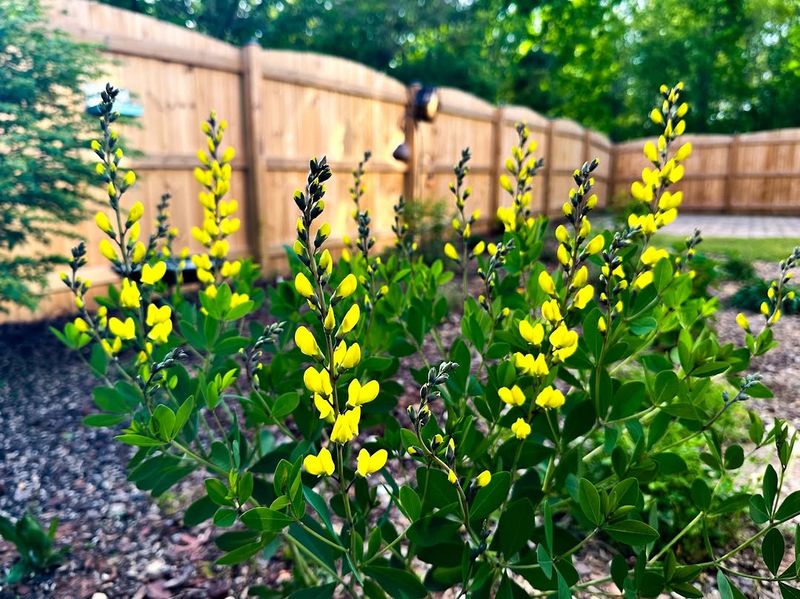
If Blue Wild Indigo is hard to find at Pennsylvania nurseries, Yellow Wild Indigo is practically a ghost.
Most gardeners in the state have never even heard of it, which is a real shame because it is one of the toughest and most ecologically valuable native plants growing across the region.
Its cheerful bright yellow flowers pop against airy, branching stems, creating a light and breezy look that feels completely different from its blue cousin.
What makes Yellow Wild Indigo especially fascinating is its relationship with specialist native bees. Several bee species across Pennsylvania depend on Baptisia plants almost exclusively for their pollen needs.
These specialist bees cannot simply switch to another plant if Baptisia disappears from the landscape. Growing Yellow Wild Indigo in your yard directly supports these rare and specialized pollinators in a way that almost no other garden plant can match.
It is also an exceptionally tough plant. Poor, dry, sandy soils that challenge most other plants are exactly where Yellow Wild Indigo thrives.
It handles the kind of difficult Pennsylvania garden spots that leave other plants struggling. Once established, it is essentially self-sufficient and can live in the same location for many decades.
Finding it requires some effort. Mainstream nurseries across Pennsylvania rarely if ever carry it, so native plant society sales and specialty native plant growers are your best options.
The wait and the search are absolutely worth it. Yellow Wild Indigo brings rare beauty, serious ecological value, and remarkable toughness to any Pennsylvania pollinator garden that is lucky enough to have it.
7. Foxglove Beardtongue
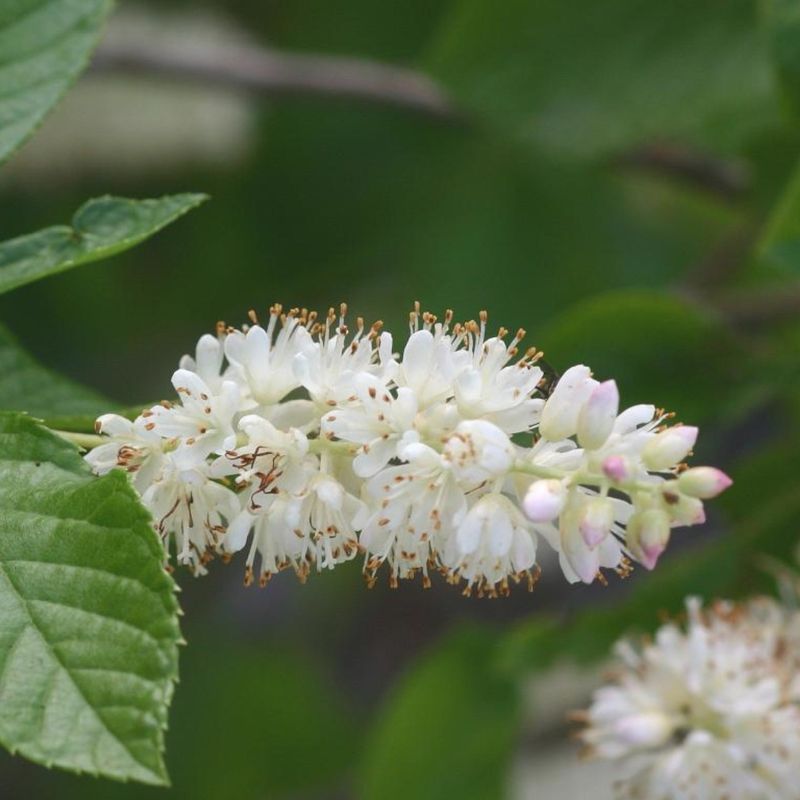
Tall, elegant, and loaded with wildlife value, Foxglove Beardtongue is the kind of native plant that makes people stop and ask what it is. Its clusters of white tubular flowers carry delicate purple veining on the inside, giving them a refined, almost artistic look.
It blooms in early summer, filling that gap between spring wildflowers and midsummer bloomers that can leave a garden looking quiet.
Bumblebees are absolutely devoted to Foxglove Beardtongue. They work the flowers with impressive enthusiasm, and their visits make the whole plant shake and sway in a wonderfully lively way.
Hummingbirds also visit regularly, drawn in by the tubular flower shape that perfectly suits their long bills. For a plant that is almost never found at mainstream nurseries across Pennsylvania, it packs a remarkable amount of pollinator power.
Growing it is refreshingly simple. Foxglove Beardtongue tolerates a wide range of soil conditions, from average garden beds to slightly moist spots near rain gardens.
It handles both full sun and light shade, making it flexible enough to fit into almost any Pennsylvania yard. It also self-seeds modestly, slowly building up a natural colony over time without becoming invasive.
The height it brings to a garden is a real bonus. Planted toward the back of a border or in a naturalistic meadow planting, it creates beautiful vertical interest that shorter plants simply cannot provide.
Seek it out at native plant sales or specialty nurseries focused on Pennsylvania natives. Once you grow Foxglove Beardtongue, you will wonder how your pollinator garden ever managed without it.