What It Really Means When A Fox Shows Up In Your North Carolina Yard

Spotting a fox in your North Carolina yard tends to stop you in your tracks. There is something striking about seeing a wild animal that alert and that close to home, and most people are not quite sure what to make of it. Is it lost? Sick?
Looking for something specific? The answer depends on a lot of factors, and the truth is that foxes showing up near homes in North Carolina is becoming more common as neighborhoods expand into areas these animals have used for generations.
Red foxes and gray foxes both live throughout the state, and each behaves a little differently when it comes to how close they will get to people and residential areas.
A fox passing through your yard usually has a reason, and understanding what that reason might be tells you a lot about what is happening in the natural environment right around your home.
Here is what that visit most likely means and what, if anything, you should actually do about it.
1. Foxes Are Common And Native In North Carolina

North Carolina is home to two established fox species, and both are thriving across the state. The red fox (Vulpes vulpes) and the gray fox (Urocyon cinereoargenteus) have lived here for a very long time.
You can find them in rural farmlands, wooded neighborhoods, and even busy suburban areas around cities like Durham and Greensboro.
Red foxes are the ones most people recognize, with their bright orange-red coats and bushy white-tipped tails. Gray foxes are a bit smaller and have a salt-and-pepper coat with a black stripe running down the tail.
Both species are highly adaptable and comfortable living close to people, which is why backyard sightings happen so regularly throughout the state.
North Carolina’s mix of forests, open fields, and suburban green spaces creates a perfect habitat for these animals. They are not invasive or out of place when they show up in your yard.
Seeing one is actually a sign that your local ecosystem is reasonably healthy and that wildlife corridors still exist in your community. Rather than feeling alarmed, consider it a small, exciting reminder that nature is alive and well right outside your back door in North Carolina.
2. They Are Usually Just Passing Through

Most of the time, a fox wandering through your yard is simply traveling its regular route. Foxes cover large home ranges, sometimes several square miles depending on food availability and the season.
Seeing one walk across your lawn does not mean it has claimed your property or plans to settle in.
Think of your yard as one small stop along a much bigger daily journey. Foxes use familiar paths through neighborhoods, along fence lines, and beside creeks to move between food sources and resting spots.
In North Carolina suburbs, these routes often cut right through residential backyards without the homeowner even knowing it happens regularly.
A single sighting or even a few visits spread across several weeks usually points to a fox following its territory circuit rather than targeting your yard specifically.
Your North Carolina Garden Changes Every Week. Your Plan Should Too.
Gardening in North Carolina changes quickly throughout the season. Every Friday you’ll receive a simple weekly plan showing exactly what to plant, prune, fertilize, harvest, and protect so you never miss the right timing.
Unless you notice repeated visits at the same time every day or see signs of digging and nesting, there is likely nothing unusual going on.
The fox is simply doing what foxes do, moving through the landscape quietly and efficiently. Appreciating that moment of wild beauty crossing your North Carolina yard, without overreacting, is usually the best and most practical response you can have.
3. A Fox In Your Yard Is Hunting Rodents
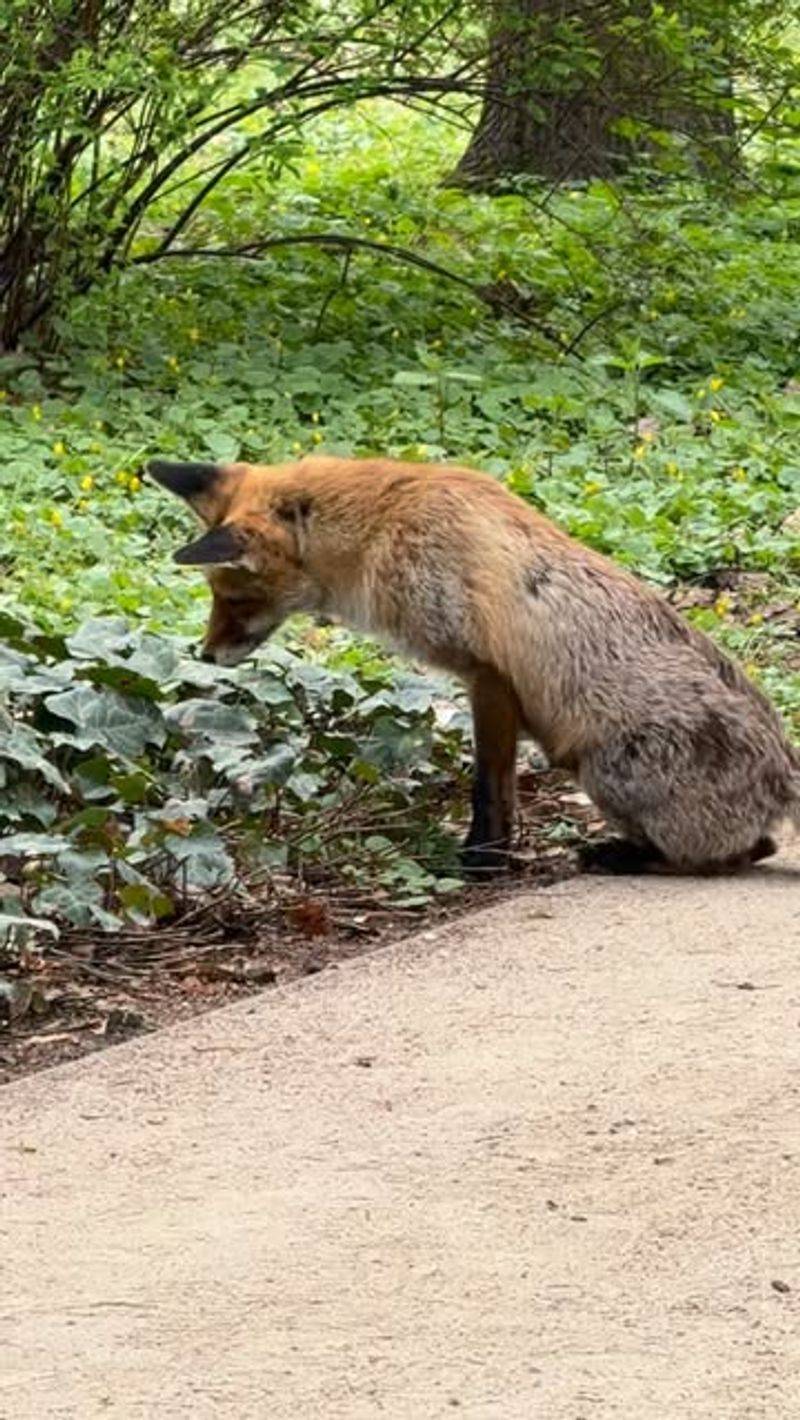
One of the biggest reasons a fox visits your yard is food, and that food is probably something you want gone anyway. Foxes are skilled predators of mice, voles, moles, and insects, all of which are common backyard pests across North Carolina.
Having a fox pass through regularly could actually be doing your garden a quiet, helpful favor.
A hunting fox is a fascinating thing to watch. It moves slowly and deliberately, ears perked forward, head tilted toward the ground, listening for the tiny sounds of movement beneath the grass or soil.
When it pinpoints its target, it leaps straight up and pounces with impressive accuracy. This behavior, called mousing, is instinctive and incredibly effective at reducing rodent populations naturally.
Foxes also eat rabbits, beetles, earthworms, berries, and fallen fruit, making them true omnivores that adapt to whatever food is available.
In North Carolina yards with vegetable gardens or fruit trees, a fox might be drawn in by the rodents that those plants attract rather than the plants themselves.
Recognizing this predator-prey relationship helps you see the fox not as a nuisance but as a natural pest management partner working quietly in your outdoor space every single night.
4. Daytime Sightings Do Not Always Signal Trouble

Many people assume that seeing a fox in broad daylight automatically means something is wrong with the animal. That assumption is understandable but often incorrect.
While foxes are typically more active at dawn and dusk, they can and do move around during the day for perfectly normal reasons.
In spring, parent foxes in North Carolina need significantly more food to feed their growing kits. This extra demand pushes them to hunt at unusual hours, including midday.
A fox trotting through your yard at noon in April or May is most likely a hard-working parent on a food run, not a sick or dangerous animal.
The real warning signs to watch for are very different from simply being out during daylight.
A fox that is stumbling, moving in circles, acting extremely disoriented, or approaching people without any hesitation could be showing signs of illness and should be reported to your local North Carolina Wildlife Resources Commission.
A calm, alert fox that notices you and moves away is behaving completely normally. Learning to read the difference between healthy and concerning behavior helps you respond appropriately and avoid unnecessary worry every time one crosses your yard during a sunny afternoon.
5. Repeated Visits In Spring Could Mean A Den Nearby

Spring in North Carolina brings warmer weather, blooming trees, and sometimes a fox family setting up home closer than you might expect.
If you notice the same fox returning to a specific corner of your yard repeatedly between March and June, there is a good chance a den is nearby.
Foxes give birth to their kits in spring and spend several weeks raising them in a sheltered location.
Dens are often tucked under porches, decks, sheds, wood piles, or along brushy hillsides with loose soil. Gray foxes, which are particularly common in the wooded regions of western North Carolina, are even known to den in tree hollows and elevated spots.
Red foxes more often dig burrows or expand existing animal tunnels in the ground near your yard’s edges.
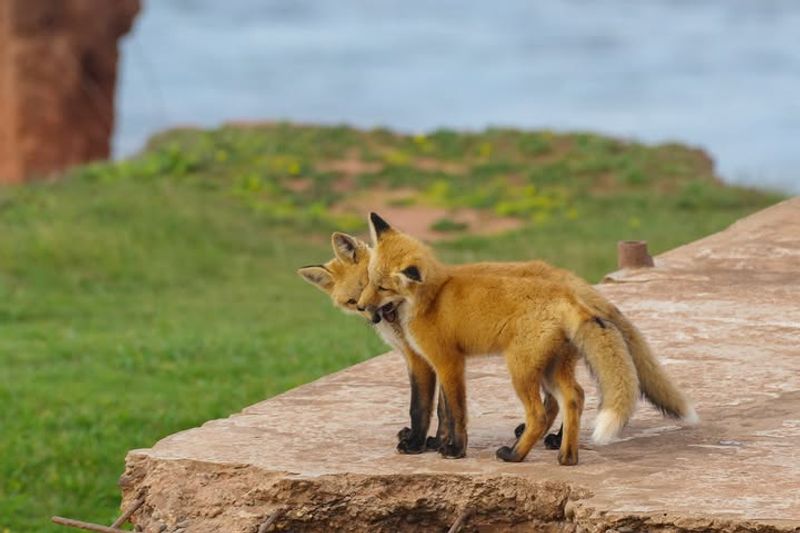
Having a fox family nearby is generally harmless and actually pretty remarkable to witness. The kits emerge in late spring to play outside the den, and watching them tumble around is genuinely one of nature’s most entertaining shows.
Most fox families vacate their dens by midsummer once the kits are independent. If the location causes real concern, contacting a licensed North Carolina wildlife rehabilitator for humane and legal guidance is always the right first step before taking any action on your own.
6. Foxes Are Generally Not A Threat To People
Foxes have a well-earned reputation for being shy and cautious around humans, and that reputation holds up in real life.
In North Carolina, fox attacks on people are extremely rare and almost always linked to an animal that has been fed by humans and lost its natural wariness. A wild fox that has not been hand-fed will almost always turn and run the moment it spots you.
Children and pets sometimes trigger curiosity from a fox, especially if the animal is young and has not fully learned to avoid people. Even so, an interaction rarely escalates to anything threatening.
Making loud noise, clapping your hands, or simply stepping toward the fox is usually more than enough to send it running in the opposite direction immediately.
The most important thing North Carolina residents can do is avoid feeding foxes intentionally or accidentally.
A fox that connects people with food loses its healthy fear over time, and that shift in behavior is what creates the small fraction of conflict situations that do occur.
Keeping your distance, teaching children not to approach wildlife, and never leaving food out for any wild animal are simple habits that keep both you and the fox safe. Respecting that boundary benefits everyone sharing the same North Carolina neighborhood space.
7. Food Sources In Your Yard Are Drawing Them In

A fox does not wander into your yard randomly. Something specific is attracting it, and more often than not, that something is a food source you may not have even noticed.
Open trash cans, uncovered compost bins, outdoor pet food bowls, fallen fruit, and bird seed scattered on the ground are all powerful invitations for a hungry fox in North Carolina.
Rodent populations also play a huge role. If your yard has a mouse or vole problem, you have essentially set up a free buffet for any fox passing through the area.
Dense ground cover, wood piles, and overgrown edges near fences or sheds are favorite hiding spots for the small prey that foxes actively seek out night after night.
The good news is that removing these attractants is straightforward and genuinely effective. Use trash cans with locking lids, bring pet food inside after feeding time, clean up fallen fruit regularly, and consider trimming overgrown areas where rodents tend to nest.
These small changes can significantly reduce how often a fox finds your North Carolina yard worth visiting. You are not trying to punish the fox for being clever.
You are simply making your space less appealing so the animal focuses its energy on wilder areas where it naturally belongs.