The Best Climbing Plants With White Flowers For Any Michigan Garden
White flowering climbers have a way of making a garden feel more open, elegant, and surprisingly versatile compared to bolder colored vines.
They work against dark fences, they brighten shaded corners, and they pair effortlessly with almost any other color already growing in your yard.
For Michigan gardeners though, picking a climbing plant is not just about looks. It has to be able to handle cold winters, come back reliably in spring, and perform through a growing season that is shorter than what gardeners in warmer states are working with.
The wrong climber will struggle through a Michigan winter and leave you starting over every few years.
The right one will come back fuller and stronger each season, eventually covering an arbor, trellis, or fence with cascading white blooms that make the whole yard feel like a different place.
Whether you are looking for something fragrant, fast growing, or low maintenance, Michigan has more excellent white flowering climbing options than most gardeners realize.
1. Virgin’s Bower (Clematis virginiana)
Native plants have a way of just belonging, and Virgin’s Bower is the perfect example of that in a Michigan garden. This wild clematis grows naturally across the state, making it one of the most reliable climbers you can plant.
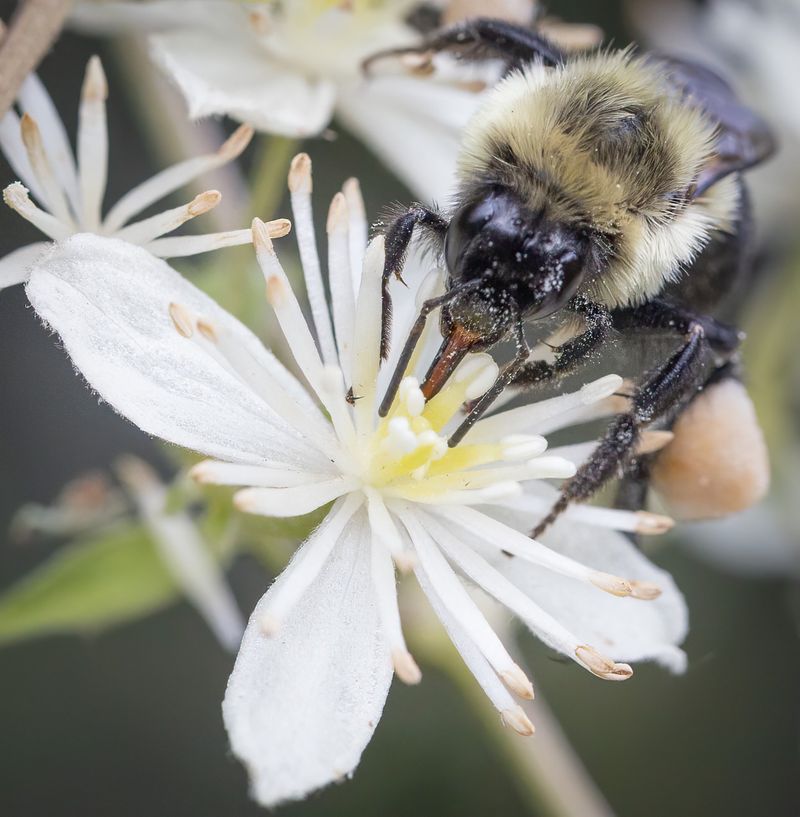
Its small, star-shaped white flowers appear in late summer, right when many other plants are starting to wind down for the season.
The blooms cover the vine in fluffy clusters that attract pollinators like bees and butterflies. After flowering, the feathery silver seed heads stick around well into fall, giving your garden a soft, wispy texture that looks beautiful against a wooden fence or trellis.
It is genuinely one of the most underrated native vines in the Midwest.
Virgin’s Bower thrives in moist, well-drained soil and does best with full sun to partial shade. Because it is a vigorous grower, give it plenty of room to spread and a sturdy structure to climb.
It works wonderfully along naturalized garden edges near streams or woodland borders. Michigan gardeners who want low-maintenance beauty with real ecological value will find this vine incredibly rewarding to grow year after year.
2. White Clematis Hybrids (Clematis spp.)
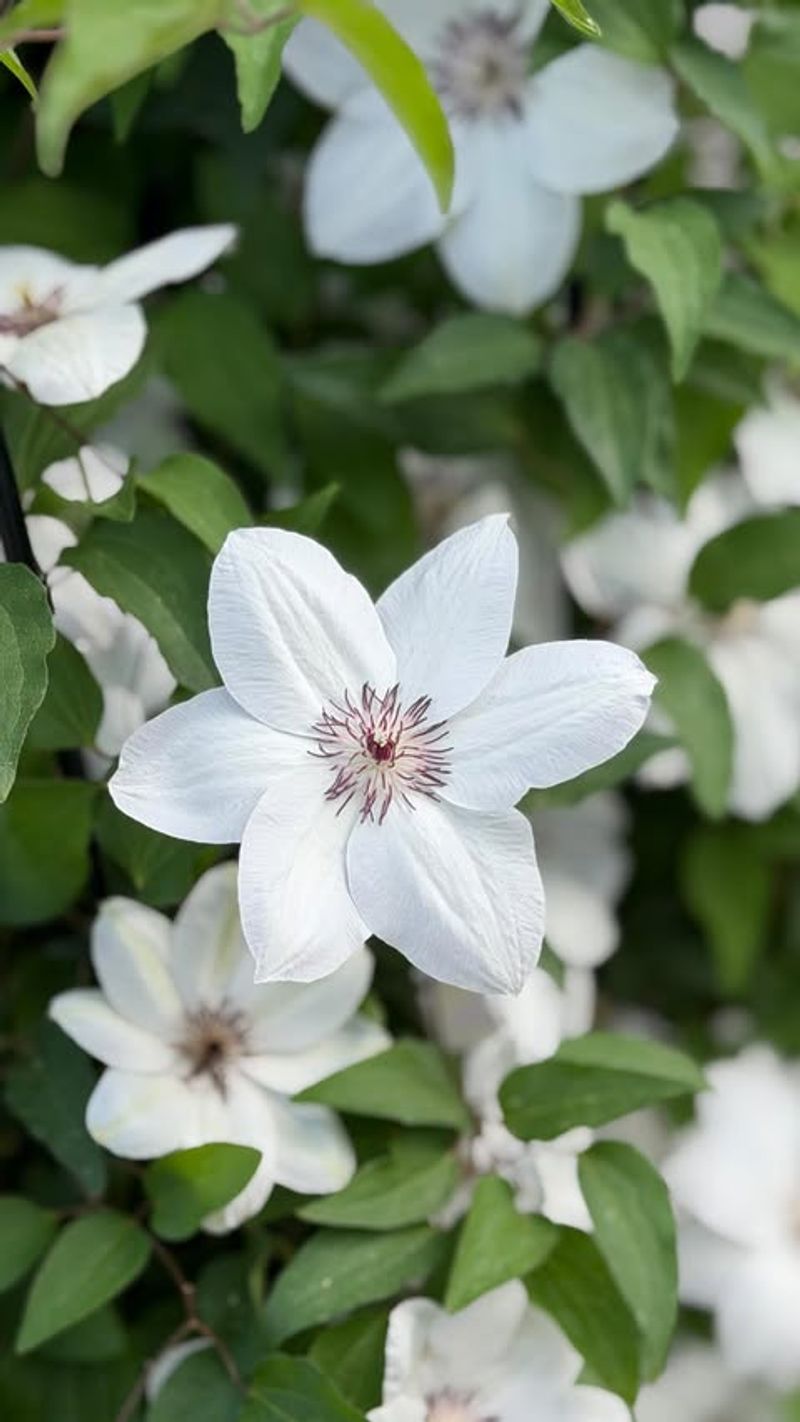
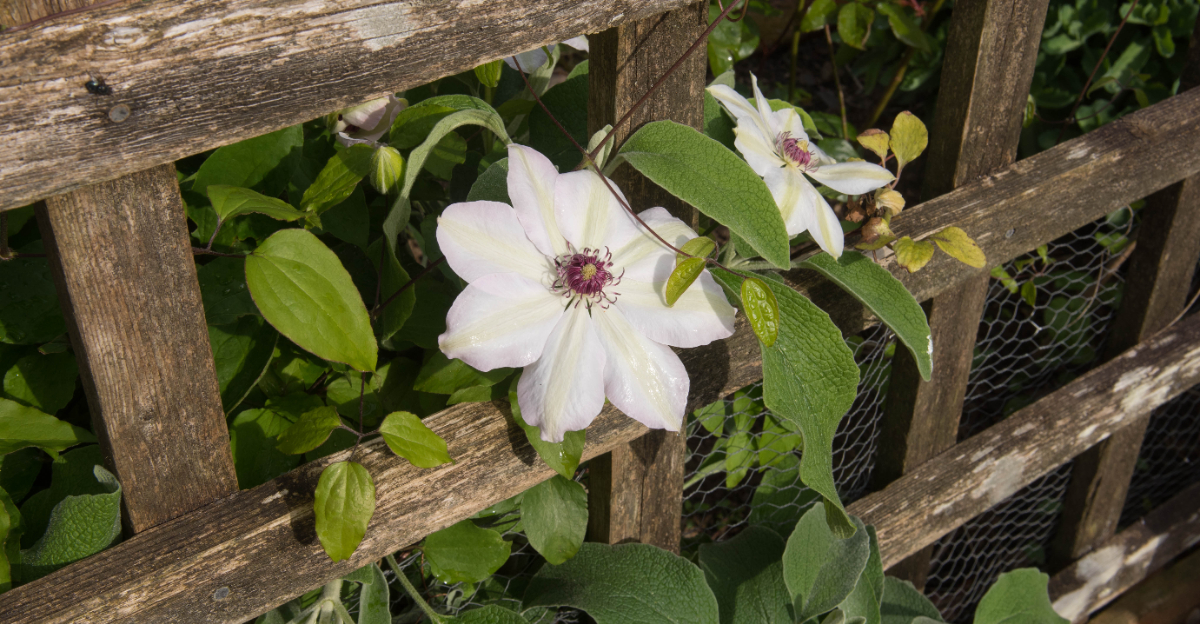
Few sights in a summer garden are as jaw-dropping as a large-flowered white clematis in full bloom. These hybrid cultivars produce dinner-plate-sized blossoms that practically glow against a dark metal trellis or a brick wall.
For Michigan gardeners, the key is choosing a cultivar that is genuinely cold-hardy, not one marketed for warmer climates.
Varieties like ‘Henryi’ and ‘Candida’ have strong track records in colder regions and can handle Michigan winters without much fuss when planted correctly.
The roots need to stay cool and moist, so mulching heavily around the base of the plant is a smart move every spring.
Full sun on the foliage with shaded roots is the classic formula that keeps these climbers happy and blooming generously.
Michigan State University notes that most clematis are climbers and many are hardy in the state, though evergreen types are not suited for cold winters here. Plant your hybrid clematis in well-drained, fertile soil and give it a strong support structure from day one.
Your Michigan Garden Changes Every Week. Your Plan Should Too.
Gardening in Michigan changes quickly throughout the season. Every Friday you’ll receive a simple weekly plan showing exactly what to plant, prune, fertilize, harvest, and protect so you never miss the right timing.
With the right care, these vines can live for decades, rewarding you with breathtaking white flowers season after season. A well-chosen white clematis hybrid truly becomes the centerpiece of any Michigan backyard garden.
3. Climbing Hydrangea (Hydrangea anomala subsp. petiolaris)
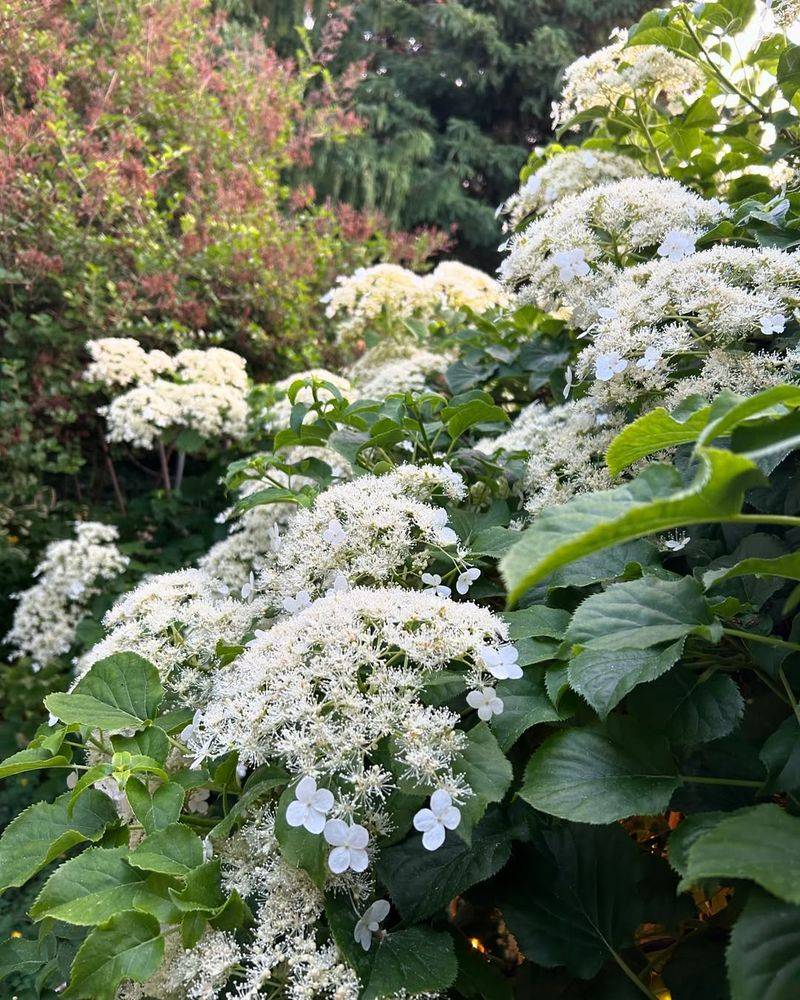
Patience pays off big time with climbing hydrangea, one of the most spectacular flowering vines you can grow in Michigan. During the first few years, this vine focuses almost entirely on root development and barely seems to move.
Gardeners often joke about the old saying: first year it sleeps, second year it creeps, third year it leaps.
Once established, climbing hydrangea clings to walls, fences, and tree trunks using tiny aerial rootlets without needing ties or training.
The large, flat-topped white lacecap flowers appear in early summer and can measure up to ten inches across, creating a breathtaking display on shaded walls and structures.
The peeling cinnamon-colored bark adds gorgeous winter interest long after the flowers fade.
This vine is one of the best options for shady Michigan spots where other climbers struggle to perform. It prefers moist, fertile, well-drained soil and does especially well on north or east-facing walls that receive dappled light.
In cities like Detroit or Lansing where brick walls and shaded courtyards are common, climbing hydrangea looks completely at home.
Give it a strong, permanent structure because a mature vine can become quite heavy over time. The wait is absolutely worth every year of patience.
4. Japanese Hydrangea Vine (Schizophragma hydrangeoides)
Not many gardeners outside of enthusiast circles know about Japanese hydrangea vine, but those who grow it absolutely love it.
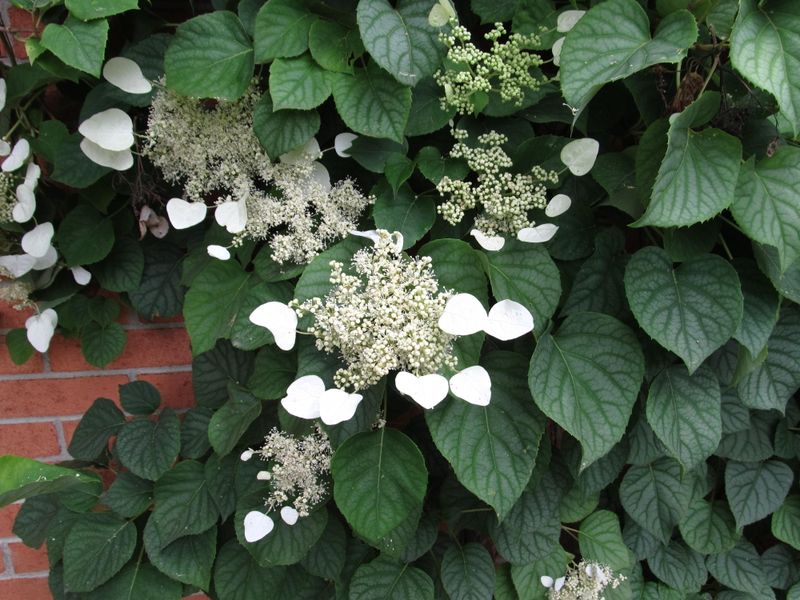
It looks similar to climbing hydrangea at first glance, but the flower bracts are larger, more dramatic, and almost heart-shaped, giving the blooms a distinct, elegant look.
In the right Michigan garden, this vine becomes a true conversation starter. Schizophragma hydrangeoides climbs by clinging to surfaces with adhesive rootlets, much like its more famous cousin.
It performs best in protected, part-shade sites in southern Michigan or areas with some wind shelter, as harsh cold exposure can damage it in more northern parts of the state.
Rich, consistently moist soil helps it establish faster and produce more impressive flowers each summer.
The cultivar ‘Moonlight’ is especially popular for its silver-blue foliage that contrasts beautifully with the creamy white flower clusters. Planting it against a wooden arbor or a shaded garden fence gives it the ideal support and aesthetic backdrop.
Japanese hydrangea vine grows more slowly than some climbers, so it suits gardeners who prefer a refined, managed look over a fast-spreading one.
For Michigan gardeners in the southern Lower Peninsula, this vine offers something genuinely special and worth the effort of seeking out at a specialty nursery.
5. White Climbing Rose (Rosa Cultivars)
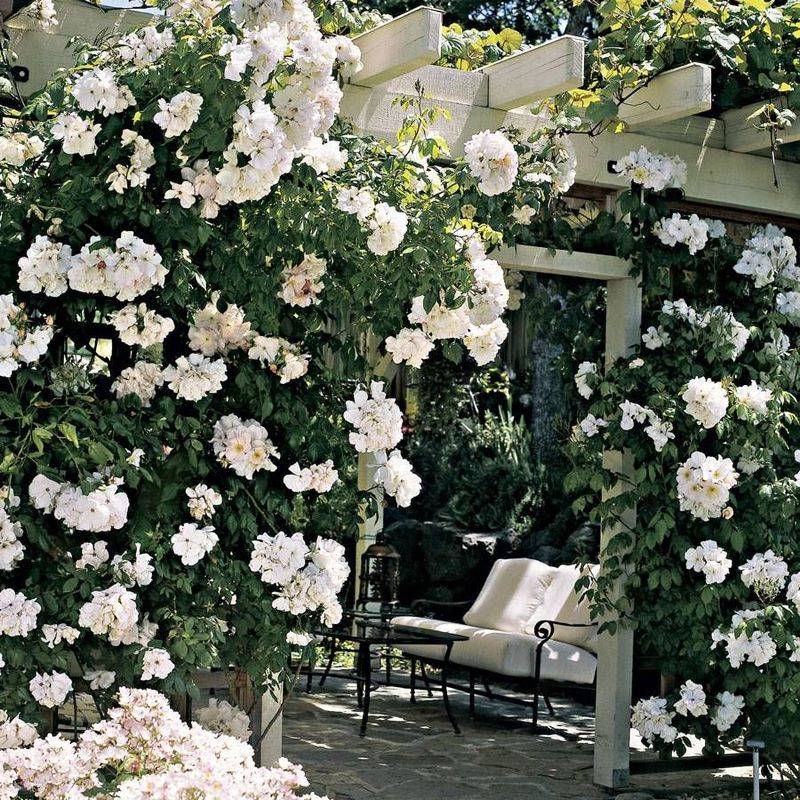
A white climbing rose arching over a garden gate is one of the most romantic sights in all of gardening, and Michigan gardeners can absolutely pull it off with the right variety.
The trick is selecting a cultivar specifically bred for cold hardiness, because not all climbing roses handle Michigan winters equally well. Cane damage is a real possibility in zones 5 and 6 without proper protection.
Varieties like ‘Darlow’s Enigma’ and ‘White Dawn’ have earned strong reputations for hardiness and repeat blooming in colder climates.
These roses produce clusters of softly fragrant white flowers that look stunning against a dark wooden arch or a white picket fence in a cottage-style Michigan garden.
Wrapping the canes loosely and mounding mulch around the base before winter can significantly improve survival rates.
Plant climbing roses in a sunny location with at least six hours of direct sun daily and well-drained, slightly acidic soil. Good airflow around the canes helps reduce fungal issues, which roses in the humid Michigan climate can sometimes face.
Feed regularly during the growing season with a balanced rose fertilizer for the best bloom production.
With smart variety selection and consistent seasonal care, a white climbing rose can thrive for many years and become one of the most photographed features of your Michigan garden.
6. Annual Sweet Pea (Lathyrus odoratus)
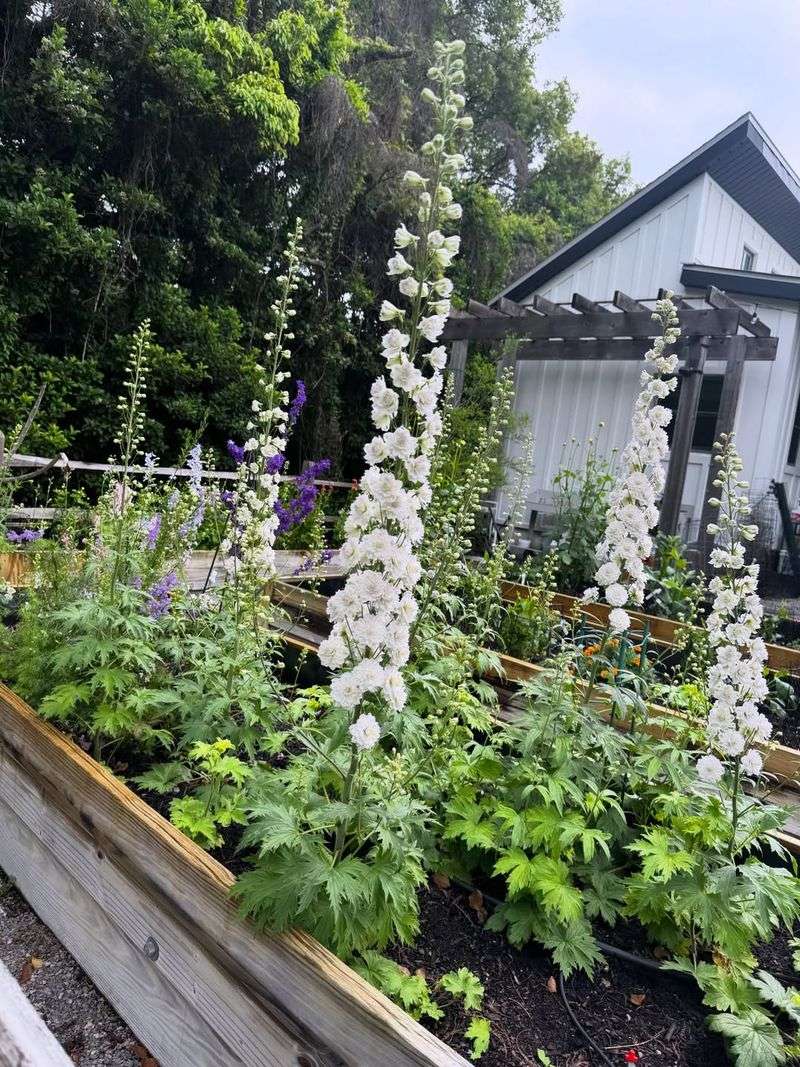
Sweet peas have been beloved by gardeners for centuries, and their intoxicating fragrance alone is enough reason to grow them every spring.
White-flowered cultivars like ‘White Supreme’ and ‘Royal Wedding’ produce delicate, ruffled blooms that look like tiny butterflies perched along the vine.
For Michigan gardeners, timing is everything with this cool-season annual climber. Sow seeds directly in the garden as soon as the soil can be worked in early spring, or start them indoors four to six weeks before your last frost date.
Sweet peas love cool weather and will reward you with an abundance of flowers through late spring and into early summer.
Once summer heat arrives in Michigan, flowering slows down significantly, so enjoying the show early is part of the fun.
These vines climb using delicate tendrils and do best on a fine mesh trellis, string netting, or a small bamboo frame. Plant them in full sun with fertile, well-drained soil and water consistently throughout their growing period.
Cutting the flowers regularly for bouquets actually encourages more blooms, making sweet peas one of the most generous cut-flower plants in any Michigan spring garden.
The fragrance of a fresh bunch of white sweet peas indoors is genuinely one of gardening’s greatest simple pleasures, well worth the quick growing season.
7. Moonflower Vine (Ipomoea alba)
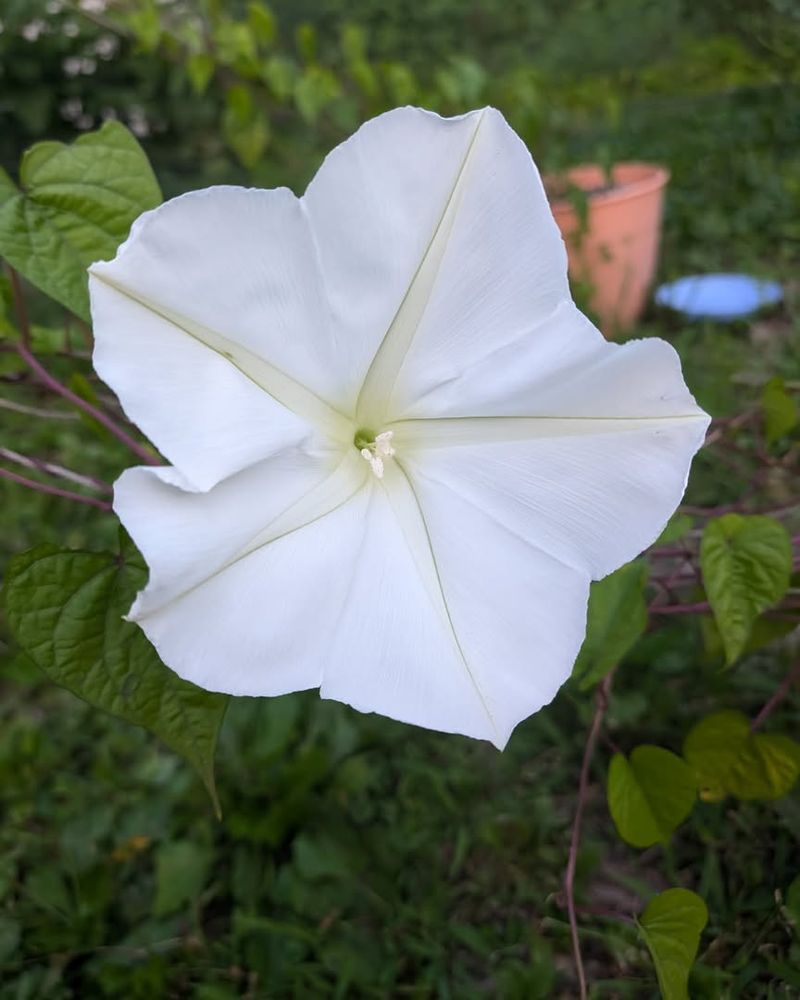
Watching a moonflower vine open its blooms at dusk is one of those magical garden moments that stays with you. The flowers are enormous, sometimes reaching five or six inches across, and they unfurl in a slow, graceful spiral as the evening light fades.
For anyone who spends time on their Michigan patio after sunset, this vine creates an unforgettable atmosphere.
Moonflower is a tender annual in Michigan, so it needs a head start indoors about four to six weeks before the last frost date. Nick the hard seed coat with a nail file and soak seeds overnight before planting to speed up germination.
Once transplanted outdoors into a warm, sunny spot, the vine grows quickly and can reach impressive heights by midsummer.
Because Michigan summers can be cool, especially in the northern Lower Peninsula and Upper Peninsula, flowering sometimes comes later than expected.
Southern Michigan gardeners in warmer zones tend to get the most reliable and extended bloom periods with this vine.
Give it a sturdy trellis in full sun and rich, well-drained soil for the best results. While moonflower is less consistent than clematis or climbing hydrangea in Michigan conditions, the sheer drama of those glowing white evening blooms makes it worth trying at least once on a sheltered patio or pergola.