These Native Florida Shrubs Are Almost Never Sold At Garden Centers
Walk through a Florida garden center on a Saturday and the plant tables can feel like a rerun.
Same glossy shrubs. Same safe picks. Same labels everyone already knows.
Meanwhile, some of Florida’s most fascinating native shrubs sit far offstage, known mostly to botanists, native-plant hunters, and the folks who never leave a plant sale empty-handed. Why do they vanish from the usual shelves?
Some come from rare habitats. Some need sandy, acidic, or coastal soil.
Some grow too slowly for mass retail. A few carry serious conservation baggage, so wild plants must stay wild.
That is where the hunt gets good. The shrubs below are not ordinary impulse buys next to the checkout line.
They are Florida originals with real stories, real habitat needs, and serious curb appeal for the right yard. Regular garden centers may skip them, but native plant fans know the treasure map.
1. Chapman’s Rhododendron Is Florida’s Secret Blooming Treasure
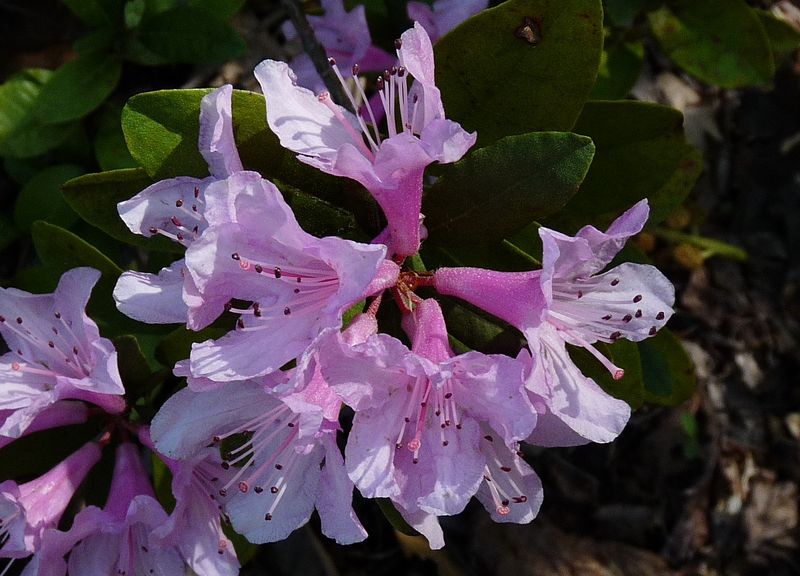
Imagine stumbling across a wild rhododendron blooming in a Florida Panhandle flatwoods habitat. That is exactly the surprise Chapman’s rhododendron offers, and it is one of the rarest native shrubs in the entire state.
According to UF/IFAS and the Florida Natural Areas Inventory, this plant has an extremely limited natural range, vouchered in Clay County in the central Panhandle and in Gadsden, Leon, Liberty, Calhoun, Gulf, and Franklin counties in the northern Panhandle.
The flowers are genuinely beautiful, ranging from pale pink to rosy pink-purple, and they bloom in spring before the plant fully leafs out.
Chapman’s rhododendron grows naturally in moist, acidic flatwoods and nearby suitable Panhandle habitats with well-drained, sandy soils.
Full sun to partial shade suits it well, but the soil chemistry is critical. Heavy clay or alkaline soils will cause serious problems for this shrub.
You will not find it at big-box stores or even most independent nurseries. Its rarity and sensitivity to site conditions make it difficult to grow at commercial scale, and collecting plants from the wild is harmful to already small natural populations.
Anyone serious about growing it should seek out nursery-propagated specimens from reputable native plant nurseries or Florida Native Plant Society chapter sales.
Conservation awareness matters here. Chapman’s rhododendron is listed as endangered in Florida and federally endangered, so wild populations need protection, not pressure.
Planting nursery-grown stock in an appropriate garden setting is one meaningful way to support appreciation for this shrub without putting stress on wild plants.
For gardeners in the Panhandle with the right acidic, sandy conditions, it is one of the most rewarding native shrubs imaginable.
2. Pineland Lantana Is The Native Lantana You Rarely See
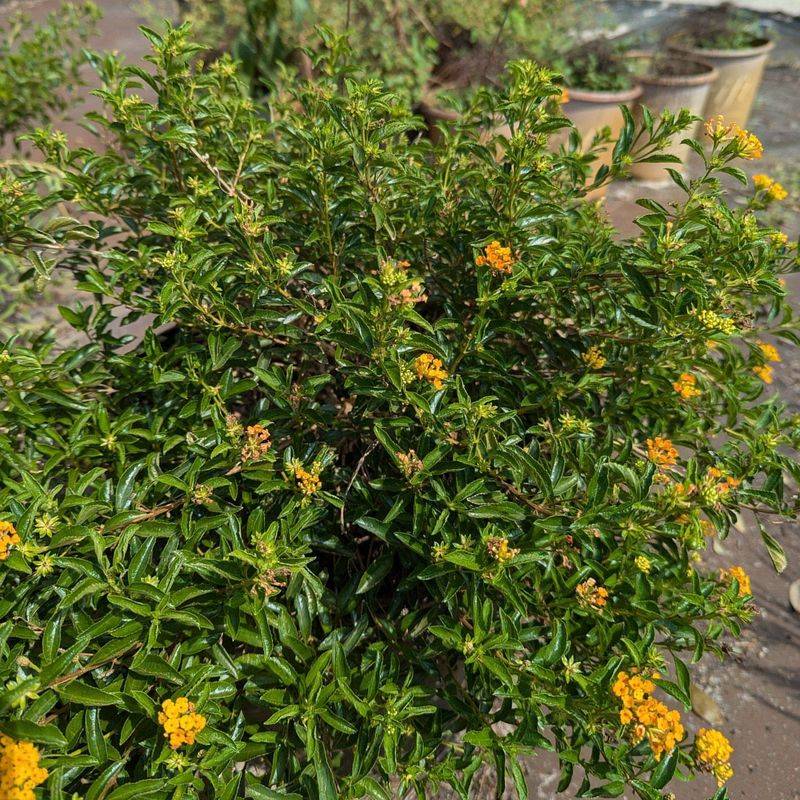
Most Floridians have seen lantana at every garden center, grocery store garden section, and hardware store in the state. But the plant on those shelves is almost never the true Florida native.
Common lantana sold commercially is often a nonnative species or a hybrid cultivar, and some forms are considered invasive in Florida according to the Florida Exotic Pest Plant Council. Pineland lantana is a completely different story.
Your Florida Garden Changes Every Week. Your Plan Should Too.
Gardening in Florida changes quickly throughout the season. Every Friday you’ll receive a simple weekly plan showing exactly what to plant, prune, fertilize, harvest, and protect so you never miss the right timing.
Lantana depressa var. depressa, commonly called pineland lantana, is a low-growing, sun-loving native shrub found naturally in pine rocklands and coastal areas of South Florida. It thrives in dry, sandy, or rocky soils with excellent drainage and full sun exposure.
Butterflies and other pollinators are strongly attracted to its flowers, making it a genuinely useful plant for wildlife-friendly gardens.
The challenge is finding it. Specialty native nurseries in South Florida occasionally carry it, but it rarely appears in standard commercial production.
Part of the problem is that buyers might accidentally purchase a nonnative lantana thinking they are getting the real thing. Always ask specifically for Lantana depressa and buy only from nurseries that clearly label their stock with botanical names.
Pineland lantana stays relatively compact and handles Florida heat and drought with ease once established. It is especially well-suited to South Florida gardens, Miami-Dade County landscapes, and coastal plantings where dry, sunny conditions are the norm.
Gardeners looking to support native pollinators without dealing with potentially invasive plants should track down this lesser-known native through a trusted Florida native plant source or local FNPS chapter plant sale.
3. Garberia Brings Wild Scrub Beauty To The Garden
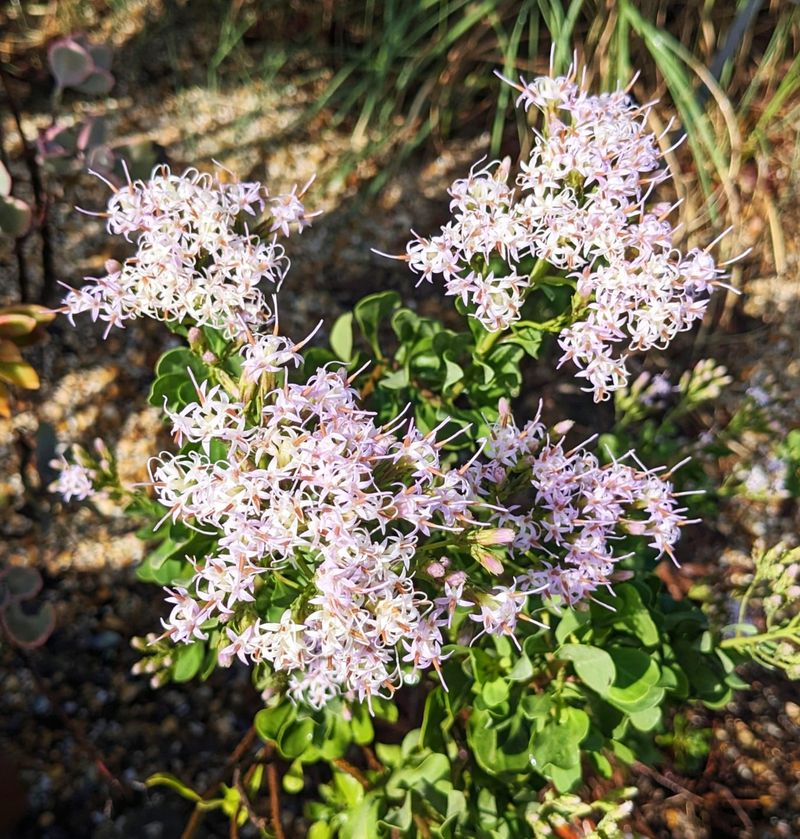
Florida scrub is one of the most endangered ecosystems in the state, and garberia is one of its most striking residents. This Florida-endemic shrub produces clusters of showy lavender-purple flowers in fall, right when many other plants are winding down for the season.
Butterflies visit garberia blooms, adding to its value in naturalistic Florida gardens.
Garberia heterophylla grows naturally in sandy, nutrient-poor scrub and sandhill habitats on sand ridges and hills of central and northeast peninsular Florida. According to UF/IFAS, it performs best in full sun with extremely well-drained sandy soil and low fertility.
Adding fertilizer or planting it in rich garden soil can actually work against this shrub, since it is adapted to lean conditions. Excellent drainage is non-negotiable.
Once established, garberia is genuinely drought-tolerant and asks for very little maintenance. UF/IFAS lists garberia as reaching about 4 to 8 feet tall and 6 to 8 feet wide, so it needs more room than many people expect.
The fall bloom period makes it especially valuable in naturalistic landscapes where late-season color is hard to come by.
Standard nurseries rarely stock garberia because it appeals to a narrow market and requires specific growing conditions that most home gardeners are not prepared for.
However, gardeners in Central Florida and other scrub-adjacent regions who have sandy, sunny, low-fertility yards will find it surprisingly manageable.
Look for nursery-propagated plants through Florida scrub-focused native nurseries, the Florida Native Plant Society, or conservation plant sales connected to land management agencies.
Planting garberia in the right spot rewards you with a truly distinctive Florida landscape shrub.
4. Largeflower False Rosemary Deserves Way More Attention
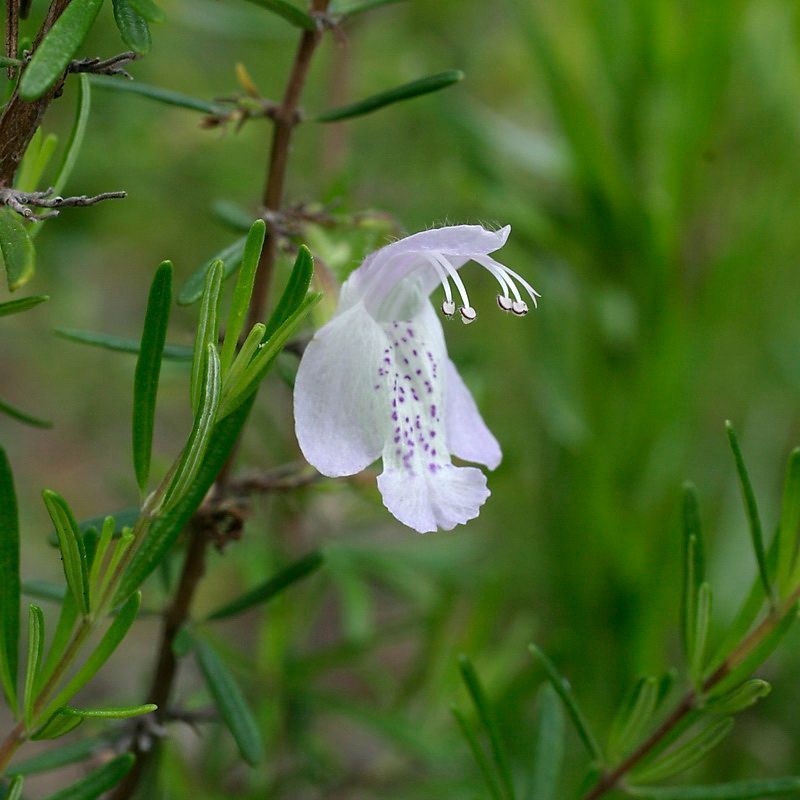
Rub a leaf of largeflower false rosemary and you get an immediate hit of fragrance that smells remarkably similar to culinary rosemary. That alone makes it interesting, but this Florida native scrub shrub offers much more than just a pleasant scent.
Its pale lavender to light purple tubular flowers attract native bees and other pollinators, and the plant has a graceful, mounding form that looks right at home in naturalistic landscapes.
Conradina grandiflora is found naturally in scrub and sandhill habitats along Florida’s Atlantic coast counties, particularly in Brevard, Indian River, and surrounding areas. It needs full sun, very well-drained sandy soil, and low soil fertility to perform well.
Wet, heavy, or poorly drained soil is a poor match for this scrub-adapted shrub. Once the plant is established in the right conditions, though, it handles drought without complaint.
Finding largeflower false rosemary at an ordinary garden center is unlikely. Most commercial growers skip over it because it requires specific site conditions and has a smaller potential customer base than popular landscape staples.
Specialty native nurseries in Central and South Florida, along with FNPS chapter plant sales, are the most reliable sources for nursery-propagated plants.
Collecting plants from the wild is not appropriate here. Natural populations of Conradina grandiflora are already limited by habitat loss and scrub fragmentation.
Buying responsibly propagated nursery stock is the right way to bring this shrub into your garden.
For anyone with a sunny, sandy yard in the right part of Florida, largeflower false rosemary is a fragrant, wildlife-friendly shrub that genuinely earns its place in the landscape.
5. Apalachicola False Rosemary Is A Rare Florida Gem
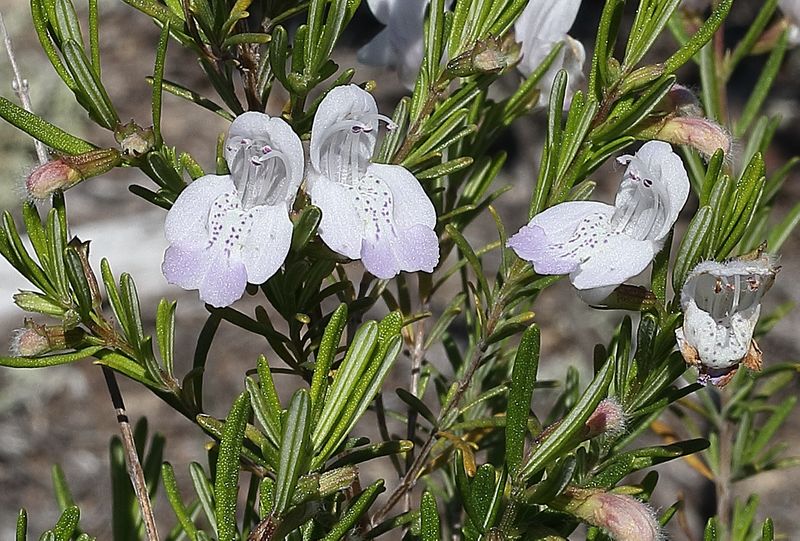
Few shrubs on this list carry as much conservation weight as Apalachicola false rosemary.
Conradina glabra is federally listed as endangered, and its known natural range is extremely restricted in the Florida Panhandle, with FNAI describing it as endemic to Liberty County.
That level of geographic specificity makes it one of Florida’s most geographically restricted native shrubs.
Its habitat is highly specialized: open, sandy, well-drained soils in longleaf pine-turkey oak scrub communities. The plant produces small but pretty pink to lavender tubular flowers and has the same aromatic, needle-like foliage characteristic of other false rosemaries.
Pollinators that visit the blooms include native bees adapted to scrub habitats.
Because of its endangered status and extreme rarity, Apalachicola false rosemary is essentially absent from the commercial nursery trade. You are not going to walk into any garden center and find it on the shelf.
Some conservation-focused native nurseries and botanical gardens have worked to propagate it, and those sources represent the only responsible way to acquire the plant. Wild collection is not only ecologically harmful but potentially illegal given its federal listing.
The right approach for gardeners interested in this shrub is to connect with conservation organizations, the Florida Native Plant Society, or university botanical programs that may have nursery-propagated plants available through specialized sales.
Growing Conradina glabra is genuinely meaningful from a conservation standpoint, but it requires a deep commitment to matching the right site conditions.
Sandy, dry, nutrient-poor soil and full sun are essential starting points for anyone attempting to cultivate this extraordinary Florida native.
6. Coastal Doghobble Thrives Where Shade Gets Tricky
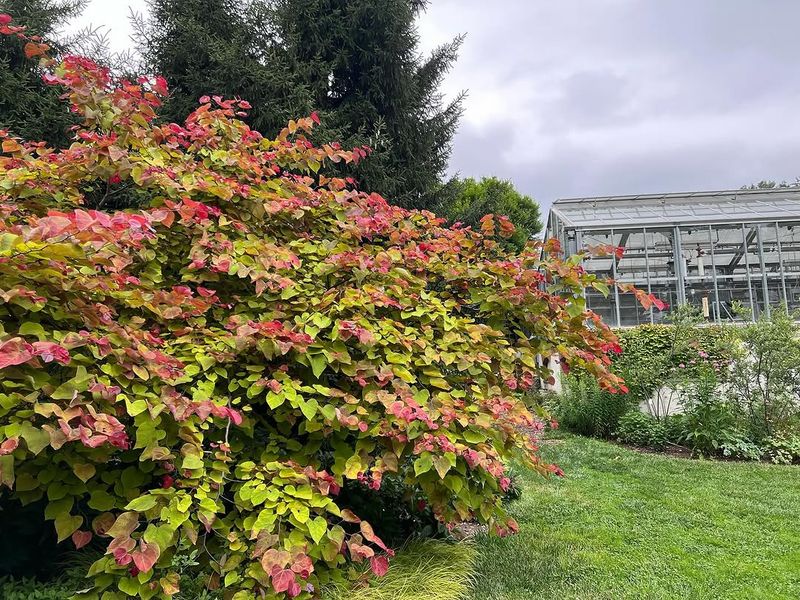
Shady, moist spots in Florida landscapes can be genuinely frustrating to plant. Many popular landscape shrubs want sun, and the options for partly shaded, acidic, wet-ish areas feel limited.
Coastal doghobble fills that gap in a way that most gardeners have never considered, mostly because it almost never shows up at regular nurseries.
Leucothoe axillaris is a native shrub found naturally in moist, acidic woodlands, stream margins, and bay swamp edges throughout much of Florida and the broader Southeast.
Its arching stems give it a graceful, layered appearance that works beautifully in woodland garden designs.
Small, white, urn-shaped flowers appear in spring, and the foliage holds on through most of the year, making it a reliable evergreen or semi-evergreen presence in the landscape.
Partial to full shade suits coastal doghobble well, and it prefers consistently moist, acidic soils with good organic content. Even though UF/IFAS lists its drought tolerance as moderate, it should not be treated like a dry-site shrub.
Some growers describe it as less appealing to deer, but its stronger selling point is its usefulness in shaded, moist, acidic sites.
The plant gets its unusual common name from an old observation that its thickets were difficult for livestock and hunting dogs to push through. Today, it is valued by gardeners who want a low-care, native understory shrub for challenging shaded spots.
Look for nursery-propagated plants through native nurseries in North and Central Florida or through FNPS plant sales. Planted in the right shady, moist location, it requires almost no intervention once established.
7. Bay Cedar Is The Beachy Shrub Nobody Sells
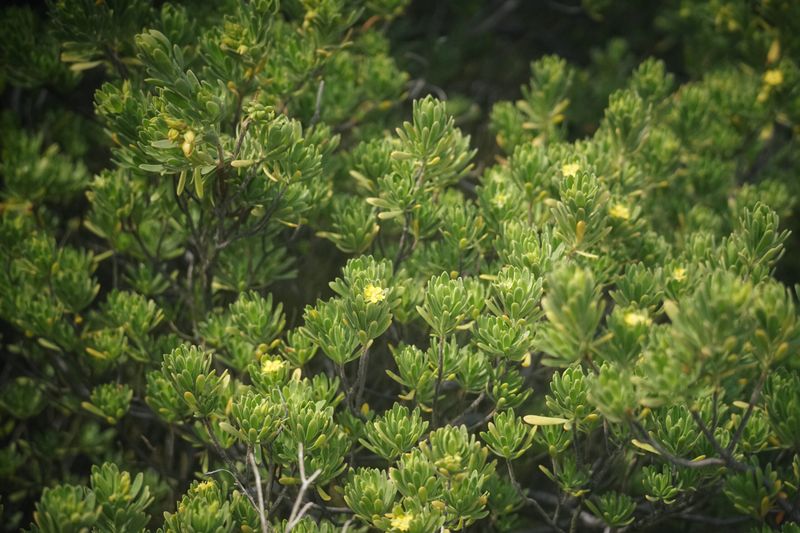
Picture a tough, salt-sprayed shrub holding its ground on the edge of a Florida beach, completely unbothered by wind, sand, and salt air. Bay cedar does exactly that, and it does it with a quiet elegance that most commonly sold coastal plants cannot match.
Suriana maritima is a native coastal shrub found along Florida’s southern coasts, the Florida Keys, and tropical shorelines throughout the Caribbean and Pacific regions.
The plant has small, fleshy, gray-green leaves clustered at branch tips and produces cheerful little yellow flowers throughout much of the year in warm South Florida conditions. Full sun is essential, and sandy, well-drained soil is the preferred growing medium.
Bay cedar handles salt spray and salt soil with impressive resilience, making it a logical choice for beachside plantings, coastal buffer zones, and Keys-style naturalistic landscapes.
UF/IFAS describes bay cedar as a 5- to 20-foot plant, though pruning and site conditions can influence how shrub-like it remains in a landscape.
Despite these practical qualities for South Florida coastal gardening, bay cedar is almost completely absent from commercial nursery shelves.
Most coastal homeowners reach for sea grape, buttonwood, or salt bush before they ever hear of bay cedar.
Part of the reason it stays so obscure is that demand has never been strong enough to push commercial growers to produce it at scale. Native plant nurseries in South Florida and the Keys region are the most likely sources for nursery-propagated plants.
Organizations like the Florida Native Plant Society and regional conservation plant sales occasionally offer it as well. For gardeners near the coast in Miami-Dade, Monroe, or Collier counties, bay cedar is a genuinely tough and underused native worth tracking down.