The Best Ground Cover Plants For Michigan’s Clay Soil That Actually Spread And Stick
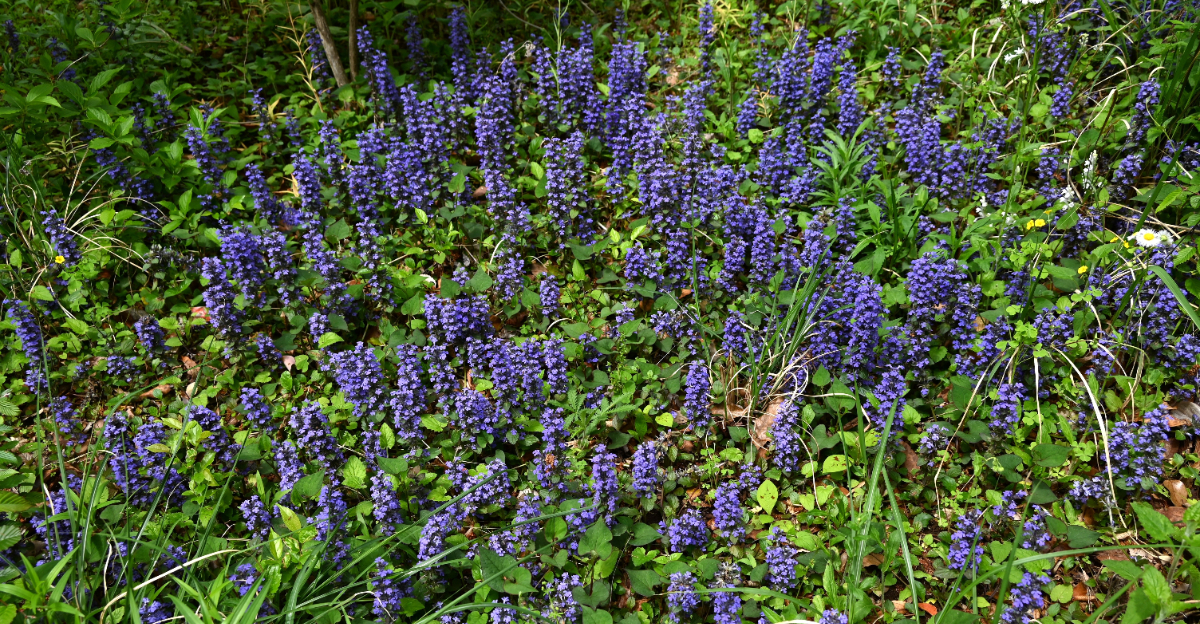
Clay soil is something a huge portion of Michigan gardeners deal with every single season, and it makes choosing ground cover feel like a gamble.
Plants that look promising at the nursery can sit there barely surviving once they hit that dense, slow draining ground.
Clay holds too much water after rain and turns stubbornly hard during dry spells, creating conditions that stress out most plants before they ever get a real chance to spread.
Ground covers are supposed to solve problems, filling in bare patches, controlling erosion, and reducing the constant need for weeding, but only when the right varieties are doing the job.
Michigan throws an extra challenge into the mix with its cold winters, meaning whatever spreads through summer also needs to survive hard freezes and come back ready to keep going in spring.
The ground covers on this list were chosen specifically because they check every box. They handle clay without complaint, push through Michigan winters, and actually do what ground cover is supposed to do which is spread, fill in, and stick around.
1. Wild Ginger (Asarum canadense)
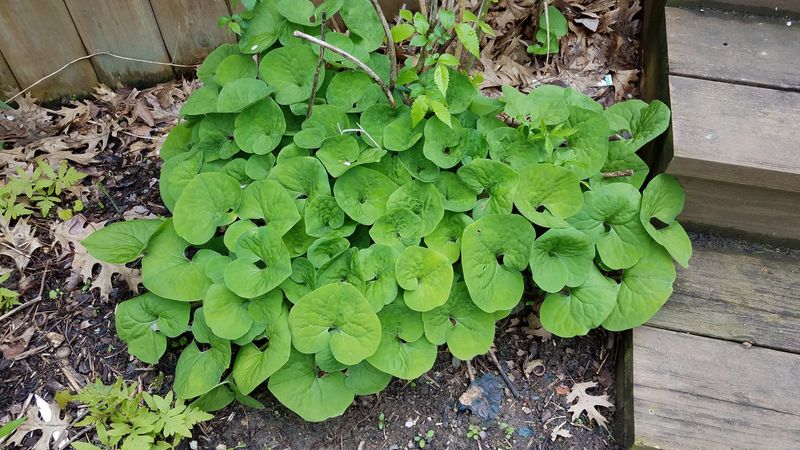
There is something quietly impressive about a plant that has been thriving in Michigan woodlands long before anyone thought to plant a garden.
Wild Ginger is a native groundcover that earns its place by doing exactly what you need it to do, slowly and steadily spreading into a lush, low carpet of heart-shaped leaves.
It moves through the soil using underground rhizomes, which means it fills in gaps naturally without much help from you.
Clay soil can be a challenge for many plants, but Wild Ginger handles it well, especially in shaded spots where organic matter builds up over time.
It loves the cool, moist conditions found under mature trees, which are extremely common across Michigan landscapes.
Once it gets established, it becomes remarkably low-maintenance and long-lived, returning reliably every season.
Do not expect lightning-fast coverage though. Wild Ginger spreads at a moderate pace, so patience is part of the deal.
Planting it in groups of several plugs or small divisions speeds things up considerably. It also resists most pests, which makes it a smart, fuss-free choice.
For Michigan gardeners who want a native, woodland-style look that holds up through cold winters and clay-heavy conditions, Wild Ginger is genuinely hard to beat.
As an added bonus, if you peer beneath the foliage in early spring, you’ll find its unique, cup-shaped maroon flowers tucked away right at the soil line.
2. Pennsylvania Sedge (Carex pensylvanica)
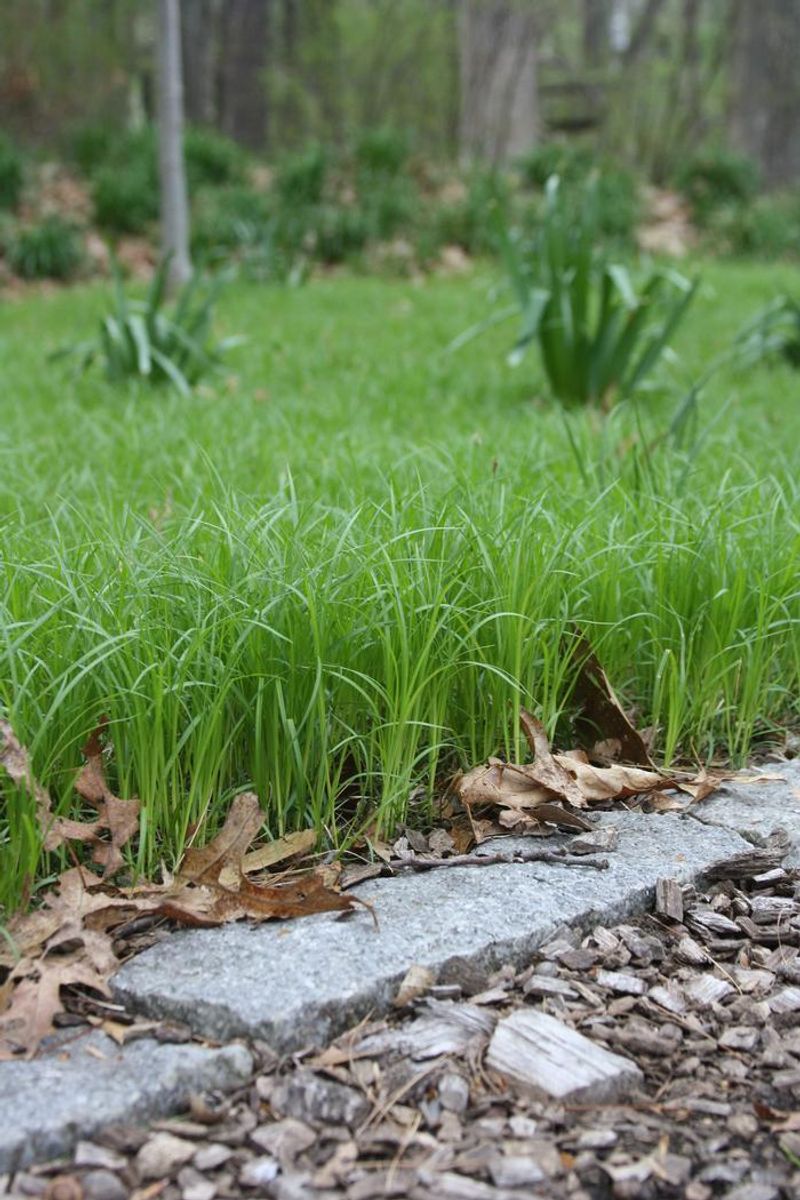
Forget the idea that a beautiful yard needs a perfectly manicured grass lawn. Pennsylvania Sedge offers a softer, more natural alternative that works beautifully under trees and in part-shade areas throughout Michigan.
Its fine, arching blades create a gentle, meadow-like texture that looks intentional and polished without requiring constant mowing or heavy watering.
One of the best things about this native sedge is how well it adapts to clay soils once it settles in.
It tolerates dry to average moisture levels, which is a big advantage in Michigan yards where clay holds water unevenly throughout the seasons.
Your Michigan Garden Changes Every Week. Your Plan Should Too.
Gardening in Michigan changes quickly throughout the season. Every Friday you’ll receive a simple weekly plan showing exactly what to plant, prune, fertilize, harvest, and protect so you never miss the right timing.
It spreads gradually through short rhizomes, building a quiet but steady ground layer that fills in over a few seasons. Pennsylvania Sedge is not a plant that rushes, and that is actually a feature, not a flaw.
Its controlled spread means you stay in charge of where it goes, unlike more aggressive groundcovers that take over everything nearby.
It pairs wonderfully with native wildflowers and shade-loving shrubs, making it a flexible option for layered garden designs.
Michigan gardeners looking for a lawn alternative that handles shade and clay without a fight will find Pennsylvania Sedge to be a reliable, attractive, and surprisingly versatile performer year after year.
3. Canada Anemone (Anemone canadensis)
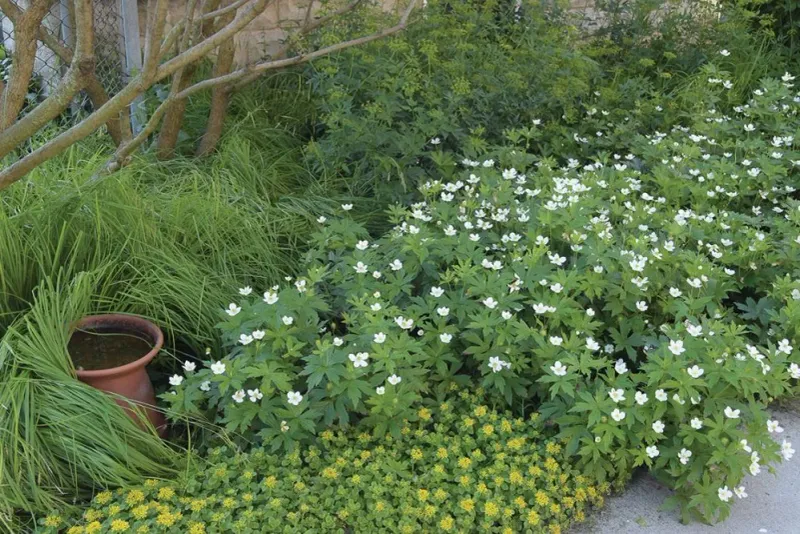
Few groundcovers put on a show quite like Canada Anemone when it bursts into bloom each spring.
Those bright white flowers with cheerful yellow centers pop up across the entire colony, creating a display that turns heads and draws pollinators from all over the yard.
It is one of those plants that earns compliments from neighbors who did not even know they were looking at a groundcover.
What makes Canada Anemone particularly valuable for Michigan gardens is its outstanding tolerance for heavy, moist clay soils.
Many plants struggle and rot in wet clay conditions, but this native perennial actually thrives in them.
It spreads through underground rhizomes at a noticeable pace, forming large, leafy colonies that cover ground quickly and crowd out weeds effectively.
A quick note worth knowing: Canada Anemone is enthusiastic about spreading, so give it a space where it has room to roam.
It works especially well along fence lines, naturalized areas, or large garden beds where its spreading habit becomes an asset rather than a problem.
Michigan homeowners with low-lying, moisture-prone areas will find it particularly useful. Once established, it requires almost no care at all, returning bigger and more vibrant each year.
For bold coverage with seasonal beauty, this native plant is a standout performer in challenging Michigan conditions.
4. Creeping Phlox (Phlox subulata)
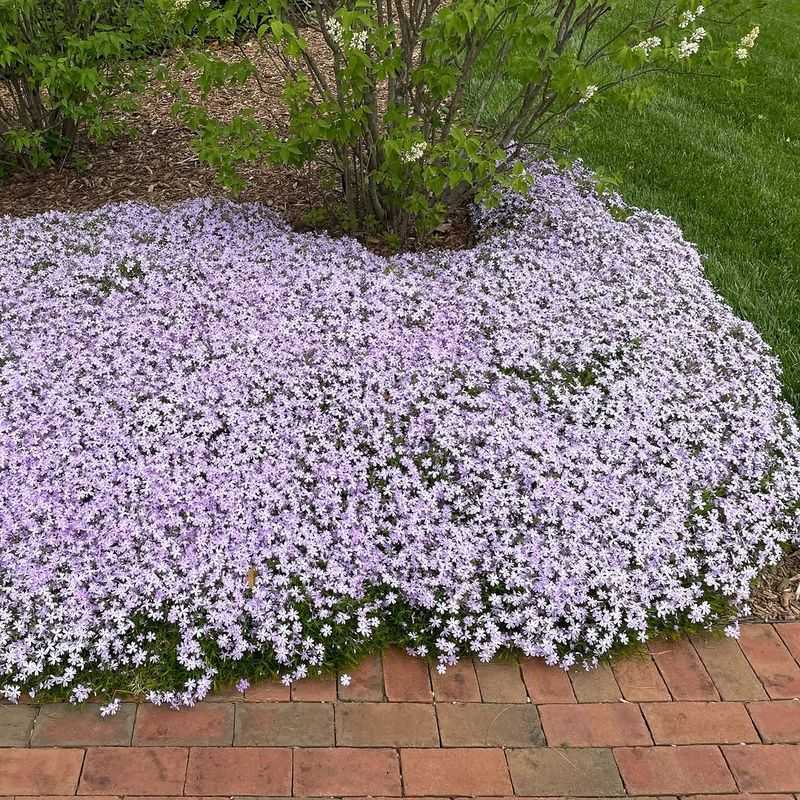
Every spring, Creeping Phlox transforms ordinary garden slopes and borders into rivers of color that stop people in their tracks.
Pink, purple, white, and lavender blooms completely cover the low-growing mats for several weeks, creating one of the most eye-catching displays in any Michigan yard.
It is the kind of plant that makes a garden look professionally designed with very little effort on your part.
Creeping Phlox can absolutely grow in Michigan clay soil, but it does best when drainage is slightly improved.
It does not like sitting in waterlogged ground for extended periods, so planting it on a gentle slope or raised bed edge gives it the best chance to thrive.
Adding a bit of compost to the planting hole goes a long way toward helping it settle in and spread confidently. Full sun is where this plant truly shines.
The more sunlight it receives, the denser and more floriferous it becomes, slowly building into a thick, weed-suppressing mat that looks great even when it is not blooming.
Creeping Phlox spreads steadily without becoming invasive, which makes it easy to manage season after season.
Michigan gardeners who want serious spring color along walkways, retaining walls, or sunny borders will find this low-growing beauty delivers big results with minimal maintenance year after year.
5. Ajuga (Ajuga reptans)
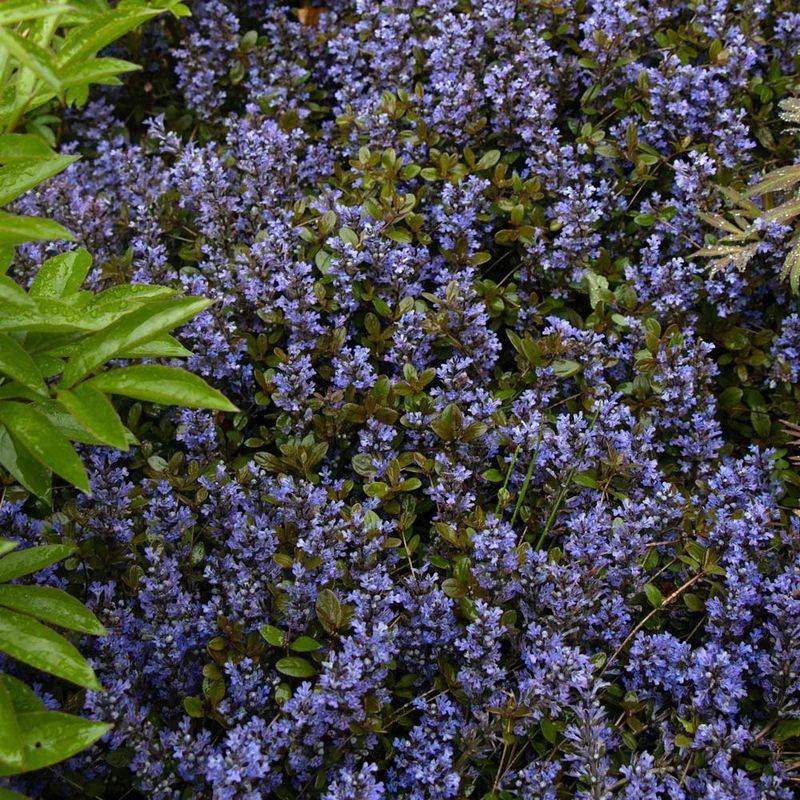
Walk into almost any Michigan garden center in spring and you will spot Ajuga right away, usually with its striking purple-blue flower spikes already reaching upward.
It is one of those groundcovers that has earned its popularity honestly, delivering reliable coverage, interesting foliage color, and strong adaptability across a wide range of conditions.
Few plants spread as quickly and confidently in clay soil as this one does. Ajuga moves through the garden by sending out horizontal runners that root wherever they touch the ground.
In clay soil with part shade, which describes a huge number of Michigan yards, it establishes fast and fills in gaps with impressive speed.
The foliage comes in shades of deep green, bronze, burgundy, and even variegated patterns, giving you plenty of visual interest even outside of bloom season.
One thing to keep in mind is that Ajuga can spread beyond where you originally planted it if left unchecked.
Using it in contained beds, bordered areas, or spots where a lawn edge keeps it in check works best for most Michigan homeowners.
It is not a plant that stays quietly in its lane, but that energetic spreading quality is exactly what makes it so effective for covering bare or problem areas quickly.
For fast, attractive, low-maintenance ground coverage in shady Michigan spaces, Ajuga consistently delivers outstanding results.
6. Barren Strawberry (Waldsteinia fragarioides)
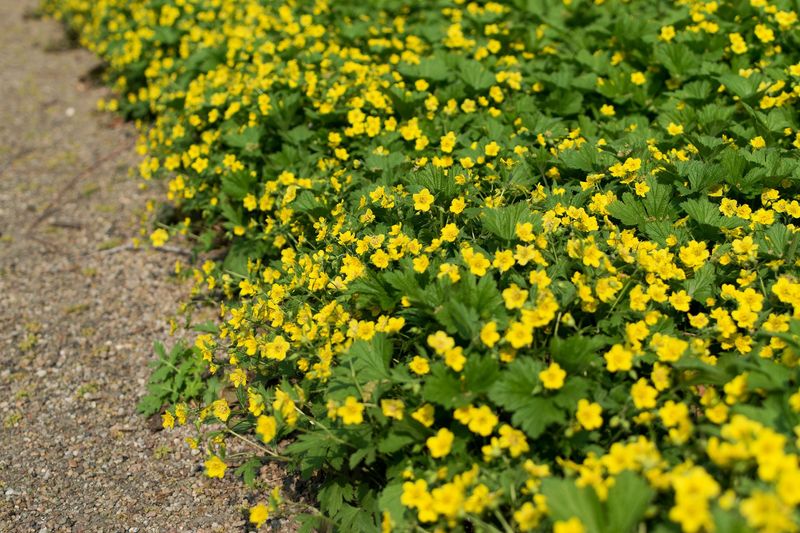
Named for its resemblance to a strawberry plant without the edible fruit, Barren Strawberry brings a charming, woodland feel to Michigan gardens that is hard to replicate with any other groundcover.
Its glossy, dark green leaves stay attractive through most of the growing season, and in spring, small bright yellow flowers appear across the entire mat in a cheerful display that signals warmer weather has finally arrived.
Michigan clay soils suit this native plant surprisingly well, especially in part-shade situations under deciduous trees or along the north side of buildings.
It spreads through above-ground runners that root as they travel, gradually building a dense, tidy mat that stays manageable and does not take over neighboring plants.
That controlled growth habit makes it one of the more gardener-friendly groundcovers available for Michigan landscapes.
Barren Strawberry is also impressively tough once it gets going. It handles dry spells better than many shade-loving groundcovers, holds up through Michigan winters without fuss, and resists most common pests and diseases.
Pairing it with ferns, hostas, or native wildflowers creates a layered, naturalistic look that feels right at home in woodland-style gardens.
For Michigan gardeners who want a native, well-behaved, and genuinely attractive groundcover that spreads on its own schedule without causing headaches, Barren Strawberry is absolutely worth adding to your planting list this season.