Plant Azalea Bushes This Way For Better Blooms In Oregon Gardens
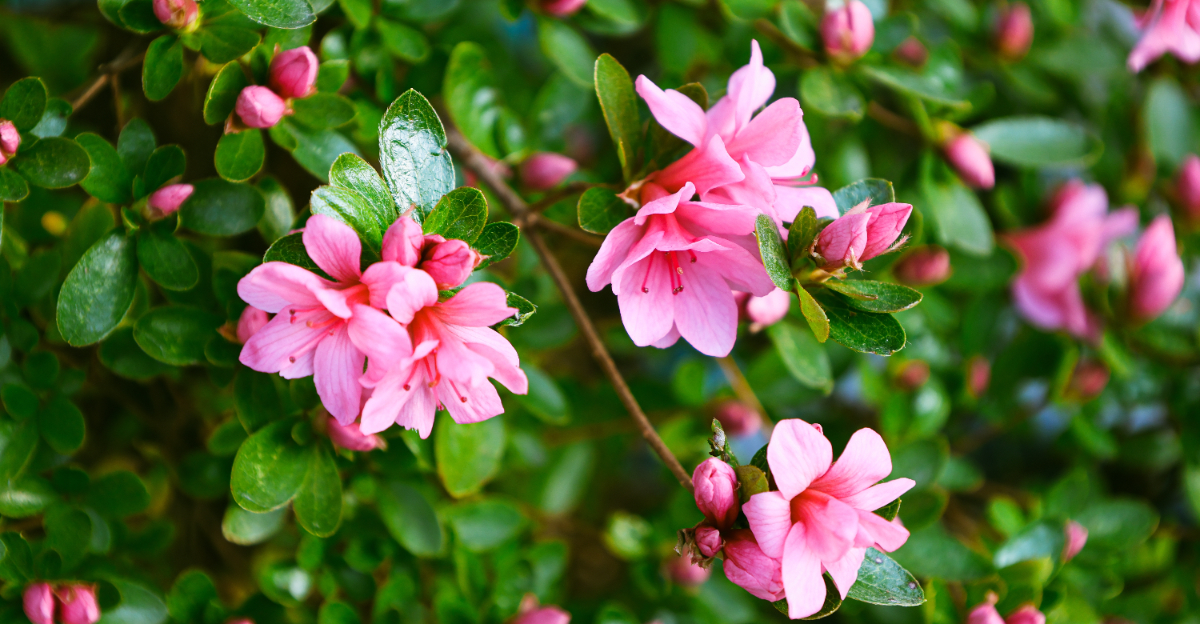
If you’ve been planting azalea bushes and crossing your fingers hoping for a massive bloom explosion, only to get a sad handful of flowers and a whole lot of green leaves, here’s the thing: it’s probably not the plant’s fault.
Azaleas are actually drama queens with very specific opinions about how they want to live, and Oregon gardeners who figure that out early?
They’re rewarded with the most jaw-dropping spring color you’ve ever seen. The Pacific Northwest is genuinely one of the best places on the planet to grow azaleas.
The mild temperatures, acidic soil, and reliable rainfall basically scream “azalea paradise.” But there’s a right way and a really wrong way to get them in the ground.
Nail the planting process and these bushes will put on a show so good your neighbors will absolutely be asking questions.
Choose Morning Sun
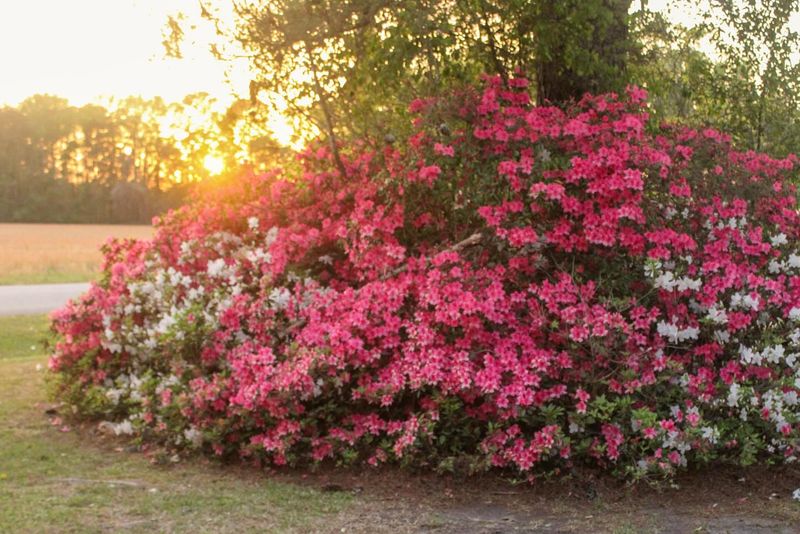
Sunlight placement is one of the most overlooked parts of growing azaleas in Oregon. Most gardeners assume more sun equals more blooms, but that is not always true for azaleas.
These shrubs actually prefer a sweet spot of morning sun and afternoon shade.
Morning sun helps dry the dew off the leaves, which reduces the chance of fungal problems. In Oregon, where moisture is common for much of the year, this is especially helpful.
Afternoon shade protects the blooms and leaves from getting scorched during warmer summer months.
Look for a spot on the east side of your home or near a tree that blocks the hot western sun. Even a few hours of direct morning light is enough to fuel strong, healthy growth.
Too much shade all day long will cause fewer blooms and weaker stems.
Oregon gardeners in the Willamette Valley often find that spots under tall Douglas firs work well. The filtered light keeps azaleas happy without cooking them.
Take time to observe your yard at different times of day before choosing the final planting spot for your azalea bushes.
Plant In Acidic Soil
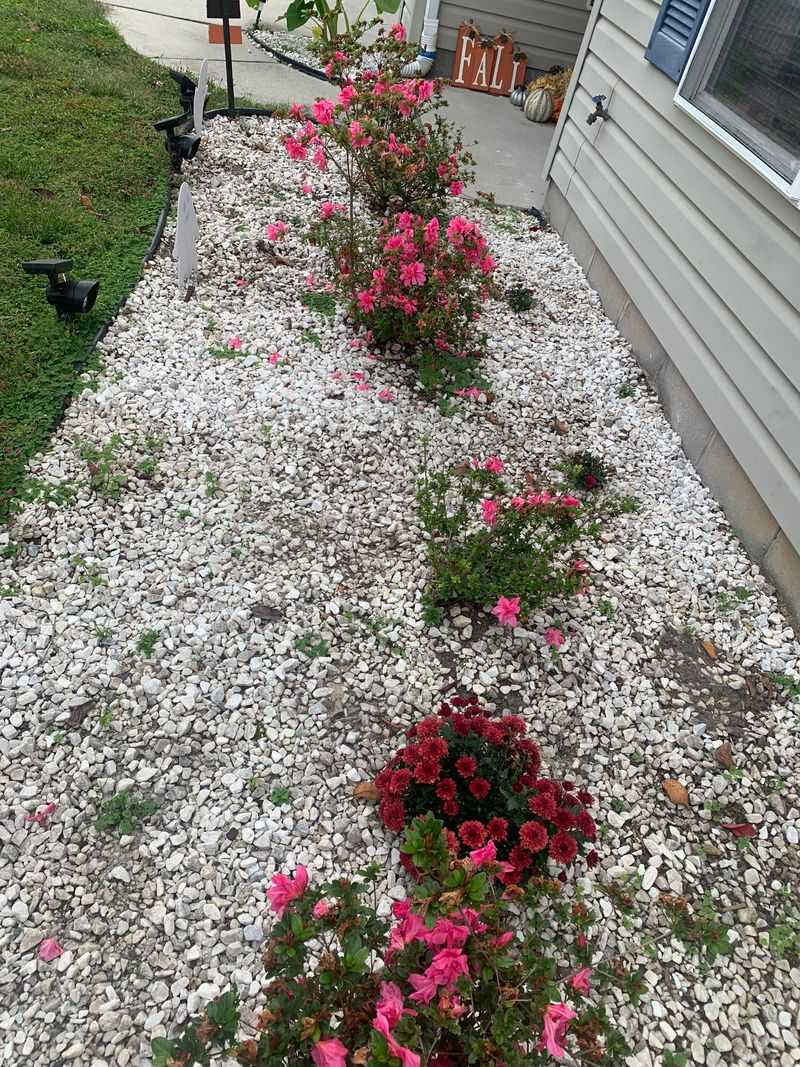
Azaleas are very particular about soil. They need acidic soil to absorb nutrients properly and grow strong roots.
In Oregon, many garden soils are already slightly acidic, which gives local gardeners a head start.
The ideal soil pH for azaleas is between 4.5 and 6.0. If your soil is too alkaline, the plants will struggle to take in iron and other nutrients.
You might notice yellowing leaves even when the plant looks otherwise healthy. That is a sign the soil pH needs to be corrected.
A simple soil test kit from your local garden center can tell you exactly where your pH stands. If it needs adjusting, sulfur is a common and affordable amendment that lowers pH over time.
Work it into the top several inches of soil before planting.
In parts of Oregon like Eugene or Salem, adding peat moss to the planting hole also helps create the right acidic environment. Mix it with your native soil in roughly equal parts.
This gives roots a comfortable, nutrient-rich place to settle in and start growing strong from the very beginning of the planting season.
Your Oregon Garden Changes Every Week. Your Plan Should Too.
Gardening in Oregon changes quickly throughout the season. Every Friday you’ll receive a simple weekly plan showing exactly what to plant, prune, fertilize, harvest, and protect so you never miss the right timing.
Keep Roots Shallow
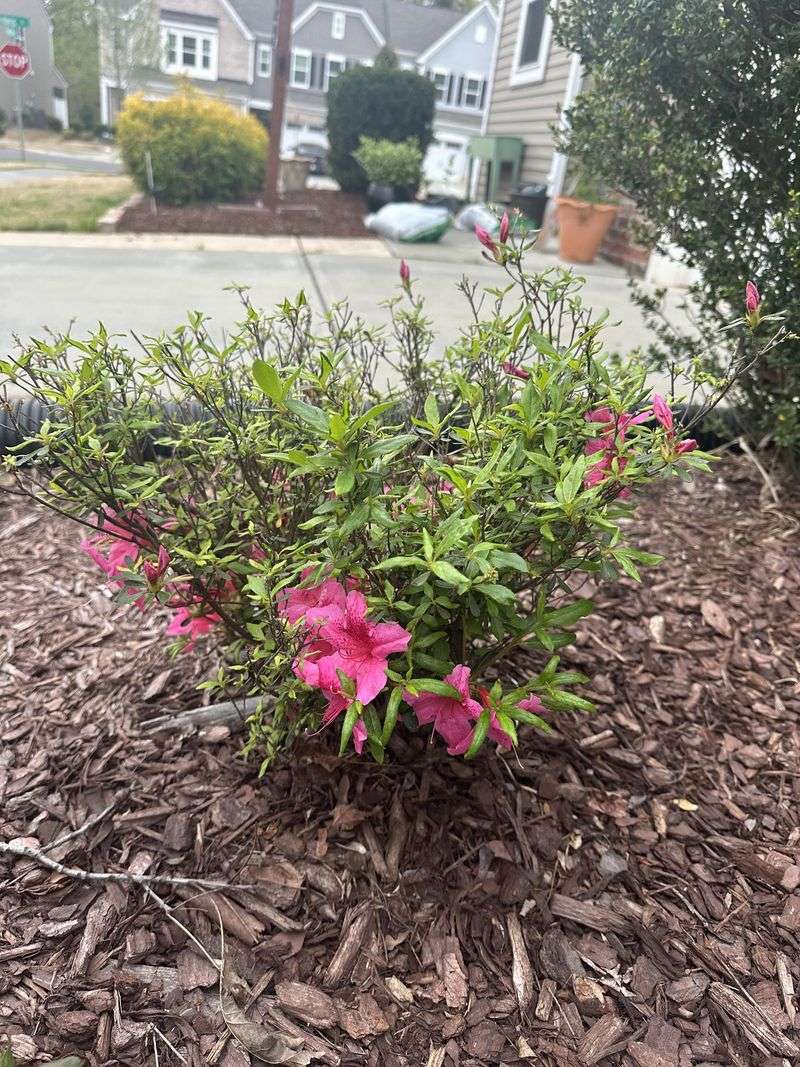
One thing that surprises many first-time azalea growers is just how shallow these plants like to root. Unlike trees or deep-rooted shrubs, azaleas keep most of their roots in the top six to twelve inches of soil.
This is actually a feature, not a flaw.
Because the roots stay near the surface, they can access oxygen and nutrients more easily. But it also means they can dry out faster and get stressed if the soil is too compacted.
Loose, well-aerated soil near the surface is key for healthy azalea growth.
When planting in Oregon, avoid digging a deep hole. A wide, shallow hole works much better.
The hole should be about twice as wide as the root ball but only as deep as the root ball itself. This encourages the roots to spread out naturally.
Never pile extra soil on top of the root zone after planting. Burying the crown of the plant is one of the most common mistakes Oregon gardeners make with azaleas.
Keeping those shallow roots close to the surface gives your azalea the best possible start and leads to more blooms over time.
Improve Drainage First
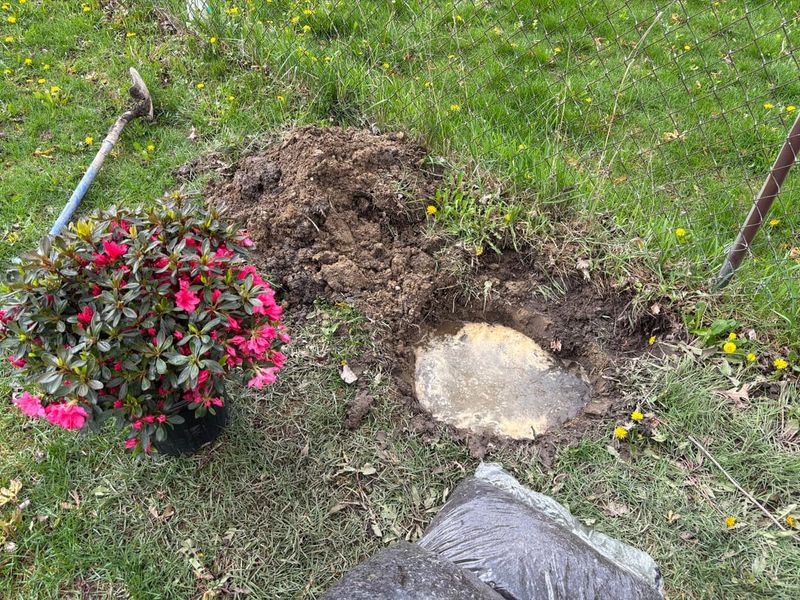
Oregon gets a lot of rain, especially from fall through spring. That moisture is wonderful for many plants, but azaleas do not like sitting in waterlogged soil.
Poor drainage is one of the top reasons azalea bushes fail in Oregon gardens.
Before you plant, take a close look at how water moves through your garden bed after a heavy rain. If puddles stick around for more than an hour or two, drainage needs to improve before you put any azalea in the ground.
Planting in soggy soil leads to root rot, which can destroy an otherwise healthy shrub.
One easy fix is to raise the planting bed by a few inches using a mix of compost and coarse sand. This lifts the root zone above the waterline and allows excess moisture to move away.
Another option is to dig deeper and add a layer of gravel at the bottom of the planting area.
Oregon gardeners in low-lying areas near rivers or in clay-heavy soils especially need to pay attention to this step. Good drainage does not just protect the plant.
It also helps nutrients stay available to the roots instead of washing away with every rainfall throughout the wet Oregon season.
Mulch With Bark
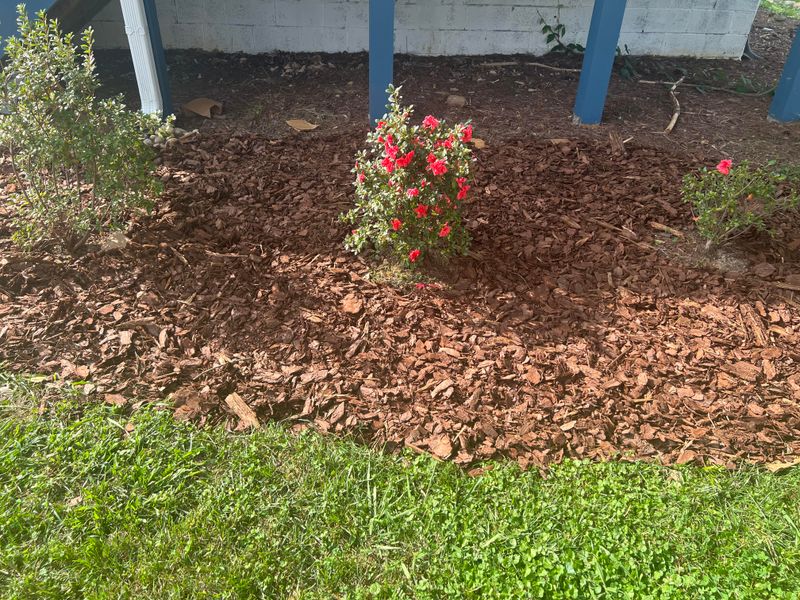
After planting your azalea, one of the smartest things you can do is add a good layer of bark mulch around the base. Mulching does several important things at once.
It holds moisture in the soil, regulates temperature, and slowly breaks down to feed the roots with organic material.
Bark mulch works especially well for azaleas in Oregon because it mimics the natural forest floor conditions where these plants originally thrived. Shredded bark or bark chips about two to three inches deep are ideal.
Avoid piling the mulch directly against the stem of the plant, as that can trap moisture and cause problems at the base.
In Oregon, where temperatures can swing from cold winters to warm summers, mulch acts like a blanket for the roots. It keeps them cooler in summer and slightly warmer during cold snaps in winter months.
This consistency helps the plant stay healthy year-round.
Refresh the mulch layer each spring before the growing season picks up. Old mulch breaks down and thins out over time.
Adding a fresh top layer every year keeps all the benefits going strong. Many Oregon nurseries sell bark mulch in bulk, making it easy and affordable to keep your azaleas well protected throughout every season.
Water Before Dry Spells
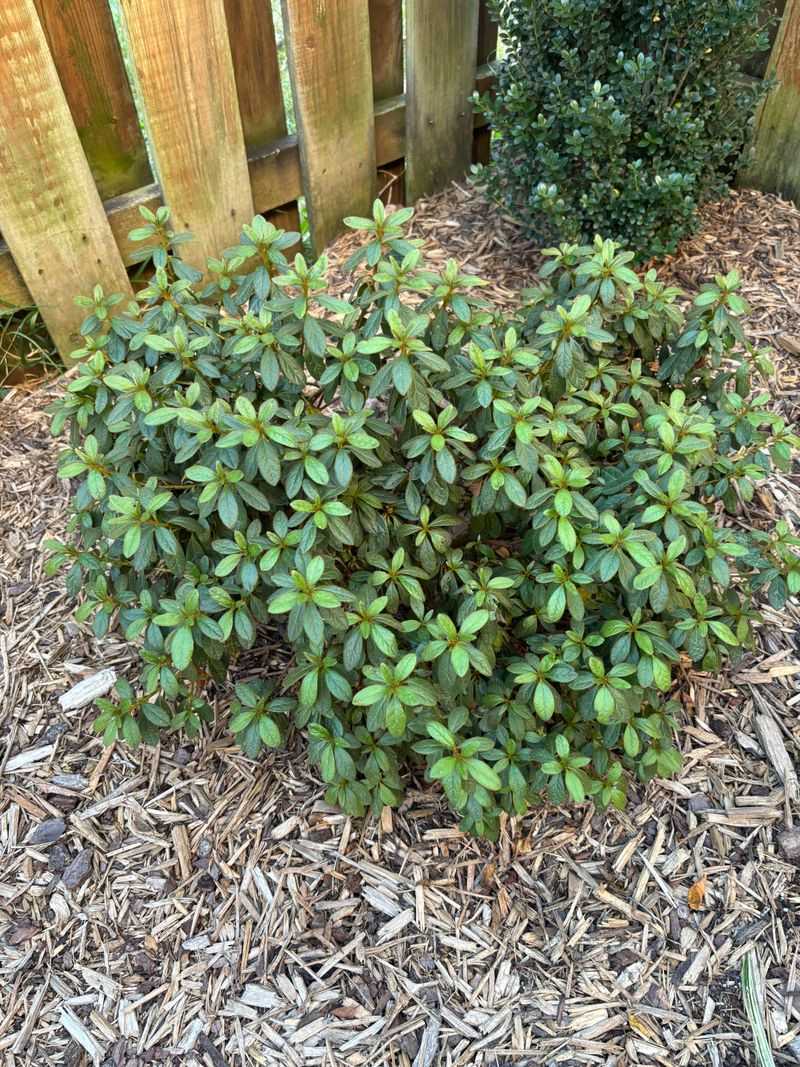
Oregon summers can be surprisingly dry, especially from July through September. Even though the state is known for rain, those warm dry months can stress azalea bushes if gardeners are not paying attention.
Watering before a dry spell hits is much more effective than trying to rescue a stressed plant afterward.
Azaleas need consistent moisture to set and hold their flower buds for the following spring. If the roots dry out during late summer, you may end up with fewer blooms the next year.
Think of it like filling a tank before a long road trip. You want the soil moist and ready before the heat arrives.
Deep watering once or twice a week during dry periods works better than light daily watering. A slow, deep soak allows moisture to reach all the shallow roots and encourages them to spread wider.
A soaker hose or drip system works great for this purpose.
Oregon gardeners in drier eastern parts of the state need to be especially watchful about summer watering. Even in the wetter western side of Oregon, a dry August can catch people off guard.
Check the soil moisture a few inches down before watering to avoid overdoing it and creating drainage issues.
Avoid Deep Planting
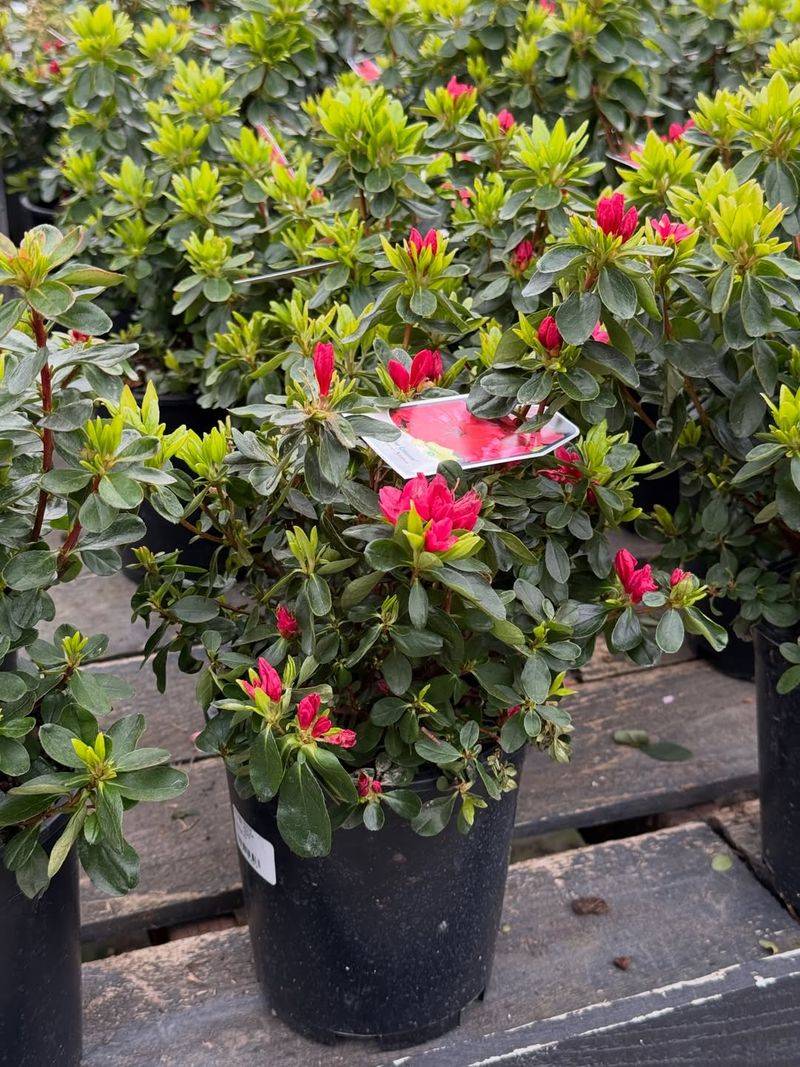
Planting too deep is probably the single most common mistake Oregon gardeners make with azalea bushes. It might seem like burying the plant deeper would give it more stability, but it actually does the opposite.
Deep planting cuts off oxygen to the roots and smothers the crown of the plant.
The crown is the point where the roots meet the stem. For azaleas, this spot should sit right at or just slightly above the soil surface.
When it gets buried, the plant cannot breathe properly. Growth slows, blooms become sparse, and the overall health of the shrub declines over time.
A good rule of thumb is to set the root ball so the top of it is about an inch above the surrounding soil. Then backfill with your amended soil mix and water it in well.
Over time, the soil will settle slightly, leaving the crown at just the right height.
In Oregon’s heavier soils, especially in areas with clay content, this is even more critical. Clay holds moisture for a long time, so a buried crown in clay soil spells real trouble for an azalea.
Take an extra moment before planting to measure the depth carefully. That small effort pays off with years of strong, vibrant blooms in your Oregon garden.