These Plants Are Being Banned In More Pennsylvania Counties
Something is changing across Pennsylvania’s gardening landscape, and a surprising number of homeowners are completely in the dark about it.
Plants that have been growing in yards, along fences, and in garden beds for years are landing on restricted and banned lists in more Pennsylvania counties, and the situation is moving faster than most people realize.
The reasoning is solid. Certain plants that look perfectly innocent in a backyard setting have been escaping into Pennsylvania’s natural areas, pushing out native species, and reshaping ecosystems in ways that are genuinely difficult to reverse.
The state has rich, diverse natural habitats worth protecting, and some of the most popular nursery plants are actively working against that.
What makes this particularly tricky is that several of the plants on these lists are ones that people genuinely love and have grown for years without thinking twice. Knowing what’s on that list before your next nursery run is information worth having.
1. Japanese Barberry
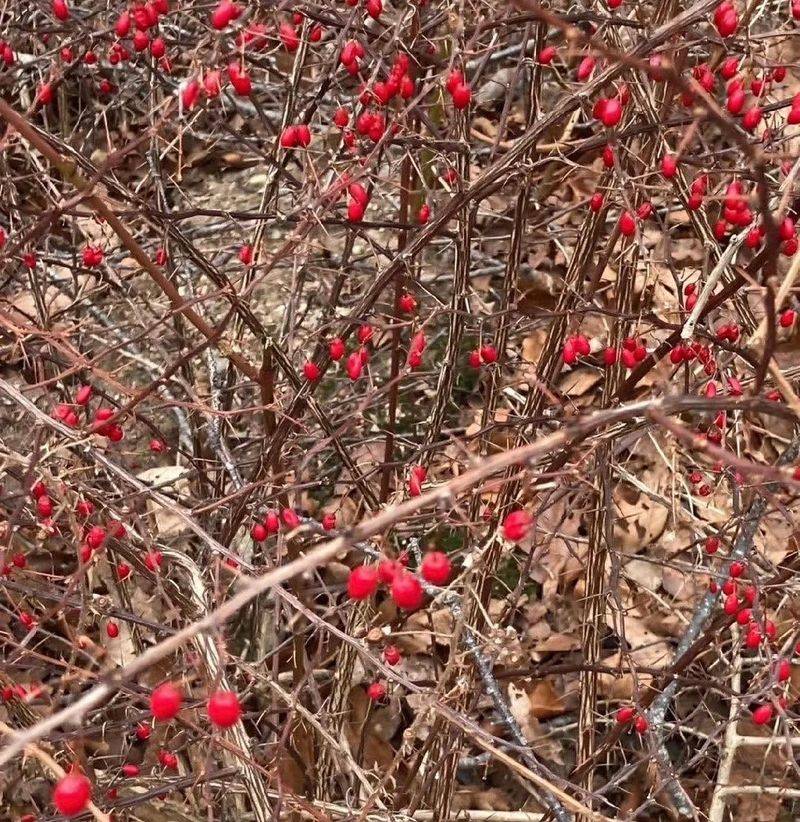
Walk through almost any Pennsylvania woodland edge or backyard garden, and chances are you have seen Japanese Barberry without even knowing it. This compact, thorny shrub was brought over from Asia in the late 1800s as an ornamental plant.
It produces bright red berries and turns a fiery red in fall, which made it very popular in landscaping for decades.
The problem is that Japanese Barberry spreads aggressively. Birds eat the berries and drop the seeds across forests and fields, allowing new plants to take root far from where they were originally planted.
Once established, it crowds out native plants and creates dense thickets that are nearly impossible to walk through. Researchers have also found that it creates humid conditions near the ground that attract ticks, which can carry Lyme disease.
Pennsylvania has classified Japanese Barberry as a noxious weed, and several counties have moved to ban its sale and planting outright. Homeowners who already have it in their yards are encouraged to remove it carefully, since the thorns are sharp and can cause skin irritation.
Wearing thick gloves and long sleeves is a must during removal. Pulling young plants by hand works well, but older, established shrubs may need to be dug out at the roots. Cutting alone will not stop regrowth.
If you love the look of barberry in your garden, there are native alternatives like native viburnums or spicebush that offer similar seasonal color without the invasive risk.
Swapping out problem plants for native species is one of the best things Pennsylvania residents can do for local ecosystems.
2. Burning Bush
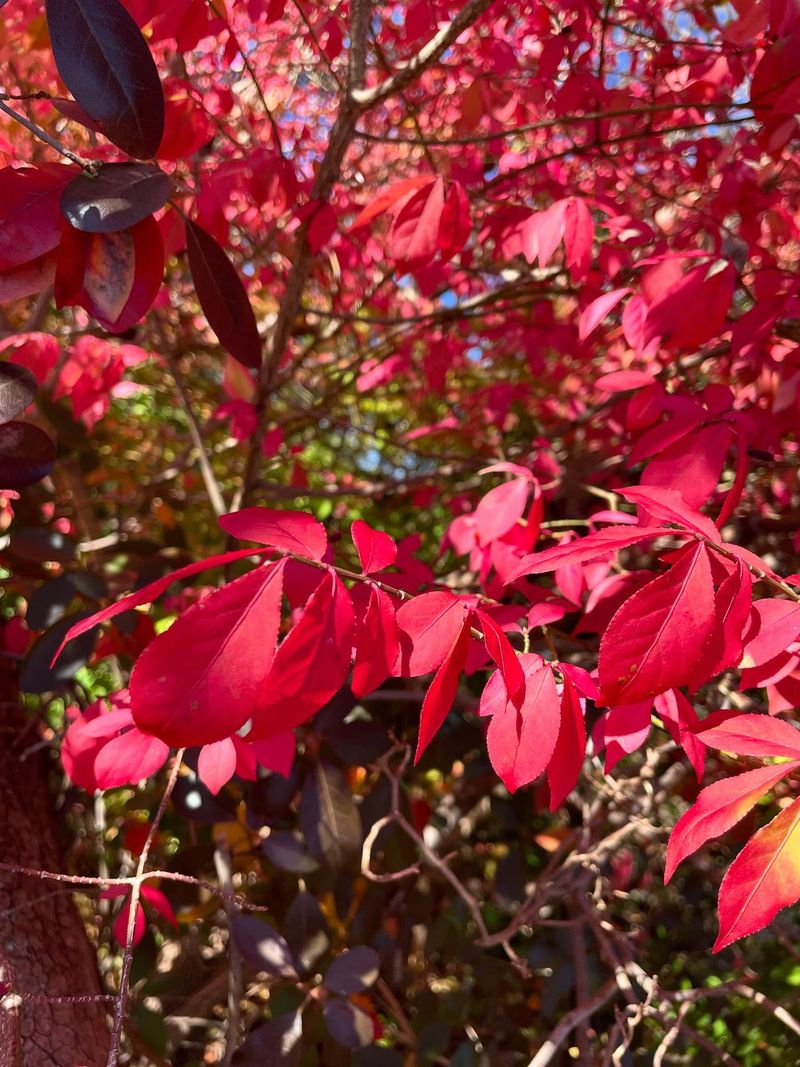
Few plants put on a fall show quite like Burning Bush. Its leaves turn a blazing, almost electric red in autumn, which is exactly why nurseries and garden centers sold it by the millions across Pennsylvania and the rest of the Northeast for years.
Homeowners loved it for hedges, borders, and foundation plantings. It was easy to grow, required little care, and looked stunning every October.
Unfortunately, that popularity came with a serious downside. Burning Bush spreads readily into natural areas, where birds carry its seeds into forests, meadows, and stream banks.
Your Pennsylvania Garden Changes Every Week. Your Plan Should Too.
Gardening in Pennsylvania changes quickly throughout the season. Every Friday you’ll receive a simple weekly plan showing exactly what to plant, prune, fertilize, harvest, and protect so you never miss the right timing.
Once it gets into a natural area, it forms thick stands that block sunlight from reaching native plants growing beneath it.
Over time, it can completely change the makeup of a forest understory, pushing out native shrubs and wildflowers that local wildlife depend on for food and shelter.
Several Pennsylvania counties have already restricted the sale of Burning Bush, and more are expected to follow. The Pennsylvania Department of Agriculture has listed it as a plant of concern, and many conservation groups are pushing for a statewide ban.
If you have Burning Bush on your property, you do not have to remove it immediately in all areas, but checking your local county regulations is a smart move.
When it is time to replace it, native alternatives like native blueberry, Virginia sweetspire, or highbush cranberry can give you that same gorgeous fall color without putting local ecosystems at risk.
Making the switch is a simple way to help Pennsylvania’s native plants and animals thrive for generations to come.
3. Japanese Knotweed
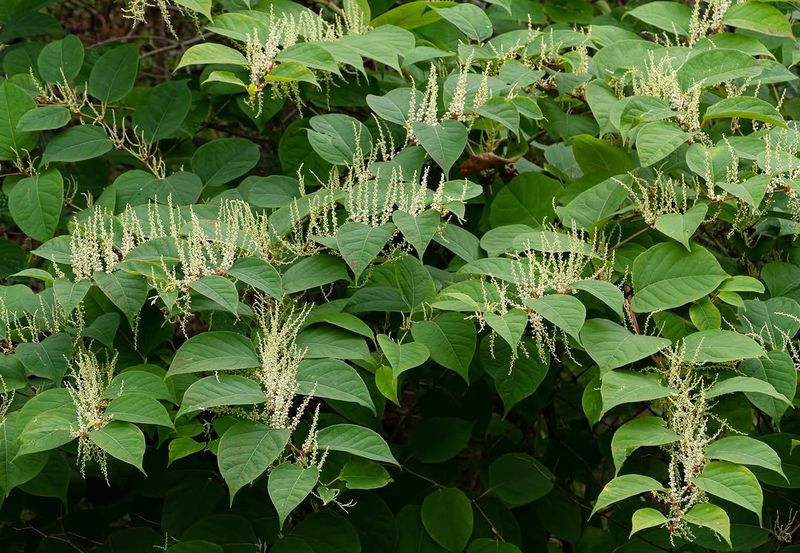
Japanese Knotweed is one of the most stubborn and destructive invasive plants in all of Pennsylvania. It looks a bit like bamboo, with tall hollow stems, large heart-shaped leaves, and small white flowers in late summer.
It grows along roadsides, riverbanks, and disturbed areas, and it spreads with shocking speed. Some patches can grow several inches in a single day under the right conditions.
What makes Japanese Knotweed especially difficult to manage is its underground root system, called a rhizome network. These roots can extend 10 feet deep and 65 feet outward from the main plant.
Even a tiny piece of root left in the soil can sprout a whole new plant. This makes removal a long-term project that requires patience and persistence.
The roots are also strong enough to crack pavement, damage building foundations, and break through flood control barriers.
Pennsylvania has classified it as a noxious weed, and counties across the state are actively working to control and remove it from public lands.
Homeowners dealing with Japanese Knotweed on their property should not try to compost it, since even small cuttings can root and spread. Bagging all removed material and disposing of it as trash is the recommended approach.
Repeated cutting throughout the growing season can weaken the plant over several years. Some Pennsylvania conservation groups also offer guidance on more intensive removal methods for large infestations.
Acting quickly when you first spot it is key, because the longer it is left alone, the harder it becomes to manage. Early action saves a lot of effort down the road.
4. Mile-A-Minute Weed
The name says it all. Mile-A-Minute Weed is one of the fastest-growing invasive plants in Pennsylvania, capable of extending up to six inches in a single day during peak growing season.
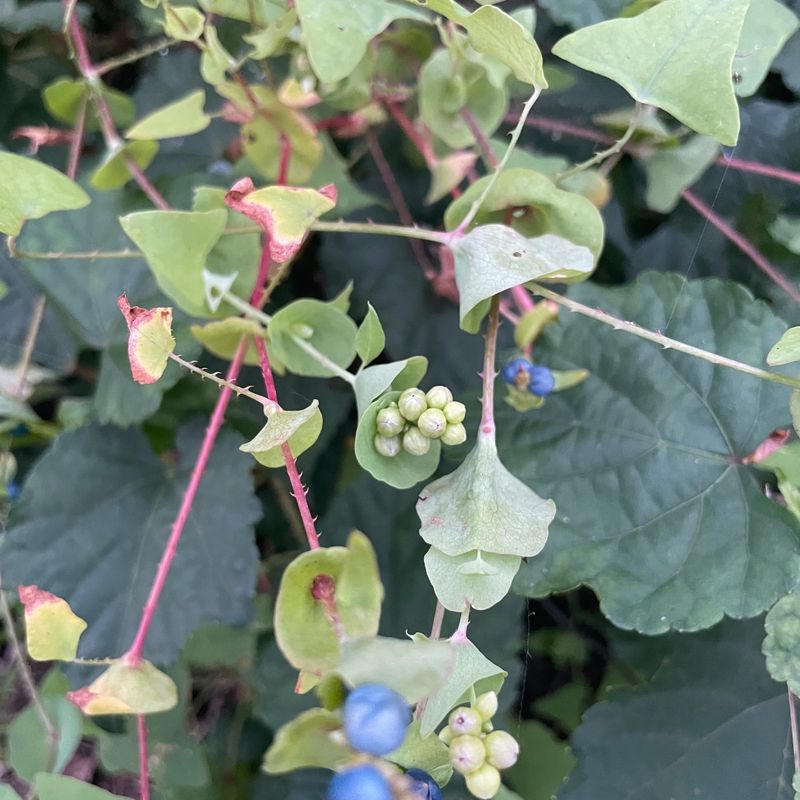
It is a vine with triangular leaves, small backward-pointing barbs along its stems, and clusters of bright blue berries in late summer. Those barbs make it cling to anything it touches, including other plants, fences, and even your clothing.
Originally from Asia, Mile-A-Minute Weed arrived in the United States accidentally through contaminated nursery stock in the 1930s. It has since spread across much of the eastern United States, and Pennsylvania is one of the states hit hardest.
It thrives in disturbed areas like roadsides, forest edges, and stream corridors. It grows so fast that it can completely cover and smother native plants, shrubs, and even small trees in just one season.
Several Pennsylvania counties have added it to their invasive plant watch lists, and removal efforts are ongoing across the state. The good news is that Mile-A-Minute Weed is an annual plant, meaning it completes its entire life cycle in one year.
If you can stop it from producing seeds, you can significantly reduce the population over time. Pulling it out by hand before it flowers is the most effective strategy for small infestations.
Wearing gloves is essential during removal because those tiny barbs can scratch skin easily. Pennsylvania also has a biological control program using a tiny weevil that feeds specifically on Mile-A-Minute Weed, offering a natural way to keep populations in check without harming other plants in the area.
5. Tree Of Heaven
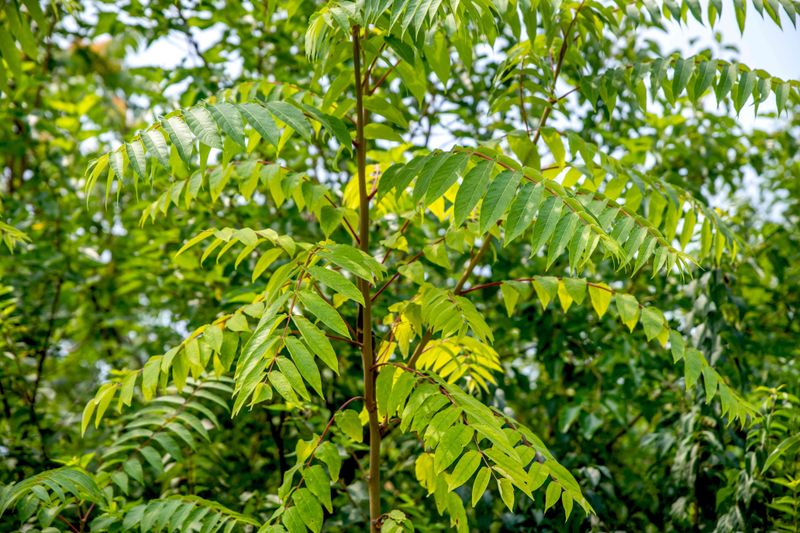
There is nothing heavenly about what the Tree of Heaven does to Pennsylvania’s landscapes. Despite its poetic name, this fast-growing tree is considered one of the most aggressive invasive species in the state.
It can grow up to eight feet in a single year, sprout from cracks in sidewalks and building walls, and establish itself in almost any soil type. If you have driven along Pennsylvania highways, you have almost certainly seen it growing in dense thickets along the road edges.
Originally brought from China in the 1700s as an ornamental tree, the Tree of Heaven spread quickly because it produces enormous quantities of winged seeds that travel easily on the wind.
It also releases chemicals into the soil that prevent other plants from growing nearby, a process called allelopathy.
This gives it a major advantage over native species and allows it to take over large areas in a short time.
Pennsylvania counties have been ramping up efforts to remove it from public lands, and homeowners are strongly encouraged to do the same on private property. Cutting the tree down alone is not enough, as it will resprout vigorously from the stump and roots.
A combination of cutting and treating the stump immediately afterward is the most effective approach for controlling regrowth.
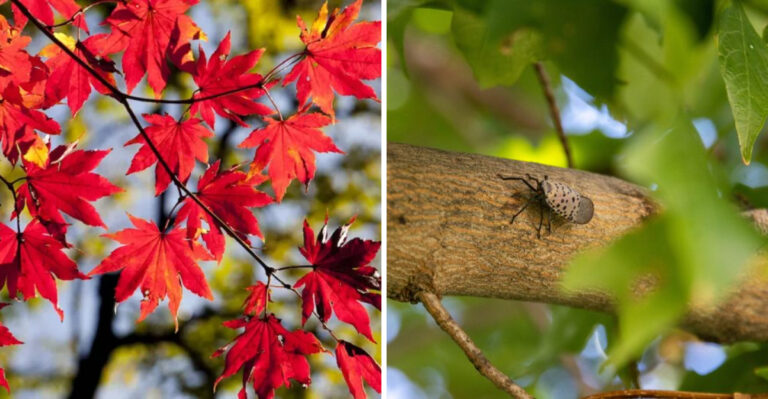
The Tree of Heaven also plays a role in the spread of the Spotted Lanternfly, an invasive pest that has caused widespread agricultural damage across Pennsylvania.
Removing Tree of Heaven from your property helps reduce habitat for this destructive insect as well, making removal a double win for Pennsylvania’s environment and farming communities.
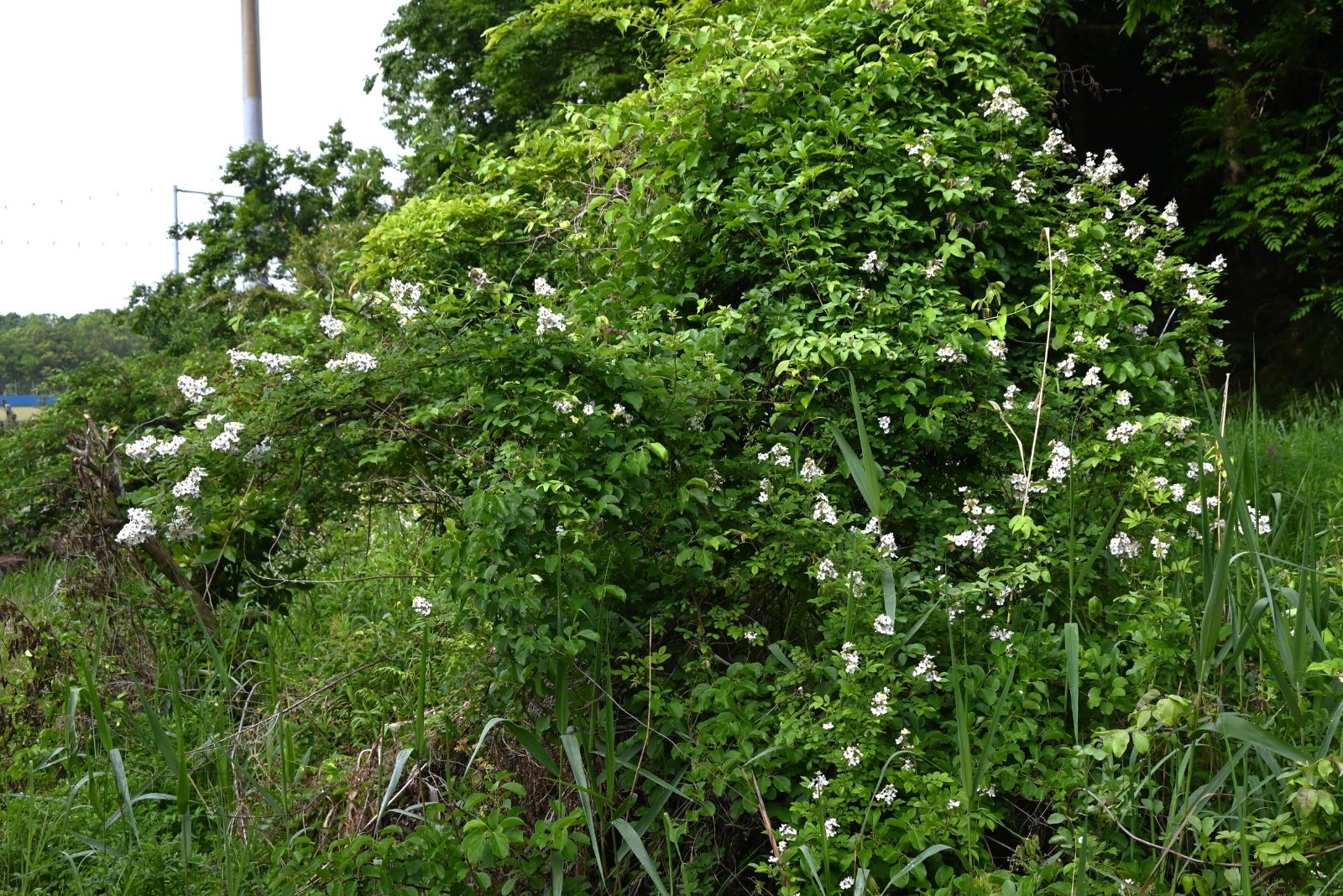
6. Multiflora Rose
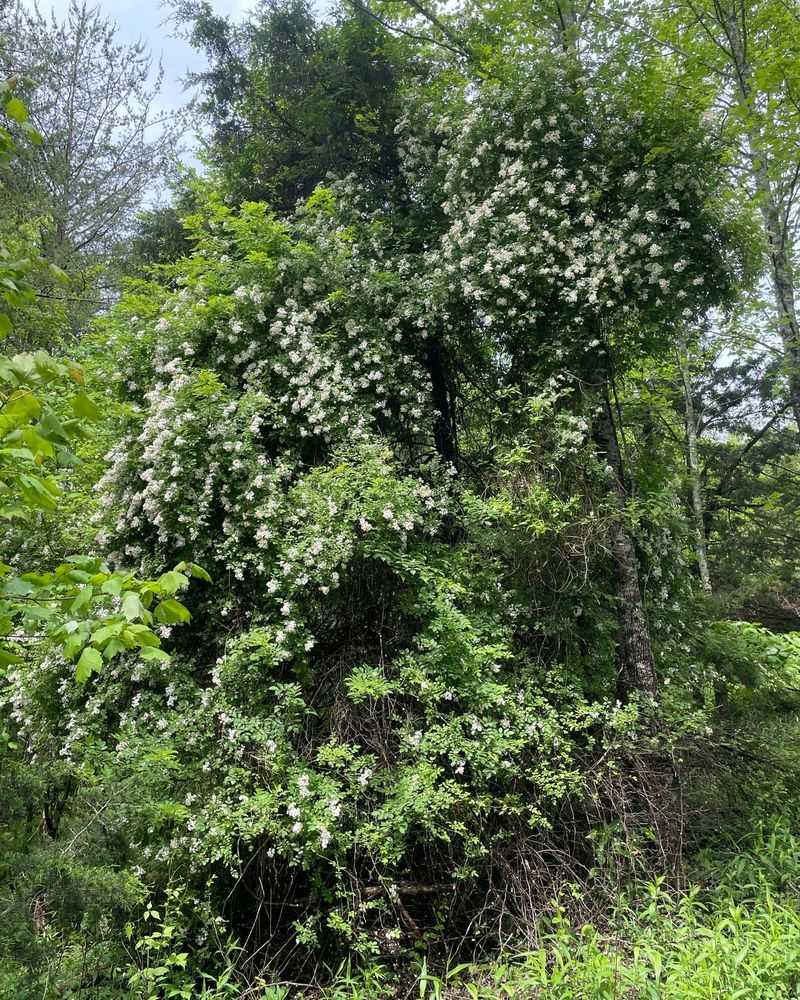
Back in the mid-1900s, the U.S. government actually encouraged farmers and landowners to plant Multiflora Rose. It was promoted as a natural fence, a way to reduce soil erosion, and a food source for wildlife.
Sounds great, right? The problem is that nobody fully anticipated just how aggressively it would spread across Pennsylvania and the rest of the eastern United States once it got established.
Multiflora Rose produces thousands of small red berries each year, and birds love them. As birds travel across Pennsylvania, they spread the seeds far and wide, allowing new plants to pop up in pastures, forest edges, roadsides, and meadows.
Each plant can produce up to one million seeds per year, and those seeds can remain viable in the soil for up to twenty years. Once a patch gets going, it forms dense, thorny thickets that are almost impossible for people or animals to move through.
Pennsylvania listed Multiflora Rose as a noxious weed decades ago, and counties across the state continue to battle it on public and private lands. For landowners trying to manage it, repeated cutting during the growing season can weaken plants over time.
Cutting in late spring when the plant has used up its stored energy reserves is especially effective.
Goats are actually one of the most popular and enjoyable removal methods, since they love to munch on Multiflora Rose and are not bothered by the thorns. Some Pennsylvania farmers and conservation groups rent goat herds specifically for invasive plant removal.
It is one of those rare situations where the solution is as fun as it is practical for everyone involved.