These Plants Bloom All Summer Long In Arizona Heat (Even When Others Fade)
Summer in Arizona hits fast and does not give plants much time to adjust. Spring growth can look strong one week, then color starts fading and blooms slow down once the heat settles in.
Yards that felt full and lively can lose that look right when everything should be at its best.
Certain plants keep going without that drop off. Blooms stay steady, color holds, and growth does not stall when temperatures climb higher than most can handle.
Those are the ones that carry a landscape through the hardest part of the season without constant attention.
Choosing the right mix early makes a noticeable difference. Instead of watching flowers fade out by early summer, it becomes possible to keep that full, blooming look going even as the heat builds across Arizona.
1. Angelonia Keeps Flowering Even In High Temperatures
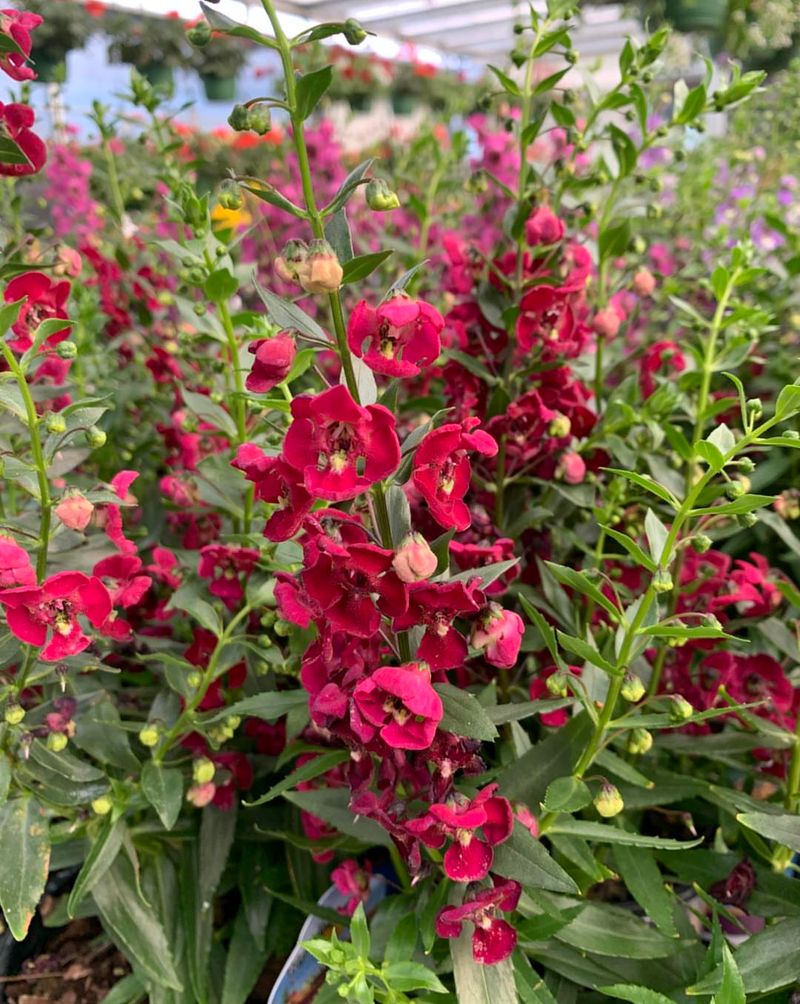
Angelonia sometimes gets called the summer snapdragon, and once you grow it through an Arizona summer, you’ll understand why it earned that reputation.
Snapdragons fade fast in desert heat, but angelonia just keeps going, producing slender spikes covered in small, orchid-like blooms throughout the hottest months.
What makes angelonia special is its built-in heat tolerance. It was developed specifically for warm climates, and Arizona’s intense summers are almost exactly what it was designed for.
Colors range from deep purple to soft lavender, white, and bi-color varieties, giving gardeners plenty of options to work with.
Plant it in full sun and water regularly when temperatures spike above 105 degrees. Unlike some heat-lovers, angelonia appreciates consistent moisture during extreme heat waves, though it handles brief dry spells without major setbacks.
Good drainage is still essential since standing water around the roots causes problems quickly.
Angelonia also has a light, pleasant fragrance that becomes noticeable on warm evenings, which is a nice surprise for gardeners who plant it close to patios or walkways.
Deadheading isn’t required, but trimming back leggy stems mid-summer keeps the plant compact and encourages a fresh flush of blooms heading into late summer and early fall across Arizona landscapes.
Spacing plants properly helps maintain airflow and keeps growth looking clean and upright through the season.
2. Lantana Thrives In Intense Heat And Blooms Continuously
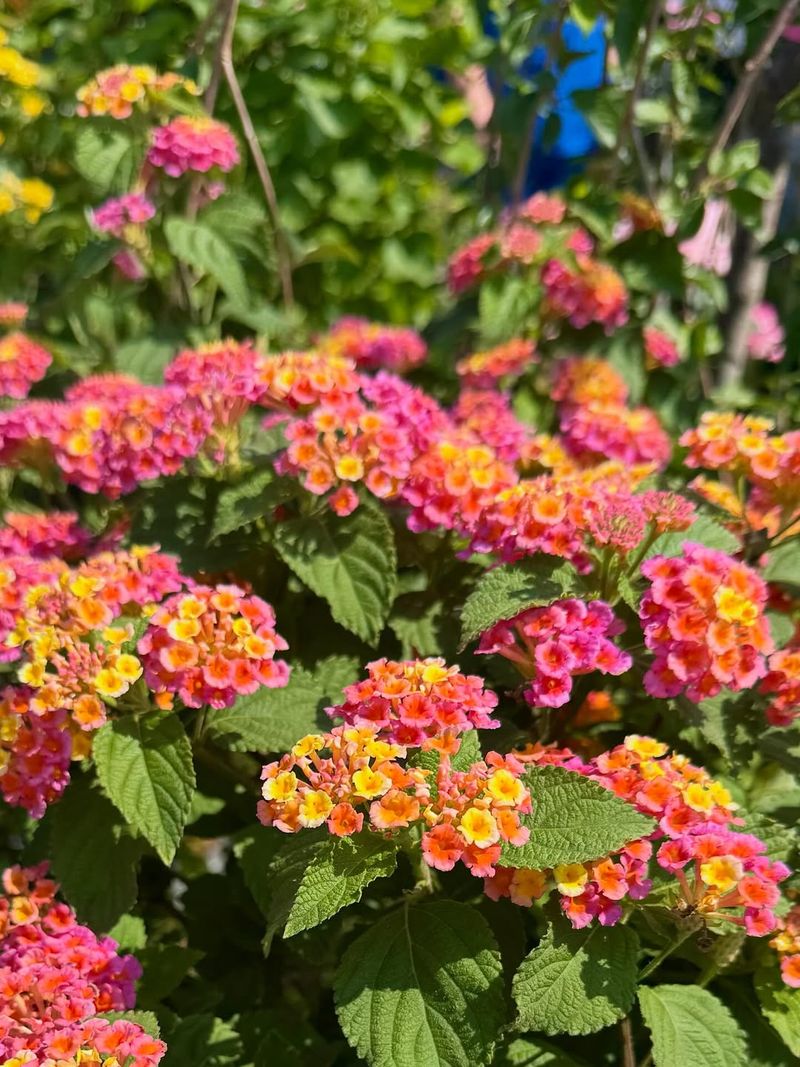
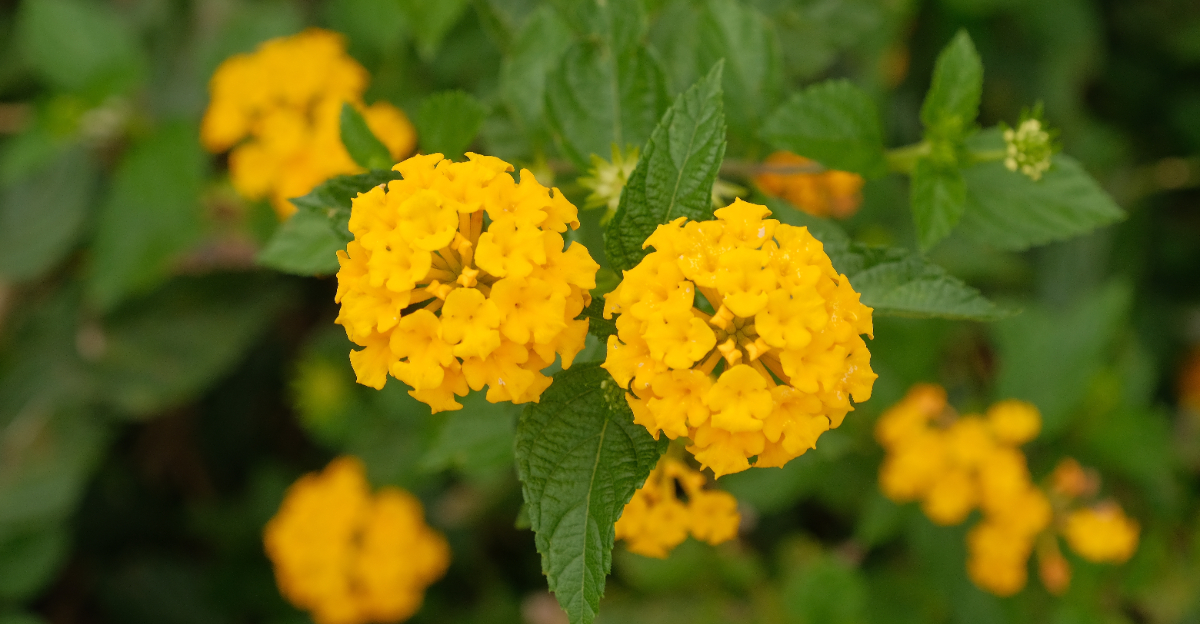
Few plants put on a show quite like lantana does in the middle of an Arizona summer. While other flowers are struggling to survive the heat, lantana looks like it’s having the time of its life, covered in tight, colorful clusters that range from orange and yellow to pink and purple.
Lantana is native to tropical regions, which means intense heat doesn’t slow it down one bit. In Arizona, it tends to bloom harder as temperatures rise rather than pulling back.
Plant it in full sun with well-draining soil, and it will reward you with almost non-stop color from spring through late fall.
Watering deeply but infrequently works best once lantana is established. Overwatering is more of a concern than underwatering in the Arizona desert.
A deep soak every week or two during peak summer is usually enough to keep it going strong.
Your Arizona Garden Changes Every Week. Your Plan Should Too.
Gardening in Arizona changes quickly throughout the season. Every Friday you’ll receive a simple weekly plan showing exactly what to plant, prune, fertilize, harvest, and protect so you never miss the right timing.
Butterflies and hummingbirds absolutely love lantana blooms, so you get wildlife activity as a bonus. Deadheading spent flower clusters can encourage fresh blooms, though many Arizona gardeners find it keeps going without much intervention at all.
It’s one of those plants that genuinely earns its spot in a desert landscape.
Strong roots help it stay stable even through intense heat and dry conditions. Light pruning now and then keeps the plant from getting too woody over time.
3. Vinca Produces Steady Blooms In Hot Dry Conditions
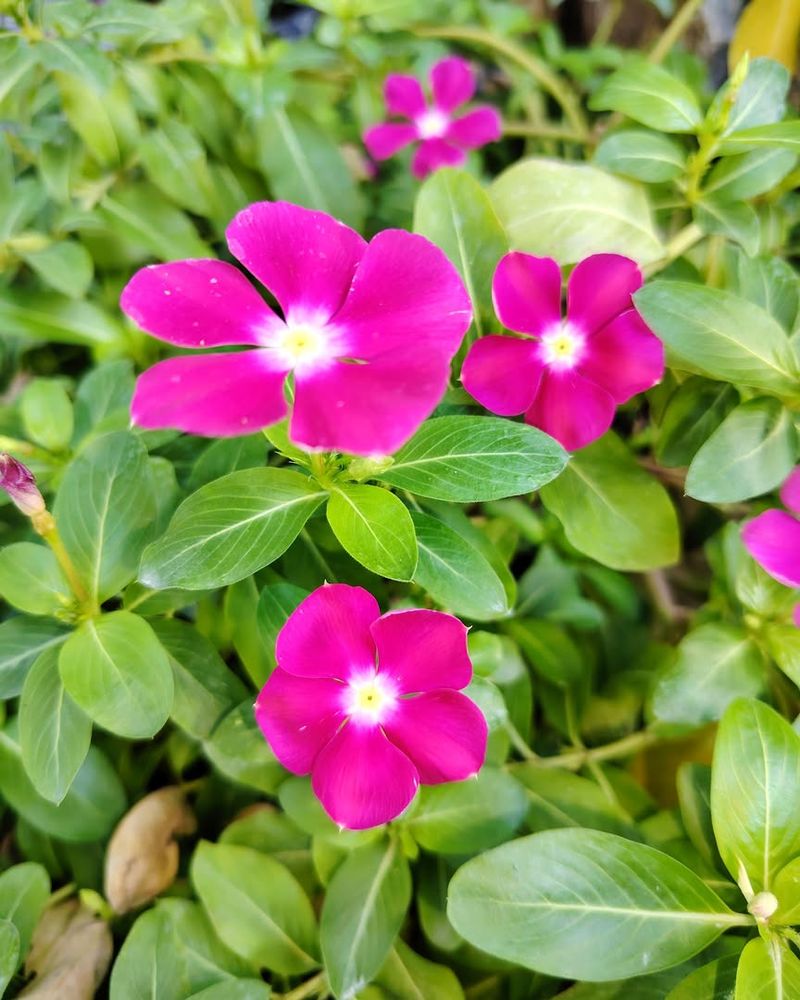
Walk through any Arizona neighborhood in July and you’ll spot vinca thriving in spots where other annuals gave up weeks ago.
It’s one of the most reliable summer bloomers in the entire state, producing a constant carpet of flat, cheerful flowers in shades of red, pink, white, coral, and deep rose.
Vinca, also called catharanthus or Madagascar periwinkle, was practically built for hot and dry conditions. It originates from Madagascar, where heat and drought are part of everyday life, so Arizona summers feel familiar rather than stressful.
Once established, it handles dry spells surprisingly well for a flowering annual.
Young vinca plants need regular watering to get established during their first few weeks. After that, pulling back on water slightly actually helps it perform better.
Overwatering leads to root problems fast, especially in heavy or poorly draining soils, which is something to watch for in certain Arizona yard conditions.
Full sun is where vinca truly shines. Partial shade is tolerated, but bloom production drops noticeably.
Spacing plants properly for good air circulation also helps prevent fungal issues that can occasionally show up during Arizona’s monsoon season when humidity temporarily spikes. Overall, vinca is one of the easiest, most rewarding choices for a summer Arizona garden.
Strong sunlight keeps blooms steady and prevents the plant from getting leggy. Clean soil and proper spacing help reduce stress during humid monsoon periods.
4. Moss Rose Opens Flowers Daily In Strong Sun
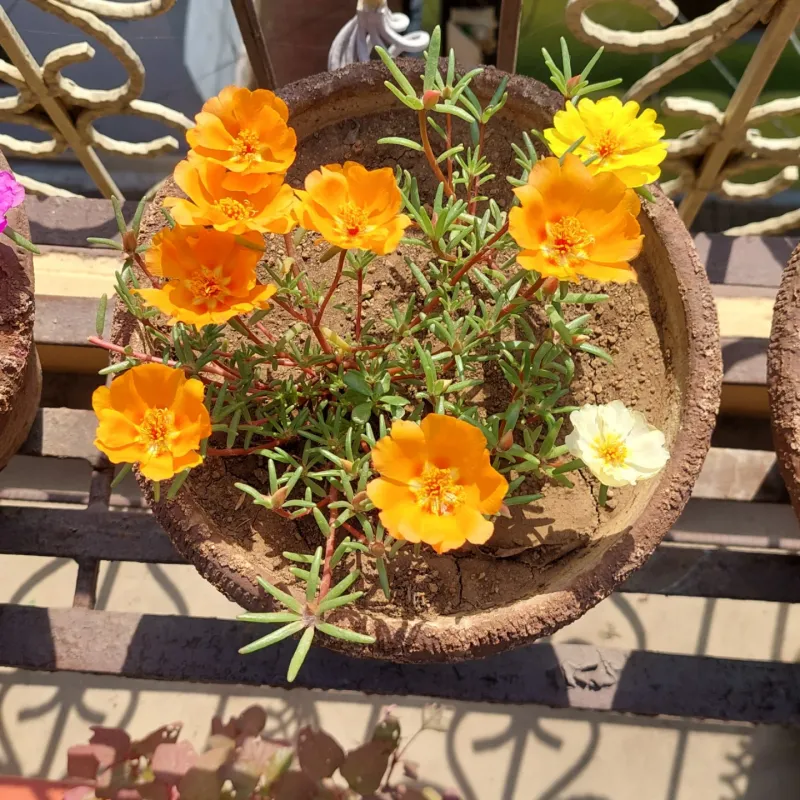
Moss rose is one of those plants that genuinely seems to love punishment. Blazing sun, poor soil, minimal water, extreme heat, and it just keeps opening fresh flowers every single morning like nothing is wrong.
For Arizona gardeners dealing with tough spots in the yard, portulaca is often the answer.
Each flower only lasts a day, but the plant produces so many buds that you’d never notice. By mid-morning, moss rose is covered in bright, silky blooms in shades of yellow, orange, magenta, red, pink, and white.
Some varieties even have striped or bi-color flowers that catch the eye from across the yard.
Soil quality barely matters with moss rose. Rocky, sandy, nutrient-poor ground that would challenge most plants is actually where portulaca performs best.
Rich, heavily amended soil can actually reduce flowering by pushing too much leafy growth. In Arizona, many gardeners plant it in gravel beds or along dry borders with great results.
Watering once or twice a week during peak summer is typically enough once established. Overwatering is the main mistake people make with this plant.
It stores moisture in its thick, succulent-like stems, so it’s naturally equipped for the long, dry stretches that define an Arizona summer. A genuinely low-effort, high-reward plant.
Full sun exposure keeps flowers opening fully and encourages steady bud production. Proper drainage helps prevent rot and keeps the plant looking clean and compact.
5. Globe Amaranth Maintains Color Through Extreme Heat
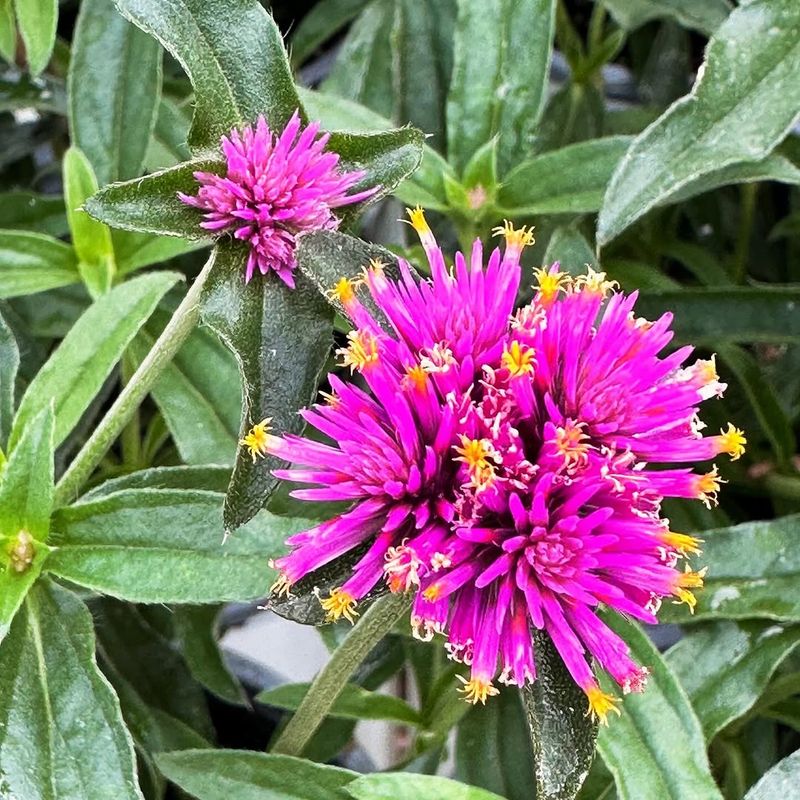
Globe amaranth is one of those plants that looks almost too perfect to be real.
Its round, clover-like flower heads in shades of magenta, purple, pink, orange, and white hold their shape and color even in the middle of Arizona’s most brutal heat waves, which is something most flowering plants simply cannot claim.
Native to Central America and used to intense tropical heat, globe amaranth handles full Arizona sun without flinching. It blooms from late spring through fall, and unlike many annuals that slow down in midsummer, it tends to push out more flowers as the season progresses.
That kind of consistency is rare and genuinely useful for keeping a yard looking good all season.
Watering needs are moderate. Established plants handle dry spells reasonably well, though consistent moisture during the hottest weeks helps maintain steady blooming.
Good drainage is essential, particularly during Arizona’s monsoon season when heavy rains can arrive quickly and saturate the soil.
Globe amaranth also works beautifully as a cut flower and holds its shape when dried, which is a practical bonus. Heights range from compact six-inch varieties to taller two-foot plants depending on the cultivar.
Mixing sizes and colors creates a layered, textured look in garden beds that stays interesting throughout the entire Arizona summer without much fuss.
Regular cutting for bouquets actually encourages the plant to produce even more blooms over time.
6. Yellow Bells Produce Flowers Throughout Summer Heat
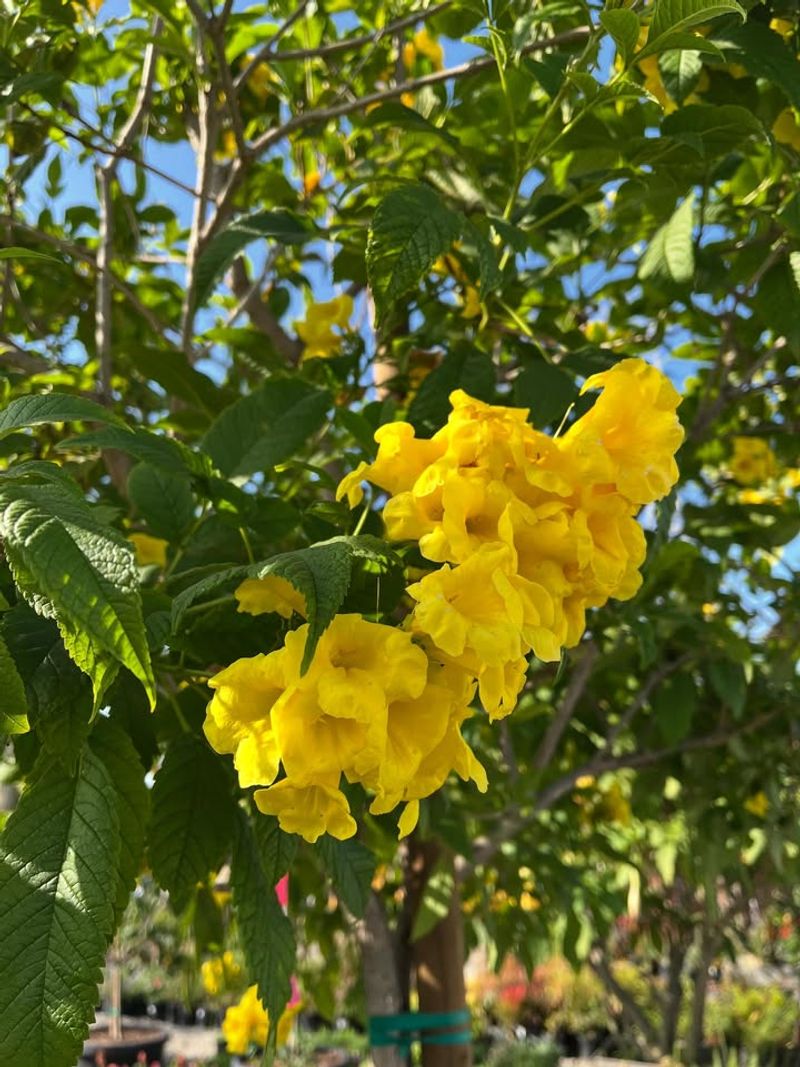
Yellow bells might be the most cheerful plant in the entire Arizona summer landscape.
Covered in clusters of bright, trumpet-shaped yellow flowers from spring straight through fall, this native desert shrub keeps blooming even when temperatures are pushing 115 degrees in the shade.
Tecoma stans, its botanical name, is well-adapted to desert conditions because it actually evolved in arid and semi-arid regions of the American Southwest and Mexico. Arizona gardeners who plant it in full sun with minimal supplemental water often get the best performance.
Too much irrigation can actually push excessive leafy growth at the expense of flower production.
Once established, yellow bells is remarkably drought-tolerant. Deep, infrequent watering encourages strong root development, which is exactly what helps it survive and bloom through the toughest Arizona summers.
Young plants need more frequent watering during their first summer, but mature shrubs become genuinely self-sufficient in most desert landscapes.
Hummingbirds are drawn to yellow bells constantly, making it a great choice for gardeners who enjoy watching wildlife. It grows quickly and can reach six to eight feet tall in favorable conditions, so placement matters.
Pruning in late winter keeps the shape tidy and encourages fresh, vigorous growth that leads to heavy flowering throughout the following summer season across Arizona.
Good airflow around the plant helps reduce stress during extreme heat. Regular shaping keeps growth balanced and prevents it from becoming too dense.
7. Baja Fairy Duster Blooms Well In High Temperatures
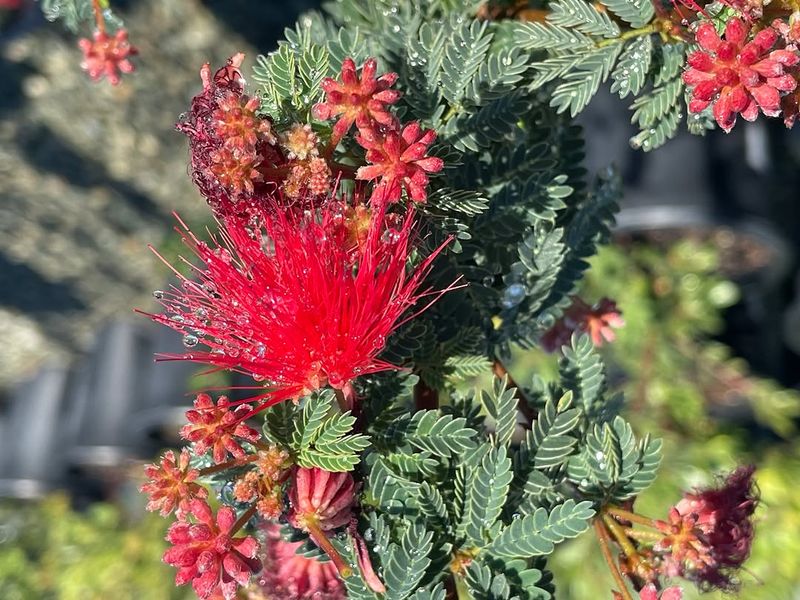
Baja fairy duster has one of the most unusual and eye-catching flowers in the Arizona desert plant world.
Clusters of long, wispy stamens in bright red or deep pink give each bloom a feathery, almost whimsical look that stands out sharply against the dusty tones of a typical desert landscape.
Calliandra californica, the botanical name, is native to Baja California, which means it evolved in conditions nearly identical to southern Arizona summers. Full sun, rocky or sandy soil, intense heat, and minimal rainfall are conditions it knows well.
Plant it and mostly leave it alone, and it tends to perform better than plants that get fussed over constantly.
Baja fairy duster blooms heavily in spring and fall, but it continues producing flowers throughout the summer in Arizona, especially with occasional deep watering during the hottest stretch.
It’s not a non-stop bloomer the way vinca or lantana is, but its flower production through summer heat is genuinely impressive for a desert-adapted shrub.
Hummingbirds visit Baja fairy duster constantly, and it attracts butterflies as well. It stays relatively compact, usually reaching three to five feet, which makes it useful for borders and low water-use landscapes.
Arizona gardeners looking for something a little different from the usual summer options often find this plant becomes a fast favorite.
8. Desert Marigold Blooms Reliably In Hot Conditions
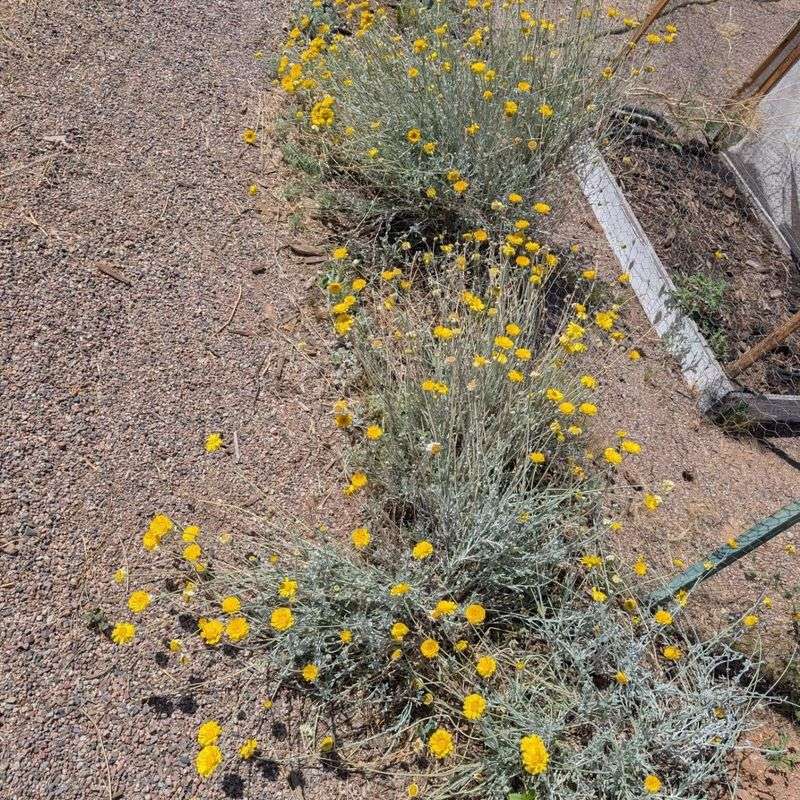
Desert marigold is one of Arizona’s most dependable native wildflowers, and it earns that reputation every single summer.
Bright golden-yellow daisy-like flowers cover these low, mounding plants from spring through fall, often with barely a pause even during the most intense heat stretches of July and August.
Baileya multiradiata is completely native to the Sonoran and Chihuahuan deserts, which means it evolved under the exact conditions that challenge most garden plants in Arizona. It needs no soil amendment, no fertilizer, and once established, very little supplemental water.
Planting it in native or amended soil with good drainage sets it up for long-term success.
One of the most practical things about desert marigold is its self-seeding habit. Plants set seed freely, and seedlings pop up nearby each season, gradually expanding a planting without any effort from the gardener.
In a natural-style Arizona landscape, this creates a soft, wildflower meadow effect that looks intentional and beautiful.
Full sun is non-negotiable for strong blooming. Even light shade reduces flower production noticeably.
Established plants can survive on natural rainfall alone in many parts of Arizona, though a deep watering every couple of weeks during summer helps maintain consistent blooming.
It’s an honest, hardworking native plant that rewards minimal care with maximum color all season long.
Cutting back spent flower stalks can tidy the plant and encourage another round of blooms. Natural spread over time helps fill open areas without extra planting.