What Florida Christmas Cactus Needs In April To Prepare For Next Season
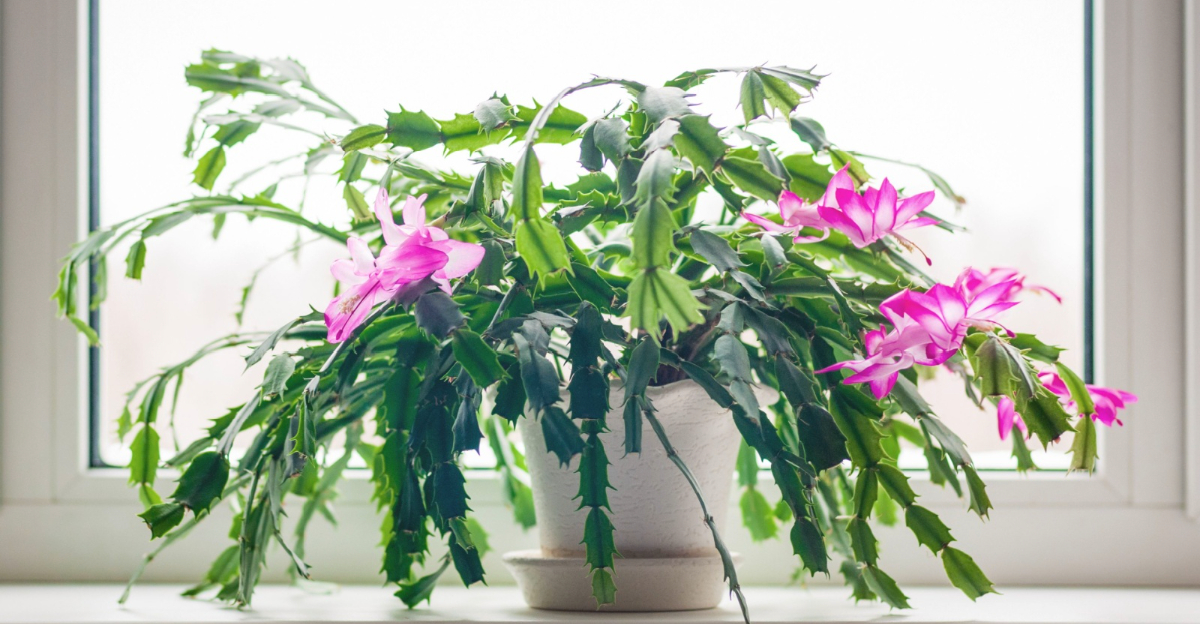
April sneaks up on Florida Christmas cactus growers in the best possible way. One minute your plant is sitting there like it is still thinking about winter, and the next it is sending out fresh little segments like it has big plans.
Florida spring brings longer days, warmer rooms, brighter patios, and that familiar hint of humidity that houseplants seem to notice before we do. This is the month when care starts to matter in a different way.
Your Christmas cactus is not getting ready to bloom just yet, but it is building strength for the season ahead.
A little smarter watering, the right light, good drainage, and gentle feeding can help it grow fuller and healthier before fall bud time rolls around.
Think of April as the plant’s spring tune-up, minus the tiny cactus toolbox, sadly.
1. Bright, Indirect Light
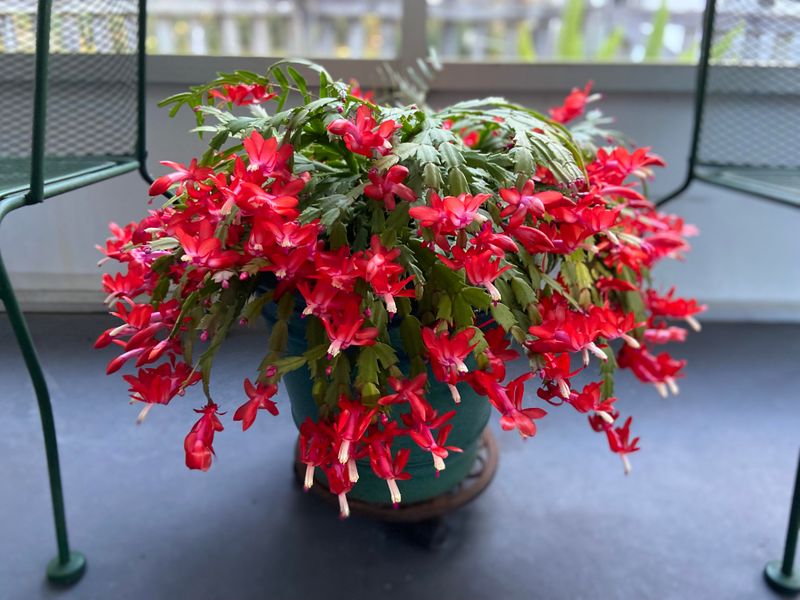
Spring light in Florida arrives earlier and stronger than most gardeners expect, and a Christmas cactus sitting in the wrong spot can go from thriving to stressed before April is even halfway through.
This plant is a tropical forest species by nature, which means it evolved growing beneath a canopy where light was filtered and gentle rather than direct and scorching.
Bright, indirect light is the sweet spot for healthy spring growth. A spot near an east-facing window works well for most Florida homes because morning sun is softer and less intense than afternoon sun.
Sheer curtains can help diffuse the light if the window gets a long stretch of direct rays.
On screened porches or patios, the screening itself often provides enough filtering to make the environment comfortable for the plant.
Watch for flat, pale, or slightly bleached segments, which can signal that the light is too strong.
Fresh green growth emerging from the tips of the segments is a reliable sign that the plant is receiving the right amount of light for active spring growth.
2. Water When The Upper Inch Of Soil Feels Dry
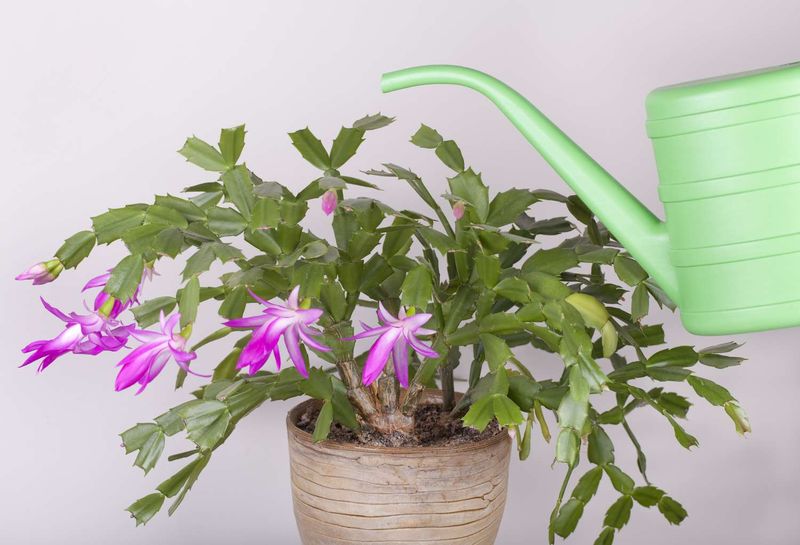
One of the most common care mistakes in April is watering on a fixed schedule rather than checking what the soil is actually doing.
Florida’s spring weather shifts quickly, and a week of warm, breezy days can dry out a pot much faster than a stretch of cloudy, humid weather.
The best approach is simple: press a finger about an inch into the potting mix. If the soil at that depth feels dry, it is time to water.
If it still feels cool or slightly damp, wait a day or two and check again. Watering before the soil has had a chance to partially dry out can lead to soggy roots and poor plant health over time.
When watering, pour slowly and evenly until water runs freely from the drainage holes. Then let the pot drain completely before setting it back on a saucer.
Florida’s humidity can slow evaporation indoors, so even during active spring growth, the soil may hold moisture longer than expected.
Adjusting water frequency based on how the soil actually feels, rather than the calendar, gives the plant a more consistent and supportive environment.
Your Florida Garden Changes Every Week. Your Plan Should Too.
Gardening in Florida changes quickly throughout the season. Every Friday you’ll receive a simple weekly plan showing exactly what to plant, prune, fertilize, harvest, and protect so you never miss the right timing.
3. A Well-Drained Potting Medium
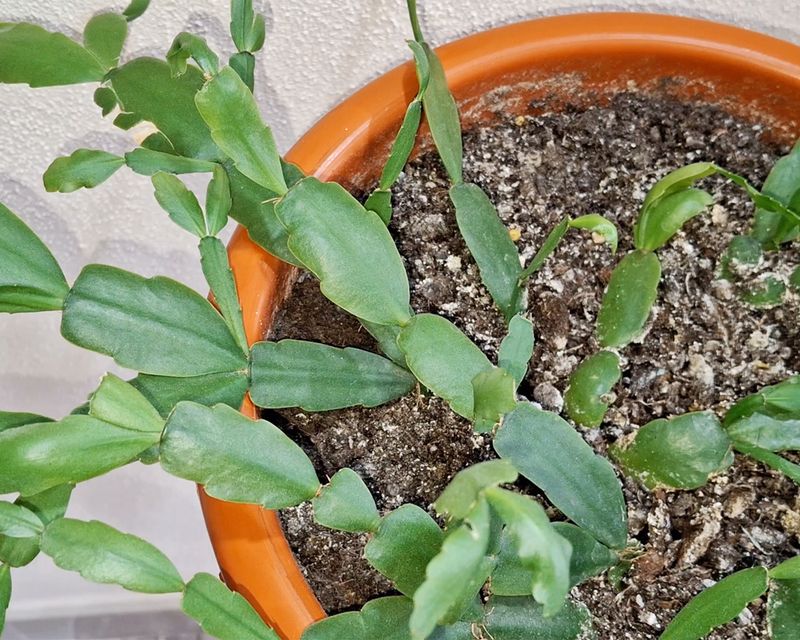
The potting mix inside the container matters more in spring than many gardeners realize. As temperatures climb across Florida and the plant begins actively growing again, roots need both moisture and air movement around them to stay healthy.
A dense, heavy potting mix that holds water too long can create problems even when watering habits are solid.
Christmas cactus prefers a mix that drains well but still holds a bit of moisture between waterings. A standard potting mix blended with perlite or coarse sand works well for most container situations.
The goal is a medium that feels light and airy rather than compact and wet after watering.
If the current mix has been in the pot for two or more years, it may have broken down into a denser texture that no longer drains the way it once did.
April is a reasonable time to consider refreshing the potting medium, especially if the plant is also being moved to a slightly larger container.
Fresh, well-structured potting mix gives the roots better access to oxygen and supports the kind of steady, active spring growth that builds a stronger plant heading into summer and fall.
4. A Container With Good Drainage Holes
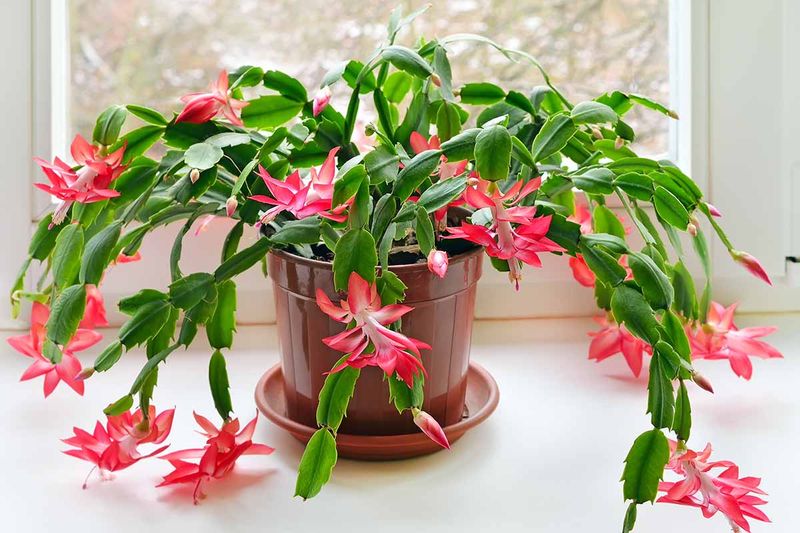
Containers without proper drainage holes are a quiet but serious problem for Christmas cactus growers in Florida, particularly as the growing season picks up in April.
Even with careful watering habits and a well-draining potting mix, water that has nowhere to escape will eventually pool at the bottom of the pot and create conditions that stress the root system.
A pot with at least one generously sized drainage hole allows excess water to flow out freely after each watering session.
Clay or terracotta pots are popular choices because they are slightly porous and allow some additional moisture to evaporate through the walls, which can be helpful during Florida’s warmer months.
Plastic containers retain moisture a bit longer, which may work well during drier stretches but requires more attention during humid periods. Whatever material the container is made from, the drainage holes should be clear and unobstructed.
Placing a small piece of mesh or a coffee filter inside the pot over the hole before adding soil can help keep the mix in place without blocking water flow.
Checking that the holes are working properly takes only a moment and can make a meaningful difference in how the plant performs through spring and into summer.
5. Light Fertilizing During The Growing Season
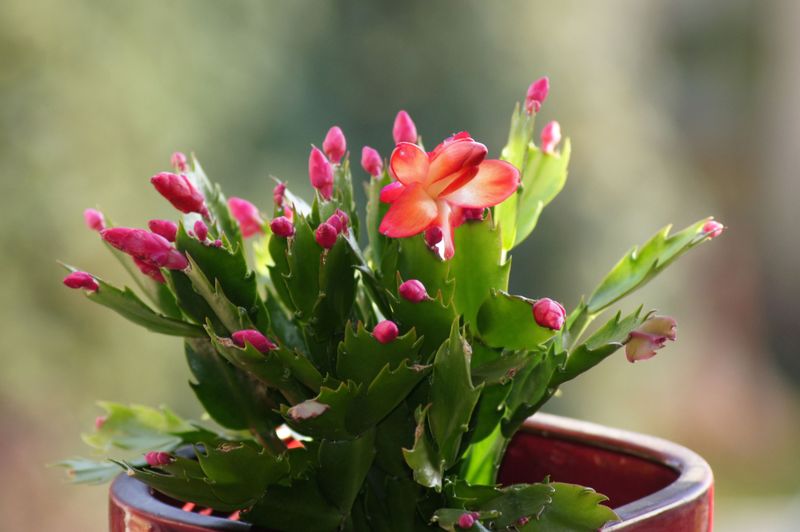
April marks the point when a Christmas cactus in Florida is generally ready to benefit from a light feeding routine.
The plant is actively pushing out new growth, and providing a small amount of nutrients during this phase supports that energy without overwhelming the root system.
A balanced, water-soluble fertilizer with equal parts nitrogen, phosphorus, and potassium works well for spring feeding.
Some gardeners prefer a formula with a slightly lower phosphorus ratio during the growing season, saving a bloom-supporting fertilizer for later in the year closer to bud formation.
Either approach can be effective as long as the feeding is kept light and consistent rather than heavy and infrequent.
Diluting the fertilizer to half the recommended strength is a widely used practice that reduces the risk of over-fertilizing, which can show up as brown or damaged root tips.
Feeding once or twice a month during the active growing season from spring through summer gives the plant a steady, gentle supply of nutrients.
Florida’s warmth accelerates growth, so keeping up with a regular but moderate feeding schedule during April and beyond helps the plant build the strength it will need later in the year.
6. A Slightly Root-Bound Pot
Root conditions inside the container play a quiet but important role in how well a Christmas cactus blooms each year.
Unlike many houseplants that need frequent repotting into larger containers, Christmas cactus tends to bloom more reliably when its roots are moderately snug in the pot rather than swimming in excess soil.
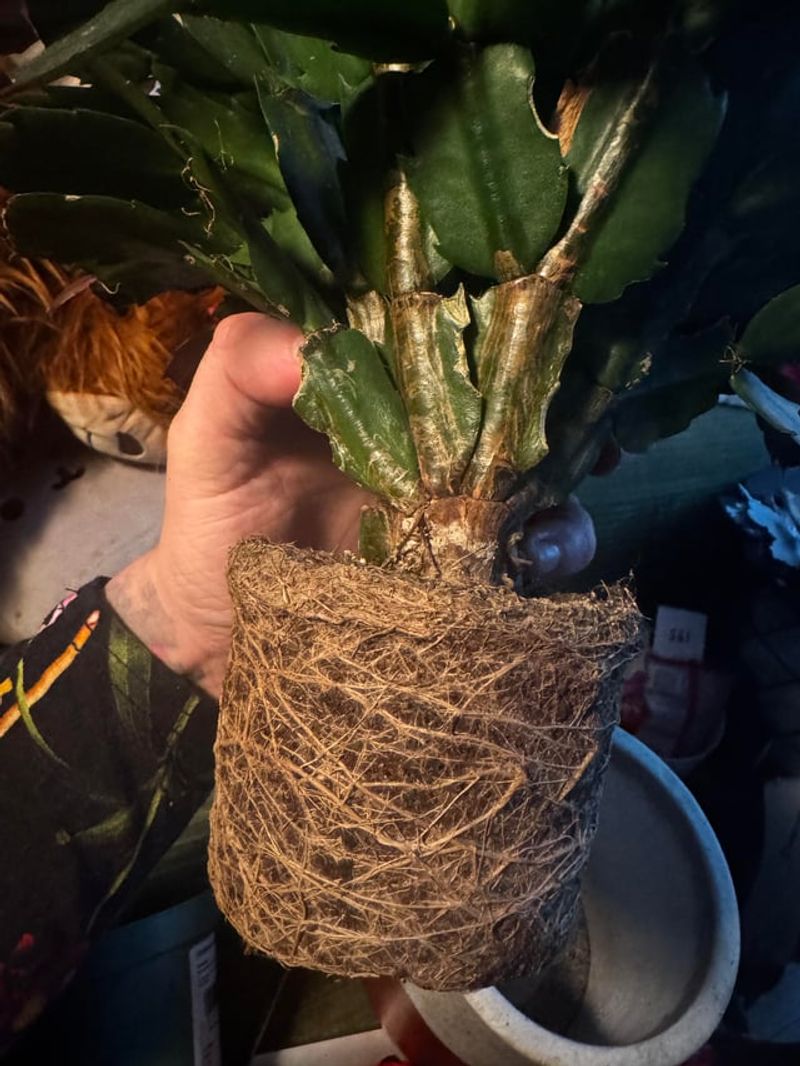
A slightly root-bound plant is one where the roots have filled the current container but have not yet become tightly compacted or circling the inside of the pot in a dense mass.
That mild level of root pressure seems to encourage the plant to put energy into flowering rather than expanding its root system aggressively.
April is a good time to check the root situation by gently sliding the plant out of its pot and taking a look. If roots are just beginning to fill the container but are not matted or tangled, leaving the plant in place for another season is usually the right call.
If roots are dense and circling heavily, moving up to a container only one size larger gives the plant room to breathe without creating too much open soil for moisture to linger.
A small step up in pot size, rather than a large jump, tends to work best for this plant.
7. Pruning Or Pinching For Branching
April is one of the most useful times of year to shape a Christmas cactus because the plant is actively growing and will respond well to light pruning.
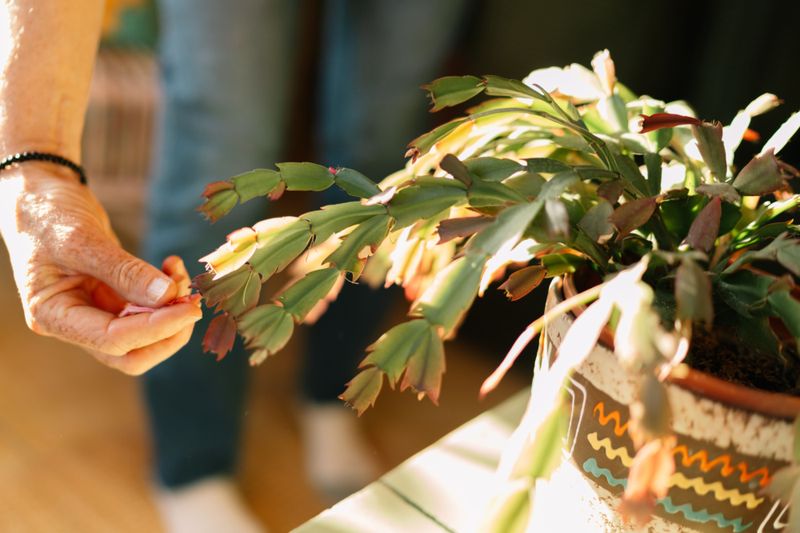
Pinching or removing one to three segments from the tip of each stem encourages the plant to branch out from that point, eventually creating a fuller, more bushy appearance.
The process is straightforward. Segments can be twisted and pulled gently at the joint where two sections meet, or they can be removed with clean hands.
No special tools are needed for this kind of light pruning, though clean scissors or pruning snips can also be used if preferred. The key is to work at the natural joints between segments rather than cutting through the middle of a segment.
Florida gardeners often find that unpruned Christmas cactus plants become long and trailing over time, with most of the growth concentrated at the tips rather than spread evenly throughout the plant.
A little pinching in April encourages new growth points to develop further down the stems, which adds density and visual appeal.
The small segments removed during this process can also be set aside for propagation, making the pruning session doubly productive for anyone who wants to grow additional plants.
8. Cuttings For Propagation
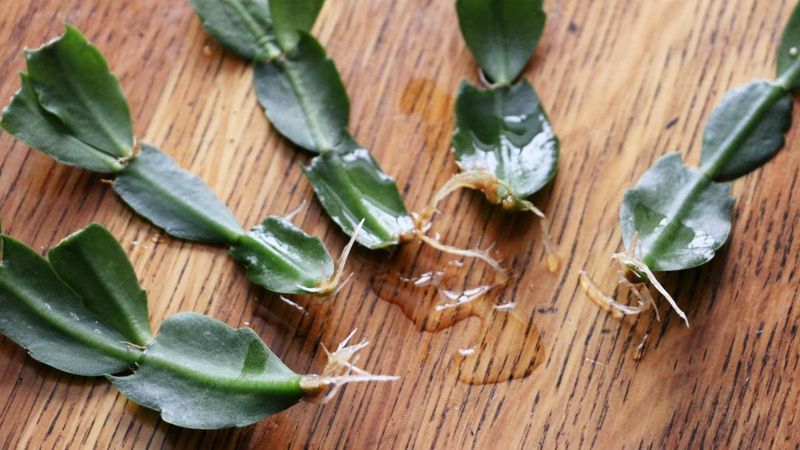
Spring is a natural time to multiply a Christmas cactus collection, and the cuttings taken during April pruning can be rooted into new plants without much effort. Each cutting should include two to three healthy segments connected at their joints.
Longer cuttings can be used, but shorter ones tend to root just as reliably and are easier to handle.
After removing a cutting, setting it aside in a shaded spot for a day or two allows the cut end to callous slightly before it goes into soil.
This brief drying period is a common practice with many succulent-type plants and can reduce the chance of the cut end sitting in damp soil before it is ready to root.
Once calloused, the cutting can be pressed gently into a small pot filled with moist, well-draining potting mix.
Placing the pot in a warm, brightly lit spot out of direct sun gives the cutting the best chance of establishing roots over the following few weeks.
Florida’s warm spring temperatures support faster rooting than cooler climates might, which makes April an especially productive time for this process.
Misting the soil lightly every few days keeps the environment just moist enough without saturating the mix before roots have formed.
9. Moderate Humidity
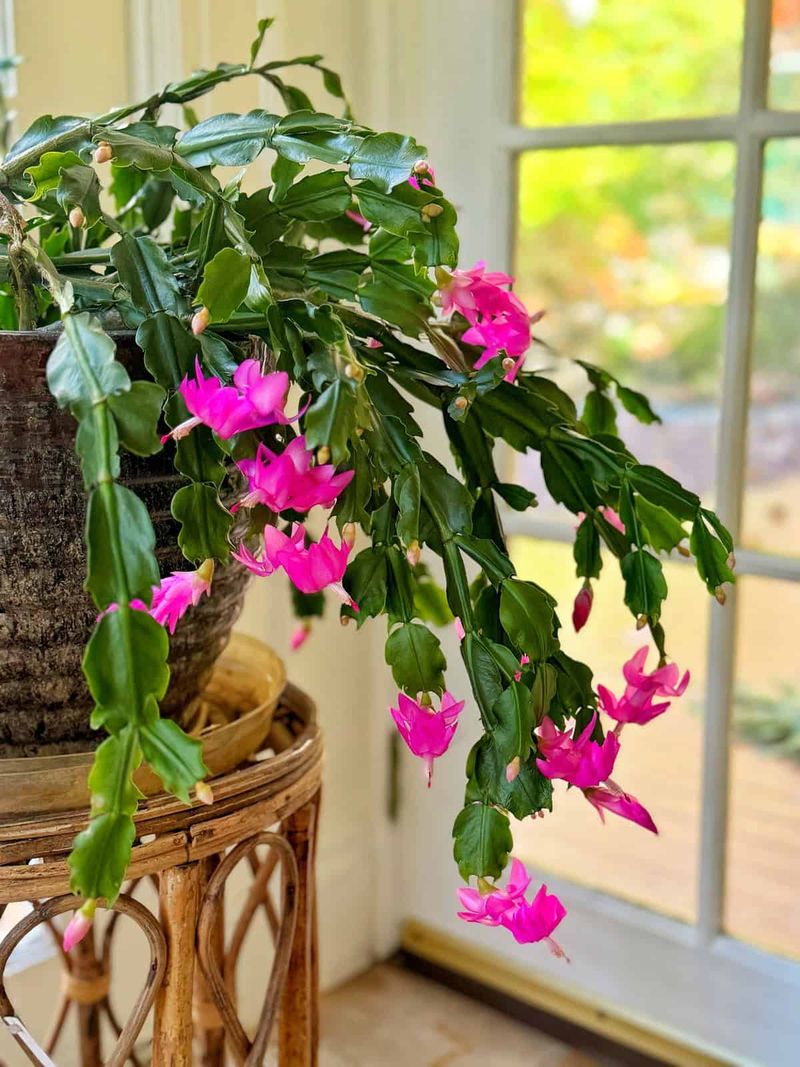
Florida’s natural humidity is one of the reasons Christmas cactus tends to do reasonably well in this state compared to drier climates.
As a tropical forest plant, it evolved in environments where the air carried consistent moisture, and that background humidity supports healthy leaf and stem tissue throughout the growing season.
In April, outdoor humidity in Florida is already rising, which benefits plants kept on screened porches or in protected outdoor spaces.
Indoors, air conditioning can reduce humidity levels significantly, and plants sitting directly in the path of a vent may experience drier air than the room average.
Moving the plant slightly away from direct airflow can help maintain a more comfortable moisture level around the foliage.
For gardeners who keep their Christmas cactus in air-conditioned rooms for most of the day, a small humidifier nearby or a shallow tray filled with pebbles and water placed beneath the pot can add a bit of ambient moisture to the immediate environment.
The pot itself should never sit directly in standing water, but the evaporation from a pebble tray can make a noticeable difference in how the plant looks and feels through the warmer months.
Healthy humidity levels support plump, firm segments rather than shriveled or wrinkled ones.
10. Stable, Moderate Temperatures
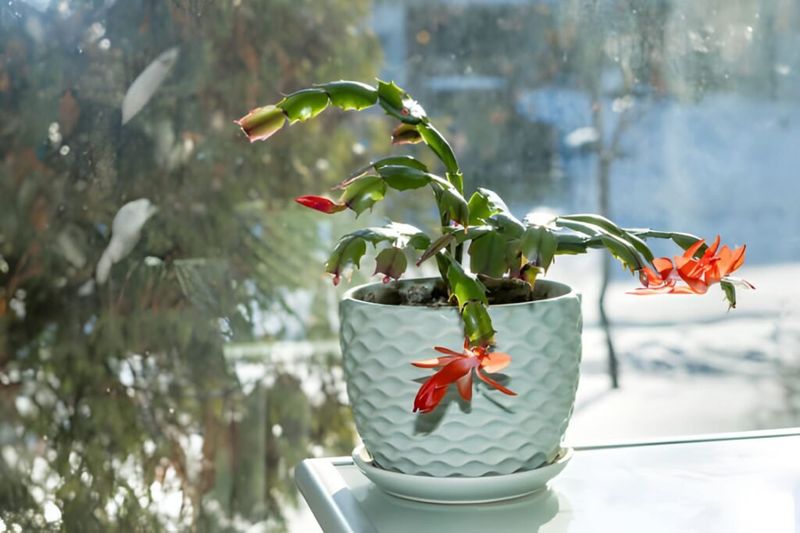
Temperature swings are something Florida gardeners deal with regularly in spring, and Christmas cactus can be sensitive to sudden changes in either direction.
April mornings in Florida can be pleasant and mild while afternoons push into the upper 80s, and that range can affect how the plant behaves if it is kept outdoors or in a space that heats up quickly.
Comfortable daytime temperatures for this plant generally fall between 65 and 80 degrees Fahrenheit.
When temperatures climb well above that range for extended periods, the plant may slow its growth or show signs of heat stress such as limp or slightly discolored segments.
Positioning the plant where it receives warmth without intense heat exposure helps it stay in an active, productive growth phase through April.
Cold snaps are less of a concern in most of Florida during April than in other parts of the country, but cooler nights in northern parts of the state can still drop into the low 60s or upper 50s on occasion.
If the plant is on a porch or near an open window, keeping an eye on overnight temperatures and bringing it inside when needed prevents unnecessary stress.
Consistency in temperature, even more than hitting an exact number, supports steady and healthy spring growth.
11. Protection From Intense Sun And Heat Outdoors
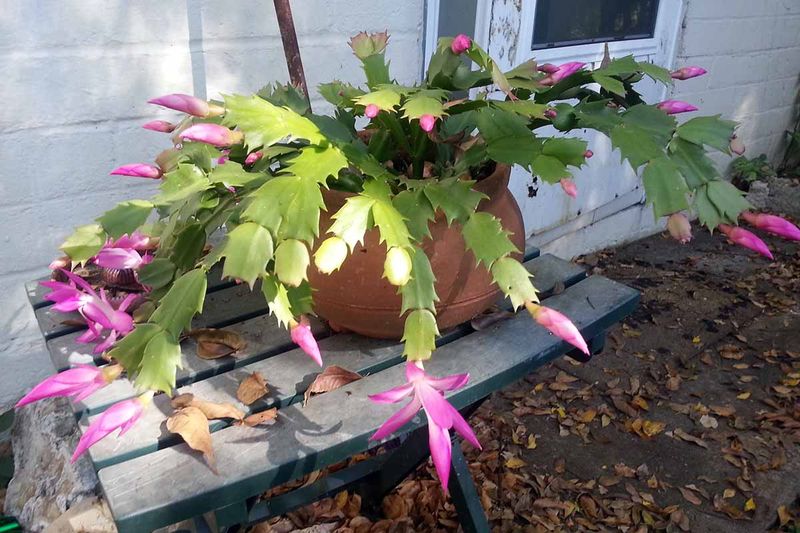
Moving a Christmas cactus outdoors in April can feel like a great idea given Florida’s beautiful spring weather, and it genuinely can be a positive move for the plant as long as sun exposure is managed carefully.
Direct midday or afternoon sun in Florida is intense enough to cause leaf scorch on a Christmas cactus within a relatively short time, leaving segments bleached, flattened, or damaged.
A screened porch or a shaded outdoor area where the plant receives bright but filtered light is an ideal outdoor placement.
The north or east side of a structure tends to offer gentler light conditions than the south or west side, which can receive long stretches of strong afternoon sun.
Even under a tree canopy, checking how much direct sun reaches the plant during the brightest part of the day is worthwhile.
Heat reflected from concrete patios or walls can also raise the temperature around the plant beyond comfortable levels on hot April afternoons.
Elevating the pot slightly or positioning it where airflow is good helps moderate heat buildup.
Florida gardeners who take the time to find the right outdoor spot for their Christmas cactus in spring often end up with plants that show noticeably stronger growth compared to those left in less thoughtful locations.
12. A Future Fall Blooming Plan
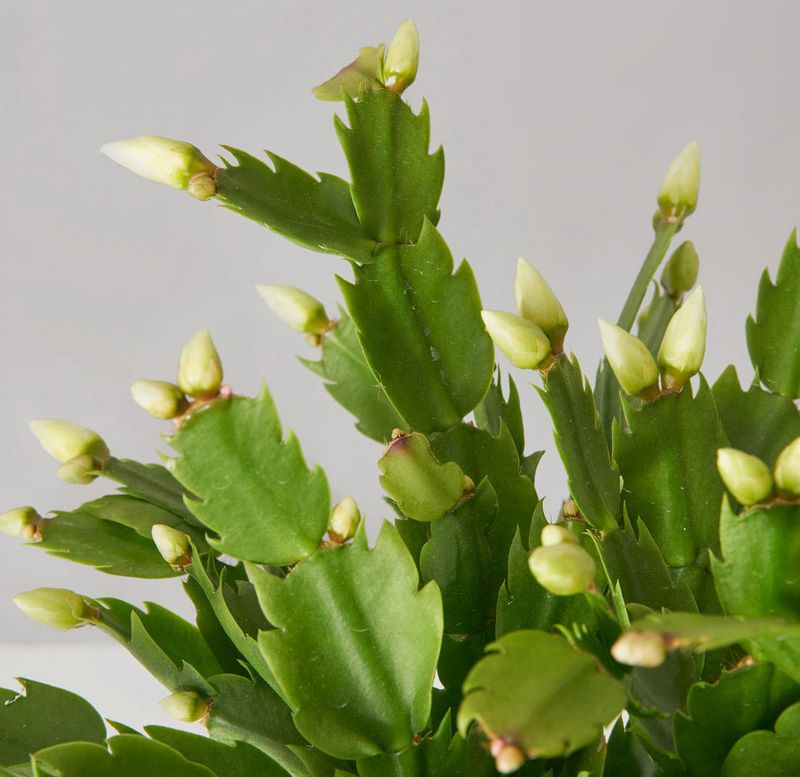
April care is really about building a foundation, and the most forward-thinking thing a Florida gardener can do this month is start thinking about what fall will require.
Christmas cactus blooms in response to specific environmental cues, primarily longer nights and cooler temperatures, which naturally occur in Florida from around October through December.
The plant needs to be in strong, healthy condition well before those cues kick in.
A Christmas cactus that spent spring and summer in poor light, irregular watering, or nutrient-depleted soil will have less stored energy to put toward bud formation when fall conditions arrive.
Strong spring growth, supported by the right light, moisture, and occasional feeding, gives the plant a better reserve to draw on.
Starting to think about fall placement now is useful because some Florida gardeners need to rearrange indoor spaces or identify the right spot where the plant will receive reduced light and cooler nighttime air in the fall months.
Planning that transition ahead of time, rather than scrambling in October, makes the whole process smoother.
April is not the time to trigger blooming, but it is absolutely the time to grow a plant strong enough to bloom beautifully when the right season arrives.