Why Arizona Plants Look Healthy In Spring Then Struggle In June
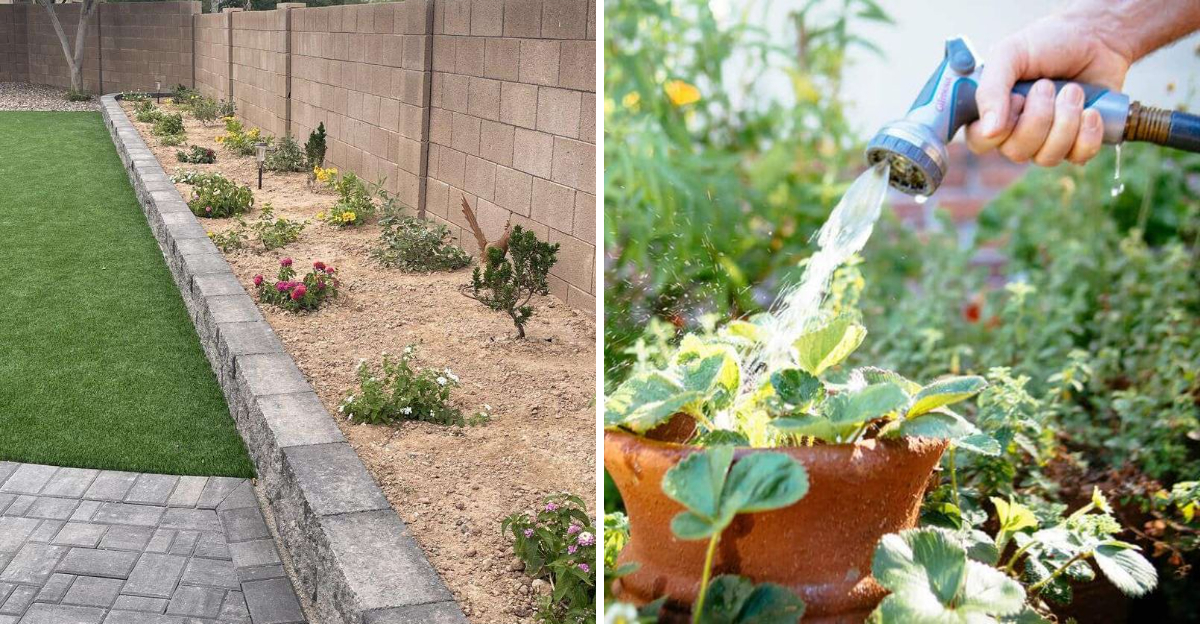
Spring in Arizona gives that easy confidence that every plant has settled in just right. New growth shows up fast, color looks strong, and beds feel full without much effort.
Early weeks can make any yard feel like a success story.
June tells a different story, and it often feels sudden. Leaves start to fade, edges look stressed, and growth slows down even with the same care in place.
Frustration builds because nothing obvious changed, yet results clearly did.
Many Arizona gardens go through this exact shift every single year. What looks steady in spring can hide small issues that only show once heat builds and pressure increases.
Soil, sun exposure, and timing start to matter far more than they did before.
Small choices made earlier in the season quietly shape how plants respond later. That change does not come out of nowhere, even if it feels like it does.
1. Rapid Heat Increase Pushes Plants Into Stress
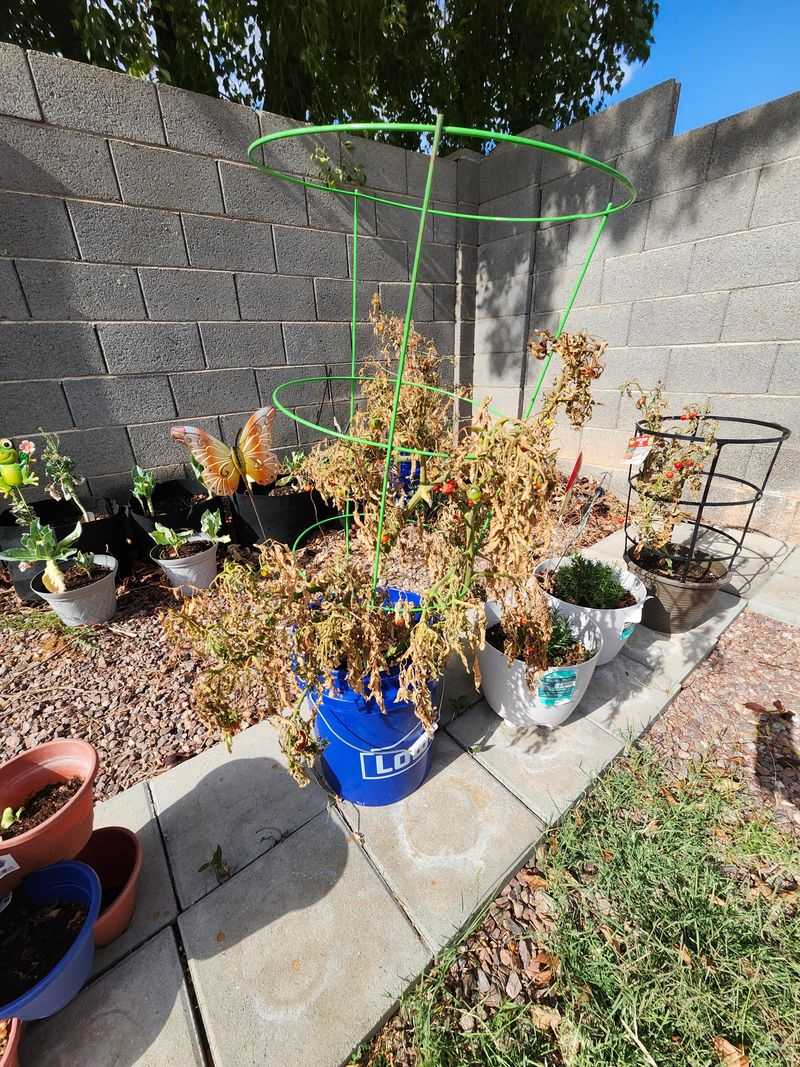
June in Arizona does not ease you in gently. Temperatures that hovered around 80 degrees in April can shoot past 110 degrees within just a few weeks, and plants simply have no time to adjust.
That kind of rapid swing is not normal for most plant species, even ones labeled as drought-tolerant.
Spring conditions in Arizona are genuinely pleasant. Mild temperatures, some rainfall, and longer daylight hours create a perfect window for growth.
Plants respond by pushing out new leaves, blooms, and root development at a fast pace. Everything looks lush and full of life.
Then June arrives. The heat builds quickly, and plants that were thriving suddenly face an environment that pulls moisture out of leaves faster than roots can replace it.
Even native desert plants can show signs of stress during extreme heat spikes if the transition happens too quickly.
What makes this especially tricky in Arizona is the low humidity. In humid climates, plants lose moisture more slowly because the air around them already holds water.
In the Sonoran Desert, the dry air acts like a sponge, pulling moisture from every surface, including your plants.
Watching for early stress signs matters. Leaf curl, pale coloring, or drooping during the hottest part of the day are signals worth paying attention to.
2. Shallow Watering Leaves Roots Unprepared
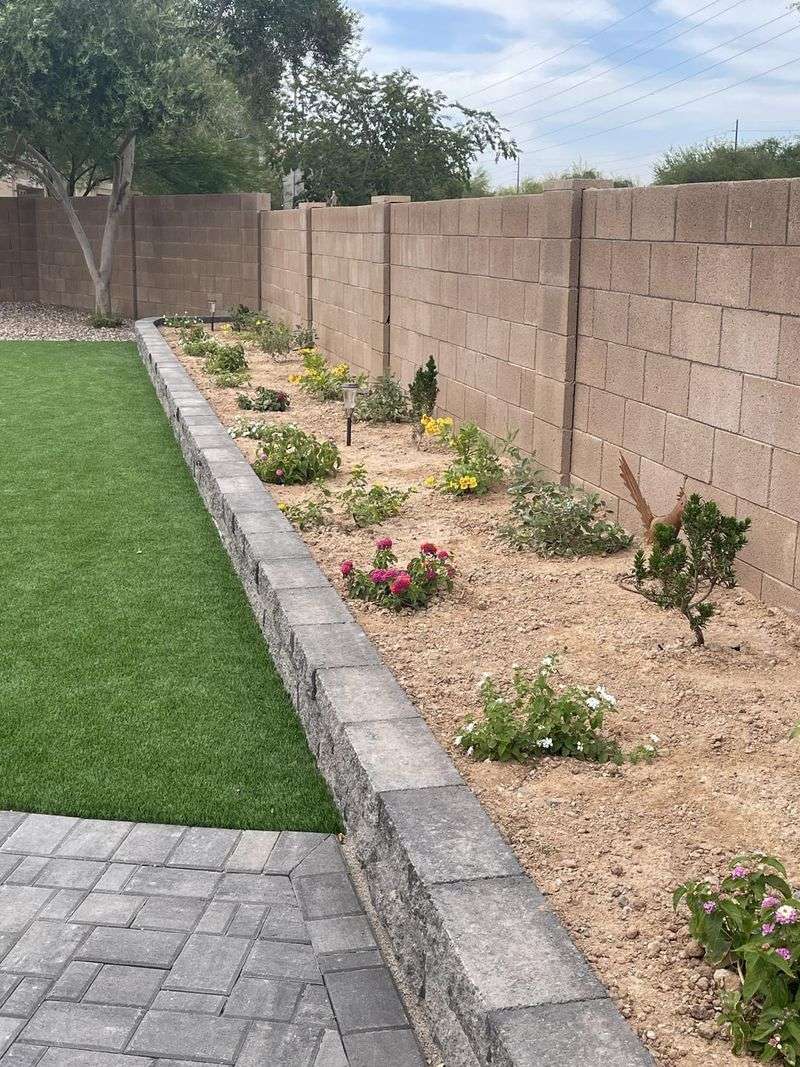
Roots follow water. That is one of the most reliable truths in gardening, and it matters more in Arizona than almost anywhere else.
When plants only receive light, frequent watering during spring, their roots stay close to the surface where the soil is easy to reach.
Surface soil in Arizona bakes fast. Once June temperatures climb, the top few inches of ground can reach temperatures that damage roots and dry out almost immediately after watering.
Plants that built their root systems near the surface during spring have almost no buffer against that kind of heat.
Deep watering encourages roots to grow downward, where soil stays cooler and holds moisture longer. A plant with roots reaching 12 to 18 inches below the surface is far better equipped for an Arizona summer than one with shallow roots sitting just under the top layer of soil.
Your Arizona Garden Changes Every Week. Your Plan Should Too.
Gardening in Arizona changes quickly throughout the season. Every Friday you’ll receive a simple weekly plan showing exactly what to plant, prune, fertilize, harvest, and protect so you never miss the right timing.
Switching to deep, infrequent watering before the heat peaks gives roots time to adjust. Watering slowly and thoroughly, allowing moisture to soak down rather than run off, makes a noticeable difference over several weeks.
Drip systems set to run longer and less often tend to produce stronger, deeper root development.
Gardeners in the Phoenix and Tucson areas often make the mistake of watering every day during spring because the soil looks dry on top.
3. Soil And Surfaces Trap And Reflect Extra Heat
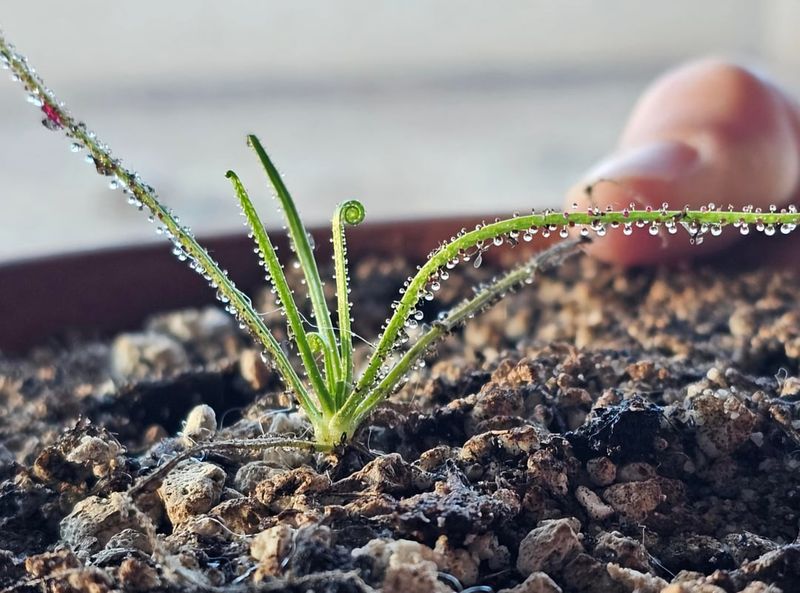
Concrete, gravel, and bare soil behave like solar panels in an Arizona summer. They absorb heat throughout the day and release it slowly at night, which means plants near patios, driveways, or bare ground face heat from above and below at the same time.
Soil temperature in Arizona can climb well above 140 degrees Fahrenheit at the surface during peak summer. That level of heat is hard on roots, soil organisms, and even the structural integrity of the soil itself.
Plants that looked healthy in cooler spring soil suddenly find their root environment transformed into something much more hostile.
Reflected heat from walls and light-colored surfaces adds another layer of stress. South and west-facing walls in particular absorb and radiate heat intensely during afternoon hours.
Plants placed near these surfaces experience significantly higher temperatures than plants in more sheltered spots, even if both are in the same yard.
Dark-colored soil amendments and bare ground absorb more heat than lighter mulched surfaces. Gravel mulch, which is common in Arizona landscaping, can actually increase soil temperatures rather than reduce them.
4. Water Deeply To Encourage Stronger Roots
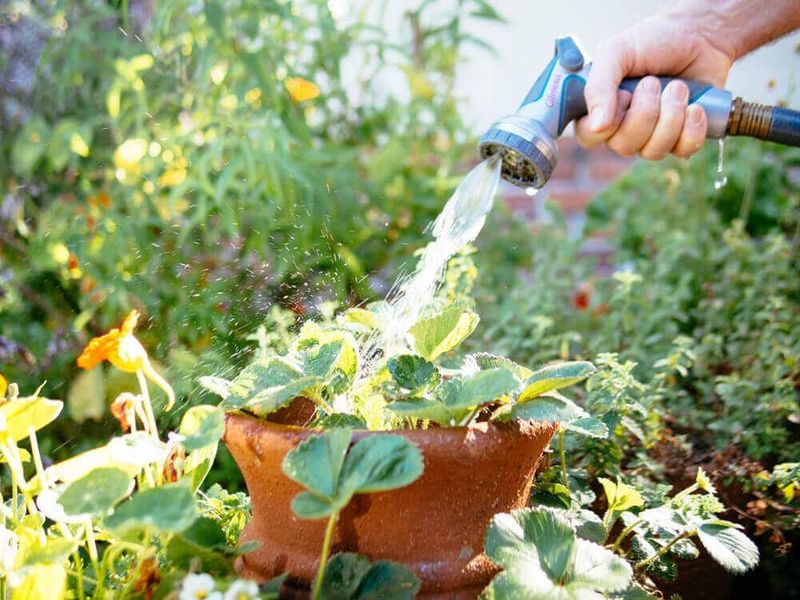
Deep watering is one of the most practical things you can do for your Arizona garden before summer fully sets in. Giving plants a long, slow drink that reaches well below the surface encourages roots to grow downward in search of consistent moisture.
A good rule of thumb for established shrubs and trees in Arizona is to water deeply once or twice a week during late spring, allowing the soil to dry slightly between sessions.
For smaller plants or annuals, watering every two to three days with a slow, deep soak tends to produce better results than quick daily sprinkles.
Drip irrigation is especially effective in the desert Southwest. Low-flow emitters placed near the root zone deliver water slowly enough for it to absorb rather than evaporate or run off.
Setting drip systems to run in the early morning reduces the amount of water lost to evaporation before it can reach the roots.
Checking how far water actually penetrates is easy with a wooden dowel or a long screwdriver. Push it into the soil after watering and see how deep the moist soil goes.
Ideally, you want moisture reaching at least 12 inches for shrubs and deeper for larger trees. If water is only soaking the top few inches, your plants are not getting what they need to build strong roots.
5. Add Mulch To Keep Soil Cooler And Moist
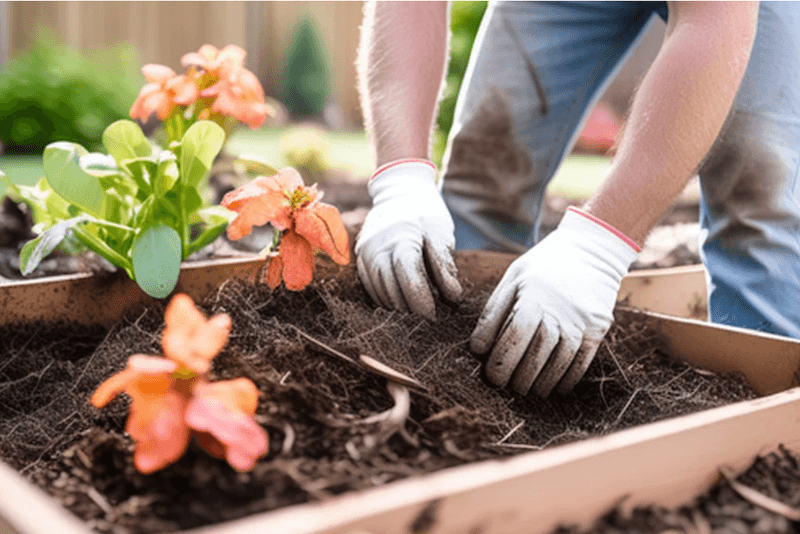
Bare soil in an Arizona summer is a problem waiting to happen. Without any protective layer on top, the ground heats up fast, dries out quickly, and provides little support for the roots underneath.
Mulch changes that equation in a meaningful way.
Organic mulch, like shredded bark or wood chips, works as an insulating layer between the sun and the soil.
Moisture retention is the other major benefit. Mulched soil holds water longer after each irrigation cycle, which means roots have access to moisture for more hours before the soil dries out again.
During June heat, that extended window can make a real difference in how well plants hold up between waterings.
Applying mulch in late April or early May, before temperatures spike, gives the soil a chance to cool and stabilize before the hardest weeks arrive.
Pulling mulch back slightly from the base of plant stems prevents moisture from sitting directly against bark or stems, which can cause problems over time.
6. Provide Afternoon Shade During Peak Heat
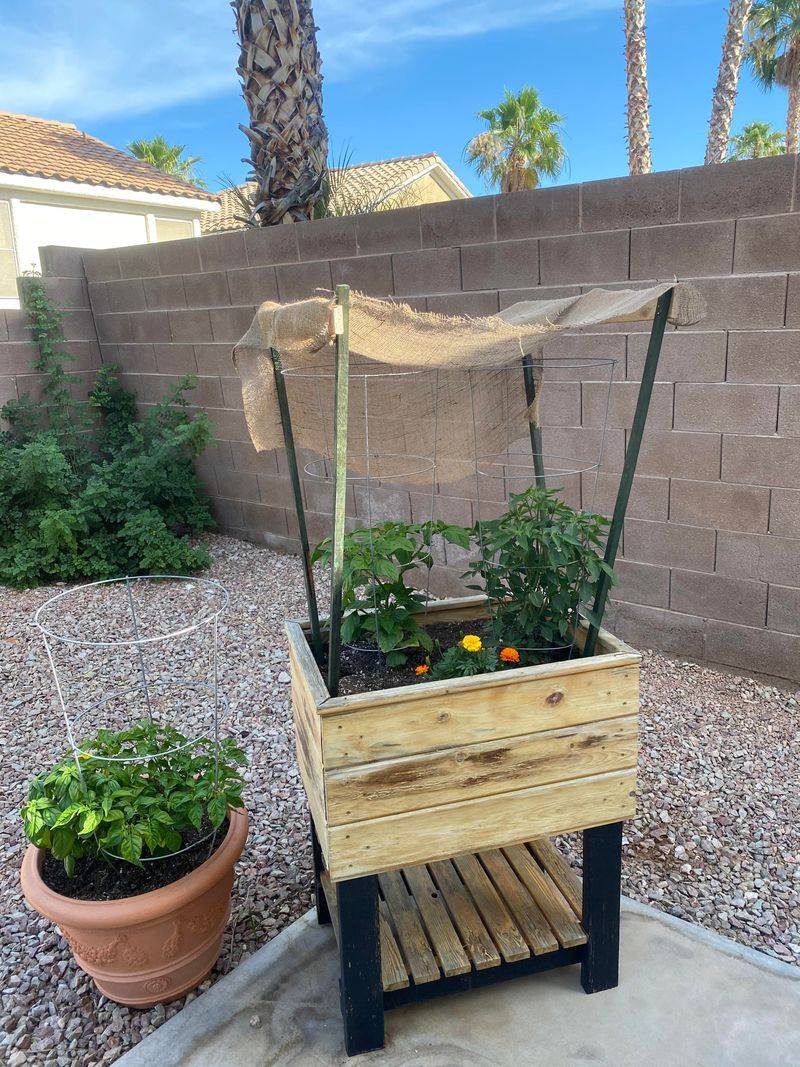
Between 2 p.m. and 5 p.m. in Arizona, the sun is relentless. Even plants that handle full sun well during spring can struggle under that level of direct afternoon exposure once June temperatures climb past 105 degrees.
Adding shade during those hours gives plants a real break when they need it most.
Shade cloth is one of the most practical tools for Arizona gardeners.
A 30 to 50 percent shade cloth stretched over garden beds or attached to a simple frame blocks enough sunlight to reduce leaf temperature without cutting out all the light plants need for photosynthesis.
It is temporary, adjustable, and reusable season after season.
Natural shade from trees or structures also helps, but placement matters. West-facing shade is more valuable during summer in Arizona because the afternoon sun comes from the west as it moves lower in the sky.
A tree or wall that blocks western sun provides more relief during peak heat hours than shade from the north or east.
Container plants have an advantage here because they can simply be moved. Shifting pots to a covered patio or under a shade tree during June and July, then moving them back when temperatures drop in September, is an easy strategy that many Arizona gardeners rely on.
7. Adjust Watering As Temperatures Rise
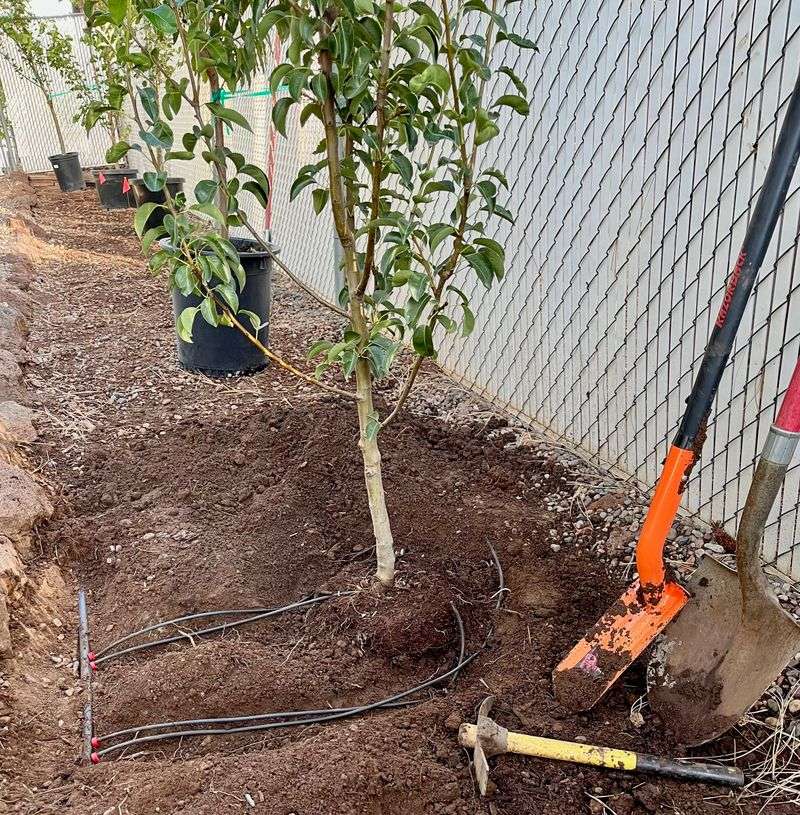
Watering schedules that worked perfectly in March will not be enough by June. As temperatures rise in Arizona, plants pull more water from the soil and lose more through their leaves each day.
Sticking to the same schedule you used in spring is one of the most common mistakes gardeners make as summer approaches.
A general guideline used by many Arizona cooperative extension programs suggests increasing watering frequency or duration by roughly 10 to 15 percent for every 10-degree rise in average temperature.
So if you were watering twice a week at 85 degrees, you may need to water three times a week once temperatures push past 100 degrees consistently.
Soil type plays a big role here. Sandy soils, which are common across many parts of Arizona, drain quickly and dry out faster than clay-heavy soils.
Gardeners working with sandy ground may need to water more often, while those with denser soil should focus more on watering depth rather than frequency.
Automatic irrigation systems are convenient, but they need seasonal adjustment. Setting a reminder to check and update your timer settings in late May and again in early June helps keep your watering schedule aligned with actual conditions.
Leaving the system on a spring schedule through summer is a setup for plant stress.