What Wildlife Activity Means For Your Georgia Garden
Something shifts in a Georgia garden long before plants show any real changes. Small clues start appearing if attention stays sharp, and those details often say more than leaves or blooms ever could.
Fresh marks in the soil, nibbled edges, or sudden movement at certain times of day can quietly point to what is happening behind the scenes.
Wildlife becomes more active as temperatures rise, and gardens often turn into one of the busiest spots around. Some visitors help keep things balanced, while others create problems that build over time if ignored.
Knowing the difference matters more than most expect.
Georgia conditions support a wide mix of creatures, and each one leaves its own pattern once it settles in.
Picking up on those patterns early can make a huge difference in how a garden grows through the season and how much control stays in place without extra effort.
1. More Insects Point To Active, Healthy Soil
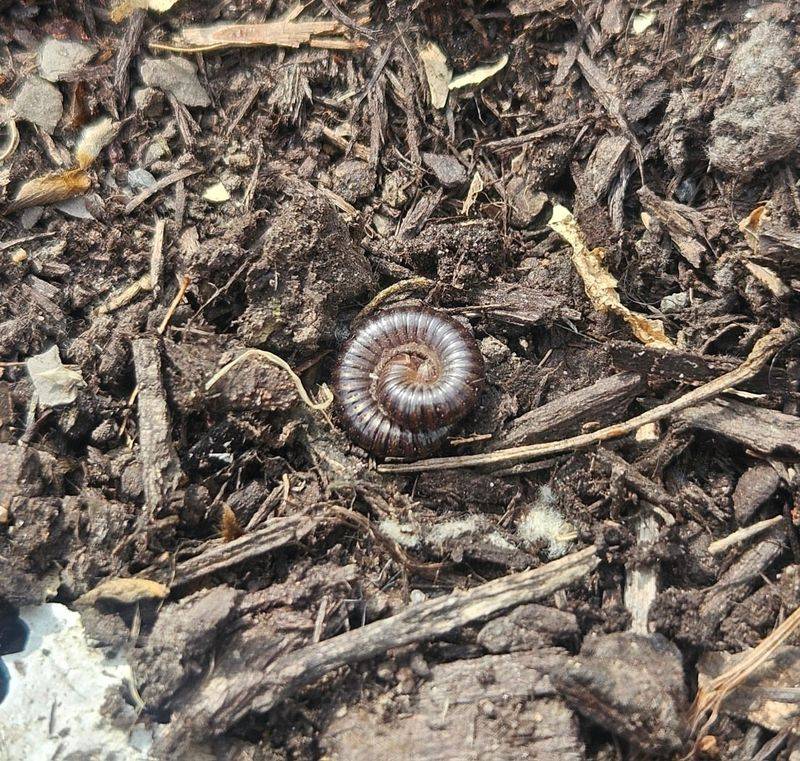
Healthy soil practically buzzes. When you start noticing more beetles crawling near your mulch, pill bugs rolling under logs, or tiny flies hovering just above your raised beds in Georgia, something good is happening underground.
These insects are not just passing through. They are part of a living system that breaks down organic matter, moves nutrients around, and keeps your soil from turning into a compacted, lifeless slab.
Soil insects work in layers. Some shred decaying leaves and wood near the surface.
Others burrow deeper, creating tiny air pockets that help water move through the ground more efficiently. Earthworms, which many Georgia gardeners consider the gold standard of soil health, follow the insects.
Where insects thrive, worm populations tend to follow, and where worms go, plant roots benefit from improved drainage and nutrient availability.
Not every insect you spot is welcome, of course. Grubs from Japanese beetles or certain moth species can harm root systems, especially in lawns and vegetable beds.
Context matters. A general increase in insect diversity, rather than a spike in one specific pest species, is the positive signal worth celebrating.
If your Georgia garden soil feels hard, looks pale, and shows very little insect activity even after rain, that is worth investigating.
2. Birds Around Help Keep Pest Numbers Down
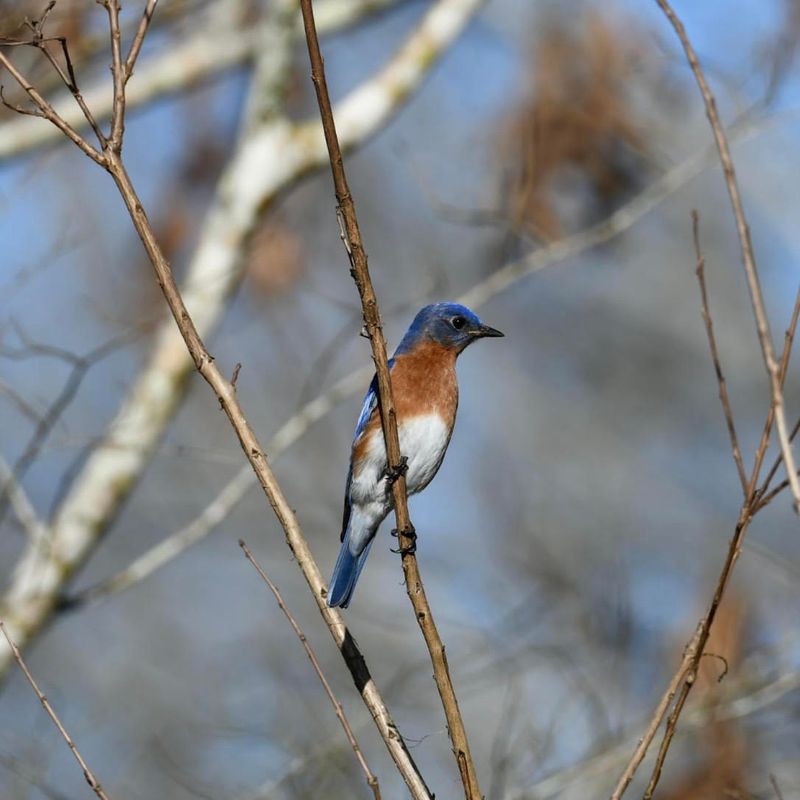
Watch a bluebird work a garden bed for about ten minutes and you will quickly understand why bird activity matters. Eastern bluebirds, Carolina wrens, and brown thrashers are common in Georgia gardens, and they are relentless hunters.
Caterpillars, beetles, grasshoppers, and grubs that would otherwise chew through your tomatoes or squash become food. Birds do not eliminate pest populations entirely, but they apply consistent, daily pressure that keeps numbers manageable.
Attracting insect-eating birds to a Georgia garden is not complicated. Native shrubs like beautyberry, inkberry, and wax myrtle provide shelter and berries during leaner months.
Leaving a small brush pile in a corner gives ground-feeding birds like thrashers a place to scratch and forage.
Avoiding broad-spectrum pesticide use is critical because spraying eliminates the insect food source birds depend on, which drives them away from your yard altogether.
Your Georgia Garden Changes Every Week. Your Plan Should Too.
Gardening in Georgia changes quickly throughout the season. Every Friday you’ll receive a simple weekly plan showing exactly what to plant, prune, fertilize, harvest, and protect so you never miss the right timing.
Timing matters too. Spring and early summer are when caterpillar pressure peaks in Georgia.
That is also when most songbirds are nesting and feeding young, which means their hunting activity is at its highest. A garden that supports nesting birds during those months benefits from a natural pest management boost right when it is needed most.
3. Bees And Butterflies Show Pollination Is Happening
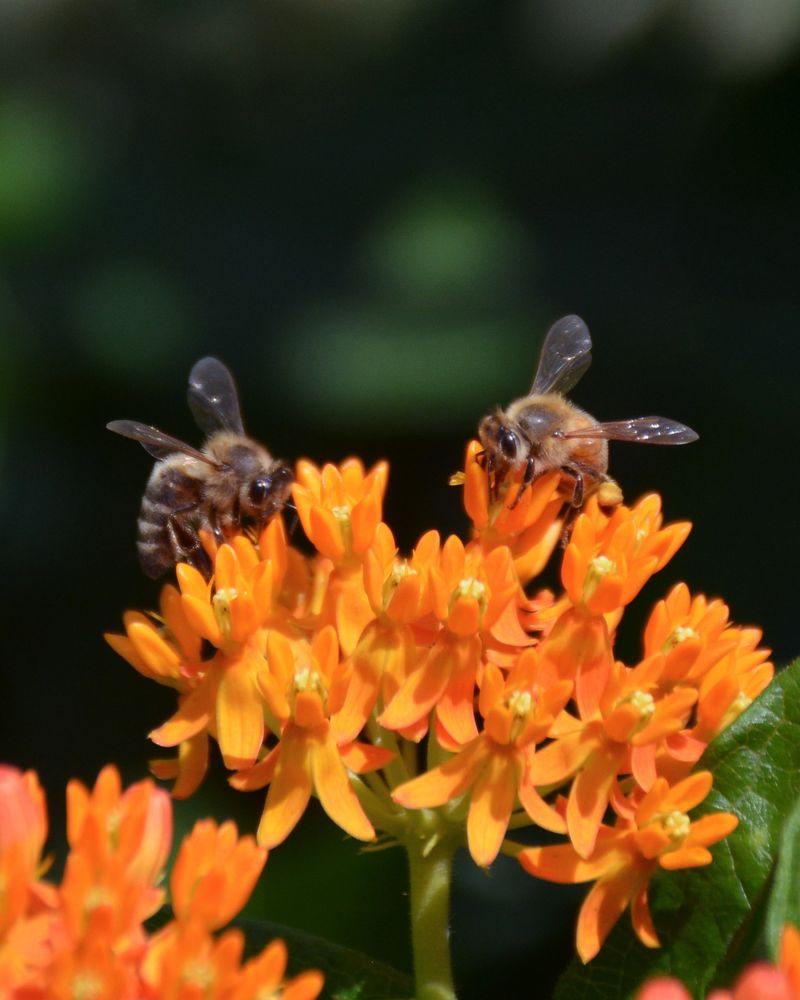
Squash blossoms that never set fruit, cucumber vines loaded with flowers but no cucumbers, pepper plants blooming but producing nothing. Sound familiar?
In Georgia, these frustrating patterns often trace back to one missing piece: pollinators.
Bees and butterflies are the visible proof that pollination is actively happening in your garden, and their presence or absence tells you a lot about what your plants will actually produce.
Georgia hosts a surprisingly rich pollinator community. Native bumblebees, sweat bees, and mason bees are often more effective pollinators than honeybees for certain crops, especially tomatoes, which require buzz pollination to release pollen efficiently.
Butterflies like the eastern tiger swallowtail and Gulf fritillary are regular visitors to Georgia gardens throughout the warm months. Their presence signals that flowering plants are healthy, accessible, and producing nectar.
Pollinator activity drops off sharply when pesticide use is heavy, when flowering plants are scarce, or when the garden lacks diversity. A monoculture of one crop with nothing blooming nearby will not hold pollinators long.
Mixing in native flowering plants like coneflowers, black-eyed Susans, and wild bergamot alongside vegetables creates a more reliable pollinator draw throughout the growing season.
4. Animal Tracks Reveal Who Is Passing Through
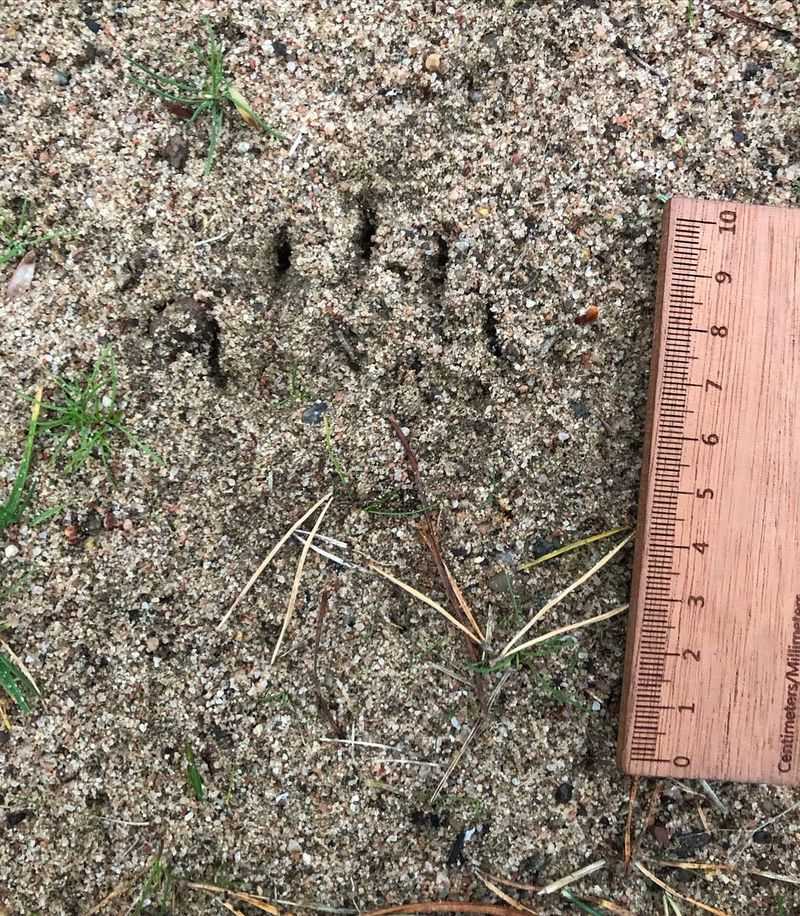
Waking up to find half your sweet corn stripped or your newly planted seedlings scattered is a jarring way to discover you have night visitors.
Animal tracks in soft soil or mud are one of the clearest ways to figure out exactly who is coming into your Georgia garden after dark.
Raccoons, deer, rabbits, opossums, and armadillos are all common in Georgia, and each leaves a distinct print pattern that points to different behaviors and different solutions.
Raccoon tracks look almost like tiny human hands and are usually found near water sources, compost bins, or fruiting plants.
Deer leave elongated, split-hoof impressions and tend to move along the same routes repeatedly, making fencing or strategic planting along those corridors an effective deterrent.
Armadillos, which are widespread across Georgia, leave shallow, rooting disturbances in mulch and lawn areas as they hunt for grubs and earthworms just below the surface.
Tracking wildlife in your garden is not just about damage control. Knowing which animals visit regularly helps you understand the broader ecosystem your garden sits within.
A garden that attracts foxes, for example, may have a healthy rabbit population nearby, which itself suggests abundant ground-level vegetation and cover. Each layer of wildlife activity connects to another.
5. Spider Webs Help Reduce Insect Populations
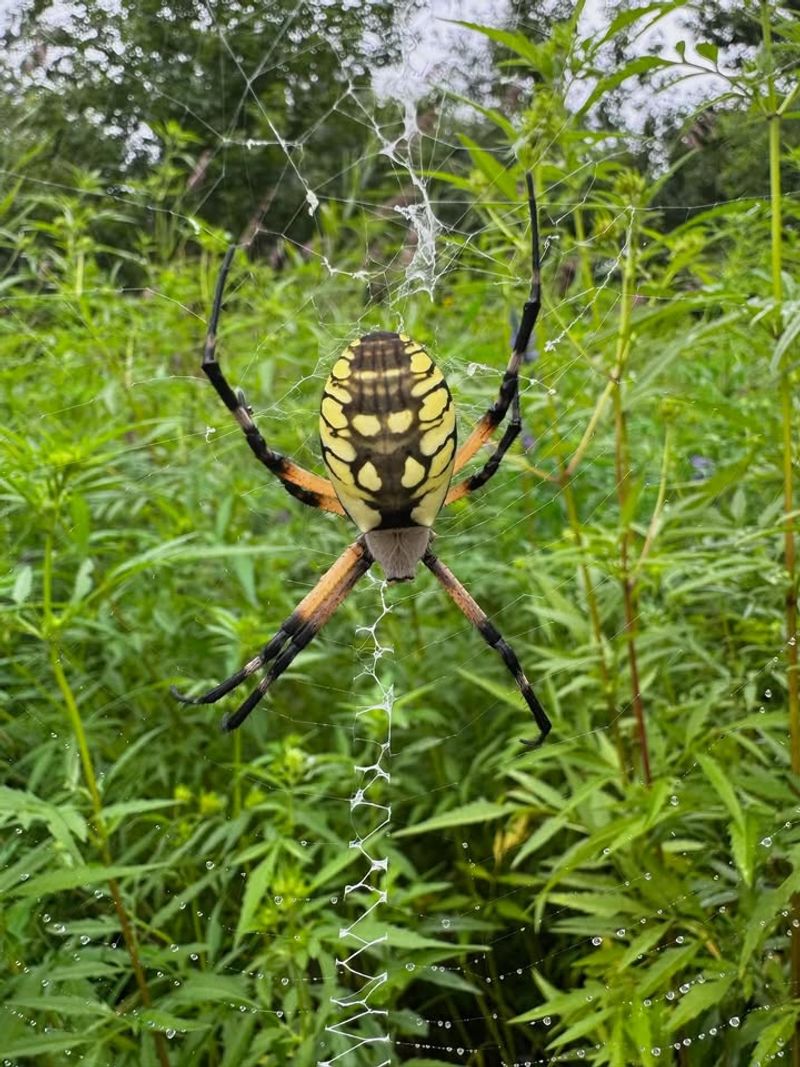
Few things slow down a morning garden walk like walking face-first into a spider web. Annoying as that is, those webs are doing serious work.
Spiders are among the most effective natural pest managers in any Georgia garden, quietly catching gnats, aphids, whiteflies, leafhoppers, and small caterpillars without any input from you.
A garden with abundant, well-placed webs is a garden where insect pressure is being actively managed around the clock.
Georgia is home to a wide range of garden spiders. The yellow garden spider, also called Argiope aurantia, is one of the most recognizable, building large orb webs between tall plants or along fence lines.
Crab spiders hide inside flowers and ambush visiting insects. Wolf spiders patrol the soil surface and mulch layer, hunting without webs at all.
Each type occupies a different niche, covering multiple levels of your garden’s insect activity.
Spider populations tend to increase when insect populations are high, which means a sudden spike in visible webs might actually signal that pest pressure has risen. Rather than being alarmed, treat it as a natural balancing response.
Spiders will bring insect numbers back down over time, especially if you avoid disrupting their webs and limit pesticide use that would remove their food source.
6. Nests Nearby Show Wildlife Feels Safe
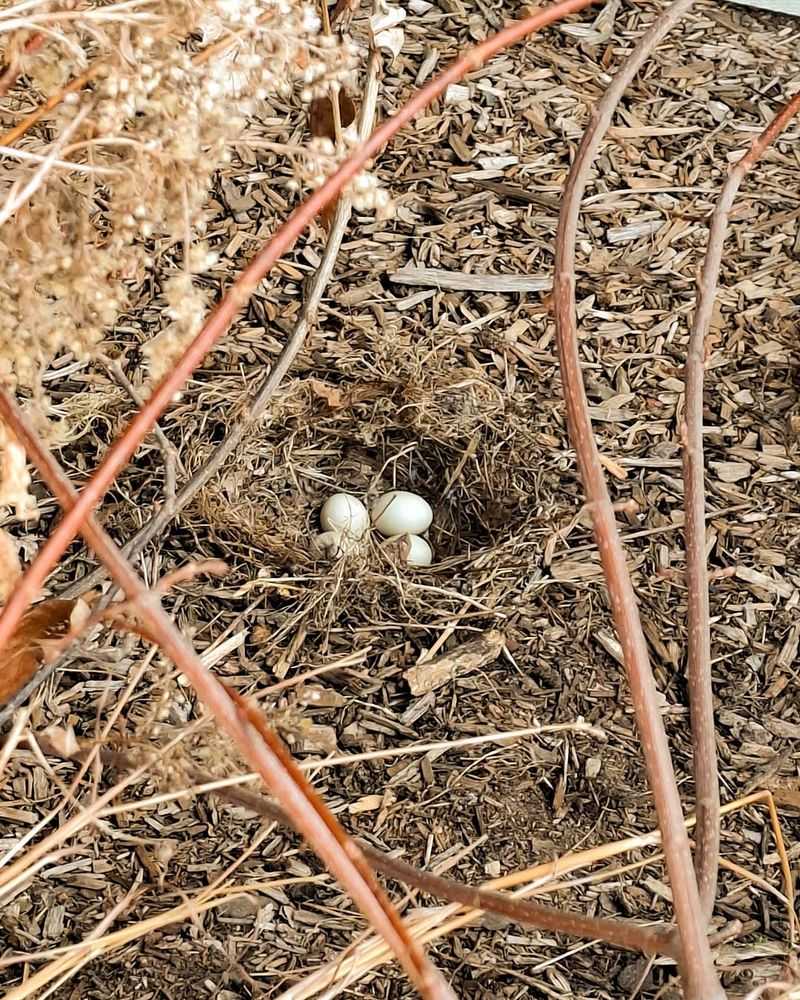
A nest is a commitment. When wildlife chooses to build and raise young in or near your Georgia garden, it means the space feels stable, safe, and resource-rich enough to support that kind of vulnerability.
Nesting birds, mason bees using hollow stems, or bumblebees setting up underground colonies are not casual visitors. Their decision to stay signals something meaningful about the quality of your garden environment.
Carolina chickadees, house wrens, and Eastern bluebirds commonly nest in Georgia gardens, especially where native trees and shrubs provide cover and nesting sites.
Each of these birds consumes enormous quantities of insects while raising young, making active nesting pairs genuinely valuable to your garden’s pest balance.
A single pair of Carolina chickadees may feed their nestlings several hundred caterpillars per day during peak nesting season.
Mason bees are worth paying attention to as well. These solitary, non-aggressive bees nest in hollow plant stems, small wooden cavities, or purpose-built bee houses.
Their presence confirms that your garden supports the kind of structural diversity and undisturbed corners that native bees require. Adding a simple bee house near flowering plants encourages them to return each year.
7. Increased Movement Signals A Lively Garden
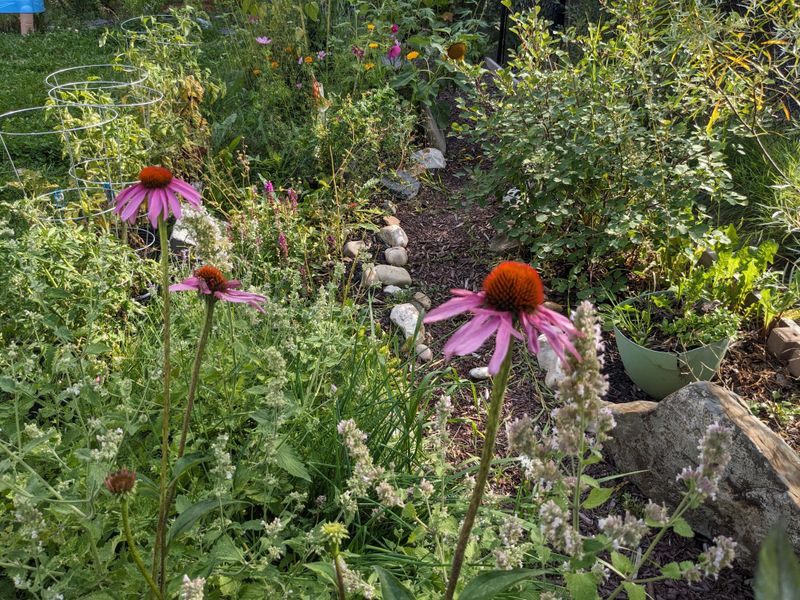
Some gardens feel alive the moment you step outside. Others feel strangely still, even on warm Georgia mornings when everything should be buzzing.
That difference in energy is not imaginary.
Visible movement from multiple species at once, birds hunting, bees working flowers, lizards darting along stone borders, butterflies crossing between plants, is one of the clearest signs that your garden has reached a meaningful level of ecological balance.
Green anole lizards are a good example. Common across Georgia, they eat beetles, moths, crickets, and small spiders.
Seeing them regularly on garden walls, fences, or plant stakes means your garden supports enough insect life to sustain a small reptile population.
That kind of layered activity, insects feeding lizards, lizards controlling insects, reflects a functioning food web rather than a simplified, chemically managed space.
Increased movement also signals plant health. Pollinators move toward productive, healthy flowers.
Insect-eating birds concentrate where pest populations are active. When multiple species are moving through your Georgia garden simultaneously, it generally means your plants are flowering, fruiting, and growing in ways that support that activity.
A struggling garden tends to go quiet.