Plant These Flowers In May For Summer Blooms In Pennsylvania
May in Pennsylvania is basically a gardener’s best kept secret. Everyone talks about spring planting, but May specifically is where the real magic happens.
The ground is cooperative, the temperatures are climbing in the right direction, and you’ve got just enough runway before summer fully commits to give new plants a genuinely strong start in the ground.
What a lot of people don’t realize is that what you plant in May directly determines how much color you’re looking at come July and August.
Skip this window and you’ll spend the hottest months of the year staring at a garden that peaked too early and ran out of steam right when you most want to be outside enjoying it. The flowers on this list are specifically worth getting in the ground this month.
They use May’s mild conditions to establish themselves properly, and by the time summer heat arrives, they’re ready to put on a real show.
1. Coneflower (Echinacea Purpurea)
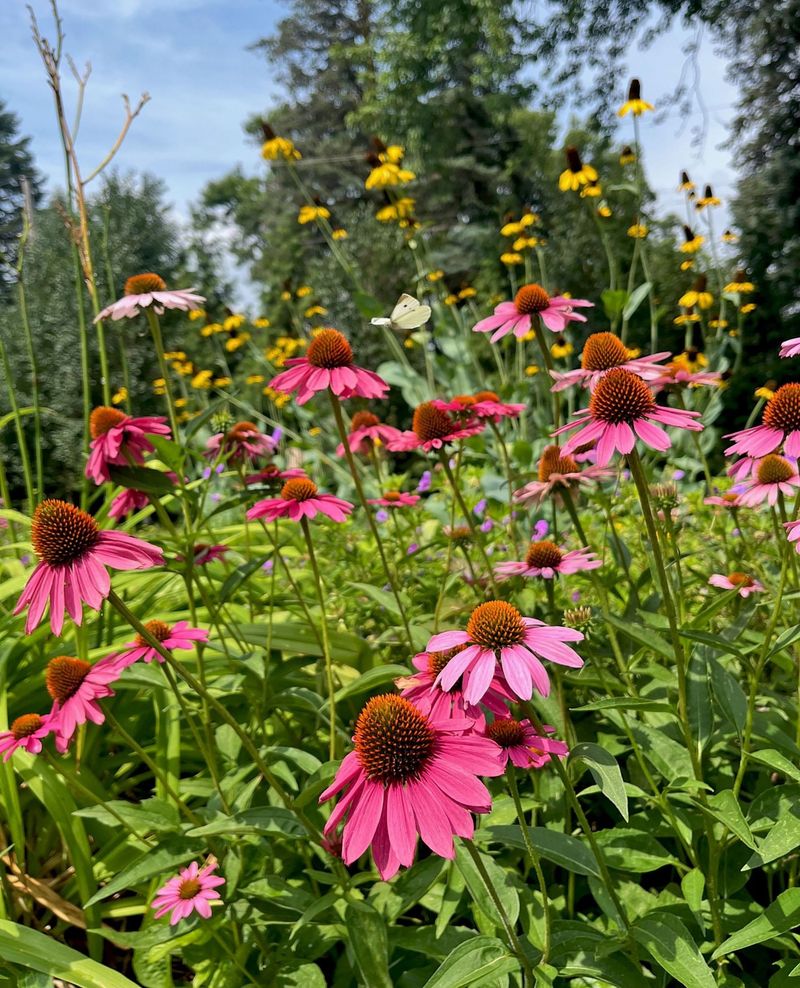
Few flowers say “Pennsylvania summer” quite like the coneflower. With its bold purple-pink petals and spiky orange-brown center, it is one of the most eye-catching perennials you can grow.
May is the absolute best time to get coneflowers into the ground in Pennsylvania, because the warming spring soil helps their roots establish fast and strong.
Once they settle in, coneflowers are remarkably self-sufficient. They handle summer heat without complaint, bounce back from dry spells once established, and keep on blooming from midsummer all the way through early fall.
Bees, butterflies, and goldfinches absolutely love them, making your garden feel alive with wildlife activity.
Plant coneflowers in a sunny spot with well-drained soil and give them enough space to breathe. Each plant grows about two to four feet tall and spreads gradually over time. You do not need to fuss over them much at all.
One of the best things about coneflowers is that they come back every single year, often spreading and growing into larger, fuller clumps. That means more blooms and more beauty with zero extra effort on your part.
If you deadhead the spent flowers, you will encourage even more blooming throughout the season.
Pennsylvania gardeners have long relied on coneflowers as a backbone of their summer perennial beds, and for very good reason.
They are tough, beautiful, wildlife-friendly, and incredibly rewarding. Planting them in May gives them the best possible start for a spectacular summer show.
2. Black-Eyed Susan (Rudbeckia Hirta)
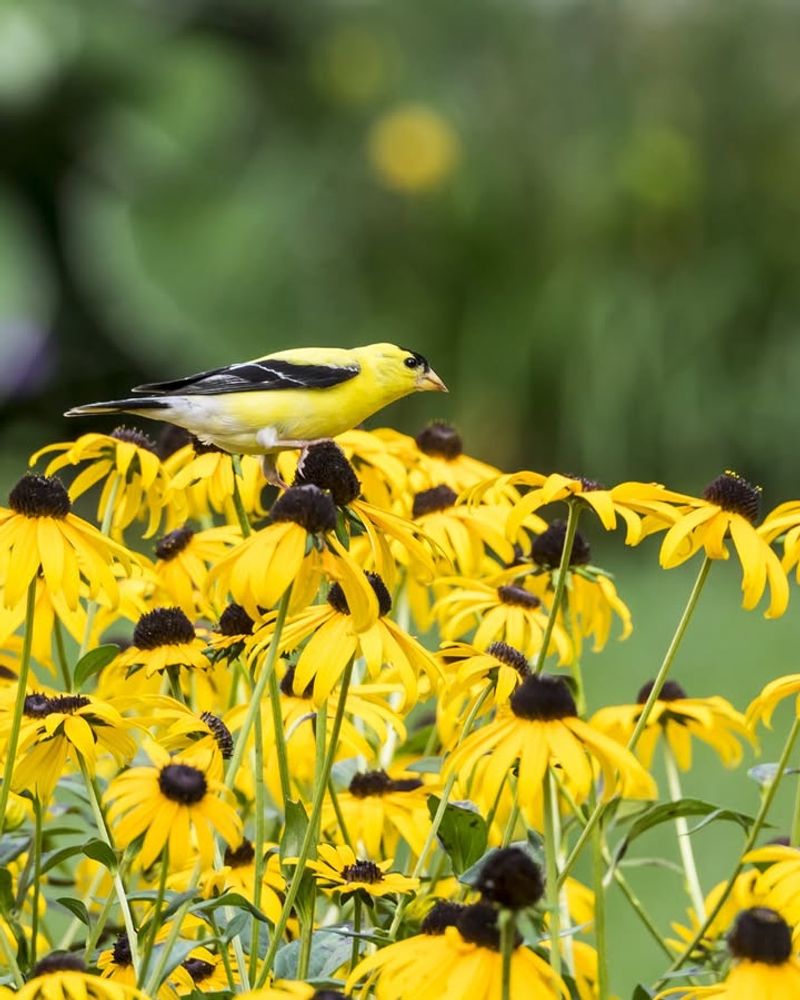
There is something genuinely cheerful about a Black-Eyed Susan. Those golden-yellow petals surrounding a rich dark center have a way of making any garden feel warm, sunny, and full of life.
Planting them in May in Pennsylvania gives them plenty of time to settle in before the summer heat arrives.
By July, you can expect waves of golden blooms that last all the way through September. Black-Eyed Susans absolutely thrive in Pennsylvania’s warm, humid summers and actually prefer the heat.
They are not fussy about soil either, doing well in average garden conditions without needing much extra attention from you.
Your Pennsylvania Garden Changes Every Week. Your Plan Should Too.
Gardening in Pennsylvania changes quickly throughout the season. Every Friday you’ll receive a simple weekly plan showing exactly what to plant, prune, fertilize, harvest, and protect so you never miss the right timing.
One of their best qualities is that they self-seed gently through the garden. That means new plants pop up naturally over time, slowly filling in bare spots and spreading color without you having to do much of anything.
It is one of the most low-maintenance flowers you can grow in Pennsylvania. Pollinators go absolutely wild for Black-Eyed Susans. Bumblebees, honeybees, and butterflies flock to them all summer long.
Once the blooms fade in the fall, the seed heads attract goldfinches and other seed-eating birds, giving your garden wildlife value well into the cooler months.
Plant them in full sun for the best results. They can handle partial shade, but they bloom most heavily when they get at least six hours of direct sunlight each day. Black-Eyed Susans are a Pennsylvania garden staple for a very good reason.
3. Bee Balm (Monarda Didyma)
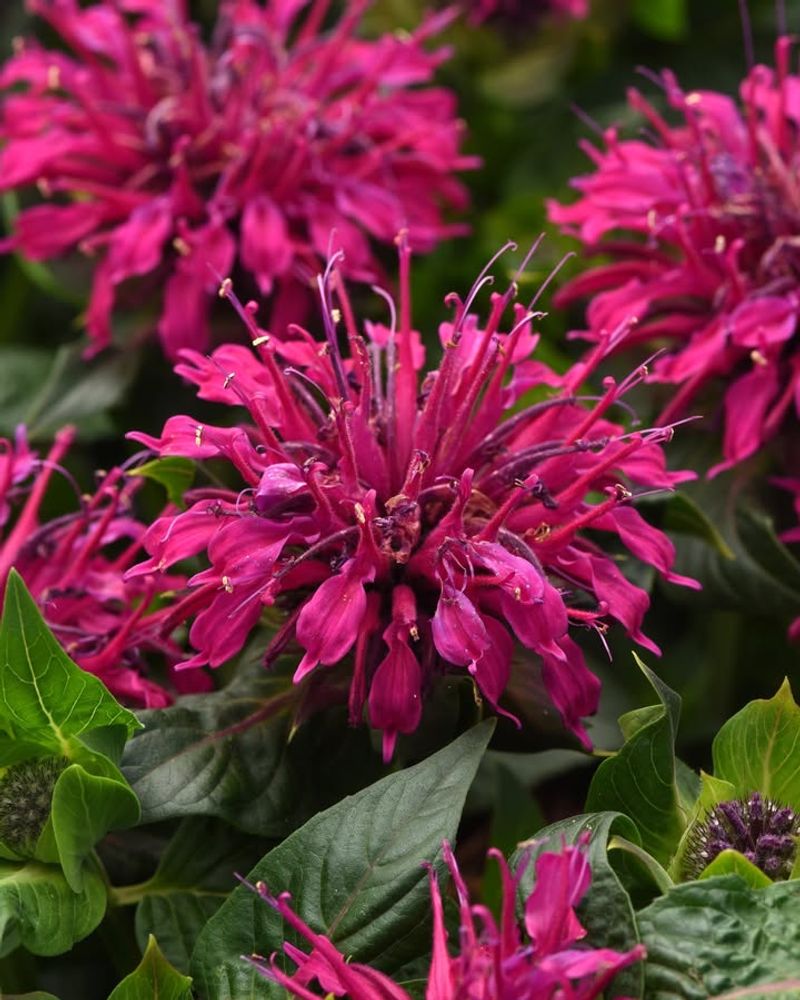
Walk past a patch of bee balm in full bloom and you will immediately understand why gardeners in Pennsylvania love it so much.
The shaggy, firework-like flower heads in shades of red, pink, and purple are unlike anything else in the summer garden. They are bold, dramatic, and absolutely impossible to ignore.
Bee balm is a native Pennsylvania perennial, which means it is perfectly suited to the local climate and growing conditions.
Plant it in May and it will have enough time to establish a strong root system before it bursts into bloom in July. Hummingbirds, bees, and butterflies are drawn to it in remarkable numbers.
It does best in full sun to partial shade with consistently moist soil. Good air circulation around the plants helps prevent powdery mildew, which can sometimes be an issue in humid Pennsylvania summers. Spacing plants about 18 to 24 inches apart makes a real difference.
Over time, bee balm spreads gradually by underground runners, slowly filling in garden beds with rich color and constant wildlife activity.
You can divide clumps every few years to keep them vigorous and to share plants with neighbors or friends. It is one of those flowers that just keeps giving. The fragrant foliage is a bonus that many gardeners overlook.
Crushing a leaf releases a wonderful minty, herbal scent that adds another layer of sensory pleasure to your Pennsylvania garden. Bee balm truly earns its place in any summer perennial bed.
4. Daylily (Hemerocallis Spp.)
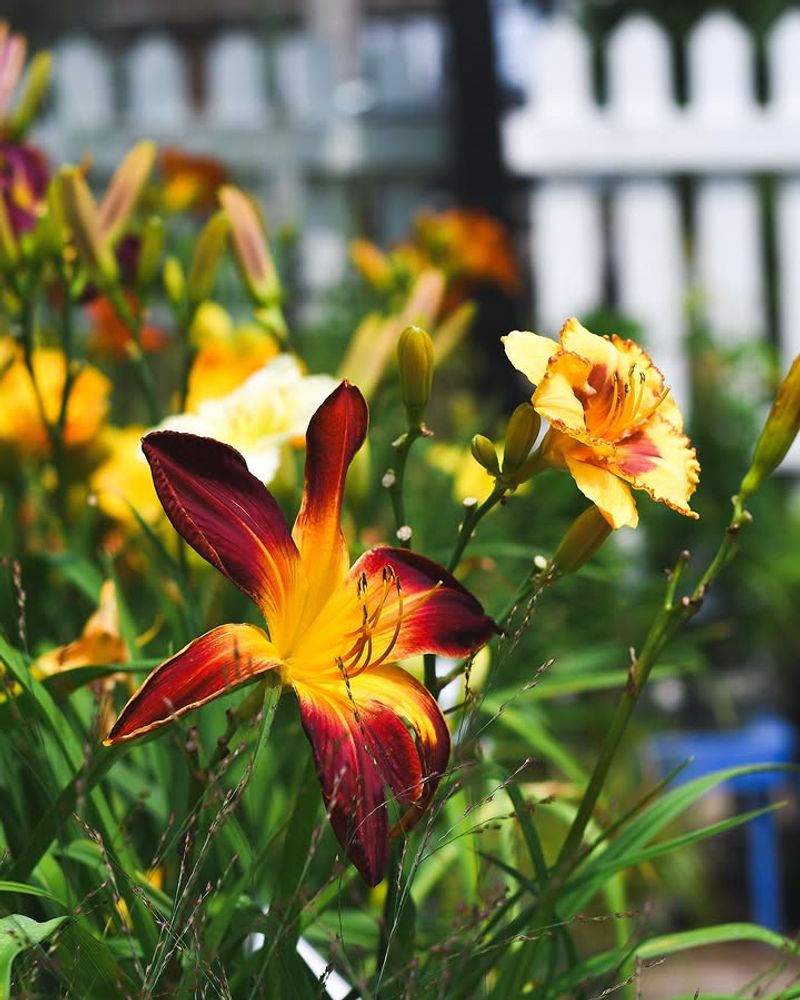
Ask any experienced Pennsylvania gardener which flower gives the most reward for the least effort, and daylilies will almost always come up.
These tough, adaptable perennials are practically built for success in Pennsylvania gardens, thriving in a wide range of soil types, tolerating summer heat, and coming back faithfully year after year.
Planting daylilies in May gives their roots time to dig in deep before summer arrives. Once established, they push out an impressive abundance of large, showy blooms in shades of yellow, orange, red, pink, and even near-white.
Different varieties bloom at different times throughout the summer, so choosing a mix can give you color from June all the way through August.
Each individual flower lasts only one day, which is actually where the name comes from. But each plant produces dozens and dozens of buds, so there is always something new opening up every morning.
It is one of the most reliably beautiful things you can watch happen in your garden. Daylilies ask for very little in return for all the beauty they provide. Full sun brings out the most blooms, but they tolerate partial shade reasonably well.
They rarely need extra watering once established and almost never need fertilizing beyond a basic spring application.
Dividing daylily clumps every three to four years keeps them blooming at their best. Pennsylvania gardeners have counted on daylilies for generations, and once you grow them yourself, you will quickly understand exactly why they have earned that kind of lasting loyalty.
5. Garden Phlox (Phlox Paniculata)
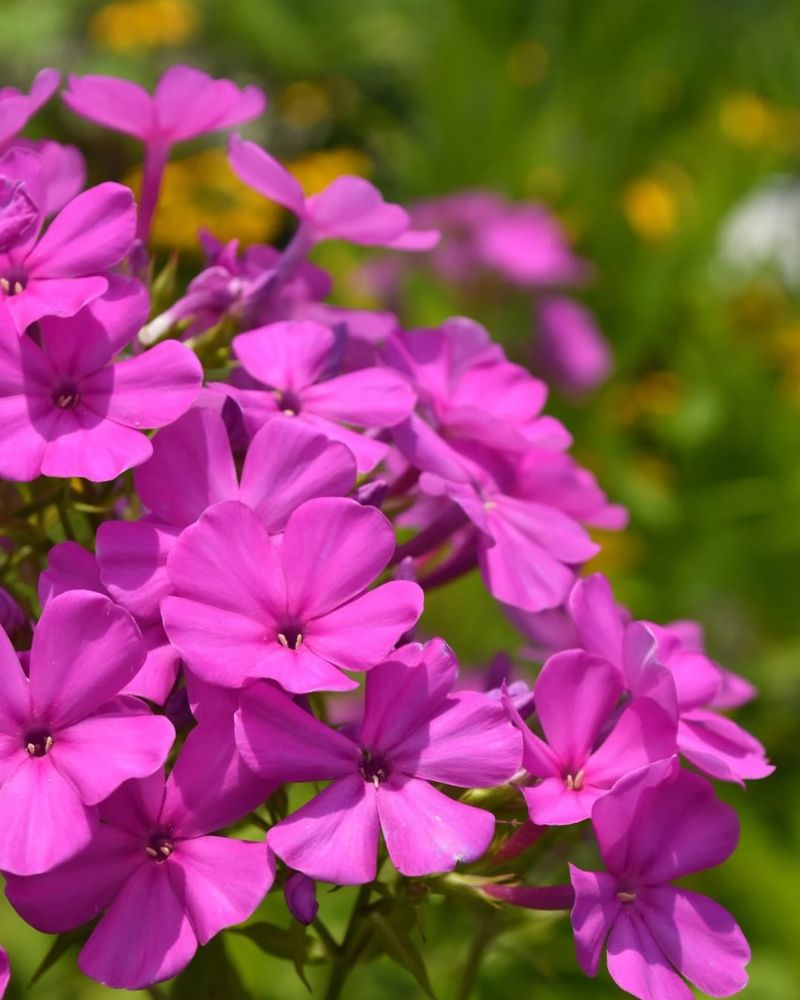
If you have ever walked past a Pennsylvania garden in July or August and caught a sweet, honeyed fragrance drifting through the air, there is a good chance garden phlox was behind it.
This classic perennial produces large, dome-shaped clusters of flowers in shades of pink, purple, white, and red, and the scent is simply wonderful on a warm summer evening.
May is the right time to plant garden phlox in Pennsylvania. Getting it in the ground now means the roots have two to three months to establish before the plant channels all its energy into those spectacular midsummer blooms.
By July, you will have tall, fragrant flower spikes that butterflies and hummingbirds simply cannot resist.
Garden phlox grows best in full sun with rich, well-drained soil that stays consistently moist. Good air circulation is important because powdery mildew can be a challenge in Pennsylvania’s humid summers.
Choosing mildew-resistant varieties like David or Jeana makes a noticeable difference in keeping your plants looking their best all season long.
Deadheading spent flower clusters encourages the plant to produce secondary blooms, extending the flowering season well into September.
Cutting plants back by about one-third in late spring can also help produce bushier, sturdier growth that stands up better to summer storms.
Garden phlox is a true Pennsylvania summer classic. Its combination of bold color, incredible fragrance, and wildlife appeal makes it one of the most beloved and rewarding perennials you can plant in any Pennsylvania garden this May.
6. Pale Purple Coneflower (Echinacea Pallida)
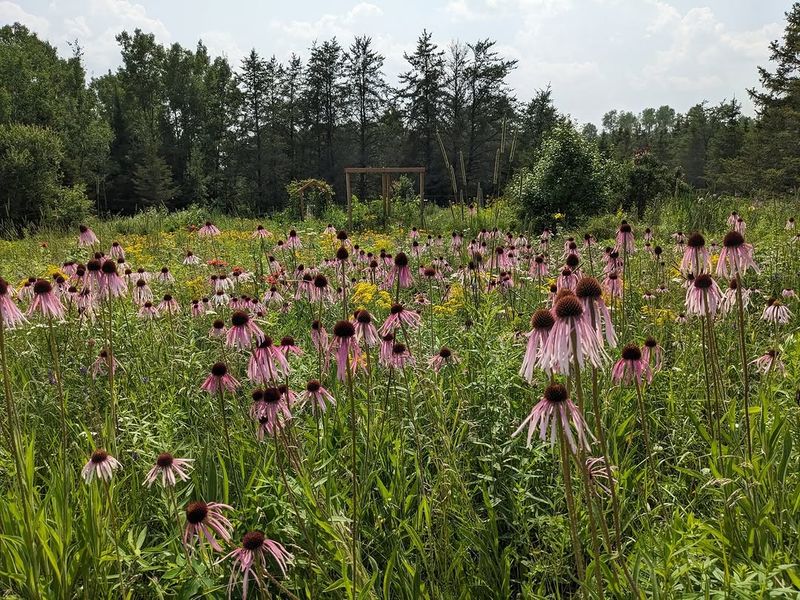
Most people are familiar with the common purple coneflower, but its cousin the pale purple coneflower is a hidden gem that deserves far more attention in Pennsylvania gardens.
Echinacea pallida produces long, gracefully drooping pale lavender-pink petals around a tall, spiky center cone that gives it a wild, elegant look unlike anything else in the summer garden.
Planting it in May in Pennsylvania gives it plenty of time to establish before it blooms in early to midsummer.
It is actually one of the earlier-blooming coneflower species, often opening its flowers in June, which makes it a great choice for bridging the gap between late spring and the peak of summer blooms.
Pale purple coneflower is exceptionally drought tolerant once established, making it an outstanding choice for Pennsylvania gardeners who want beautiful flowers without constant watering.
It thrives in full sun and well-drained soil, including lean, rocky, or sandy soils where other flowers might struggle to perform.
Did you know that Echinacea pallida is actually native to the prairies and open woodlands of North America? That native heritage makes it naturally well-suited to Pennsylvania’s seasonal conditions.
It brings a graceful, naturalistic beauty to garden beds and meadow-style plantings that feels completely at home in the Pennsylvania landscape.
Pollinators love it just as much as they love its more famous purple cousin. Bees and butterflies visit the blooms regularly throughout the season.
For a low-maintenance, wildlife-friendly, and genuinely beautiful Pennsylvania garden flower, pale purple coneflower is hard to beat.
7. Anise Hyssop (Agastache Foeniculum)
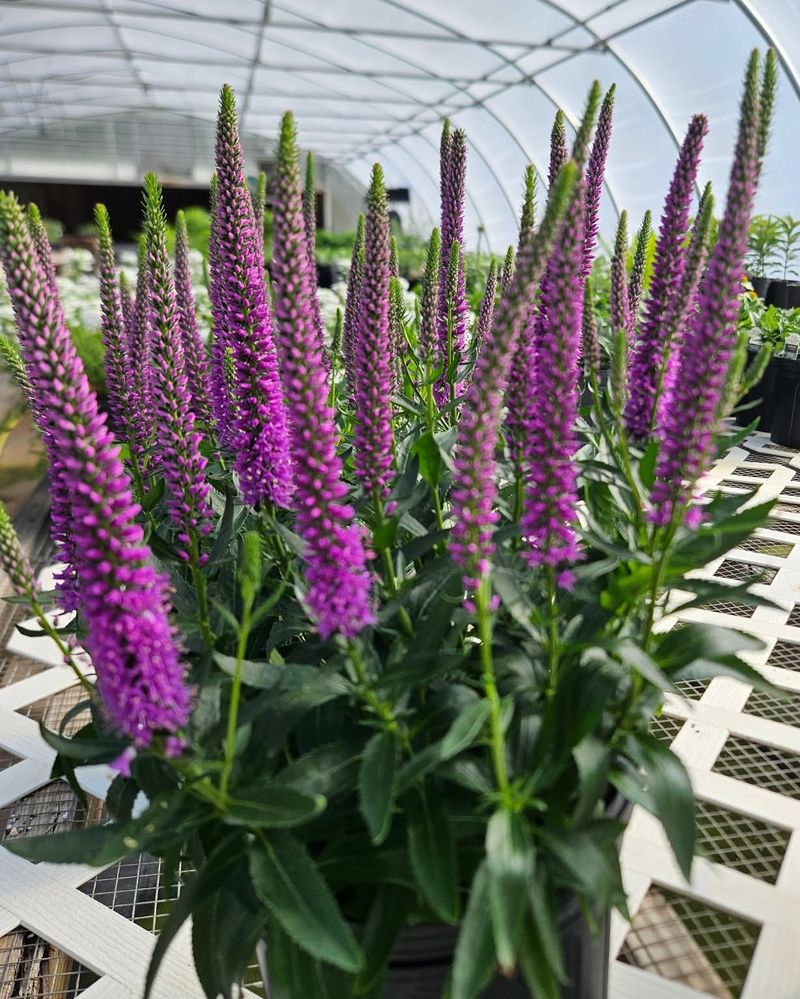
Imagine stepping outside on a warm Pennsylvania summer afternoon and being greeted by towering spikes of purple-blue flowers absolutely buzzing with bumblebees, honeybees, and butterflies.
That is exactly what anise hyssop brings to your garden, and it is one of the most joyful sights you will ever see in a backyard planting.
Plant anise hyssop in May in Pennsylvania and it will reward you generously. By midsummer, the plants push up tall, slender flower spikes that bloom continuously from July through early fall.
A single mature plant in full bloom can attract an astonishing number of pollinators on any given sunny day, making it one of the most wildlife-productive flowers you can grow in Pennsylvania.
Beyond the blooms, the foliage itself is a treat. Crushing an anise hyssop leaf releases a sweet, licorice-like fragrance that is absolutely delightful near patios, garden paths, and outdoor seating areas.
It adds a sensory dimension to the garden that goes well beyond simple visual beauty. Anise hyssop thrives in full sun and well-drained soil. It handles Pennsylvania’s summer heat with ease and actually tends to bloom more heavily when conditions are warm and sunny.
It is also quite drought tolerant once established, asking for very little extra care once it gets going. It self-seeds lightly, so you may find new plants popping up naturally in nearby spots over time.
Anise hyssop is a truly special Pennsylvania garden perennial that combines fragrance, bold color, and extraordinary pollinator appeal into one easy-to-grow, deeply rewarding summer flower.