7 Simple Ways To Grow Garlic Successfully In Georgia
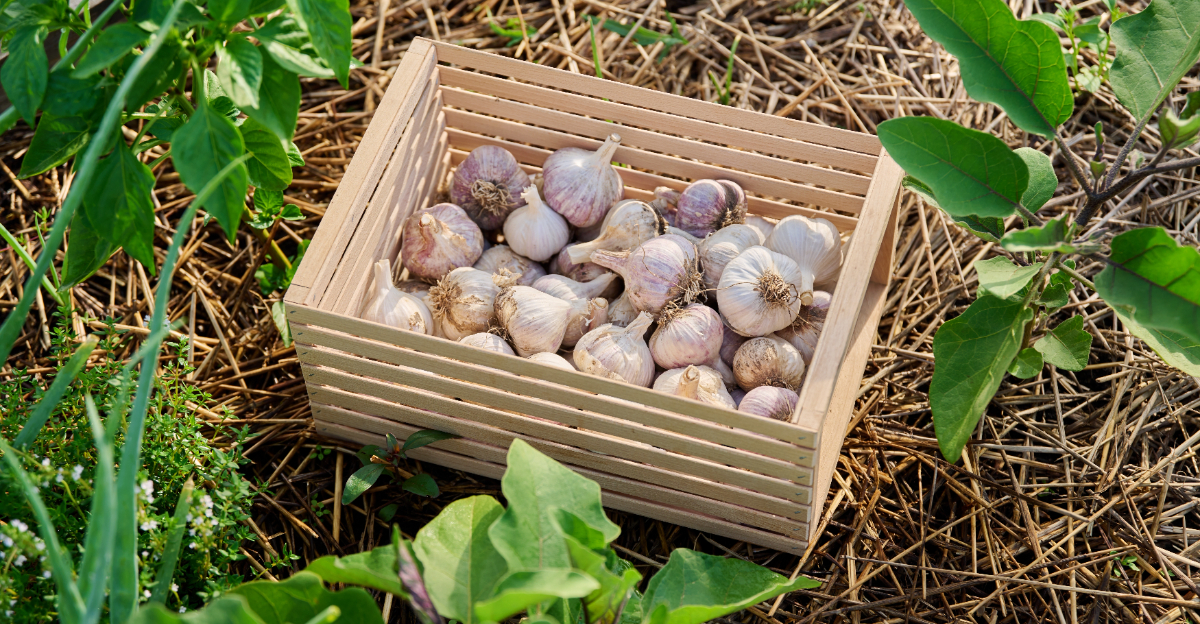
Garlic sounds like one of the easiest things to grow in a Georgia garden, and it usually starts that way, with strong green shoots coming up and steady growth through the early stages. Everything looks right, so it feels like a good harvest is on the way.
Then something shifts as the season moves forward. Bulbs stay small, flavor turns out weaker than expected, or the final result just does not match the effort that went in.
Frustration shows up because nothing obvious seems wrong at first glance. Soil looks fine, watering feels consistent, and the plants never fully fail, yet the outcome still falls short.
There is a reason behind that pattern, and it often comes down to a few small steps that get overlooked.
Once those details are handled the right way, garlic tends to respond quickly and produce the kind of results that actually make it worth growing.
1. Plant Garlic At The Right Time For Strong Root Growth
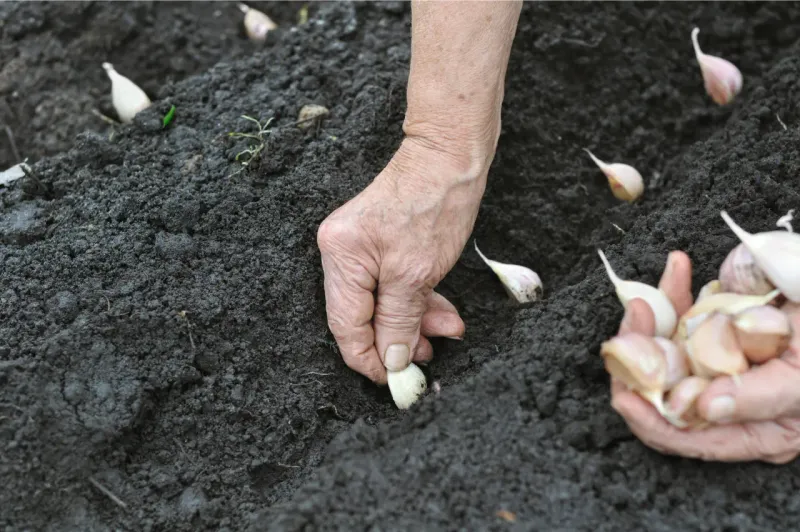
One of the biggest secrets to growing great garlic in Georgia is planting at the right time. You want cloves in the ground early enough to grow strong roots before winter, but not so early that lots of tender top growth appears.
In most parts of Georgia, that sweet spot usually falls from late October through November, depending on your local weather. Cool soil helps garlic settle in and start building the root system that supports large bulbs later.
If you plant too early during a warm stretch, the leaves can push up fast and become stressed by sudden cold snaps.
If you wait too long, the cloves may not root well, and spring growth can feel slow and uneven.
A simple way to judge timing is to watch nighttime temperatures and aim for a steady cool pattern. In North Georgia, planting may happen a bit earlier, while gardeners in South Georgia can often wait a little longer.
That small adjustment matters because Georgia covers several climate zones, and garlic responds to local conditions more than the calendar alone.
Before planting day, break bulbs into individual cloves and keep the papery skins on each piece. Set each clove pointed side up, then cover it well and add mulch after planting to regulate soil temperature.
When you give garlic this solid fall start in Georgia, you set up healthier roots, sturdier plants, and a much more satisfying harvest.
2. Choose Softneck Or Adapted Varieties That Perform Well
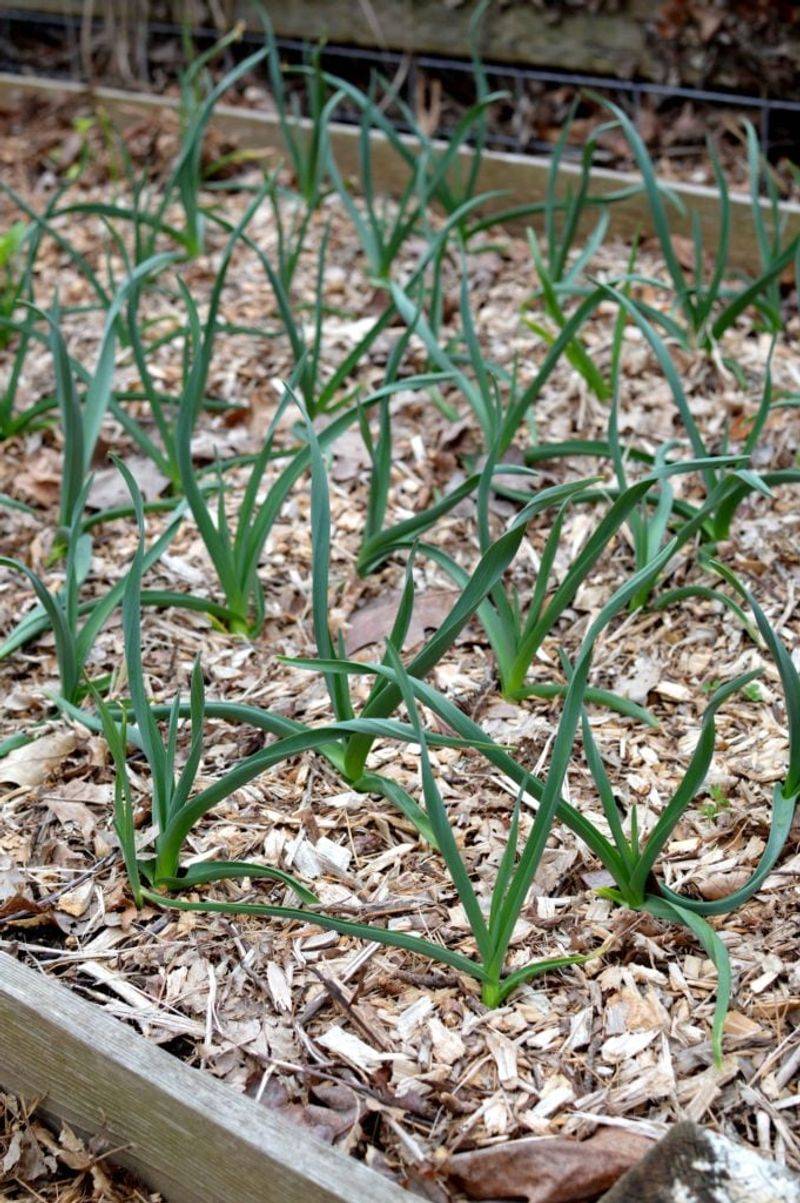
Picking the right variety can save you a lot of frustration when growing garlic in Georgia. Not every type handles the state’s warm winters and humid spring weather equally well, so variety choice matters from the start.
Many gardeners in Georgia have the best success with softneck garlic or hardneck varieties that are known to adapt well in the South. Softneck types are popular because they usually store longer and tolerate milder winter conditions better.
They also tend to produce dependable bulbs in places where long periods of hard cold are less common.
Your Georgia Garden Changes Every Week. Your Plan Should Too.
Gardening in Georgia changes quickly throughout the season. Every Friday you’ll receive a simple weekly plan showing exactly what to plant, prune, fertilize, harvest, and protect so you never miss the right timing.
If you want reliable kitchen garlic that hangs around for months after harvest, softneck is often the easiest place to begin.
That said, some adapted hardneck types can still perform nicely, especially in cooler parts of North Georgia. If you want richer flavor or hope to enjoy garlic scapes, look for varieties recommended specifically for southern gardens.
Buying seed garlic from a reputable supplier is worth it because grocery store bulbs may be treated, old, or poorly suited for Georgia conditions.
When choosing, read the description carefully and notice terms like heat tolerant, Southern performer, or adaptable.
Try two or three varieties your first season so you can compare size, flavor, and storage results in your own Georgia garden.
A smart match between climate and variety gives you stronger plants, fuller bulbs, and a much easier path to garlic success.
3. Use Loose, Well-Draining Soil To Prevent Rot Issues
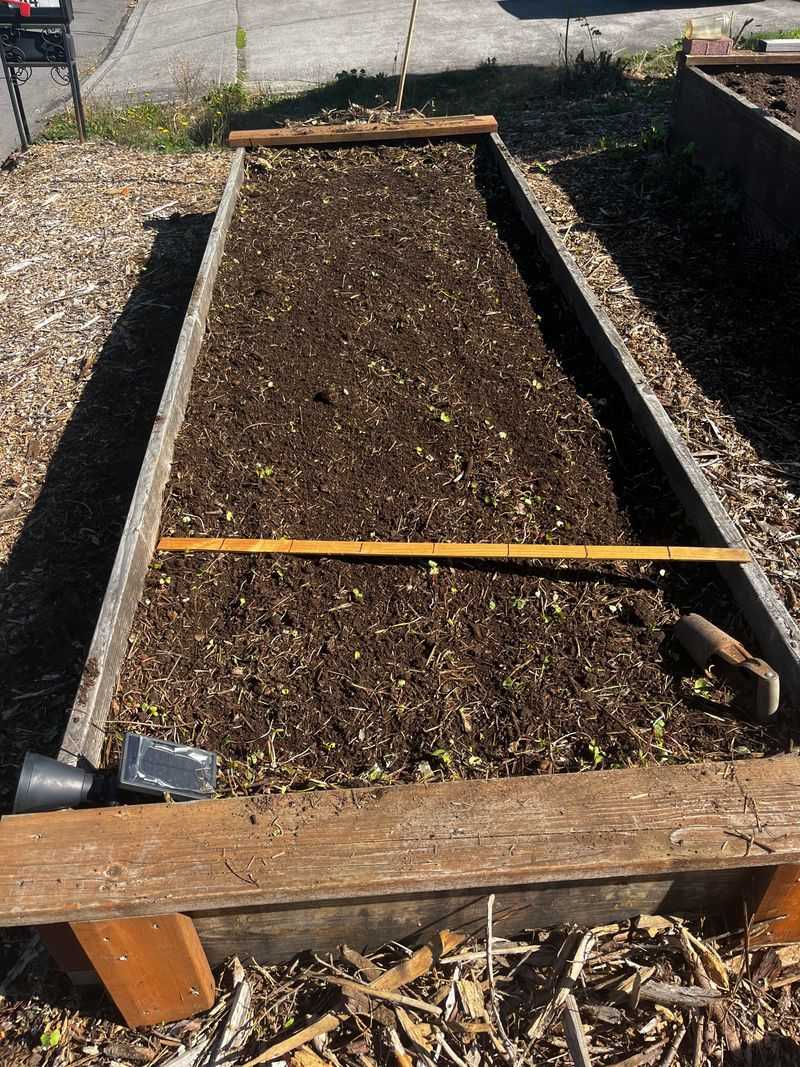
Garlic grows best when the soil feels loose, airy, and easy for roots to move through. That can be a challenge in Georgia, where many gardens have dense clay that holds water longer than garlic likes.
If bulbs sit in soggy ground for too long, they struggle, and quality drops fast.
The goal is to create soil that drains well but still holds enough moisture to support steady growth.
Mixing in compost, shredded leaves, and other organic matter helps break up heavy ground and improve soil texture. Raised beds are especially helpful because they shed extra rain better and warm up during cooler months.
Before planting, loosen the top several inches so cloves can root easily and develop evenly. Avoid fresh manure or overly rich amendments that may push weak, soft growth instead of balanced bulb development.
Garlic prefers fertile soil, but it performs best when that fertility comes with good structure and drainage.
If you are unsure about your bed, test it after a hard rain and notice whether puddles sit for hours. That is usually a sign more organic matter, elevation, or a better planting spot is needed before garlic goes in.
Providing loose, well-draining soil greatly improves the chances of growing clean, healthy, full-sized bulbs.
4. Space Cloves Properly To Allow Bulbs To Form Fully
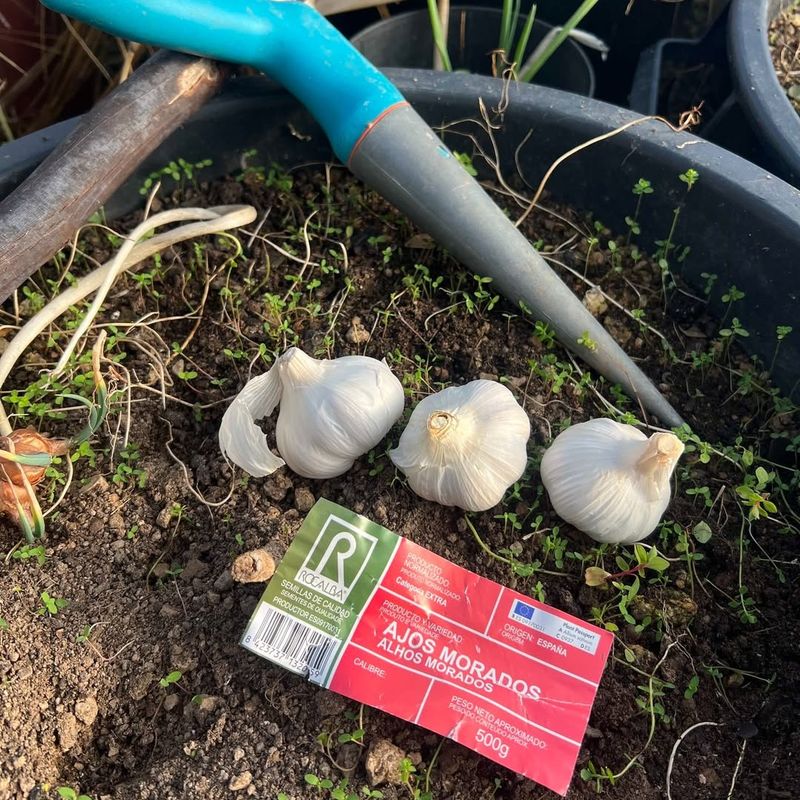
It is tempting to tuck garlic cloves close together, especially when garden space feels limited. Still, proper spacing is one of the easiest ways to grow bigger bulbs in Georgia without extra work later.
Each clove needs enough room for roots, leaves, and the swelling bulb that forms below the soil surface.
A good general rule is to plant cloves about 4 to 6 inches apart in rows spaced 8 to 12 inches apart. That spacing gives each plant access to light, airflow, water, and nutrients without heavy competition from its neighbors.
When garlic gets crowded, plants often stay smaller, and bulb size usually reflects that lack of space. Good spacing also helps in humid Georgia conditions, where air movement can reduce excess moisture around the foliage.
That matters because crowded beds stay damp longer after rain or watering. With enough room, leaves dry faster, plants stay sturdier, and routine maintenance becomes easier too.
As you plant, place each clove pointed side up and set it deep enough so it stays secure through winter weather. If using a raised bed, map out rows before planting so extra cloves are not squeezed in at the last minute.
5. Keep Moisture Consistent Without Waterlogging The Soil
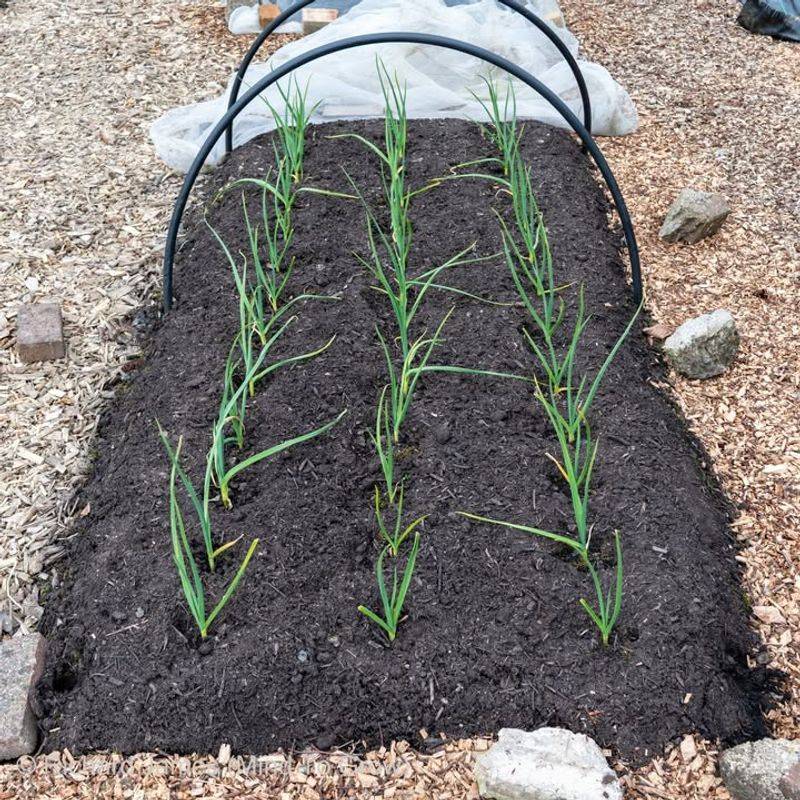
Garlic likes steady moisture, but it does not want to sit in wet soil for long stretches. That balance is especially important in Georgia, where weather can swing from dry spells to soaking rain in a short time.
If moisture levels change too much, bulb development can become uneven and plant stress may appear quickly.
The best approach is to keep the soil evenly moist while garlic is actively growing. Water when the top layer begins to dry, but always consider drainage and recent rainfall before adding more.
A thick layer of mulch helps slow evaporation, keep soil cooler, and reduce the impact of weather swings. In Georgia’s clay-heavy beds, deeper, less frequent watering supports stronger root systems better than daily light watering.
Shallow watering can leave the surface damp while encouraging weaker root growth below. Drip irrigation or a slow hose setting works well because it delivers water directly to the root zone without soaking the foliage.
As harvest approaches, reduce watering so bulbs can mature and cure more effectively after pulling. If spring brings heavy rain, additional watering is usually unnecessary.
Managing moisture with consistency and good drainage supports stronger tops, solid bulbs, and better storage quality after harvest.
6. Remove Scapes Early To Redirect Energy Into Bulb Growth
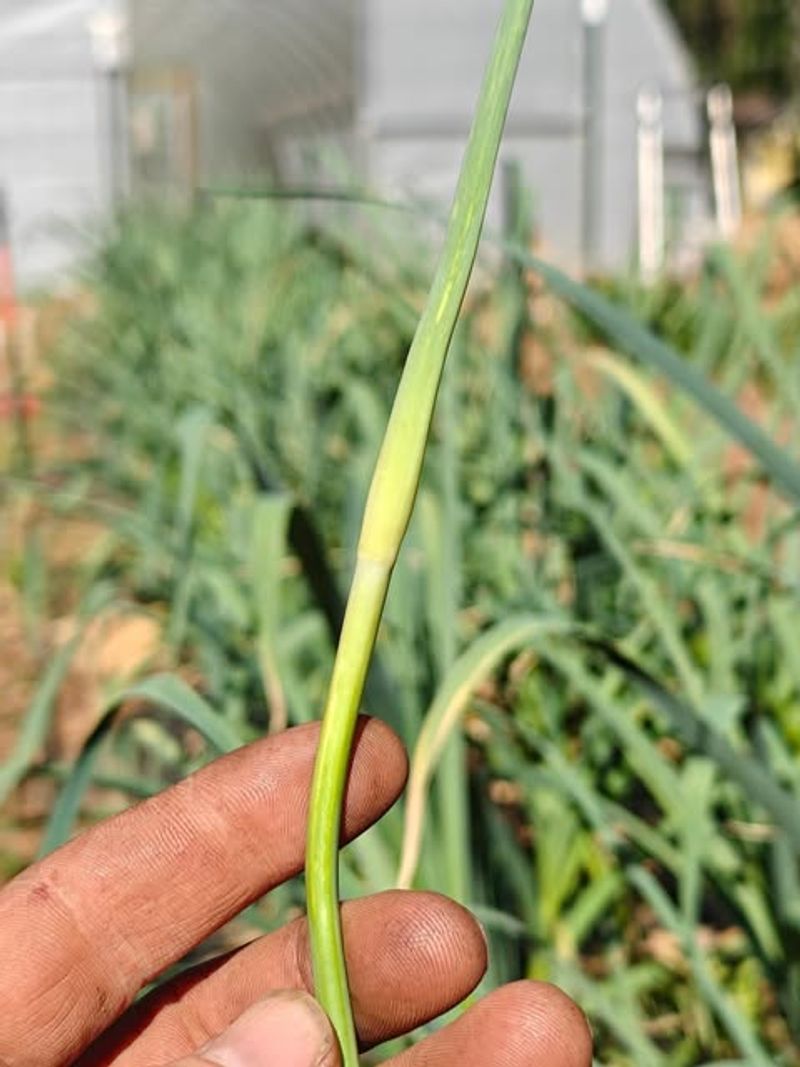
If you are growing a hardneck variety in Georgia, you may notice a curly flower stalk forming in late spring. That stalk is called a scape, and removing it at the right time helps the plant direct more energy into bulb development.
It is a small step, but it can improve bulb size and overall quality.
Scapes usually begin as green curls rising above the leaves. Once they start looping, they can be cut or snapped off near the base while still tender.
Delaying removal allows the plant to divert more energy into the stalk instead of the bulb.
Scapes are edible and commonly used in cooking. They can be added to stir-fries, blended into pesto, or used as a mild garlic-flavored ingredient.
This applies mainly to hardneck garlic, since softneck varieties typically do not produce scapes.
Check plants regularly in late spring, as scapes can develop quickly during active growth. Removing them early supports fuller bulbs and more efficient use of the growing season in Georgia.
7. Harvest At The Right Stage For Better Storage Life
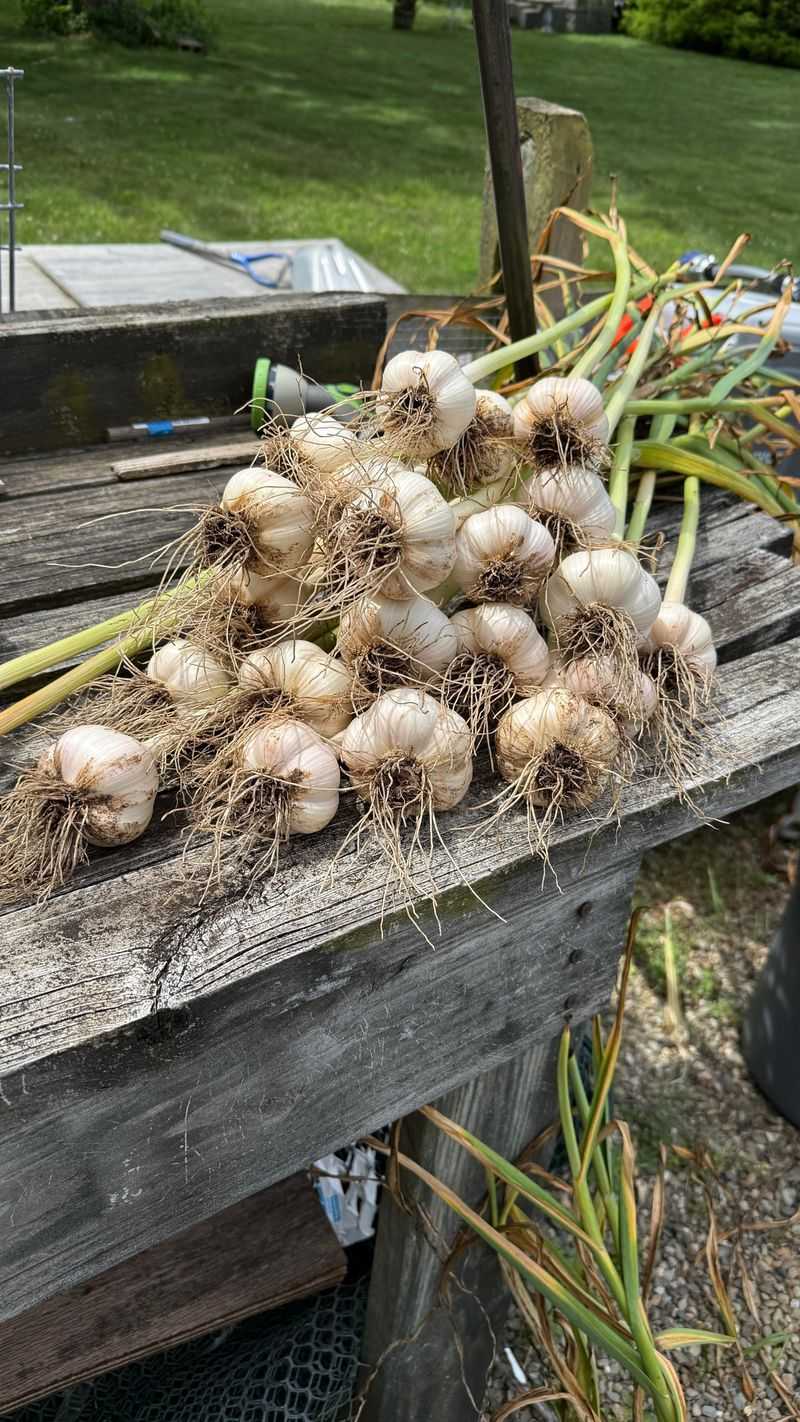
Harvest timing can make or break the quality of your garlic, especially if you want bulbs that store well. Pull too early, and the bulbs may be small with wrappers that have not fully developed.
Wait too long, and the outer layers can split, leaving garlic less protected during storage.
A helpful sign to watch is the condition of the leaves. When several lower leaves have turned brown but some upper leaves are still green, garlic is often near the right stage to harvest.
In Georgia, that usually happens in late spring to early summer, depending on variety, planting date, and local weather.
Use a garden fork or trowel to loosen the soil first instead of pulling bulbs straight out by the stems. That approach helps protect the wrappers and keeps bulbs intact.
After lifting, brush off loose soil, but avoid washing if longer storage is the goal.
Curing is the next important step and directly affects storage quality. Hang garlic or lay it in a warm, shaded, well-ventilated place for a couple of weeks until the necks dry and skins become papery.
Proper harvest timing and careful curing in Georgia’s humid conditions support longer storage, better flavor, and higher overall quality.