Best Zinnia Types To Grow In Your Texas Garden
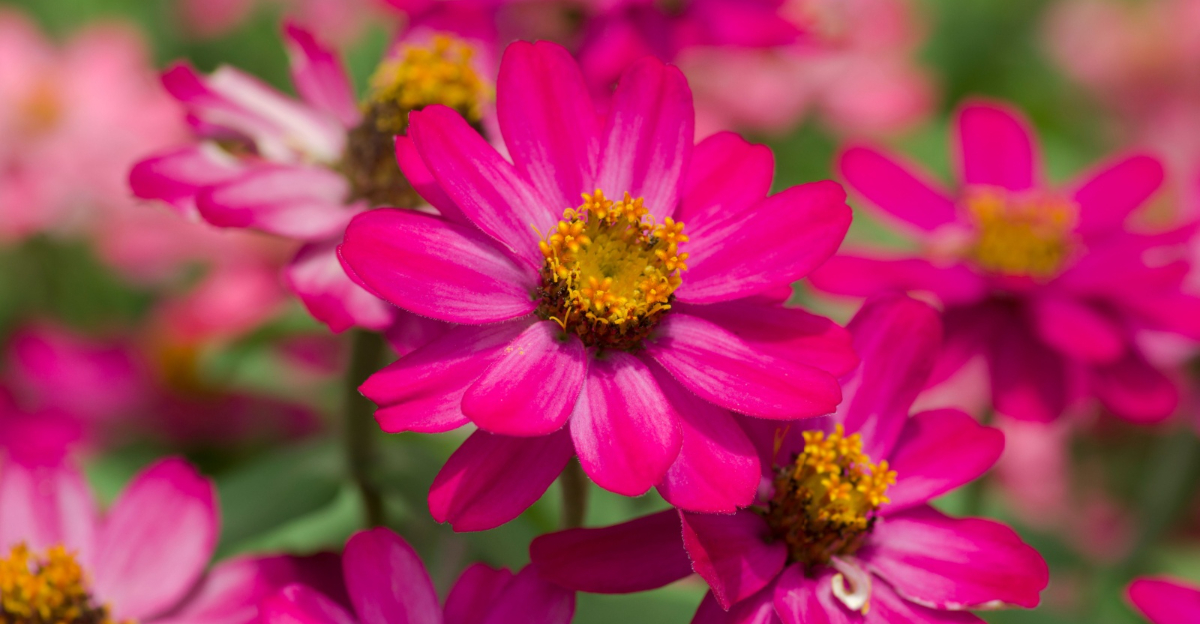
Few flowers look more at home in a Texas garden than zinnias. They bring bright, happy color, they love sunshine, and they tend to keep the show going when summer starts acting like summer in Texas.
That alone earns them plenty of fans. Add in the huge range of sizes, shapes, and colors, and it is easy to see why gardeners keep coming back to them year after year.
Zinnias really know how to make a flower bed look lively. The fun part is that not all zinnias bring the same strengths.
Some stay compact and tidy, some grow tall enough to make a statement, and some offer better disease resistance when the weather gets hot and sticky. That means Texas gardeners get plenty of good options, not just one.
A small border, a cutting garden, or a big sunny bed can all find a zinnia that fits the job. Honestly, it is hard to stay in a bad mood while looking at a patch of blooming zinnias.
1. Common Zinnias Bring Classic Texas Garden Color
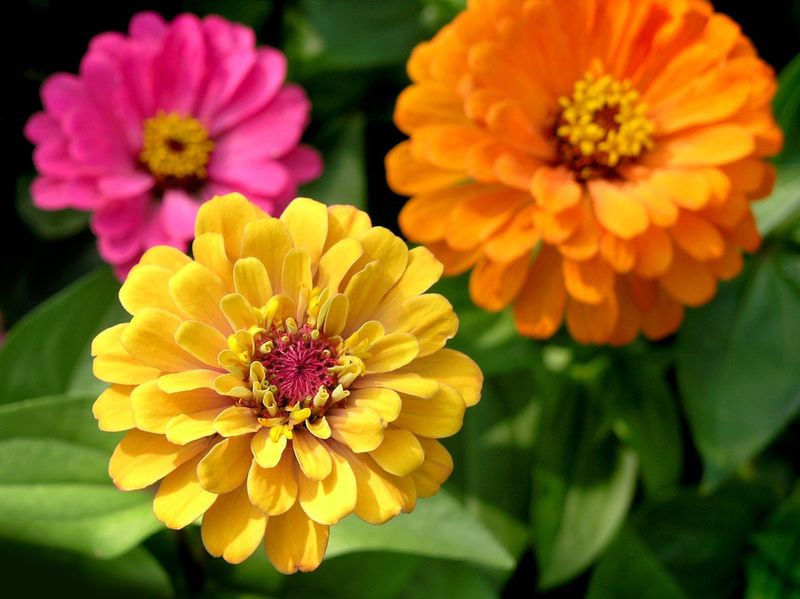
Walk through almost any Texas neighborhood in July and you are likely to spot the big, bold blooms of common zinnias nodding in the heat. Zinnia elegans, often called the common zinnia, is the species most people picture when they think of this flower.
It has been a garden staple for generations, and for good reason.
Common zinnias grow upright and sturdy, typically reaching anywhere from one to four feet tall depending on the variety. Their flowers come in nearly every color imaginable, from deep red and orange to pale lavender and creamy white.
The blooms can be single, semi-double, or fully double, giving gardeners a wide range of looks to work with.
In Texas, common zinnias tend to do best when they get full sun and well-drained soil. They are heat-tolerant and can push through the hottest stretches of a Texas summer with good color.
However, they can be somewhat prone to powdery mildew when air circulation is poor or when overhead watering is used regularly.
Spacing plants well and watering at the base rather than from above can help reduce disease pressure. Common zinnias make excellent cut flowers and are reliable performers in Texas borders and pollinator gardens throughout the warm season.
2. Narrowleaf Zinnias Handle Heat With Easy Charm
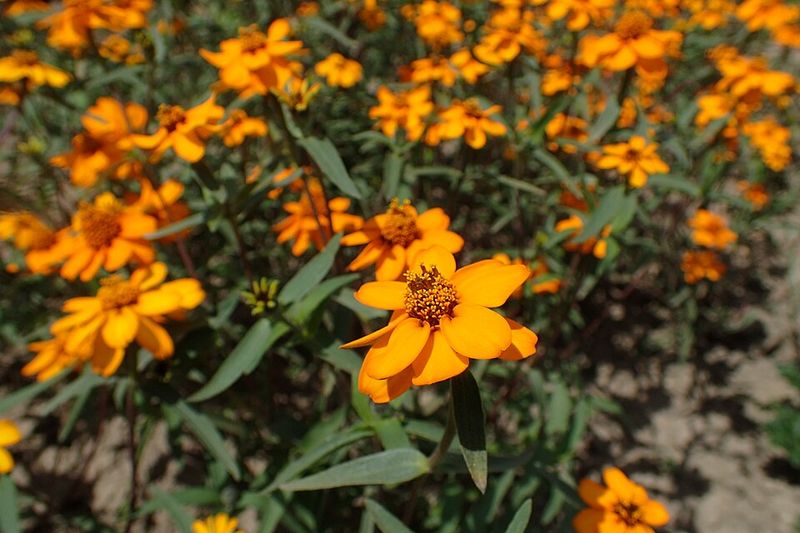
Smaller and more delicate-looking than its common cousin, the narrowleaf zinnia has a wild, carefree quality that suits informal Texas gardens beautifully.
Zinnia angustifolia, as it is botanically known, produces masses of small single flowers, usually in shades of orange, white, or gold.
The petals have a slightly pointed look that gives the blooms a cheerful, open-faced charm.
One of the biggest strengths of narrowleaf zinnias is their exceptional heat and drought tolerance. They hold up well in the punishing conditions that Texas summers can bring, continuing to bloom even when temperatures climb well above 90 degrees.
Their smaller size, typically under a foot tall, makes them a natural fit for edging beds or filling in gaps along borders.
Your Texas Garden Changes Every Week. Your Plan Should Too.
Gardening in Texas changes quickly throughout the season. Every Friday you’ll receive a simple weekly plan showing exactly what to plant, prune, fertilize, harvest, and protect so you never miss the right timing.
Because narrowleaf zinnias have better natural disease resistance than many other zinnia types, they tend to stay cleaner and more attractive later into the season.
This makes them especially useful in humid parts of Texas where powdery mildew can be a recurring challenge.
They are also excellent for attracting butterflies and other pollinators.
Narrowleaf zinnias spread into a low, tidy mound that requires little fussing, making them a low-maintenance option for busy Texas gardeners who still want reliable seasonal color in their landscapes.
3. Profusion Zinnias Fill Beds With Long-Lasting Blooms
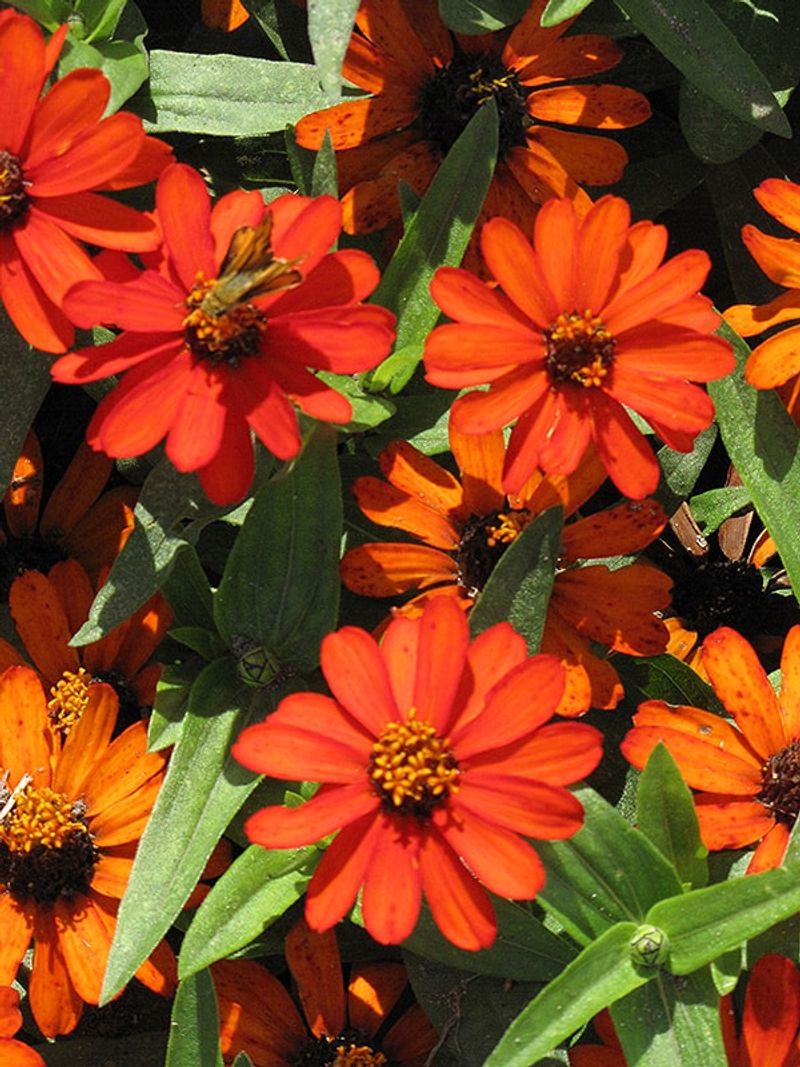
Few zinnia series have earned as much consistent praise from home gardeners as Profusion.
Developed as an interspecific hybrid, Profusion zinnias bring together compact growth, vibrant color, and strong disease resistance into one tidy, easy-to-grow package.
For Texas gardeners looking for reliable summer-through-fall color, this series is worth serious consideration.
Profusion plants typically grow between 12 and 18 inches tall and spread into a full, rounded mound covered in blooms. Colors in the series include cherry red, orange, white, coral, and yellow, with some bicolor options available.
The flowers are single to semi-double and appear in such abundance that the foliage is often barely visible beneath them.
The Profusion series has received All-America Selections recognition, which reflects strong performance across diverse growing conditions, including the heat and humidity that Texas gardeners deal with regularly.
Their resistance to powdery mildew is one of their most appreciated qualities, as the plants tend to look fresh and full even as summer wears on.
Profusion zinnias work beautifully in mass plantings, container gardens, and along the front of mixed borders. They are also popular in pollinator gardens, as their open-faced blooms are easy for butterflies and bees to access.
These plants require little deadheading and reward Texas gardeners with color that just keeps coming.
4. Zahara Zinnias Bring Bold Color Through Texas Heat
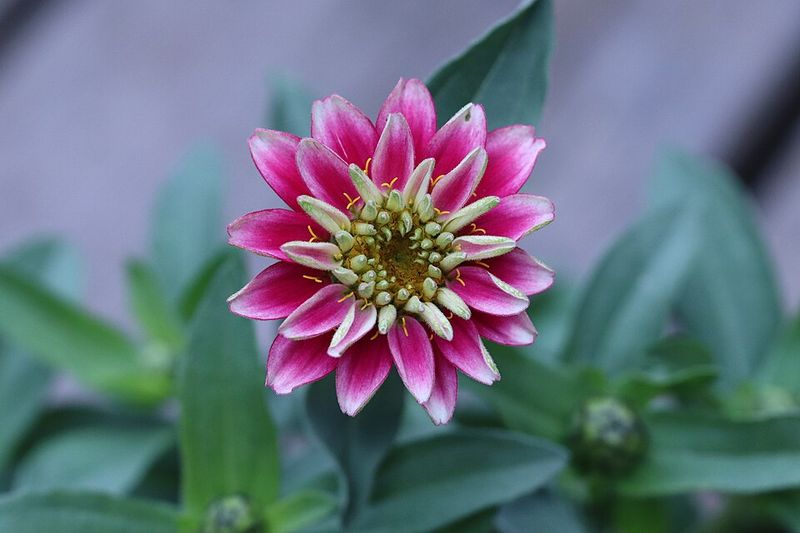
Hot, bright, and dependably full of color, Zahara zinnias were practically made for a Texas summer.
This interspecific series was developed with heat tolerance and disease resistance as primary traits, and it shows in how well these plants perform when temperatures stay high for weeks at a time.
Zahara zinnias grow into compact, spreading mounds that typically reach about 12 to 18 inches in height.
Their flowers are single to semi-double and come in a wide range of colors, including vivid red, orange, yellow, coral, and several eye-catching bicolor combinations.
The blooms appear continuously throughout the season with minimal deadheading required.
Like other interspecific hybrids, Zahara types show notably better resistance to powdery mildew than traditional common zinnias.
In Texas, where summer humidity can create favorable conditions for fungal issues, this trait makes a real difference in how the plants look by late summer.
Zahara plants tend to stay cleaner and more attractive for longer stretches of the season.
These zinnias are a strong fit for Texas beds, borders, and containers. Their low-spreading form makes them especially useful along the front edge of a planting or as a colorful ground-level accent.
Pollinators visit Zahara flowers regularly, making them a useful addition to Texas butterfly and bee gardens as well.
5. Dreamland Zinnias Add Big Blooms On Compact Plants
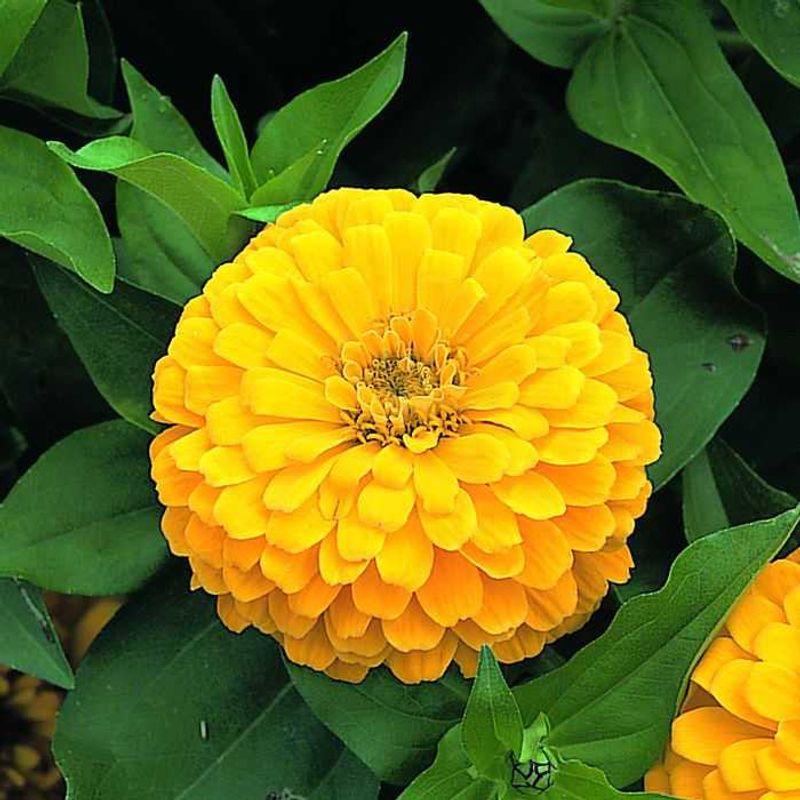
Gardeners who want the visual impact of large zinnia blooms without the tall, floppy stems of older varieties often find what they are looking for in the Dreamland series.
Dreamland zinnias produce fully double flowers that can measure up to four inches across, yet the plants themselves stay compact, usually reaching only about 10 to 12 inches in height.
That combination of big blooms on short plants makes Dreamland a popular choice for Texas gardeners who want showy color in smaller spaces.
Colors in the series include salmon, red, pink, yellow, coral, and white, giving plenty of options for mixing and matching within a bed or border arrangement.
Dreamland zinnias belong to the Zinnia elegans group, so they share the heat tolerance that makes common zinnias a reliable Texas summer flower.
They tend to perform best in full sun with good drainage, which aligns well with the conditions found in many Texas garden settings.
Like other elegans types, they can be susceptible to powdery mildew if air circulation is limited.
These plants are a natural fit for container gardens, front-of-border plantings, and raised beds.
Their tidy habit and large, colorful blooms make them a standout in any Texas garden design where bold flower power and manageable plant size are both priorities for the growing season.
6. Magellan Zinnias Keep Garden Color Low And Full
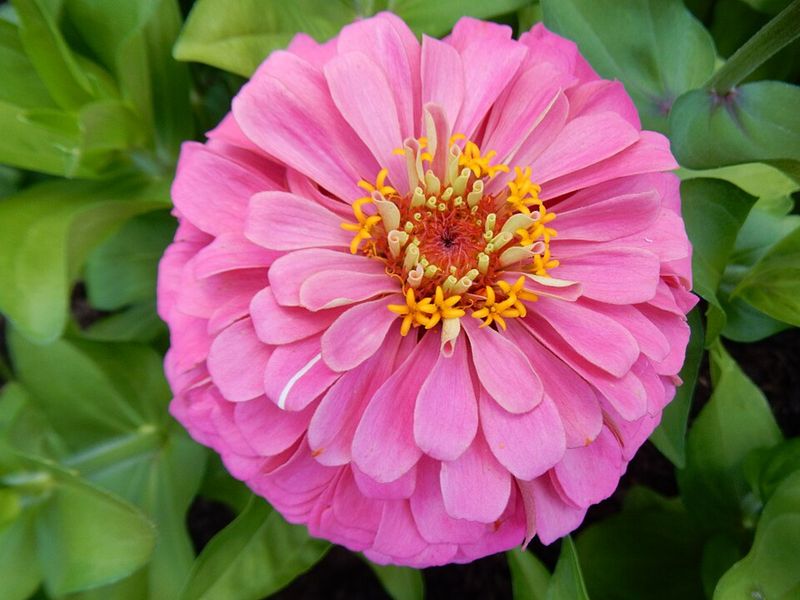
Sturdy stems and large, fully double blooms make the Magellan series one of the more visually impressive compact zinnia options available to Texas gardeners.
Magellan plants typically grow between 12 and 14 inches tall and produce flowers that can reach up to five inches across, which is quite sizeable for a plant of that height.
The blooms come in rich shades of coral, orange, yellow, pink, red, ivory, and salmon. Because the plants stay relatively short and well-branched, they tend to hold their flowers upright without needing staking, even after summer storms roll through Texas.
That structural reliability is a practical benefit in a state where strong afternoon thunderstorms are common from late spring onward.
Magellan zinnias belong to the Zinnia elegans group and share the sun and heat preferences that make that species well-suited to Texas growing conditions. They do best in full sun with consistent moisture and good drainage.
Giving them enough space between plants helps with air circulation, which can reduce the risk of powdery mildew during humid stretches.
These zinnias work well in mass plantings where their uniform height creates a tidy, colorful display. They are also a good choice for cutting gardens, as the large blooms hold up well in arrangements.
Texas gardeners who want bold, full color at a manageable scale often find Magellan a satisfying option throughout the summer months.
7. California Giant Zinnias Bring Height And Old-Fashioned Color
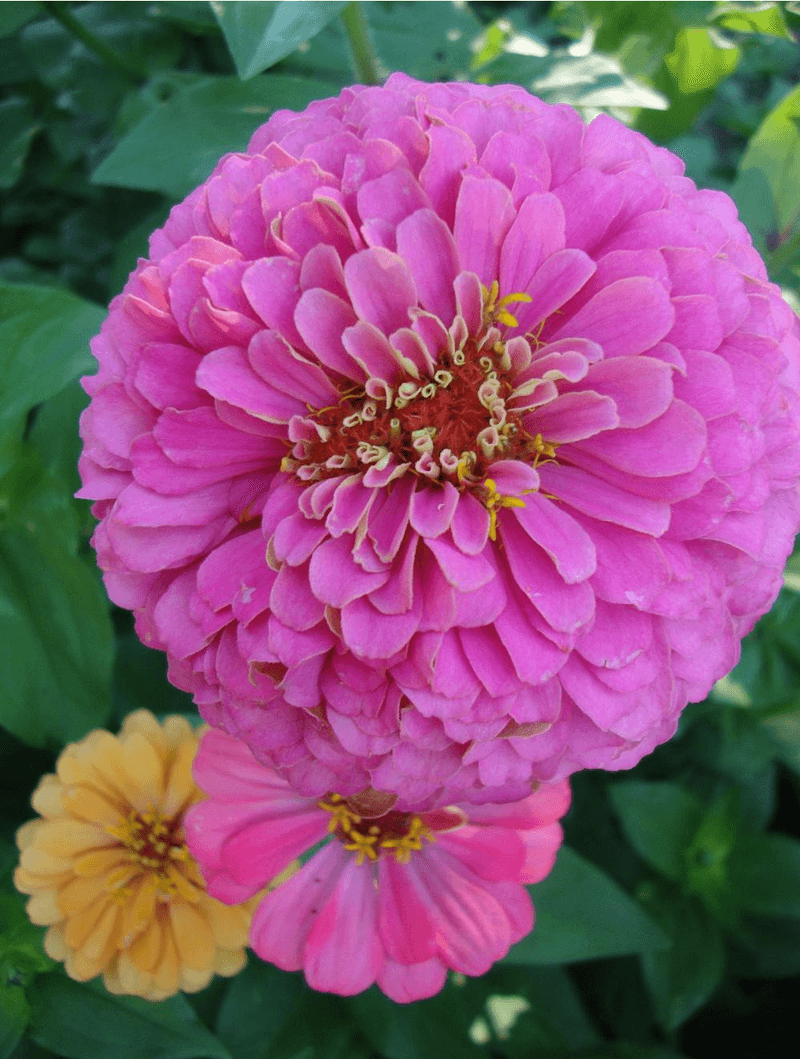
There is something undeniably nostalgic about California Giant zinnias. These tall, old-fashioned plants have been a fixture in American cutting gardens for many decades, and their large, fully double blooms still turn heads in Texas gardens today.
Plants in this group can reach three to four feet in height, making them one of the taller zinnia options available for home landscapes.
California Giant zinnias produce flowers that are generously sized, often measuring four inches or more across. Colors span a wide range, including vivid red, orange, pink, yellow, white, and lavender.
The tall stems make them especially well-suited for cutting and bringing indoors, as they provide plenty of stem length for arranging in vases.
In Texas, these zinnias thrive in full sun and warm temperatures. They tend to start blooming in early summer and can continue producing flowers well into fall if they receive regular deadheading and consistent watering during dry stretches.
Like other Zinnia elegans types, they can develop powdery mildew, so good spacing and base watering are helpful practices.
California Giant zinnias are best placed toward the back of a border or in a dedicated cutting garden where their height can be appreciated without crowding shorter plants.
Texas gardeners who enjoy harvesting flowers for fresh arrangements often find this group particularly rewarding throughout the long warm season.
8. Benary’s Giant Zinnias Stand Out With Large Showy Blooms
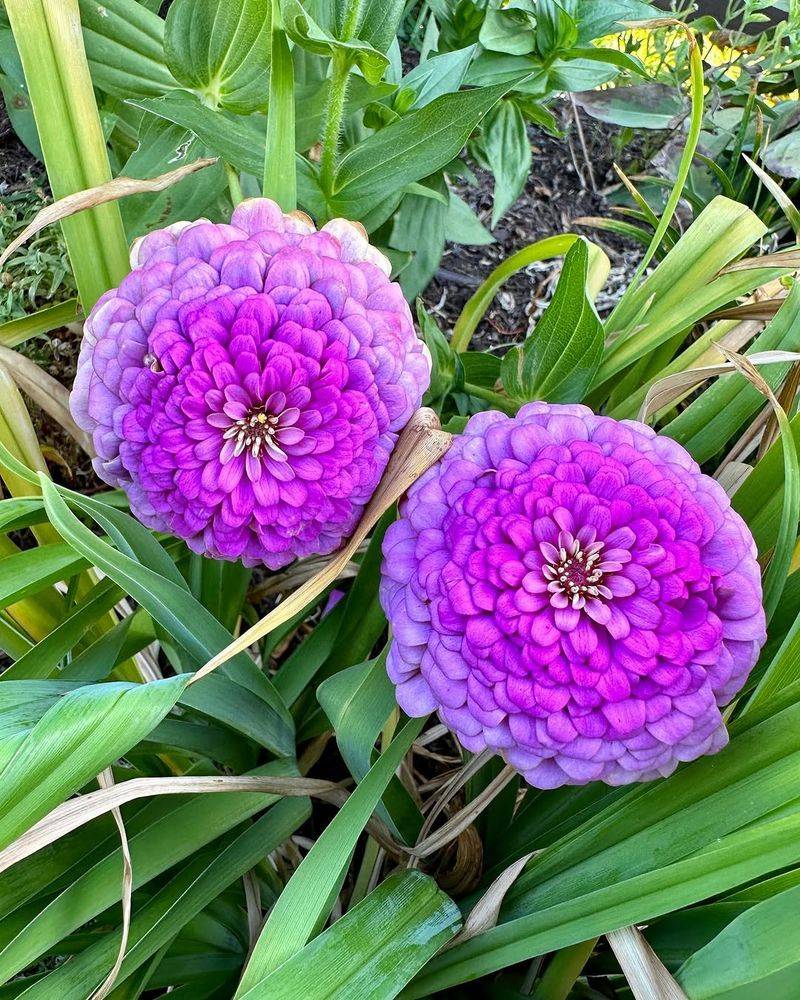
Among the many zinnia series grown in Texas gardens, Benary’s Giant has built a strong reputation for producing some of the largest and most vividly colored blooms available.
Developed with cutting gardens in mind, this series from Zinnia elegans produces flowers that can reach up to five inches across on tall, sturdy stems that typically grow between three and four feet in height.
The color range in Benary’s Giant is impressive, covering coral, orange, red, pink, purple, white, yellow, and lime green.
That wide palette gives Texas gardeners plenty of creative options when designing borders or planning cut flower arrangements.
The blooms are fully double with dense, layered petals that give them a rich, formal look.
Benary’s Giant zinnias are well-regarded for their strong stem quality, which holds up well even in Texas summer heat. They tend to perform reliably in full sun with regular watering and good soil drainage.
As with other Zinnia elegans varieties, providing good air circulation helps reduce the likelihood of powdery mildew during humid periods.
These zinnias are a top choice for Texas cutting gardens, as the long stems and large blooms translate beautifully into fresh floral arrangements.
They also work well at the back of a mixed border where their height and bold color create a dramatic seasonal backdrop throughout the Texas growing season.