The California Garden Tasks To Finish Before June Arrives
June has a way of turning California gardens into a speed round. The sun gets stronger, soil dries faster, weeds get bold, and suddenly every unfinished chore feels twice as sweaty. Late spring is the sweet spot for getting ahead before summer starts making demands.
It is also a smart time to check citrus, tomatoes, roses, and container plants for early stress so small problems do not become July headaches.
A little work now can save water, protect roots, boost flowers, and keep edible gardens moving in the right direction. Think of it as giving your yard a pep talk before the heat really settles in.
1. Plant Warm-Season Crops
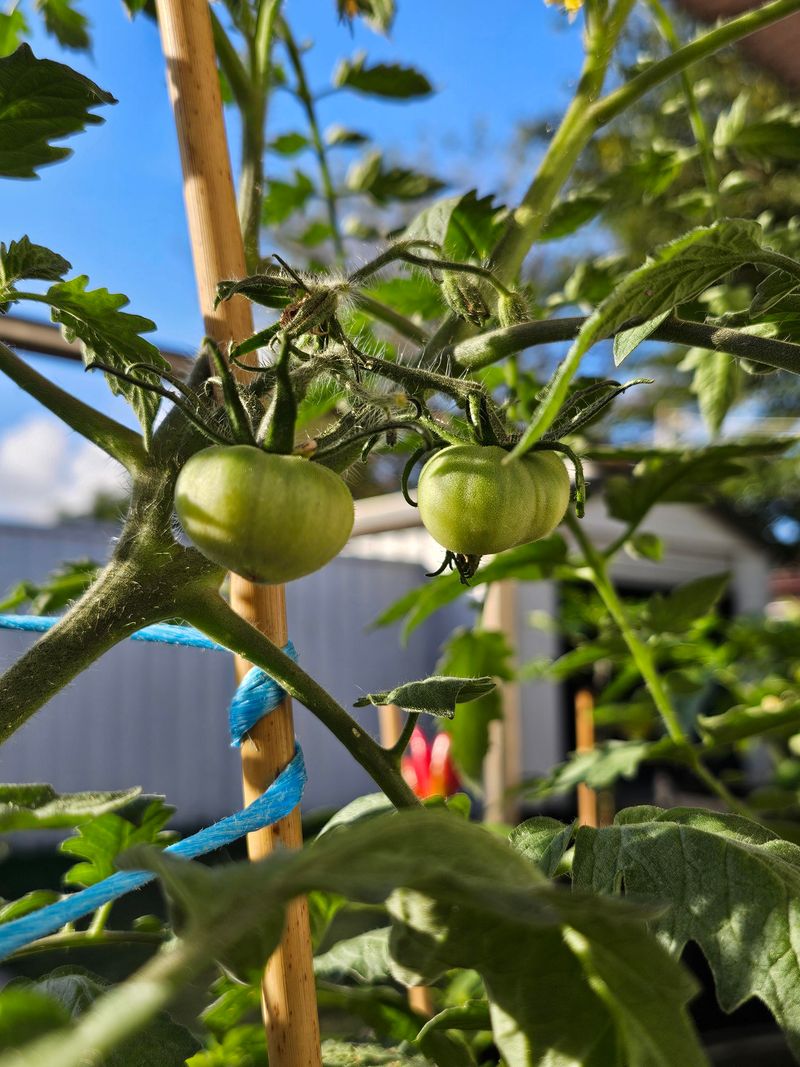
Your garden is practically begging for tomatoes, peppers, and squash right now. May is the sweet spot in California for getting warm-season crops into the ground.
The soil has had time to warm up, and the risk of a late cold snap is mostly behind you.
Start by loosening your soil about 12 inches deep. Mix in compost to give your plants a nutrient-rich foundation.
If you are working with raised beds, this step goes quickly and makes a noticeable difference in how fast your crops grow.
Tomatoes love being planted deep. You can bury the stem up to the first set of leaves, and roots will form along the buried portion.
That gives the plant a much stronger base. Space your plants well so air can move between them freely.
Peppers and squash also do well when planted now across most of California. Water them in deeply right after planting.
Add a light layer of mulch around the base of each plant to hold moisture in and keep the soil temperature steady as the summer heat builds.
2. Refresh Mulch
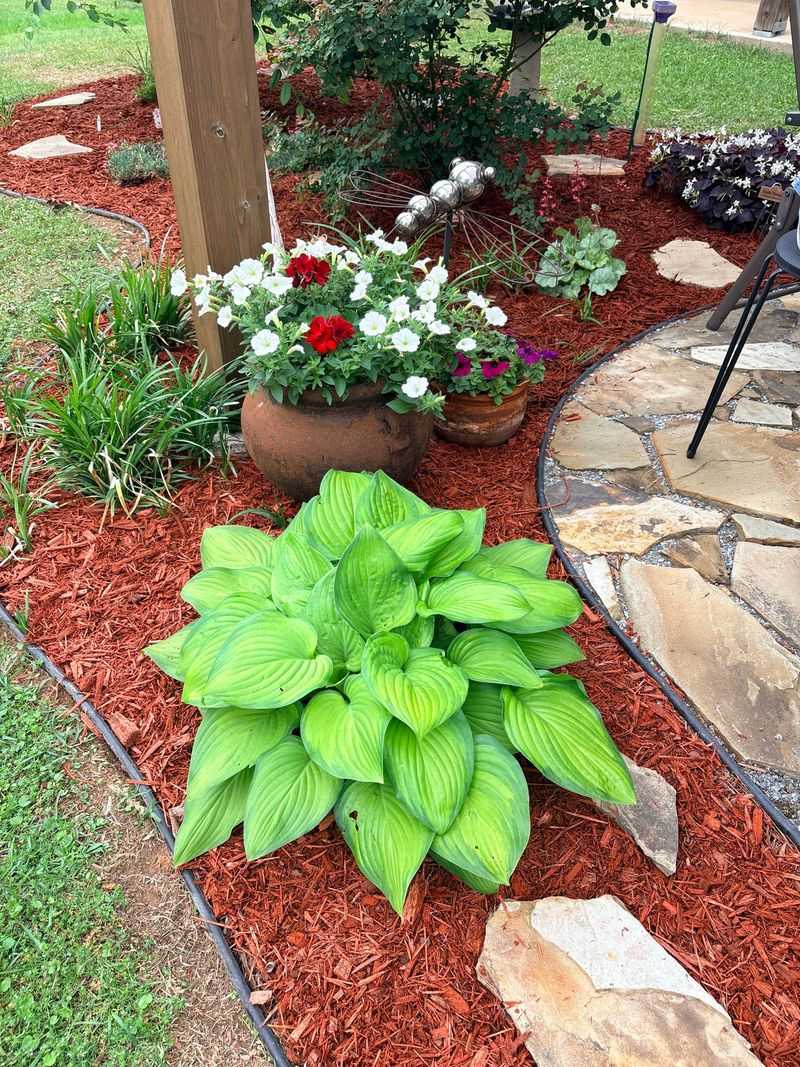
Old mulch breaks down over time, and by late spring it has often thinned out quite a bit. A fresh layer makes your garden look neat and tidy, but the real benefit goes much deeper than appearances.
Mulch acts like a blanket for your soil. It slows down water evaporation, which is a big deal in California where summer heat arrives fast and water bills can climb quickly.
A good layer of mulch can reduce how often you need to water by a surprising amount.
Aim for about two to three inches of mulch across your garden beds. Wood chips, shredded bark, and straw all work well.
Keep the mulch pulled back slightly from the base of plants and tree trunks. Mulch piled directly against stems can trap moisture and lead to rot.
Pull out any weeds before you lay down fresh mulch. That way, you are not giving those weeds a cozy hiding spot to keep growing.
Fresh mulch also adds organic matter to the soil as it breaks down over the season, feeding your garden naturally without any extra effort from you.
3. Check Irrigation
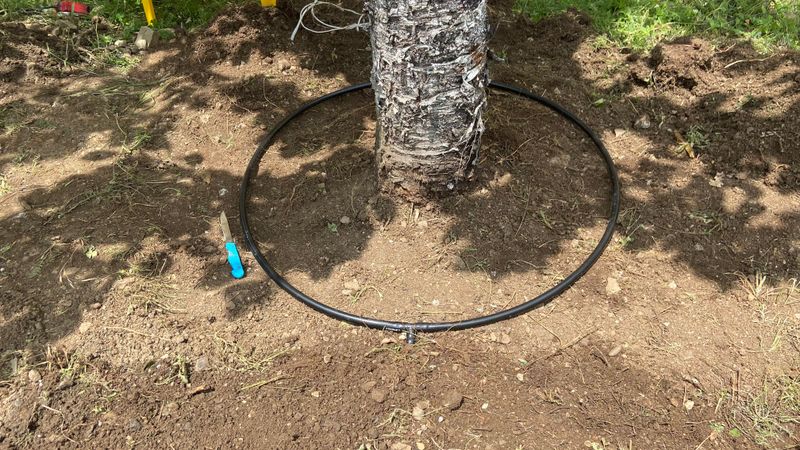
Before the heat of summer arrives in California, your irrigation system deserves a thorough once-over. A leaky drip line or a clogged sprinkler head can waste hundreds of gallons of water without you even noticing.
Your California Garden Changes Every Week. Your Plan Should Too.
Gardening in California changes quickly throughout the season. Every Friday you’ll receive a simple weekly plan showing exactly what to plant, prune, fertilize, harvest, and protect so you never miss the right timing.
Taking an hour now saves both water and money later.
Turn on each zone of your system and walk through the yard while it runs. Look for heads that are spraying sideways, drip emitters that are blocked, or spots where water is pooling instead of soaking in.
These are easy fixes that make a big impact on how efficiently your garden gets watered.
Check your timer settings too. What worked in March will not be enough in July.
Most California gardens need longer watering cycles as temperatures rise. Adjust your schedule now so your plants are not stressed when the heat peaks.
If you do not already have a smart irrigation controller, it might be worth considering. These devices adjust watering schedules based on local weather data.
They are especially useful in parts of California where water restrictions can pop up during dry summers. A well-tuned irrigation system is one of the smartest investments you can make for your garden.
4. Cut Back Spring Blooms
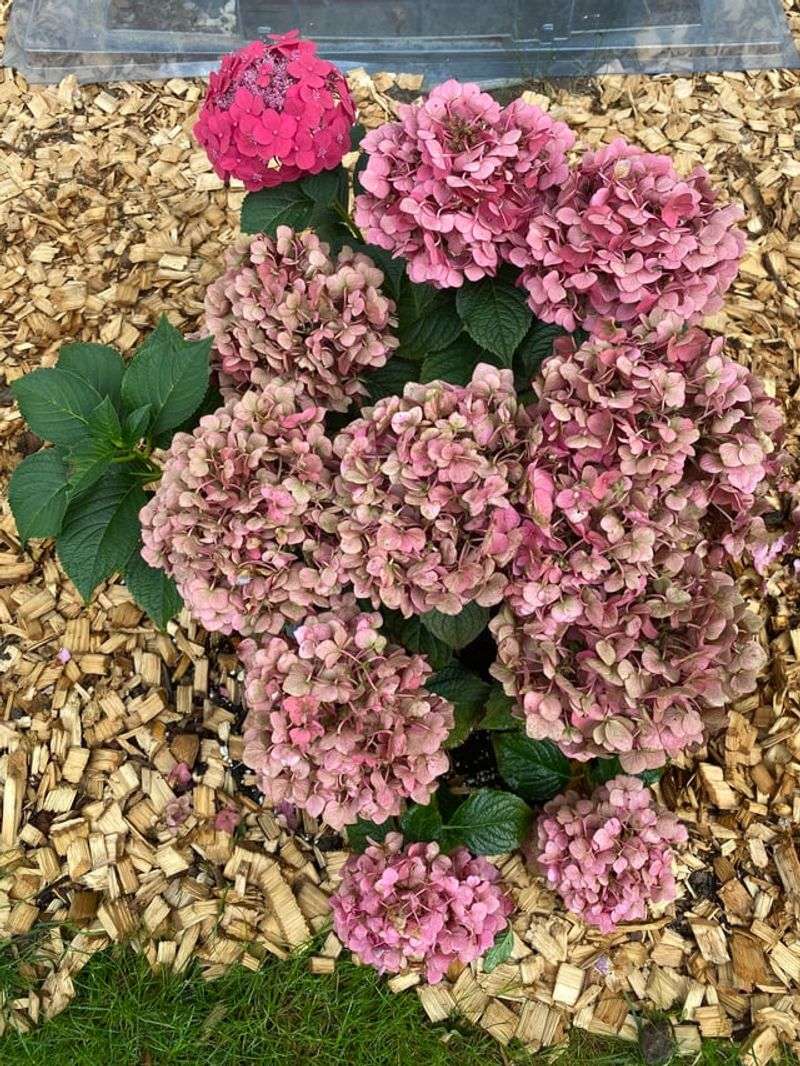
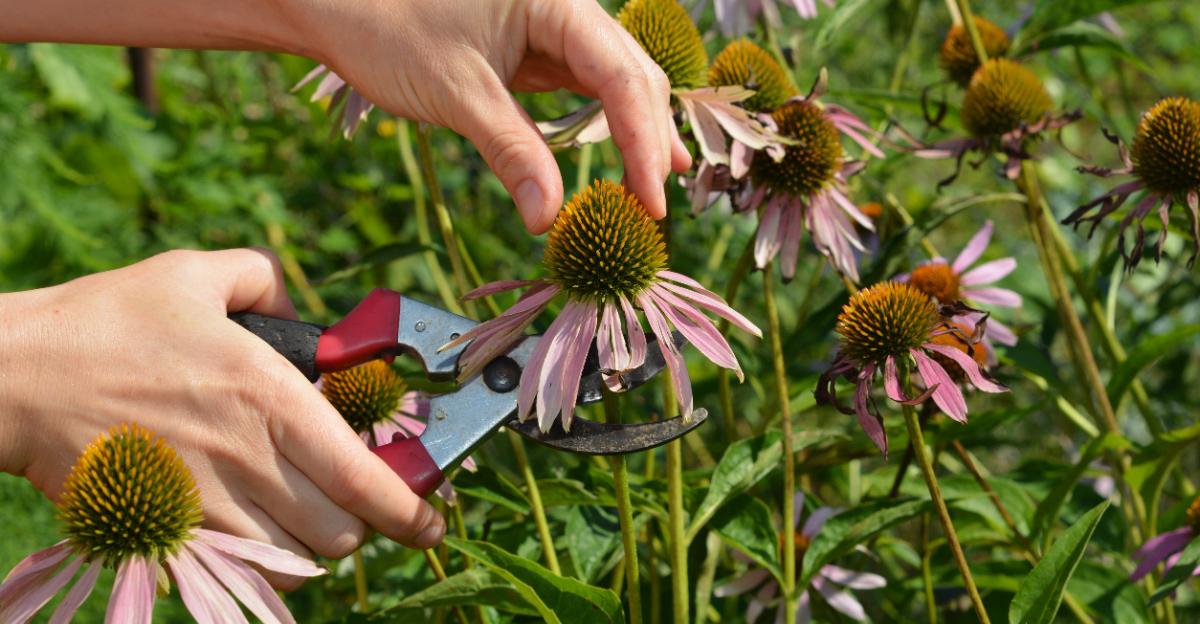
Snipping off spent flowers might seem like a small thing, but it genuinely changes how your plants perform. When a flower fades and starts forming seeds, the plant shifts its energy toward seed production.
Removing those spent blooms redirects that energy back into making new flowers instead.
Roses, pansies, salvias, and many other spring bloomers in California respond beautifully to regular cutting. Some plants will keep blooming for weeks longer when you stay on top of this simple task.
All you need is a pair of clean, sharp scissors or pruning snips.
Cut the faded bloom back to just above the nearest healthy leaf or bud. This encourages the plant to branch out and produce more flower stems.
It also keeps your garden looking fresh and full rather than tired and messy as the season shifts.
Make cutting back a quick habit during your regular garden walks. It only takes a few minutes each visit, and the results build up fast.
Your neighbors will probably notice how vibrant your yard stays well into summer while theirs starts looking a little ragged. A small effort goes a long way in keeping California gardens colorful and thriving.
5. Prune Spent Shrubs
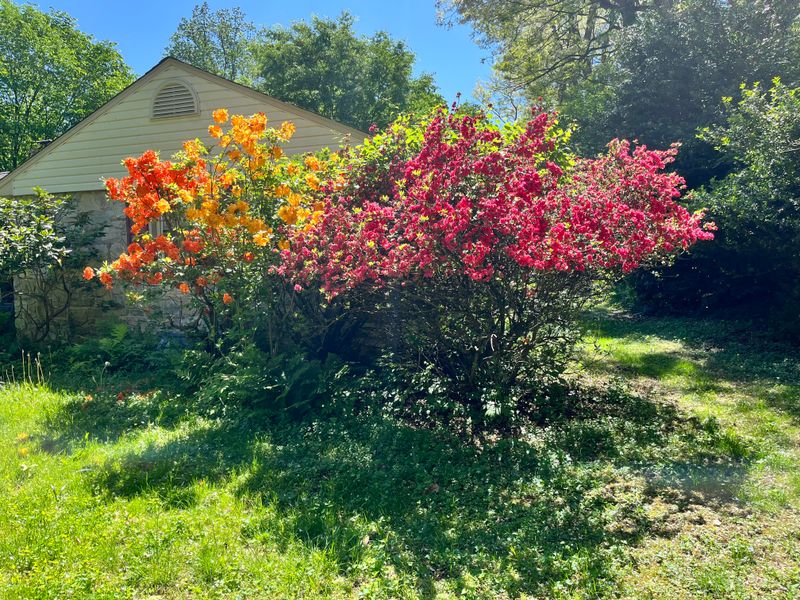
Spring-blooming shrubs like ceanothus, lilac, and forsythia have usually finished their show by late May in California. Right after the blooms fade is the ideal window to prune them back.
Waiting too long means you risk cutting off next year’s flower buds before they even have a chance to form.
Focus on removing damaged or crossing branches first. Then shape the shrub lightly to encourage a fuller, more balanced look.
You do not need to cut everything back hard unless the plant is seriously overgrown. A light shaping is usually all it takes to keep things looking tidy and healthy.
Always use clean, sharp pruners. Dull blades crush stems instead of cutting them cleanly, which stresses the plant and can invite disease.
Wipe your blades with rubbing alcohol between plants to avoid spreading any potential issues from one shrub to another.
Pruning also improves airflow through the center of a shrub. Better airflow means less chance of fungal problems, which tend to flare up during California’s humid coastal mornings.
A well-pruned shrub grows stronger, looks better, and handles summer heat more gracefully than one that has been left to grow wild without any attention.
6. Feed Citrus Trees
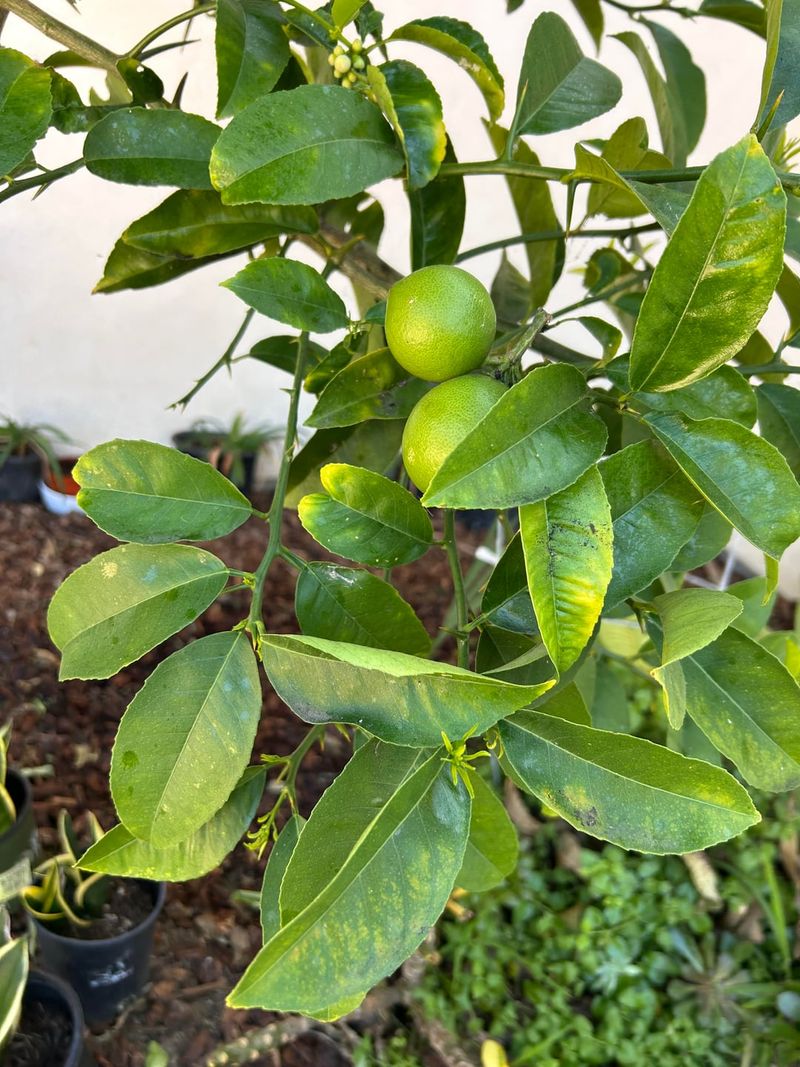
Citrus trees are one of the great joys of gardening in California. Oranges, lemons, limes, and grapefruits thrive in the state’s warm climate, but they are also heavy feeders that need regular fertilizing to perform their best.
Late spring is one of the most important times to give them a good meal.
Look for a fertilizer specifically labeled for citrus. These blends are formulated with the right balance of nitrogen, phosphorus, potassium, and micronutrients like iron and zinc that citrus trees crave.
Follow the package directions based on the size and age of your tree.
Spread the fertilizer evenly under the canopy of the tree, extending out to the drip line. That is where the feeder roots are most active.
Water it in well after applying so the nutrients start moving down into the root zone right away.
Yellow leaves on citrus are often a sign of nutrient deficiency, especially iron or nitrogen. Feeding now can help correct that issue before summer stress sets in.
In California, where citrus trees can produce fruit nearly year-round, keeping up with their nutritional needs makes a real difference in the size and flavor of your harvest.
7. Control Weeds Early
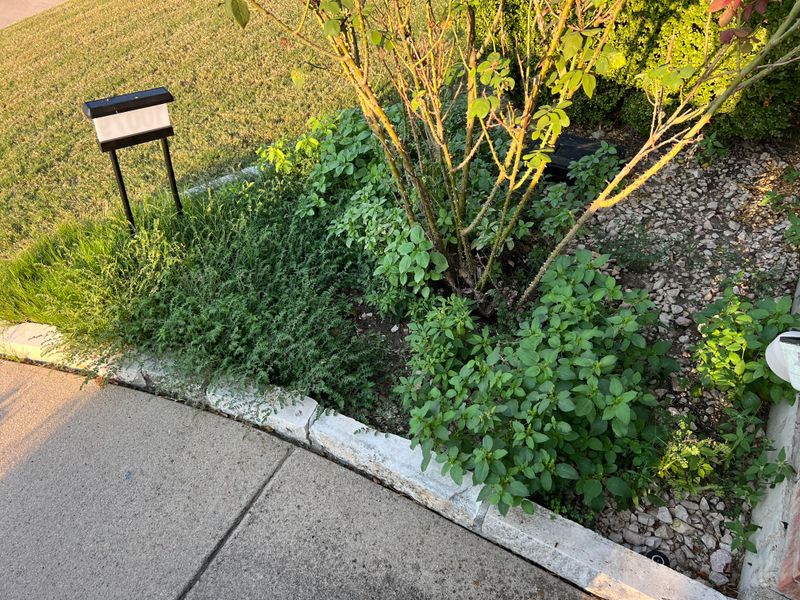
Weeds in California can go from a few scattered seedlings to a full-blown invasion in just a couple of weeks once the warm weather arrives. Getting ahead of them in May, before they set seed, is one of the most effective things you can do for your garden all season long.
Hand-pulling works well when the soil is moist. After a good watering, weeds come out much more easily with roots intact.
Leaving roots behind just means the weed grows back faster. A simple hand weeder tool makes the job quicker and saves your back a bit of strain.
For larger areas, a hoe is your best friend. Scraping just below the soil surface on a dry day cuts off weed seedlings before they get established.
The cut seedlings dry out quickly in California’s warm sun and rarely recover.
Pre-emergent herbicides are another option for pathways and ornamental beds where you are not planting seeds. These products prevent weed seeds from germinating in the first place.
Apply them according to the label and water them in. Staying consistent with weed control now means far less work through the hotter months when the last thing you want to do is spend extra time weeding.
8. Watch For Aphids
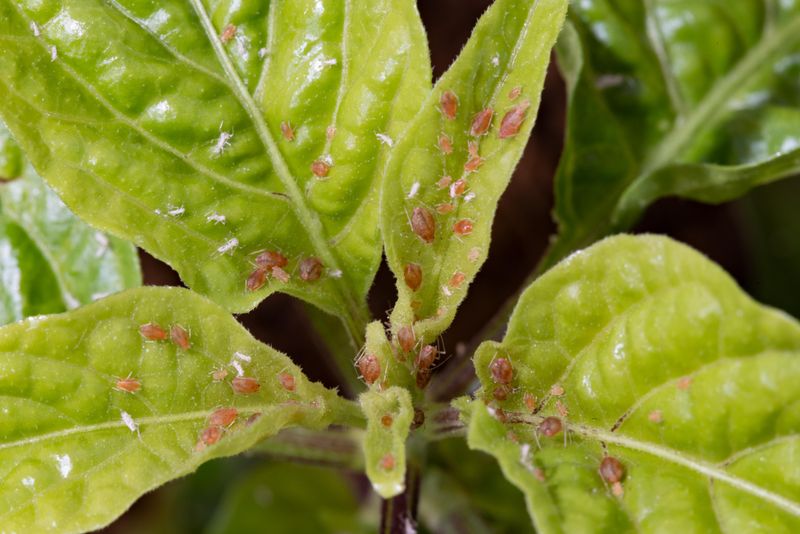
Aphids are tiny, but they can cause real headaches in a California garden. These small, soft-bodied insects cluster on new growth and feed by sucking sap from stems and leaves.
They reproduce fast, so a small group can become a large problem in just a few days if left unchecked.
Check the undersides of leaves regularly, especially on roses, tomatoes, peppers, and citrus. Aphids tend to hide there where it is harder to spot them at a glance.
Look for sticky residue on leaves, which is a telltale sign that aphids have been feeding nearby.
A strong spray of water from a garden hose knocks aphids off plants quickly and effectively. Do this in the morning so leaves have time to dry before evening.
Repeat every few days and the population drops fast without needing any chemicals at all.
If the infestation is more serious, insecticidal soap spray works well and is safe for most beneficial insects when applied carefully. You can also encourage natural predators like ladybugs and lacewings, which love to feast on aphids.
Planting flowers like marigolds and sweet alyssum nearby attracts these helpful insects and keeps your California garden naturally balanced all season long.