What Oregon Garden Beds Need Right Now Before Planting Anything Else
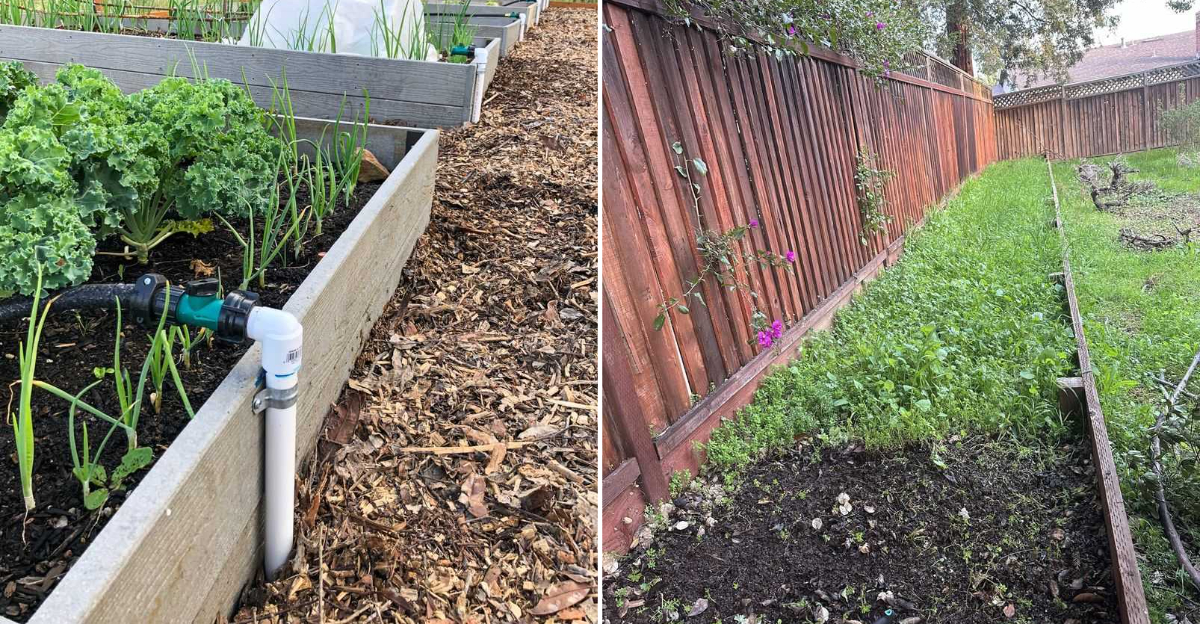
Before one more seedling jumps into the ground, Oregon garden beds deserve a little checkup. Spring can leave soil compacted, soggy, weedy, nutrient-hungry, or hiding surprise slug activity like it is running a secret underground club.
A few minutes of prep now can make everything planted later settle in faster and grow stronger.
Think crumbly soil instead of clumpy bricks, compost worked in before roots arrive, weeds removed before they start acting powerful, and moisture checked so plants are not dropped into either a swamp or a dust bowl.
This is also the perfect moment to refresh edges, fix irrigation, add supports, and make sure each bed is ready for the crop or flowers headed its way.
Oregon’s growing season can be generous, but it rewards gardeners who set the table first. Get the beds right now, and the next round of planting has a much better shot at taking off.
1. Better Drainage
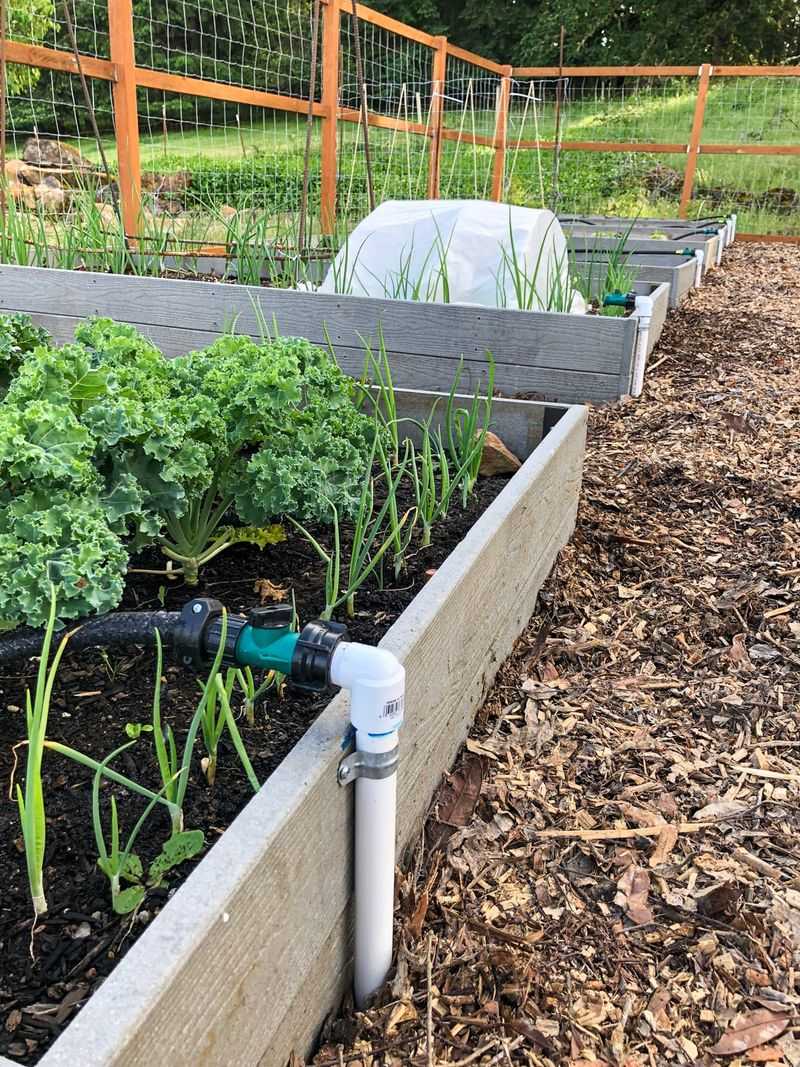
Standing water in your garden beds is one of the biggest problems Oregon gardeners face after a long, wet winter. The heavy clay soil that covers much of the Willamette Valley holds onto water like a sponge.
That soggy soil can suffocate plant roots before your seeds even get a chance to sprout.
The fix starts with loosening your soil. Use a garden fork to break up compacted areas at least 10 to 12 inches deep.
If your beds still drain slowly, consider mixing in coarse sand or fine gravel to open up the soil structure.
Raised beds are another great option for Oregon gardeners dealing with poor drainage. Lifting your growing area even six inches off the ground makes a huge difference.
You can also dig a simple French drain along the edge of a low-lying bed to redirect water away from the root zone.
Check your beds after a heavy rain. If water is still pooling 30 minutes later, your drainage needs more work.
Good drainage is the foundation of everything else on this list. Fix it first, and your plants will thank you all season long.
2. Fresh Compost
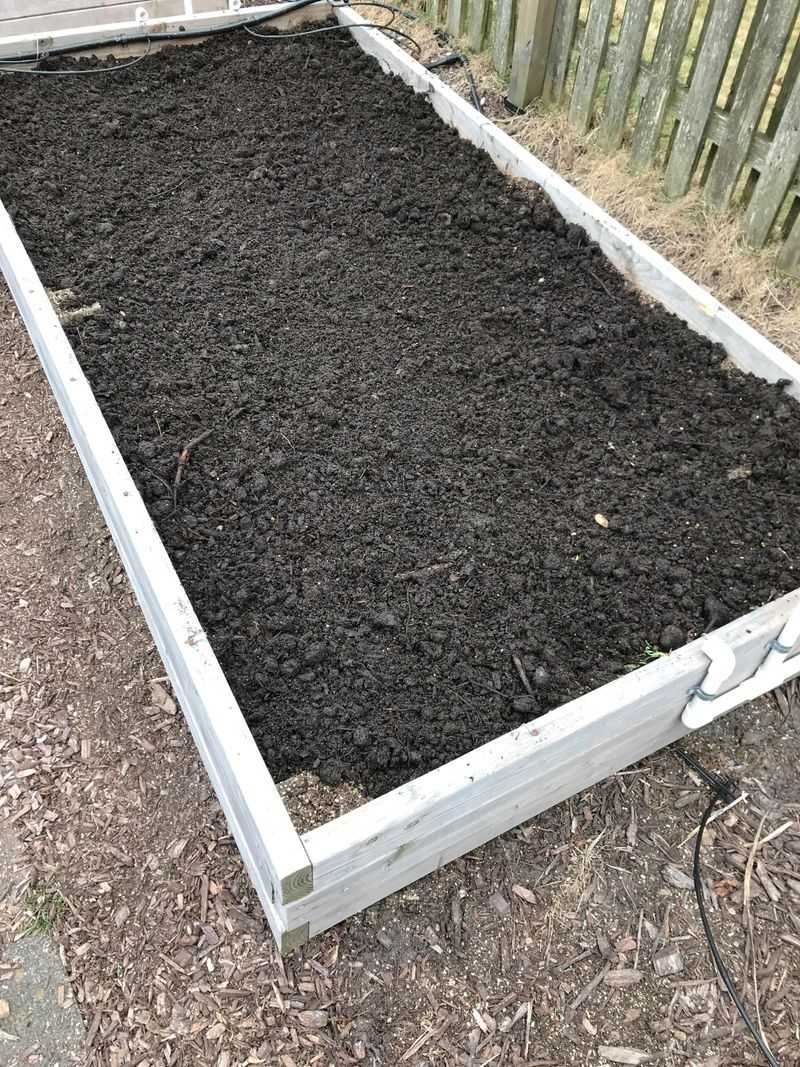
Nothing wakes up a tired garden bed quite like a fresh layer of compost. After months of rain and cold, Oregon soil tends to lose a lot of its nutrients and organic matter.
Compost puts that goodness back in and gives your plants the best possible start.
Aim to spread about two to three inches of finished compost across the top of your beds. Then work it gently into the top six inches of soil with a garden fork or tiller.
You do not need to dig it in too deep. Most of the soil life you want to feed lives close to the surface.
Homemade compost is always a great choice if you have it ready. But bagged compost from a local Oregon garden center works just as well.
Look for products made from wood waste or yard trimmings, which are common in the Pacific Northwest.
Adding compost every spring is one of the best habits an Oregon gardener can build. It improves both sandy and clay-heavy soils.
Your Oregon Garden Changes Every Week. Your Plan Should Too.
Gardening in Oregon changes quickly throughout the season. Every Friday you’ll receive a simple weekly plan showing exactly what to plant, prune, fertilize, harvest, and protect so you never miss the right timing.
It feeds earthworms and helpful bacteria. Over time, your beds will become richer, looser, and more productive with every season that passes.
3. Weed Removal
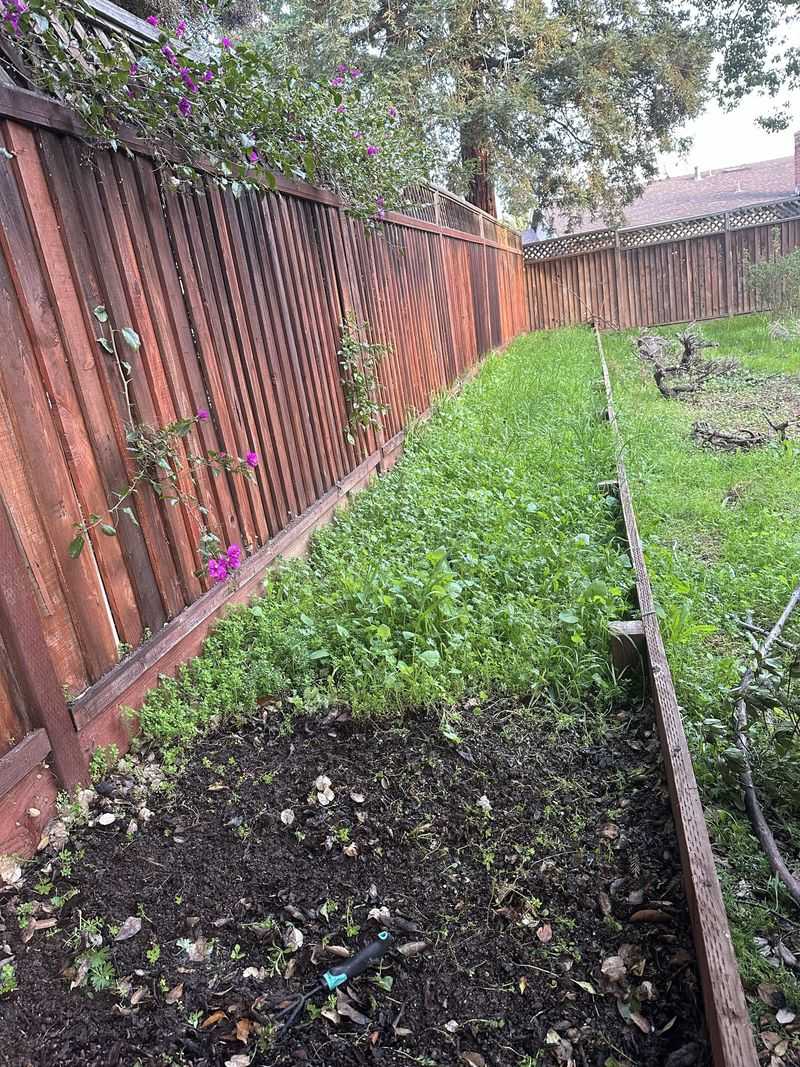
Weeds in Oregon do not take a break. Even during the coldest months, many common weeds like hairy bittercress, chickweed, and creeping buttercup keep growing.
By the time spring arrives, your beds can already be full of them if you are not careful.
Getting weeds out before you plant anything is critical. Pull them out by the roots while the soil is still moist from winter rain.
Wet soil makes root removal much easier and more complete. If you leave roots behind, the weeds will be back within weeks.
A long-handled hoe works well for clearing large areas quickly. A narrow hand weeder is better for getting into tight spots.
For stubborn perennial weeds like dandelions or dock, a soil knife helps you dig out the entire taproot without breaking it.
Try to weed before those plants go to seed. One dandelion can release hundreds of seeds into your beds.
Oregon winds spread them fast and wide. Removing weeds early saves you a lot of extra work later in the season.
Clean beds also make it easier to spot new weed seedlings as they pop up throughout the growing season.
4. Slug Control
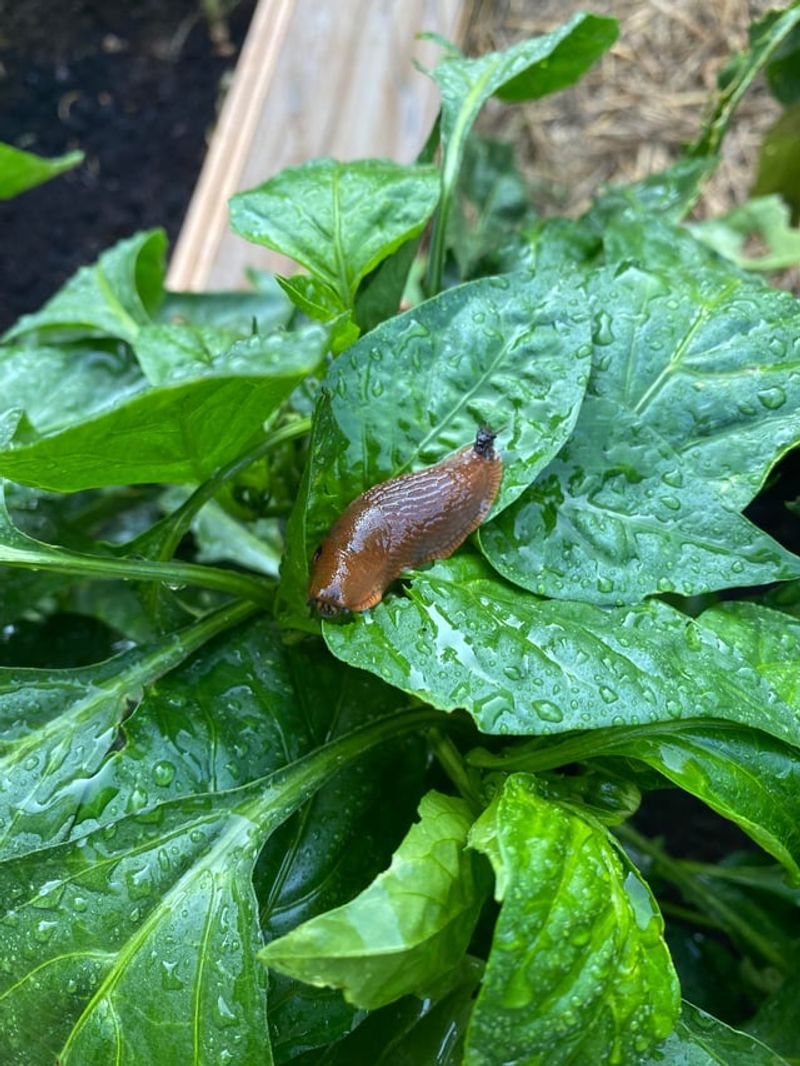
Ask any Oregon gardener what their number one pest is, and most will say slugs without hesitation. The damp, mild climate of the Pacific Northwest is basically paradise for slugs.
They can wipe out an entire row of seedlings in a single night.
Getting ahead of slugs before planting is smart strategy. Start checking your beds now, even before seeds go in.
Slugs hide under boards, rocks, and debris during the day. Clear away any hiding spots around the edges of your beds to reduce their numbers right away.
Iron phosphate bait is one of the safest and most effective options for Oregon gardens. It is safe around pets, wildlife, and children.
Sprinkle it around the perimeter of your beds and refresh it after heavy rain. Copper tape around raised bed edges can also help deter slugs from climbing in.
Beer traps are a classic method that still works well. Bury a shallow container level with the soil surface and fill it halfway with cheap beer.
Slugs are attracted to it and fall in. Empty and refill the traps every couple of days.
A combination of methods works better than relying on just one approach in Oregon gardens.
5. Balanced Fertilizer
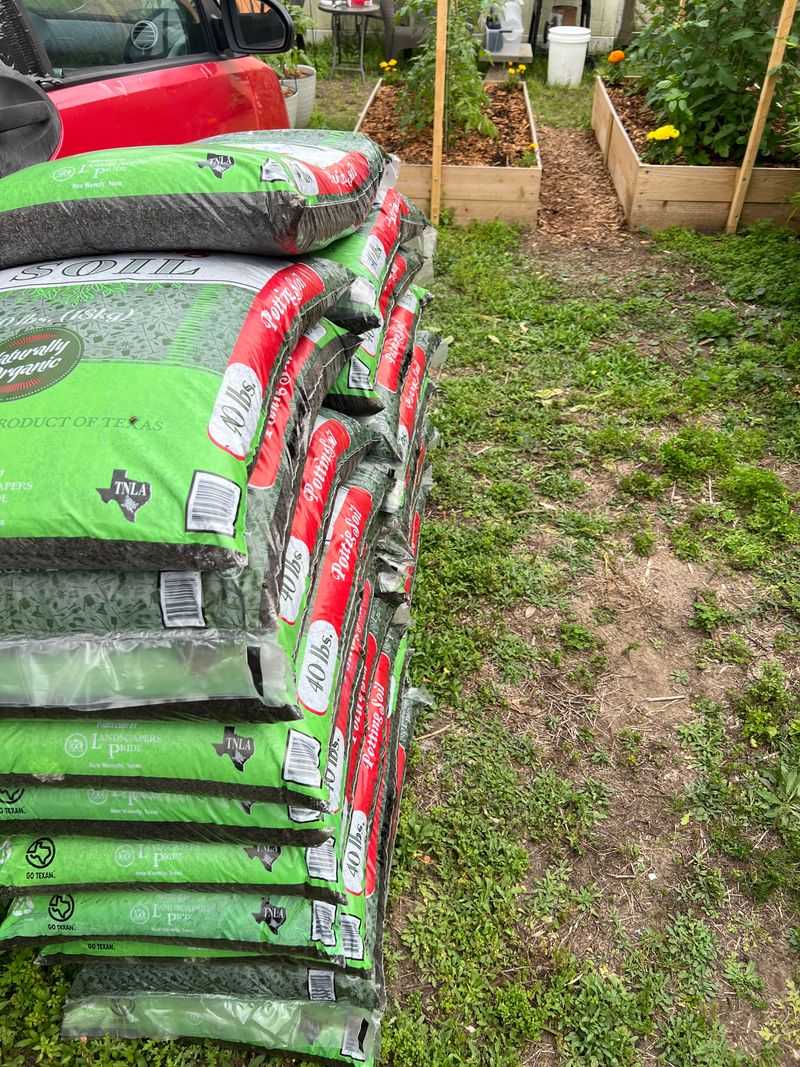
Even with fresh compost added to your beds, most Oregon soils benefit from a boost of balanced fertilizer before planting season kicks off. Compost feeds soil life slowly over time, but fertilizer gives plants the quick-access nutrients they need to grow strong right from the start.
A balanced fertilizer with equal parts nitrogen, phosphorus, and potassium, like a 10-10-10 blend, is a solid all-purpose choice. Nitrogen supports leafy green growth.
Phosphorus helps roots and flowers develop. Potassium builds overall plant strength and disease resistance.
Work the fertilizer into the top few inches of soil before planting. Follow the package directions carefully.
More is not always better with fertilizer. Too much nitrogen can cause plants to grow lots of leaves but very little fruit or root vegetables, which is frustrating after all your hard work.
Organic fertilizer options like fish meal, kelp meal, or bone meal are popular choices among Oregon gardeners who prefer to avoid synthetic products. These release nutrients more slowly and are less likely to burn tender roots.
Many local Oregon garden stores carry regional blends designed specifically for Pacific Northwest soil conditions, which makes finding the right product easier than ever.
6. Mulch Prep
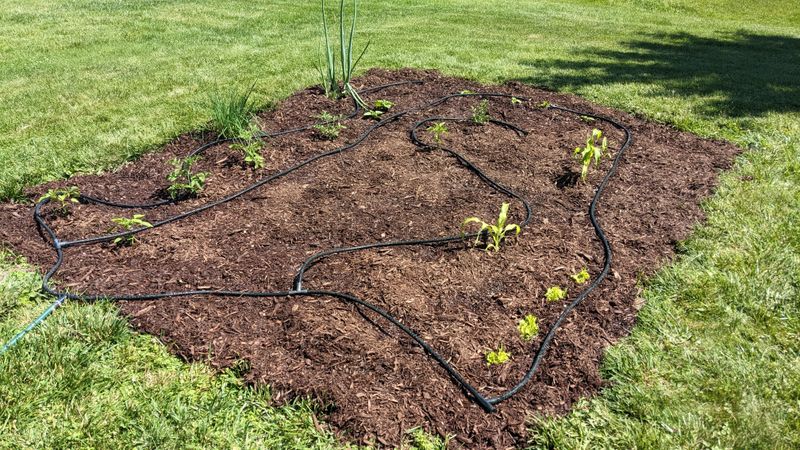
Mulch might not be the most exciting garden task, but it is one of the hardest-working tools in an Oregon gardener’s toolkit. A good layer of mulch keeps moisture in the soil, regulates soil temperature, and slows down weed growth all at the same time.
Before you add mulch, make sure your beds are fully weeded and fertilized. Mulching over weeds just gives them a cozy place to hide and keep growing.
Once your soil is prepped and ready, spread two to three inches of mulch across the surface of your beds.
Wood chips, straw, and shredded leaves are all excellent choices for Oregon gardens. Arborist wood chips are often available for free from local tree services in Oregon communities.
Straw is lightweight and easy to work with around seedlings. Shredded leaves from your own yard are a sustainable and cost-free option.
Keep mulch a few inches away from plant stems to prevent rot and give slugs fewer places to hide. Refresh your mulch layer mid-season if it breaks down quickly.
In Oregon, where rain is plentiful and decomposition happens fast, staying on top of mulch makes a noticeable difference in how healthy and productive your garden beds stay all season.
7. Irrigation Check
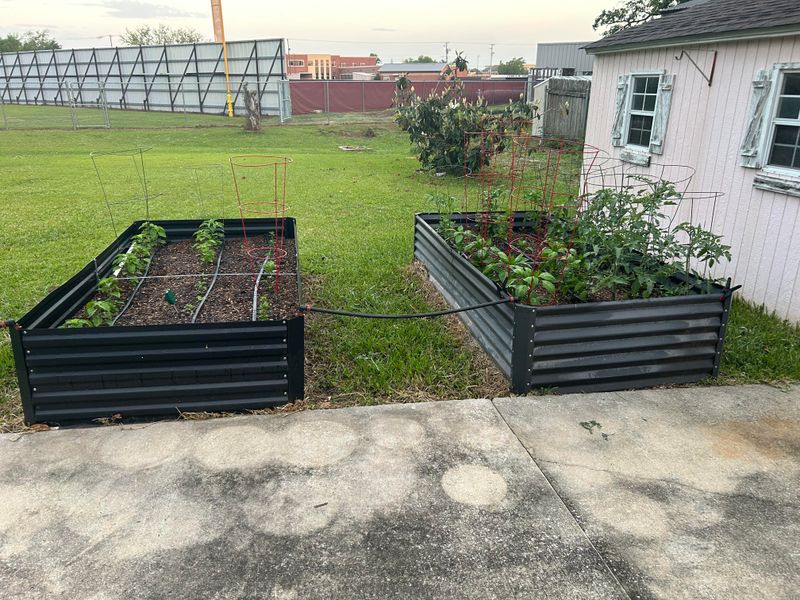
It might seem strange to think about irrigation in Oregon, where it rains so much during the fall and winter. But Oregon summers, especially in the Willamette Valley and Central Oregon, can be surprisingly dry and warm.
Having your irrigation system ready before planting season saves a lot of stress later on.
Start by inspecting your hoses, drip lines, and sprinkler heads for any cracks or clogs that developed over winter. Freezing temperatures can damage irrigation components even in mild Oregon winters.
Turn on your system and walk through your garden to spot any problems before they become urgent.
Drip irrigation is especially popular in Oregon because it delivers water directly to the root zone. This reduces water waste and keeps foliage dry, which helps prevent fungal issues that are common in the Pacific Northwest.
Soaker hoses are a more affordable alternative that work well in raised beds and rows.
Set a watering schedule now so you are not scrambling once summer heat arrives. Most Oregon vegetable gardens need about one inch of water per week during the growing season.
A simple rain gauge helps you track how much natural rainfall you are getting so you only supplement when truly needed. Being proactive with irrigation planning pays off big time.