8 Bee-Friendly Flowers That Thrive In Arizona Gardens
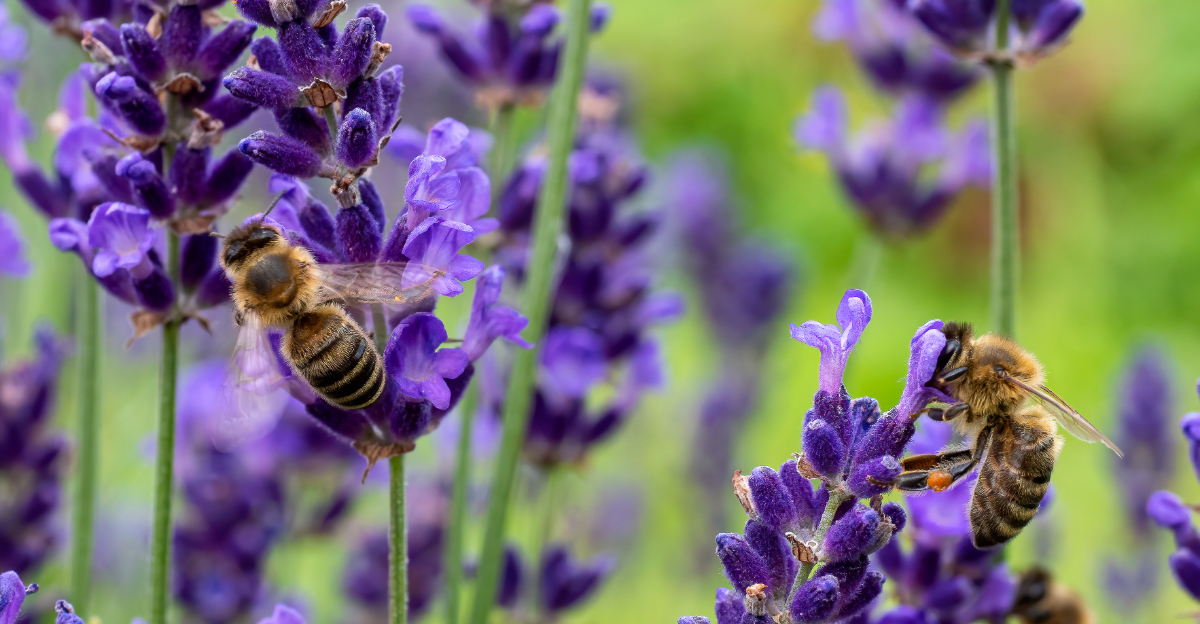
Bees show up fast in Arizona when the right flowers are in place, and their presence can change the entire feel of a garden. Beds that once looked quiet can turn active, with constant movement and a steady sense of life that makes the space feel more complete.
Not every flower draws that kind of attention, especially under intense sun and dry conditions. Some fade out too quickly, while others fail to produce what pollinators need to stick around.
Certain flowers hold up through the heat and continue to attract bees without extra effort. Color stays strong, blooms last longer, and the garden keeps that lively energy even as temperatures rise.
With the right choices, it becomes easy to support pollinators while keeping the garden full, bright, and active through the season.
1. Lavender Attracts Bees With Fragrant Purple Blooms
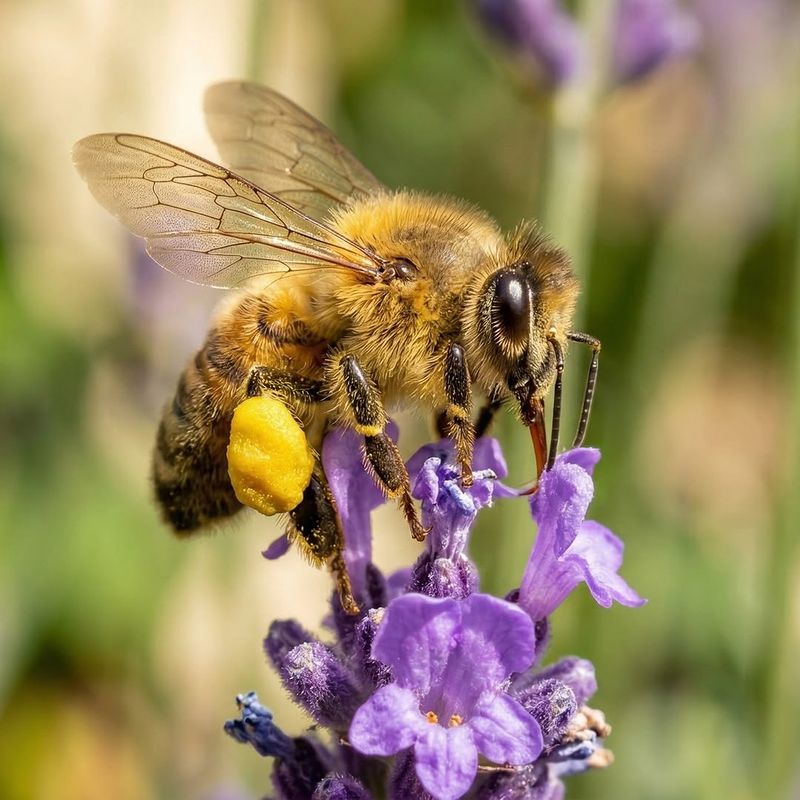
Bees find lavender almost impossible to ignore. Walk past a blooming lavender plant on a warm Arizona morning, and you will likely hear it buzzing before you even see it.
Spanish lavender varieties hold up better in Arizona’s low-desert heat than English types, so picking the right kind matters more than most people realize.
Plant lavender in a spot with full sun and sandy or rocky, well-draining soil. Heavy clay or consistently wet soil will cause problems fast.
In Phoenix or Tucson, spring and fall are the most reliable bloom times, though fall planting tends to give roots a better chance to settle before summer arrives.
Bees are drawn to both the nectar and the scent. Honeybees, native bees, and bumblebees all visit regularly when lavender is in flower.
Trimming back the spent blooms lightly after each flush can encourage more flowers and keep the plant looking tidy without stressing it. Lavender does not need much fertilizer, and overfeeding actually reduces the flower count.
A layer of gravel mulch around the base helps reflect heat and keeps roots from sitting in moisture. In Arizona, this plant performs best when left relatively lean and dry, which mirrors the conditions it naturally prefers.
Give it space for airflow, and it rewards you with season after season of pollinator activity.
2. Salvia Draws Pollinators With Nectar-Rich Flowers
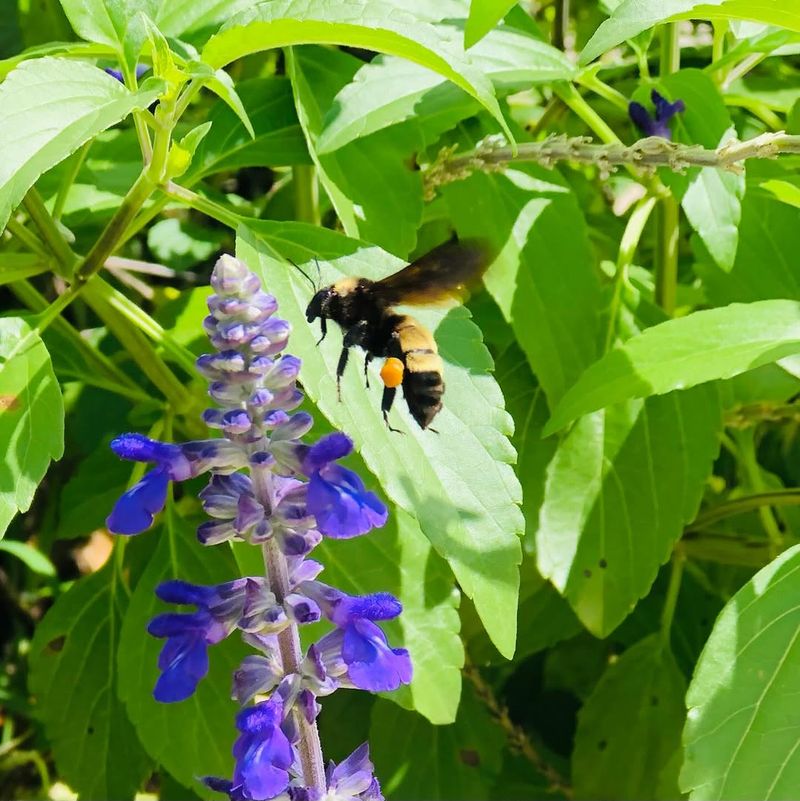
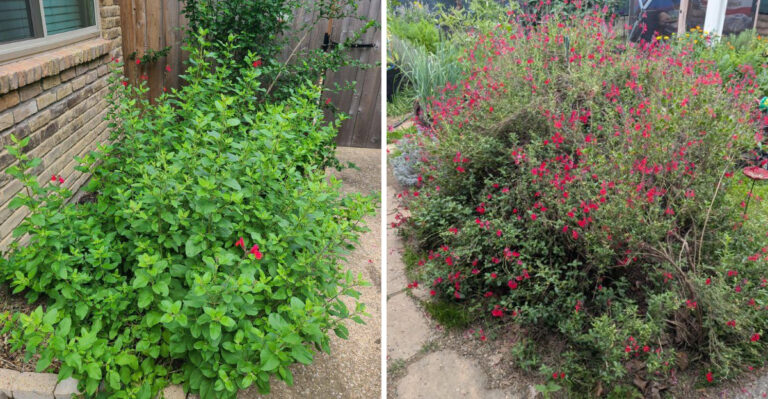
Salvia might be the single most reliable pollinator plant you can grow in Arizona. There are dozens of species to choose from, and several of them handle desert heat without much fuss.
Autumn sage, desert sage, and Cleveland sage all perform well across different Arizona elevations and bloom at different times, which means you can stagger your plantings for a longer season of bee activity.
Bees are particularly attracted to the tubular flower shape, which fits perfectly with how they feed. The nectar sits deep inside each bloom, and bees have to work for it, which makes salvia a true food source rather than just a casual stop.
Hummingbirds visit too, but bees tend to be the most consistent visitors throughout the day.
Salvia plants in Arizona benefit from a hard cutback after the main bloom period fades. Cutting stems back by about a third encourages fresh growth and another round of flowers.
Your Arizona Garden Changes Every Week. Your Plan Should Too.
Gardening in Arizona changes quickly throughout the season. Every Friday you’ll receive a simple weekly plan showing exactly what to plant, prune, fertilize, harvest, and protect so you never miss the right timing.
Avoid cutting into woody stems too aggressively, as that can slow recovery. Full sun is ideal, and most salvia types need very little supplemental water once their roots are established in the ground.
Planting in fall gives them the best start. Rich, amended soil is not necessary and can actually make plants leggy and less productive.
Keep conditions lean, give them room, and salvia will bring consistent bee traffic to your Arizona yard.
3. Penstemon Supports Native Bees With Tubular Blooms
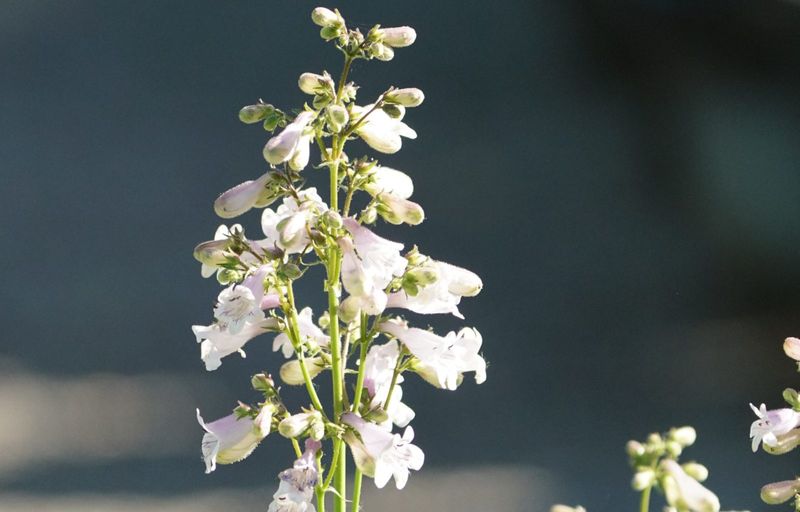
Native bees in Arizona have a special relationship with penstemon. The tubular blooms are sized almost perfectly for bumblebees and medium-sized native bees to crawl inside and collect nectar efficiently.
Palmer’s penstemon and Firecracker penstemon are two species that show up well in Arizona landscapes and bloom reliably from late winter through spring.
One thing that surprises a lot of gardeners is how early penstemon starts blooming. In lower Arizona elevations, you can see flowers as early as February, which is a critical time for bees that are just becoming active again.
Having a nectar source ready that early gives native bee populations a real boost heading into the main season.
Penstemon prefers gravelly, fast-draining soil and full sun. Planting it in amended, moisture-retaining soil tends to shorten its lifespan in Arizona’s climate.
Rocky slopes or raised beds work especially well. Water deeply but infrequently once plants are settled in, and avoid overhead watering that keeps foliage wet.
Seeds can be scattered in fall for spring germination, or you can start with nursery transplants. Some species reseed on their own when conditions suit them.
Deadheading spent flower stalks can tidy up the plant, but leaving a few stalks standing gives small birds a seed source in late summer. Penstemon is one of those plants that genuinely earns its spot in an Arizona pollinator garden.
4. Blanket Flower Provides Long-Lasting Nectar Sources
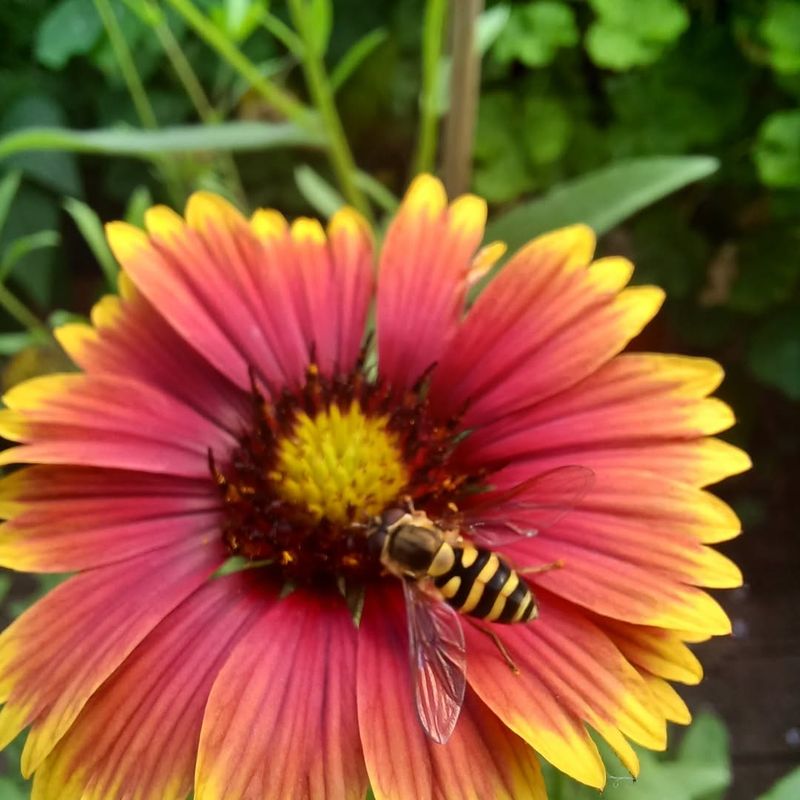
Few flowers stay in bloom as long as blanket flower does in Arizona. Gaillardia, commonly called blanket flower, can push out blooms from late spring all the way through fall if it gets enough sun and occasional deadheading.
That extended season makes it genuinely useful for bees looking for consistent nectar sources during the hotter months when other plants have already finished flowering.
The bold orange and red petals with yellow tips make it easy to spot in any garden bed. Bees, especially native species, zero in on the central disc where pollen and nectar are concentrated.
The disc florets are packed tightly and offer a productive feeding stop for pollinators moving through your yard.
Blanket flower handles Arizona heat well but does need some water during the driest stretches of summer. Deep watering every week or so, rather than frequent shallow watering, encourages stronger root development.
Sandy or loamy soil suits it better than heavy clay. Dividing clumps every two to three years helps keep plants vigorous and producing more flowers.
Blanket flower can be started from seed, and direct sowing in early spring or fall works reasonably well in Arizona. Seedlings are not always identical to the parent plant in color, which adds some variety.
If you want bees visiting your garden from May through October in Arizona, blanket flower is one of the more dependable choices available.
5. Desert Marigold Attracts Bees With Bright Yellow Blooms
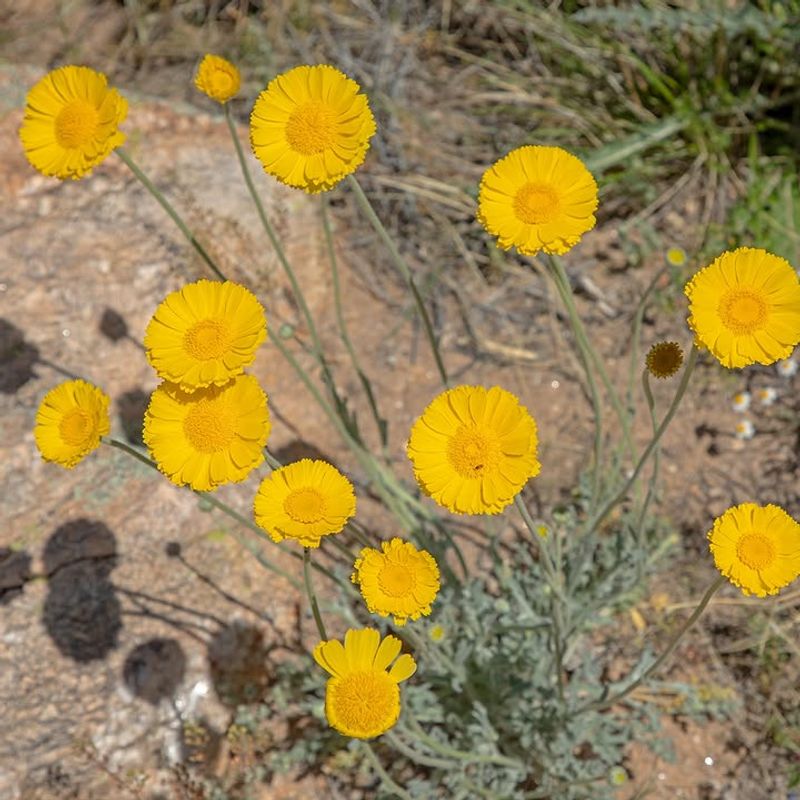
Desert marigold is about as Arizona as it gets. Baileya multiradiata grows wild across the Sonoran Desert and pops up along roadsides and dry washes throughout the state.
In a garden setting, it brings that same tough, cheerful energy and blooms for months at a stretch, especially if spent flowers are removed occasionally to keep the cycle going.
Honeybees and native bees both visit the bright yellow blooms frequently. The flowers are wide and open, making nectar and pollen accessible without much effort on the bee’s part.
That accessibility is part of what makes desert marigold a high-traffic plant during its blooming season.
Full sun and very well-draining soil are the two things desert marigold needs most. It handles poor, rocky soil without complaint and actually performs worse when given rich, fertilized ground.
Overwatering is the most common issue gardeners run into, especially in irrigated landscapes. Letting the soil dry out fully between waterings keeps this plant healthier.
Desert marigold is a short-lived perennial, meaning individual plants may not last more than two or three years, but they reseed readily and tend to keep a colony going on their own. In Phoenix, Tucson, and other lower-elevation Arizona areas, it can bloom from spring through late fall with minimal intervention.
Plant it in drifts for visual impact and to create a concentrated nectar zone that bees will return to consistently.
6. Globe Mallow Supports Pollinators In Dry Conditions
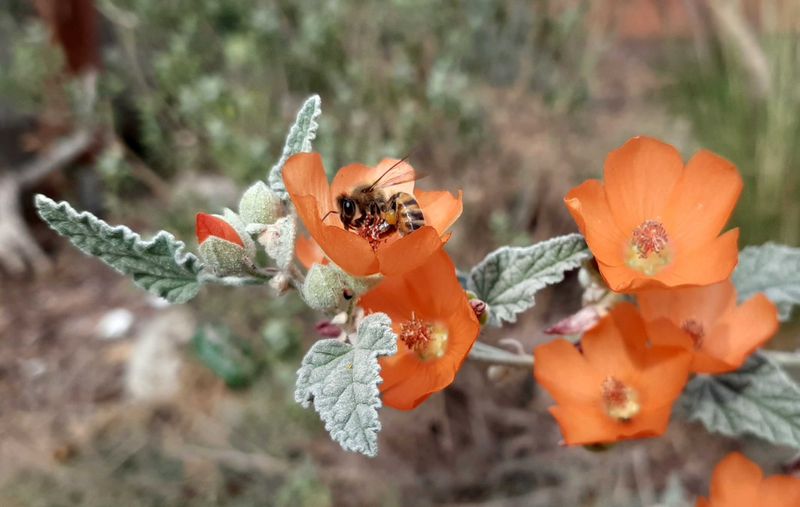
Globe mallow is the kind of plant that earns respect the longer you garden in Arizona. Sphaeralcea, the genus most commonly found here, produces clusters of small cup-shaped flowers in shades of orange, red, pink, and occasionally white.
It blooms heavily in spring and often pushes out another round in fall if summer monsoon rains arrive on schedule.
Native bees are especially fond of globe mallow. Some specialist bee species in the Southwest actually depend on plants in the mallow family as a primary pollen source, which makes globe mallow more than just a pretty addition to a pollinator garden.
Planting it supports bee species you might not even see easily but that play an important role in local ecosystems.
Globe mallow is genuinely tough in dry conditions. It grows in rocky, gravelly, or sandy soils across Arizona and does not need regular irrigation once it has settled into a spot.
Too much water, particularly in summer, can cause root problems. Established plants can handle extended dry periods without showing much stress.
Pruning back hard in late winter encourages vigorous new growth and more blooms in spring. Wear gloves when working with globe mallow since the tiny leaf hairs can irritate skin.
Nurseries across Arizona carry it, and it is also available from native plant specialists who stock locally sourced seed. For a low-water, high-impact pollinator plant, globe mallow is hard to beat.
7. Sunflower Draws Bees With Large Pollen-Rich Centers
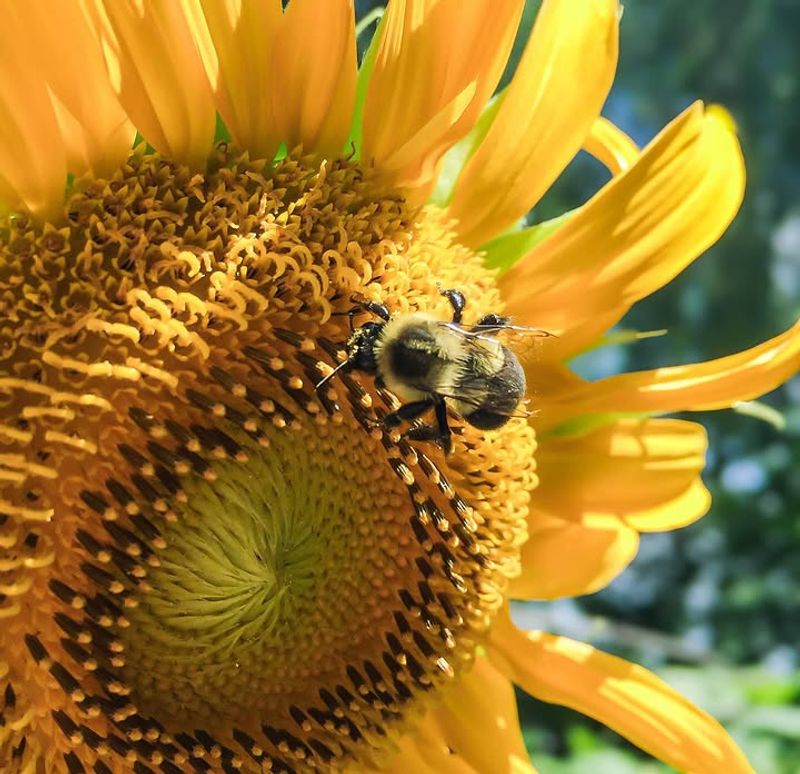
Sunflowers and bees have one of the most visible relationships in any garden. Stand next to a blooming sunflower in an Arizona summer and you will watch bees methodically work their way across the entire disc, loading up on pollen until their leg sacs are visibly yellow.
The sheer amount of pollen a single sunflower head produces makes it a high-value stop for bees of all kinds.
Native sunflower species like Helianthus annuus grow wild across Arizona and are well-suited to the climate. Pollen production in native and open-pollinated varieties tends to be much higher than in double-flowered or hybrid types bred for appearance.
If supporting bees is the goal, stick with single-flowered varieties where the disc is fully accessible.
Sunflowers in Arizona grow best when direct-seeded after the last frost, which varies by elevation but falls between February and April for most of the state.
They need full sun and moderate water during the growing season, though they handle dry stretches better than many vegetable garden plants.
Taller varieties may need staking in areas with strong monsoon winds. Planting in batches two to three weeks apart extends the overall blooming window and keeps fresh flowers available for bees longer.
After blooming finishes, leaving the seed heads standing gives birds a food source and lets any seeds that fall naturally reseed for next season. Sunflowers are one of the most straightforward and rewarding additions to an Arizona pollinator garden.
8. Verbena Attracts Bees With Continuous Flowering
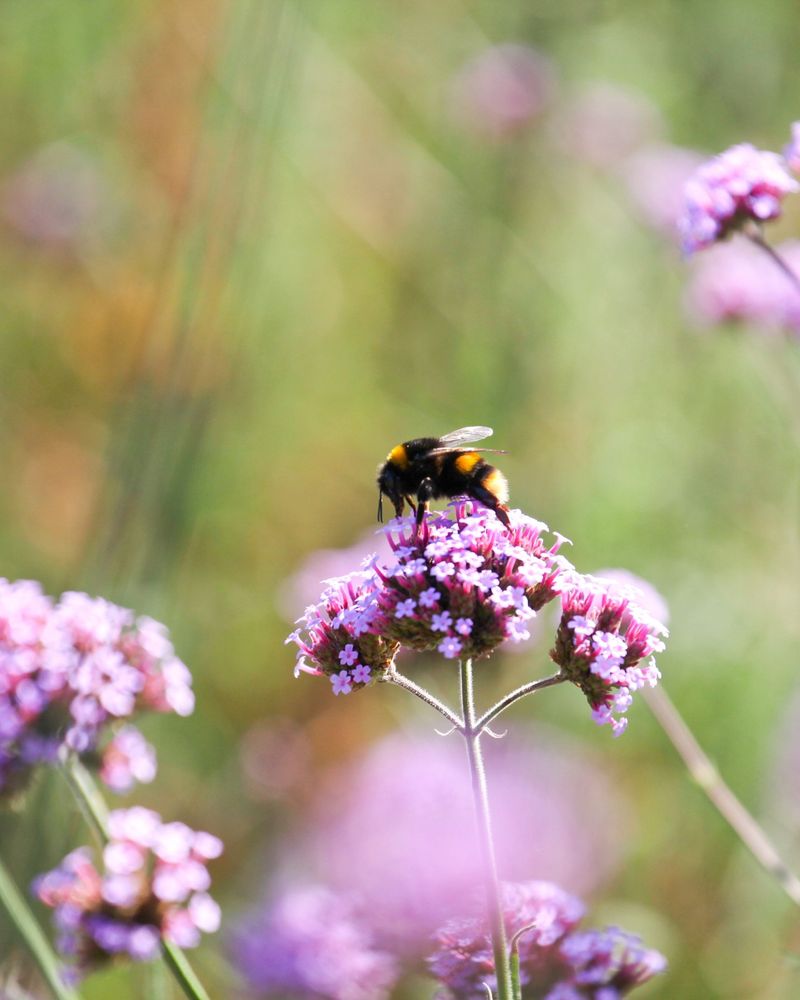
Verbena has a work ethic that most flowering plants cannot match.
Goodding’s verbena and trailing verbena varieties native to or well-adapted to Arizona bloom almost continuously from late winter through early summer, then often rebound after monsoon rains bring relief from peak summer heat.
That near-constant flowering makes verbena one of the most practical bee plants you can add to an Arizona garden.
Bees visit verbena flowers in steady numbers throughout the day. The flower clusters are small individually, but each plant produces them in such quantity that the overall nectar and pollen output adds up quickly.
Smaller native bee species seem particularly drawn to verbena, likely because the flower size matches their feeding range well.
Verbena spreads as it grows, which makes it useful as a ground cover in sunny spots or along the edges of garden beds. Trailing types fill in gaps nicely and can spill over walls or raised bed edges without becoming invasive in most Arizona settings.
Water verbena deeply but allow the soil to dry between sessions. Soggy roots in Arizona’s summer heat create problems.
Cutting plants back by about half after the spring bloom push often triggers a fresh flush of growth and flowers heading into fall. Verbena is widely available at Arizona nurseries and can handle full sun in most parts of the state.
For continuous bee activity across multiple seasons, few plants at this size deliver as consistently as verbena does.