The Most Overrated Plants In Texas Landscaping
Every region has its landscaping darlings, and Texas is no exception. These are the plants that show up in every garden center display, get recommended by every well-meaning neighbor, and somehow end up in front yards across the entire state regardless of whether they’re actually the best option for the job.
They’re not bad plants necessarily, but the reputation many of them carry is running well ahead of the reality. Overrated doesn’t mean useless.
It means the hype doesn’t quite match the performance, or that better alternatives exist and nobody is talking about them because these familiar names keep taking up all the space in the conversation.
Texas gardeners deserve honest information about what’s actually worth planting and what’s just coasting on a reputation built years ago.
Some of these plants will surprise you. A few of them are probably sitting in your yard right now, and once you read this, you’ll start seeing them a little differently.
1. St. Augustine Grass
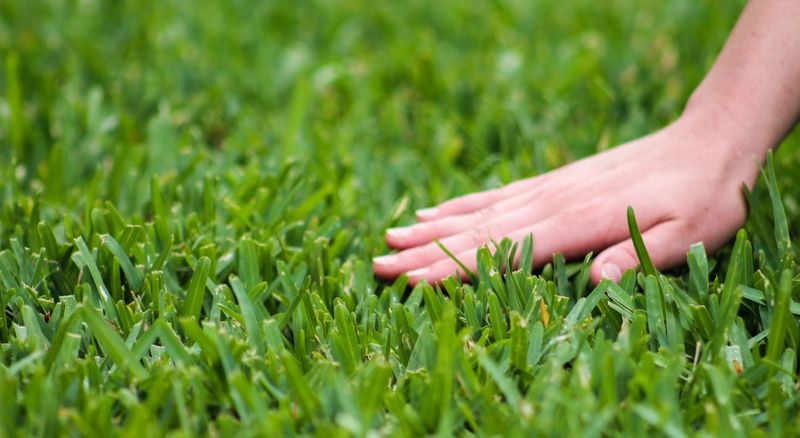
Walk through almost any Texas neighborhood and you will likely spot a lawn full of St. Augustine grass. It is thick, green, and looks beautiful in the spring. But once the Texas summer kicks in, the problems start piling up fast.
St. Augustine grass is one of the thirstiest lawn options out there. It needs a serious amount of water to stay green during dry spells, which is a big deal in a state that faces drought conditions regularly.
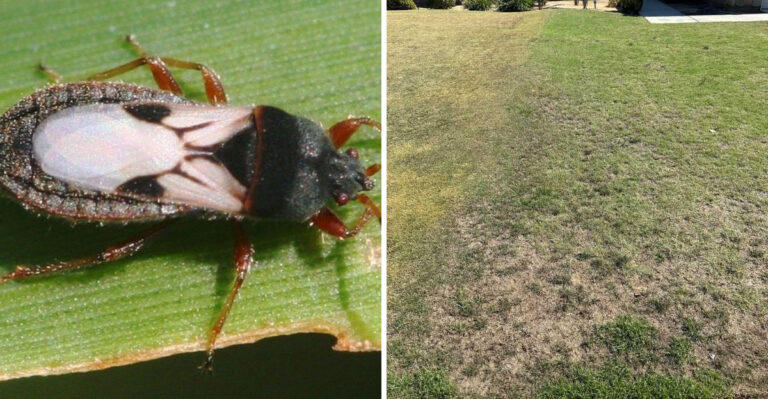
Water bills can shoot up quickly when you are trying to keep this grass looking good. Beyond the water demands, St. Augustine grass is also very prone to pests. Chinch bugs are a major problem in Texas, and they love feasting on this type of grass.
Fungal diseases like brown patch can also spread quickly, especially after heavy rain followed by heat.
Shade tolerance is one area where St. Augustine does perform well, but even that benefit gets outweighed by all the extra maintenance. Many Texas homeowners spend more time and money nursing this grass than enjoying their yard.
Native grass options like buffalo grass or zoysia are far better suited to Texas conditions. They need less water, handle the heat better, and still give you a solid-looking lawn without all the headaches.
2. Hybrid Tea Roses
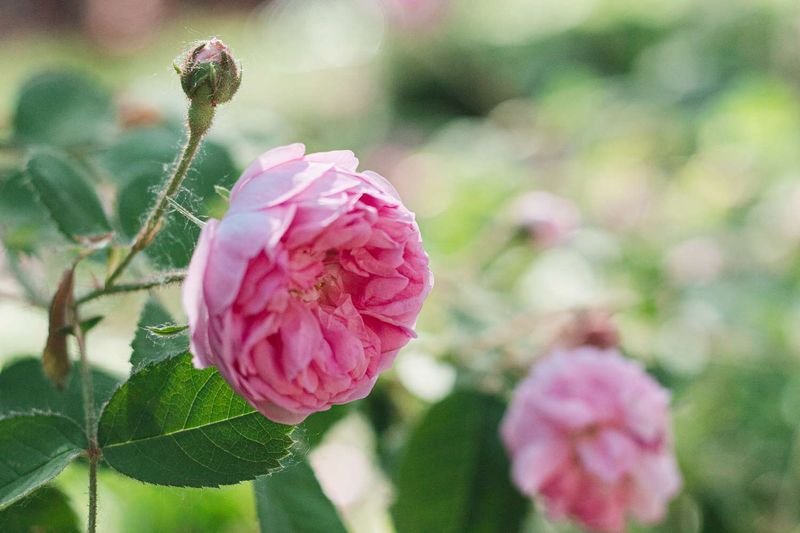
Few flowers get as much love as the Hybrid Tea Rose. Those big, perfect blooms look like something straight out of a magazine.
But growing them in Texas is honestly one of the most demanding gardening challenges you can take on.
The Texas heat is relentless, and Hybrid Tea Roses absolutely hate it. They need regular deep watering, which adds up fast during a dry Texas summer.
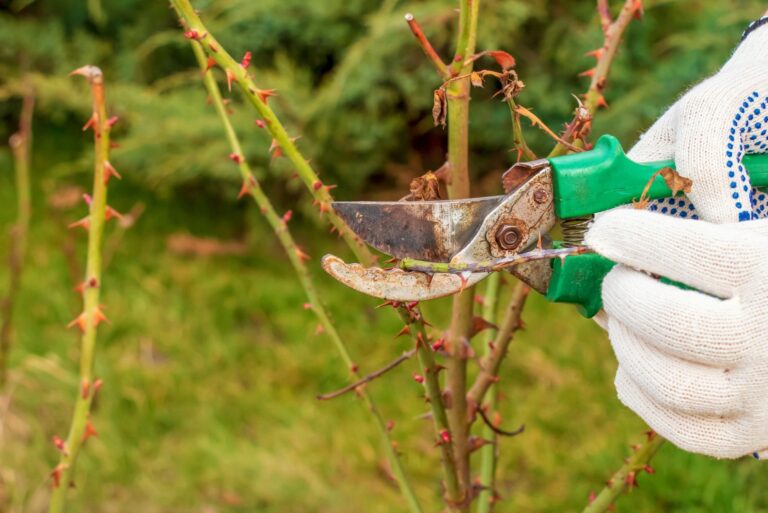
On top of that, they require consistent fertilizing, pruning, and spraying to stay healthy and looking their best.
Fungal diseases like black spot and powdery mildew thrive in the warm, humid conditions that parts of Texas experience.
Without a regular spray schedule, your rose bushes can look ragged and bare within just a few weeks. Spider mites are another headache that Texas rose growers deal with constantly.
Your Texas Garden Changes Every Week. Your Plan Should Too.
Gardening in Texas changes quickly throughout the season. Every Friday you’ll receive a simple weekly plan showing exactly what to plant, prune, fertilize, harvest, and protect so you never miss the right timing.
The time commitment alone is enough to make most gardeners step back and reconsider. You are essentially signing up for a part-time job when you plant a row of Hybrid Tea Roses in a Texas yard.
Knock Out Roses are a much smarter swap. They are tougher, need far less care, and still produce cheerful blooms throughout the season.
For Texas gardeners who want beauty without the burnout, Hybrid Tea Roses are rarely worth the effort.
3. Hydrangeas (Bigleaf Types)
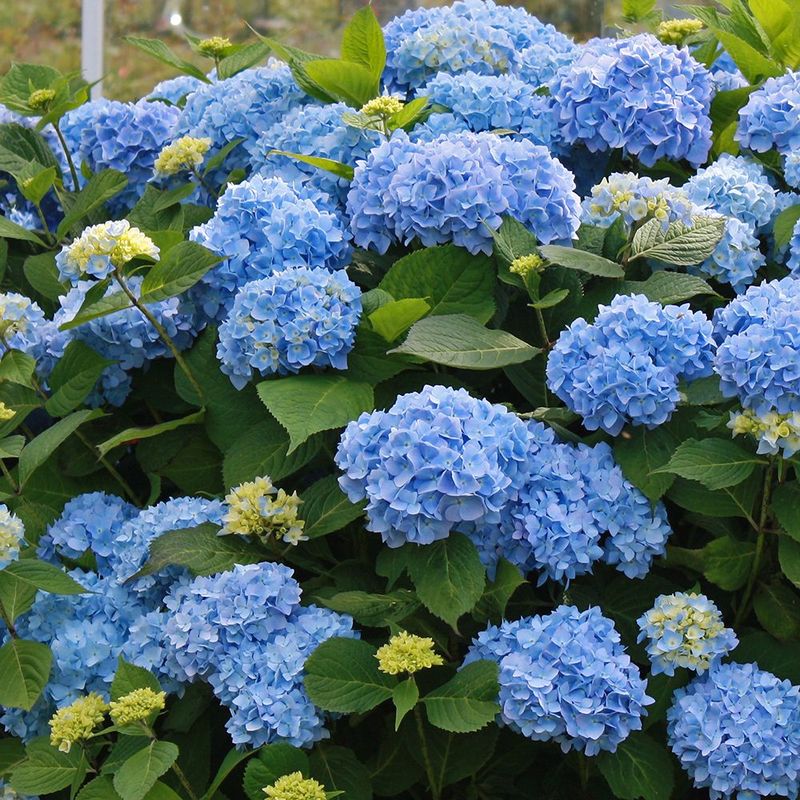
Hydrangeas are absolutely stunning, and it is easy to understand why so many Texas homeowners want them in their yards. Those big, round flower clusters in shades of pink, blue, and white look incredible.
The reality of growing bigleaf hydrangeas in Texas, though, is a whole different story. Bigleaf hydrangeas were not built for the Texas sun. The afternoon heat in most parts of the state is just too intense for these plants.
Leaves scorch and turn crispy brown around the edges, and the flowers fade fast or fail to open properly. Even in spots with afternoon shade, the heat radiating from the ground and surrounding surfaces can still cause serious stress.
Keeping bigleaf hydrangeas alive in Texas means constant watering, sometimes twice a day during peak summer. They also need well-draining, moisture-retaining soil, which takes extra effort to maintain in the clay-heavy or sandy soils common across the state.
Oakleaf hydrangeas are a much better choice for Texas gardeners. They are native to the southeastern United States, handle heat and drought far more gracefully, and still produce gorgeous white flower clusters.
If you have your heart set on hydrangeas in your Texas landscape, go with the oakleaf variety and save yourself a season full of frustration and wilted disappointment.
4. Boxwood
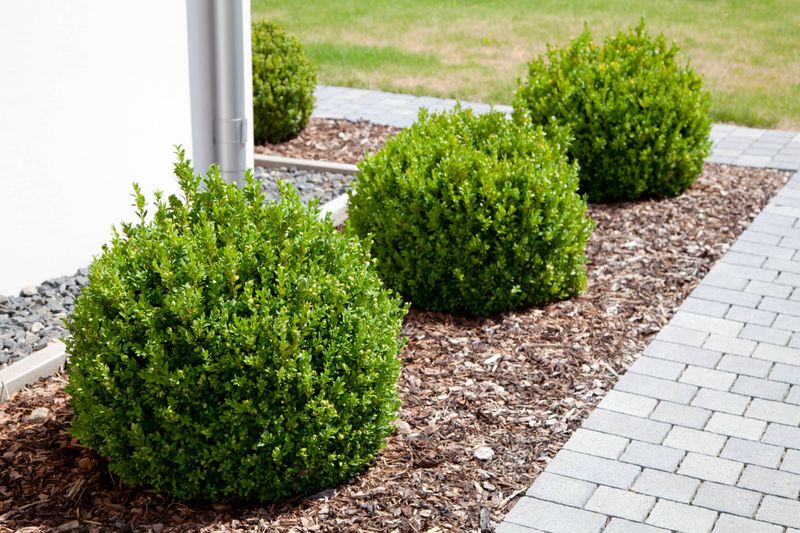
Boxwoods have been a go-to choice for formal gardens and neat hedges for decades. Their tidy, evergreen look makes them appealing for framing driveways, walkways, and garden beds. But in Texas, boxwoods often end up being more trouble than they are worth.
Extreme heat and intense sun exposure are two things boxwoods really struggle with across much of Texas.
When temperatures climb into the triple digits, boxwoods can develop leaf scorch, turning an ugly yellow-brown color that ruins the polished look you were going for.
Poor air circulation in humid areas of the state also sets the stage for boxwood blight, a destructive fungal disease that spreads quickly and is hard to control.
Root rot is another common problem, especially in areas of Texas with heavy clay soil that holds too much moisture after rain.
The combination of heat stress and soil issues can cause even well-established boxwood plants to decline rapidly over just one tough summer season.
Maintenance needs are also higher than most people expect. Regular pruning, soil amendments, and fungicide treatments add up in both time and cost.
Yaupon holly is a native Texas alternative that offers a similar structured, evergreen look with far better heat and drought tolerance.
Making the switch can save you a lot of frustration and keep your landscape looking sharp year-round.
5. Azaleas (Outside East Texas)
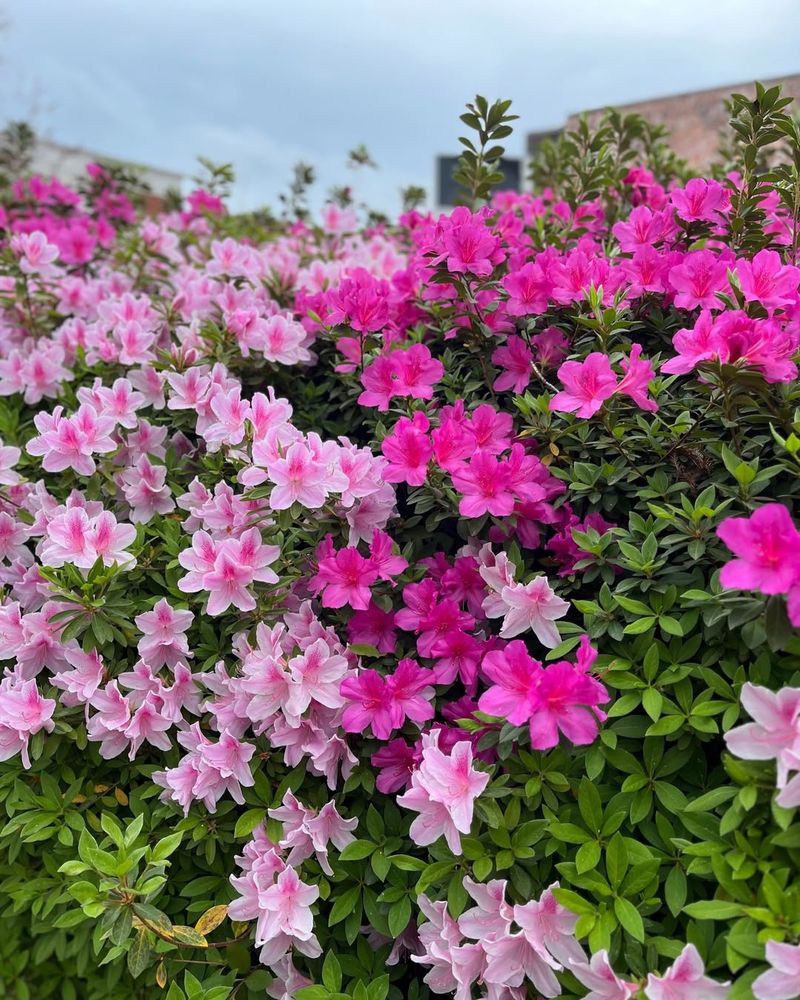
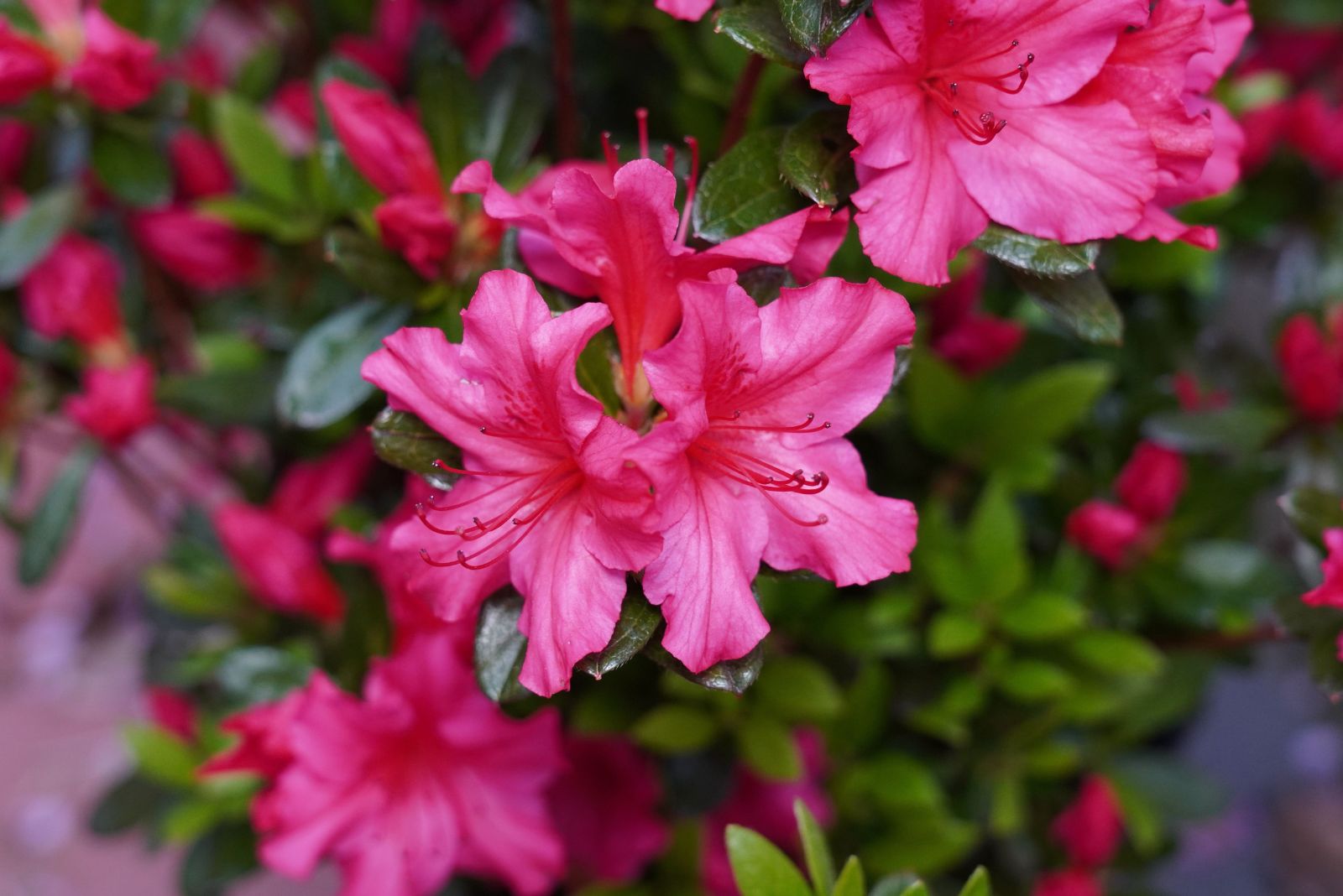
Azaleas put on one of the most spectacular spring shows in the plant world. Masses of bright blooms in pink, red, white, and purple make them incredibly tempting at the garden center.
In East Texas, where the soil is naturally more acidic and rainfall is higher, azaleas can actually do quite well. Step outside that region, though, and things get complicated fast.
Central and West Texas have alkaline soils that azaleas simply cannot thrive in. These plants need acidic conditions to absorb the nutrients they require, and when the soil pH is too high, they turn yellow and struggle to grow.
Trying to fix this with soil amendments is possible, but it requires ongoing effort and expense that most gardeners do not anticipate.
Moisture is the other big challenge. Azaleas need consistently moist soil, but they also hate sitting in waterlogged conditions.
Striking that balance in the hot, dry summers common across much of Texas is genuinely difficult. Even with drip irrigation, many azaleas planted outside East Texas look stressed and patchy for most of the year.
Texas sage or cenizo is a fantastic native alternative. It thrives in alkaline soil, handles drought like a champ, and produces beautiful purple blooms after rain.
For most Texas gardeners outside the Piney Woods region, azaleas are a high-effort plant that rarely delivers the payoff they promise.
6. Fescue Grass (Cool-Season Lawns)
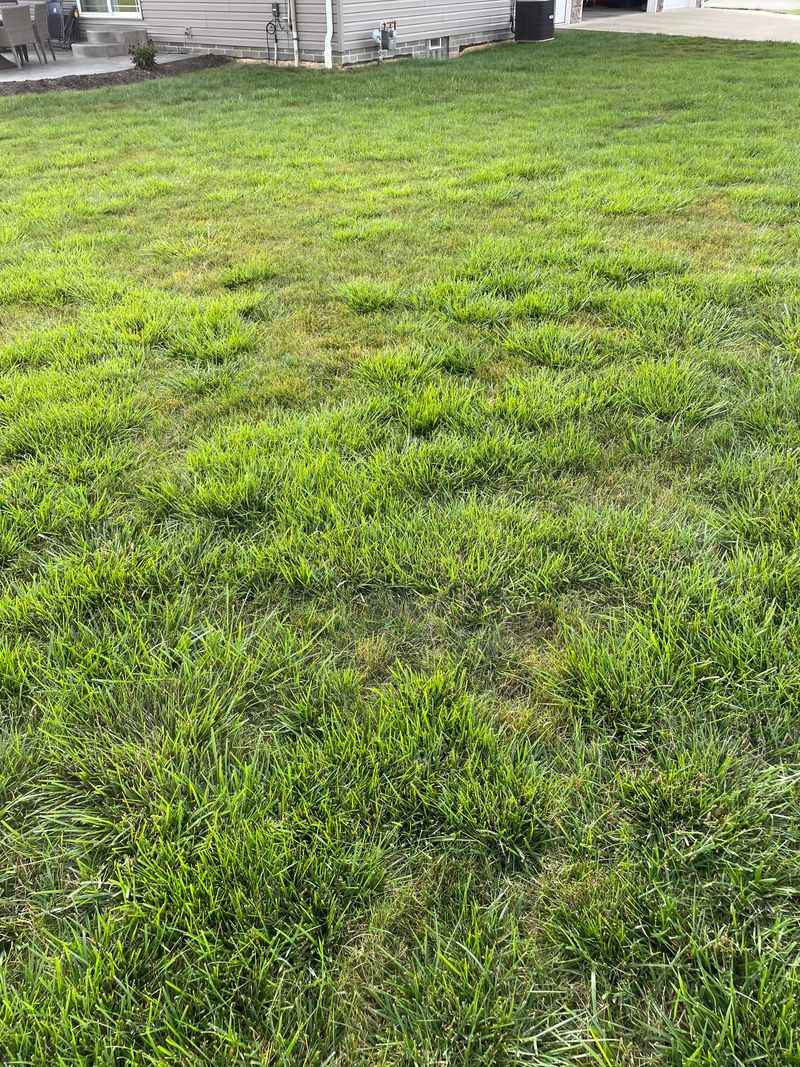
Tall fescue has a lush, dark green look that makes it one of the most attractive cool-season grasses available. Homeowners who move to Texas from cooler states often plant it hoping to recreate the lush lawns they left behind.
For a few months in the fall and spring, it actually looks fantastic. Then the Texas summer arrives, and fescue starts to fall apart. Cool-season grasses like fescue go dormant or struggle badly once temperatures push past 90 degrees consistently.
In most parts of Texas, that means the grass is fighting for survival for four to six months out of the year. Without heavy, frequent watering, it thins out quickly and leaves bare patches across your yard.
The water requirements for keeping fescue alive through a Texas summer are staggering. You are essentially watering against the climate, which is both expensive and environmentally questionable in a state that regularly deals with drought restrictions.
Even with all that irrigation, fescue often does not bounce back fully and needs to be reseeded every fall.
Bermuda grass and zoysia are much smarter warm-season choices for Texas lawns. They go dormant in winter but come back strong and green every spring without the exhausting maintenance demands.
If a lush lawn is your goal, work with the Texas climate rather than against it and skip the fescue altogether.
7. Impatiens (Traditional Varieties)
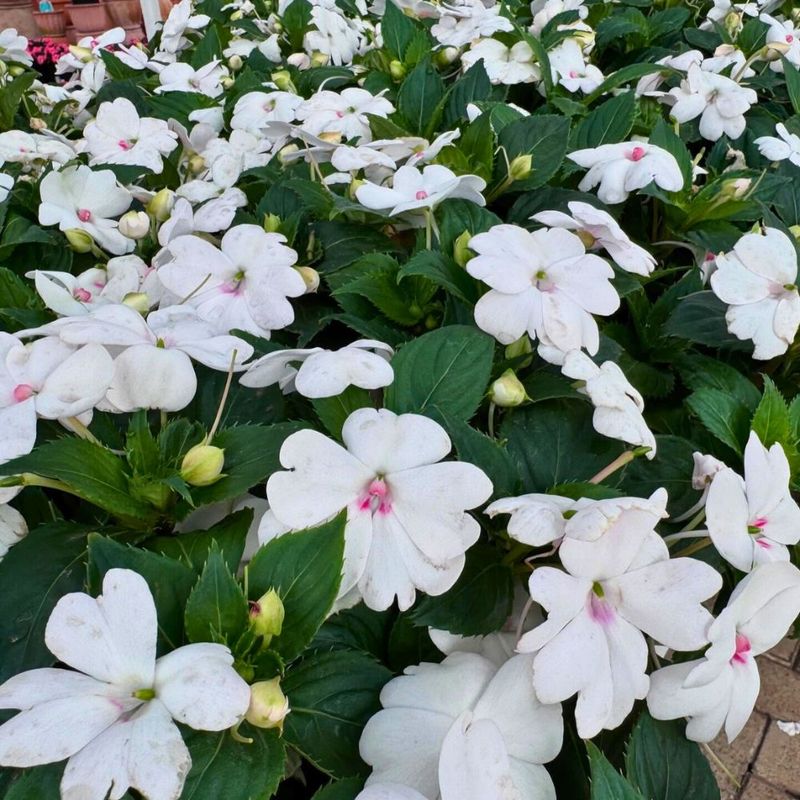
Impatiens are one of the best-selling bedding plants in the country, and it is not hard to see why.
They come in almost every color imaginable, they bloom non-stop, and they fill shady garden beds with a cheerful burst of color. The problem is that traditional impatiens and Texas summers are a terrible match.
Once temperatures climb above 90 degrees, traditional impatiens start to melt. They wilt dramatically in the afternoon heat, and even if they perk back up at night, the repeated stress takes a serious toll.
In many parts of Texas, that kind of heat arrives as early as May and sticks around well into October, leaving a very short window where impatiens actually look their best.
Watering demands are intense. Impatiens in Texas need water almost daily to survive, and even then, they often look sad and sparse compared to how they perform in cooler climates.
Downy mildew has also become a major disease issue for traditional impatiens in recent years, wiping out entire beds almost overnight.
Vinca, also called periwinkle, is a much better option for Texas gardeners looking for colorful summer blooms. It handles heat and some drought with ease and keeps blooming all season long without constant babying.
SunPatiens, a heat-tolerant hybrid variety, is another solid alternative that brings the impatiens look without the Texas-sized struggle.
8. Japanese Maple
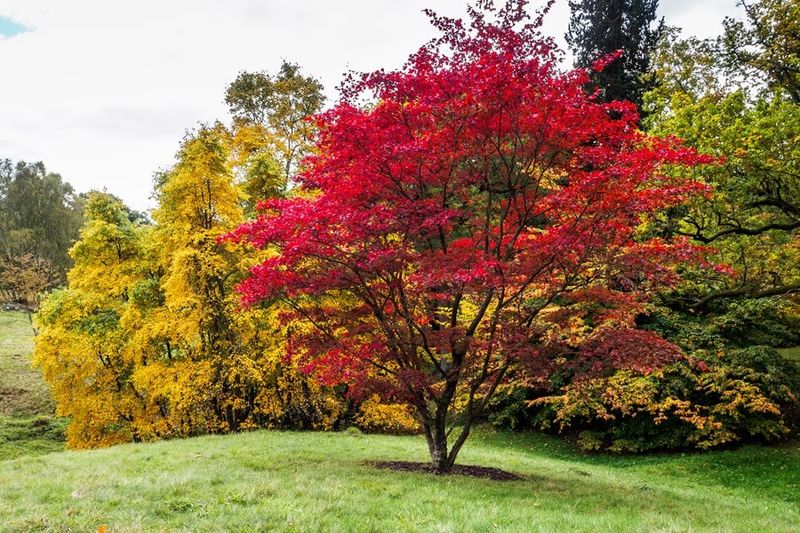
Japanese maples are genuinely breathtaking trees. Their delicate, lacy leaves in shades of red, orange, and burgundy add an artistic quality to any landscape.
Garden designers love recommending them, and homeowners love the idea of having one. But in most parts of Texas, Japanese maples face a serious uphill battle.
Heat, wind, and intense sun are the three things Japanese maples hate most, and Texas delivers all three in abundance. The afternoon sun in Texas is brutal enough to scorch the delicate foliage within just a few hours of exposure.
Even trees planted in partial shade can struggle when the ambient temperature stays above 95 degrees for weeks at a time.
Dry, hot winds that sweep across much of Texas pull moisture from the leaves faster than the roots can replace it. This leads to leaf curl, browning, and early leaf drop that leaves your tree looking bare and unhealthy by midsummer.
Getting a Japanese maple through a Texas summer often requires a very sheltered location, consistent deep watering, and sometimes even shade cloth during the hottest months.
Texas red oak or Mexican plum are native tree alternatives that offer gorgeous fall color without all the fuss. They are built for Texas conditions and thrive with minimal extra care.
Japanese maples can survive in Texas with the right spot and enough attention, but for most gardeners, the reward rarely matches the effort required.