The 7 Vegetables Michigan Gardeners Can Plant In Late May And Get A Full Harvest
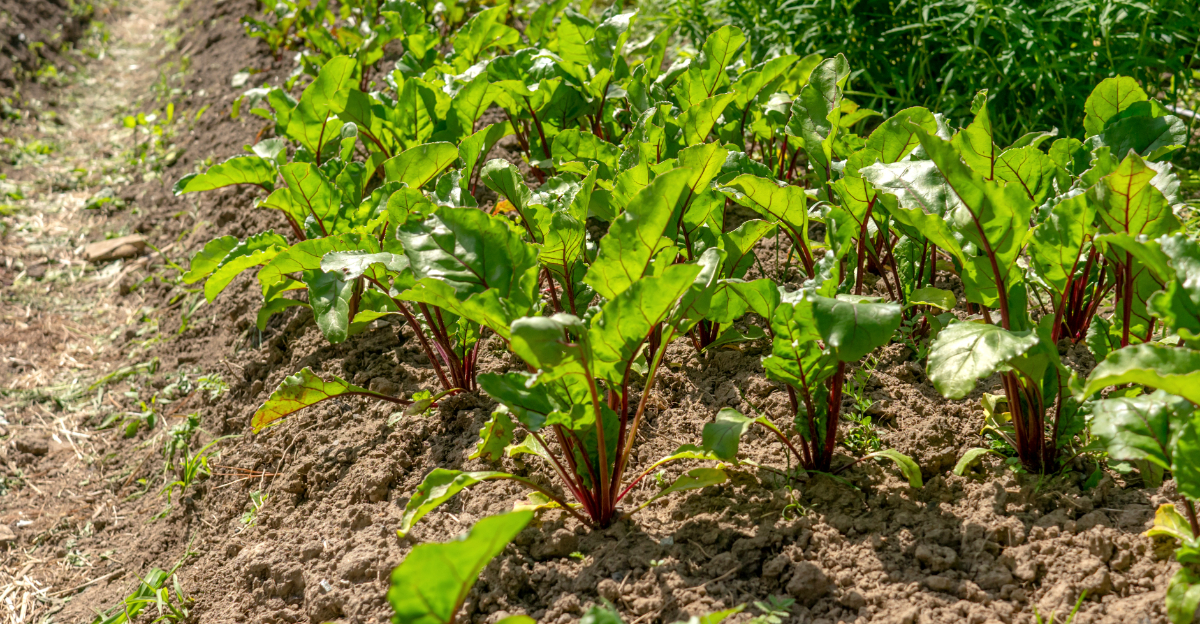
Late May feels like prime planting time in Michigan, and for good reason. The frost risk has finally eased across most of the state, the soil has had time to warm up, and garden centers are fully stocked with everything you could want to grow.
The timing works in your favor more than you might think, because there are vegetables that actually prefer going in the ground right at this window rather than earlier in the season.
Some gardeners assume that a late May start means settling for a partial harvest, but that is not the case with the right crops.
Several vegetables move from transplant to table surprisingly fast, and with Michigan’s warm summer days providing steady growing conditions, a late May planting can still deliver a full, satisfying harvest before the season wraps up.
Whether you are filling gaps in an existing garden or just getting started, these seven vegetables are the ones that make the most of every day between late May and the first signs of fall.
1. Bush Beans (Phaseolus vulgaris)
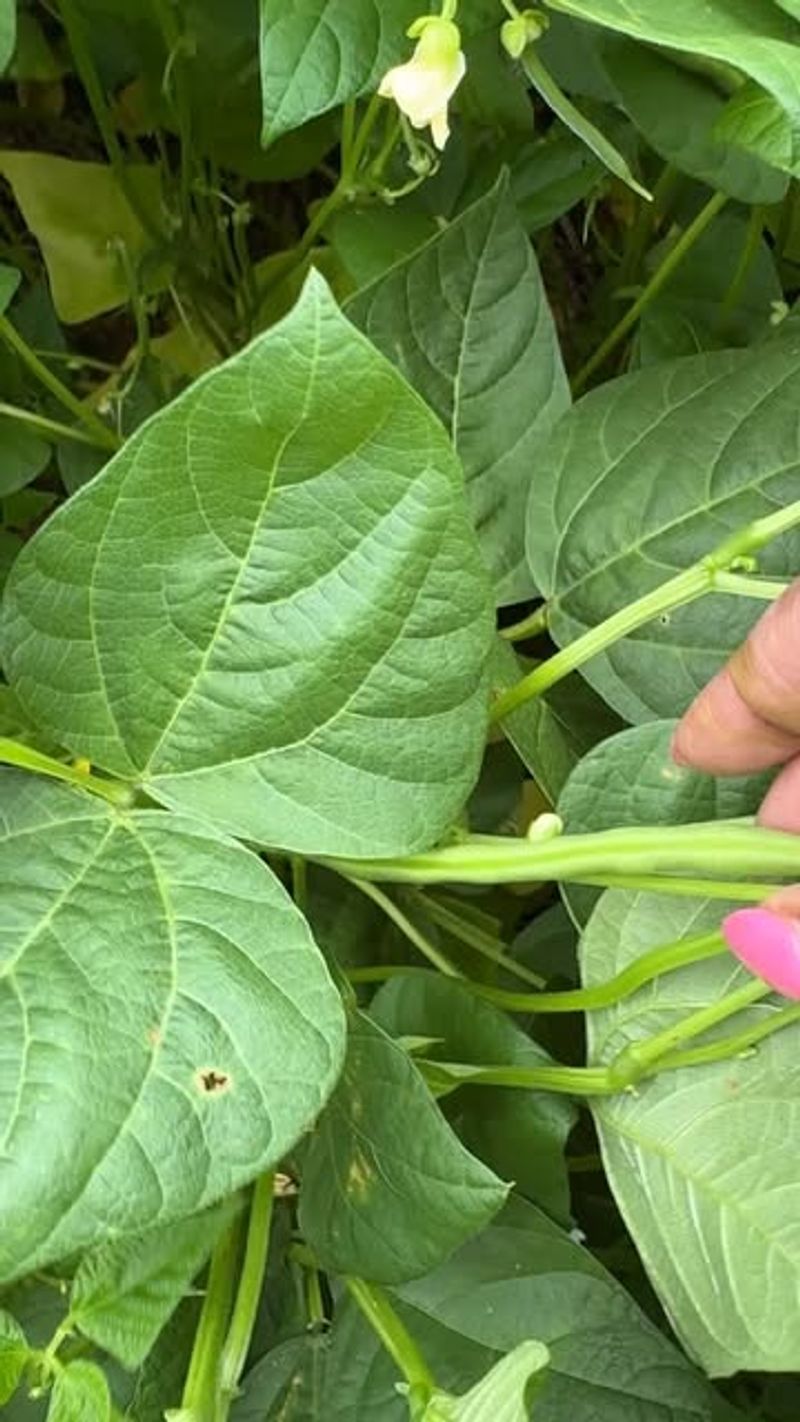
Few things in the garden feel as satisfying as watching a row of bush beans push through the soil just days after planting. In Michigan, late May is the sweet spot for getting these fast-growing plants into the ground.
Soil temperatures should be at least 60 degrees Fahrenheit, and by the last week of May, most Michigan gardens are right in that range.
Bush beans are incredibly beginner-friendly. You simply press the seeds about an inch deep into loose, well-drained soil, space them a few inches apart, and let the warm weather do the rest.
No staking or trellising is needed, which makes them a low-effort, high-reward choice for any backyard garden in Michigan.
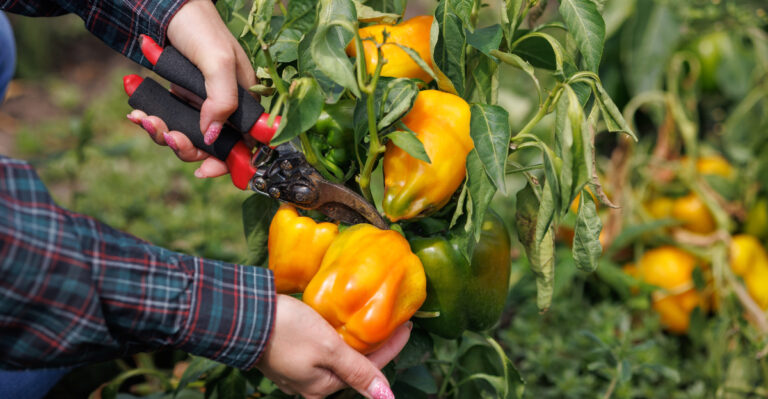
Most bush bean varieties are ready to harvest in just 50 to 60 days, which puts you right in the heart of summer with fresh beans on the table. Pick them when the pods are firm and about four inches long.
Regular harvesting actually encourages the plant to keep producing, so the more you pick, the more you get. Bush beans also do well in raised beds, which are popular across Michigan because they warm up faster in spring and drain better during rainy stretches.
Plant a second small row a few weeks after the first for a continuous harvest.
2. Zucchini (Cucurbita pepo)
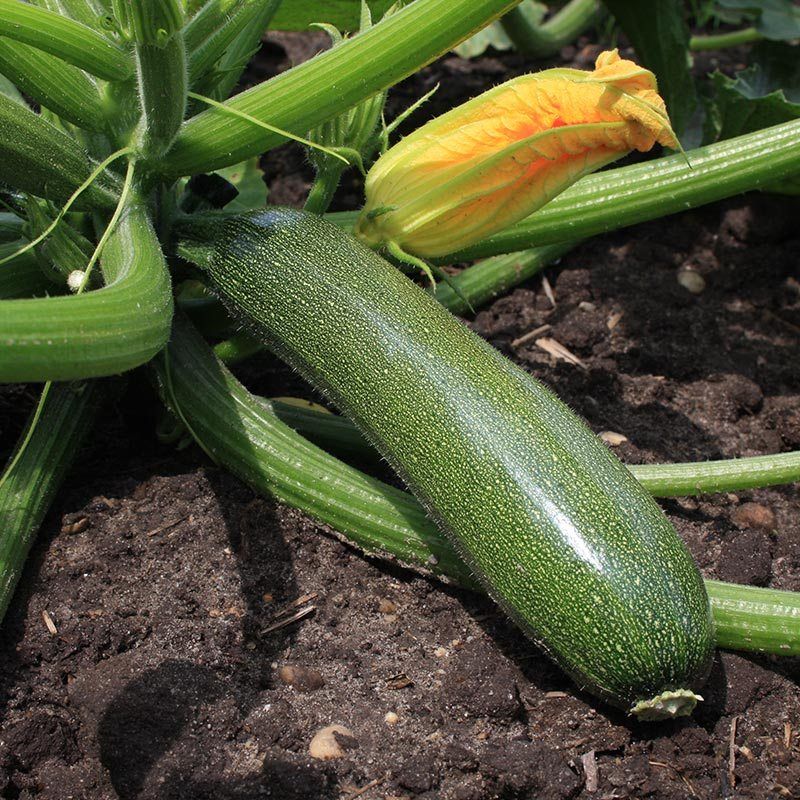
Zucchini has a reputation in Michigan gardens for being almost too productive. Plant it in late May and you will likely be giving bags of it away to neighbors by mid-July.
That is not a complaint. It is actually one of the best reasons to grow it, because you get an enormous return from just a small number of plants.
Direct sowing zucchini seeds after frost risk passes is the way to go in Michigan. Transplants work too, but seeds planted directly into warm soil often catch up quickly and sometimes even outperform transplants.
Give each plant plenty of space, at least two to three feet in every direction, because the leaves get large and the plant spreads fast. Full sun is a must, so pick a spot that gets at least six to eight hours of direct sunlight each day.
Your Michigan Garden Changes Every Week. Your Plan Should Too.
Gardening in Michigan changes quickly throughout the season. Every Friday you’ll receive a simple weekly plan showing exactly what to plant, prune, fertilize, harvest, and protect so you never miss the right timing.
Zucchini typically produces its first fruits within 45 to 55 days of planting, making it one of the quickest warm-season vegetables you can grow. Harvest the fruits when they are about six to eight inches long for the best flavor and texture.
Leaving them on the plant too long results in oversized, seedy squash that is less enjoyable to eat. Michigan summers give zucchini exactly the heat and sunlight it craves, making this an almost foolproof choice for late May planting across the state.
3. Cucumbers (Cucumis sativus)
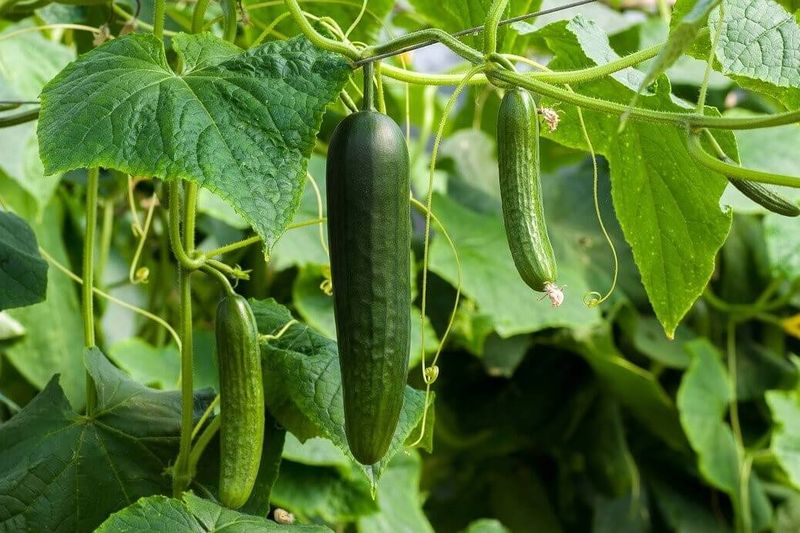
Nothing beats the crunch of a freshly picked cucumber from your own Michigan garden. Cucumbers are warm-season lovers, and late May planting sets them up perfectly for a strong summer harvest.
Once the soil hits around 65 to 70 degrees Fahrenheit and there is no frost in the forecast, cucumber seeds or transplants can go right into the ground.
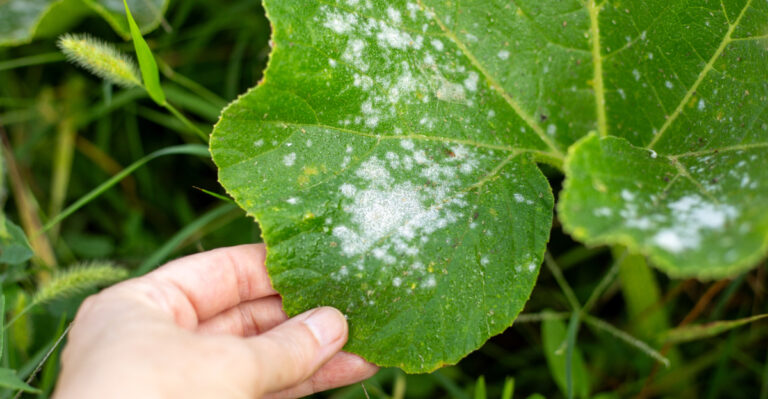
One smart move for Michigan gardeners is to set up a trellis before planting. Michigan summers can get humid, especially in July and August, and good airflow around the vines helps reduce the chance of powdery mildew and other common fungal issues.
A simple wooden or wire trellis keeps the vines off the ground, makes harvesting easier, and even saves space in smaller gardens.
Most cucumber varieties are ready to pick within 50 to 65 days of planting. Slicing cucumbers are great for fresh eating, while pickling varieties give you the option to preserve your harvest.
Water consistently, because cucumbers are mostly water themselves and need steady moisture to develop properly. Uneven watering can lead to bitter-tasting fruits, which is something no Michigan gardener wants after waiting all summer.
Pick cucumbers before they turn yellow for the best flavor, and check the vines every day or two once they start producing, because they grow surprisingly fast in the warm Michigan summer heat.
4. Sweet Corn (Zea mays)
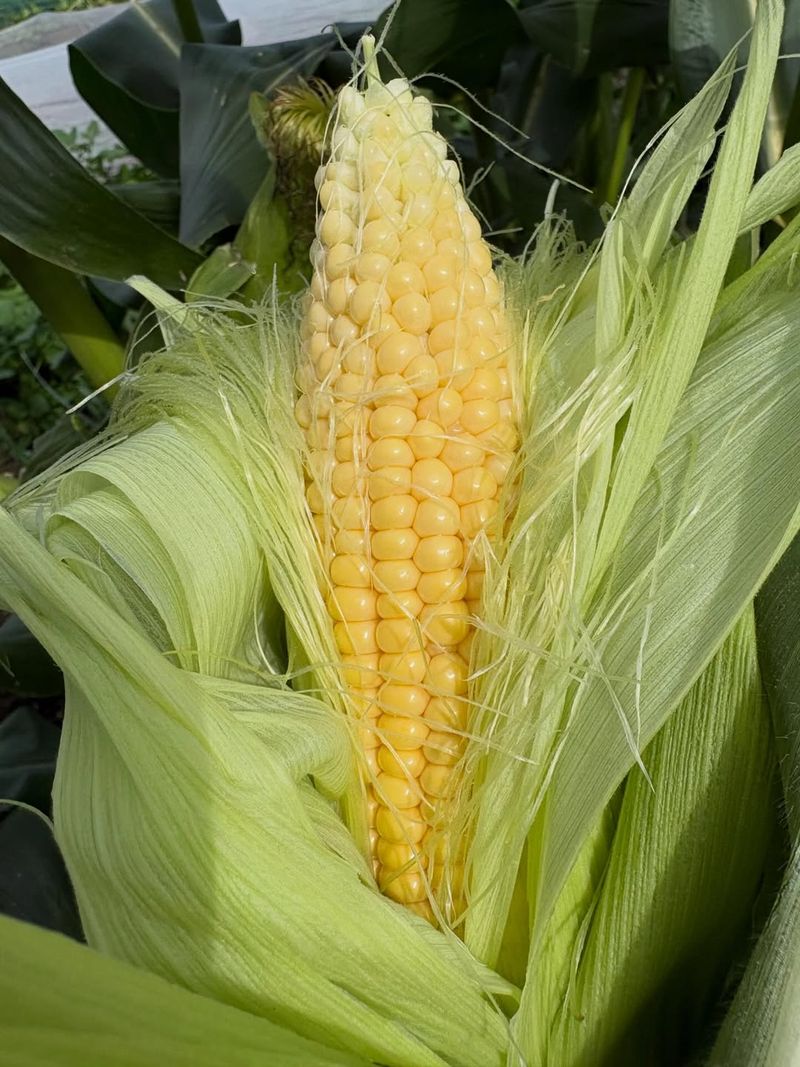
Sweet corn is practically a Michigan summer tradition. From roadside farm stands in the thumb region to backyard gardens across the Lower Peninsula, fresh sweet corn is one of the most anticipated crops of the season.
Planting in late May, once soil temperatures are consistently above 60 degrees Fahrenheit, gives most varieties enough time to reach full maturity before Michigan’s first fall frost arrives.
One thing that surprises many first-time corn growers is the importance of block planting. Corn is wind-pollinated, meaning the pollen from the tassels at the top needs to fall onto the silks below.
Planting in a single long row does not work well because the pollen often blows away. Instead, plant corn in a block of at least three or four short rows side by side to give each plant the best chance of full pollination and fully filled ears.
Sweet corn varieties in Michigan typically mature in 70 to 90 days, which fits comfortably within the growing season when planted in late May. Choose shorter-season varieties like Peaches and Cream or Early Sunglow if you want to be extra safe.
Full sun is non-negotiable for sweet corn, so pick the sunniest spot in your garden. Keep the soil consistently moist, especially during the tasseling and silking stages, because water stress during those critical weeks can seriously reduce your yield and ear quality.
5. Summer Squash
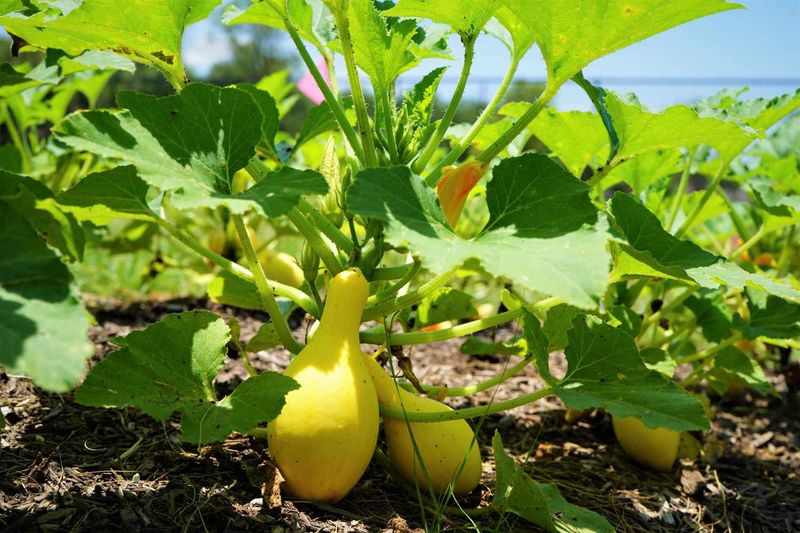
Yellow summer squash is one of those vegetables that rewards you almost before you feel like you have done anything.
Plant it in warm Michigan soil in late May, give it sunshine and water, and within about 50 days you will be harvesting bright yellow fruits that are perfect for grilling, sauteing, or adding to summer pasta dishes.
Summer squash and zucchini are close cousins, both belonging to the same species, but yellow summer squash has its own distinct flavor and texture that many Michigan gardeners prefer for cooking.
It tends to be slightly firmer and has a mild, buttery taste that pairs well with just about everything. Like zucchini, it grows vigorously in Michigan’s warm summers and produces heavily throughout the season.
Give each plant plenty of room, as the broad leaves need space to spread out and capture sunlight. Planting in raised beds or mounded soil helps with drainage, which is especially useful during Michigan’s wetter summer periods.
Harvest the squash when they are about six to eight inches long and the skin is still tender. Bigger is not better with summer squash, as oversized fruits become tough and less flavorful.
Check your plants every day once they start producing. In peak summer heat, squash can go from perfect to oversized in less than 48 hours, so stay on top of your harvests for the best results all season long.
6. Beets (Beta vulgaris)
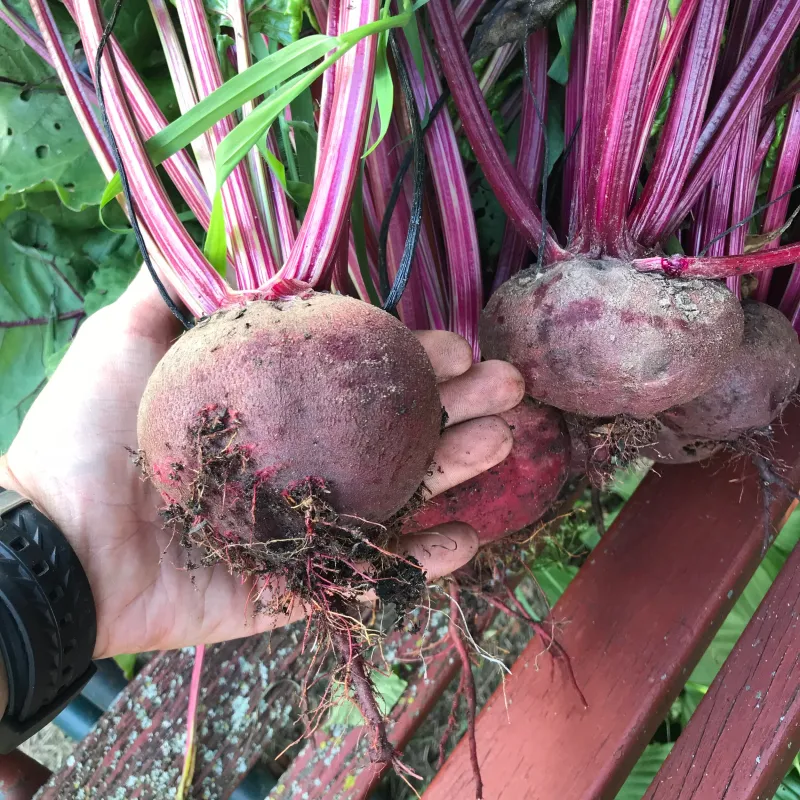
Beets are one of the most underrated vegetables a Michigan gardener can plant in late May.
While most people think of beets as a cool-season crop only, they actually perform quite well when planted at the end of May in Michigan, as long as the soil is prepared properly and they get consistent moisture through the summer.
What makes beets especially appealing is that you get two harvests in one. The round, earthy roots are delicious roasted, pickled, or boiled, but the leafy green tops are also edible and packed with nutrition.
Young beet greens taste similar to Swiss chard and are wonderful in salads or lightly sauteed with garlic. Getting two usable parts from one plant is a great deal for any home gardener looking to maximize their garden space.
Most beet varieties mature in 55 to 70 days, which means a late May planting in Michigan can yield a full harvest by late July or early August. Beets prefer loose, well-worked soil so the roots can expand without obstruction.
If your Michigan garden has heavy clay soil, mix in compost or aged organic matter before planting to loosen things up. Sow the seeds about half an inch deep and thin the seedlings to about three inches apart once they sprout.
Crowded beets produce small, stunted roots, so thinning is one of the most important steps for getting a satisfying harvest from your Michigan garden bed.
7. Carrots (Daucus carota subsp. sativus)
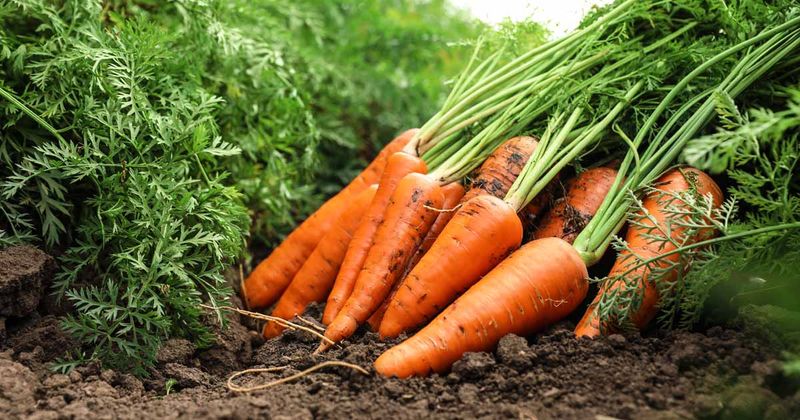
Carrots are one of the most rewarding vegetables to grow from seed, and Michigan gardeners who sow them in late May still have plenty of time for a full harvest before fall arrives.
Most carrot varieties mature in 60 to 80 days, which puts the harvest window right in late summer or early fall, when Michigan weather is still warm and pleasant for spending time in the garden.
The biggest key to growing great carrots in Michigan is soil preparation. Carrots need loose, deep, rock-free soil to develop straight, full-sized roots.
If your garden bed has heavy clay or compacted soil, work in compost several inches deep before planting.
Raised beds are an excellent option for Michigan gardeners who want to skip the struggle with clay soil entirely, because you can fill them with exactly the light, well-draining mix that carrots love.
Sow carrot seeds directly into the garden about a quarter inch deep and keep the soil consistently moist until germination, which can take one to three weeks. Carrot seeds are tiny and slow to sprout, so patience is important during that early stage.
Once the seedlings reach about two inches tall, thin them to two to three inches apart so each root has room to develop properly.
Shorter varieties like Danvers or Chantenay work especially well in Michigan gardens with denser soil, giving you a reliable, full harvest even when conditions are not perfectly ideal.