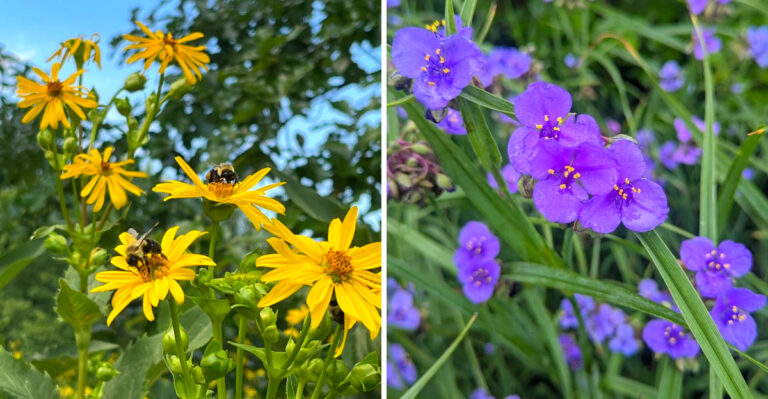
These Are The 7 Native Ohio Plants That Feed Pollinators All Summer Long
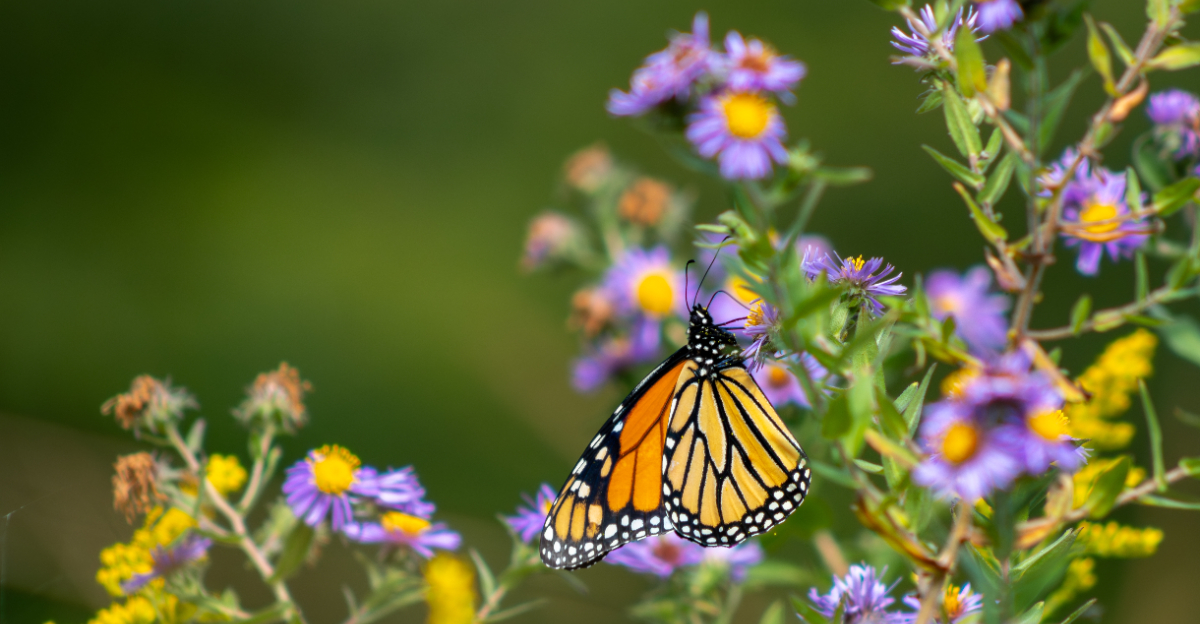
By July, a lot of Ohio flower beds start to go quiet.
The spring rush is over, the early blooms have faded, and that once-busy garden can suddenly feel strangely still. Where did the bees go?
Why are butterflies passing through without stopping? What happened to all that life around the flowers?
The answer is usually simple. The garden ran out of food.
Pollinators need more than one big burst of color. They need a steady handoff of nectar and pollen from early summer into fall.
That means choosing native plants that bloom at different times, handle Ohio weather, and offer real value to bees, butterflies, hummingbirds, and other beneficial insects.
That is where this list earns its keep. Butterfly weed gets the season moving.
Wild bergamot, coneflower, mountain mint, and black eyed Susan carry the heat of summer. Joe Pye weed and New England aster help keep the buffet open as fall gets closer.
Plant them together, and your garden can feel less like decoration and more like a living, buzzing stopover.
1. Start Summer Strong With Butterfly Weed
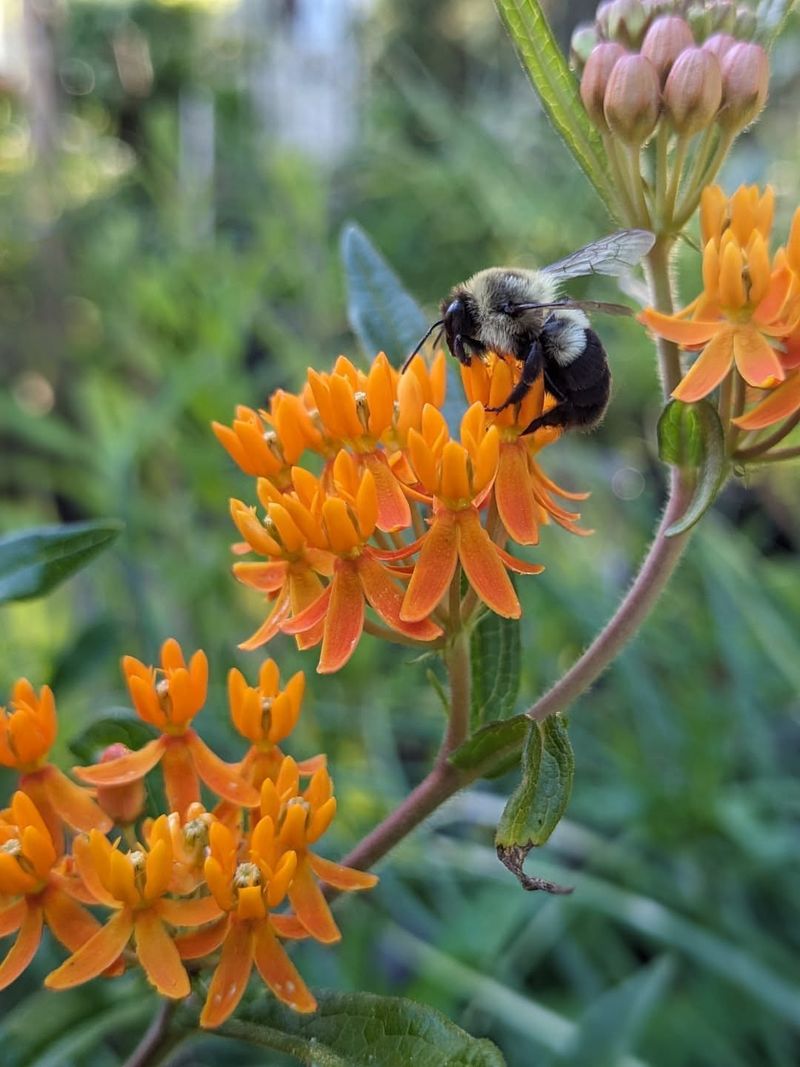
Few plants announce the start of summer quite like butterfly weed lighting up a sunny garden bed with clusters of vivid orange flowers. Asclepias tuberosa is a native Ohio milkweed, and that word milkweed matters a lot if you care about monarch butterflies.
Monarch caterpillars can only survive on milkweed foliage, making this plant a true host plant, not just a nectar source.
What sets butterfly weed apart from other milkweeds is its preference for dry, well-drained soil and full sun. While swamp milkweed thrives in wet spots, butterfly weed is built for the kind of hot, dry, sunny bed where many garden plants give up.
Rocky slopes, gravel gardens, and sandy borders are actually where it does best. That makes it a smart choice for Ohio gardeners dealing with tough, dry spots that are hard to fill.
One thing worth knowing before you plant is that butterfly weed takes its time getting established. It grows from a deep taproot, which is part of why it handles drought so well, but that same taproot means it really dislikes being moved once it has settled in.
Choose your spot carefully, plant it and leave it, and expect the first season to look modest.
By the second or third year, a well-placed plant will reward you with weeks of bright blooms and a steady stream of visiting bees, skippers, and swallowtails alongside any monarch activity.
Butterfly weed typically blooms from June into July in Ohio, giving your pollinator garden a strong, colorful start to the summer season right when you need it most.
2. Bring In Bees With Wild Bergamot
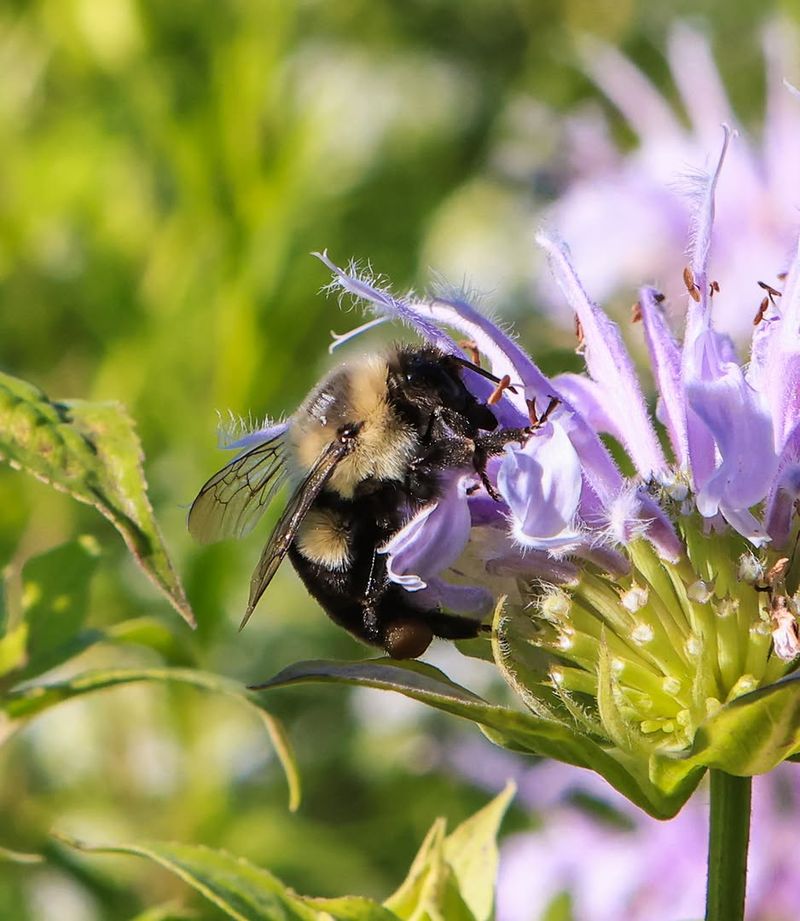
Walk past a patch of wild bergamot on a warm July afternoon and you will hear it before you see it. The steady hum of bumblebees working through those lavender-pink flower heads is one of the most satisfying sounds a pollinator garden can produce.
Monarda fistulosa is a native Ohio wildflower and a close relative of the more commonly sold red bee balm, but it tends to be tougher, more drought tolerant, and better suited to the sunny native plantings many Ohio gardeners are building.
Your Ohio Garden Changes Every Week. Your Plan Should Too.
Gardening in Ohio changes quickly throughout the season. Every Friday you’ll receive a simple weekly plan showing exactly what to plant, prune, fertilize, harvest, and protect so you never miss the right timing.
Wild bergamot blooms from roughly late June through August, which puts it right in the heart of summer when pollinators are most active.
Bumblebees are especially drawn to it, but you will also see smaller native bees, skippers, swallowtails, and hummingbirds working the flowers on a regular basis.
It fits naturally into meadow-style plantings, informal sunny borders, and native plant beds where a relaxed, naturalistic look is the goal.
One practical note for Ohio gardeners is that wild bergamot can be prone to powdery mildew in humid conditions. Good airflow around the plants helps reduce this issue, so avoid crowding it against a fence or dense shrubs.
Giving it a bit of space also matters because the plant spreads by rhizomes and can expand its footprint over a few seasons. That spreading habit is actually useful in the right setting, since a larger clump means more flowers and more food for pollinators.
Full sun and average to dry soil are its sweet spot. It is a reliable, low-fuss plant once established and a genuine workhorse for the midsummer pollinator garden.
3. Add Lasting Color With Purple Coneflower
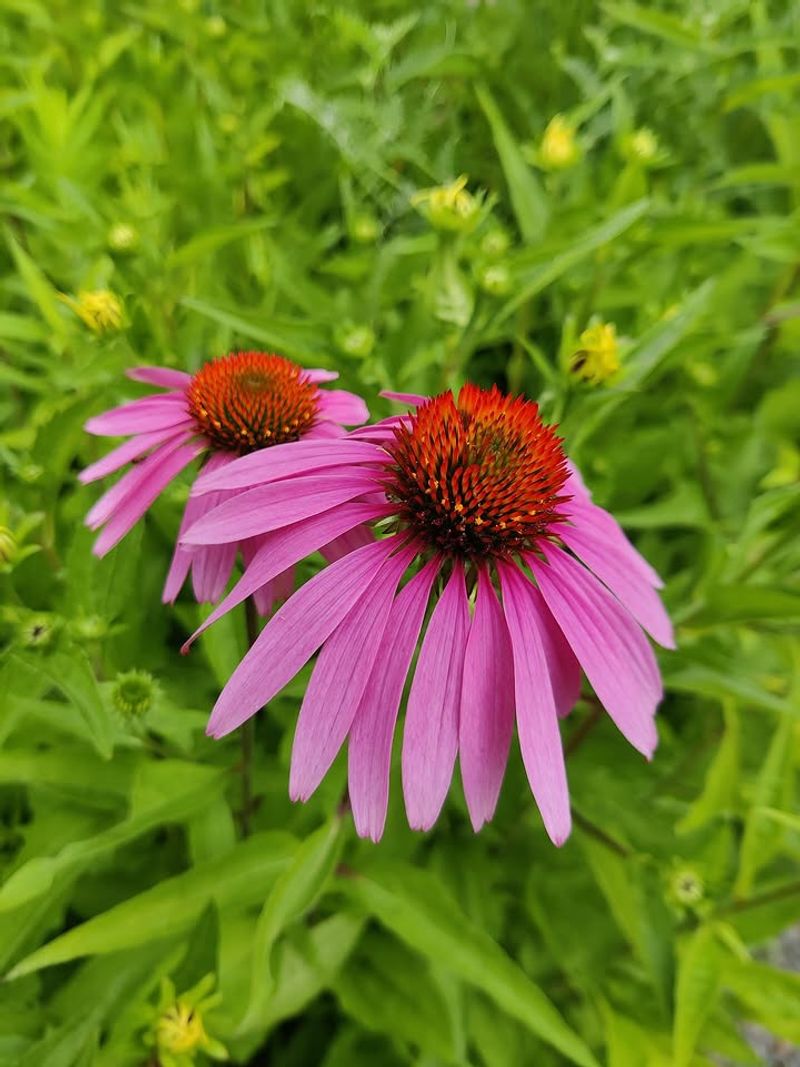
Purple coneflower might be the most recognized native plant in the American garden world, and for good reason.
Echinacea purpurea has earned its popularity by being genuinely useful, reliably beautiful, and tough enough to handle the heat and humidity of an Ohio summer without much fuss.
The rosy-purple petals surrounding that distinctive spiky orange-brown center are easy to spot from across a yard, but the real action happens up close where bees and butterflies work the flowers steadily through July and August.
This plant performs best in full sun to part sun with well-drained soil. It is not a fan of standing water or heavy clay that stays soggy, but it handles average Ohio garden soil quite well once established.
Bloom time typically runs from late June or early July into August, overlapping nicely with wild bergamot, black eyed Susan, and Virginia mountain mint to create a midsummer stretch of continuous pollinator food.
One of the best things you can do for wildlife is simply leave the seed heads standing after the flowers fade. Goldfinches and other seed-eating birds will pick through them from late summer well into fall and winter.
That means purple coneflower pulls double duty, feeding pollinators during the bloom and birds after it.
Purple coneflower is also a good bridge plant in the garden design sense. Its height of roughly two to four feet works well in the middle of a border, and its neutral purple-pink tone pairs easily with the orange of butterfly weed, the yellow of black eyed Susan, and the deeper pink of Joe Pye weed for a cohesive summer palette.
4. Keep Pollinators Busy With Virginia Mountain Mint
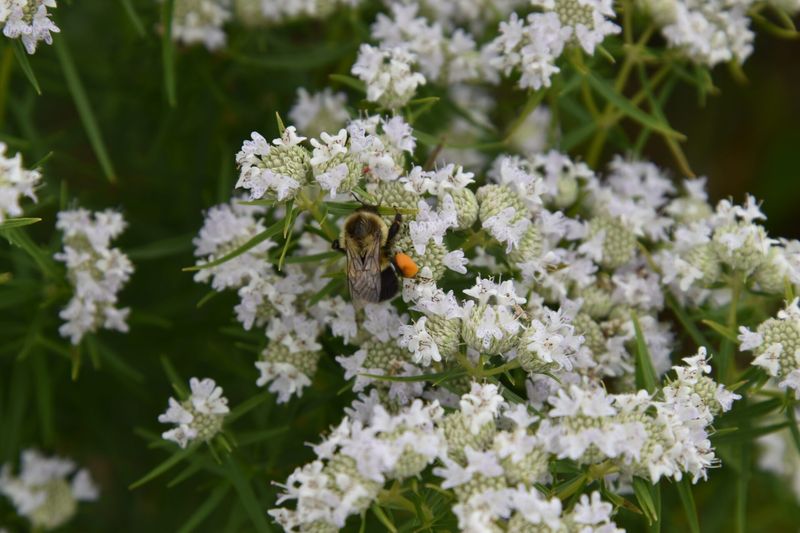
If there is one plant that consistently surprises Ohio gardeners with its pollinator activity, it is Virginia mountain mint. From a few feet away, Pycnanthemum virginianum looks almost plain, with its clusters of tiny white flowers and silvery-green foliage.
Step closer on a sunny afternoon, though, and the picture changes completely.
Those small flower clusters are covered in native bees, sweat bees, wasps, flies, skippers, and butterflies all working at the same time, making it one of the most insect-active plants you can grow.
The reason so many different insects visit is that the small, open flower structure makes nectar accessible to a wide range of pollinators, including many tiny native bee species that cannot access larger, more complex flowers.
Native plant experts often rank mountain mints among the best perennials for pollinator activity, and a sunny patch can draw an impressive mix of bees, wasps, flies, skippers, and butterflies.
That is a strong recommendation backed by real observation.
Virginia mountain mint is native to Ohio and prefers sun to part sun with moist to average soil. It blooms from roughly July into August, filling a useful slot in the midsummer calendar.
One thing to plan for is its spreading habit. It moves by rhizomes and can expand into a larger clump over time, which is great news if you want to fill a bigger area but worth managing in a small, tidy bed.
Planting it where it has room to roam, such as along a rain garden edge, a naturalistic border, or a meadow patch, lets it do what it does best without needing constant trimming.
It is genuinely one of the most productive native plants per square foot you can add to an Ohio garden.
5. Fill Sunny Beds With Black Eyed Susan
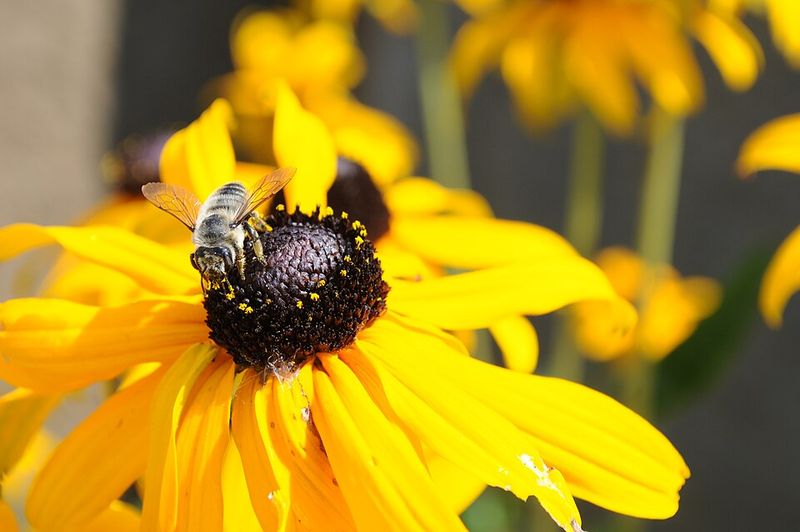
There is something cheerful and dependable about black eyed Susan that makes it feel like the backbone of a summer pollinator garden.
Rudbeckia hirta is a native Ohio wildflower with bold yellow petals and a dark brown center that stands out in any planting from midsummer onward.
Bees of many kinds, including bumblebees, mining bees, and smaller native species, visit the flowers regularly, and butterflies often stop to feed as well.
One thing to understand about black eyed Susan is that individual plants are often short-lived, behaving more like biennials or short-lived perennials than long-term anchors.
The good news is that they reseed generously in conditions they like, which means a sunny, well-drained spot can maintain a self-renewing patch year after year without much effort from you.
That reseeding habit makes it especially useful in meadow-style plantings, pollinator patches, and informal sunny borders where a naturalistic, slightly wild look is part of the plan.
Black eyed Susan blooms from roughly late June through September in Ohio, which gives it one of the longer useful windows among summer natives.
It fills the visual and ecological gap between early summer bloomers and the late-season asters, keeping color and food available during the heart of summer when pollinator demand is at its peak.
For the best results, plant it in full sun with average to dry, well-drained soil. It handles heat and dry spells well once established, which makes it a reliable performer even in years when Ohio summers turn hot and dry for weeks at a stretch.
Pair it with coneflower and mountain mint for a midsummer planting that stays genuinely active with insect life from July right through early fall.
6. Feed Butterflies With Sweet Joe Pye Weed
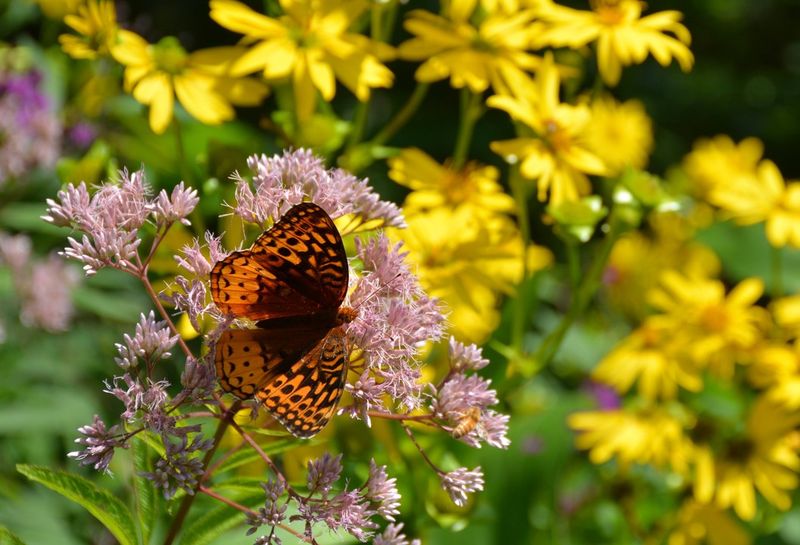
By late July and August, many summer flowers are starting to wind down, but sweet Joe Pye weed is just getting started.
Eutrochium purpureum is a tall, bold Ohio native perennial that rises well above most garden plants, sometimes reaching five to seven feet, and its large, dusty-rose flower clusters become a landing pad for butterflies during the latter half of summer when other nectar sources are thinning out.
Swallowtails are especially fond of Joe Pye weed, and on a warm August day a large clump can host multiple butterflies at once alongside bumblebees and other late-season visitors.
That late-summer timing is part of what makes this plant so valuable in a planned pollinator sequence.
It picks up where coneflower and bergamot leave off and carries the garden forward until the asters take over in fall.
Sweet Joe Pye weed prefers moist to average soil and does well in full sun to part shade, which makes it a natural fit along woodland edges, in rain garden-style plantings, or at the back of a border where it can show off its height without blocking shorter plants.
It needs space, both in terms of width and the visual room to stand tall, so very small beds may feel overwhelmed by it unless you choose one of the more compact cultivars available from native plant nurseries.
Leaving the seed heads standing after bloom provides some late-season food for birds and adds winter structure to the garden.
For Ohio gardeners looking to extend the butterfly season and add real presence to a back border, sweet Joe Pye weed is a strong, practical choice that delivers visible results year after year.
7. Carry The Garden Into Fall With New England Aster
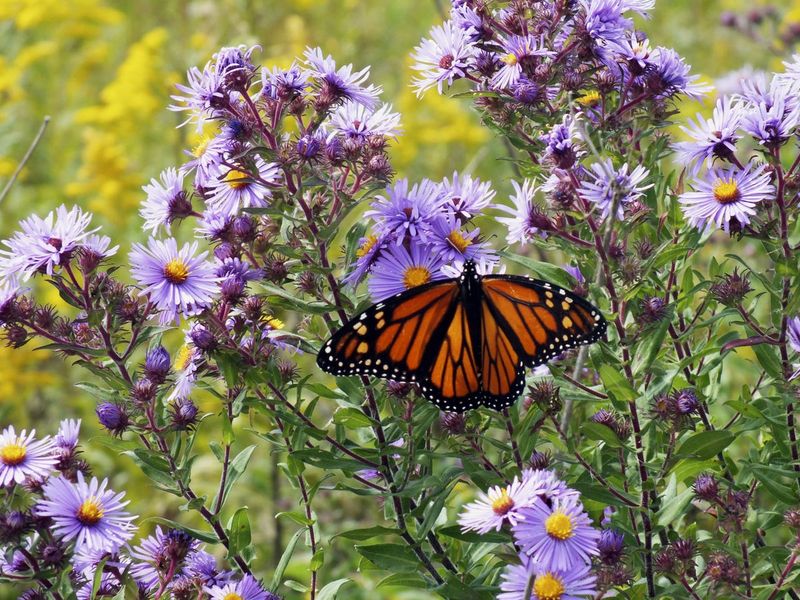
When most of the summer garden has faded to seed heads and dried stems, New England aster steps in like a second act.
Symphyotrichum novae-angliae bursts into bloom from late August through October with rich purple, violet, or pink flowers that look almost startling against the golden tones of an Ohio fall.
For pollinators trying to build up energy reserves before cold weather arrives, this late-season nectar source is genuinely important.
Bumblebee queens feeding before they overwinter, migrating monarch butterflies fueling up for their journey south, and a wide range of native bees all make use of asters in late summer and fall.
Few other plants fill this specific window as well as New England aster does, which is why many native plant experts and organizations like the Xerces Society highlight it as a high-priority plant for pollinator gardens in the Midwest.
In terms of growing conditions, New England aster does best in full sun with average to moist soil. It can get quite tall, sometimes reaching four to six feet, which surprises gardeners who planted a small start in spring.
If a shorter, more compact plant fits your space better, cutting the stems back by about one third in late June can encourage a bushier, lower form without reducing bloom. Just be sure to stop any cutting well before August so buds can form on schedule.
Spacing plants with enough airflow helps reduce foliar issues in humid Ohio summers. Leave some stems standing through winter to provide overwintering habitat for native bees that nest in hollow or pithy stems.
New England aster is the final piece of a complete seasonal planting, and it closes the pollinator season with genuine color and ecological value.