8 Stunning Full Sun Plants For Hanging Baskets In North Carolina
The first warm stretch in North Carolina has a way of sending people straight to the garden center. One look at a bare porch or front entry, and suddenly hanging baskets feel like the easiest way to make the whole place look more cheerful.
Then summer settles in, the sun turns intense, and those pretty baskets start looking tired far sooner than expected. That is usually where full sun becomes the real test.
A plant may look great on the rack in spring, then struggle once it faces long afternoons, reflected heat, and dry spells on a porch or deck. In North Carolina, that kind of sun can be no joke by early summer.
The trick is picking plants that can keep their color and shape without constant rescue watering.
Some stay packed with blooms, some spill beautifully over the edges, and a couple are real standouts once the heat starts pressing down.
1. Calibrachoa That Blooms Nonstop
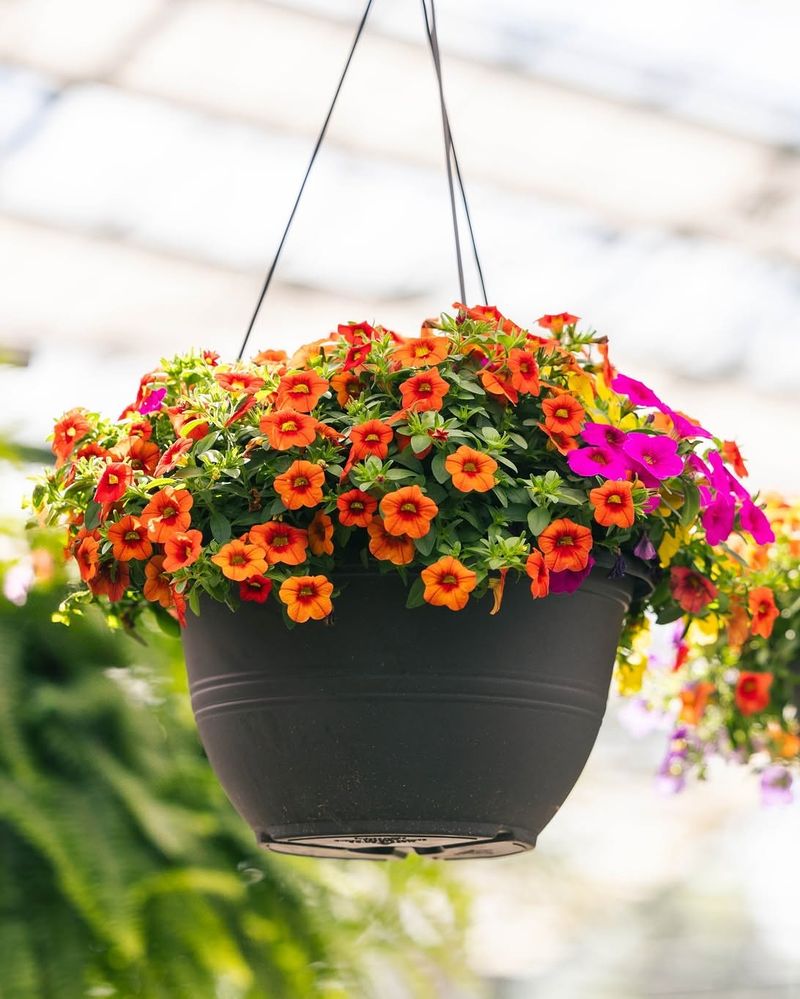
Imagine a petunia shrunk down to the size of a coin, multiplied by the hundreds, and you have got Calibrachoa.
Nicknamed Million Bells for a very good reason, this plant practically smothers itself in tiny, colorful blooms from spring all the way through the first cool snaps of autumn in North Carolina.
Calibrachoa is a heat-tolerant powerhouse that handles the humidity and long sunny days of a North Carolina summer without skipping a beat.
The trailing stems cascade beautifully over the edges of hanging baskets, creating a waterfall effect that looks professionally designed.
Colors range from classic yellow and bright orange to soft lavender and deep burgundy. One of the best things about Calibrachoa is how low-maintenance it truly is.
Unlike some flowering plants, it is self-cleaning, meaning spent blooms fall off on their own without any deadheading required. That makes it a fantastic option for busy gardeners who still want a showstopping display.
Plant Calibrachoa in a well-draining potting mix and hang your basket where it will receive at least six hours of full sun daily.
Regular watering is important since these plants are thirsty, especially during peak summer heat. Fertilize every one to two weeks with a water-soluble fertilizer to keep the blooms abundant.
If your plant starts looking a little sparse mid-season, a light trim will encourage a fresh flush of flowers.
Calibrachoa is truly one of the most rewarding plants you can grow in a North Carolina hanging basket.
2. Petunia That Pours On The Color
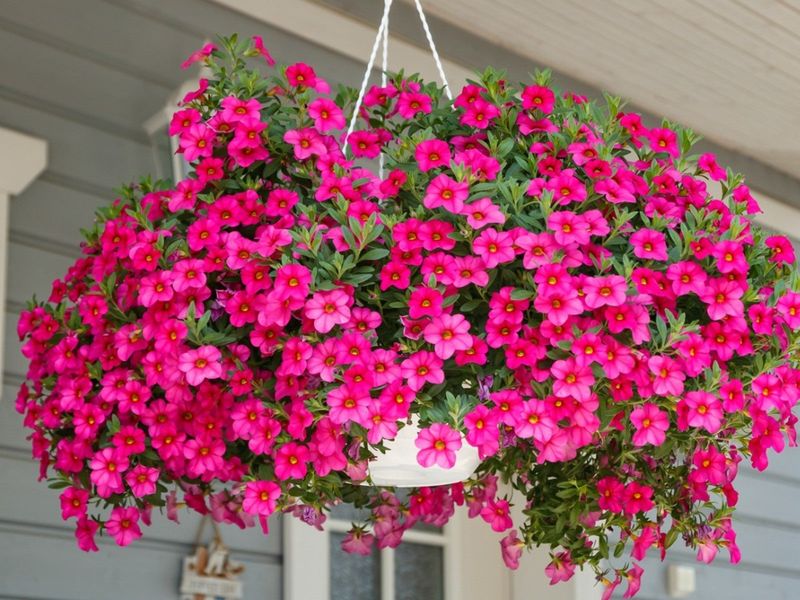
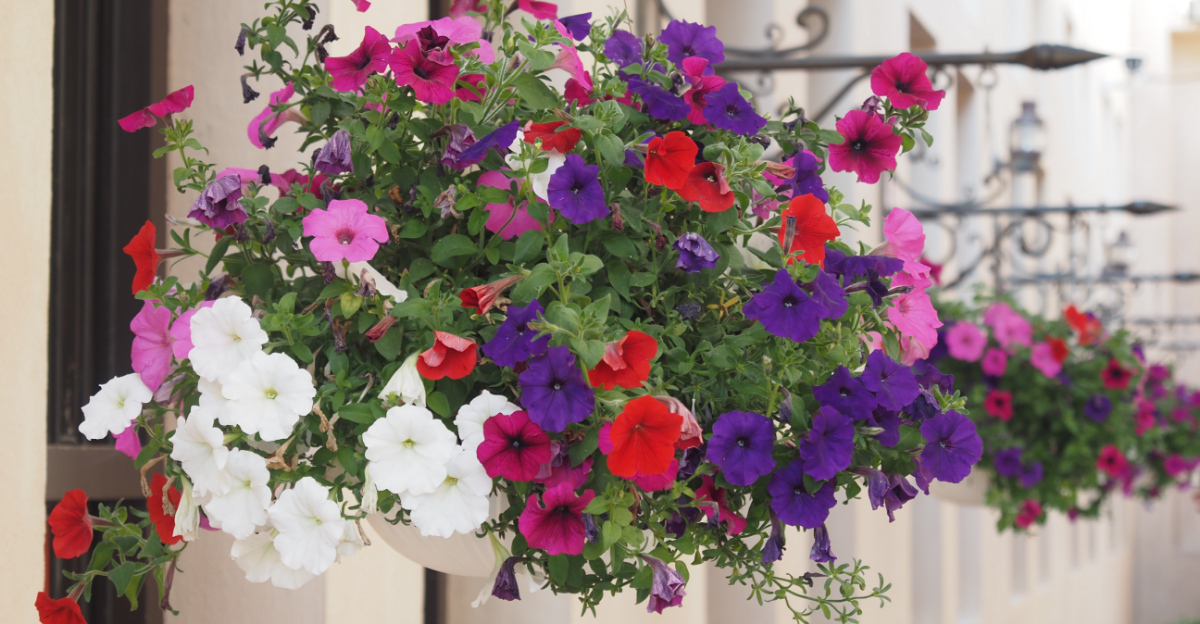
Few flowers say “summer” quite like petunias.
Walk through any neighborhood in North Carolina from April through October, and you will almost certainly spot these cheerful, trumpet-shaped blooms spilling out of hanging baskets on front porches and patios.
Petunias have earned their reputation as a go-to choice for good reason. They come in nearly every color imaginable, from deep purple and hot pink to soft white and bright red.
Some varieties even feature stripes or ruffled edges, adding extra visual interest to your display.
Wave petunias and Supertunia varieties are especially popular for hanging baskets because they spread and trail beautifully.
Your North Carolina Garden Changes Every Week. Your Plan Should Too.
Gardening in North Carolina changes quickly throughout the season. Every Friday you’ll receive a simple weekly plan showing exactly what to plant, prune, fertilize, harvest, and protect so you never miss the right timing.
Petunias love full sun and need at least six hours of direct sunlight each day to bloom their best.
In North Carolina’s warm climate, they really hit their stride in late spring and continue blooming well into fall. Make sure to plant them in well-draining potting mix to keep roots healthy.
Watering consistently is key, since hanging baskets tend to dry out faster than ground-planted flowers. Aim to check moisture daily, especially during hot summer stretches.
Feeding petunias with a balanced liquid fertilizer every one to two weeks will keep the blooms coming strong.
Deadheading, or pinching off spent flowers, encourages fresh growth and prevents the plant from looking leggy.
With just a little attention, petunias reward you with non-stop color that makes your North Carolina home look absolutely welcoming.
3. Verbena That Keeps Going In Heat
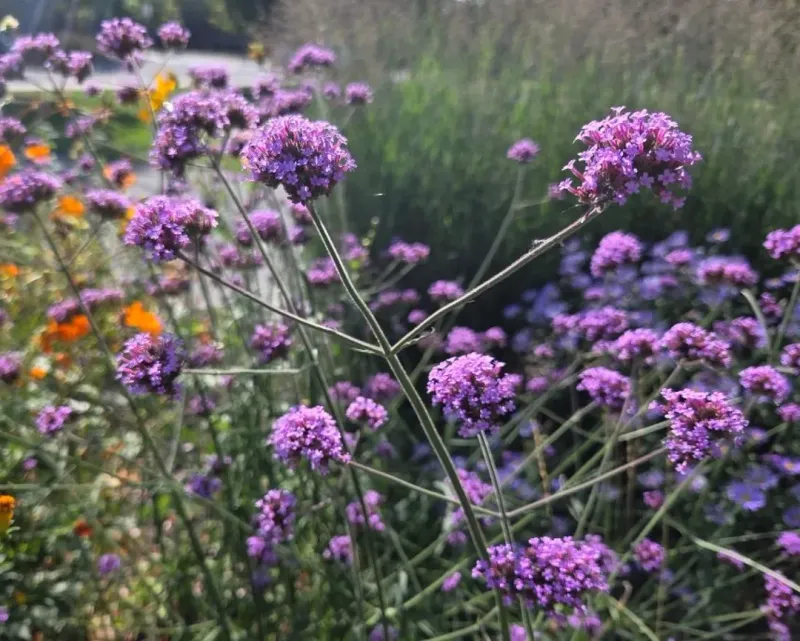
There is something almost old-fashioned and charming about verbena, yet it performs like a modern garden champion.
With its clusters of tiny, jewel-toned flowers and naturally trailing growth habit, verbena is tailor-made for hanging baskets, especially in a sun-drenched state like North Carolina. Verbena thrives in full sun and actually prefers hot, dry conditions once it gets established.
That makes it a smart choice for North Carolina gardeners who deal with scorching summer afternoons and the occasional dry spell.
The plant spreads and cascades generously, filling out a basket quickly and creating a lush, overflowing look that draws compliments from every visitor. Colors available include rich red, bright pink, soft lavender, deep purple, and crisp white.
Many gardeners love mixing two or three complementary shades in a single basket for a cottage-garden effect.
Verbena also has the bonus of attracting butterflies and hummingbirds, turning your hanging basket into a mini wildlife habitat.
For best results, plant verbena in a lightweight, well-draining potting mix and make sure your basket gets at least six hours of direct sunlight per day.
Water regularly but allow the soil to dry slightly between waterings, as verbena does not appreciate soggy roots.
Fertilizing every couple of weeks during the growing season will keep the plant producing new flower clusters consistently.
Occasional light trimming helps maintain a tidy shape and encourages fresh blooms. Verbena is a reliable, beautiful performer that suits North Carolina summers perfectly.
4. Lantana That Loves Every Bit Of Sun
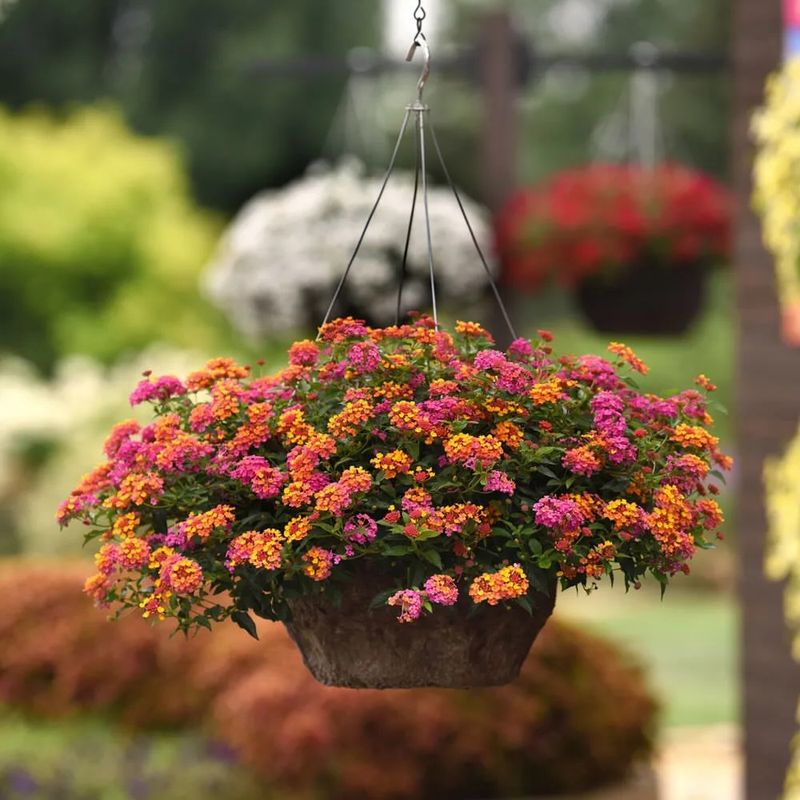
Bold, tough, and absolutely stunning in full sun, lantana is one of those plants that seems almost too good to be true.
It handles North Carolina’s intense summer heat with ease, produces non-stop clusters of multicolored blooms, and practically asks for very little in return.
If you have ever struggled with other flowers wilting in the afternoon sun, lantana is your answer. What makes lantana especially eye-catching is the way its flowers change color as they age.
A single cluster can show yellow, orange, pink, and red all at once, creating a confetti-like effect that is truly unique among flowering plants.
Varieties with trailing or mounding habits work especially well in hanging baskets, spilling over the sides in a gorgeous cascade.
Lantana is also impressively drought-tolerant once established, which is a huge advantage during those dry stretches that hit North Carolina in mid-summer.
It attracts butterflies and hummingbirds in droves, adding lively movement to your porch or patio display.
Plant it in well-draining potting mix and give it a spot that receives at least six to eight hours of full sun daily.
Water lantana regularly when it is young and getting established, then ease back as it matures.
Light fertilization every few weeks will encourage continued blooming, but avoid over-fertilizing since too much nitrogen pushes leafy growth at the expense of flowers. Trimming back any leggy stems mid-season helps keep the plant full and productive.
Lantana is genuinely one of the hardest-working plants you can put in a North Carolina hanging basket.
5. Portulaca That Thrives In Hot Spots
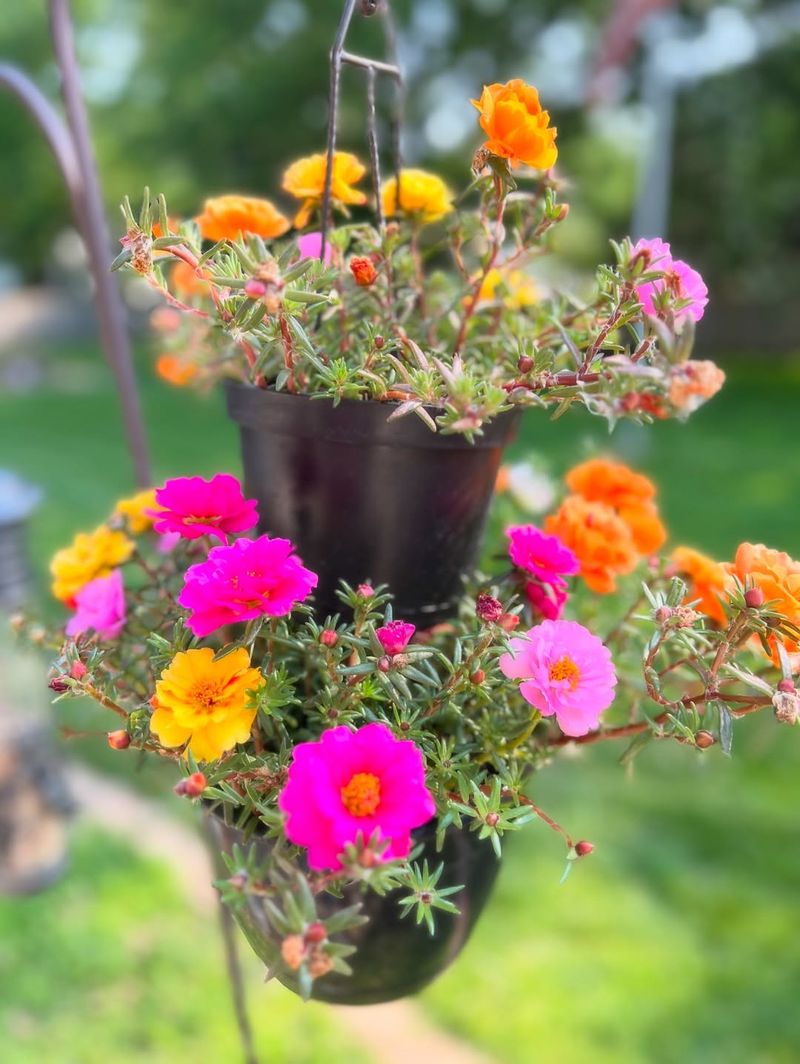
Hot, dry, and blazing with color, portulaca is the plant that thrives where others give up.
Also known as moss rose, this low-growing succulent absolutely loves full sun and poor soil conditions, making it one of the most forgiving choices for hanging baskets in North Carolina’s summer heat.
The blooms are small but spectacular, resembling miniature roses in shades of vivid yellow, fiery orange, hot pink, and deep red.
They open wide each morning when the sun hits them and close in the evening, creating a daily rhythm that feels almost magical.
Some newer varieties stay open longer throughout the day, which is great for those who want color even on overcast afternoons.
Because portulaca stores water in its thick, fleshy leaves, it handles dry spells far better than most flowering annuals.
This makes it a fantastic pick for gardeners in North Carolina who may not always be able to water their baskets every single day. Plant it in a fast-draining potting mix and choose the sunniest spot you have available.
Watering portulaca deeply but infrequently works best, as the roots prefer to dry out between drinks. Fertilize lightly once a month since too much feeding can reduce flowering.
Portulaca is also self-seeding, so you may find friendly volunteers popping up in your garden beds nearby.
The plant requires almost no deadheading and stays compact and tidy throughout the season. For effortless, brilliant color in full sun, portulaca is a North Carolina hanging basket gem.
6. Annual Vinca That Keeps Looking Fresh
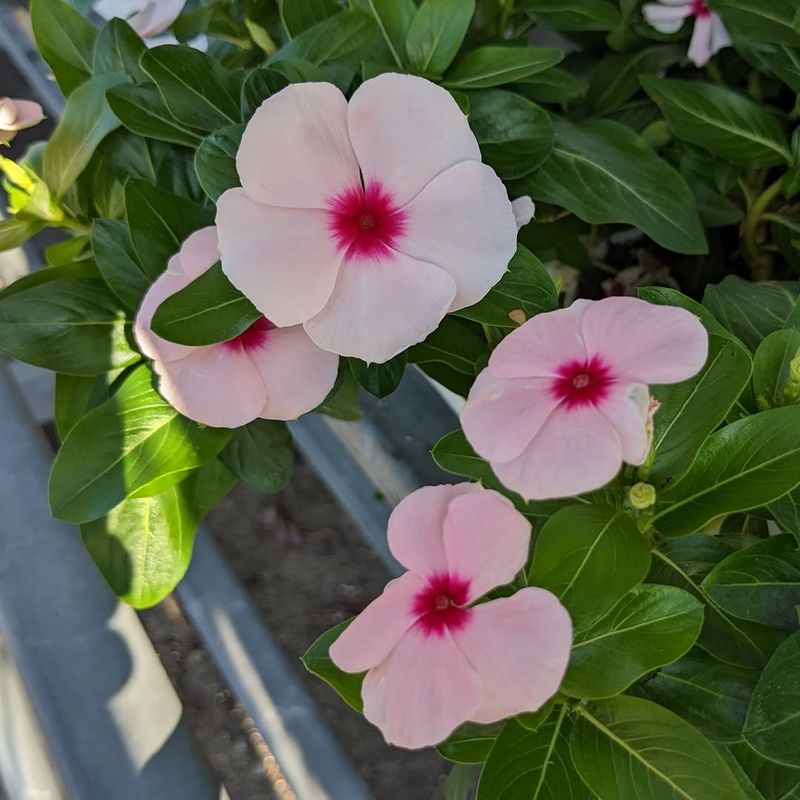
Annual vinca, sometimes called Madagascar periwinkle, is a heat-lover through and through.
Walk past a North Carolina garden center in late spring and you will almost always find flats of these glossy-leaved beauties ready to go home with someone.
Their reputation for handling brutal summer heat without fuss has made them a regional favorite for decades.
The flowers are flat and pinwheel-shaped, blooming in shades of white, pink, red, lavender, and bicolor combinations.
What sets annual vinca apart from many other warm-season flowers is its exceptional tolerance for heat and humidity, two things that North Carolina summers deliver in abundance.
While other plants struggle mid-July, vinca keeps on producing fresh blooms without complaint.
Annual vinca performs best with at least six hours of full sun per day. It also has impressive drought tolerance once established, though regular watering encourages more consistent blooming.
Use a well-draining potting mix to prevent waterlogged roots, which is really the only condition this plant dislikes.
Fertilize every one to two weeks with a balanced fertilizer to support steady flower production throughout the season. Annual vinca is largely self-cleaning, so you will not need to spend much time deadheading.
The plant naturally forms a mounding, slightly trailing shape that fills hanging baskets nicely. Mixing different color varieties in a single basket creates a lively, professional-looking display that lasts from late spring through the first frost.
For reliable, heat-proof color in North Carolina, annual vinca consistently delivers a beautiful performance.
7. Fan Flower That Spills Beautifully Over The Edge
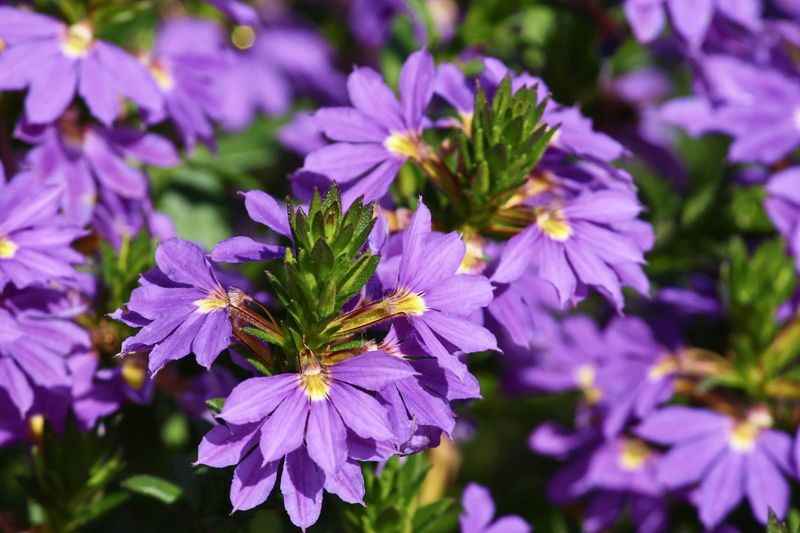
Not every hanging basket plant needs to shout for attention. Fan flower, known botanically as Scaevola, takes a softer approach with its delicate, fan-shaped blooms in shades of blue, purple, and white.
But do not let the dainty appearance fool you because this plant is genuinely tough and grows well in the sunny conditions found across North Carolina. What makes fan flower so interesting is the unusual shape of each bloom.
The petals are all arranged on one side of the flower, creating a half-circle or fan effect that looks unlike anything else in the garden. This quirky detail always catches the eye of visitors and sparks conversation.
The trailing stems grow long and lush, making fan flower an excellent choice for creating cascading displays in hanging baskets.
Fan flower is both heat-tolerant and drought-resistant once established, which suits North Carolina’s warm, sometimes dry summers beautifully.
It blooms continuously from late spring through fall without needing much intervention from the gardener.
Plant it in a well-draining potting mix and position the basket where it will receive a minimum of six hours of direct sunlight daily.
Water fan flower regularly during the establishment period, then reduce frequency slightly as the plant matures.
Fertilizing every two weeks with a balanced liquid fertilizer keeps the bloom production strong throughout the growing season.
Light trimming mid-season can refresh the plant and encourage a second wave of dense flowering.
Fan flower pairs wonderfully with brighter-colored plants like lantana or verbena, adding a cool-toned contrast that makes mixed North Carolina hanging baskets truly pop.
8. Cuphea That Brings Constant Summer Energy
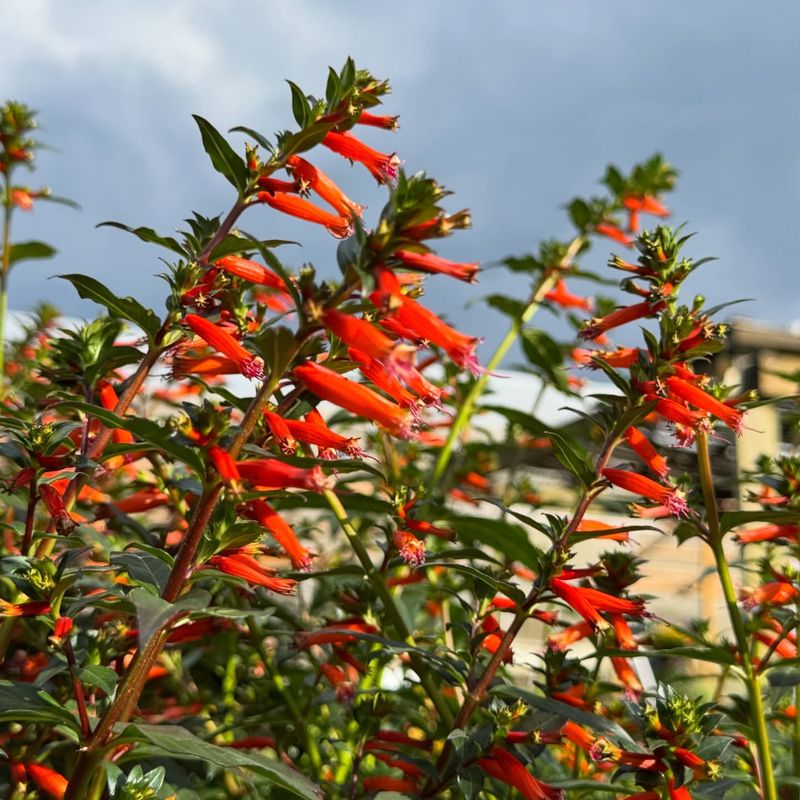
Cuphea might be the most underrated plant on this entire list. It does not get nearly as much attention as petunias or lantana, but gardeners in North Carolina who have tried it tend to become instant fans.
With its small, tubular flowers and incredibly long bloom season, cuphea brings a unique texture and charm to any hanging basket setup.
The most popular varieties include Cigar Plant, which features bright red and orange tubular blooms tipped in purple, and Bat-Faced Cuphea, which produces tiny purple and red flowers that look almost whimsical up close.
Both varieties are absolute magnets for hummingbirds, so hanging a cuphea basket near a window or seating area means you get a front-row seat to some incredible wildlife activity.
Cuphea thrives in full sun and handles North Carolina’s summer heat and humidity with impressive ease.
It has good drought tolerance once established but appreciates consistent moisture during the hottest weeks of the year.
Plant it in a quality, well-draining potting mix and hang the basket where it will receive at least six hours of direct sun daily.
Fertilize cuphea every couple of weeks with a balanced fertilizer to support its naturally bushy, prolific growth.
The plant rarely needs deadheading since spent flowers drop on their own, keeping maintenance simple.
Cuphea blends beautifully with trailing plants like verbena or fan flower, adding vertical fullness to mixed baskets.
For something a little different that still delivers stunning results, cuphea is a North Carolina hanging basket choice worth trying this season.