9 Beautiful Flowers For Your Window Boxes In Georgia
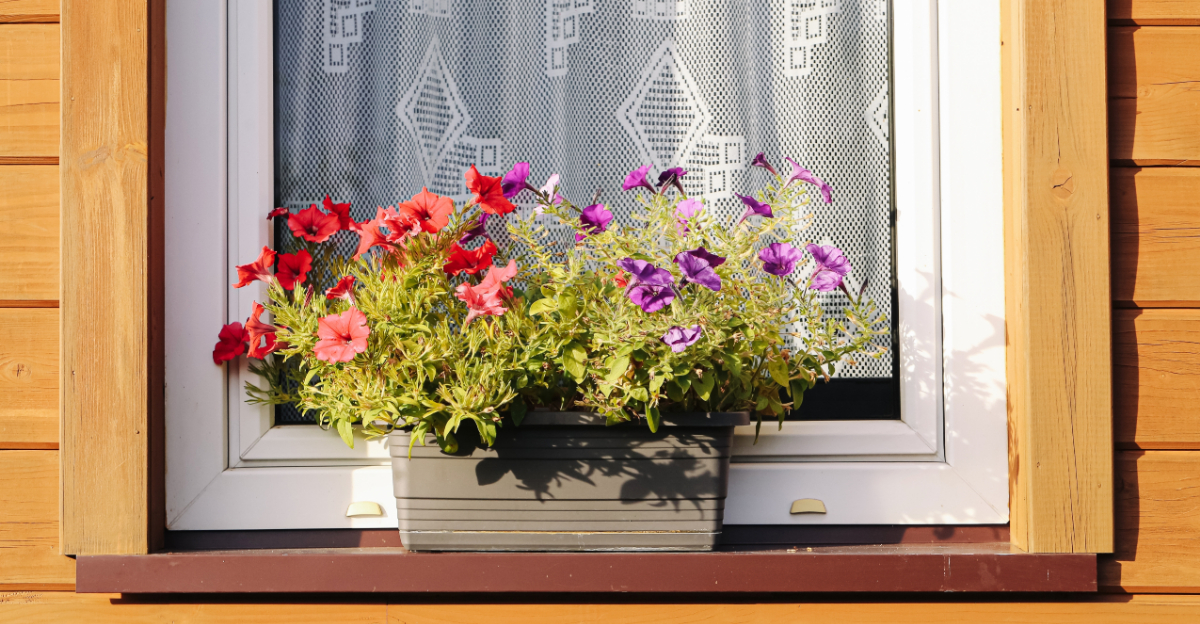
There is something old-fashioned and cheerful about a window box in bloom. It makes a house feel cared for, even on an ordinary weekday when the mail is piled up inside and the porch could use a sweep.
In Georgia, though, a pretty window box is not just about looks. Heat, humidity, strong sun, and sudden summer downpours can turn a charming planting into a faded mess if the flowers are not up to the job.
That is why the best choices are the ones that can handle real Georgia weather while still putting on a show. Color matters, but so does staying power.
Some flowers keep blooming through the sticky part of summer, and others earn their spot by holding up when lesser picks start looking worn out.
1. Petunia That Brightens The Whole Box
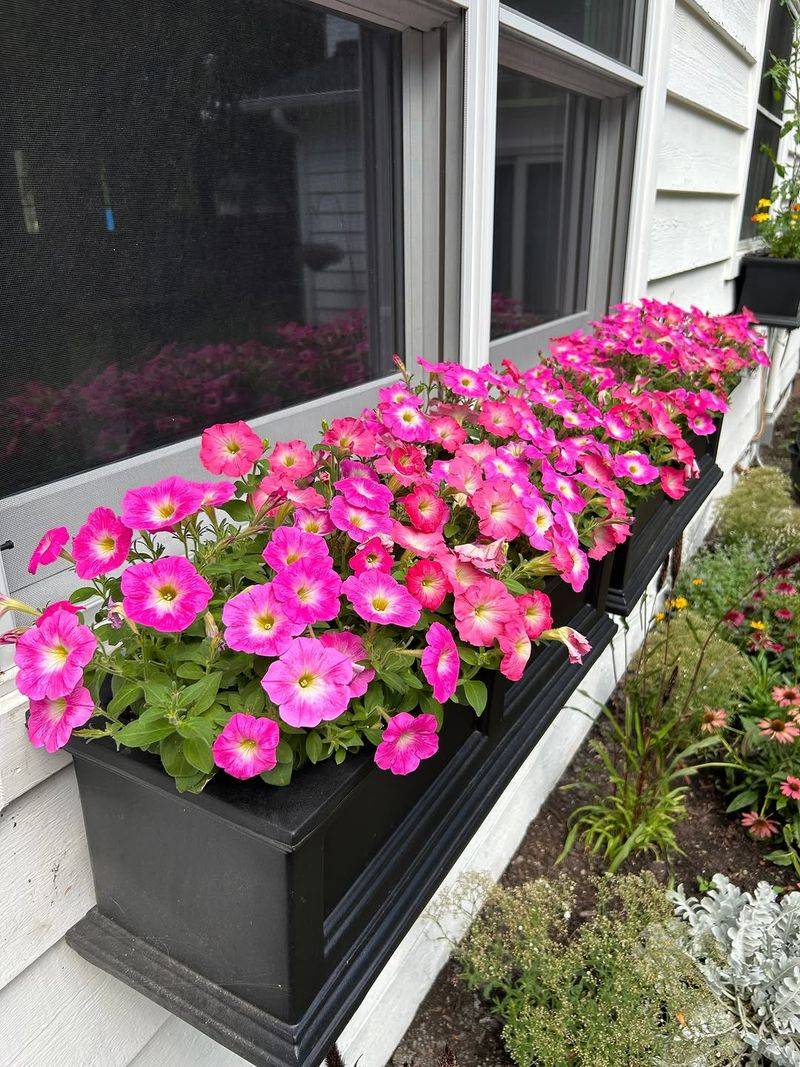
Few flowers put on a show quite like petunias. With their wide, trumpet-shaped blooms and trailing stems that spill gracefully over the edges of a window box, petunias are practically made for this job.
They come in nearly every color you can imagine, from deep purple to candy-stripe pink to bright white, making them one of the most popular choices for Georgia homeowners. Their vibrant hues brighten up any space, adding an instant burst of color to your garden or patio.
Petunias love sunshine, so place your window box somewhere that gets at least six hours of direct light each day. In Georgia’s hot summers, they may need watering every day, especially during July and August when temperatures soar.
Make sure your box has good drainage holes to keep roots from sitting in soggy soil, which can lead to root rot.
Deadheading spent blooms every few days keeps petunias looking fresh and encourages new flowers to open. Feed them with a balanced liquid fertilizer every two weeks for the best results.
Trailing varieties like Wave petunias are especially popular because they create a beautiful cascading effect that makes any window look like a flower shop front, drawing the eye with a riot of color and texture.
Petunias are low-maintenance yet deliver high visual impact, making them an easy choice for any Georgia garden.
2. Calibrachoa That Keeps The Blooms Coming
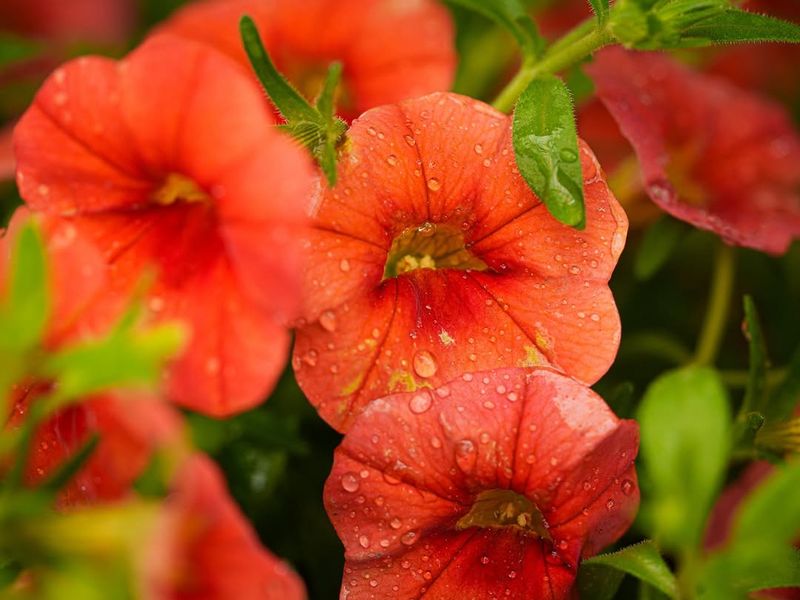
Nicknamed million bells, calibrachoa earns that name by producing hundreds of tiny, bell-shaped flowers all season long. Each bloom looks like a miniature petunia, and they come in a dazzling range of colors including coral, lemon yellow, deep violet, and bicolor patterns.
Gardeners across Georgia have fallen in love with this plant because it blooms non-stop from spring all the way through fall without much fussing.
Calibrachoa performs best in full sun, making it a natural fit for south or west-facing windows in Georgia. It is naturally trailing, which means it spills beautifully over the sides of window boxes without any training or pruning needed.
Pair it with upright plants like snapdragons or ornamental grasses for a layered, textured look.
Watering consistently is key since calibrachoa does not like to dry out completely between waterings. Use a potting mix that drains well and feed the plant regularly with a fertilizer made for blooming plants.
Your Georgia Garden Changes Every Week. Your Plan Should Too.
Gardening in Georgia changes quickly throughout the season. Every Friday you’ll receive a simple weekly plan showing exactly what to plant, prune, fertilize, harvest, and protect so you never miss the right timing.
One fun tip: if your plant starts looking a little tired mid-summer, give it a light trim and a good feeding, and it will bounce back with a fresh flush of color in no time.
3. Lantana That Brings Bold Summer Color
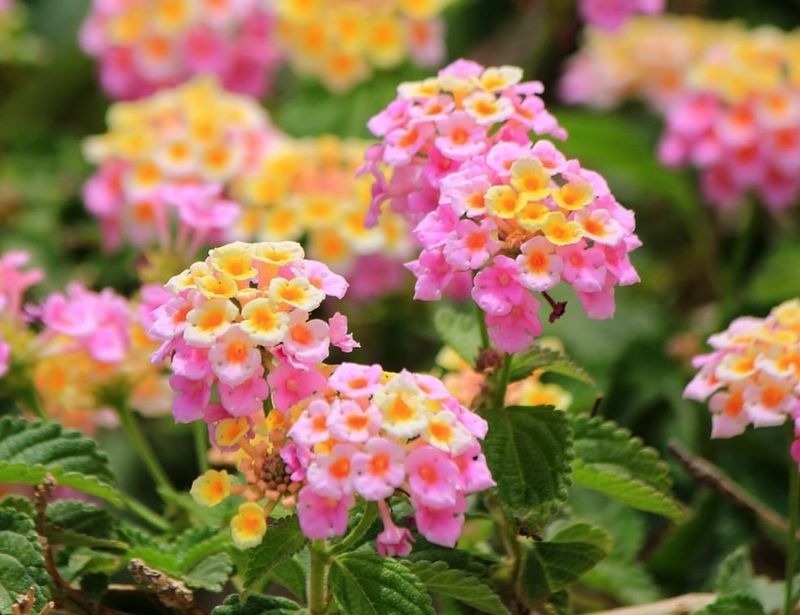
If there is one flower that was practically built for Georgia summers, it is lantana. This tough, sun-loving plant thrives in heat and humidity, blooming in cheerful clusters of orange, yellow, red, pink, and purple.
One of lantana’s coolest features is that each cluster often contains multiple colors at once, creating a multicolored pom-pom effect that looks stunning in a window box.
Lantana is incredibly drought-tolerant once established, making it a low-maintenance choice for busy homeowners. It grows vigorously across much of Georgia during the warm season and can handle the intense summer heat of cities like Macon and Augusta very well.
Butterflies and hummingbirds absolutely love the nectar-rich blooms, so you will get some bonus wildlife action right outside your window.
Plant lantana in a box with well-draining soil and full sun exposure for the best results. Water it when the top inch of soil feels dry, and fertilize lightly every three to four weeks.
Too much fertilizer can actually reduce blooming, so less is more here. Trim back any leggy stems to keep the plant full and bushy throughout the season.
Lantana is truly one of Georgia’s most reliable warm-weather window box performers.
4. Portulaca That Loves Sunny Window Spots
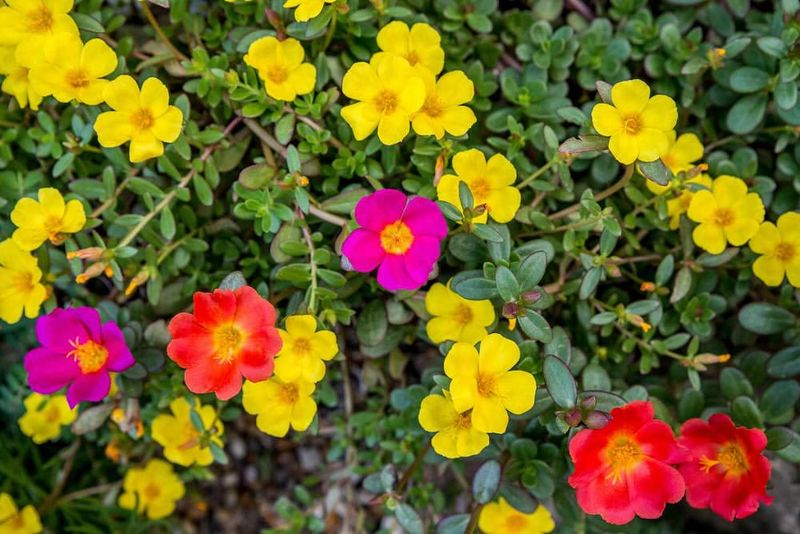
Portulaca, often called moss rose, is the ultimate flower for a hot, sunny window box. Its jewel-toned blooms in magenta, orange, yellow, and cream open wide in full sunshine and practically glow against their succulent-like, fleshy leaves.
In Georgia, where summer sun can be relentless, portulaca is one of the few flowers that actually seems to enjoy the intense heat rather than wilt under it.
Because portulaca stores water in its thick stems and leaves, it handles dry spells like a champion. If you tend to forget to water your window boxes or travel during the summer months, this plant is incredibly forgiving.
It grows low and spreading, making it a great filler or cascading plant for the front edge of a window box arrangement.
Plant portulaca in sandy or well-draining potting mix and place it where it will receive at least six to eight hours of direct sun. Fertilize sparingly since too many nutrients can result in lush foliage but fewer blooms.
One charming quirk about portulaca is that its flowers close at night and on cloudy days, then reopen when the sun comes back out, like little floral alarm clocks greeting each new Georgia morning.
5. Vinca That Stays Strong In Heat
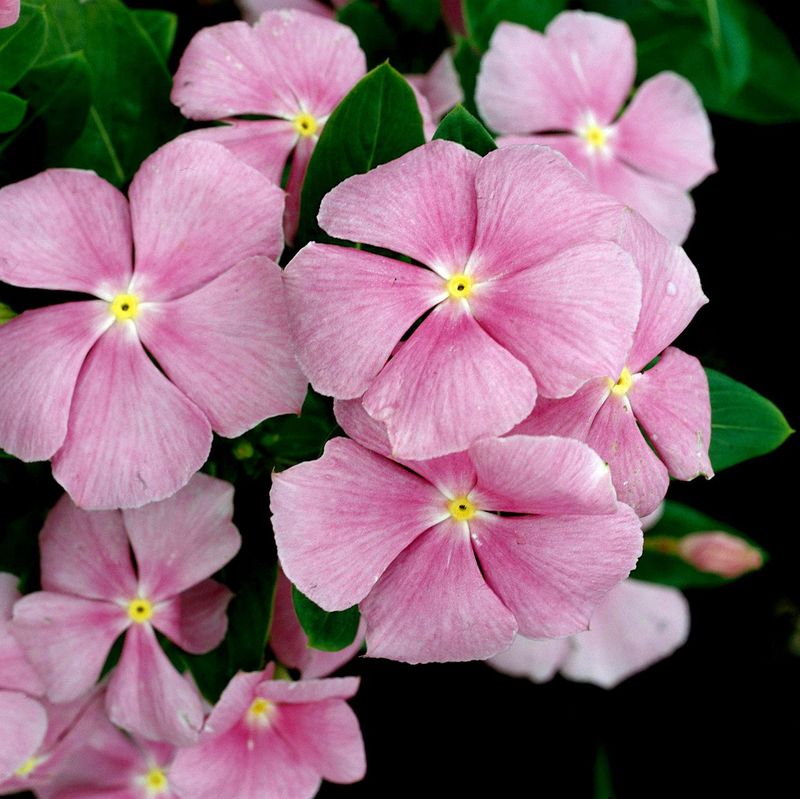
Known as annual vinca or Madagascar periwinkle, this plant is a go-to choice for Georgia gardeners seeking reliable color all summer long with minimal effort. Its glossy, dark green leaves set off cheerful blooms in shades of hot pink, red, white, lavender, and salmon.
Unlike some flowers that struggle when the heat ramps up, vinca actually thrives as temperatures climb, making it perfectly suited for Georgia’s long, steamy summers.
One of vinca’s best qualities is its self-cleaning nature. Spent blooms fall off on their own, so you do not need to deadhead constantly to keep the plant looking tidy.
This makes it a fantastic option for people who love beautiful window boxes but do not have a lot of time for daily maintenance. It grows in a mounding, slightly spreading habit that fills a window box beautifully.
Vinca does best in full sun and well-draining soil. Water it moderately and avoid overwatering since it is susceptible to root rot in soggy conditions.
Feed it with a slow-release fertilizer at planting time and supplement with a liquid feed monthly. In Georgia, vinca thrives from late spring through the first cool snaps of fall, giving you months of vibrant, worry-free color in your window boxes.
6. Wax Begonia That Adds Soft Reliable Color
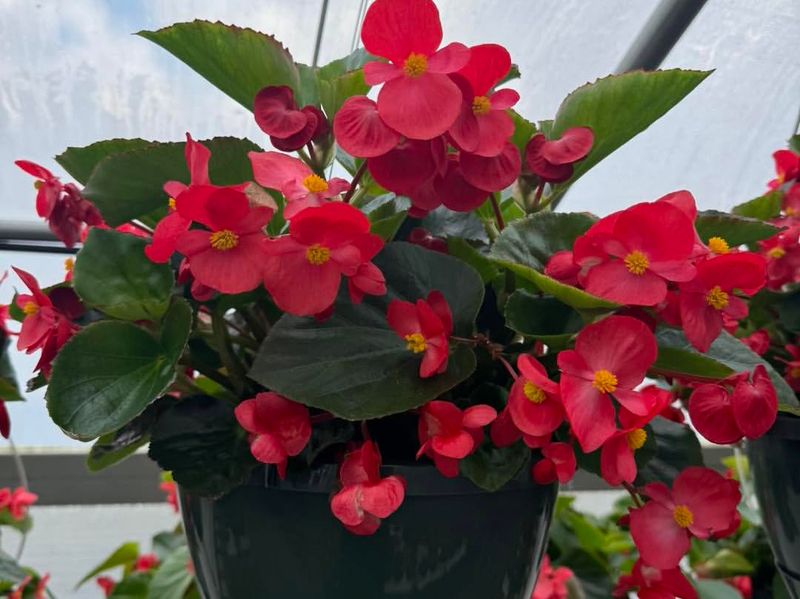
Often the quiet overachievers of the window box world, wax begonias bring consistent beauty with little fuss. While flashier flowers get all the attention, wax begonias just keep blooming steadily from spring to fall, looking neat and colorful no matter what Georgia’s weather throws at them.
Their waxy, rounded leaves and compact clusters of red, pink, or white flowers have a classic, old-fashioned charm that never goes out of style.
What sets wax begonias apart from many other window box flowers is their ability to thrive in both sun and partial shade. This makes them incredibly versatile for Georgia homes where window placement varies.
North-facing or east-facing windows that receive only a few hours of morning light are perfect spots where wax begonias will flourish when other sun-lovers might struggle.
They are also notably heat and humidity tolerant, which is a big deal in a state like Georgia where summer conditions can be brutal. Water them regularly but allow the soil to dry slightly between waterings.
Overwatering is the most common mistake with begonias, so always check the soil before reaching for the watering can. A monthly feeding with a balanced fertilizer will keep them looking their absolute best all season long.
7. Bacopa That Cascades With Charm
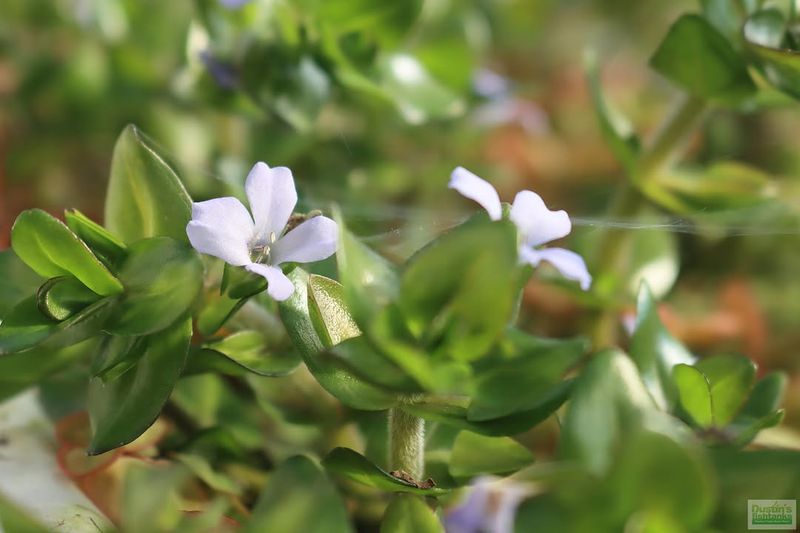
One of those flowers that gardeners quickly fall in love with, bacopa makes you wonder why you waited so long to try it. Covered in tiny, delicate blooms in white, pink, or lavender, bacopa creates a soft, lacy curtain of color as it trails over the edges of a window box.
It has a romantic, cottage-garden quality that pairs beautifully with bolder flowers like petunias or lantana, softening the overall look without stealing the spotlight.
In Georgia, bacopa performs best during the cooler parts of the growing season, from early spring through late spring and again in fall when temperatures ease off.
During the hottest weeks of a Georgia summer, it may slow down its blooming or look a little stressed, but a light trim and some extra water can help it rebound as temperatures moderate.
Bacopa prefers consistently moist soil, so regular watering is important, especially in a window box where soil dries out faster than in the ground. It does well in full sun to partial shade, making it adaptable to different window exposures.
Feed it every two weeks with a diluted liquid fertilizer to keep it lush and flowering. Its airy texture and nonstop blooming habit make it a charming addition to any Georgia window box.
8. Ivy Geranium That Trails With Style
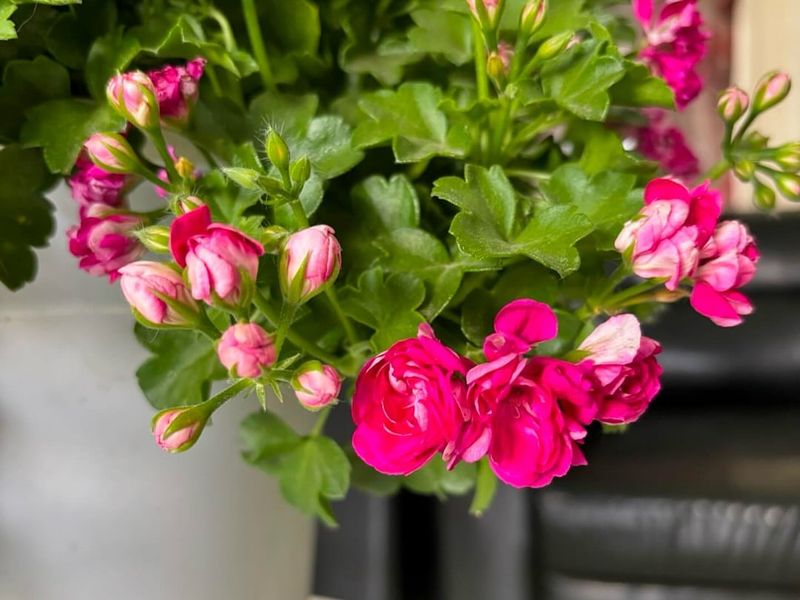
With their classic European window box charm, ivy geraniums add timeless beauty to your Georgia home. Unlike their upright cousins, ivy geraniums have a naturally trailing habit, with flexible stems that cascade elegantly over the sides of a box.
Their ivy-shaped leaves are glossy and attractive even when the plant is not in bloom, and the flower clusters come in shades of pink, red, salmon, white, and lavender that look stunning against a brick or painted exterior.
Georgia’s warm climate suits ivy geraniums well, though they do appreciate a bit of afternoon shade during the peak of summer to prevent heat stress. Morning sun with some protection from the harshest afternoon rays is the sweet spot for these beauties.
They are a popular choice for window boxes in Georgia’s mountain regions like Blue Ridge and Dahlonega, where summer temperatures are slightly cooler.
Keep the soil evenly moist but never waterlogged, and feed ivy geraniums every two weeks with a fertilizer higher in potassium to promote blooming. Removing spent flower heads encourages fresh clusters to form.
One thing to watch for is overwatering in humid Georgia summers, which can lead to fungal issues. Good air circulation around the plants goes a long way toward keeping them healthy and vibrant all season.
9. Torenia That Adds A Fresh Pop Of Color
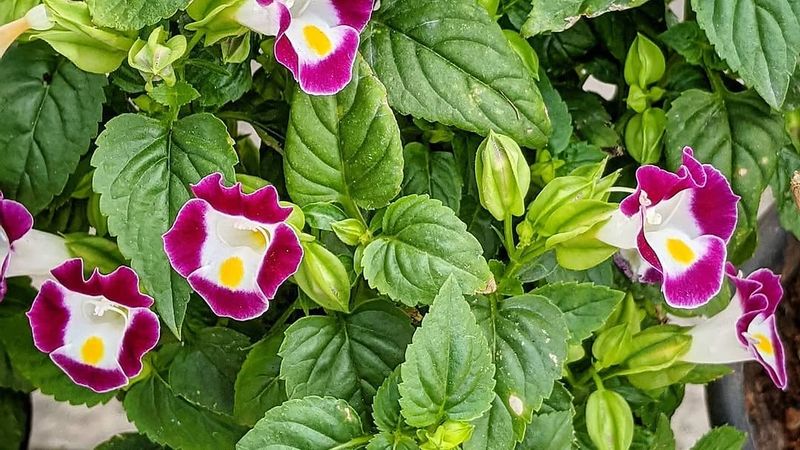
Torenia, nicknamed the wishbone flower for the tiny wishbone-shaped stamens inside each bloom, is one of the most charming shade-tolerant flowers you can grow in a Georgia window box.
Each flower looks like a miniature snapdragon, with two-toned petals in combinations of purple and white, pink and magenta, or yellow and lavender.
Up close, they are absolutely adorable, and they make a big visual impact when planted in groups.
What makes torenia especially valuable in Georgia is its love of heat combined with its ability to perform well in partial shade.
Many shade flowers struggle when temperatures climb into the 90s, but torenia keeps right on blooming through Georgia’s humid summers without complaint.
This makes it a top pick for north-facing windows or spots shaded by trees or roof overhangs where other flowers would fade.
Plant torenia in rich, well-draining potting mix and keep the soil consistently moist since it does not like to dry out. Fertilize every two weeks with a balanced fertilizer to keep it producing fresh blooms.
It naturally branches and fills out a window box nicely without needing much pruning. Pair torenia with bacopa or wax begonias for a gorgeous, layered shade window box that looks incredible all summer long across Georgia.