10 Native Michigan Plants That Practically Grow Themselves In Your Garden
Michigan’s unpredictable weather can make gardening tricky, but native plants make it a lot easier. These plants are perfectly suited to local conditions, requiring little maintenance once established.
They thrive in the state’s diverse climates, handling everything from cold winters to hot, humid summers with ease. With the right native plants in your garden, you get long-lasting beauty without the constant upkeep.
These plants attract pollinators, provide texture, and fill your garden with vibrant color. Plus, they need minimal watering and care, making them the perfect choice for gardeners who want a low-maintenance, sustainable garden.
Here’s a look at 10 native Michigan plants that practically grow themselves, giving your garden a natural, easy charm.
1. Black-Eyed Susan
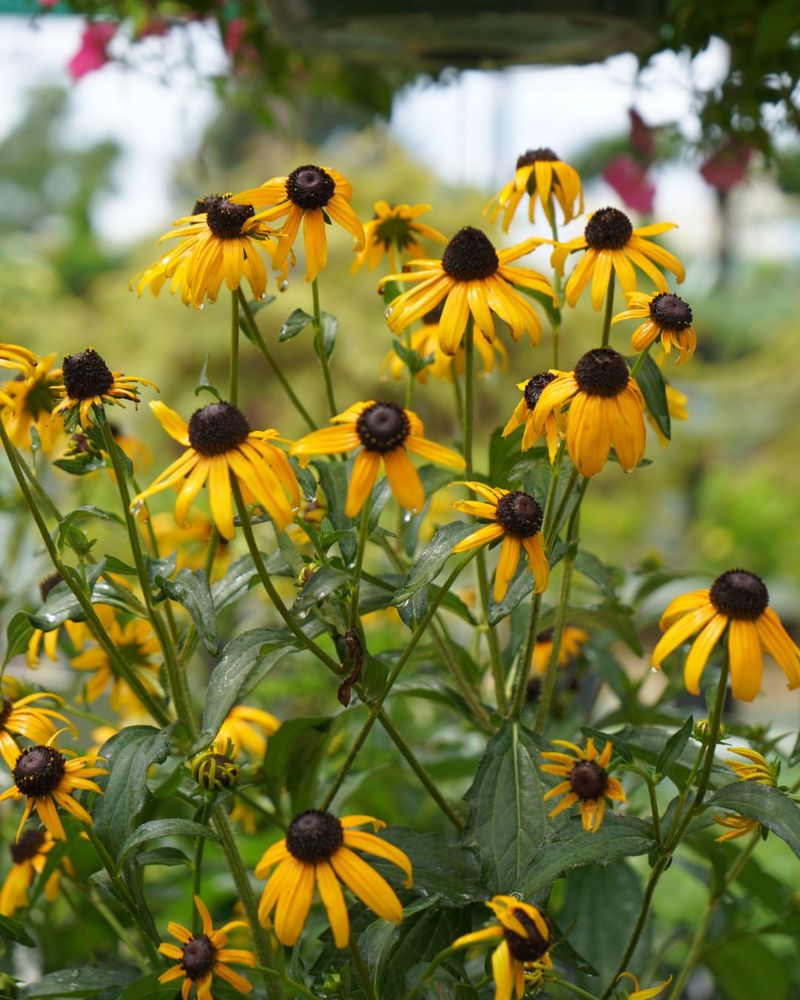
Few plants light up a Michigan garden quite like Black-Eyed Susan. Those bold yellow petals surrounding a rich, chocolatey-brown center are impossible to miss, and they bloom generously from June all the way through September.
Gardeners across Michigan love this plant because it asks for almost nothing in return.
Plant it in a sunny spot with well-drained soil, and it will basically take care of itself from there. Black-Eyed Susan handles drought like a champ once it gets established, which means less watering for you during those hot Michigan summers.
It also reseeds itself naturally, so your patch will slowly spread and grow fuller every year. Pollinators go absolutely wild for these flowers. Bees, butterflies, and even goldfinches visit regularly, turning your garden into a lively little ecosystem.
The scientific name is Rudbeckia hirta, and it belongs to the sunflower family, which explains that cheerful, sunny look. Whether you plant it along a fence, in a meadow-style bed, or mixed with other natives, Black-Eyed Susan always delivers.
It is one of those rare plants that looks like it took effort but truly did not. For beginner gardeners in Michigan, this is the perfect starting point for a low-maintenance, high-reward yard.
2. Wild Bergamot
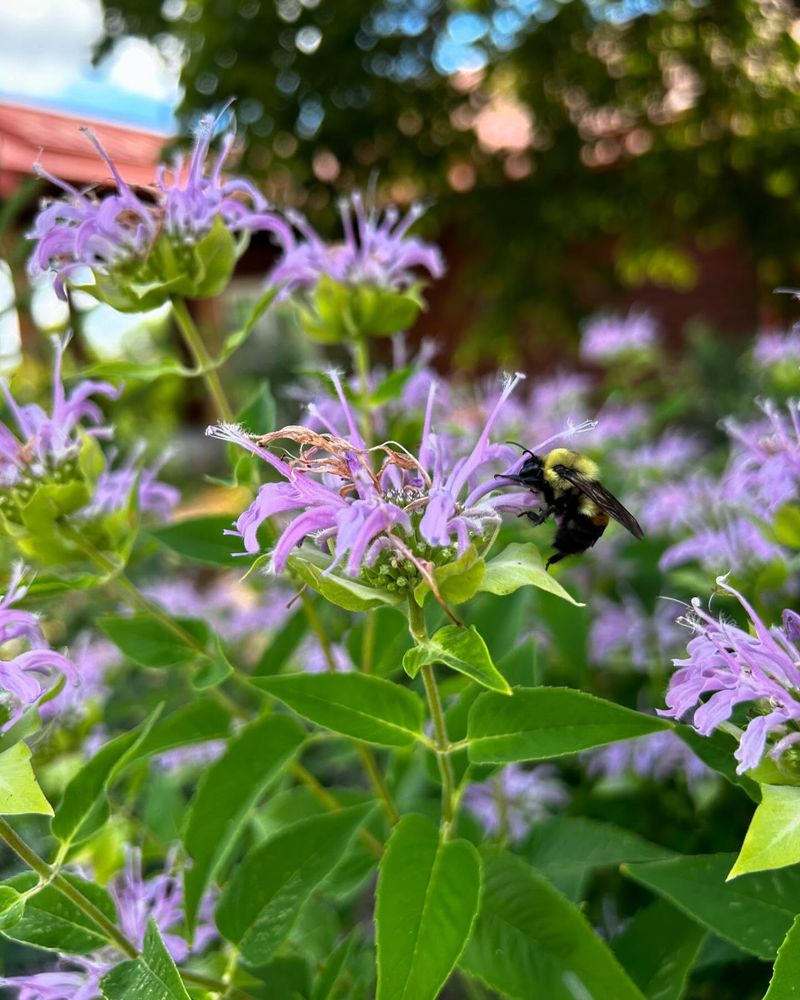
Walk past Wild Bergamot on a warm Michigan afternoon and you will catch a faint, herby scent drifting through the air. Also called Bee Balm, this perennial produces clusters of soft lavender flowers that bloom in midsummer and attract an incredible variety of pollinators.
Bees, hummingbirds, and butterflies flock to it like it is the best restaurant in town.
Wild Bergamot, known scientifically as Monarda fistulosa, grows naturally across Michigan’s meadows, prairies, and woodland edges. That native background means it is already perfectly tuned to the local climate and soil.
Once established, it spreads gradually through underground rhizomes, filling in bare spots without any help from you. It handles full sun to partial shade and does not need much water after the first season.
One fun fact: Native American tribes historically used Wild Bergamot as a medicinal herb and flavoring. Today, gardeners use it mainly for its beauty and pollinator appeal, but knowing its rich history makes it even more interesting to grow.
If you have a sunny or lightly shaded border in Michigan, this plant will thrive there for years. Pair it with Black-Eyed Susan or New England Aster for a stunning, wildlife-friendly display that practically runs itself from spring through fall.
Your Michigan Garden Changes Every Week. Your Plan Should Too.
Gardening in Michigan changes quickly throughout the season. Every Friday you’ll receive a simple weekly plan showing exactly what to plant, prune, fertilize, harvest, and protect so you never miss the right timing.
3. Butterfly Weed
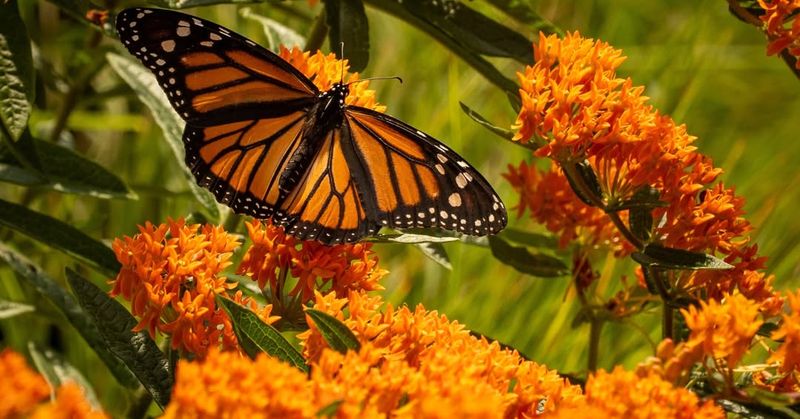
Imagine a plant so attractive to monarch butterflies that they will travel miles just to find it. That is exactly what Butterfly Weed does in a Michigan garden.
Its vivid clusters of orange flowers are some of the most striking blooms you will ever see on a native plant, and they show up reliably from June through August every single year.
Scientifically known as Asclepias tuberosa, this plant is a type of milkweed and serves as the primary host plant for monarch butterfly caterpillars. Planting it in Michigan means you are actively helping support a species that is struggling across North America.
Beyond monarchs, bees and other pollinators also love visiting those brilliant orange blooms all season long.
Butterfly Weed prefers full sun and well-drained soil, making it ideal for dry, sunny spots where other plants might struggle. Once its deep taproot gets established, it becomes remarkably drought-tolerant and rarely needs watering.
It does take a little patience in the first year while that root system develops, but after that, it basically looks after itself. Unlike many milkweeds, Butterfly Weed does not spread aggressively, so it stays tidy in the garden.
For Michigan gardeners who want big color with minimal effort and a real conservation impact, this plant is a must-have choice.
4. Wild Columbine
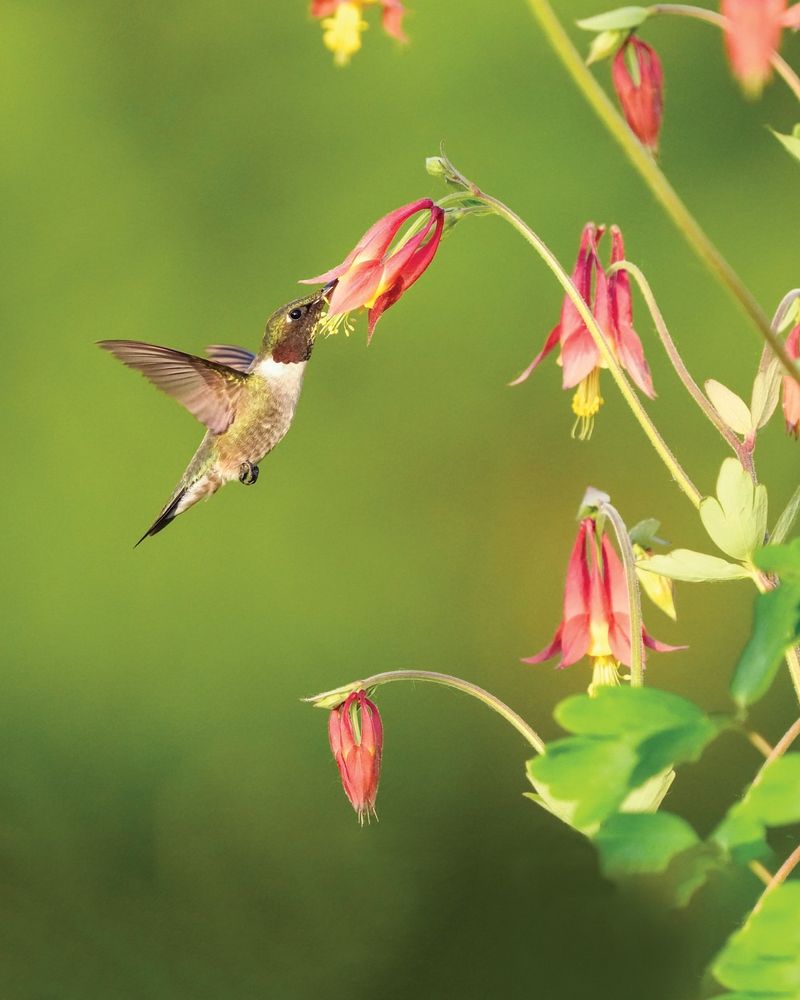
Wild Columbine has a look that stops people in their tracks. Those nodding red and yellow bell-shaped flowers, dangling from slender stems in spring, look almost too pretty to be real.
Native across Michigan’s woodlands and rocky slopes, Aquilegia canadensis is one of the earliest native plants to bloom, often showing off its flowers in April and May when the garden is just waking up.
What makes this plant especially easy to love is how little it demands. Wild Columbine thrives in partial shade, making it perfect for those tricky spots under trees where other plants struggle to grow.
It self-seeds enthusiastically, which means once you plant it, it will quietly multiply and spread through your garden on its own schedule. Each plant typically blooms for several weeks, and the delicate foliage stays attractive long after flowering ends.
Hummingbirds are huge fans of Wild Columbine, drawn in by those tubular red flowers that seem almost custom-built for their long beaks. Bees also visit frequently, especially bumblebees that can reach the nectar.
The whole plant has a graceful, woodland charm that pairs beautifully with ferns and wild ginger in a shaded Michigan garden bed. If you want spring color without the work, Wild Columbine is one of the most rewarding native plants you can grow in Michigan.
5. New England Aster
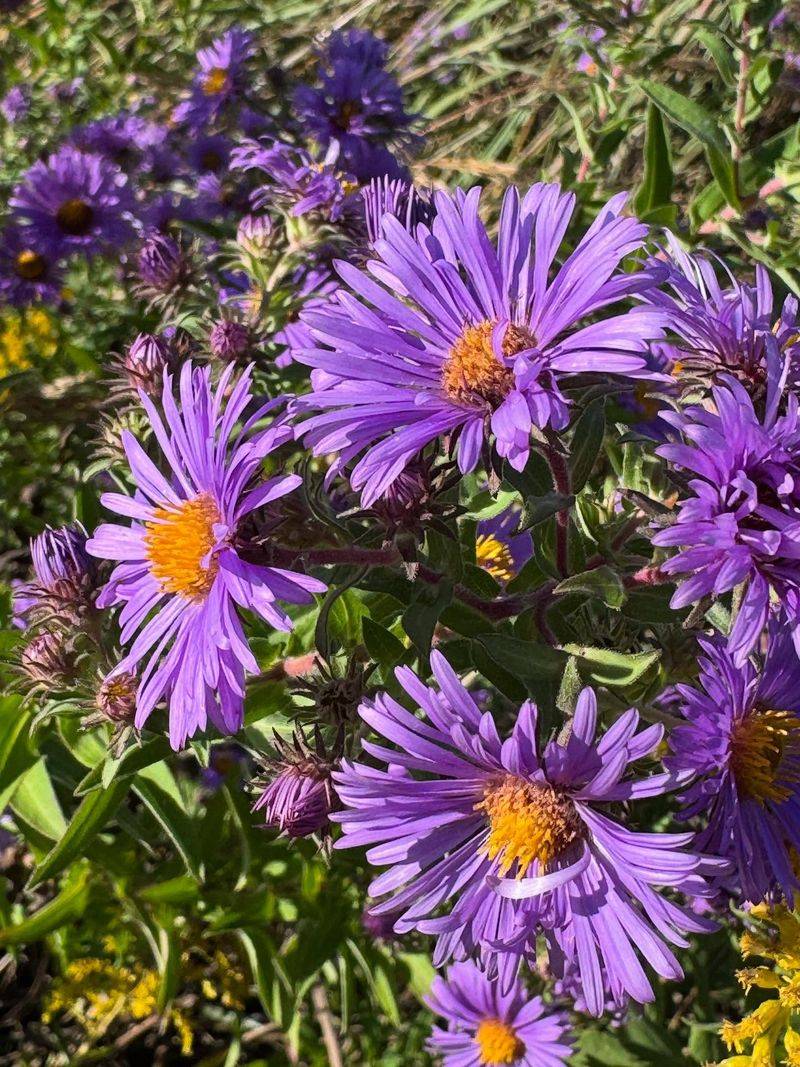
Just when the rest of the garden starts winding down for the season, New England Aster bursts into bloom with stunning purple flowers that light up the Michigan landscape.
This perennial is a true fall hero, producing dense clusters of daisy-like blooms from late August through October.
The yellow centers surrounded by rich violet petals create a color combination that is hard to beat.
Symphyotrichum novae-angliae grows naturally across Michigan in meadows, stream banks, and open fields. That tough, adaptable background means it handles Michigan’s unpredictable weather without complaint.
Give it full sun and reasonably well-drained soil, and it will reward you with bigger, better blooms every single year. It does spread over time, but the clumps are easy to divide and share with neighbors or move to new spots in the yard.
For pollinators getting ready for winter, New England Aster is a lifeline. Bees, butterflies, and other insects rely on its late-season nectar when few other flowers are still blooming in Michigan.
Monarch butterflies, in particular, fuel up on New England Aster during their fall migration south. Planting this in your Michigan garden means you are supporting wildlife at one of the most critical times of year.
It is low-maintenance, long-blooming, and absolutely gorgeous when everything else is fading away.
6. Wild Ginger
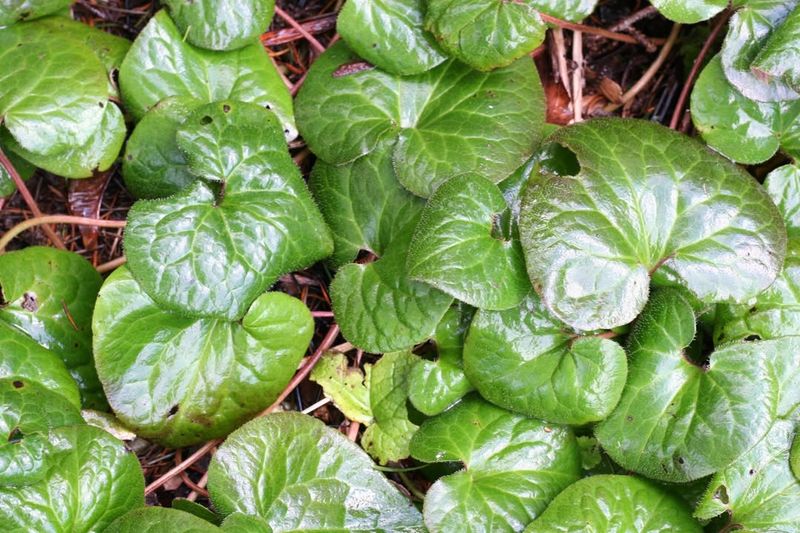
If you have a shady spot in your Michigan yard that nothing seems to want to grow in, Wild Ginger might just be your answer. This low-growing ground cover spreads slowly and steadily across the forest floor, forming a dense, lush carpet of large, heart-shaped leaves.
It is one of the most reliable native ground covers you can plant in Michigan, especially under trees or along shaded pathways.
Asarum canadense, its scientific name, is a true Michigan native found naturally in rich woodland soils across the state. The plant produces small, brownish-purple flowers in spring that hide cleverly under the leaves close to the ground.
Those flowers are actually pollinated by ground-crawling insects rather than bees or butterflies, which is a fascinating quirk of its biology. The leaves stay green and attractive all season long, adding texture and coverage where other plants fall short.
Wild Ginger does not need any fertilizing, rarely needs watering once established, and stays naturally compact without spreading out of control.
The roots have a mild ginger-like scent when disturbed, which is how the plant got its common name, though it is not related to culinary ginger at all.
For Michigan gardeners dealing with challenging shady areas, this plant is a quiet, dependable solution. Plant it once and watch it slowly transform a bare patch into a beautiful, natural woodland floor.
7. Prairie Dropseed
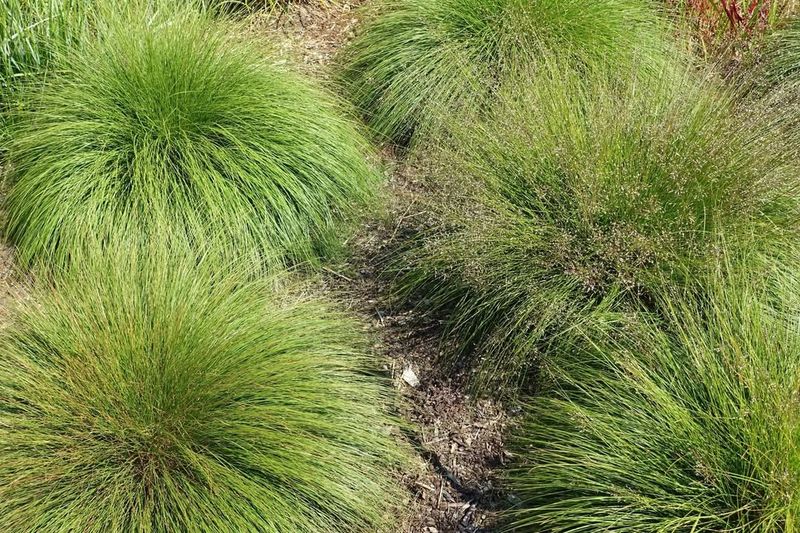
Not every garden hero has flashy flowers. Prairie Dropseed proves that grasses can be just as beautiful and just as useful as any blooming plant in a Michigan garden.
This fine-textured native grass forms tidy, arching mounds of bright green foliage that turn a warm golden-orange in fall, giving your yard a gorgeous seasonal display with almost zero effort on your part.
Sporobolus heterolepis grows naturally across Michigan’s prairies and open woodlands, where it has adapted to handle heat, drought, and poor soils with ease.
In late summer, it sends up delicate, airy seed heads that catch the light beautifully and have a faint, pleasant fragrance that some people compare to popcorn or cilantro.
Birds love to feed on the seeds through fall and into winter, making it a valuable wildlife plant as well.
Prairie Dropseed is incredibly long-lived, with established clumps known to persist for decades without division or special care. It grows slowly at first, but once it settles in, it becomes one of the most reliable plants in the Michigan garden.
Full sun and well-drained soil are really all it needs. Use it as an edging plant, a ground cover for a sunny slope, or a filler in a mixed native planting.
Few plants offer this much beauty, wildlife value, and durability for such little investment of time and energy.
8. Blue Wild Indigo
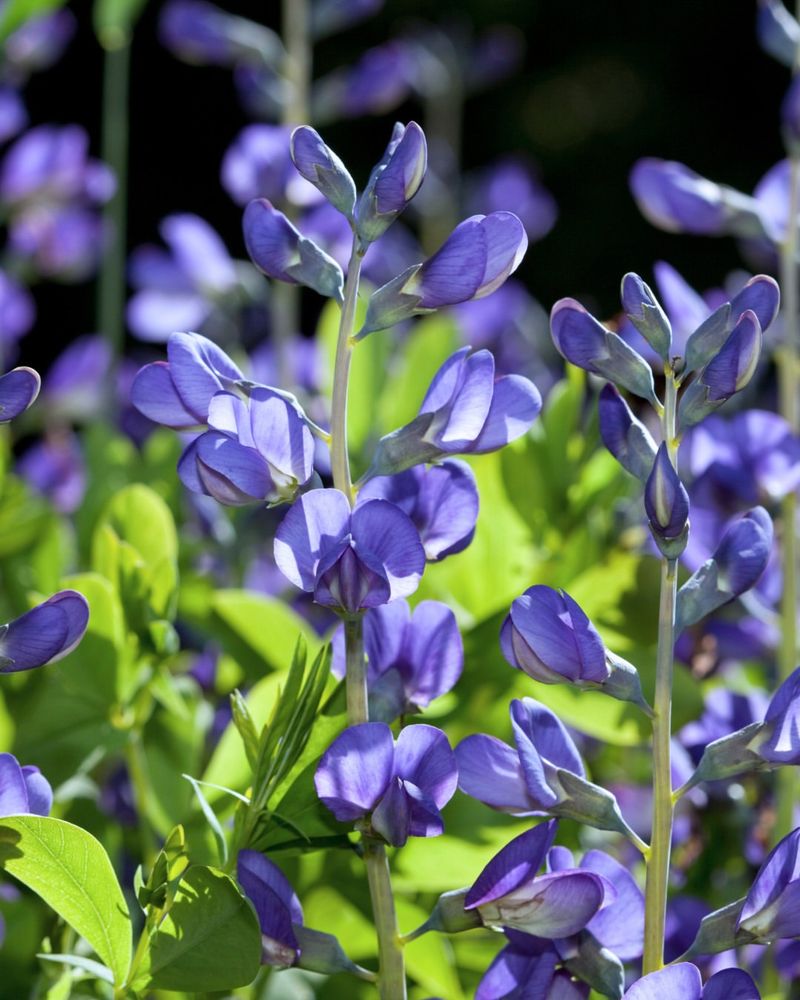
Blue Wild Indigo has a commanding presence in the garden that makes it look like you spent a lot of time and money getting it there.
Tall spikes of deep blue-purple flowers rise up in late spring, creating a bold, dramatic display that draws attention from across the yard.
Once those blooms fade, the blue-green foliage and dark seed pods continue to add structure and interest through the rest of the Michigan growing season.
Baptisia australis is a native perennial that grows naturally in open woods and prairies across the eastern United States, including Michigan. It develops an incredibly deep, woody root system over time, which is what makes it so drought-tolerant and long-lived.
The plant can take two to three years to fully establish, but once it does, it becomes essentially indestructible. Gardeners who are patient in the early years are rewarded with a stunning, self-sufficient shrub-like plant that returns reliably for decades.
Bumblebees are especially fond of Blue Wild Indigo, and you will often see them working those flower spikes enthusiastically in late spring. The plant fixes nitrogen in the soil, which actually improves the growing conditions around it over time.
It does not need dividing, rarely needs watering, and has very few pest problems in Michigan gardens. Plant it at the back of a sunny border and let it grow into the garden showpiece it was always meant to be.
9. Joe Pye Weed
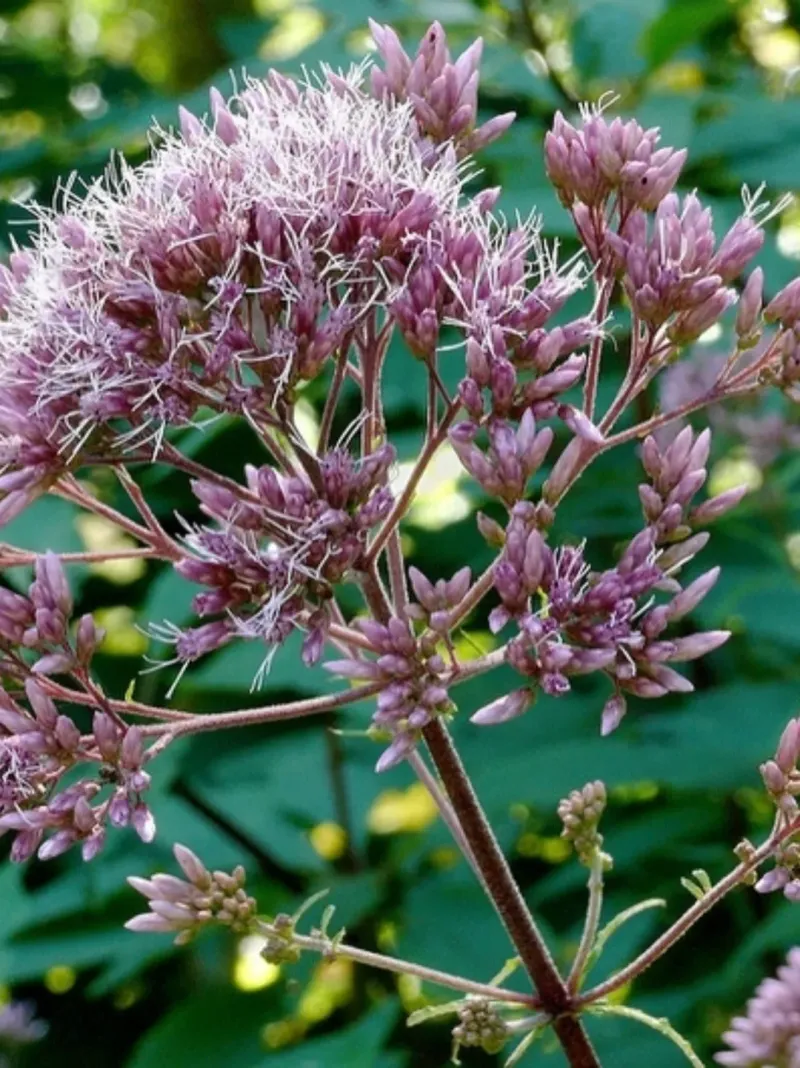
There is something wonderfully wild and beautiful about Joe Pye Weed in full bloom. Standing anywhere from four to seven feet tall, this Michigan native commands attention in the late-summer garden with its large, dusty-pink flower clusters that butterflies absolutely cannot resist.
It is one of those plants that looks like it belongs in a naturalistic, cottage-style garden, and it truly thrives with almost no care at all.
Eutrochium purpureum grows naturally in moist woods and stream edges across Michigan, which means it handles wetter spots in the garden better than most native plants.
While it prefers moist, rich soil, it is surprisingly adaptable and will grow well in average garden conditions too.
Full sun to partial shade suits it just fine, and once it gets going, it spreads slowly to form impressive clumps that fill in the back of a garden border beautifully.
Monarch butterflies, swallowtails, and fritillaries are among the many butterfly species that visit Joe Pye Weed during its long late-summer bloom. The seed heads that follow are equally attractive, providing food for birds through the fall and winter months in Michigan.
Fun fact: the plant is named after a legendary Native American healer who reportedly used it medicinally. Whether you plant it for its history, its height, or its wildlife value, Joe Pye Weed always earns its place in a Michigan native garden.
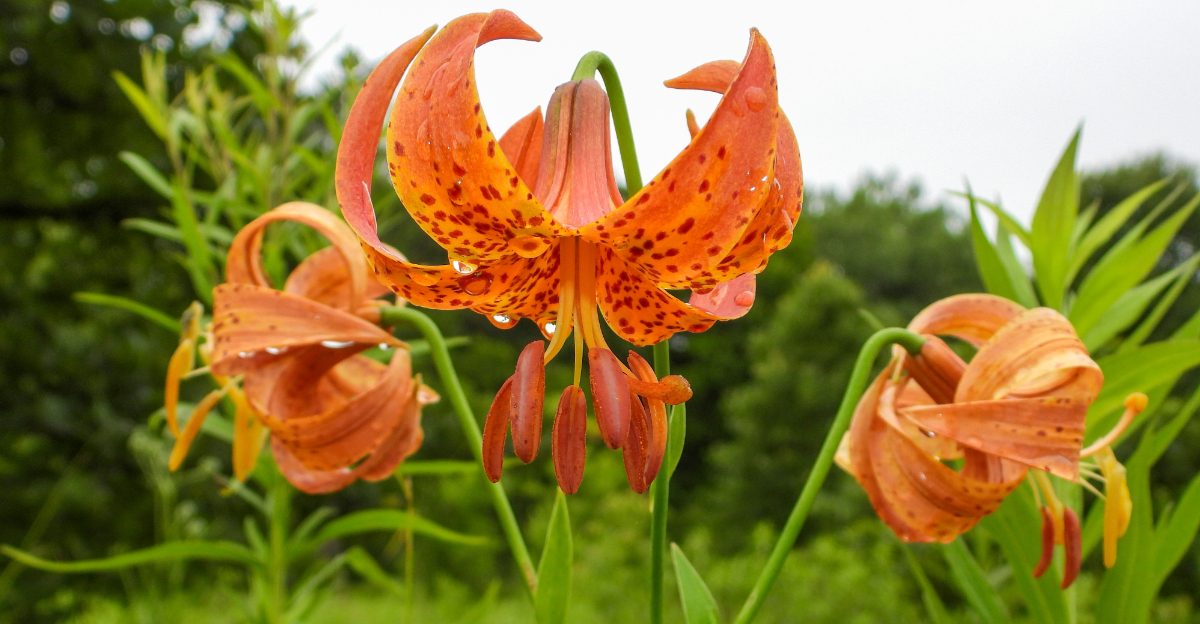
10. Michigan Lily
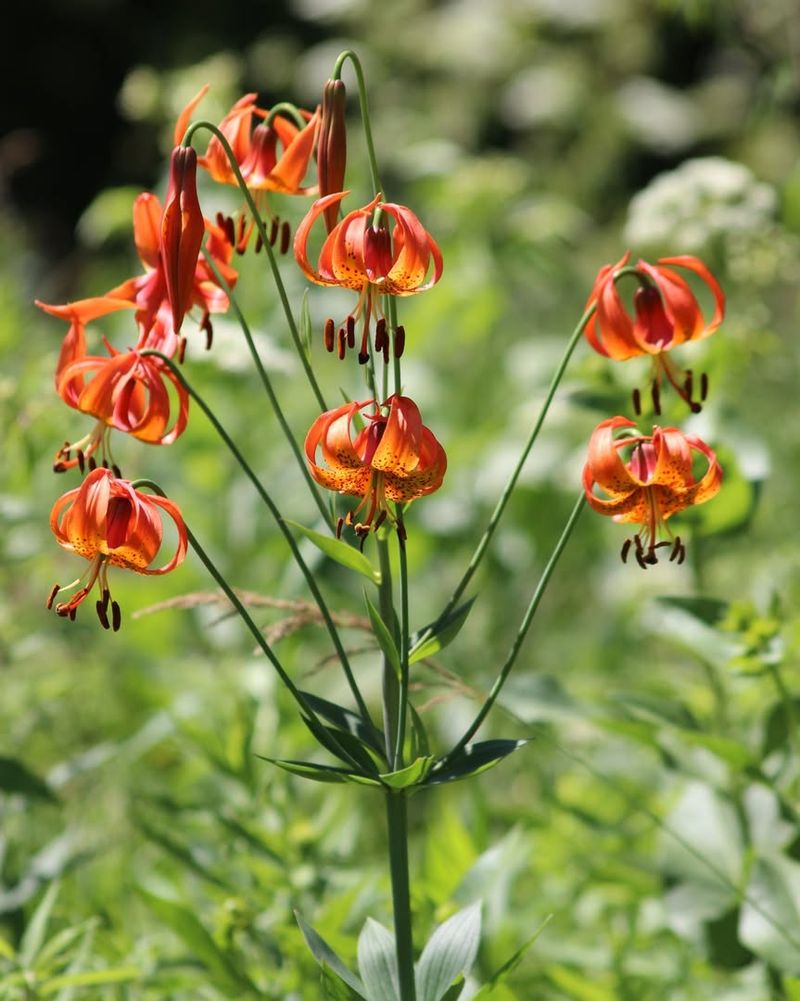
Named right after the state itself, Michigan Lily is one of the most spectacular wildflowers you can grow in a Michigan garden.
Lilium michiganense sends up tall stems topped with nodding, bright orange flowers covered in dark spots, with petals that curve gracefully backward in a way that makes them look almost exotic.
Blooming in June and July, it brings a burst of color and drama that few other native plants can match.
Michigan Lily naturally grows in moist meadows, prairies, and along stream banks throughout the state, so it does especially well in garden spots that stay a little damp. Rich, moist soil and full sun to partial shade give it the best conditions to thrive.
Once established, it multiplies slowly from underground bulbs, gradually building into a larger and more impressive clump without any help from you.
Hummingbirds are strongly attracted to Michigan Lily, making it a fantastic addition if you want to bring those tiny, energetic birds into your yard. Swallowtail butterflies also visit regularly, drawn by the generous supply of nectar.
Unlike many cultivated lilies, the Michigan Lily is completely adapted to local conditions and does not need special fertilizers, winter protection, or fussy care routines. It is a true native gem that grows beautifully on its own terms.
For any Michigan gardener who wants something truly special, this plant delivers unforgettable seasonal beauty year after year.