Should You Prune Crape Myrtles In April In North Carolina? The Correct Timing

Warm spring days in North Carolina have a way of pulling gardeners outside with pruners in hand, even when the timing is not quite right.
Crape myrtles often look ready for a trim in April, but those extra cuts can influence how they bloom later in the season.
Across North Carolina, from the coast to the mountains, shifting temperatures mean pruning windows do not line up the same everywhere. That is where things get tricky.
Knowing when to stop can make a noticeable difference in how full and colorful your trees look through summer, and a few timing adjustments can go a long way.
1. Crape Myrtles Bloom On New Wood Which Affects Pruning Timing
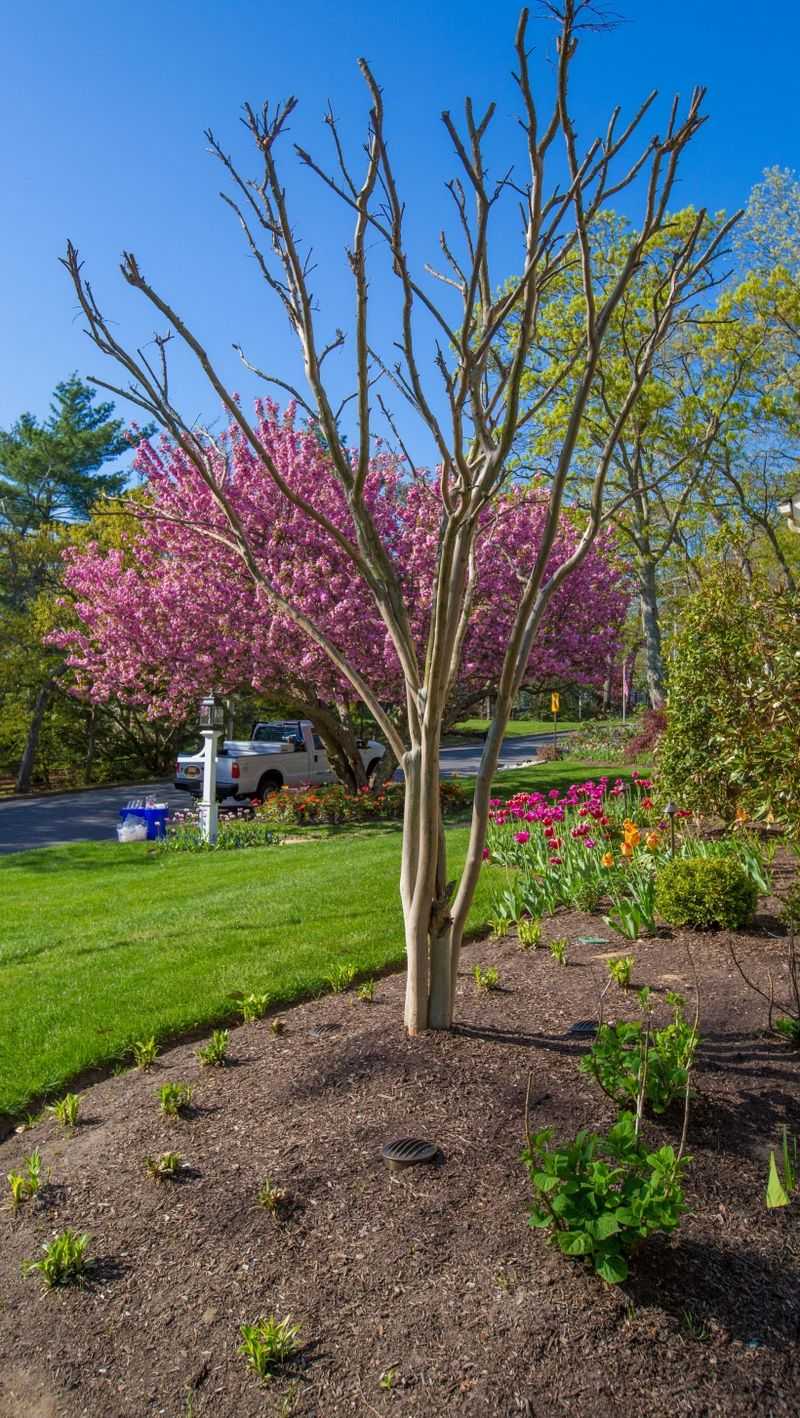
One of the most useful things to understand about crape myrtles is that their flowers grow on new wood, meaning the branches that sprouted during the current growing season. This single fact shapes nearly every decision you make about when and how to prune.
Because blooms only appear on fresh growth, any pruning you do before that new wood develops is generally safe for flower production.
Cutting branches before growth starts gives the plant time to push out new shoots that will eventually carry those showy summer blooms.
If you prune too late, after new growth is already several inches long, you risk removing the very wood that would have produced flowers.
That does not mean late pruning destroys the plant, but it can push back your bloom timeline noticeably.
Understanding this growth habit helps you approach April pruning with more confidence. Rather than guessing, you can watch the plant itself for clues.
When you see small leaf buds swelling along the branches, that is new wood beginning to form.
Pruning at that stage requires more caution than pruning in late winter, when the branches are still fully dormant and flower production has not yet been set in motion.
2. Late Winter To Early Spring Is The Preferred Pruning Window
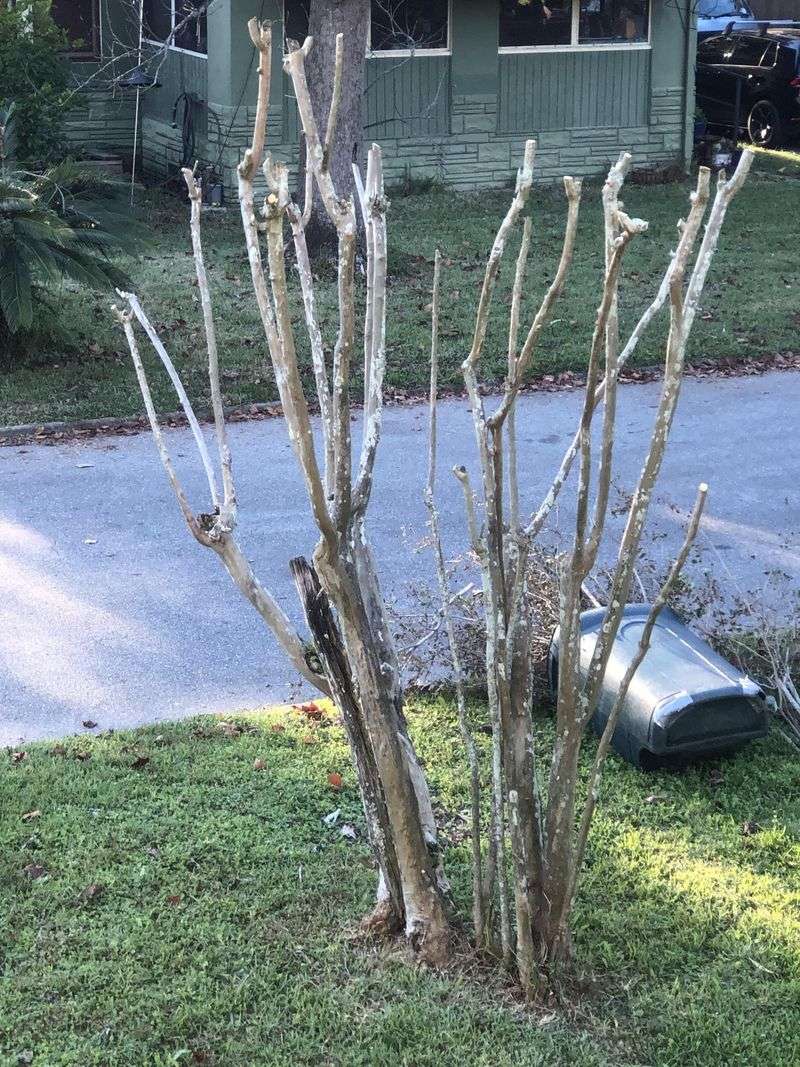
February and March tend to be the sweet spot for crape myrtle pruning across most of North Carolina.
During these weeks, the trees are still dormant, meaning no new leaves or shoots have pushed through yet.
Pruning during dormancy gives the plant a clean start as warmer temperatures arrive. Working while the tree is dormant also makes it much easier to see the branch structure clearly.
Without leaves in the way, you can spot crossing branches, damaged wood, and awkward growth patterns that might otherwise be hidden.
That visibility helps you make smarter cuts and avoid removing more than necessary. Healing happens more smoothly when pruning is done before the growing season kicks in.
The plant channels its early-season energy into producing new shoots from the cuts rather than trying to recover mid-growth.
This tends to result in more vigorous branching and, eventually, more flower clusters come summer.
For North Carolina gardeners in the Piedmont region, late February often works well.
Those closer to the coast, where warmth arrives earlier, may find late January or early February more appropriate.
Your North Carolina Garden Changes Every Week. Your Plan Should Too.
Gardening in North Carolina changes quickly throughout the season. Every Friday you’ll receive a simple weekly plan showing exactly what to plant, prune, fertilize, harvest, and protect so you never miss the right timing.
Mountain residents typically have a longer dormant period, so early March can still fall within a good pruning window.
3. April Pruning Can Still Work Before Active Growth Fully Begins
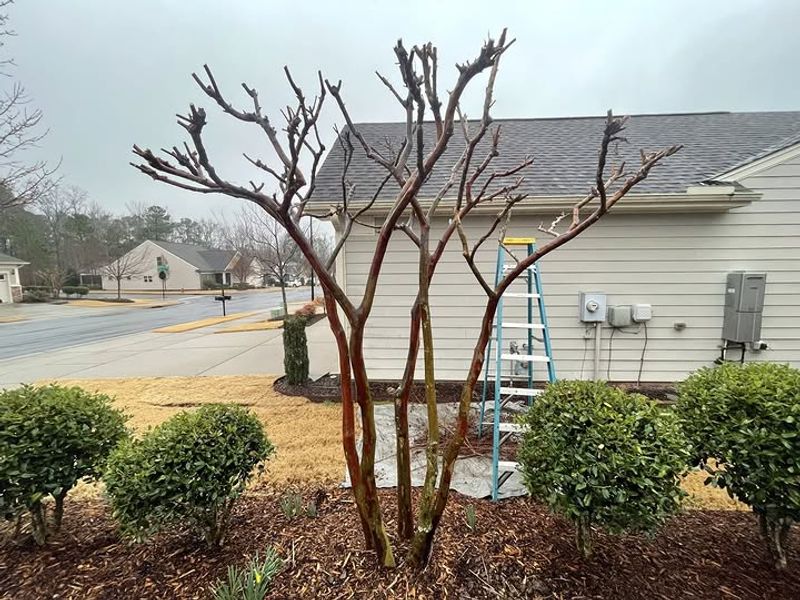
Spring in North Carolina does not follow a strict calendar, and some years the transition from cool to warm happens slowly enough that April pruning remains a reasonable option.
When temperatures have stayed mild and new growth has barely started, there is still time to make careful cuts without significantly disrupting bloom timing.
Early April is the more forgiving end of the month for pruning. At this stage, buds may be swelling but have not yet pushed into full leafy shoots.
Light pruning at this point can still be completed without removing too much of the season’s potential new wood.
The key is paying close attention to what the tree is doing rather than relying solely on the date.
A crape myrtle in a sheltered, south-facing yard in the Piedmont may be further along in April than one growing in a shadier, cooler spot.
Observing the actual growth stage of your specific tree is more reliable than following a rigid pruning schedule.
If you missed the late winter window and find yourself in early April with an unpruned crape myrtle, a light touch can still produce good results.
Removing damaged branches and cleaning up the canopy without heavy cutting keeps the plant healthy while preserving as much blooming potential as possible.
4. Heavy April Pruning Can Delay Bloom Timing
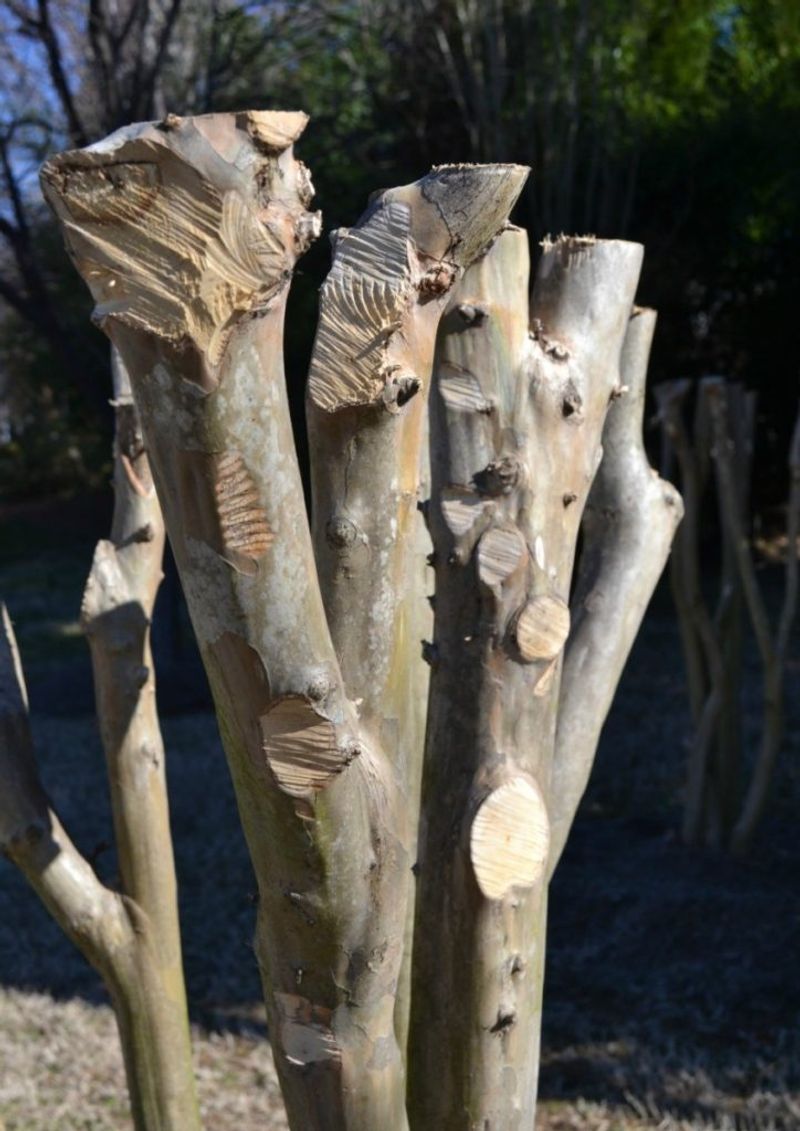
Cutting back a crape myrtle aggressively in April can push the bloom schedule back by several weeks.
When the plant has already started directing energy toward new growth, heavy pruning forces it to start that process over from different points along the branches.
That reset takes time, and the flowering season can end up arriving later than it would have otherwise.
Heavy pruning in April also tends to produce clusters of weak, fast-growing shoots near the cut points.
These water sprouts look vigorous at first, but they are often thinner and less structurally sound than growth that develops from dormant wood.
Over time, this can affect the natural shape of the tree and lead to more maintenance work in future seasons.
There is also the matter of stress. A crape myrtle that has been cut back hard during active growth must use more energy to recover than one pruned during dormancy.
While crape myrtles are resilient plants, repeated heavy April pruning can wear on the tree’s overall condition across multiple years.
Gardeners who want the earliest possible summer blooms are generally better served by completing any significant pruning before the end of March.
Keeping April work light and selective helps protect both the plant’s health and the timing of those colorful summer flower clusters.
5. New Growth Signals The Time To Stop Pruning

Watching for new growth is one of the most practical ways to know when pruning season has passed.
Once you see fresh green leaves or shoots actively extending beyond an inch or two, the plant has moved out of dormancy and into its growing phase.
At that point, significant pruning becomes harder to justify without accepting some bloom delay.
New growth on crape myrtles tends to appear first at branch tips and along the upper canopy where sunlight reaches most directly.
Checking these areas regularly through March and into April gives you a reliable read on how far along the season has progressed in your specific yard.
Different parts of North Carolina see new growth emerge at different times.
Coastal areas near Wilmington or New Bern often show leaf activity weeks before mountain communities in the western part of the state.
Knowing your regional timing helps you stay ahead of the growth curve rather than reacting after the window has closed.
Once soft green shoots are clearly visible and actively growing, shifting your focus to light maintenance rather than structural pruning is the practical move.
Removing a few damaged or crossing branches at this stage is still acceptable, but large-scale reshaping is best saved for the following late winter season when the tree is fully resting again.
6. Regional Climate Differences Affect Timing Across North Carolina

North Carolina spans a wide range of climates, from the humid coastal plain in the east to the cooler elevations of the Blue Ridge Mountains in the west.
That geographic variety means crape myrtles in different parts of the state behave quite differently as spring arrives, and pruning timing should reflect those local conditions.
Along the coast, warmer winters and earlier springs mean crape myrtles can break dormancy as early as late February or even earlier during mild years.
Gardeners in places like Wilmington or the Outer Banks area often need to complete their pruning by late February to stay ahead of new growth.
Waiting until April in these regions risks pruning well after active growth has begun.
In the Piedmont, which includes cities like Raleigh, Charlotte, and Greensboro, the transition from winter to spring tends to happen a bit more gradually.
Mid-February through mid-March is typically the most reliable pruning window, though warm spells can accelerate the timeline in any given year.
Mountain communities in western North Carolina, such as those near Asheville or Boone, experience later springs and cooler temperatures that keep crape myrtles dormant longer.
For these gardeners, pruning in mid-March or even into very early April can still fall within an acceptable range, provided growth has not yet visibly begun on the branches.
7. Light Cleanup Is Safer Than Heavy Pruning In April
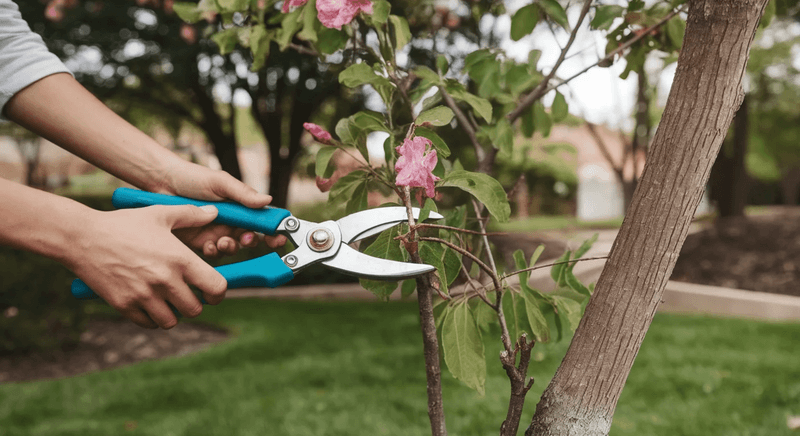
When April arrives and new growth is already showing, shifting to a light cleanup approach protects the plant while still allowing you to tidy up the canopy.
Light cleanup means removing damaged wood, snipping off crossing branches that rub against each other, and clearing out any thin twiggy growth from the interior of the tree.
This kind of selective work does not require taking large amounts of material off the tree.
A few targeted cuts can improve air circulation and the overall look of the plant without setting back the bloom schedule the way heavy pruning would.
It is a low-risk way to stay engaged with your crape myrtle care in April without causing unnecessary disruption.
Avoiding the temptation to top the tree or cut back major limbs significantly is especially relevant in April.
Topping, sometimes called crape murder in gardening circles, creates flat-topped silhouettes and encourages masses of weak sprouts.
Doing this in April compounds the problem by stressing the plant during active growth rather than during the more forgiving dormant period.
Light cleanup also gives you a chance to assess the tree’s overall condition as the season begins.
Spotting signs of disease, insect activity, or structural weakness early in spring means you can address those issues before they become more serious later in the growing season.
8. Proper Pruning Timing Supports Strong Summer Blooms
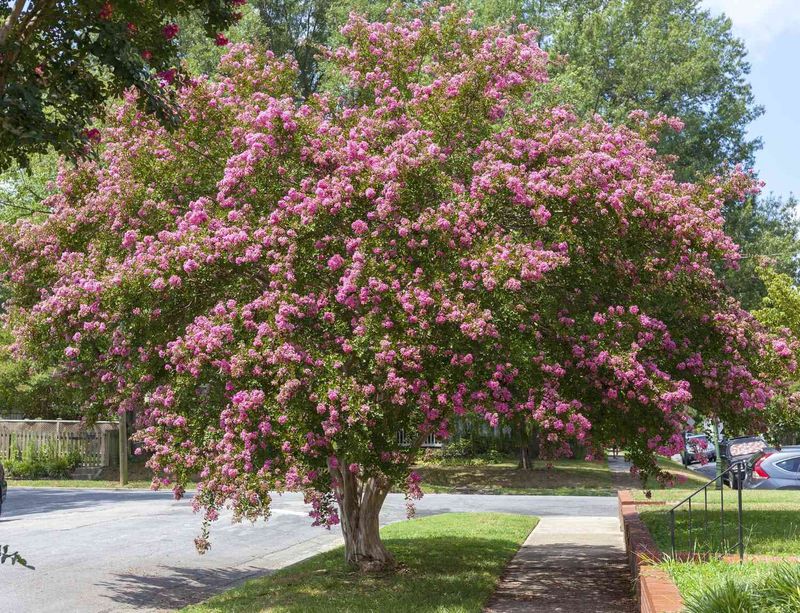
Getting your pruning timing right pays off in a very visible way come summer.
Crape myrtles that are pruned at the appropriate time, before new growth takes hold, tend to produce more abundant and evenly distributed flower clusters than those pruned late or too aggressively.
The connection between timing and bloom quality is straightforward once you understand how the plant grows.
When pruning is done during dormancy, the plant responds by pushing out multiple new shoots from each cut point.
More new shoots mean more potential bloom sites, which translates to a fuller, more floriferous display through the warmest months of the year.
North Carolina summers are long and hot enough for crape myrtles to put on an impressive show when conditions are right.
Consistent pruning habits built around the correct seasonal window also support the long-term health and natural form of the tree.
Crape myrtles that are pruned thoughtfully over many years develop strong branch structures that hold up well against summer storms and support heavy flower clusters without drooping.
Aiming to complete any significant pruning by the end of March in most North Carolina regions sets your crape myrtles up for their best possible summer performance.
April can still work for light touch-ups, but keeping major cuts earlier in the season remains the most reliable path to a colorful, healthy bloom season.