This Is Why Nasturtiums Are Worth Growing In Ohio Gardens
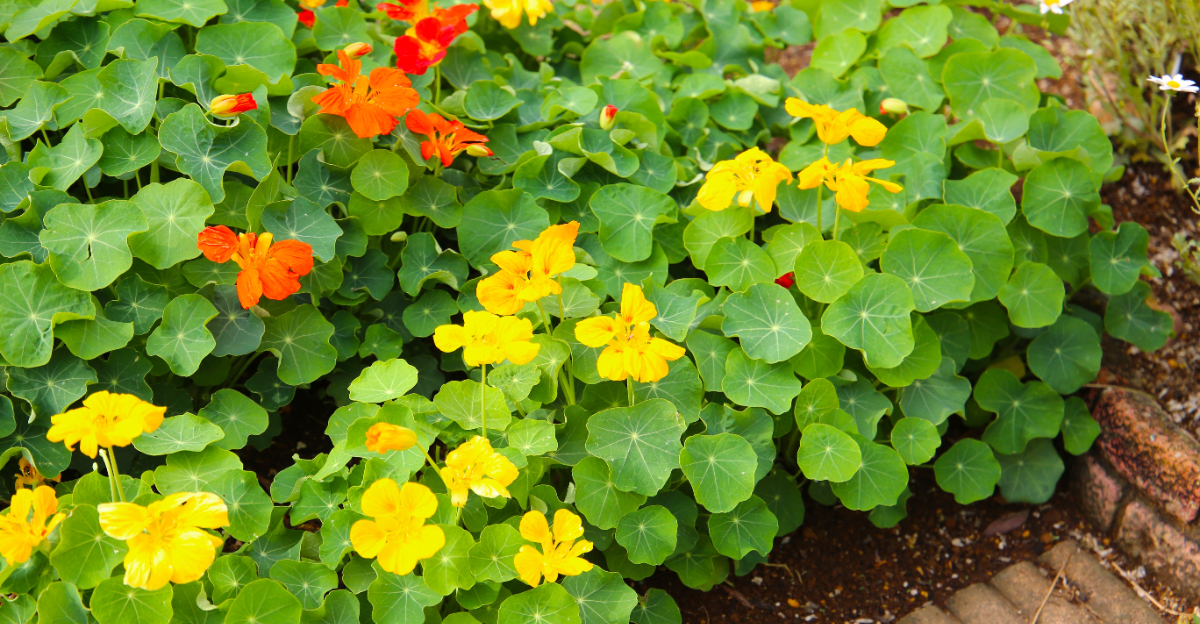
Nasturtiums have never been the flashiest plant at the garden center. They sit there in their little pots, no dramatic foliage, no impressive height, nothing that really stops you in your tracks.
Most Ohio gardeners walk right past them. That is a mistake worth reconsidering.
Once nasturtiums get going in an Ohio garden, they earn their space in ways that are hard to argue with. They are not perfect for every situation, and they do have their quirks in this climate.
But gardeners who give them a real shot tend to keep coming back to them season after season. There is a reason for that, and it has nothing to do with how they look on a shelf.
1. Grow Nasturtiums For Color That Looks Effortless
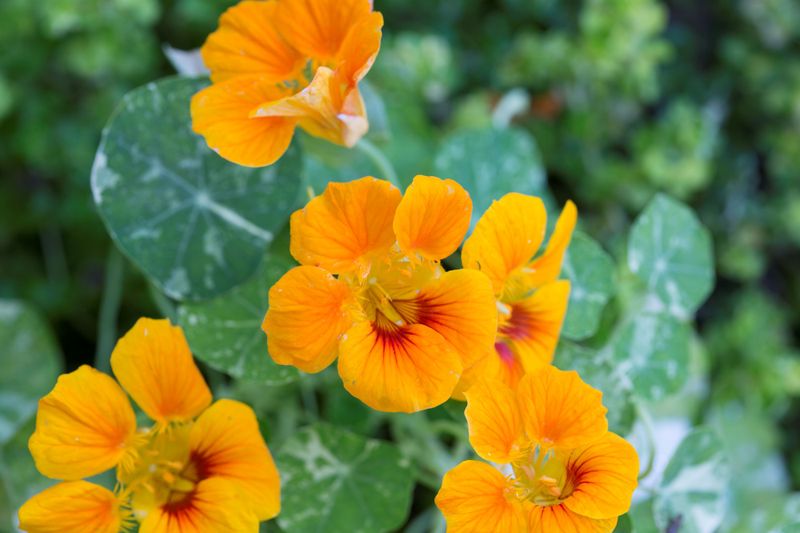
Bright splashes of orange, yellow, red, cream, and peach can transform a plain garden bed into something that feels alive and welcoming. Nasturtiums deliver exactly that kind of cheerful, unfussy color without demanding constant attention or perfect conditions.
Their blooms have a loose, old-fashioned charm that fits right into cottage-style plantings, vegetable garden edges, and casual container displays.
Once frost danger has passed and Ohio soil has warmed, nasturtiums grow quickly and start flowering within weeks. This makes them especially useful for gardeners who want fast results in late spring and early summer.
They fill spaces that might otherwise look bare while slower-growing perennials or summer vegetables are still getting established.
Because they are warm-season annuals, nasturtiums will not survive Ohio winters or return on their own the following year. Treating them as one-season plants helps set realistic expectations.
You can enjoy their vibrant blooms all season long, then collect seeds to replant next year if you want to keep the tradition going.
One mistake to avoid is planting them too early. Cold soil and late frosts can stunt their growth or damage young plants.
Wait until your local frost date has safely passed and the ground feels warm to the touch.
Direct-sow seeds or transplant seedlings once conditions are right, and you’ll be rewarded with carefree color that looks like it just happened naturally.
2. Use Them To Fill Gaps Before Summer Plants Take Over
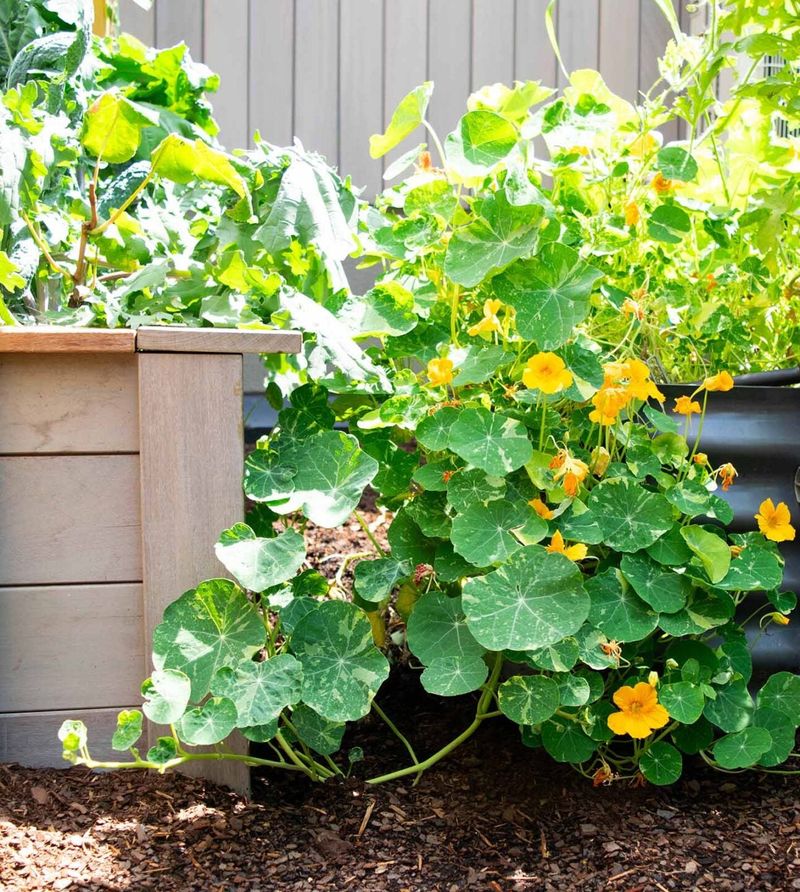
Late spring and early summer gardens often have awkward bare spots where slower plants haven’t filled in yet.
Trailing nasturtiums can soften those gaps, spill over raised bed edges, and make young vegetable beds look fuller while tomatoes, peppers, and squash are still small.
Compact varieties stay tidier and work well in tighter spaces where you don’t want sprawling stems wandering too far.
Choosing the right type matters. Trailing nasturtiums can roam several feet, which is perfect for covering bare soil or cascading over container rims.
Compact types stay in a tighter mound and are better suited for crowded beds or small pots. Knowing which variety you’re planting helps you place them where they’ll look intentional, not messy.
Practical placement is key. Avoid planting nasturtiums so close to tiny seedlings that their foliage smothers emerging greens or blocks airflow around delicate plants.
Your Ohio Garden Changes Every Week. Your Plan Should Too.
Gardening in Ohio changes quickly throughout the season. Every Friday you’ll receive a simple weekly plan showing exactly what to plant, prune, fertilize, harvest, and protect so you never miss the right timing.
Give them enough room to spread without crowding neighbors. A good rule is to plant them at the edges or corners of beds, where their stems can trail outward instead of inward toward other crops.
One mistake to avoid is letting trailing types take over pathways or smother plants that need breathing room. Keep an eye on their growth and gently redirect stems if needed.
With a little attention, nasturtiums can fill gaps beautifully without becoming a nuisance, making your garden look lush and intentional even in its early stages.
3. Plant Them Where Rich Soil Is Not The Goal
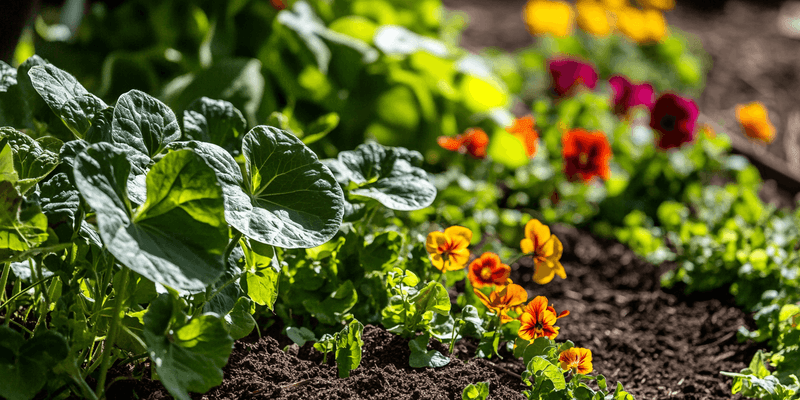
Rich, heavily fertilized soil might seem like the best choice for every plant, but nasturtiums break that rule. They often produce their best flower show in leaner, lower-nitrogen soil.
When you overfeed them with compost or nitrogen-heavy fertilizers, they respond by growing lots of lush green leaves and fewer blooms. That’s the opposite of what most gardeners want.
This quirk makes nasturtiums a smart choice for garden edges, containers, or raised beds where the soil isn’t overly rich. You can tuck them into spots that haven’t been heavily amended or skip the extra fertilizer when planting them.
They still need decent drainage and basic care like regular watering during dry spells, but they don’t need pampering or constant feeding.
Understanding this helps Ohio gardeners avoid treating nasturtiums like heavy-feeding annuals such as petunias or marigolds. Instead of adding more fertilizer when blooms seem sparse, step back and let the plant do its thing.
Often, the solution is less intervention, not more. Nasturtiums reward a hands-off approach with more flowers and a more natural look.
One mistake to avoid is assuming all flowering plants need rich soil to thrive. If you’ve already enriched your vegetable bed heavily, consider planting nasturtiums along the outer edges where soil might be leaner.
A simple action you can take is to skip fertilizing nasturtiums altogether and see how they respond. You might be surprised by how much they bloom when you leave them alone.
4. Let Them Spill From Pots, Raised Beds, And Edges
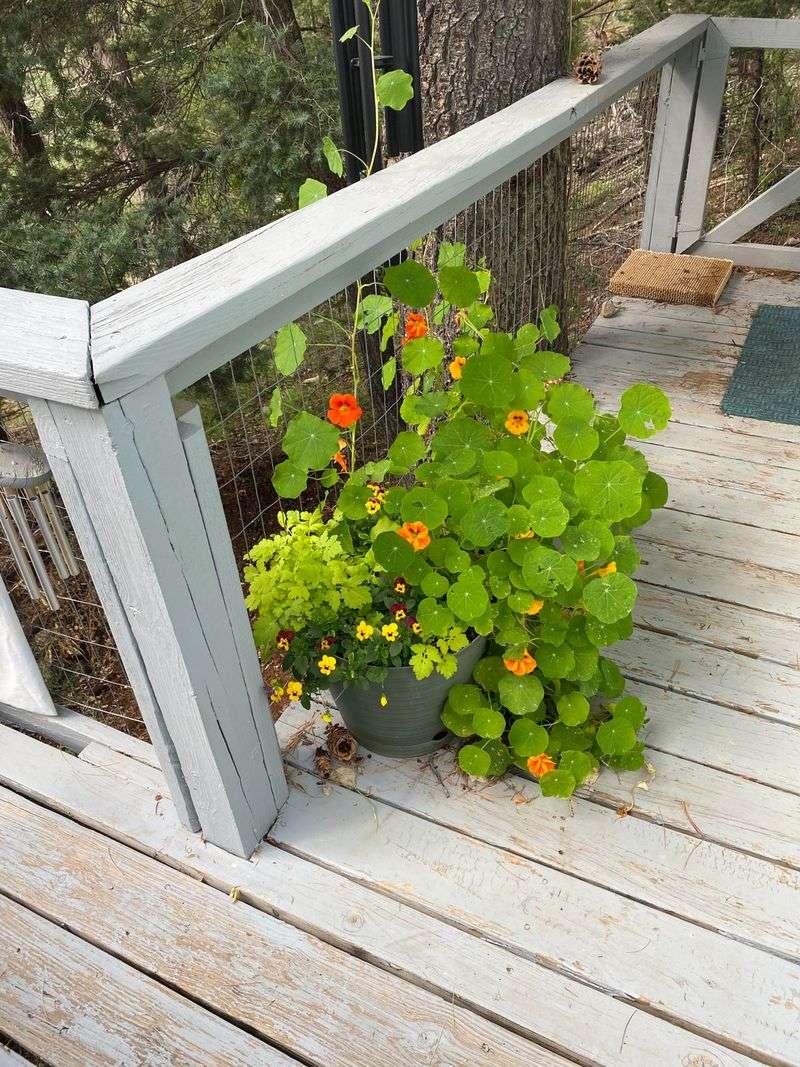
Containers, window boxes, raised beds, and garden borders all benefit from plants that soften hard edges and add a relaxed, lived-in feel. Trailing nasturtiums excel at this job.
Their stems cascade beautifully over pot rims, raised bed sides, and pathway edges, creating a cottage-garden look that feels effortless and inviting.
Compact varieties stay neater and are better suited for smaller pots or tight spaces where you want color without sprawl.
This makes nasturtiums especially useful for Ohio gardeners who want a softer, less formal look around vegetables and herbs. A few trailing nasturtiums planted at the corners of a raised bed can spill down the sides and frame the space with color.
In containers, they can tumble over the edge and fill vertical space without needing a trellis or support.
Choosing the right type for your space prevents frustration. Trailing varieties need room to roam, so plant them where their stems won’t cover pathways or smother small plants.
Compact varieties are better for window boxes, small pots, or crowded beds where space is limited. Reading seed packets or plant tags before planting helps you match the variety to the spot.
One mistake to avoid is planting trailing nasturtiums too close to paths or doorways where their stems will get stepped on or become a tripping hazard.
A simple action you can take is to plant them at the outer edges of containers or beds, where they can spill freely without getting in the way.
5. Add Peppery Flowers And Leaves To The Harvest
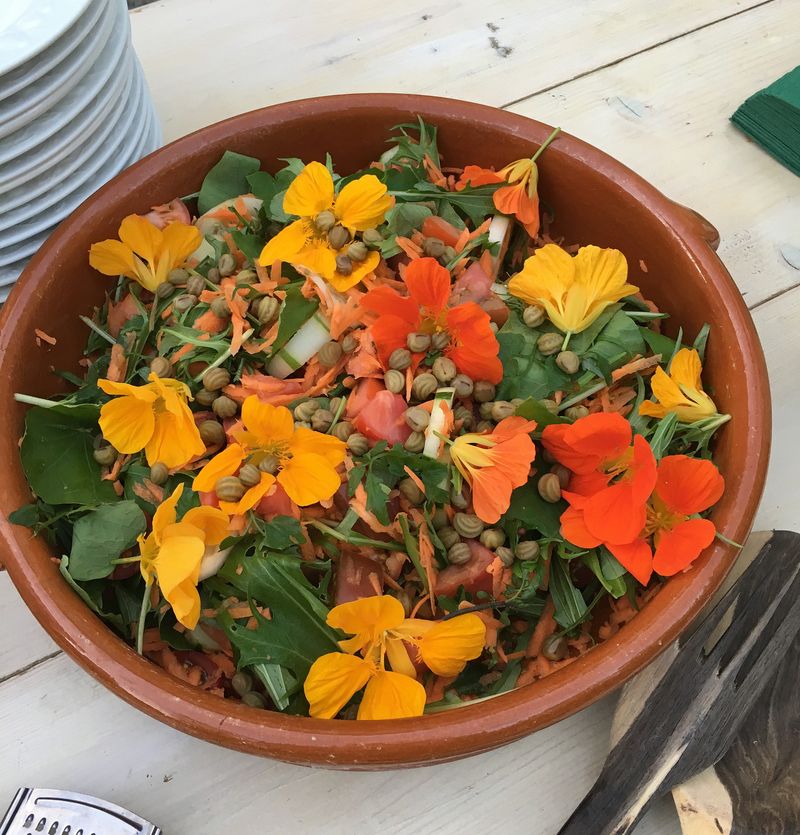
Gardens that produce food feel more abundant and satisfying, and nasturtiums add to that harvest in a fun, unexpected way. Both the flowers and leaves are edible and have a bright, peppery flavor that can liven up salads, sandwiches, herb butters, and summer plates.
The flowers also make beautiful garnishes, turning simple meals into something special without any extra effort.
This dual-purpose appeal makes nasturtiums more than just ornamental plants. You can enjoy their cheerful blooms in the garden and then snip a few for dinner.
The leaves have a sharper, more intense peppery bite, while the flowers are milder and slightly sweet. Both add a fresh, garden-grown touch to meals that feels rewarding and creative.
Safety matters when eating flowers. Only harvest nasturtium flowers and leaves from plants you’ve grown yourself without unsafe sprays or chemicals.
Avoid eating flowers from garden centers, florists, or unknown sources, since those may have been treated with pesticides not intended for food crops. Grow your nasturtiums in clean soil, rinse them gently before eating, and enjoy them fresh.
One mistake to avoid is assuming all garden flowers are edible. Nasturtium flowers and leaves are commonly grown as edible flowers, but many ornamental flowers are not edible.
A simple action you can take is to label your nasturtium plants as edible when you plant them, so you remember which ones are safe to harvest. Snip a few blooms or leaves, rinse them, and toss them into your next salad for a peppery, colorful surprise.
6. Invite Pollinators With Bright Easy Blooms
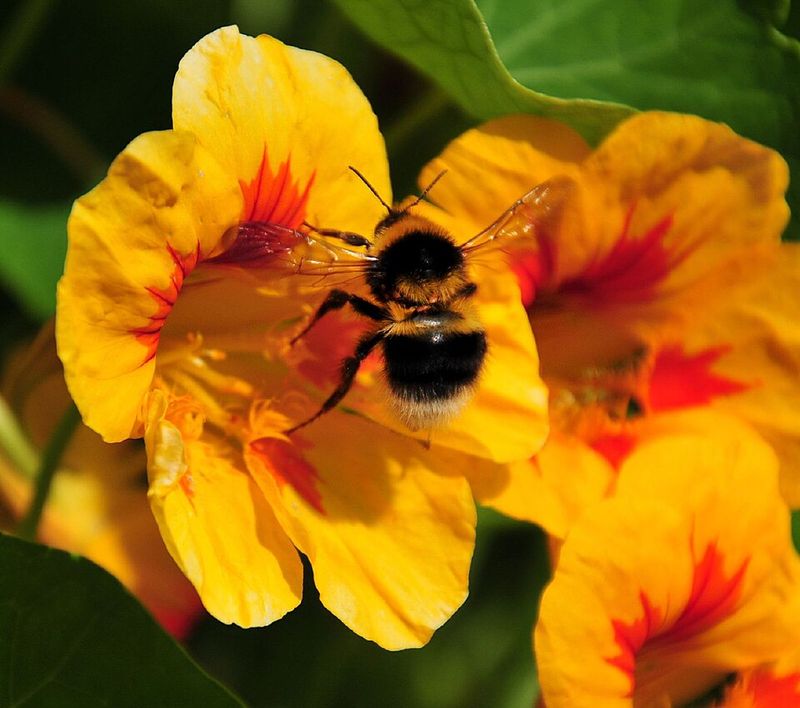
Gardens that buzz with life feel healthier and more vibrant, and nasturtium blooms can add another nectar stop for bees and other garden visitors.
While they’re not the top pollinator plant or a substitute for native wildflowers, their bright blooms can make the garden feel more alive and may draw pollinators near herbs, vegetables, and other flowering annuals.
This modest pollinator value is still worth appreciating.
Nasturtiums work best as part of a mixed planting that includes native flowers, herbs, and other pollinator-friendly plants.
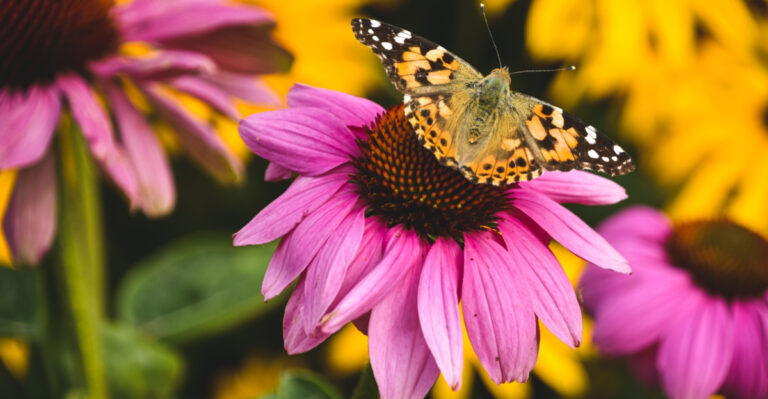
Their bright colors and accessible blooms can catch the attention of bees and butterflies passing through, especially when planted near basil, oregano, or flowering vegetables.
They’re a useful addition, not the whole solution.
Keeping expectations realistic helps gardeners make better choices. Ohio native plants such as straight species purple coneflower, wild bergamot, and native asters provide deeper habitat value and support a wider range of pollinators throughout the season.
Nasturtiums can fill in around those plants and add extra color and nectar, but they shouldn’t replace native flowers in a pollinator-focused garden. Think of them as a helpful supporting player, not the star.
One mistake to avoid is relying only on non-native annuals like nasturtiums for pollinator support.
A simple action you can take is to plant nasturtiums alongside native flowers and herbs, creating a layered, diverse garden that offers nectar, pollen, and habitat for a variety of beneficial insects.
This balanced approach gives pollinators more reasons to visit and stay.
7. Start Them From Seed Without Much Drama
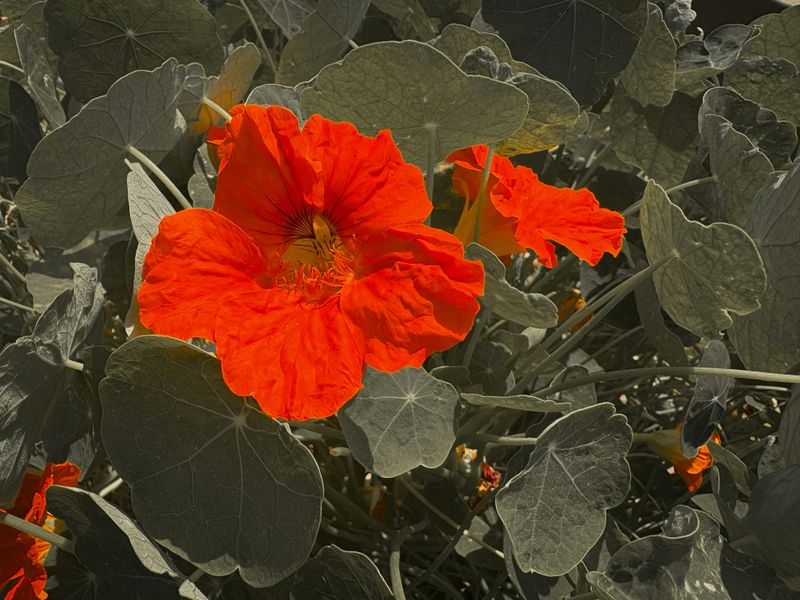
Seed starting can feel intimidating for new gardeners, but nasturtiums make the process simple and forgiving. Their seeds are large, easy to handle, and beginner-friendly.
Ohio gardeners can usually direct-sow them right into the garden after frost danger has passed and the soil has warmed, skipping the fuss of indoor seed trays and transplanting.
This makes nasturtiums a great choice for anyone who wants to grow flowers from seed without complicated steps.
Direct sowing works well because nasturtiums often dislike root disturbance. When you transplant seedlings, their roots can get damaged, which can slow growth or stress the plant.
Planting seeds directly where you want them to grow avoids this problem and gives you stronger, happier plants. The large seeds are easy to space evenly and push into the soil at the right depth.
Practical advice for planting includes pushing seeds about half an inch to an inch deep into loose, well-drained soil. Water gently after sowing to settle the soil around the seeds without washing them away.
Give seedlings enough space based on whether the variety is compact or trailing. Compact types can be planted closer together, while trailing types need more room to spread.
One mistake to avoid is planting seeds too early when the soil is still cold. Nasturtium seeds may break down in cold, wet soil instead of sprouting.
A simple action you can take is to wait until after your local frost date and check that the soil feels warm before planting. This patience pays off with faster germination and healthier seedlings.
8. Save The Seeds For More Easy Color Next Year
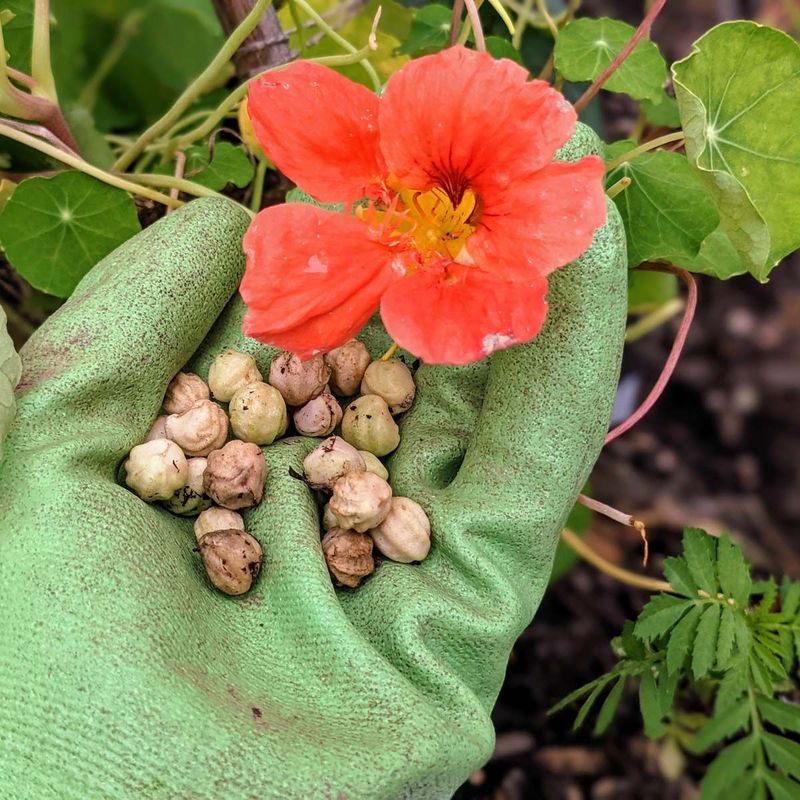
Seed saving is one of the most satisfying and budget-friendly reasons to grow nasturtiums. After the blooms fade, the plants produce large, easy-to-spot seeds that you can collect, dry, and store for next season.
This simple process lets you enjoy nasturtiums year after year without buying new seeds, and it makes gardening feel more connected and sustainable.
Because nasturtiums are annuals in Ohio, saving seed is the way to bring them back, not waiting for them to return as perennials.
The seeds are large enough to see clearly and handle easily, which makes the process straightforward even for beginners. Let the seeds mature on the plant until they turn tan or brown and feel firm.
Once they’re ready, pick them off and spread them out to dry completely in a warm, dry spot. Proper drying prevents mold and keeps the seeds viable for planting next spring.
One detail to keep in mind is that saved seeds from hybrids or named varieties may not always produce identical plants. The flowers might come back in different colors or growth habits than the parent plant.
This doesn’t make seed saving pointless, though. The process is still fun, useful, and often produces beautiful results even if they’re not exact copies.
One mistake to avoid is storing seeds before they’re fully dry. Damp seeds can mold or rot in storage.
A simple action you can take is to label your saved seeds with the variety name and the year you collected them, then store them in a cool, dry place like a jar or envelope. Next spring, you’ll have free nasturtium seeds ready to plant.