8 Best Plants To Grow Instead Of Lavender In Ohio
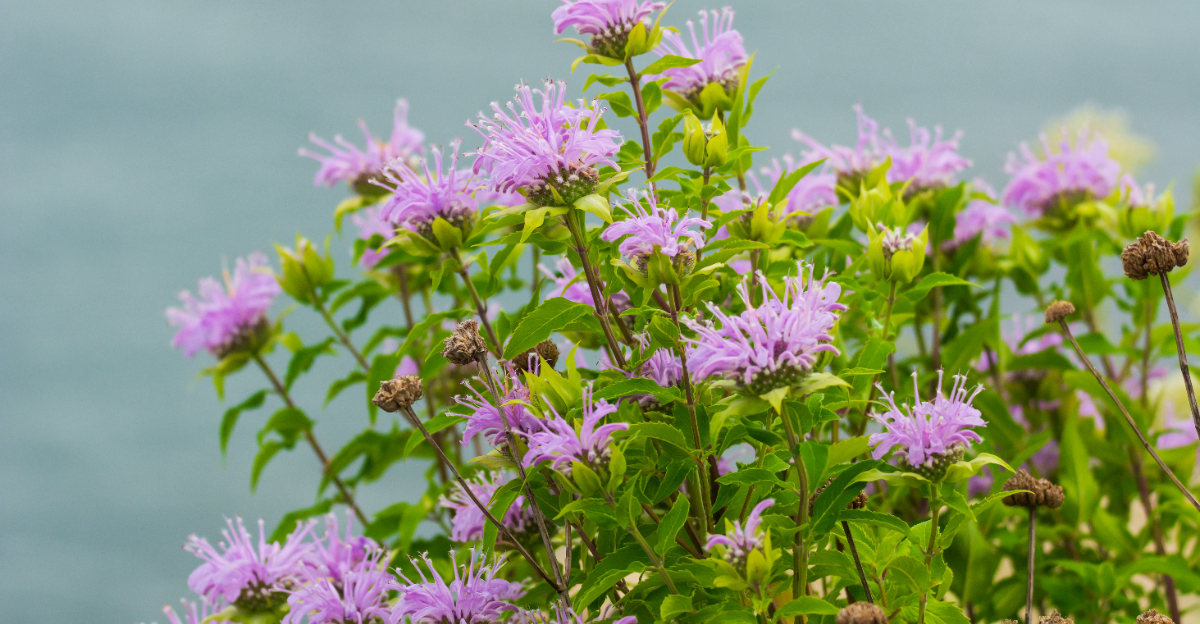
Lavender looks beautiful in pictures. In Ohio, it looks beautiful for about one season before the humidity, clay soil, and brutal winters take it out.
If you have tried growing it and watched it slowly give up, you are not doing anything wrong. The plant is just not built for what Ohio throws at it.
Plenty of plants deliver everything you were chasing with lavender. Fragrance, pollinators, low maintenance, good looks.
Some of them are native to the Midwest, which means they actually want to be here, roots and all. Ohio has its own rhythm, and once you stop fighting it and start working with it, your garden changes completely.
These plants fit that rhythm better than lavender ever will, and a few of them might surprise you.
1. Grow Wild Bergamot For Lavender Color With Ohio Roots
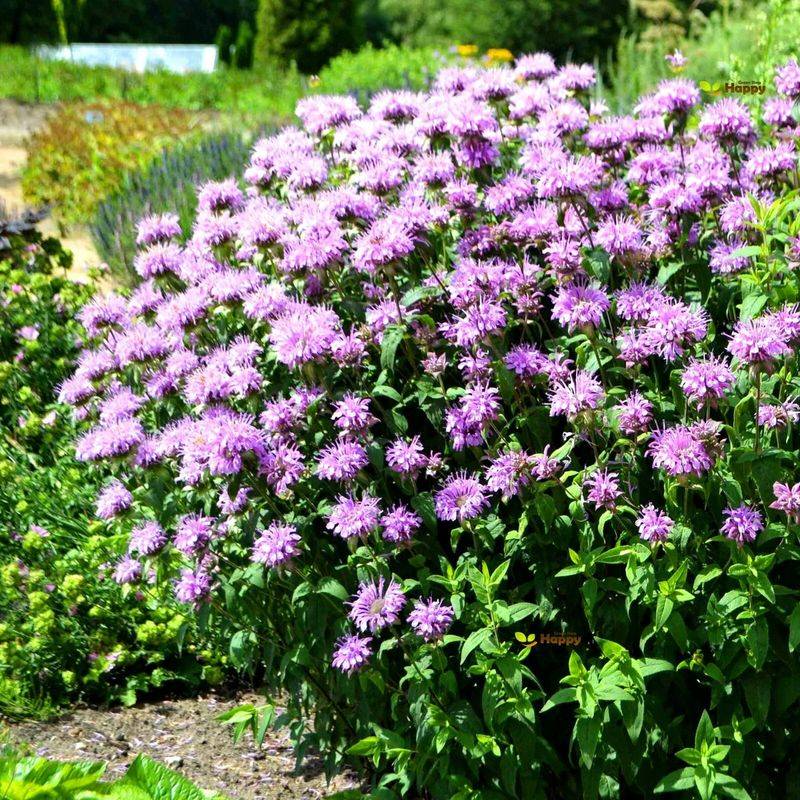
Few native plants deliver the soft lavender-purple effect that Ohio gardeners are chasing quite like wild bergamot, Monarda fistulosa. Its ragged, cheerful blooms in shades of lilac, lavender-pink, and soft purple show up in midsummer right when you want color the most.
The foliage is aromatic when brushed, carrying a pleasant oregano-like scent that makes it a satisfying stand-in for the herbal quality lavender fans love.
Wild bergamot is native to Ohio and thrives in the kinds of sunny, open conditions where lavender often struggles and fails. Unlike lavender, it tolerates Ohio clay reasonably well and handles summer humidity without throwing a fit.
It fits beautifully in cottage borders, pollinator gardens, meadow-style plantings, and native plant beds where a loose, naturalistic look is welcome.
The shape is more open and relaxed than a tidy lavender spike, so expect a wilder feel rather than formal structure. Bees, butterflies, and hummingbirds absolutely work these blooms.
One honest caution: wild bergamot can spread and form colonies in favorable conditions, so give it room or plan to divide it every few years. Good airflow between plants helps reduce powdery mildew, a common issue in Ohio’s humid summers.
Plant it in full sun with decent drainage and let it settle in for a rewarding, low-fuss display.
2. Plant Mountain Mint For Fragrance Without The Fuss
Gardeners who fell for lavender mostly because of its scent and the way bees absolutely swarm it will find a lot to love about mountain mint.
Native to Ohio and the broader eastern region, several mountain mint species, including Pycnanthemum virginianum, grow reliably in Ohio gardens without the drainage drama that makes lavender so fussy here.
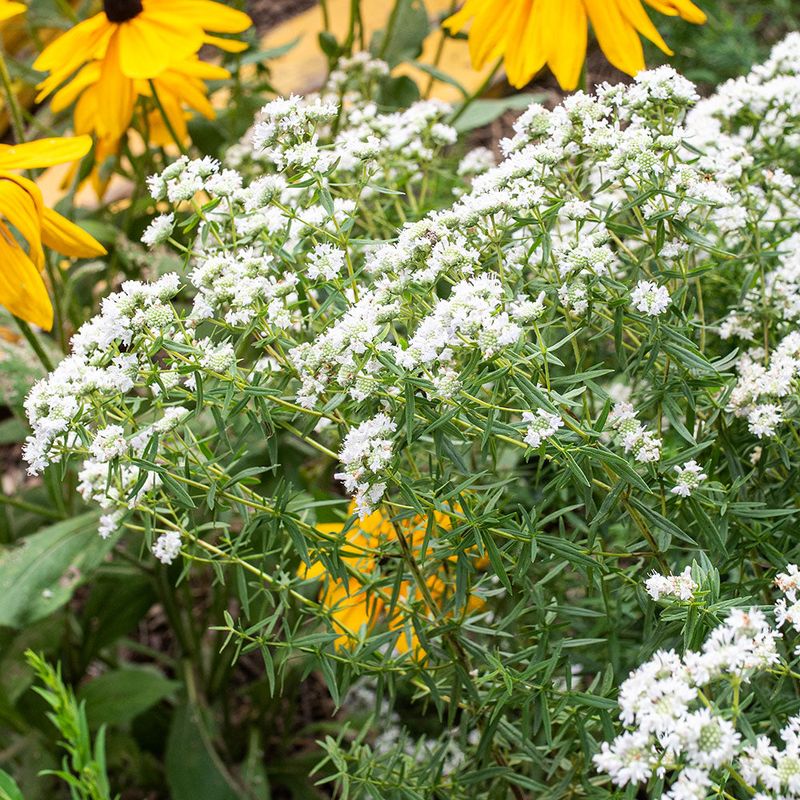
The fragrance is bold and clean, almost minty with herbal undertones, and the silvery-green foliage has a polished, refined look that gives borders a tidy feel even between bloom cycles. Pollinators go absolutely wild for mountain mint.
Ohio native plant resources and pollinator gardeners often value mountain mint because its small clustered flowers draw a wide range of bees, wasps, butterflies, and other beneficial insects.
Be upfront with yourself about one thing: mountain mint does not deliver obvious purple flower spikes like lavender does. The blooms are small and white to pale lavender, clustered at stem tips.
Your Ohio Garden Changes Every Week. Your Plan Should Too.
Gardening in Ohio changes quickly throughout the season. Every Friday you’ll receive a simple weekly plan showing exactly what to plant, prune, fertilize, harvest, and protect so you never miss the right timing.
The real payoff is the fragrance, the silver-green texture, and the non-stop insect activity that makes the garden feel alive.
Some mountain mints spread by rhizomes, so plant them where they have room, use edging, or divide clumps every couple of years to keep them contained.
Full sun and average to moist soil suit them well, making them a practical, rewarding native choice.
3. Choose Purple Coneflower For Reliable Color And Curb Appeal
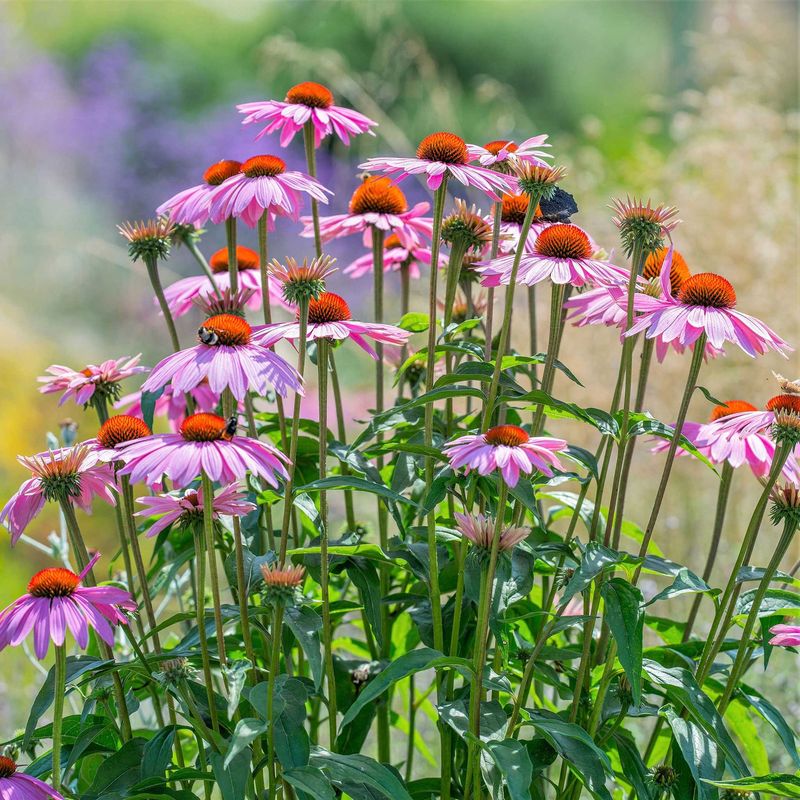
Every Ohio gardener knows purple coneflower, and there is a very good reason it shows up in yard after yard across the state.
Echinacea purpurea is native to Ohio, tough, adaptable, and genuinely beautiful in a way that holds up through hot summers, clay soil, and the unpredictable swings of an Ohio growing season.
If lavender has been letting you down, coneflower is the reliable friend you need in its place.
The flowers are bold and showy, with rosy-purple petals radiating from a spiky orange-brown center cone. They do not mimic lavender’s spike shape, but they absolutely deliver on color, pollinators, and curb appeal.
Bees, butterflies, and goldfinches love coneflowers at different stages of the season, with birds working the seed heads well into fall and winter. That extended season interest is something lavender simply cannot match.
Purple coneflower does self-seed modestly, but volunteers are manageable and easy to transplant or thin out. Plant it in full sun for the best blooms, though it tolerates light shade better than lavender ever would.
Average to slightly dry soil works fine, and established plants handle Ohio summers with almost no supplemental watering.
For a front-yard planting with strong visual impact, mix coneflower with ornamental grasses or black-eyed Susans for a classic, pollinator-rich Ohio garden combination that looks effortlessly well-planned.
4. Use Butterfly Weed Where Lavender Keeps Sulking
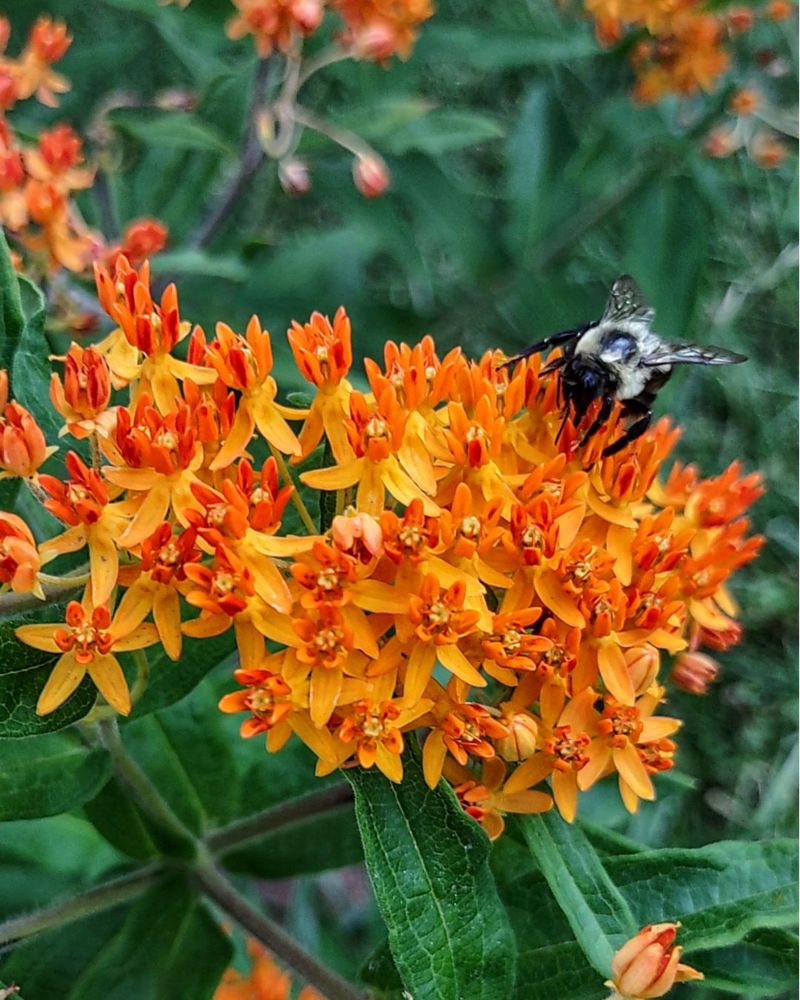
That dry, sunny, gravelly spot where your lavender keeps sulking year after year? Butterfly weed was practically born for it.
Asclepias tuberosa is native to Ohio and thrives in lean, well-drained, full-sun sites, giving gardeners a tougher native option for places where lavender has not performed well.
It does not replicate lavender’s color, but it solves a very similar design problem: what do you grow in a hot, dry spot that needs a tough, beautiful, pollinator-friendly plant?
The flowers are vivid orange, clustered in flat-topped heads that light up a sunny border like small flames. Monarch butterflies, which depend on milkweed species as host plants, are frequent visitors, along with swallowtails, fritillaries, and native bees.
Ohio gardeners interested in supporting monarch populations will find butterfly weed a meaningful and attractive addition to any sunny bed.
One critical placement note: butterfly weed has a deep taproot and strongly dislikes being moved once established. Choose its spot carefully, plant it, and leave it alone.
It emerges late in spring, so mark its location to avoid accidentally digging it up. Unlike common milkweed, butterfly weed does not spread aggressively by underground runners, making it a much more garden-friendly choice for managed beds and borders.
Give it full sun, skip the fertilizer, and let the dry heat do the work.
5. Try Blue Wild Indigo For A Bigger Bolder Lavender Substitute
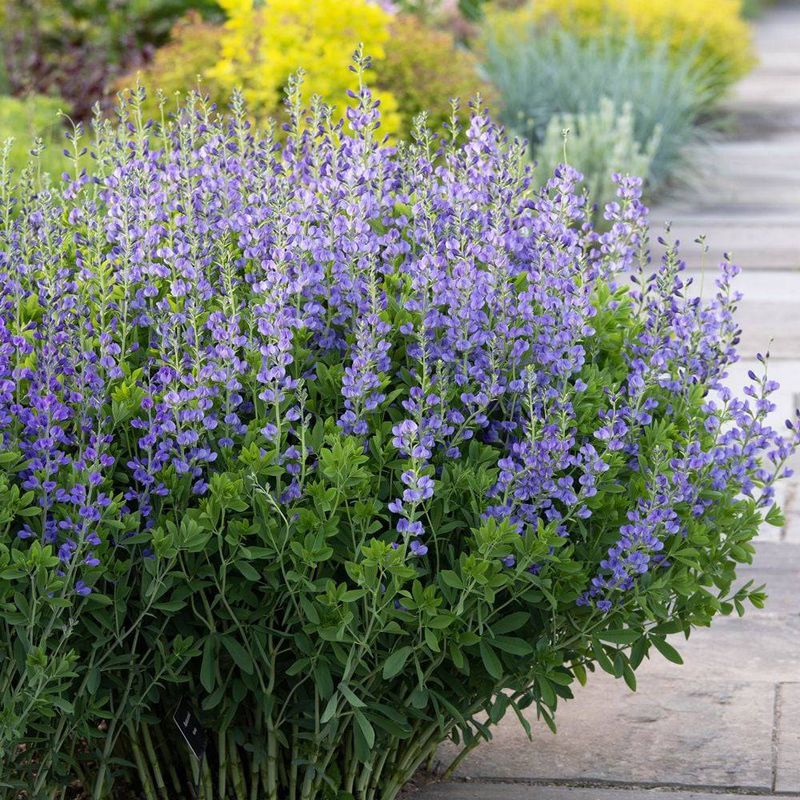
Gardeners who want drama, structure, and genuine blue-purple color should meet blue wild indigo.
Baptisia australis is native to Ohio and blooms in late spring with tall, upright spikes of indigo-blue to violet flowers that are far more striking than anything lavender typically produces in an Ohio garden.
The bloom period arrives earlier than most summer perennials, bridging the gap between spring bulbs and midsummer color.
After the flowers fade, the blue-green foliage remains handsome and shrub-like through the entire growing season. Inflated seed pods rattle in autumn breezes and add late-season interest.
Blue wild indigo fixes nitrogen in the soil through a relationship with soil bacteria, which is a quiet but useful contribution to garden health. Bumblebees are especially drawn to the flowers, and the plant supports several specialist bee species native to Ohio and the region.
One important heads-up: blue wild indigo becomes a substantial plant over time, eventually reaching three to four feet tall and wide with a deep, established root system that makes relocation very difficult.
Place it thoughtfully in a sunny border or native garden where it has room to grow without crowding neighbors.
It handles drought well once established and asks for very little maintenance beyond patience in its first year or two. This is a long-term investment plant that rewards gardeners who plan ahead.
6. Pick Anise Hyssop For Scent Spikes And Pollinator Buzz
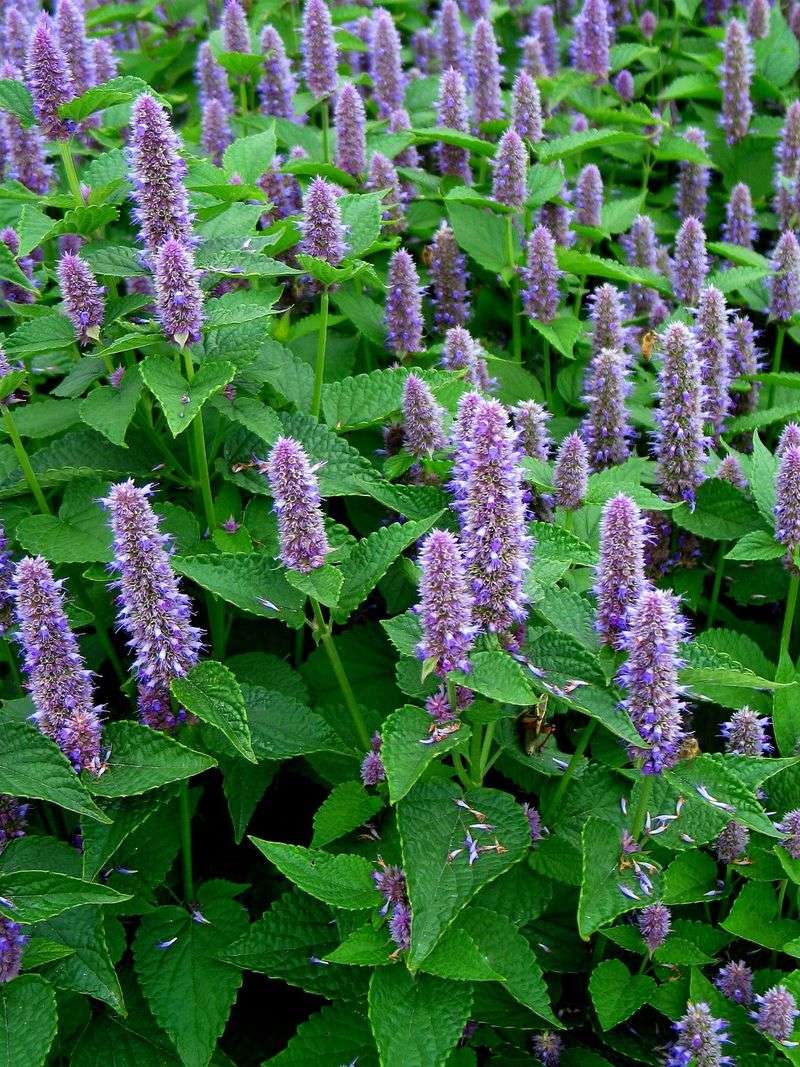
Anise hyssop brings something to an Ohio garden that very few plants can match: upright purple-blue flower spikes, a sweet licorice-like fragrance, and a pollinator scene so busy it almost hums.
Agastache foeniculum is regionally native to parts of North America and is widely grown and recommended across Ohio as an adaptable, rewarding perennial or short-lived perennial that performs reliably in sunny Ohio gardens.
The spikes are longer and more defined than wild bergamot, giving the planting a more structured, vertical feel that comes closer to the silhouette lavender lovers are often picturing.
Bees, especially bumblebees and honeybees, work the flowers constantly from midsummer into early fall.
Hummingbirds visit too. The foliage releases its anise scent when touched, making it a satisfying sensory plant for herb gardens, pollinator borders, and cottage-style perennial beds.
Anise hyssop can self-seed with some enthusiasm, which many gardeners welcome as free plants but others find a bit much. Deadheading spent spikes before seeds fully mature keeps volunteers manageable without sacrificing too much of the ornamental value.
Plant it in full sun with reasonably well-drained soil for best results. Heavy, constantly wet soil is not its preference, though it handles Ohio conditions far more gracefully than lavender typically does.
One strong clump can fill a border section with color, scent, and life from July through September.
7. Add Sterile Catmint For The Classic Lavender Look With Less Drama
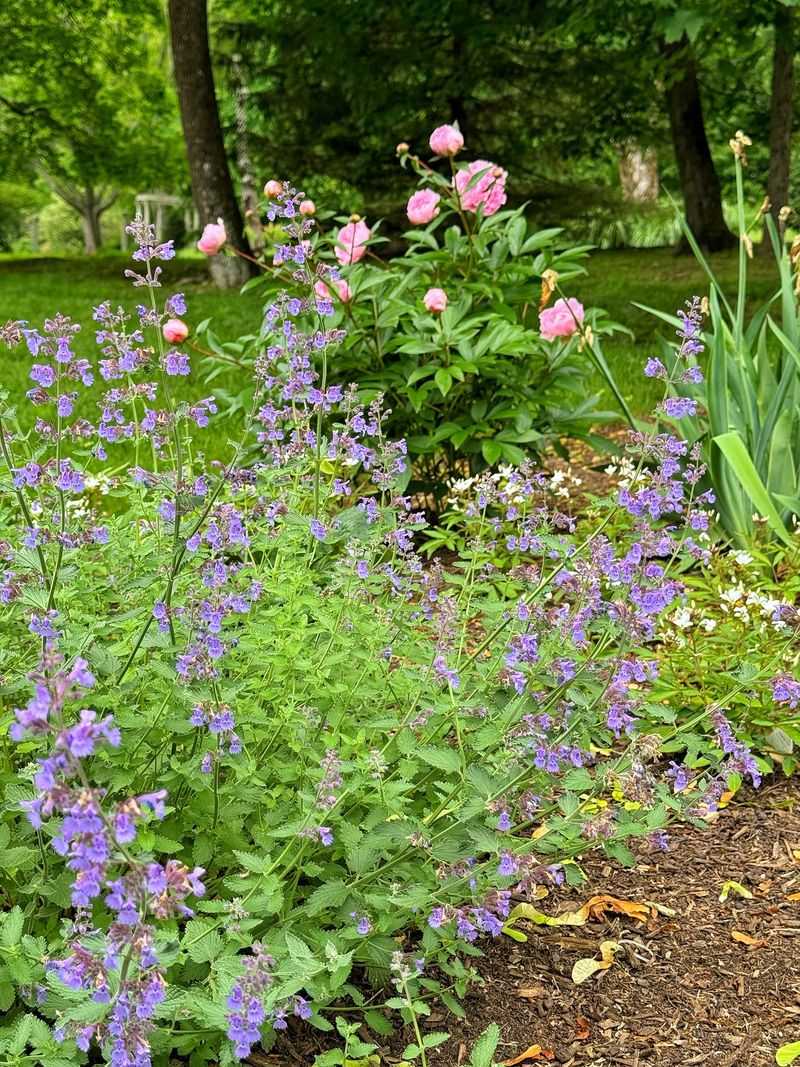
For gardeners who want the closest visual match to lavender without fighting Ohio’s soil and humidity, sterile hybrid catmint is the honest answer.
Nepeta x faassenii and its cultivars, including the popular ‘Walker’s Low,’ produce soft gray-green foliage and waves of small purple-blue flowers on arching stems that look remarkably similar to lavender from a few feet away.
The foliage is aromatic when brushed, adding a pleasant herbal note to the border.
Catmint is not an Ohio native plant, and that is worth saying plainly. However, it earns its place in Ohio gardens by being genuinely more forgiving than lavender when it comes to humidity, moderately heavy soil, and the quirks of Ohio winters.
It still needs full sun and decent drainage, but it has a wider tolerance range that makes it succeed where lavender repeatedly fails. Bees love the flowers, and the long bloom period stretches from late spring well into summer.
One practical tip: shear the plant back by about half after the first big flush of bloom fades. This tidies the shape, prevents the center from flopping open, and often encourages a second round of flowers later in the season.
Avoid recommending or planting Nepeta cataria, which is common catnip, as a substitute because it can escape cultivation and naturalize beyond the garden. Stick with the sterile or low-seeding hybrid types for a controlled, beautiful, low-maintenance effect.
8. Use Garden Phlox When You Want Fragrance And Flowers That Show Off
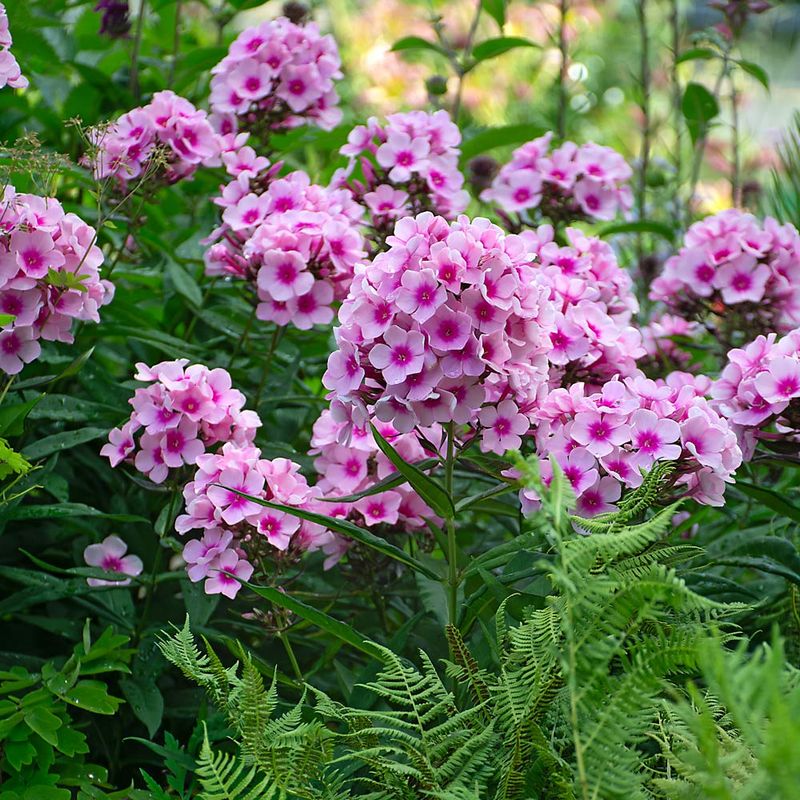
Nothing in the midsummer Ohio garden stops people in their tracks quite like a well-grown clump of garden phlox in full bloom.
Phlox paniculata is native to Ohio and the eastern United States, and it solves a completely different problem than lavender: it loves the moisture and humidity that Ohio summers regularly deliver.
Where lavender sulks in heavy soil or wet conditions, garden phlox leans in and thrives.
The flower clusters are large, showy, and genuinely fragrant, with a sweet scent that carries on warm summer evenings.
Color choices include soft lavender, purple, pink, white, and bicolors, so gardeners who specifically want that lavender-toned palette can find it here in spades.
Butterflies and hummingbirds visit regularly, and the bold flower heads give the border a lush, full-summer look that lavender rarely achieves in Ohio gardens.
Good airflow between plants is important because garden phlox can develop powdery mildew in humid conditions. Spacing plants well and choosing mildew-resistant cultivars helps significantly.
One important warning for Ohio gardeners: do not confuse native garden phlox with Dame’s rocket, Hesperis matronalis. Dame’s rocket looks similar in early summer with purple or white flowers, but it is an invasive plant restricted in Ohio and should not be planted.
When shopping, confirm you are buying true Phlox paniculata from a reputable Ohio nursery to get the right plant.