The Real Reason Florida Gardeners Lose Their Rosemary Every Summer
Rosemary has a reputation as a tough plant. Drought tolerant, low maintenance, practically indestructible in the right conditions.
Florida gardeners hear that and assume it will thrive here. It does, until summer shows up.
Then something goes wrong. The plant starts looking off.
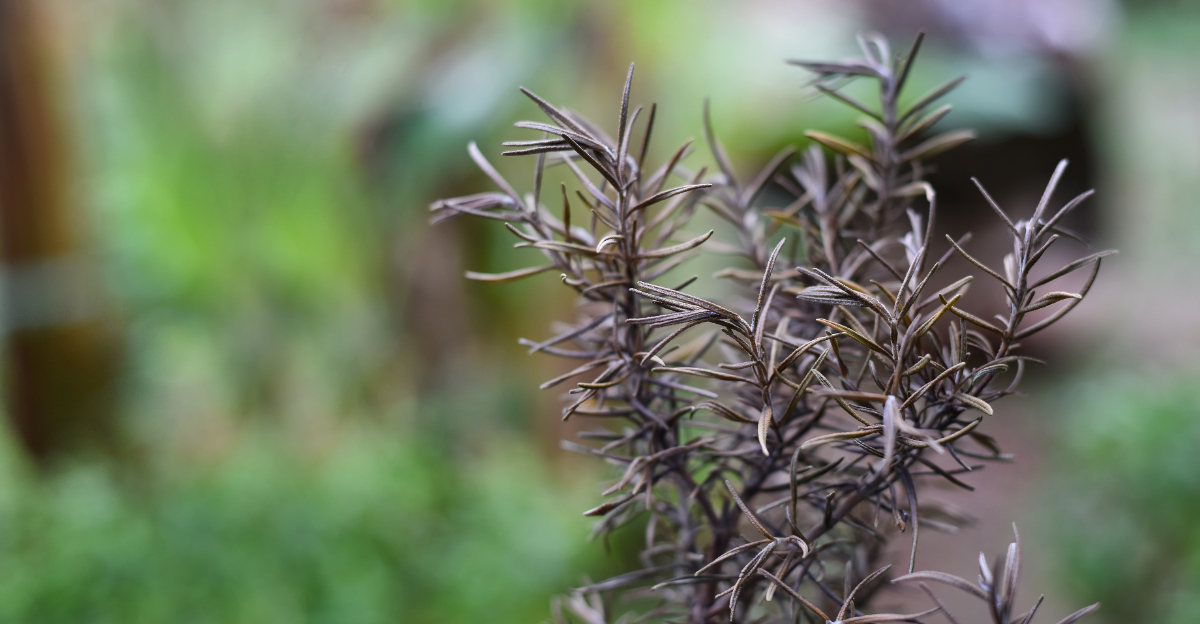
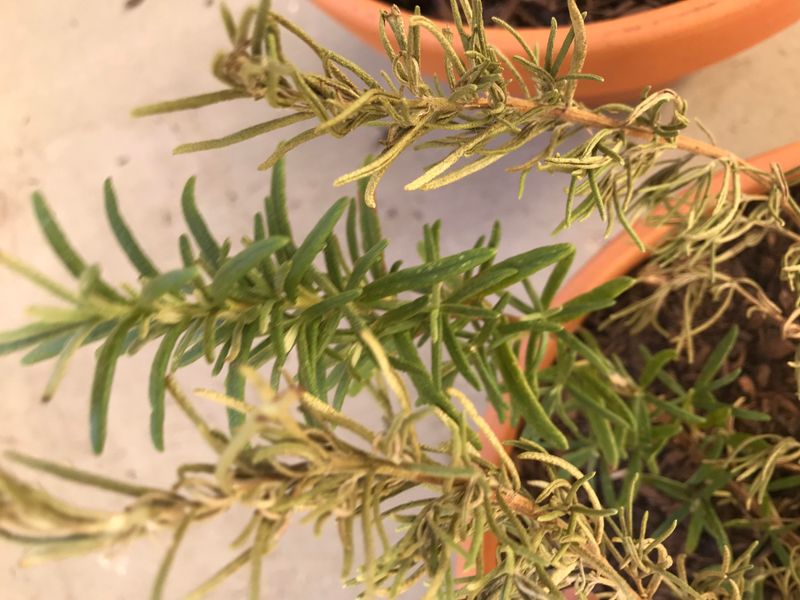
Leaves turn brown, stems get woody, and no amount of watering or adjusting seems to fix it. Eventually it just gives out, and the gardener blames themselves for not doing something right.
Most of the time, the care was fine. Florida summers are a different story altogether, and rosemary has a specific breaking point that catches a lot of people off guard.
Once you understand what is actually happening to the plant during those months, the whole pattern starts to make a lot more sense.
1. Stop Treating Rosemary Like A Thirsty Summer Herb
Most gardeners are trained to water more when temperatures climb, and in Florida, that instinct can actually work against rosemary. Native to the dry, rocky hillsides of the Mediterranean region, rosemary evolved to handle intense heat with very little water.
Its narrow, aromatic leaves help limit moisture loss, allowing the plant to handle dry spells better than many leafy herbs. Heat alone is rarely what sends this plant into decline.
Florida summers are hot, no question, but they are also incredibly wet. The state averages more than 50 inches of rain per year, and a large portion of that falls between June and September.
When gardeners add regular irrigation on top of that seasonal rainfall, rosemary roots end up sitting in moisture almost constantly. That combination is far more stressful for the plant than a few days of dry heat would ever be.
Cutting back on supplemental watering during the rainy season is one of the most effective adjustments a Florida gardener can make. If rain is falling several times a week, rosemary likely does not need any additional water at all.
Checking the soil before watering, rather than watering on a schedule, gives the root zone time to dry out between events. Rosemary rewards restraint far more than it rewards regular attention with the hose.
2. Blame Wet Feet Before You Blame The Heat
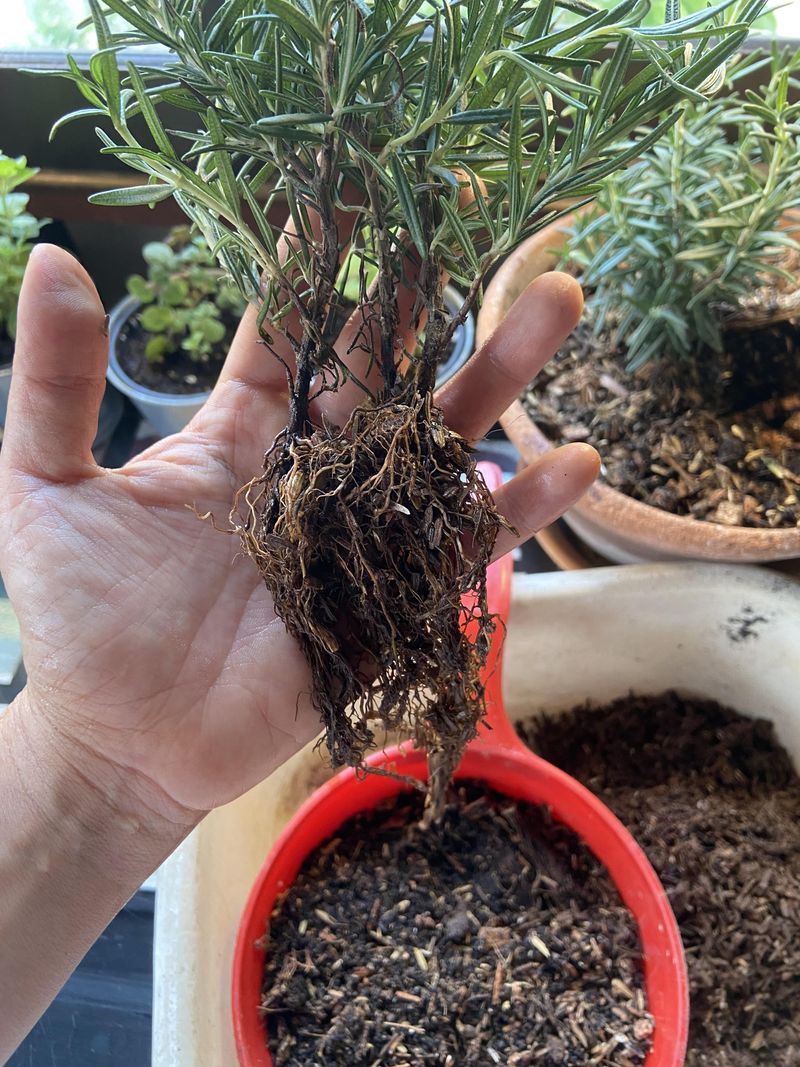
Soggy soil is the single biggest threat to rosemary in Florida, and it starts underground where you cannot easily see it happening. When roots stay wet for extended periods, the plant cannot take up oxygen properly.
That lack of oxygen weakens the root system and makes it vulnerable to fungal pathogens that thrive in warm, saturated conditions. Root rot can move quickly in Florida’s summer heat, and by the time leaves turn brown or gray, the damage is already deep.
Florida’s landscape presents several drainage challenges that make this problem worse. Low spots in flat yards collect water after storms and hold it for hours.
Compacted soil in older neighborhoods or high-traffic areas does not absorb water quickly enough.
Clay pockets, which appear in parts of North and Central Florida, act almost like a bowl beneath the surface, trapping moisture right where rosemary roots are trying to grow.
Your Florida Garden Changes Every Week. Your Plan Should Too.
Gardening in Florida changes quickly throughout the season. Every Friday you’ll receive a simple weekly plan showing exactly what to plant, prune, fertilize, harvest, and protect so you never miss the right timing.
Even containers can become a problem if drainage holes are blocked or if the potting mix has broken down into a dense, water-retaining layer.
Before assuming the summer heat is responsible for a struggling rosemary plant, check the root zone. Dig down a few inches near the base and feel the soil.
If it is consistently wet or smells earthy and sour, drainage is the real issue. Improving drainage, not shading the plant or adjusting fertilizer, is the correct first step.
3. Give Mediterranean Roots A Florida Rain Plan

Picture the coast of southern Italy or the hills of Greece in July: rocky, dry, breezy, and almost never receiving the kind of downpour that rolls through a Florida neighborhood on a Tuesday afternoon.
That is the environment rosemary developed in over thousands of years.
Florida’s rainy season is essentially the opposite of those conditions, with high humidity, repeated heavy rain, and warm nights that keep moisture from evaporating quickly.
Planning ahead for Florida’s summer rain patterns means making decisions before the wet season arrives, not after the plant starts struggling. Placement matters enormously.
Spots that receive morning sun and good air movement help foliage dry out faster after storms. Areas near walls, fences, or dense shrubs that block airflow create the kind of stagnant, humid microclimate that rosemary handles poorly.
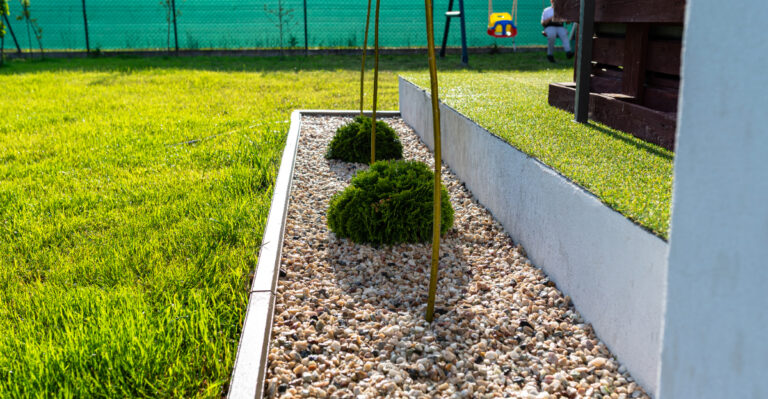
Raised planting areas, even a few inches above the surrounding grade, can make a noticeable difference in how quickly water drains away from the root zone.
Soil preparation is just as important as location. For in-ground plants, the safer move is choosing a naturally well-drained spot, planting high, or using a raised bed rather than trying to fix a soggy site with a small pocket of amended soil.
According to UF/IFAS recommendations for herb gardening in Florida, well-drained soil and proper placement are the foundation of successfully growing Mediterranean herbs in the state’s challenging summer climate.
Planning with rain in mind, rather than reacting to it, keeps rosemary healthier all season long.
4. Plant It High Before The Rainy Season Hits

Flat Florida yards look perfectly fine for gardening until the summer storms roll in and standing water appears in places no one expected. In many parts of the state, the land is so level that water has almost nowhere to go after a heavy rain.
Rosemary planted directly in the ground in these areas ends up sitting in pooled water around its crown and roots, which is exactly the condition that causes the most harm in the shortest amount of time.
Planting rosemary on a raised mound, a low berm, a sloped bed, or inside a container elevated off the ground gives water somewhere to drain immediately.
Even a modest raise of four to six inches above the surrounding soil level can dramatically improve drainage and reduce the time roots spend in saturated conditions.
In South Florida, where heavy rain is frequent and the water table is naturally high in many areas, this approach is especially practical.
Coastal gardens, where salt spray and sandy soil already present challenges, also benefit from raised placement that keeps roots in the best possible drainage zone.
Timing matters too. Planting rosemary in late winter or early spring, before the rainy season begins, gives roots several months to establish in drier conditions.
A well-rooted plant handles the stress of summer rain far better than a newly transplanted one still trying to settle in. Getting the elevation right from the start removes one of the biggest obstacles Florida gardeners face with this herb.
5. Choose Fast Draining Soil Over Rich Heavy Mixes
Walk into any garden center and the shelves are stocked with rich, moisture-retaining potting mixes designed to feed plants and hold water between waterings. For most vegetables and tropical plants, that kind of mix works well.
For rosemary, especially in Florida’s wet summers, it can be a real problem. Rich, heavy soil holds onto moisture long after the plant has used what it needs, and that excess water sitting around the roots is where trouble starts.
Rosemary does not need fertile soil to perform well. In its native habitat, it grows in thin, rocky, nutrient-poor ground and still produces abundant, fragrant growth.
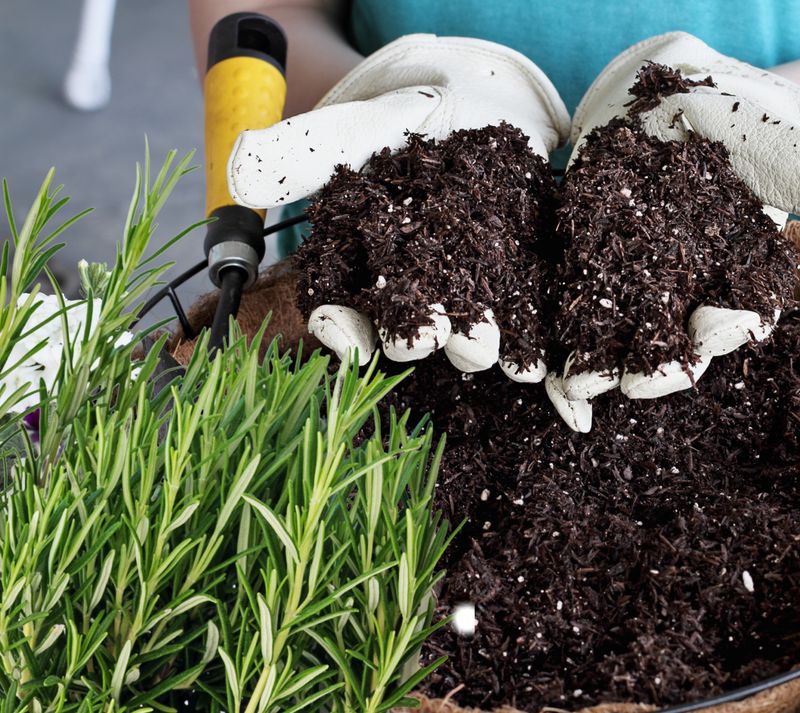
What it does need is soil that drains fast and allows air to move through the root zone. For in-ground planting in Florida, mixing native sandy soil with additional coarse sand or fine pine bark can create a loose, open texture that sheds water quickly.
Avoid heavy compost-dominant blends, which compact over time and hold moisture in ways that stress rosemary roots.
Container gardeners need to pay close attention to potting mix quality and drainage hole function. A cactus and succulent mix, or a standard potting mix blended with at least 30 percent perlite, gives container rosemary the drainage it needs.
Checking that drainage holes are fully open and not blocked by roots or debris is a simple step that prevents soggy conditions from building up inside the pot over a long, rainy Florida summer.
6. Let North Florida Rosemary Breathe After Storms
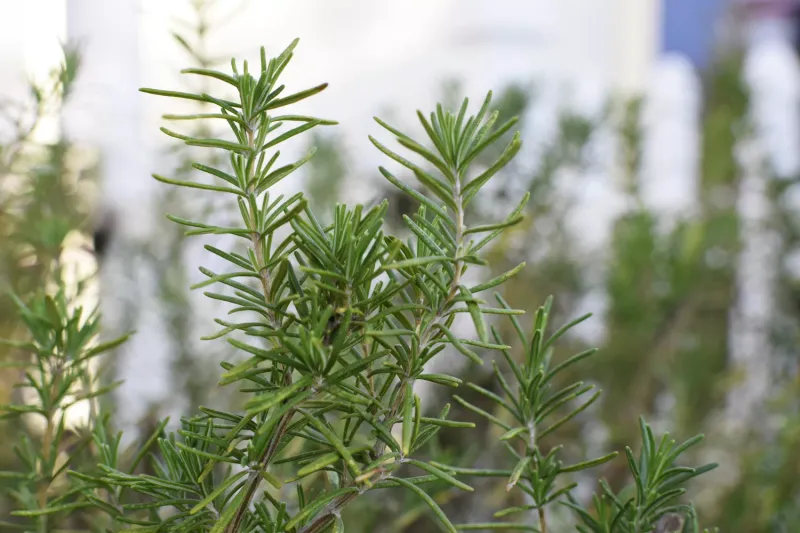
North Florida and the Panhandle get the best of both worlds when it comes to rosemary growing conditions, and sometimes the worst of both worlds too.
Winters are cool enough to trigger dormancy, and summers bring serious heat along with heavy, repeated thunderstorms that can drop several inches of rain in a matter of hours.
Add in the clay and compacted soils found in parts of the region, and rosemary can face drainage challenges that are just as serious as anything seen in Central or South Florida.
After a major summer storm, foliage that stays wet for hours becomes a breeding ground for fungal issues. Moisture-related fungal problems can spread more easily through dense rosemary growth when airflow is limited.
Crowded planting areas, where rosemary is tucked in between taller plants or pushed up against a wall or fence, trap humidity and slow the drying process significantly.
Spacing plants generously, at least two to three feet apart from neighboring plants, gives each rosemary enough room for air to circulate freely through its stems and foliage.
Light pruning after storms also helps. Removing a few of the densest inner branches opens up the plant’s center and allows air to move through more effectively.
North Florida gardeners who stay on top of this kind of maintenance, especially from June through August, tend to see far better results than those who leave plants untouched and hope for the best through the wettest months of the year.
7. Give South Florida Rosemary More Air And Less Water
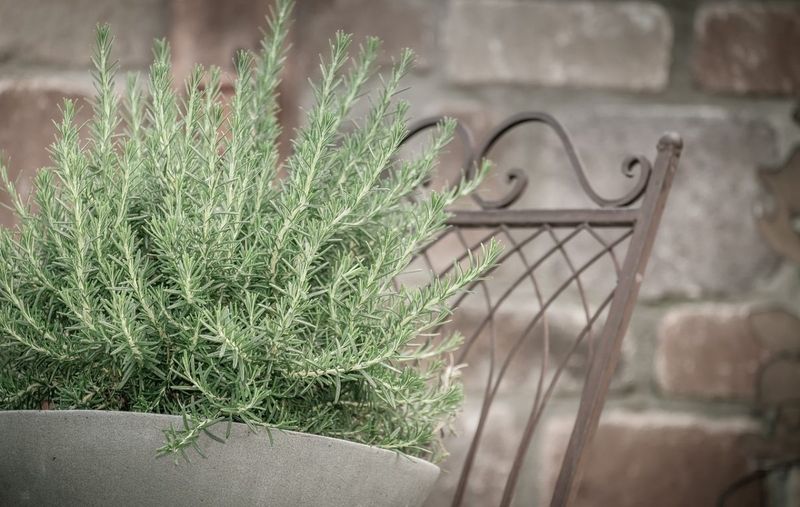
Growing rosemary in South Florida is genuinely challenging, and gardeners in Miami-Dade, Broward, and Palm Beach counties deserve credit for trying.
The combination of year-round warmth, relentless humidity, frequent afternoon rain, and landscapes that sit at or near sea level creates conditions that push rosemary well outside its comfort zone.
That said, plenty of South Florida gardeners grow it successfully by treating it almost like a container-first plant and keeping airflow at the top of the priority list.
Container growing offers several advantages in the region. Pots can be moved to spots with better air circulation or temporarily sheltered during periods of unusually heavy rain.
Terracotta containers, which are breathable and dry out faster than plastic or glazed pots, are a smart choice for South Florida rosemary.
Placing containers on pot feet or a raised surface keeps the drainage holes from sitting in water that pools on patios and decks after storms.
Avoiding overhead irrigation and keeping foliage as dry as possible are habits that pay off in humid southern regions. Drip irrigation or careful hand watering at the base of the plant, rather than overhead sprinklers, reduces the amount of time leaves stay wet.
Full sun placement, ideally six or more hours of direct sun daily, also helps foliage dry quickly and discourages the fungal problems that humid conditions encourage.
South Florida rosemary needs more attention than it would in a drier climate, but with the right setup it can still thrive.
8. Prune For Airflow Before Fungal Problems Start
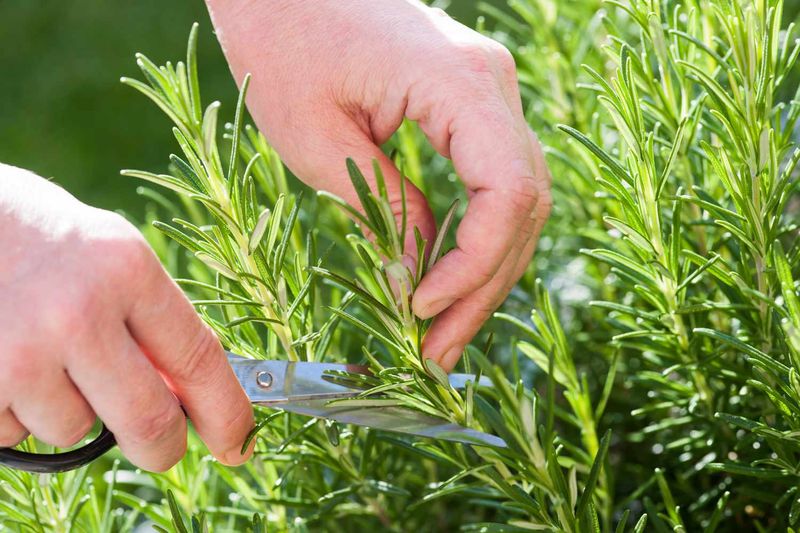
A thick, bushy rosemary plant looks impressive, but in Florida’s summer humidity, all that dense growth can work against the plant. When branches are tightly packed together, air cannot move freely through the interior of the plant.
Moisture from rain and humidity gets trapped in the center, foliage stays wet longer than it should, and fungal spores that float through Florida’s warm summer air find exactly the kind of damp, still environment they need to take hold.
Pruning rosemary for airflow is a prevention strategy, not just a cosmetic one. The goal is not to reshape the plant dramatically but to selectively remove some of the denser inner growth so that air can pass through from one side to the other.
Light, occasional pruning during active growth is usually better than one harsh cut at the end of summer. Removing spent flower stems, crossing branches, and any foliage that looks crowded in the center keeps the plant open and breathing well.
One important caution: avoid cutting back hard into the thick, woody stems at the base of the plant.
Rosemary does not reliably regrow from old wood the way some herbs do, and harsh pruning that removes all green growth from a section can leave that branch permanently bare.
Always leave healthy green foliage on every stem you prune, and work gradually to improve airflow without stressing the plant’s overall structure during the most demanding months of the Florida summer.