Florida Tomato Growers Swear By These Fertilizers For Better Harvests
Growing tomatoes in Florida is not like growing them anywhere else. The heat arrives early, the rain moves fast, and that famous sandy soil drains nutrients before roots get a real chance to use them.
A gardener in the Panhandle is dealing with a completely different situation than someone growing in Miami, and generic fertilizer advice does not account for any of that.
Fertilizer is one of those things Florida tomato growers either get right early or spend the whole season chasing.
The soil demands it, the heat complicates it, and the narrow harvest window means there is not much room to course correct once things go sideways.
What actually works here comes down to timing, soil awareness, and knowing what your plants need at each stage of the season.
1. Start With A Soil Test Before You Feed Again
Sandy soil does not hold secrets very well. In Florida, nutrients can leach out quickly, especially after heavy spring rains, but that does not always mean the soil needs more fertilizer right away.
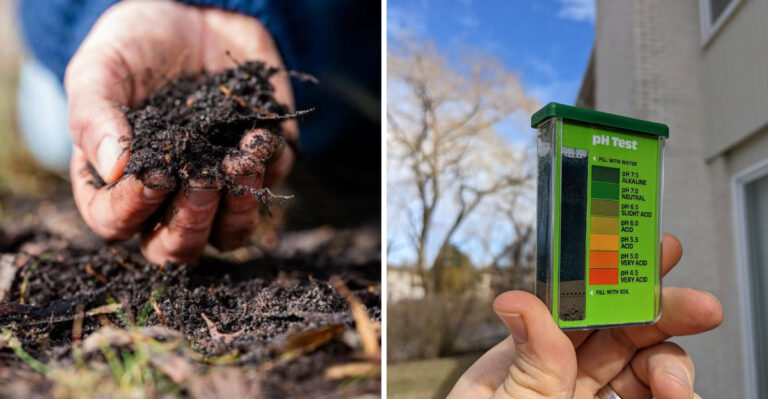
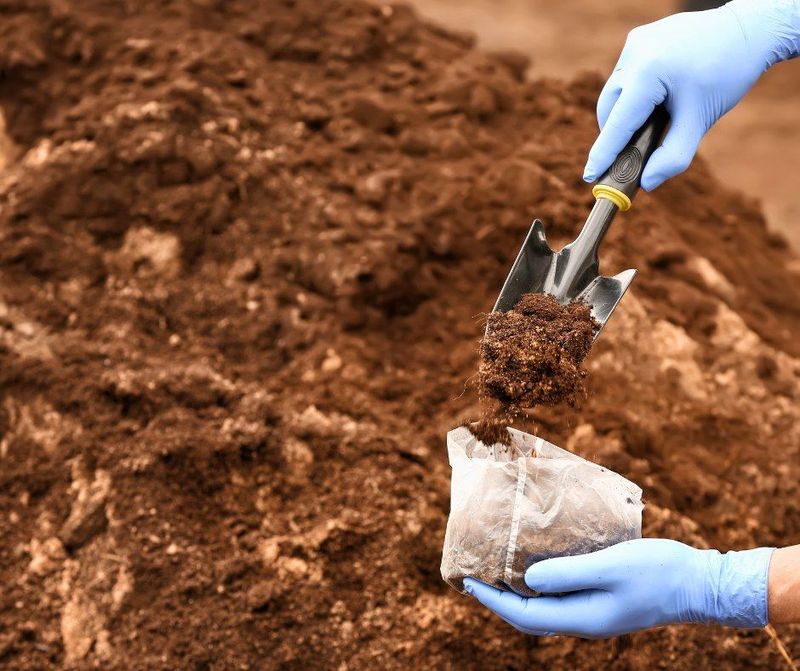
Before adding anything to your tomato beds in May, a soil test gives you the clearest picture of what is actually going on beneath the surface.
Florida soils vary widely from one yard to the next. Coastal gardens may have sandy, low-nutrient soil that drains too fast.
Inland gardens might have heavier amended beds or raised containers with different pH levels.
UF/IFAS Extension recommends soil testing as a first step because guessing often leads to overfertilizing, which can push too much leafy growth, waste your money, and contribute to nutrient runoff into local waterways.
A simple soil test can tell you if your pH is off, which affects how well tomatoes can absorb nutrients even when fertilizer is present. It can also show if phosphorus or potassium levels are already high enough without adding more.
In areas where gardeners have already fertilized earlier in spring, this step becomes even more important.
Many county UF/IFAS Extension offices offer affordable soil testing services, making it easy for Florida gardeners to get accurate local results before making any fertilizer decisions in May.
2. Use A Balanced Fertilizer Instead Of A Trendy Fix
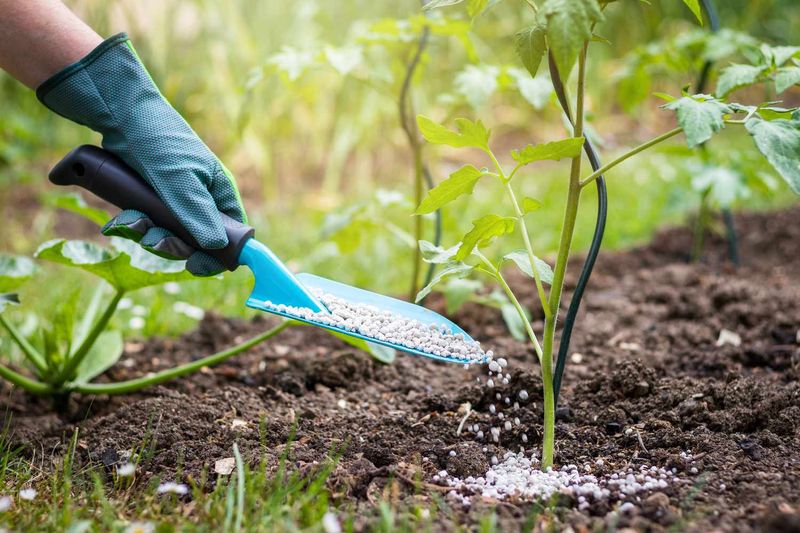
Scroll through any gardening group online and you will find someone swearing by banana peels, crushed eggshells, or some viral kitchen scrap trick for tomatoes.
While some of those ideas have a grain of truth, none of them replace a complete, balanced fertilizer that actually gives tomato plants what they need throughout the growing season.
UF/IFAS guidance consistently points to balanced fertilizers like a 6-8-8 formulation as a reliable choice for Florida tomato growers.
The numbers on a fertilizer bag represent nitrogen, phosphorus, and potassium, and a balanced ratio supports steady plant development rather than spiking one nutrient at the expense of others.
Tomatoes need a consistent supply of all three to grow, flower, and fruit properly.
Regional timing matters here too. North Florida gardeners may still be supporting active spring tomato growth in May, so a balanced fertilizer fits right into that window.
Your Florida Garden Changes Every Week. Your Plan Should Too.
Gardening in Florida changes quickly throughout the season. Every Friday you’ll receive a simple weekly plan showing exactly what to plant, prune, fertilize, harvest, and protect so you never miss the right timing.
Central Florida gardeners feeding plants that are already fruiting under rising heat should stick to steady, measured applications rather than dramatic changes.
South Florida gardeners need to be especially careful in May because the traditional tomato season is winding down there, and piling on fertilizer will not reverse the seasonal clock.
A reliable balanced fertilizer, used correctly, is a smarter long-term strategy than chasing the latest gardening trend.
3. Feed Established Plants Lightly Through May
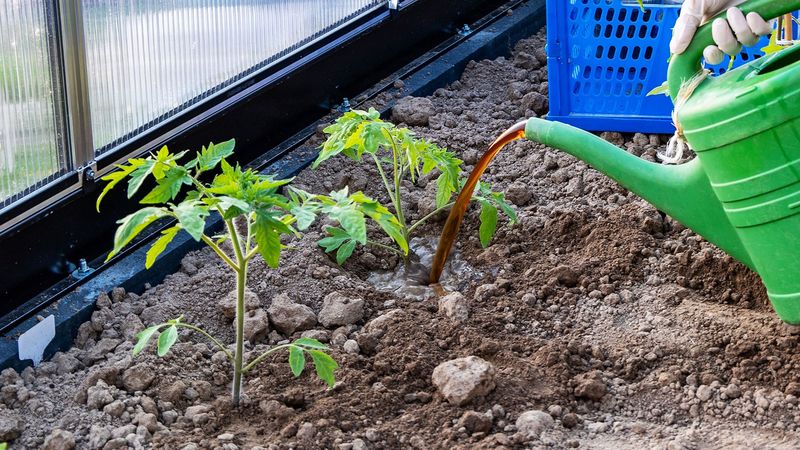
May is not the month to reset your entire fertilizer routine from scratch. For tomatoes already in the ground from earlier spring planting, this month is about maintenance, not major intervention.
Thinking of May as a support month rather than a starting point helps gardeners make smarter decisions about how much and how often to feed.
In North Florida, May can still be a very relevant month for tomato care. Plants that were set out in late February or March may be actively flowering or setting fruit right now, which means light, consistent feeding can genuinely support the harvest.
Applying a balanced fertilizer in light, label-guided amounts through the growing season keeps nutrients available without dumping on more than the plant can use.
Central Florida gardeners face a trickier situation in May. Heat and humidity are rising fast, and pest pressure along with disease risk are climbing with them.
Feeding established plants lightly can help, but it is worth being realistic that fertilizer cannot push plants past what the season allows.
South Florida gardeners should focus their May feeding only on plants that are still visibly healthy and productive, such as container tomatoes, cherry tomato varieties, or heat-tolerant types.
Adding fertilizer to struggling plants in South Florida in May is unlikely to turn the season around and may actually add more stress to already challenged roots.
4. Choose Controlled Release Fertilizer For Steadier Nutrition
Anyone who has watered a Florida container garden on a hot afternoon knows how fast that water moves through the soil and right out the drainage holes. The same thing happens in sandy in-ground beds after a strong rain.
When nutrients wash away before roots can absorb them, plants end up underfed even when a gardener has been fertilizing regularly.
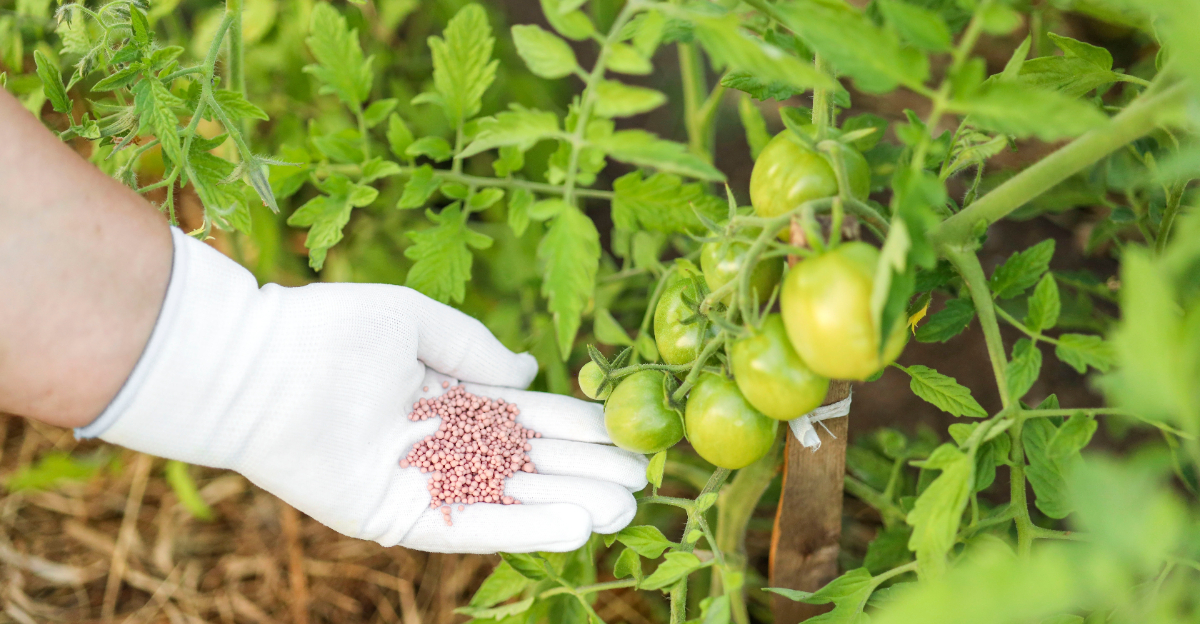
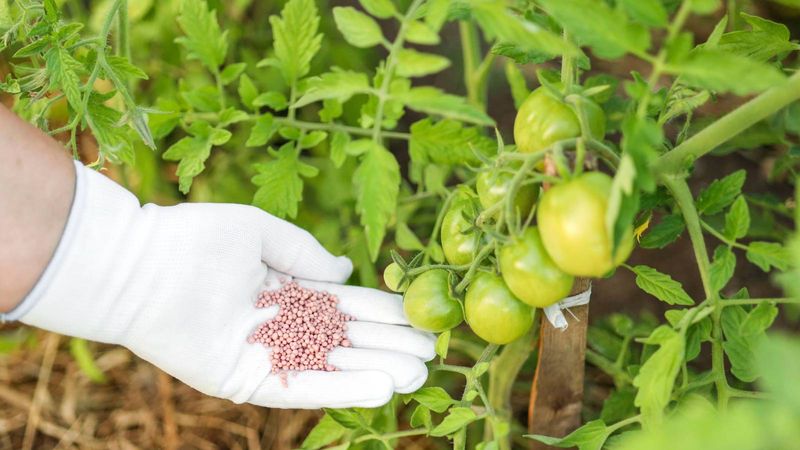
Controlled-release granular fertilizer addresses this problem by releasing nutrients gradually over time rather than all at once.
This steady feeding approach matches how tomato plants actually prefer to receive nutrients, in smaller, consistent amounts throughout the growing period.
When used properly, controlled-release fertilizer can help avoid big nutrient swings and make each application last longer in Florida conditions.
Liquid fertilizer is another option that works well for many gardeners, especially for quick corrections, but it requires more consistent timing and careful attention to application rates.
North Florida gardeners can use steady feeding to support active spring production without overwhelming plants.
Central Florida gardeners should be cautious as temperatures climb in May because overfed, heat-stressed plants can develop soft, vulnerable growth.
South Florida gardeners face the most risk from overfertilizing in May, since plants already dealing with heat and humidity do not benefit from nutrient overload.
Matching the fertilizer type to the plant’s actual needs and the region’s conditions is always the smarter play.
5. Give Potassium More Attention As Fruit Forms
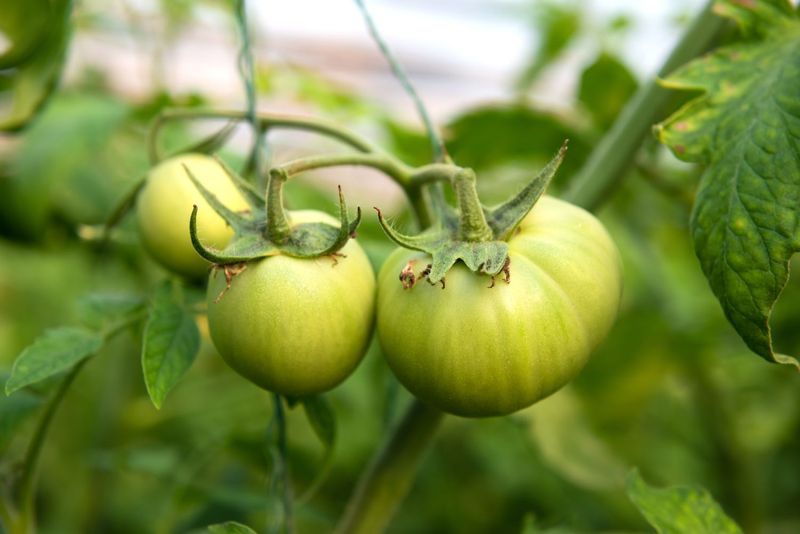
Once those first small tomatoes start swelling on the vine, the plant’s nutritional priorities shift. Fruit development puts real demands on the plant, and potassium steps into an important role at this stage.
Many gardeners focus heavily on nitrogen early in the season, but continuing that same nitrogen-heavy approach once fruit is forming can actually work against you.
Too much nitrogen during fruiting pushes the plant to keep producing lots of leafy green growth instead of directing energy toward the developing fruit. Potassium, on the other hand, supports cell strength, water movement within the plant, and overall fruit quality.
A balanced fertilizer that includes adequate potassium, like a 6-8-8 formulation, helps meet this need without tipping the balance too far in any one direction.
For North Florida and Central Florida gardens in May, this section is especially timely.
Many plants in these regions are actively flowering or already carrying developing fruit, which makes potassium particularly relevant right now.
Using a balanced tomato-appropriate fertilizer with adequate potassium, according to label rates, can support a stronger finish to the spring season.
South Florida gardeners should not ignore potassium entirely, especially for container plants or cherry tomato varieties that are still producing.
However, potassium should be part of a complete, balanced feeding plan rather than a last-minute attempt to rescue a season that is often already past its strongest window in that region.
6. Keep Calcium Moving With Consistent Watering
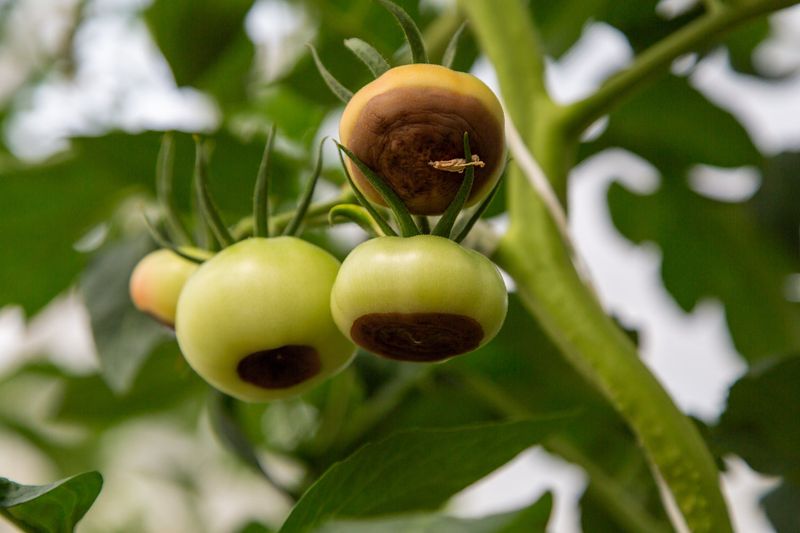
Blossom-end rot is one of those problems that surprises gardeners every season, often just as the first tomatoes start to size up. That dark, sunken spot on the bottom of the fruit is frustrating, and many gardeners immediately reach for a calcium spray.
Before spending money on a product, though, it helps to understand what is actually happening.
Blossom-end rot is often connected to uneven moisture and calcium movement inside the plant, not simply a lack of calcium sitting in the soil.
Calcium moves through the plant with water, so when soil swings between very dry and very wet, the plant cannot transport calcium efficiently even if plenty is available in the ground.
Spraying calcium on leaves or fruit after the problem appears rarely solves the root cause.
In May across Florida, this issue becomes especially common. Heat increases the plant’s water demand, containers dry out faster than in-ground beds, and afternoon storms can swing soil moisture from too dry to suddenly soaked.
North and Central Florida gardeners should focus on steady, consistent irrigation rather than reactive calcium applications.
For South Florida, it is worth noting that high humidity and frequent rain do not automatically mean plant roots are getting steady, useful moisture.
Mulching around the base of plants helps hold moisture more evenly between waterings, which is one of the most practical steps any Florida gardener can take to reduce blossom-end rot without adding more products to the mix.
7. Do Not Let Extra Nitrogen Take Over The Plant
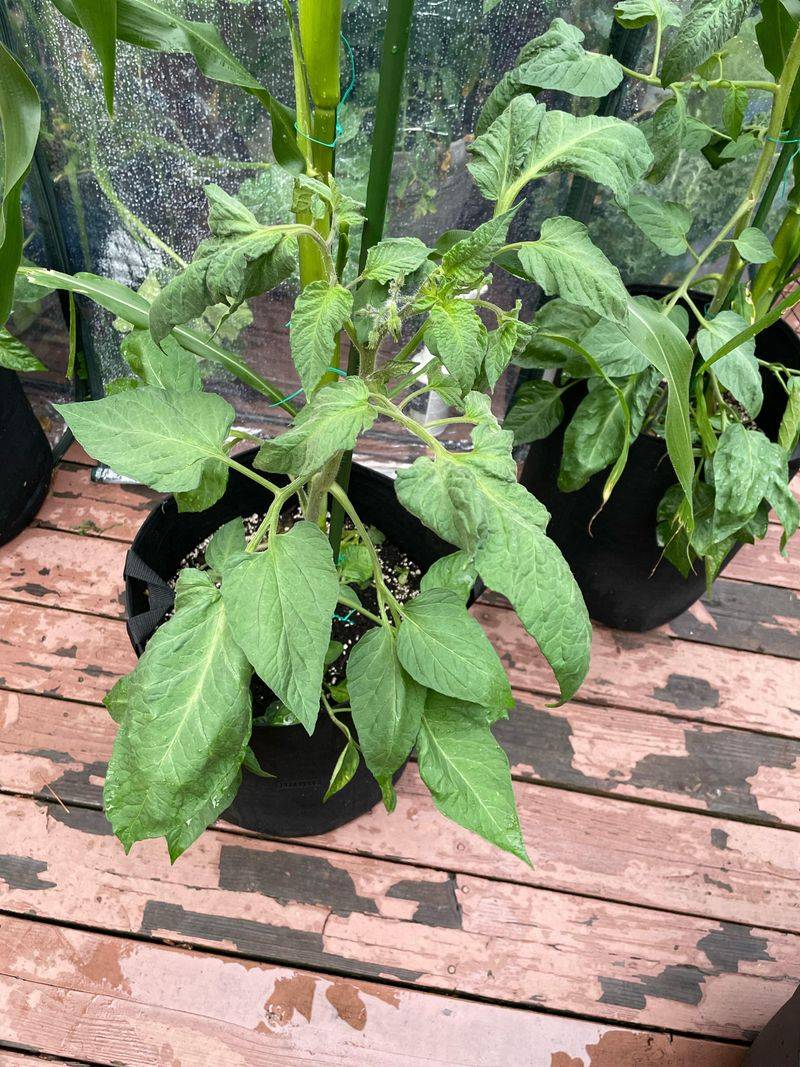
A tomato plant that looks incredibly lush and green in May is not always a success story. Sometimes all that rich, dark foliage is a sign that nitrogen has taken over, pushing vegetative growth at the expense of the harvest.
Experienced Florida tomato growers have learned to read their plants carefully rather than assuming that greener always means better.
Extra nitrogen in the soil encourages the plant to keep producing soft, leafy growth, which can actually delay or reduce fruit set.
Soft new growth can be more attractive to aphids and other pests, adding another layer of trouble during a month when pest pressure in Florida is already climbing.
A plant that looks beautiful but carries little fruit is not meeting the goal most gardeners have in mind.
For North Florida, the advice is to feed enough to support production but avoid tipping the balance toward excessive leaf growth as the season moves forward.
In Central Florida, heavy nitrogen applications in May can be especially counterproductive when plants are already dealing with heat, humidity, and pest pressure.
South Florida gardeners face the steepest challenge here. Adding more nitrogen in May might make a stressed plant look greener for a short stretch, but it does not address the real seasonal limitations that come with late-spring conditions in that region.
Keeping nitrogen in check and relying on a balanced fertilizer is the steadier, more effective approach for all Florida regions at this point in the season.
8. Match Your Fertilizer Plan To Your Florida Region
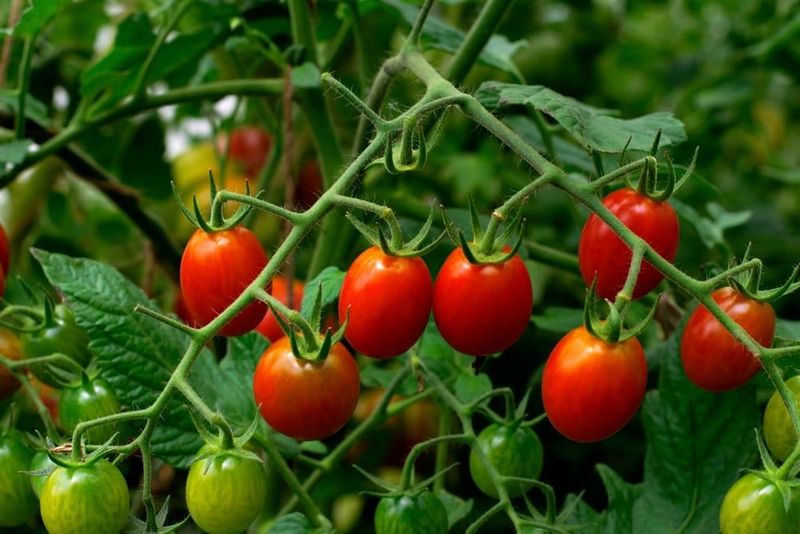
A tomato plant in Tallahassee is not living the same season as a tomato plant in Miami, even when the calendar says May in both places. That is why fertilizer advice has to follow the region, not just the month.
In North Florida, many spring tomatoes are still in a productive window in May, especially plants set out in late winter or early spring.
Light, label-guided feeding can still support flowering, fruiting, and steady growth as long as the plant is healthy and the soil is not already overloaded with nutrients.
Central Florida sits in more of a transition zone. Plants may still be producing, but heat, humidity, pests, and disease pressure are building fast.
Fertilizer can help an active plant finish strong, but it cannot make up for poor watering, root stress, or weather that is becoming less tomato-friendly by the week.
South Florida needs the most caution. By May, the traditional tomato season is often winding down because the best production usually happens during the cooler fall, winter, and early spring period.
Gardeners with healthy container tomatoes, cherry tomatoes, or heat-tolerant varieties may still use light fertilizer if the plants are actively growing and carrying fruit. Heavy feeding, though, is not a shortcut back to peak season.
The smartest plan is to match fertilizer to the plant’s stage, the local season, and what the soil actually needs.