7 Plants To Prune This May In Ohio (And 4 To Leave Alone)
May in Ohio is basically nature’s version of a fast-forward button. One day your yard looks like a sleepy winter holdout, and three days later everything is exploding with new growth and you’re standing there with pruning shears wondering where to even start.
Totally valid. But here’s the thing – not every plant wants a haircut right now, and pruning at the wrong time is the gardening equivalent of getting a bad haircut before picture day.
Some plants absolutely love a May trim and will reward you with lush, healthy growth all summer long.
Others will just silently suffer and skip blooming for an entire season. (They won’t even tell you. They’ll just… not bloom. Rude.)
The good news is that once you know which plants actually belong on your May pruning list, the whole thing gets a lot less stressful and a lot more satisfying.
1. Spring-Blooming Shrubs Benefit From A Post-Bloom Trim
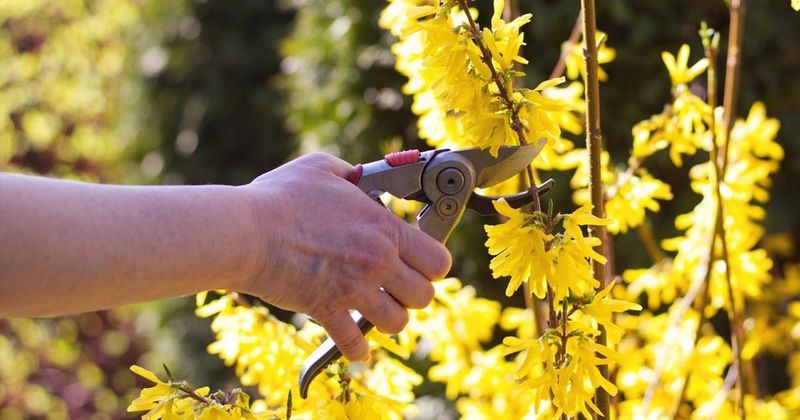
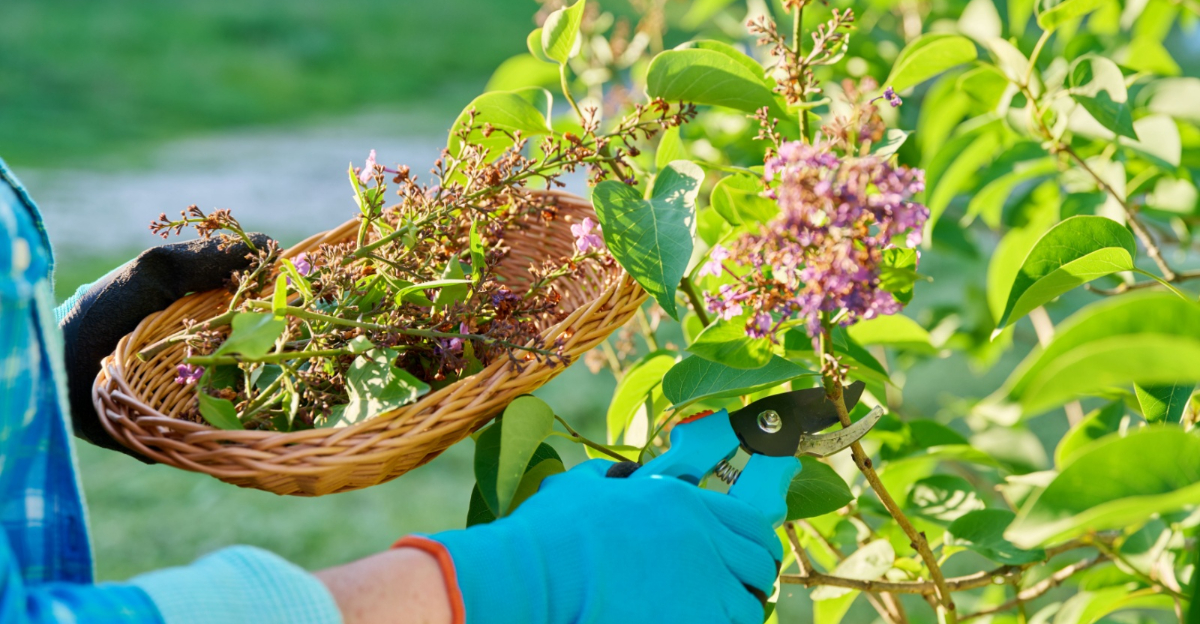
Right after the last flowers fade is one of the best moments to reach for your pruning shears on spring-blooming shrubs. Plants like forsythia, lilac, and weigela set their flower buds on wood that grew the previous season, which is called old wood.
If you wait too long after blooming to prune, the plant starts forming next year’s buds, and cutting then means fewer flowers next spring.
In Ohio, most spring-blooming shrubs finish their show by mid to late May, which makes this a practical window for shaping them up.
A good post-bloom trim removes older, thicker stems, opens up the center for better airflow, and encourages fresh new growth that will carry next year’s blooms.
You do not need to cut everything back hard. Removing about one-third of the oldest stems at the base and lightly shaping the outer growth is usually enough.
This approach keeps the shrub looking tidy without stressing the plant or sacrificing future flowers. Ohio gardeners who skip this step often end up with leggy, overgrown shrubs that bloom less reliably over time.
A little attention right after bloom goes a long way toward keeping these plants healthy and full for years ahead.
2. Deciduous Trees Respond Well To Light Shaping
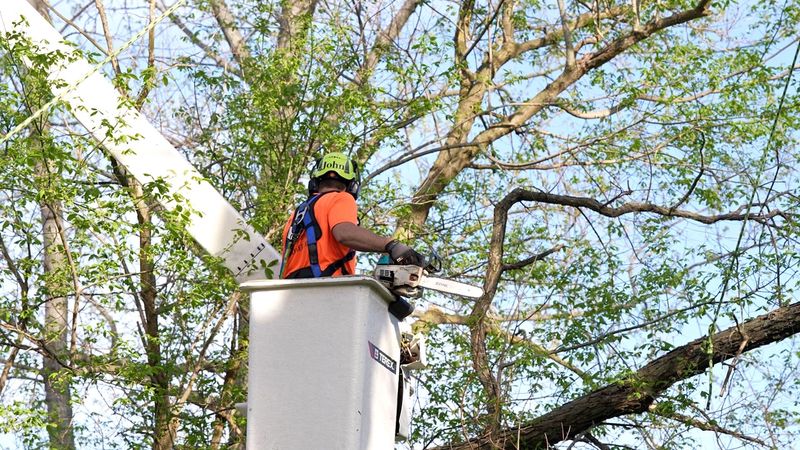
Once the leaves have fully opened and settled in, deciduous trees in Ohio enter a steady growth phase that makes May a reasonable time for light shaping and minor cleanup.
Crossing branches, water sprouts shooting straight up from main limbs, and low-hanging branches that interfere with walkways or lawn mowing are all fair targets this time of year.
The key word here is light. May is not the time for heavy structural pruning on large shade trees.
That kind of work is better suited for late fall or late winter when trees are fully dormant.
But trimming a few problem branches in May, after the leaves have hardened off, tends to cause minimal stress and allows the tree to seal over cuts before the heat of summer sets in.
Homeowners in Ohio often notice fast-growing water sprouts appearing on maples, lindens, and crabapples by mid-May. Removing these early prevents them from pulling energy away from the tree’s main canopy.
Your Ohio Garden Changes Every Week. Your Plan Should Too.
Gardening in Ohio changes quickly throughout the season. Every Friday you’ll receive a simple weekly plan showing exactly what to plant, prune, fertilize, harvest, and protect so you never miss the right timing.
Clean cuts with sharp tools reduce the risk of pest and disease entry. If you are unsure about larger cuts, a certified arborist can help assess what needs attention without putting the tree’s health at risk.
3. Ornamental Grasses Look Better With A Fresh Cutback
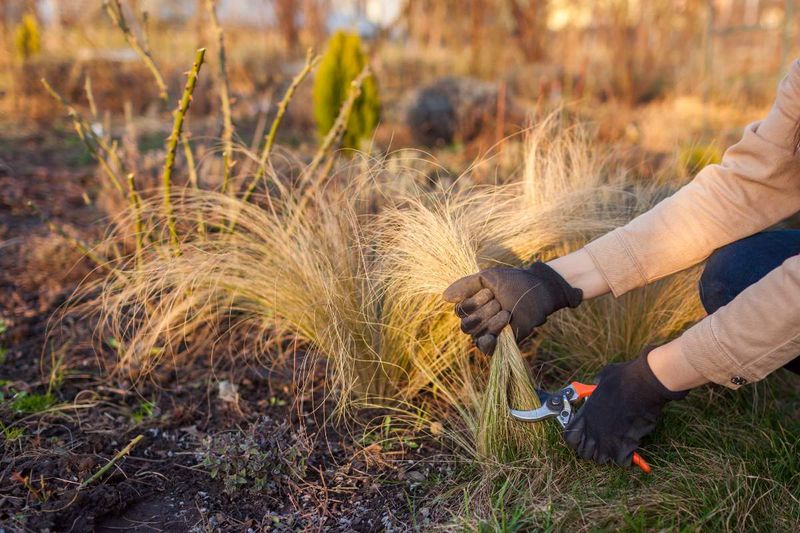
By the time May rolls around in Ohio, ornamental grasses that were not cut back in late winter are sending up fresh green shoots right through a tangle of last year’s brown, damaged stems. If that sounds familiar, you are not alone.
Many gardeners put off cutting back their grasses and then wonder why the clumps look ragged and uneven heading into summer.
May is actually still a workable time to cut ornamental grasses down close to the ground, especially if you can see new green growth emerging from the base.
Cutting them back at this point removes the old, unattractive material and lets the fresh growth take over cleanly.
The plants bounce back quickly in Ohio’s warm spring temperatures and typically look full and lush by June.
Use hedge shears or a reciprocating saw for larger clumps, and cut the grass down to about four to six inches above the soil.
Avoid cutting into the fresh green growth if you can help it, but a little contact with new shoots is not usually a serious setback.
Ornamental grasses are tough, resilient plants that recover well. Getting this task done in May rather than skipping it entirely will dramatically improve how your beds look all season.
4. Butterfly Bush Grows Back Strong With A May Trim
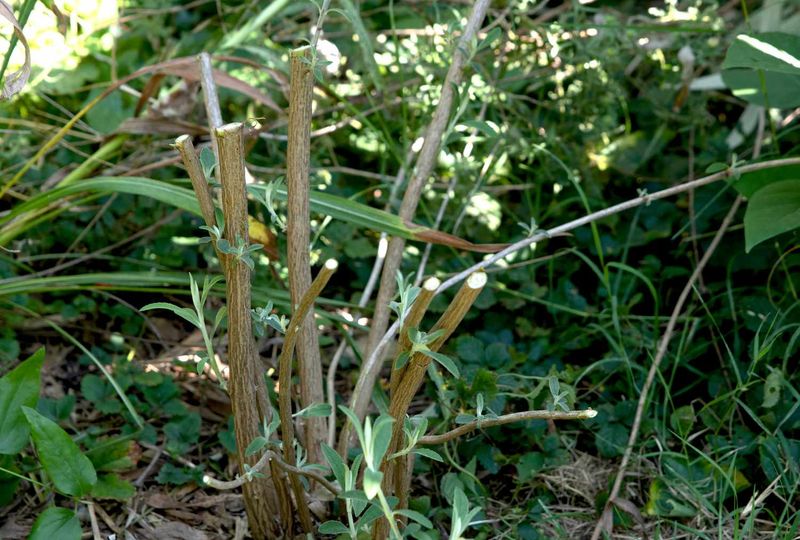
Few shrubs in the Ohio landscape are as forgiving as butterfly bush when it comes to pruning. This plant blooms on new wood, meaning the flowers you enjoy in summer and fall grow on stems that developed during the current season.
Cutting it back in May encourages a flush of vigorous new growth that leads directly to more blooms and a fuller, more attractive plant.
Ohio winters can be hard on butterfly bush, and many gardeners notice that stems look brown and woody well into spring.
Waiting until May to prune, once you can clearly see where new growth is emerging, helps you avoid cutting into live wood unnecessarily.
Trim stems back to just above a set of healthy, green leaf buds, which are usually found lower on the plant.
You can cut butterfly bush back fairly aggressively – down to about twelve to eighteen inches above the ground – without causing harm. The plant responds with strong, upright new stems that fill out quickly in Ohio’s late spring warmth.
Regular deadheading throughout summer will extend the bloom period even further. Gardeners who skip the May trim often end up with a tall, floppy shrub that blooms less and requires staking later in the season.
5. Roses Reward Timely May Pruning
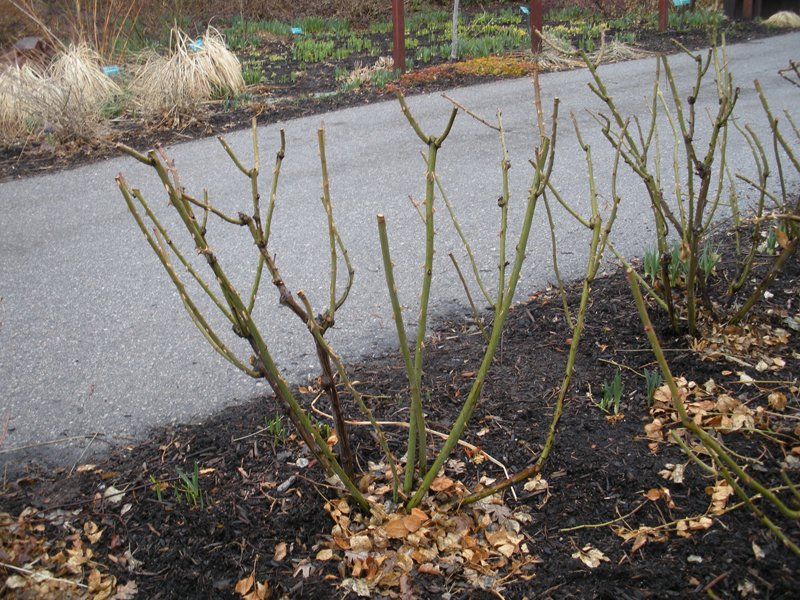
Roses are some of the most rewarding plants in an Ohio yard, and May pruning plays a big role in how well they perform through the season.
For hybrid tea roses, grandiflora roses, and floribundas, May is the time to finalize any cleanup that was started in early spring.
By now, you can clearly see which canes are healthy, which ones are damaged or crossing, and where new growth is pushing through.
Remove any canes that are thinner than a pencil, any that cross through the center of the plant, and any that show signs of cane borers or discoloration.
Cutting at a 45-degree angle just above an outward-facing bud helps direct new growth away from the center, improving airflow and reducing the chance of fungal issues that are common in Ohio’s humid summer months.
Climbing roses and once-blooming old garden roses are a different story – those should be pruned right after they bloom, not before. But for repeat-blooming varieties, getting the May trim right sets up a strong first flush of flowers and a healthier plant overall.
Sharp, clean tools make a noticeable difference, so take a minute to wipe blades with rubbing alcohol between plants to avoid spreading disease.
6. Fruit Trees Benefit From Light Cleanup And Shaping
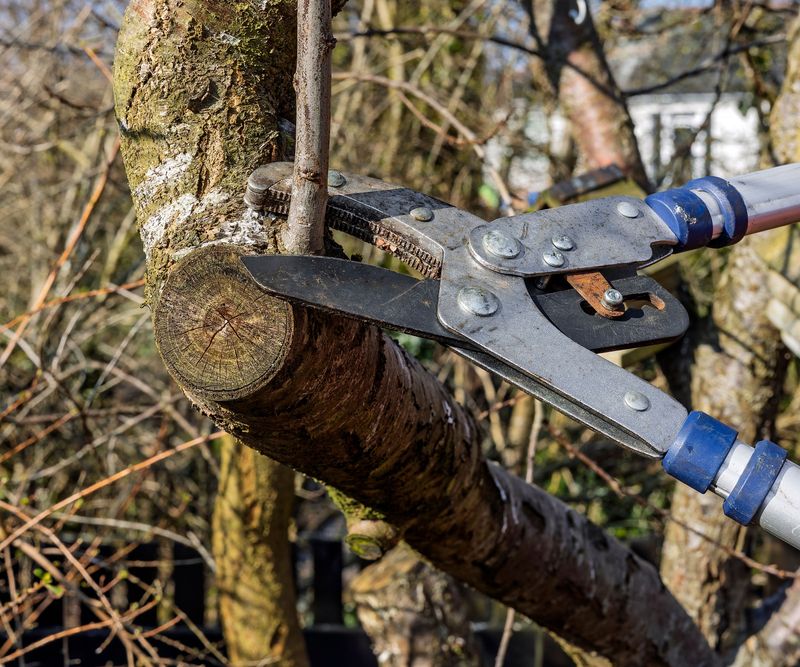
Apple, pear, and cherry trees in Ohio are well into their growing season by May, and a little light cleanup at this point can support better fruit production and long-term tree structure.
The main targets are water sprouts – those fast-growing, vertical shoots that pop up along major branches – and any damaged or rubbing branches that were missed during dormant pruning.
Water sprouts pull energy away from fruiting wood and rarely produce useful growth on their own.
Removing them in May, while they are still young and easy to snap or cut off cleanly, is much simpler than dealing with thick, woody sprouts later in the summer.
It also helps the canopy stay open so sunlight can reach developing fruit evenly.
Keep May pruning on fruit trees minimal and targeted. Heavy cutting at this stage can stimulate excessive new growth and may interfere with the current year’s fruit set.
Ohio gardeners with dwarf or semi-dwarf trees in home landscapes tend to see the best results when they focus on removing problem growth rather than reshaping the whole tree.
Save any major structural work for late winter, when the tree is dormant and cuts heal more efficiently heading into the growing season.
7. Spirea Stays Tidy With The Right Spring Pruning
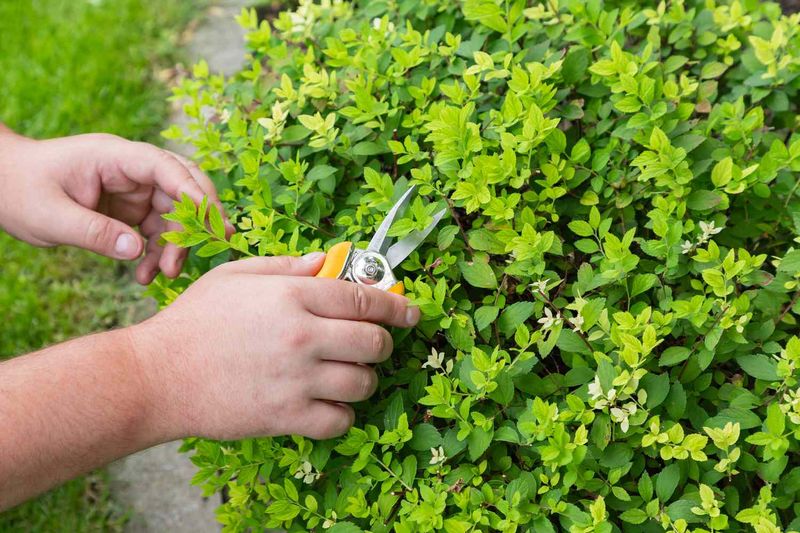
Spirea is one of those shrubs that shows up in nearly every Ohio neighborhood, and for good reason – it is tough, adaptable, and covered in blooms each spring.
But without regular pruning, spirea can quickly turn from a tidy, mounded shrub into a tangled, woody mass that blooms less each year and looks more like a brush pile than a landscape feature.
For spring-blooming spirea varieties like Bridal Wreath, the right time to prune is right after the flowers finish, which often falls in late May in Ohio.
At that point, you can cut the oldest, thickest canes back to the ground and lightly shape the remaining stems to encourage fresh growth.
Removing spent flower heads also tidies up the plant’s appearance quickly.
Summer-blooming spirea varieties, like Anthony Waterer and Little Princess, are a bit different. Those bloom on new wood and can actually be cut back in early May before growth gets too far along.
Either way, spirea responds well to pruning and bounces back fast. A well-timed trim keeps these shrubs compact, floriferous, and looking sharp in Ohio landscapes from spring all the way through the first hard frost of fall.
8. However, Oak Trees Are Better Left Uncut In May
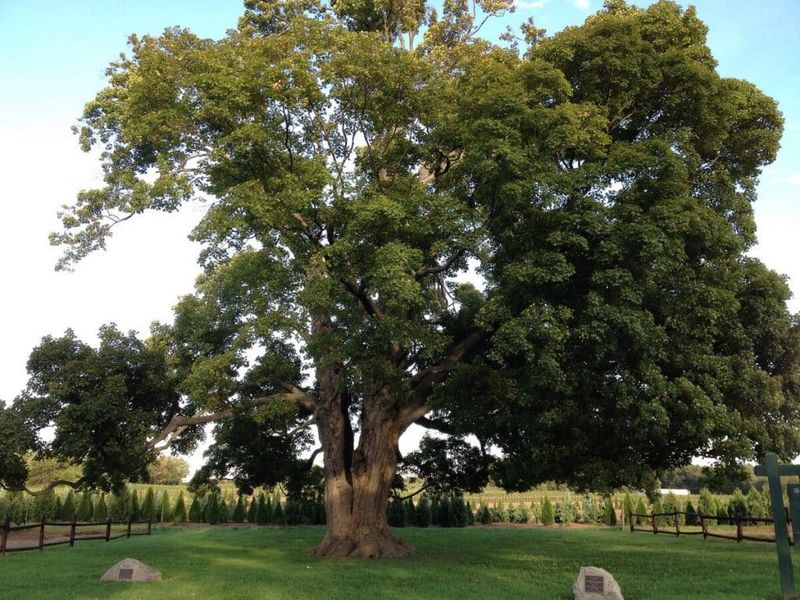
Oak trees hold a special place in Ohio landscapes, but May is genuinely one of the worst times to prune them.
The reason comes down to a serious disease called oak wilt, which spreads rapidly during the spring months when oak trees are actively growing and sap-feeding beetles are most active.
Fresh pruning cuts made in spring can attract these beetles, which carry the fungal pathogen responsible for the disease from tree to tree.
Ohio falls within a region where oak wilt is a documented concern, and the risk is highest from April through July. Avoiding pruning during this window significantly reduces the chance of introducing the disease to your tree.
If you must make a cut due to storm damage or a hazardous branch, painting the wound immediately with a pruning sealant can help reduce beetle attraction – though this is not typically recommended for other trees or at other times of year.
The safest window for pruning oak trees in Ohio is during the dormant season, from late November through early March, when beetle activity is low and the disease spreads much more slowly.
If your oak needs attention this May, note what needs to be done and schedule the work for late fall or winter rather than risking the tree’s long-term health for the sake of convenience.
9. Spring Bulb Foliage Still Has Work To Do
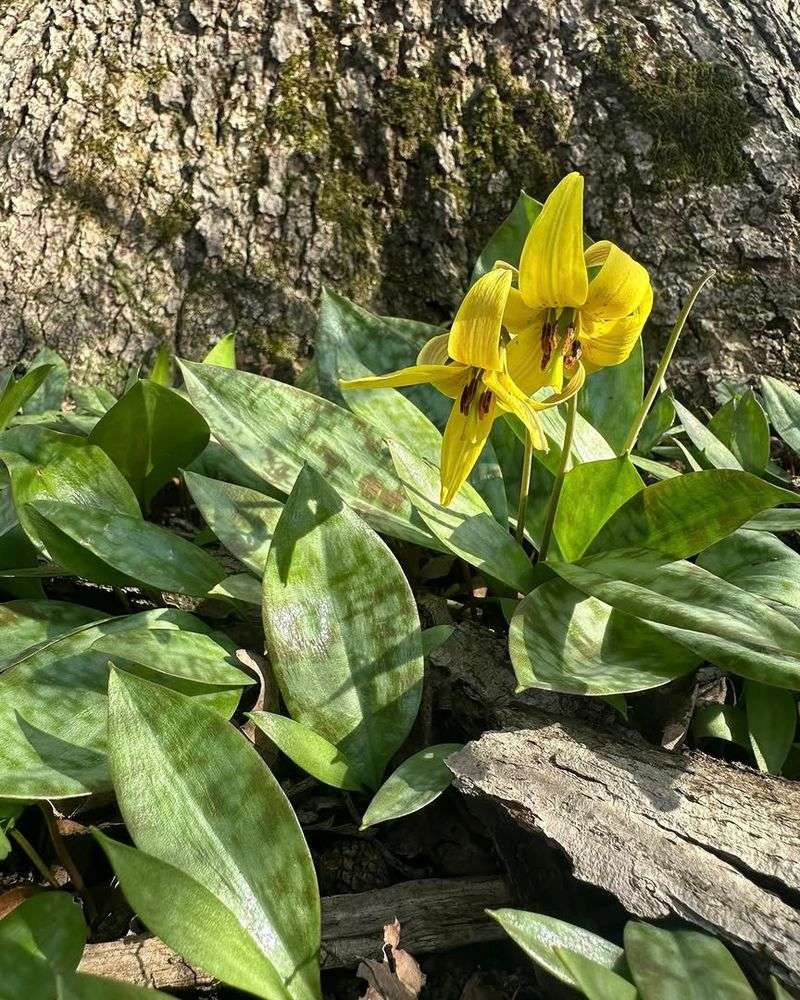
Those floppy, yellowing leaves left behind after tulips and daffodils finish blooming can be a real eyesore in May, and the temptation to cut them down or braid them out of sight is understandable.
But removing spring bulb foliage before it has fully yellowed and dried back on its own can seriously weaken the bulbs and reduce next year’s bloom quality.
The leaves are doing important work even after the flowers are gone. Through photosynthesis, they are sending energy back down into the bulb, replenishing the food reserves the plant will use to produce flowers next spring.
Cutting the leaves too early interrupts that process and leaves the bulb with less stored energy to work with. Over a few seasons, this can lead to fewer blooms or smaller flowers.
In Ohio, spring bulb foliage typically needs about six weeks after blooming to complete this energy transfer. That often means leaving the leaves alone well into June.
Planting perennials or annuals nearby can help disguise the fading foliage while it finishes its job. Resist the urge to tie leaves into knots or rubber-band them together, as that also limits photosynthesis.
Patience here pays off with a better bulb display the following spring.
10. Azaleas May Need More Careful Timing
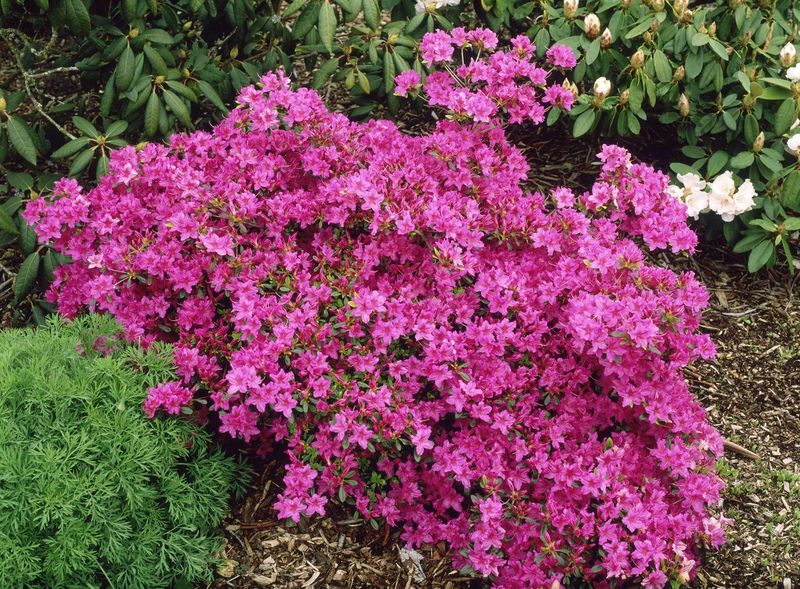
Azaleas are beloved for their bold spring color, and Ohio gardeners who have one in full bloom in May know just how stunning they can look. But pruning an azalea at the wrong time is one of the quickest ways to lose that display for an entire year.
Azaleas bloom on old wood, meaning the buds that open in spring were actually set on the plant the previous summer.
Pruning in May – especially while the plant is still blooming or just finishing up – removes wood that already carries developing buds for next season. The result is a well-shaped shrub that produces far fewer flowers the following spring.
The safe window for pruning azaleas is right after the blooms fade, which in Ohio usually falls in late May to early June depending on the variety and location.
Even then, keep the pruning light. Azaleas do not respond as vigorously as some other shrubs to hard cutbacks, and heavy pruning can leave them looking sparse for more than one season.
Focus on removing damaged wood, crossing branches, and any stems that are clearly out of shape. A gentle approach preserves the plant’s natural form and keeps it blooming reliably year after year in Ohio gardens.
11. Wisteria Can Be Pruned At A Better Time
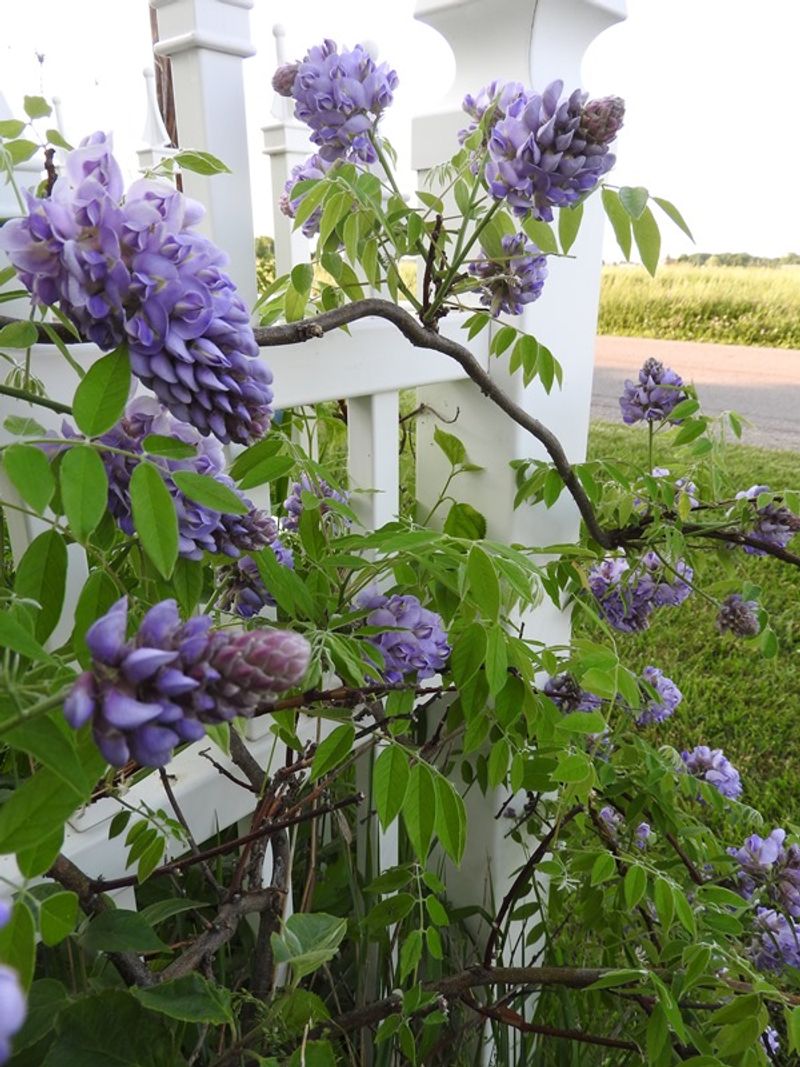
Wisteria is one of the most dramatic flowering vines you can grow in Ohio, but it is also one of the most aggressive. Left unchecked, it can wrap around structures, girdle young trees, and spread far beyond its intended space.
Knowing when to prune it – and when to hold off – makes a real difference in managing this vigorous plant.
May is when wisteria is often at its peak bloom in Ohio, and cutting it back during or right after flowering can reduce next year’s flower production.
Wisteria blooms on short spurs that develop from older wood, and pruning in late spring removes some of those spurs before they have a chance to mature and set buds.
The better windows for pruning wisteria are in late summer, around August, and again in late winter before new growth begins.
The August pruning focuses on cutting back the long, whippy new shoots to about five or six leaves, which encourages the plant to put energy into developing flowering spurs rather than vegetative growth.
The late winter pruning refines the shape and removes excess growth.
Ohio gardeners who follow this two-season approach tend to get better blooms and more manageable plants than those who prune randomly throughout the year.