Why Arizona Soil Buildup Is Destroying Your Garden And How To Flush It Out
Healthy plants can still struggle in Arizona even when watering feels consistent and care seems on track. Leaves start to yellow, growth slows down, and nothing responds the way it should.
Soil often looks fine from the surface, which makes the problem easy to miss at first.
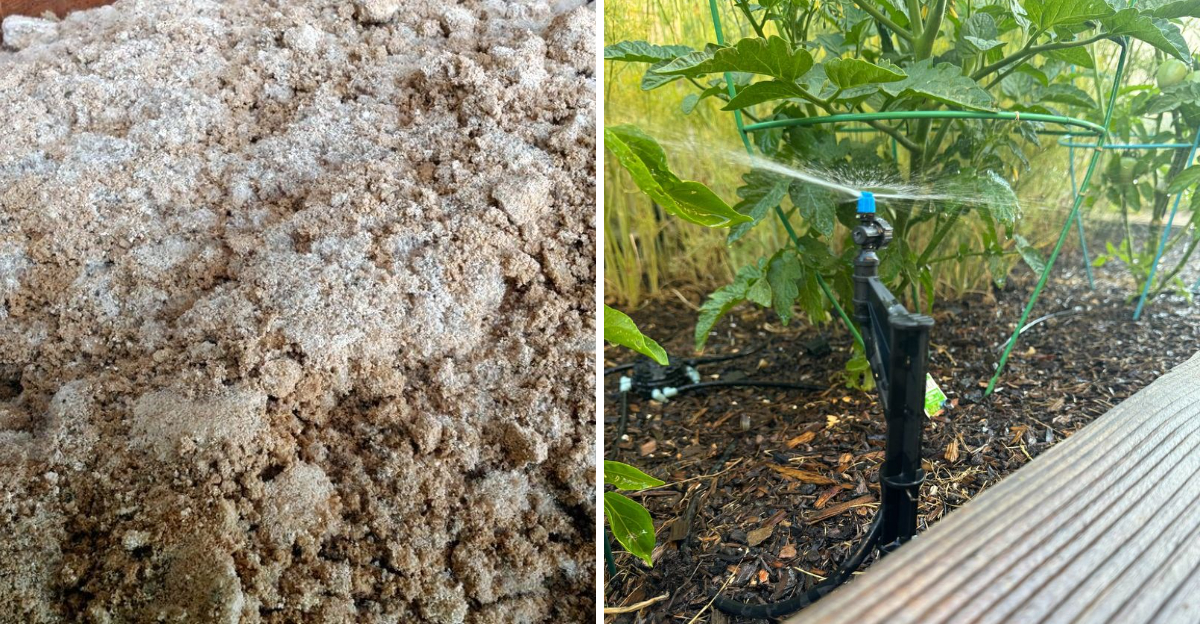
Hidden buildup below the top layer can quietly interfere with how roots take in water and nutrients. Minerals collect over time, especially with regular irrigation and hot conditions, and that changes how soil behaves.
Plants begin to show stress even though the routine stays the same.
Catching this early and knowing how to correct it can bring plants back to steady growth instead of constant decline.
1. Salt Buildup From Hard Water Damages Root Function
Arizona’s water is some of the hardest in the entire country, and that is no accident. The Colorado River and local groundwater sources carry high levels of dissolved minerals like calcium, magnesium, and sodium right into your garden every time you turn on the hose.
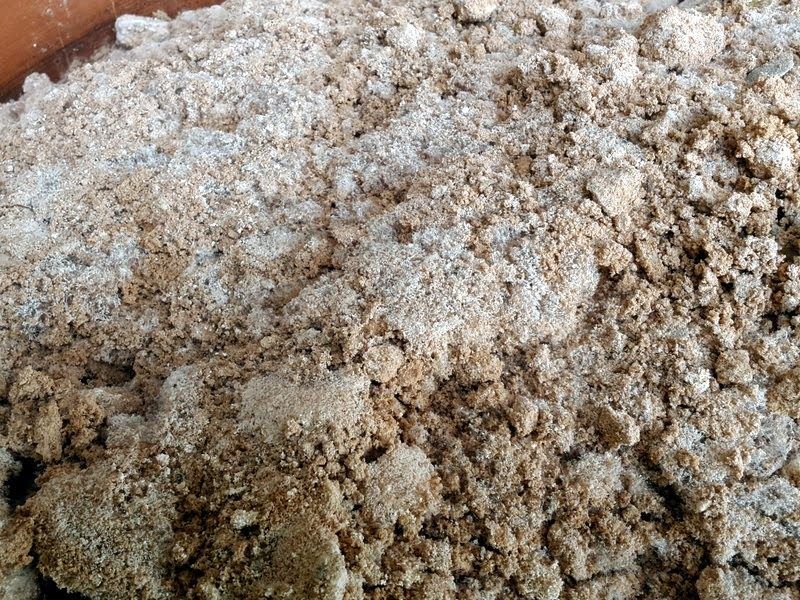
Over time, those minerals accumulate in the soil and create a salty environment that makes it incredibly hard for roots to do their job.
Roots absorb water through a process called osmosis, which basically means water moves from areas with fewer dissolved particles toward areas with more.
When the soil around your roots becomes saltier than the inside of the root cells, water actually gets pulled out of the plant instead of into it.
Your plants end up thirsty even when the soil feels wet, which is one of the most frustrating problems Arizona gardeners face.
You might notice leaf tips turning brown, yellowing leaves, or stunted growth as signs that salt stress is setting in.
These symptoms can look a lot like underwatering, which tricks many gardeners into adding even more water without solving the actual issue.
Recognizing the difference early saves your plants from long-term damage. Testing your soil for electrical conductivity is a reliable way to measure salt levels.
2. Fertilizer Residue Accumulates And Disrupts Soil Balance
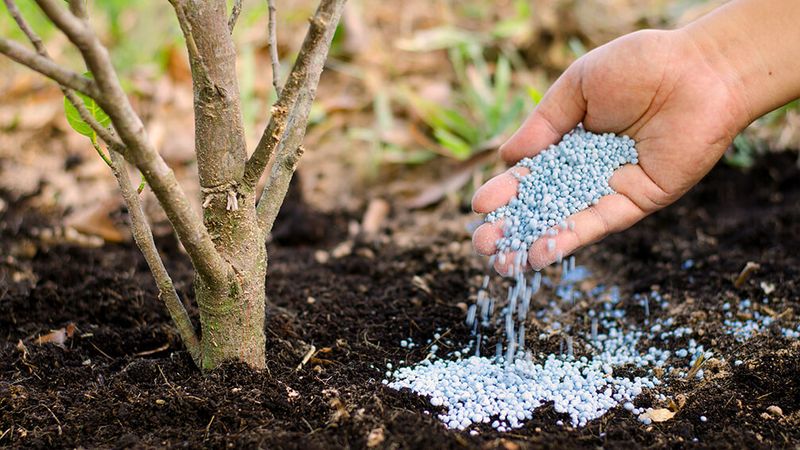
Most gardeners think that adding more fertilizer means healthier plants, but in Arizona, that logic can seriously backfire.
Fertilizers contain salts, and every application leaves behind a small amount of residue that does not fully wash away in our dry, low-rainfall climate.
After months or even years of feeding your garden, those leftover nutrients build up into concentrations that actually work against your plants.
Nitrogen, phosphorus, and potassium are all essential for plant health, but too much of any one element throws off the balance that roots depend on.
Excess phosphorus, for example, can block plants from absorbing zinc and iron, leading to pale, weak growth even in well-watered beds.
Arizona’s intense heat speeds up chemical reactions in the soil, which can make nutrient imbalances develop faster than they would in cooler climates. Granular fertilizers are especially prone to leaving residue because they release nutrients slowly and incompletely.
Liquid fertilizers tend to move through the soil more evenly, but they still contribute to buildup when used frequently over a long growing season. Rotating your fertilizer types and following label directions carefully helps reduce how much residue stays behind.
Your Arizona Garden Changes Every Week. Your Plan Should Too.
Gardening in Arizona changes quickly throughout the season. Every Friday you’ll receive a simple weekly plan showing exactly what to plant, prune, fertilize, harvest, and protect so you never miss the right timing.
3. Poor Drainage Traps Minerals In The Root Zone
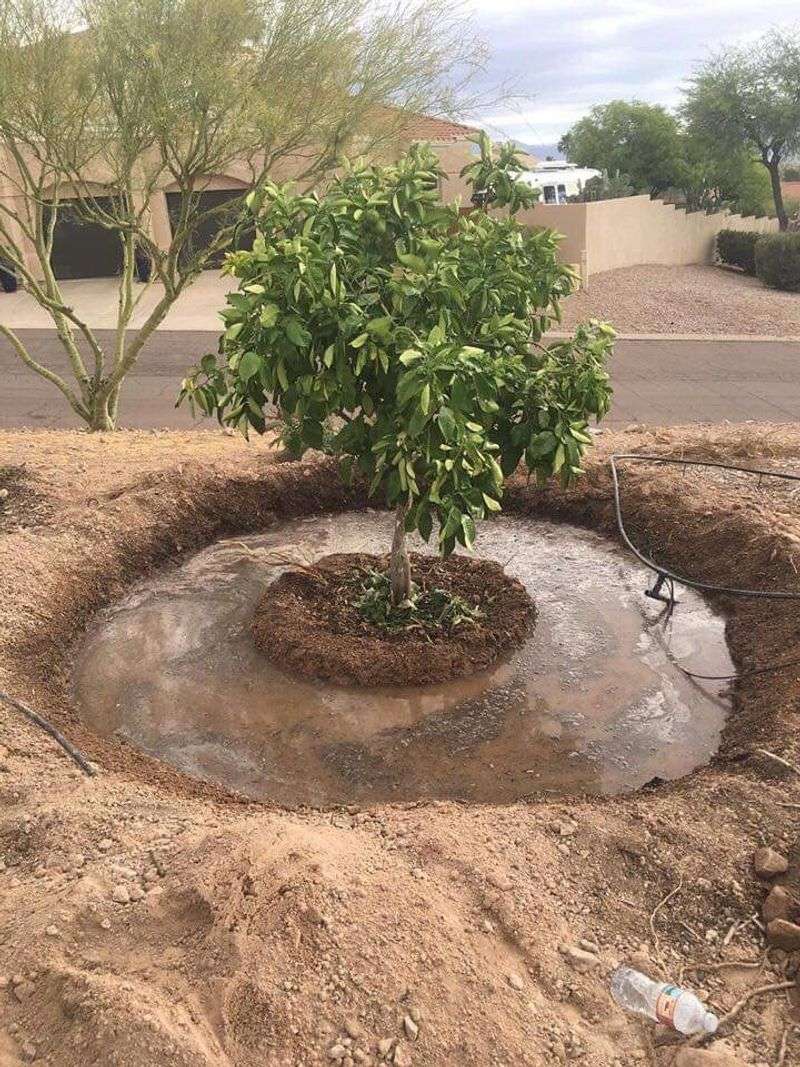
Walk through almost any neighborhood in Phoenix, Tucson, or Scottsdale after a watering session and you will likely see puddles sitting on top of garden beds long after the water stops.
That standing water is a warning sign that your soil is not draining the way it should.
When water cannot move freely downward through the soil, it sits in the root zone and evaporates, leaving all its dissolved minerals behind like a salty residue on a glass.
Arizona’s native soils are often heavy with clay or caliche, a rock-hard layer of calcium carbonate that forms just below the surface in many parts of the state.
Caiche acts almost like a concrete barrier, stopping water and roots from moving deeper into the ground. When roots cannot go deep, they stay crowded near the surface where mineral concentrations are highest and conditions are most stressful.
Compacted soil is another common drainage problem in Arizona yards, especially in areas with heavy foot traffic or older garden beds that have never been amended.
Compaction squeezes out the air pockets that water needs to filter through, forcing it to pool rather than percolate.
Loosening the top several inches of soil with a garden fork can make a noticeable difference almost immediately.
4. Deep Water Slowly To Flush Salts Below The Roots
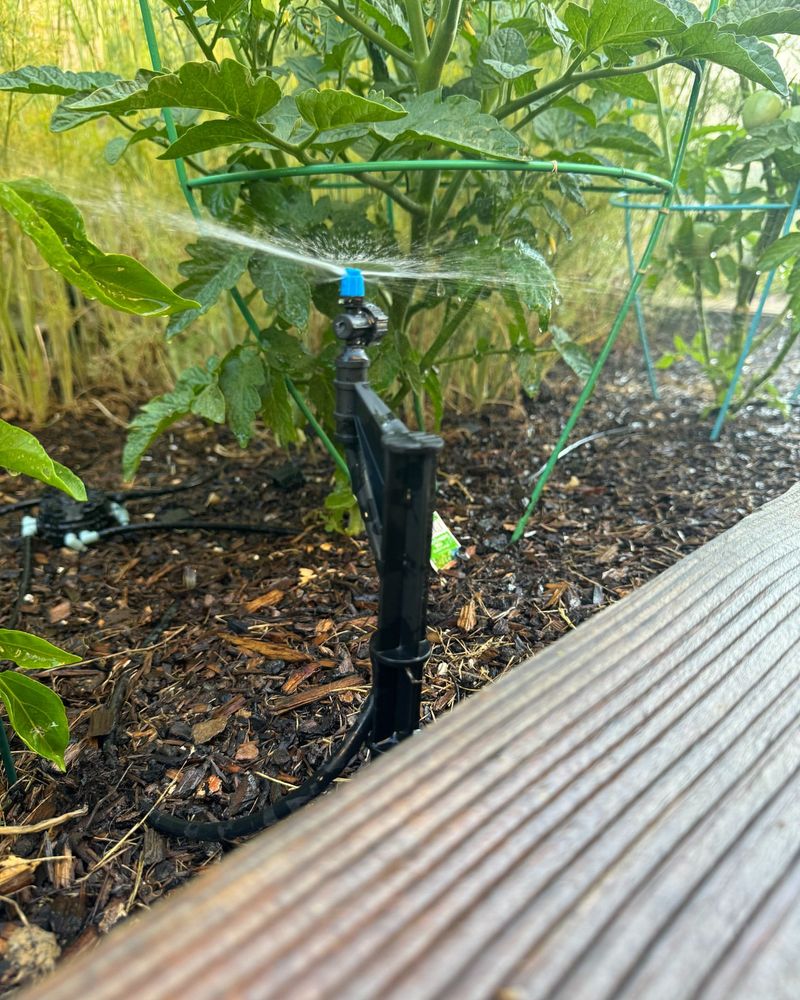
One of the most effective tools for fighting soil buildup costs almost nothing and requires no special equipment. Deep, slow watering is the simplest way to push accumulated salts down through the soil profile and out of the zone where your roots are actively growing.
The key word here is slow, because fast, heavy watering tends to run off the surface or pool up without actually moving salts downward.
Soaker hoses and drip irrigation systems are ideal for this kind of watering in Arizona because they deliver water gradually and right at the base of the plant.
When water moves slowly through the soil, it carries dissolved salts along with it, pushing them deeper with each inch of penetration.
Aim to water long enough that moisture reaches at least twelve to eighteen inches below the surface, which is deep enough to carry most salts safely past the active root zone.
Arizona gardeners should plan deep flushing sessions at least once every few months, especially during the hottest parts of the year when evaporation rates are extreme.
Early morning is the best time to water because temperatures are lower, which means less water is lost to evaporation before it can do its job in the soil.
Evening watering works in some climates, but in Arizona’s heat, morning sessions tend to give the most consistent results.
5. Improve Drainage To Prevent Future Buildup
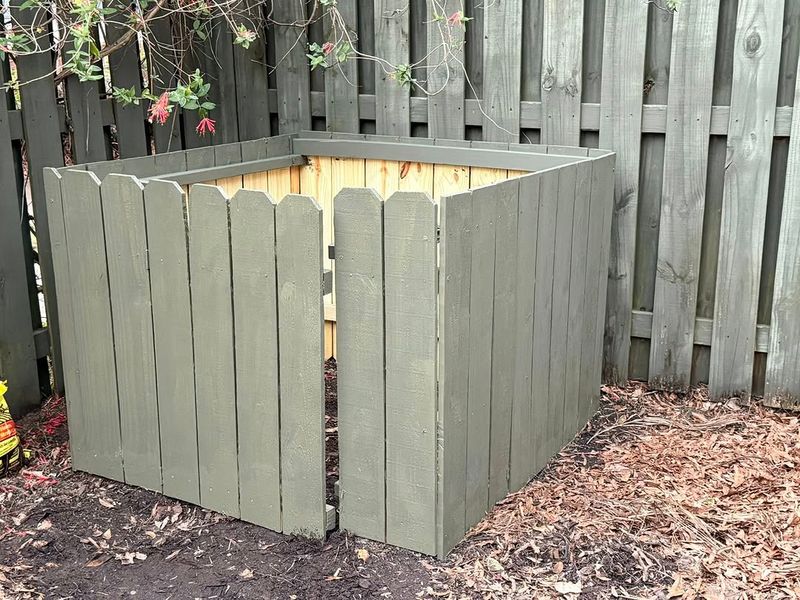
Fixing drainage problems in an Arizona garden is not just about solving today’s issue, it is about stopping mineral buildup from coming back season after season.
When water drains properly, it carries salts with it as it moves through the soil, preventing them from concentrating around your roots in the first place.
Think of good drainage as your garden’s built-in self-cleaning system.
Amending your soil with organic matter like compost, aged wood chips, or decomposed manure is one of the most reliable ways to improve drainage in Arizona’s dense, compacted soils.
Organic matter creates tiny channels and pockets in the soil that water can flow through, and it also feeds the beneficial microbes that keep your soil structure open and healthy.
Just two to three inches of compost worked into the top foot of soil can make a dramatic difference in how water moves through your garden beds.
Coarse sand is sometimes recommended for improving drainage, but it needs to be used carefully in Arizona.
Adding a small amount of sand to clay-heavy soil can actually make things worse by creating a cement-like mixture that drains even more poorly than the original soil.
If you want to use sand, use coarse horticultural sand and mix it generously with plenty of compost for the best results.
Raised beds filled with a custom blend of topsoil, compost, and perlite give Arizona gardeners complete control over drainage from the very beginning. Perlite is a lightweight volcanic mineral that keeps soil loose and airy even after repeated watering.
Starting with great drainage means you spend far less time fighting buildup problems and far more time enjoying a thriving, productive garden.
6. Use Low-Salt Fertilizers To Reduce Accumulation
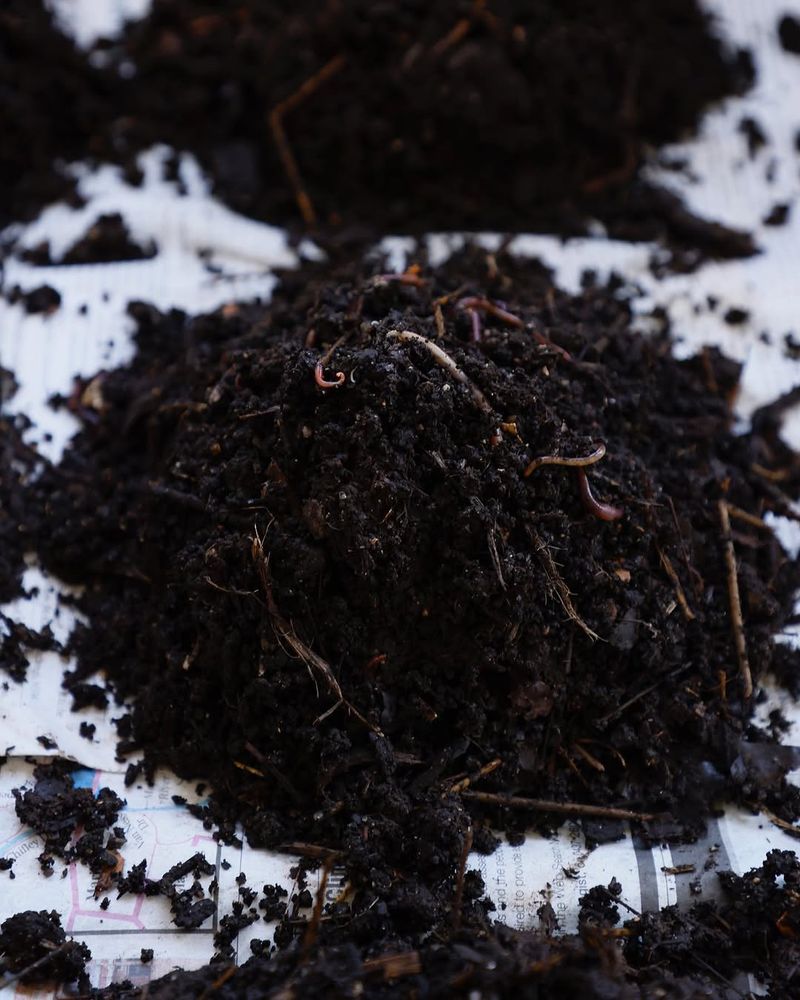
Not all fertilizers are created equal, and in a state like Arizona where salt buildup is already a serious challenge, choosing the right fertilizer can make a huge difference.
Conventional synthetic fertilizers are often high in salt index, which is a measurement of how much a fertilizer contributes to soil salinity.
Switching to low-salt options is one of the smartest preventive moves an Arizona gardener can make. Organic fertilizers like fish emulsion, kelp meal, worm castings, and compost tea generally have much lower salt indexes than their synthetic counterparts.
They release nutrients more slowly and in smaller amounts, which means less residue builds up between applications.
As a bonus, organic options also feed the microbial life in your soil, which helps maintain the open, well-draining structure that Arizona gardens desperately need.
When shopping for fertilizer, look for the salt index number on the product label or check the manufacturer’s website.
A salt index below 50 is generally considered low-risk for most garden applications. Some popular synthetic fertilizers like muriate of potash have salt indexes over 100, making them particularly risky in already salty Arizona soils.
Slow-release granular fertilizers that use polymer coatings are another middle-ground option worth considering.
7. Leach Soil Periodically With Extra Irrigation
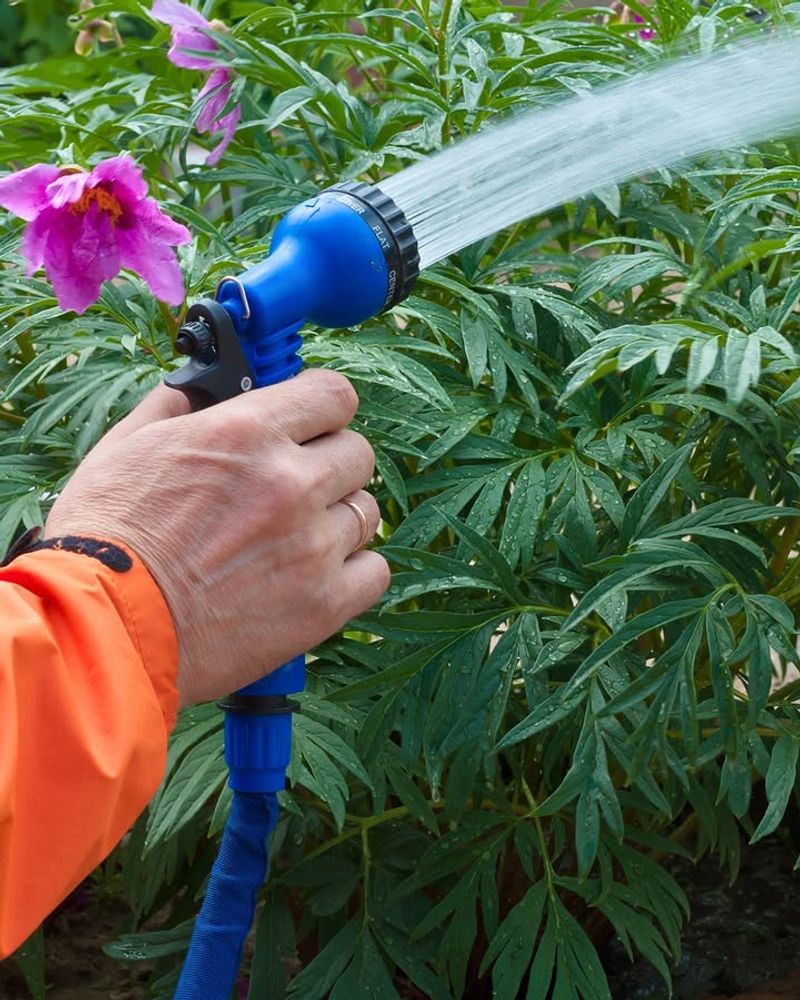
Leaching sounds like a complicated gardening term, but the idea behind it is refreshingly straightforward.
You simply apply more water than your plants need on a given day, with the specific goal of pushing accumulated salts down and out of the root zone.
Arizona gardeners who do this regularly report noticeably healthier plants and fewer mystery problems that are hard to trace back to a cause. A good rule of thumb is to apply about twice the normal irrigation amount during a leaching session.
So if you typically water your vegetable bed with one inch of water, bump it up to two inches during a leaching event. This extra volume moves through the soil with enough force to carry dissolved salts past the root zone rather than letting them sit and concentrate.
How often you leach depends on your water source and how much you fertilize.
Arizona gardeners using municipal water, which tends to be especially high in dissolved minerals, may benefit from leaching every six to eight weeks during the active growing season.
If you use well water, getting it tested annually gives you a clearer picture of how aggressive your leaching schedule needs to be.
Timing your leaching sessions right before you plan to fertilize is a clever strategy that many experienced Arizona gardeners swear by.