The Best North Carolina Plants That Handle Piedmont Clay, Summer Humidity And Deer All At Once
Piedmont gardeners in North Carolina are dealing with a triple challenge that makes plant selection genuinely complicated. The clay soil that dominates this region drains poorly, compacts easily, and makes establishment harder for plants that are not equipped to handle it.
Layer on top of that the thick summer humidity that creates ideal conditions for fungal issues and heat stress, and then add deer that move through neighborhoods and rural properties with zero hesitation, and you start to understand why so many Piedmont gardeners feel like they are constantly starting over.
Finding plants that handle all three of those pressures at the same time is not easy, but those plants absolutely exist.
Native species and tough adapted varieties have been proving themselves in exactly these conditions for years, and the gardeners who lean into that list stop fighting their landscape and start actually enjoying it.
These are the plants worth building a Piedmont garden around, chosen specifically because they hold up where others consistently fall short.
1. Switchgrass (Panicum virgatum)
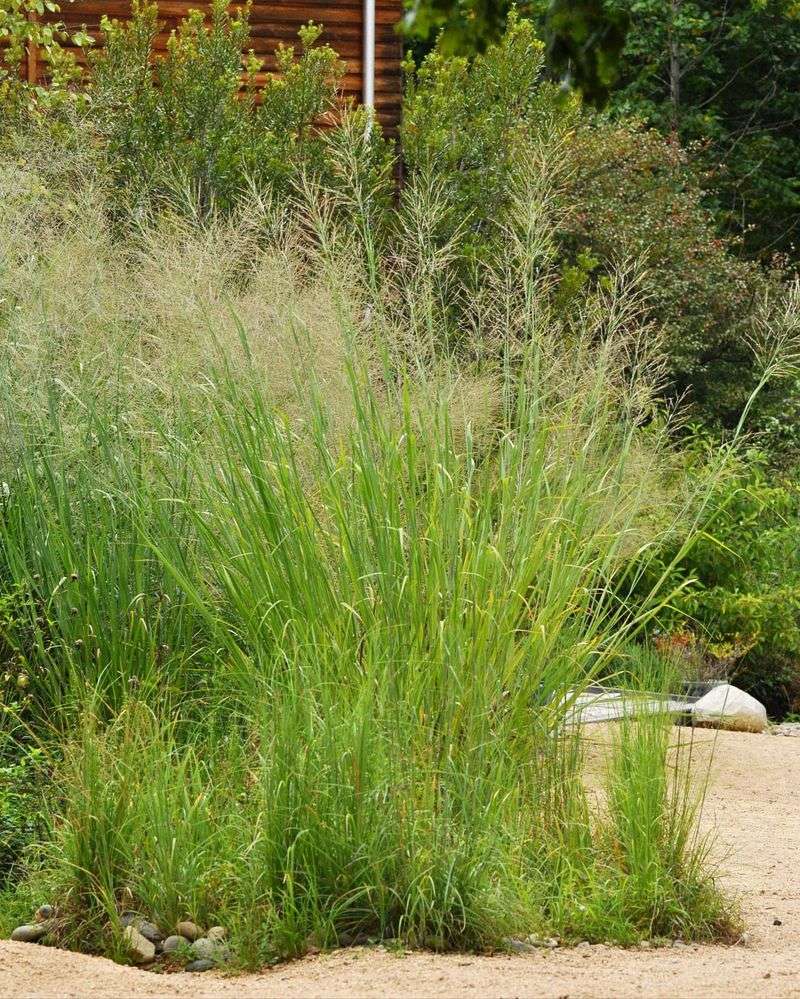
Few plants earn their keep in a North Carolina yard quite like switchgrass does. This native grass has been thriving in Piedmont landscapes long before anyone called it a garden plant, and its toughness is genuinely impressive.
It pushes through heavy clay soil without complaint, handles summer humidity without rotting, and once established, it shrugs off drought like it never happened.
What makes switchgrass especially useful in the Piedmont is its ability to tolerate occasional wet periods too, which clay soil creates naturally after heavy rain.
Deer tend to skip right past it, which means you can plant it along woodland edges or open sunny borders without worrying about losing it overnight.
The airy seed heads that appear in late summer add real movement and texture to the garden.
Popular varieties like Shenandoah and Heavy Metal stay tidy and upright, making them easy to work into mixed beds. Cut it back hard in late winter before new growth starts, and it bounces back fast.
Switchgrass also supports native birds and insects, so it pulls double duty as both a garden plant and a small wildlife habitat. For North Carolina gardeners dealing with tough Piedmont conditions, this grass is one of the smartest choices you can make.
2. Sweet Coneflower (Rudbeckia subtomentosa)
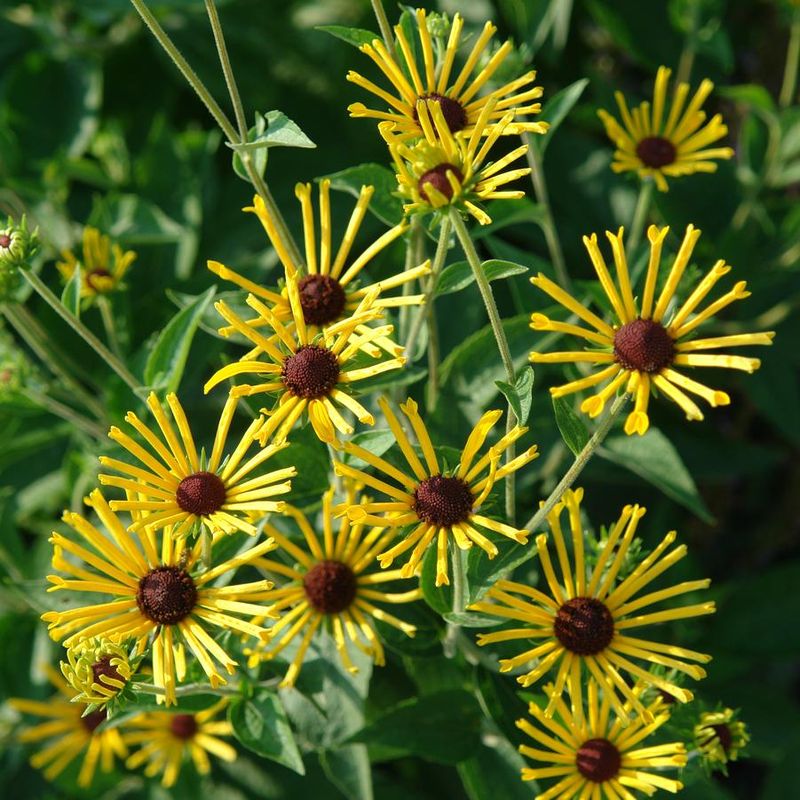
If you want golden summer color that actually survives North Carolina’s brutal heat and humidity, sweet coneflower is the plant to reach for.
Unlike some of its coneflower cousins that sulk in heavy soil, Rudbeckia subtomentosa takes Piedmont clay in stride and keeps on blooming.
The cheerful yellow flowers with dark centers appear from midsummer into fall, giving you weeks of reliable color when other perennials are struggling.
This native perennial handles full sun best, though it tolerates part sun if it gets good airflow around its stems. That airflow matters in North Carolina summers, where humidity can encourage fungal problems on less resilient plants.
Sweet coneflower’s slightly fuzzy foliage seems to help it resist those issues, keeping the plant looking clean even during the most oppressive weeks of August.
Your North Carolina Garden Changes Every Week. Your Plan Should Too.
Gardening in North Carolina changes quickly throughout the season. Every Friday you’ll receive a simple weekly plan showing exactly what to plant, prune, fertilize, harvest, and protect so you never miss the right timing.
Deer pressure is a real concern in many Piedmont neighborhoods, and sweet coneflower handles it better than most showy perennials. Deer do not find it particularly appealing, so it tends to stay intact through the season.
Plant it in groups of three or more for the best visual impact, and pair it with grasses or ironweed for a naturalistic look. Division every few years keeps it vigorous and full, making it a long-term investment in your North Carolina garden that keeps paying off.
3. Mountain Mint (Pycnanthemum spp.)
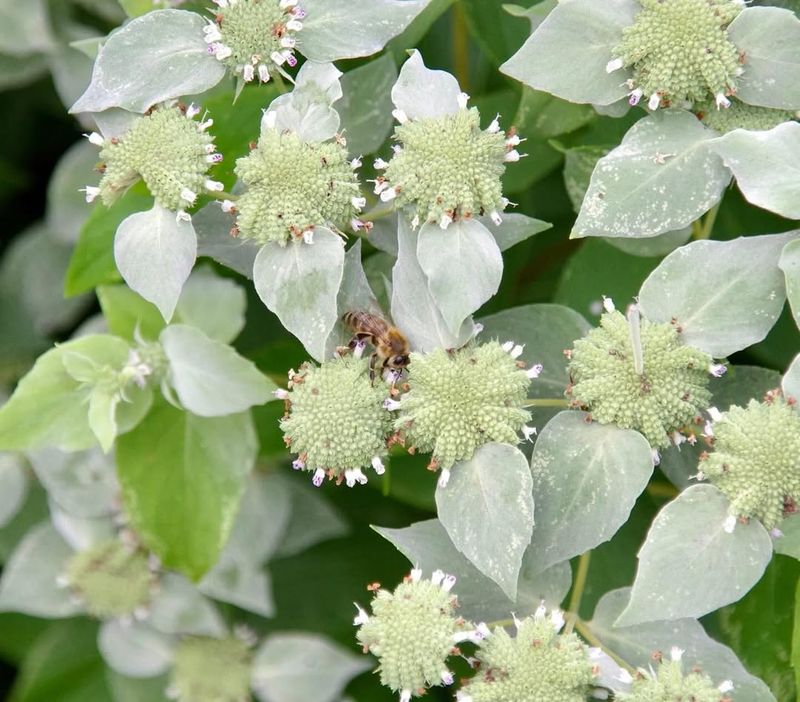
Walk past a patch of mountain mint in bloom and you will immediately understand why deer want nothing to do with it.
The strong, clean mint fragrance that rises from the foliage is pleasant to most humans but highly off-putting to browsing deer, making this North Carolina native one of the most naturally deer-resistant plants you can grow in the Piedmont.
That built-in protection is a huge advantage in suburban and semi-rural yards where deer pressure never really lets up.
Mountain mint handles a wide range of soil conditions, which is exactly what Piedmont gardeners need. It grows in sun to part shade and tolerates both moist clay and drier, well-drained spots once it settles in.
Summer humidity does not slow it down at all. The silvery-white flower clusters that appear in midsummer are absolutely packed with pollinators, especially native bees and butterflies, making it a garden favorite for anyone who cares about supporting local wildlife.
One thing to plan for is its spreading habit. Mountain mint travels by underground rhizomes and can fill in an area fairly quickly, which is great if you want a low-maintenance groundcover effect but something to manage in smaller beds.
Give it space, or plant it inside a buried barrier to keep it contained. Either way, for tough North Carolina Piedmont conditions, mountain mint delivers dependable results season after season.
4. New York Ironweed (Vernonia noveboracensis)
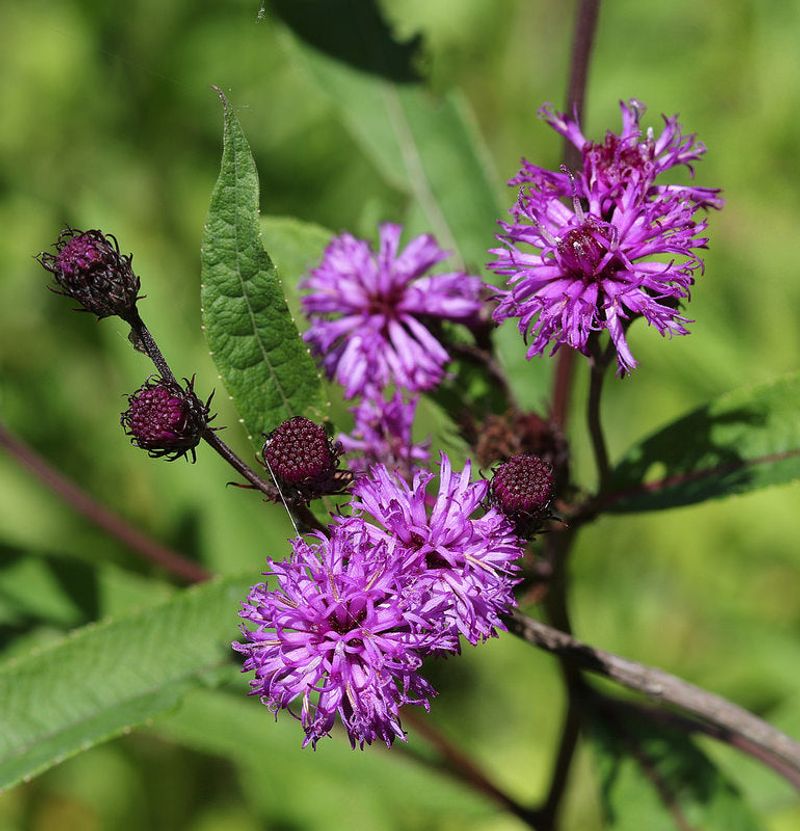
There is something almost defiant about ironweed. While other tall perennials flop over in heavy clay or struggle through North Carolina’s muggy August heat, New York ironweed stands perfectly upright and blazes with deep purple flowers that stop people in their tracks.
Native throughout North Carolina, this plant was practically made for Piedmont conditions, thriving in the kind of average to moist soils that clay yards naturally produce after summer storms.
Deer consistently leave ironweed alone, which plant researchers and gardeners across the region have noticed for years. The tough, slightly bitter foliage just does not appeal to them.
That means you can use it in highly visible spots near the front of a bed or along a fence line without worrying about it getting browsed down overnight. Its height, often reaching five to seven feet, makes it a bold backdrop plant for shorter native perennials.
Late-season color is one of the hardest things to achieve in a North Carolina garden, and ironweed fills that gap beautifully. The rich purple blooms appear in August and September, right when many other flowers are fading.
After bloom, the seed heads attract goldfinches and other small birds, extending the garden’s interest well into fall.
Plant it in a spot with at least six hours of sun, give it decent moisture, and ironweed will reward you with dramatic, dependable performance year after year.
5. Appalachian Mountain Mint (Pycnanthemum flexuosum)
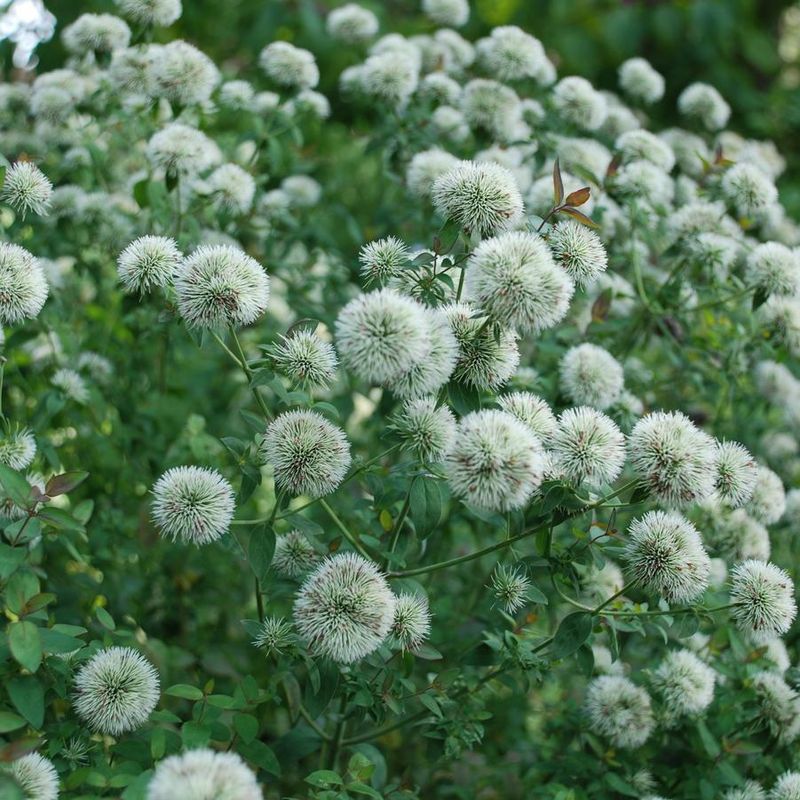
Appalachian mountain mint brings a slightly different personality to the garden than its close relatives, with a more refined, compact habit that works beautifully along bed edges, rain garden slopes, and woodland borders.
Native to North Carolina and well adapted to the Piedmont’s heavier soils, this plant handles summer humidity with ease and asks very little from the gardener once it gets established.
Its aromatic foliage is the first clue that deer will not be giving it a second look.
The flowers are small and clustered, appearing in mid to late summer with a soft lavender-white color that pairs well with bolder bloomers like coneflowers or ironweed. What the blooms lack in drama they make up for in pollinator appeal.
Native bees, bumble bees, and small butterflies crowd these flowers from morning to afternoon, making Appalachian mountain mint one of the most ecologically productive plants you can add to a North Carolina native garden.
This species also handles the challenging combination of clay soil and seasonal wetness that many Piedmont yards experience.
Rain gardens, streambanks, and low spots that collect water after heavy summer storms are all places where Pycnanthemum flexuosum can thrive rather than just survive.
It spreads gradually but not aggressively, making it easier to manage than some of its relatives. For gardeners in North Carolina looking for a tough, wildlife-friendly, deer-resistant native, this mint belongs on the must-plant list.
6. Hollow Joe-Pye Weed (Eutrochium fistulosum)
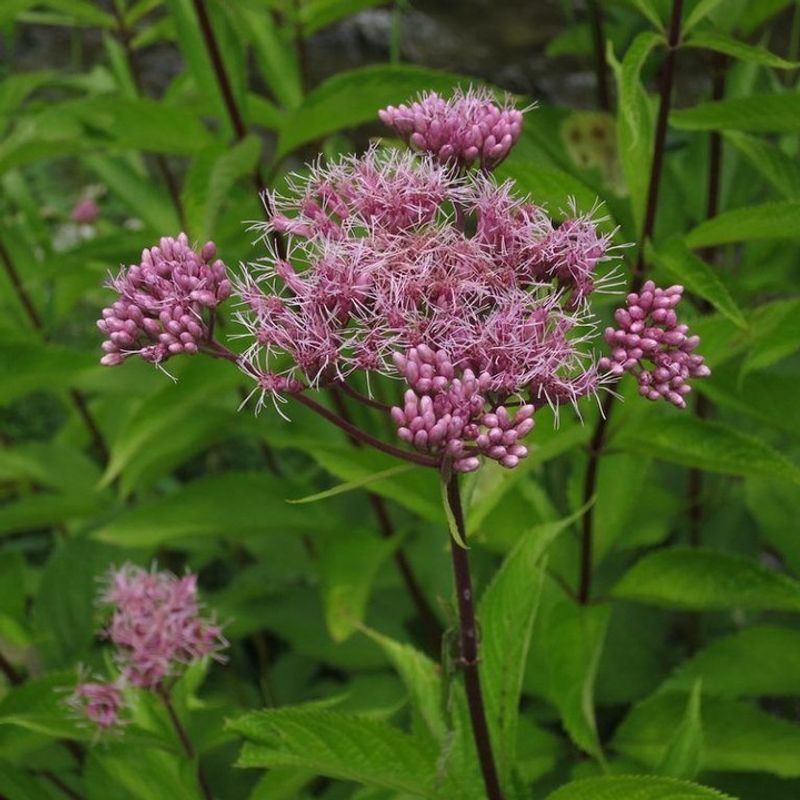
Bold, tall, and absolutely buzzing with pollinators in late summer, hollow Joe-Pye weed is one of those plants that makes a statement the moment it hits its stride.
Native to North Carolina, this towering perennial can reach six to nine feet in a good growing season, making it a genuine showstopper at the back of a border or along a fence.
The mauve-pink flower clusters that appear in August are magnets for swallowtail butterflies and native bees.
Piedmont clay and moist conditions are practically ideal for this plant. It thrives in full sun to part shade and handles the kind of heavy, occasionally waterlogged soil that frustrates so many other perennials.
Rain garden areas that stay wet after summer storms are excellent spots for Joe-Pye weed, and it handles North Carolina’s thick summer humidity without any sign of stress.
Deer find it moderately unappealing, which means it holds up reasonably well even in yards with consistent deer pressure.
Because of its size, placement matters. Give it room at the back of a bed where its height reads as structure rather than chaos.
Pair it with switchgrass or ironweed for a naturalistic Piedmont planting that looks intentional and full. Cut the stems back to the ground in late winter before new growth emerges, and the plant returns reliably each spring.
Once established in a North Carolina garden, hollow Joe-Pye weed becomes one of those irreplaceable late-season anchors you simply cannot imagine doing without.
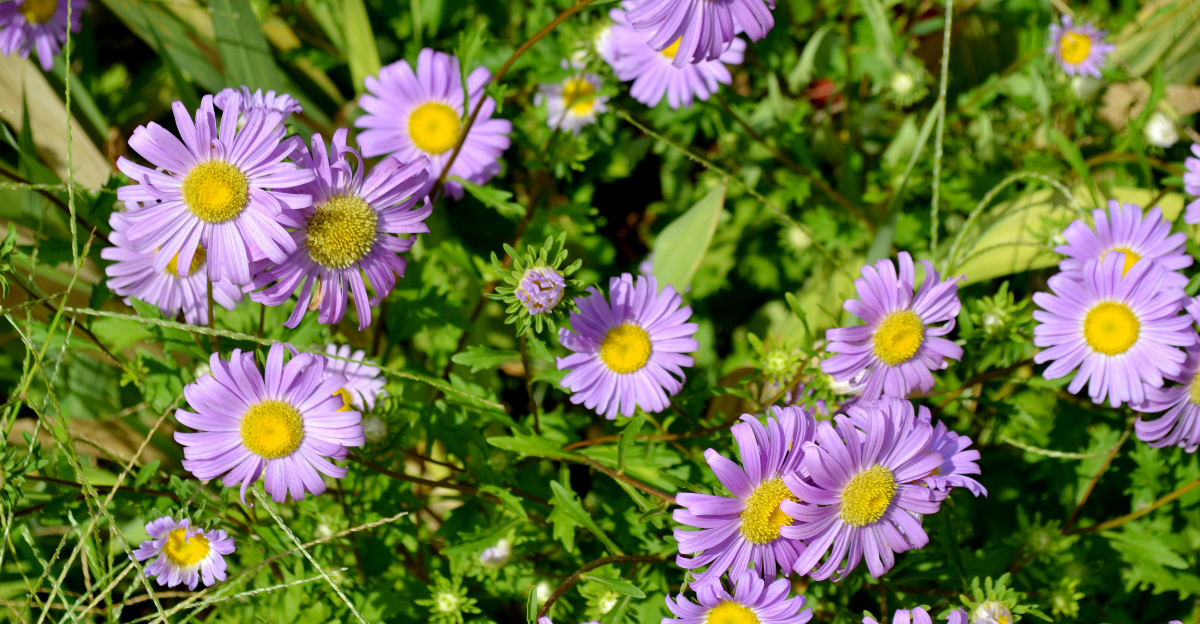
7. Aromatic Aster (Symphyotrichum oblongifolium)
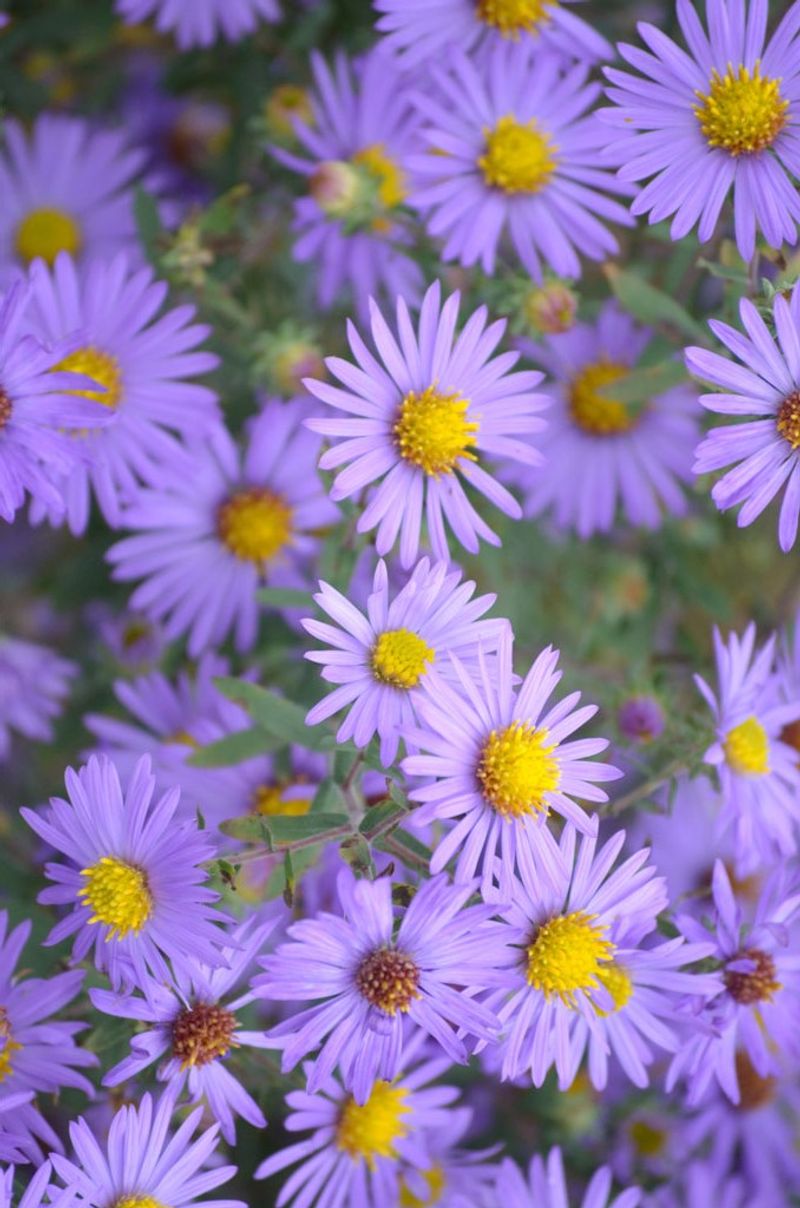
When autumn arrives in North Carolina and most of the garden has faded to brown and gold, aromatic aster puts on one of the most cheerful shows of the entire year.
This tough native perennial bursts into clouds of lavender-purple flowers from September into November, right when pollinators are desperately searching for late-season food sources.
Monarch butterflies, native bees, and skippers all flock to it, turning a simple garden corner into something genuinely alive and exciting.
Aromatic aster earns its reputation as one of the most reliable fall bloomers for North Carolina’s Piedmont region because it handles heat, drought, and deer pressure all at once.
Once established, it tolerates dry spells without wilting dramatically, which sets it apart from many other asters that need consistent moisture to look their best.
Deer rarely bother it, likely due to the pleasant but strong fragrance its foliage releases when brushed, making it a smart choice for front-yard beds or visible garden spots.
For best performance in Piedmont conditions, plant aromatic aster in a sunny spot with decent drainage. It does not love sitting in soggy clay for extended periods, so raised beds or slightly sloped areas work better than low spots that collect water.
Shear it back by half in early June to encourage a bushier, more compact shape that does not flop over by fall. North Carolina gardeners who add this plant to their yards rarely regret it, since it delivers real beauty when almost nothing else will.