This Is How To Get Buckets Full Of Blueberries Out Of A Florida Garden
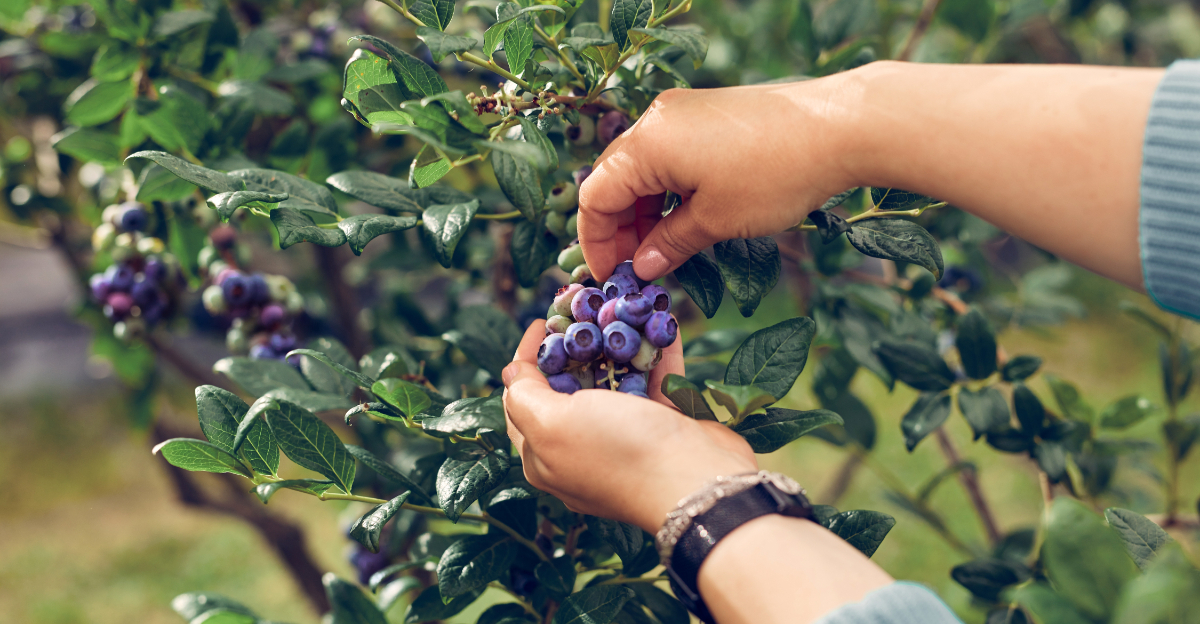
Most Florida gardeners write blueberries off before they even try. The assumption is that the climate is wrong, the soil is too sandy, or that serious fruit production is something that happens in other states with cooler summers and more forgiving ground.
That assumption costs a lot of people a harvest they could absolutely be having. Florida actually has more going for it with blueberries than most gardening guides let on.
The key is understanding what the plant needs here specifically, because growing blueberries in Florida does not look exactly like growing them anywhere else, and approaching it the same way tends to produce the same disappointing results.
Buckets full is not an exaggeration.
It is what happens when the conditions are right and the approach matches the climate.
1. Pick The Blueberry Type Your Florida Region Can Handle
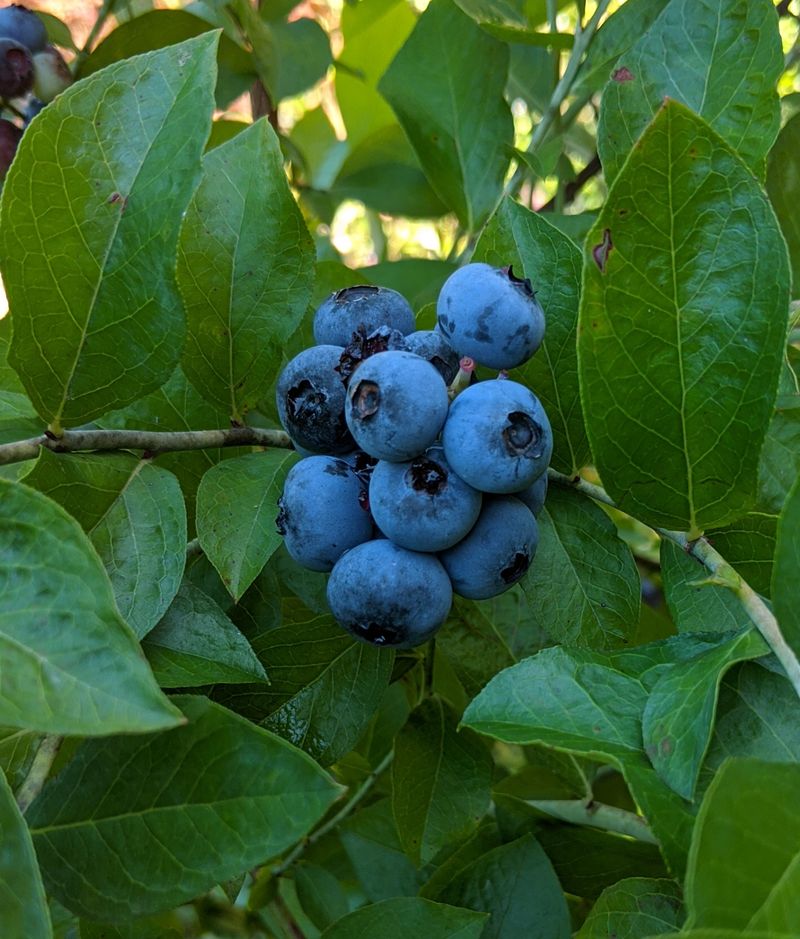
Choosing the wrong blueberry type is one of the most common and costly mistakes Florida gardeners make.
Not every blueberry bush belongs in every part of the state, and planting the wrong type for your region can mean weak flowering, poor fruit set, and a harvest that never quite shows up.
Florida gardeners mainly grow two types: rabbiteye blueberries and southern highbush blueberries.
Rabbiteye varieties generally perform better in North Florida and cooler parts of North Central Florida because they need more winter chill than many southern highbush types, though exact chill needs vary by cultivar.
Southern highbush varieties generally need fewer chill hours, depending on the cultivar, which makes them a better fit for much of Central Florida and some warmer areas.
Far South Florida is genuinely challenging for blueberries. Gardeners in those warmer zones should look only at very low-chill southern highbush cultivars and connect with their local UF/IFAS county Extension office before planting.
Even then, results can vary. Picking a variety matched to your region’s actual chill accumulation is not optional.
It is the foundation every successful Florida blueberry harvest is built on.
2. Start With Acidic Soil Or Use A Container
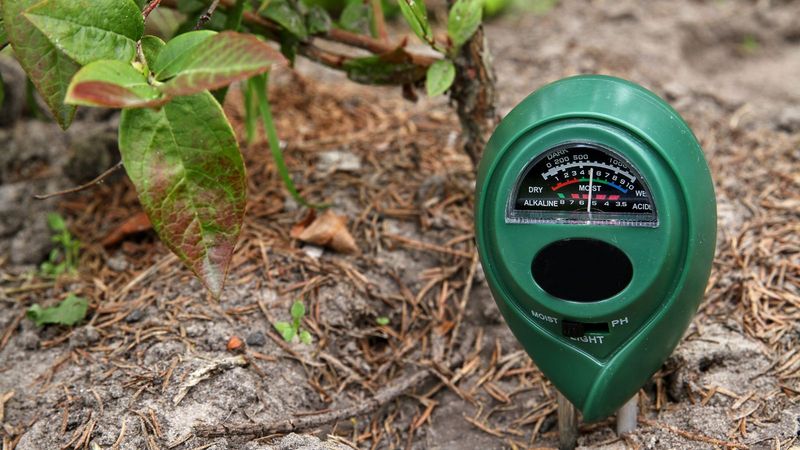
Soil pH is where many Florida blueberry gardens quietly go wrong before a single berry ever forms. Blueberries need very acidic soil, and UF/IFAS recommends a soil pH in the range of 4.0 to 5.5 for healthy growth and production.
Most Florida yards do not naturally offer that.
Many parts of Florida have sandy, low-organic-matter soil, alkaline soil influenced by limestone or shell, or compacted fill left over from construction. None of those conditions are blueberry-friendly without serious amendment.
Testing your soil before planting is a smart first step, and your local county Extension office can help with that. A simple pH test tells you exactly what you are working with.
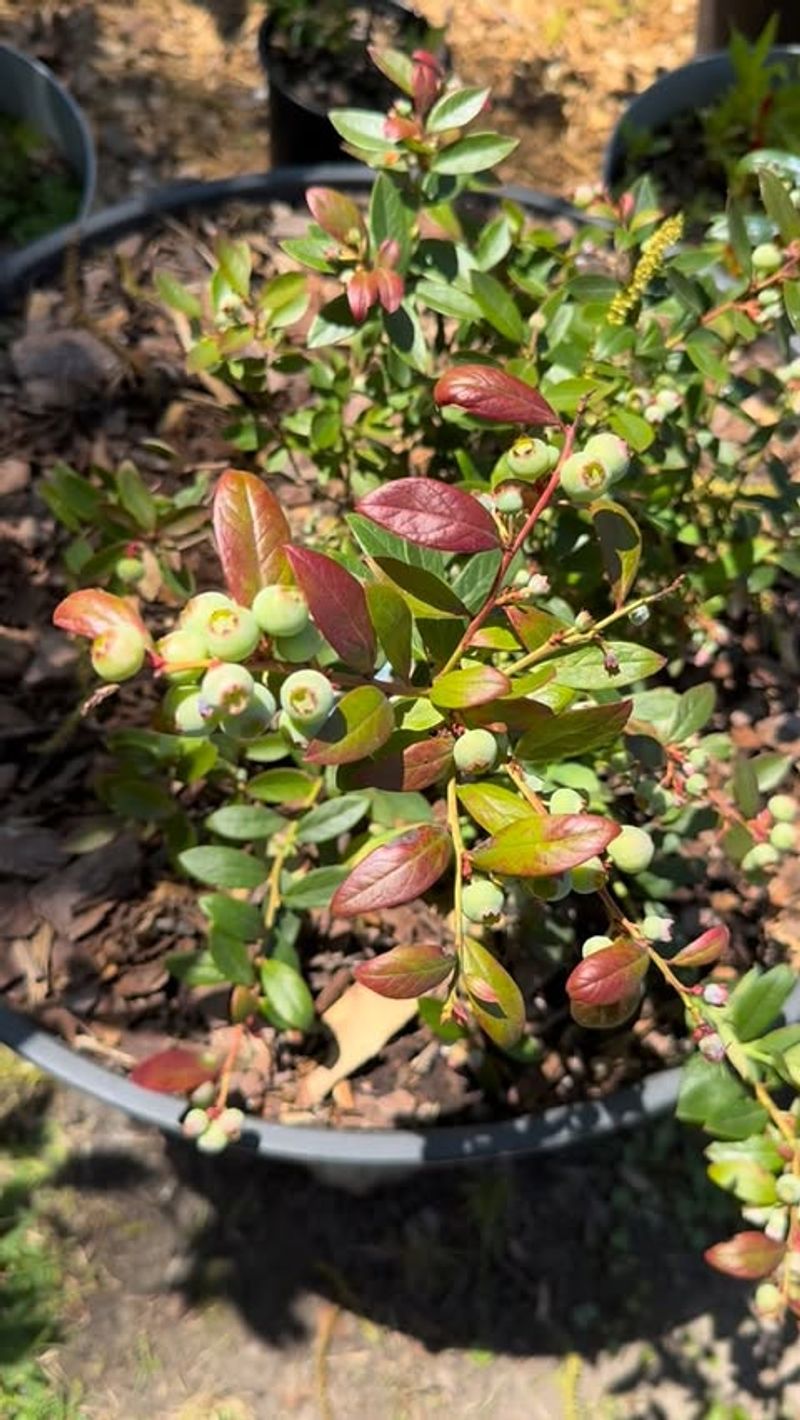
If amending your native soil to reach the right pH range feels overwhelming or impractical, containers and raised beds are genuinely good solutions.
Filling them with an acidic growing medium designed for blueberries, such as a mix heavy in pine bark and peat moss, gives you direct control over the pH from day one.
Your Florida Garden Changes Every Week. Your Plan Should Too.
Gardening in Florida changes quickly throughout the season. Every Friday you’ll receive a simple weekly plan showing exactly what to plant, prune, fertilize, harvest, and protect so you never miss the right timing.
Regular garden soil from a bag is rarely acidic enough on its own. Starting with the right growing environment saves a lot of frustration later.
3. Plant At Least Two Varieties For Bigger Harvests
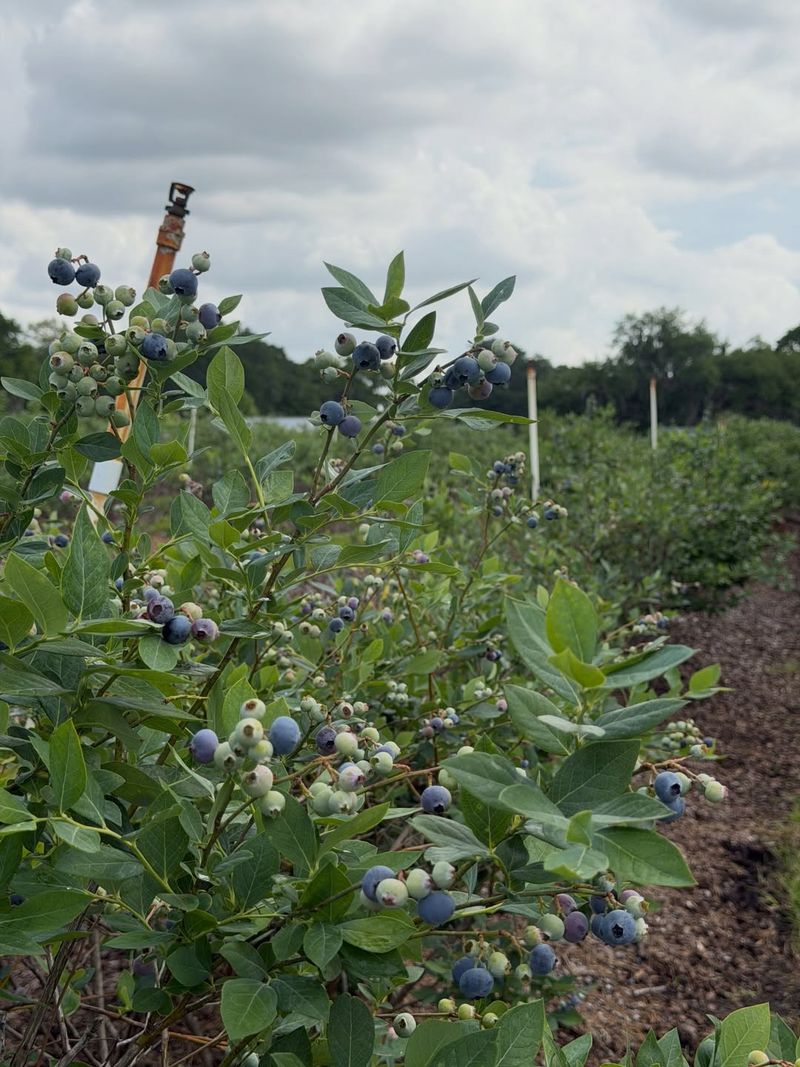
A single blueberry bush can be a beautiful addition to a Florida garden, but a single bush is rarely enough to get the big harvests most gardeners are hoping for.
Cross-pollination between compatible varieties makes a real difference in how many berries set, how large those berries grow, and how reliably the plant produces year after year.
Rabbiteye blueberries especially benefit from having a compatible pollinator nearby. Planting two rabbiteye varieties that bloom at roughly the same time gives bees and other pollinators the chance to move pollen between flowers and dramatically improve fruit set.
Southern highbush varieties can also produce better crops when a compatible partner is close by, even though some are more self-fruitful than rabbiteye types.
The key word here is compatible. Two blueberry bushes planted at random are not automatically a pollination solution.
The varieties need to be the right type for your region, carry similar chill requirements, and bloom during overlapping windows.
UF/IFAS and Florida nurseries that specialize in fruit crops can point you toward variety combinations that actually work together in your part of the state.
Getting this right from the start can genuinely double your harvest compared to going it alone with one bush.
4. Give Roots Pine Bark Peat And Plenty Of Air
Blueberry roots are not like the deep, tough root systems of most backyard fruit trees. They are shallow, fine, and surprisingly sensitive to compaction, poor drainage, and low oxygen.
Understanding that changes how you think about planting them.
The goal when preparing a blueberry planting area is to create a root zone that holds moisture but never stays waterlogged, stays loose enough for oxygen to move through, and stays acidic enough to support healthy nutrient uptake.
Pine bark and peat moss are two materials commonly recommended in Florida blueberry planting guidance because they help achieve that balance.
They improve drainage, add organic matter, and support the acidic environment blueberry roots prefer.
Avoid planting blueberries too deeply. The crown of the plant should sit at or just slightly above the surrounding soil level.
Burying the crown too deep can cause serious problems. Prepare a planting area that is wider than it is deep, giving the shallow root system room to spread outward rather than downward into heavier, less hospitable soil layers.
Keeping that root zone loose, organic, and well-aerated is one of the most practical things you can do to support long-term blueberry health and consistent production in a Florida garden.
5. Water Like Shallow Roots Are Always Listening
Shallow roots cannot search far for water. That single fact shapes everything about how blueberries need to be watered in Florida, where dry springs, sandy soil, and warm temperatures can pull moisture away from the root zone faster than most gardeners expect.
Consistent moisture is especially critical during three key periods: establishment after planting, flowering and fruit development, and dry spring weather before summer rains arrive.
Missing water during those windows can reduce fruit set, shrink berry size, or stress the plant at exactly the wrong moment.
Container-grown blueberries face an even steeper challenge because pots dry out faster than in-ground plantings, particularly when they are sitting in full sun or exposed to Florida wind.
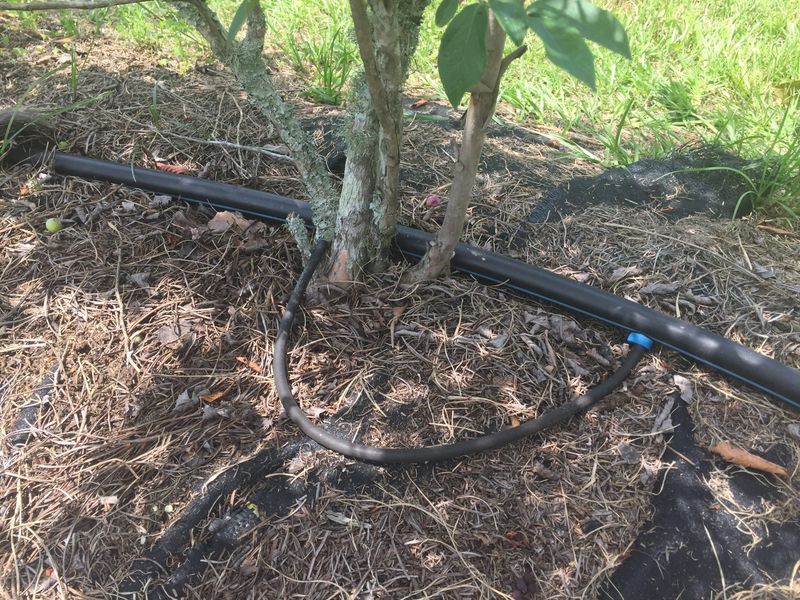
A drip irrigation system or soaker hose positioned over the root zone is one of the most practical tools a Florida blueberry grower can use. Hand watering works too, but the goal is always to moisten the full root zone without leaving it soggy.
Check soil moisture a few inches below the surface before watering again rather than watering on a rigid schedule. Blueberries dislike drought and poor drainage equally.
Steady, thoughtful watering is what keeps fruit production moving forward through Florida’s unpredictable dry seasons.
6. Mulch With Pine Bark To Protect The Root Zone
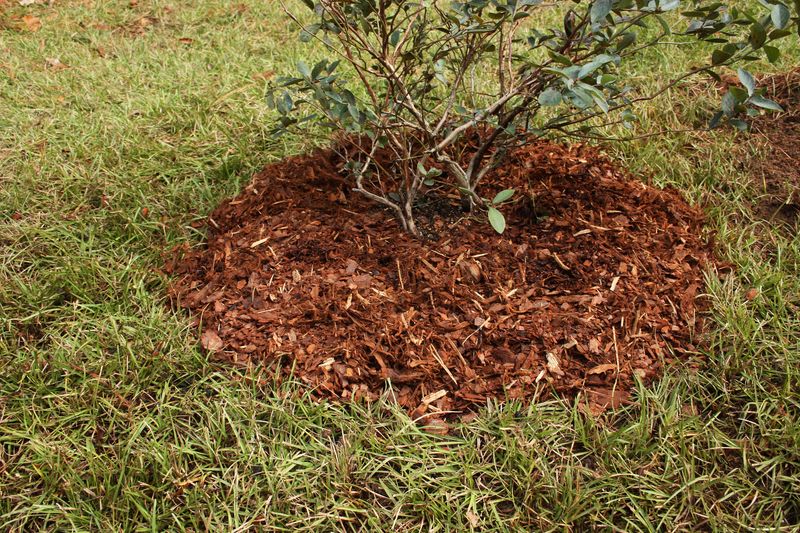
Mulch might seem like a finishing touch, but for blueberries in Florida it is closer to a necessity. The shallow root system that makes blueberries so productive also makes them vulnerable to heat, moisture loss, and weed competition from above.
A good layer of mulch addresses all three problems at once.
Pine bark mulch is particularly well-suited to blueberries because it does more than just cover the soil. As it breaks down slowly over time, pine bark helps maintain the acidic soil environment that blueberry roots depend on.
It also keeps the root zone cooler during Florida’s warm months, slows evaporation between watering sessions, and reduces the weed pressure that can compete with shallow blueberry roots for nutrients and moisture.
Spread mulch in a wide circle around each plant, covering the full root zone area rather than just a small ring near the stem. Aim for a depth of around three to four inches.
Keep the mulch pulled back a few inches from the base of the stem to allow airflow and avoid creating conditions that could stress the plant at soil level. Refresh the mulch layer as it breaks down over the growing season.
Consistent mulching is one of the simplest and most rewarding habits a Florida blueberry gardener can build.
7. Feed Lightly With Acid Forming Fertilizer
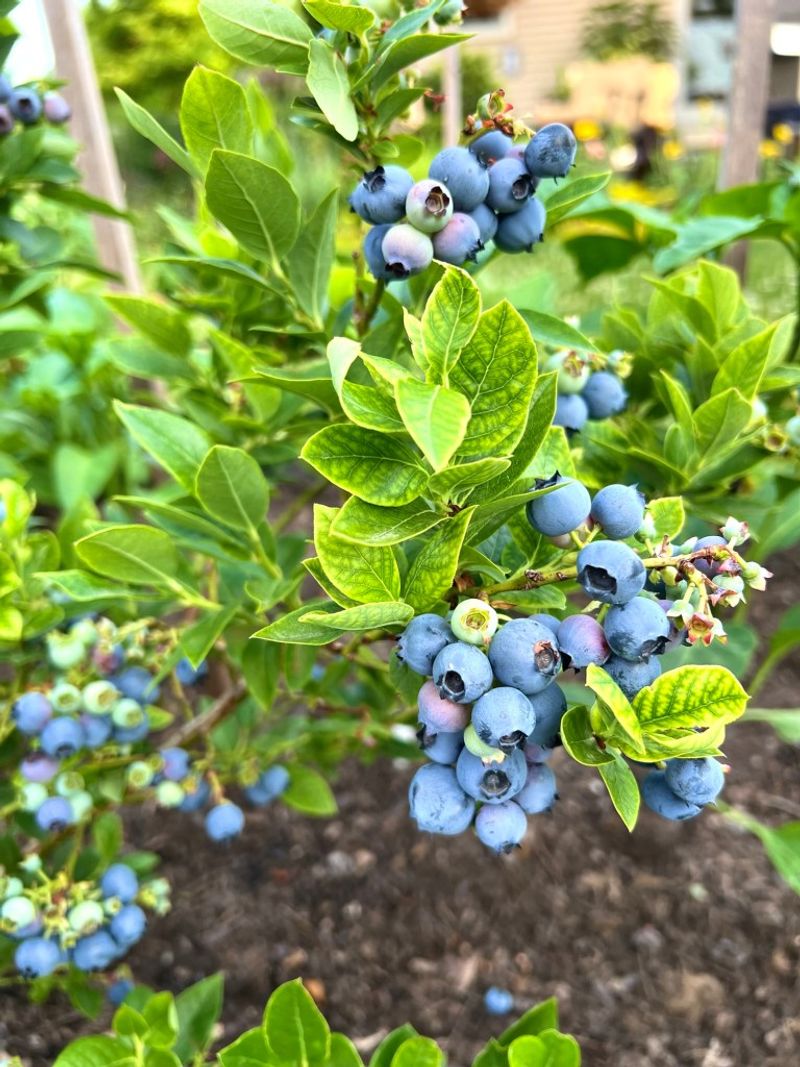
Fertilizing blueberries feels straightforward until you realize how easily the wrong approach can backfire. More fertilizer does not mean more berries.
In fact, overfertilizing or using the wrong product can push excessive leafy growth, stress the plant, or interfere with fruiting altogether.
Florida gardeners should use a fertilizer that is specifically formulated for acid-loving plants or labeled for blueberries. Acid-forming fertilizers help maintain the low soil pH that blueberry roots need to absorb nutrients efficiently.
Without the right pH, even a well-fed plant can show nutrient deficiencies because the roots simply cannot take up what is available in the soil.
Follow the product label or UF/IFAS guidance for application rates and timing, and adjust recommendations based on plant age and local conditions.
Young plants need much smaller amounts of fertilizer than established ones, and applying too much too early can cause more harm than skipping a feeding entirely.
Always keep granular fertilizer away from the stem and water it in after application when conditions call for it.
Split fertilizer applications across multiple smaller doses through the growing season rather than applying a large amount all at once.
A light, consistent feeding program matched to your blueberry type and region will support steady, productive growth far better than occasional heavy applications.
8. Prune For Strong Canes Not Just Pretty Shrubs
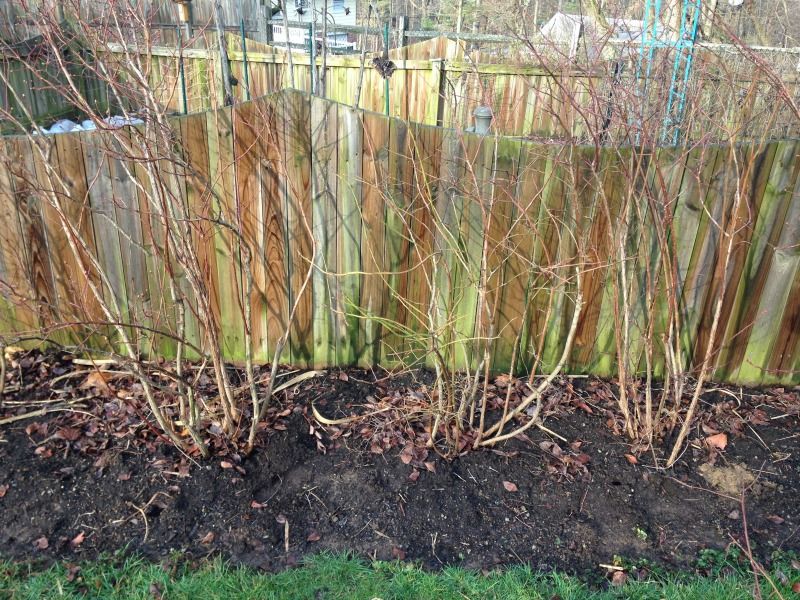
A blueberry bush left to grow without pruning will eventually become a crowded, tangled structure that produces smaller berries on weak wood year after year. Pruning is not about making the plant look tidy.
It is about directing the plant’s energy toward the strong, productive canes that carry the best fruit.
Young plants need a different approach than mature ones. During the first couple of years after planting, the focus should be on building a strong root system and framework rather than pushing heavy crops.
Removing flower buds in the first season or two helps the plant put energy into establishment.
Once a bush is mature and well-established, the pruning goal shifts to removing weak, damaged, crowded, or unproductive older canes and encouraging vigorous new growth from the base.
Good airflow and sunlight penetration through the center of the plant support healthier fruit development and reduce the risk of fungal problems in Florida’s humid conditions. Timing matters too.
Follow UF/IFAS recommendations for your specific blueberry type, since rabbiteye and southern highbush varieties may have slightly different ideal pruning windows.
A well-pruned blueberry bush looks open and balanced, not bare, and it rewards that annual attention with noticeably better harvests over the long run.
9. Beat Birds To The Berries With Netting
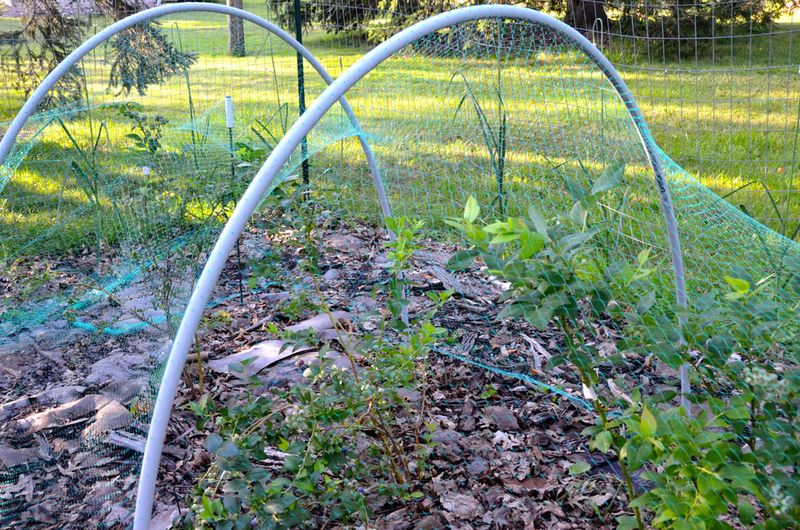
All the work of choosing the right variety, building the right soil, watering carefully, and pruning correctly can add up to a beautiful harvest that disappears overnight. Birds in Florida are fast, persistent, and very good at finding ripe berries before the gardener does.
Netting is the most practical and reliable way to protect a home blueberry harvest. The key is timing.
Get the netting in place before the berries start turning fully blue, because once ripening is obvious, bird pressure increases quickly. Drape netting over the entire plant and secure the edges at ground level so birds cannot walk or hop underneath.
Leaving gaps, even small ones, gives determined birds an easy entry point.
Support the netting above fruiting branches when possible rather than letting it rest directly on the berries. Netting pressed against fruit can make individual berries harder to remove at harvest and may damage delicate clusters.
Check the netting regularly throughout the ripening period for gaps, sagging spots, or places where birds have pushed through. Florida is home to mockingbirds, blue jays, and many other berry-loving species that are not shy about raiding garden fruit.
Bird pressure is simply a normal part of growing blueberries here, not a failure. A well-secured net is what stands between you and a full bucket.