What To Remove In California’s First 5 Feet Around The House Before Fire Season
Fire season in California is not something you prepare for at the last minute. By the time the heat is cranked up and the humidity has dropped to nothing, the window to make smart, protective changes around your home has already closed.
The work happens now, before fire season arrives, and the most important place to start is closer than most people think. The first five feet around your house are everything.
That small strip of space directly against your foundation and exterior walls is what fire experts call Zone Zero, and it’s the area most responsible for homes igniting during wildfires. Embers land there.
Dry plants act as fuel. Debris builds up against vents and walls without anyone noticing.
The good news is that cleaning up this zone is completely doable, and it doesn’t require a professional or a massive budget. It just requires knowing exactly what needs to go, and doing it before the season hits.
1. Wood Mulch Against The House
Most people lay wood mulch around their flower beds without thinking twice about it. It looks neat, holds moisture, and keeps weeds down.
But when it is pressed right up against your house in California’s dry summer heat, that same mulch becomes a serious fire risk.
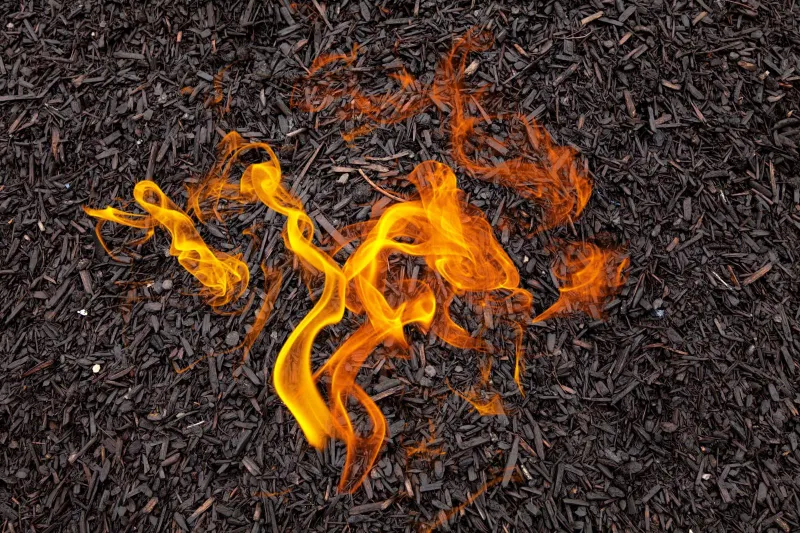
Wood mulch is highly flammable. When a wildfire ember lands in it, the mulch can smolder and eventually ignite the siding or framing of your home.
This is one of the most common ways houses catch fire during California wildfires.
The fix is simple. Remove all wood mulch from the first 5 feet around your home before fire season.
Replace it with gravel, decomposed granite, or other noncombustible materials. These alternatives still look clean and tidy but will not carry a flame to your walls.
If you love the look of mulch in your garden, you can still use it farther out in your yard. Just keep that critical 5-foot zone clear.
California fire safety guidelines are clear on this point: no combustible materials should touch or lean against your home’s exterior. Making this one swap can seriously reduce your home’s fire risk this season.
2. Dry Leaves In Corners
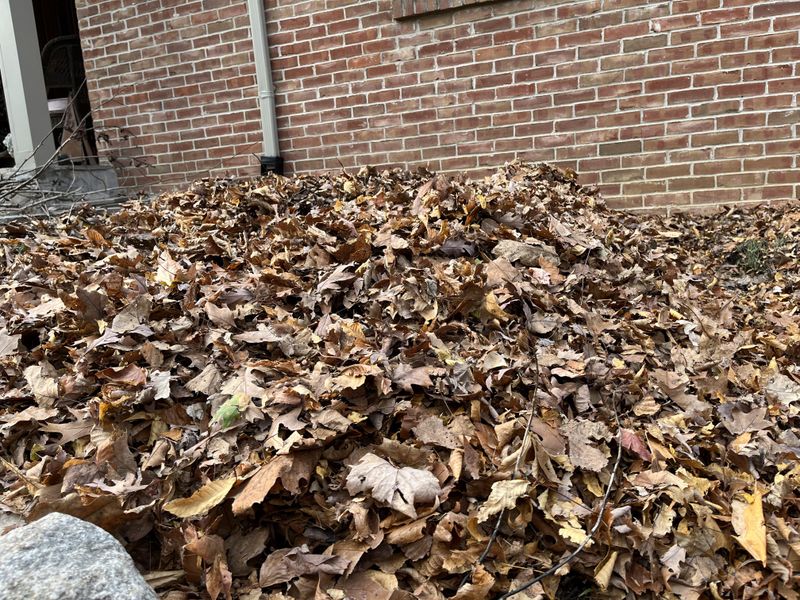
Corners are sneaky. Wind pushes leaves, pine needles, and dry debris right into the spots where your walls meet fences, steps, or other structures.
Before you know it, you have a thick pile of dry material sitting right against your house.
Dry leaves are one of the most flammable things you can have near your home during California fire season. A single ember landing in a pile of leaves in a corner can ignite quickly.
Once that fire starts, it can travel straight up your siding.
Walk around your entire home and check every corner. Look where walls meet fences, where stairs meet the house, and where your foundation meets any raised surfaces.
Rake out every leaf and dry piece of debris you find and bag it up for disposal.
Make a habit of checking these corners every couple of weeks during fire season. In California, dry and windy days can refill corners with debris surprisingly fast.
Your California Garden Changes Every Week. Your Plan Should Too.
Gardening in California changes quickly throughout the season. Every Friday you’ll receive a simple weekly plan showing exactly what to plant, prune, fertilize, harvest, and protect so you never miss the right timing.
A quick 10-minute sweep around your home could be the thing that keeps an ember from finding the fuel it needs to catch. Keeping corners clean is simple, free, and genuinely effective for protecting your home.
3. Pine Needles In Gutters
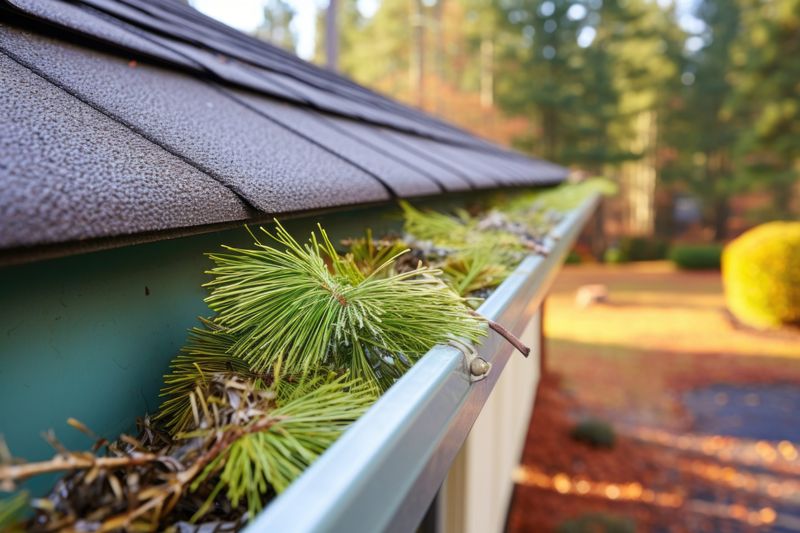
Pine needles might be small, but they pack a serious punch when it comes to fire risk. They are thin, dry, and full of resin, which makes them ignite fast.
When they pile up in your gutters, they create a ready-made fire starter right on top of your home.
In many parts of California, pine trees are everywhere. They shed needles constantly, especially in late spring and early summer.
By the time fire season arrives, gutters can be completely packed with dry needles that are just waiting for a spark.
Cleaning your gutters before fire season is one of the most important tasks a California homeowner can do. Scoop out all the needles, leaves, and debris.
Rinse the gutters clean with a hose so water can flow freely. This also helps prevent water damage when winter rains eventually arrive.
Some homeowners install gutter guards to help keep debris out. This can be a smart long-term investment, especially if you have large pine trees nearby.
After clearing your gutters, also check your roof for any piles of needles that have collected near vents or in valleys. A clean roof and gutter system gives embers far fewer places to land and grow into something dangerous.
4. Withered Plants Near Walls
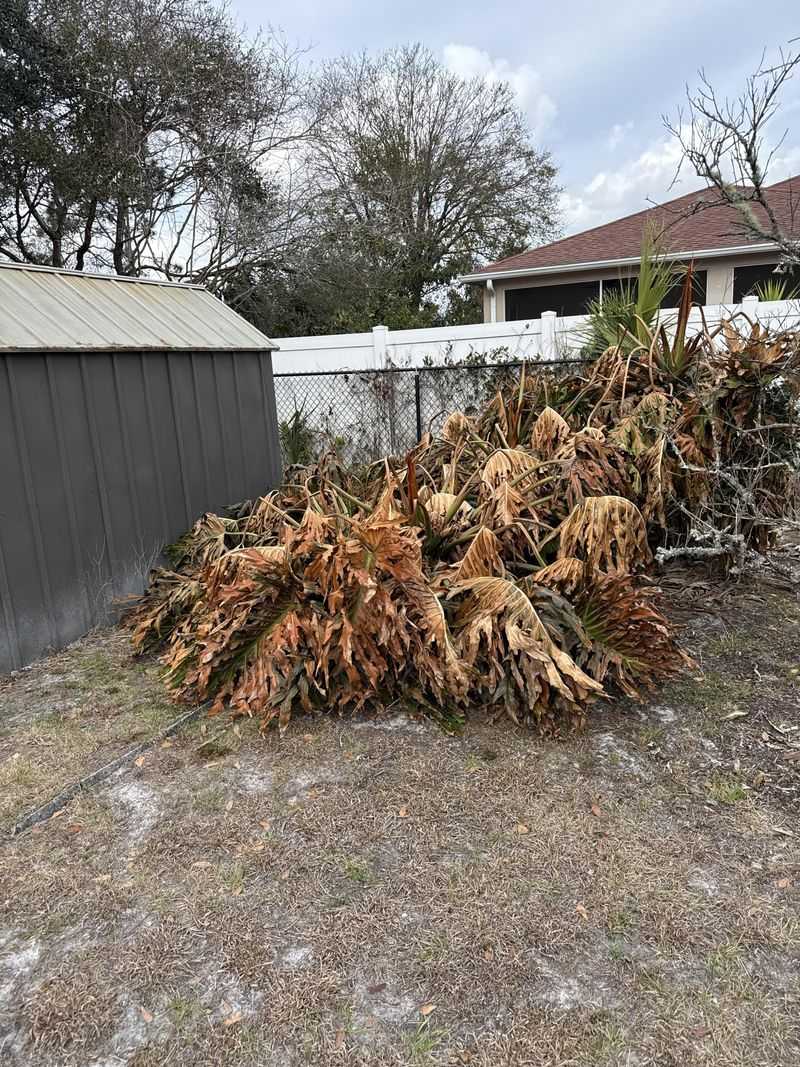
A plant that has dried out and turned brown is no longer just an eyesore. In California, a withered plant sitting close to your home’s wall is basically a pile of kindling.
The drier it gets, the faster it will burn if an ember lands nearby.
During fire season, the air in California gets hot, dry, and windy. Plants that looked healthy in spring can dry out completely by July or August.
Even potted plants near your walls can become a problem if they dry out and are not removed or replaced.
Go around the first 5 feet of your home and pull out any withered or dying plants. This includes garden beds, potted plants, ornamental grasses, and any other vegetation that has dried up.
Do not leave them in a pile near the house. Bag them and take them away from the structure entirely.
If you want to keep plants in that zone, choose low-water, fire-resistant varieties and make sure they stay healthy and well-watered. California has many beautiful native plants that are naturally more resistant to fire.
But during peak fire season, the safest bet is to keep that 5-foot zone around your home as clear and clean as possible. Living plants hold less risk than withered ones.
5. Shrubs Touching Siding
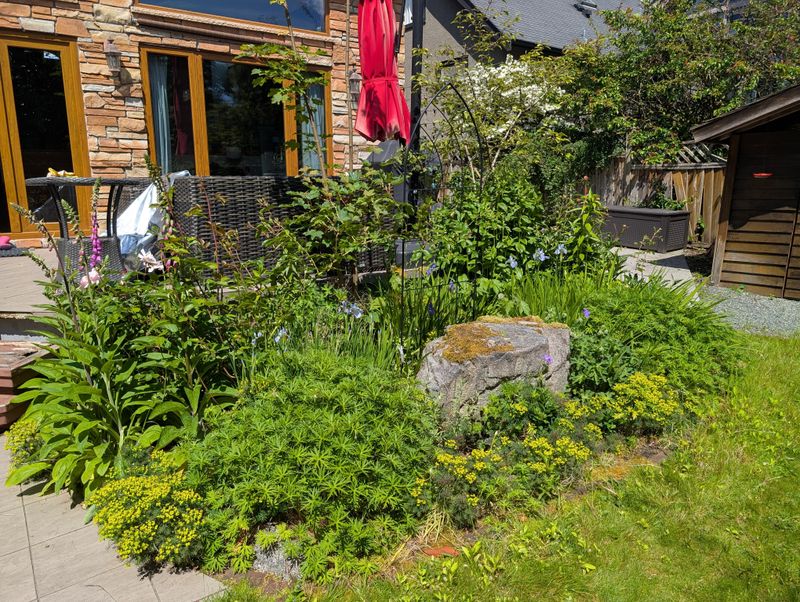
Shrubs look great along the base of a house. They add curb appeal and soften the hard lines of a building.
But when they grow close enough to actually touch your siding, they stop being just a landscaping choice and start being a fire hazard.
Even a live, healthy shrub can carry a flame. When shrubs press against your siding, they create a direct pathway for fire to travel from your yard to your home’s structure.
Add some dry wind and a stray ember, and that connection becomes very dangerous very fast.
Before fire season, trim back any shrubs that are touching or nearly touching your house. The goal is to keep at least a few inches of clear space between any plant and your siding.
Better yet, remove shrubs from the first 5 feet around your home entirely and replace them with gravel or stone.
In California, where fire season now runs almost year-round in some areas, keeping plants trimmed back is not just a seasonal chore. It is an ongoing responsibility.
Set a reminder to check your shrubs every month or two. They grow fast, especially after a rainy spring.
Regular trimming keeps your home looking good and helps protect it from fire at the same time.
6. Vines Climbing The House
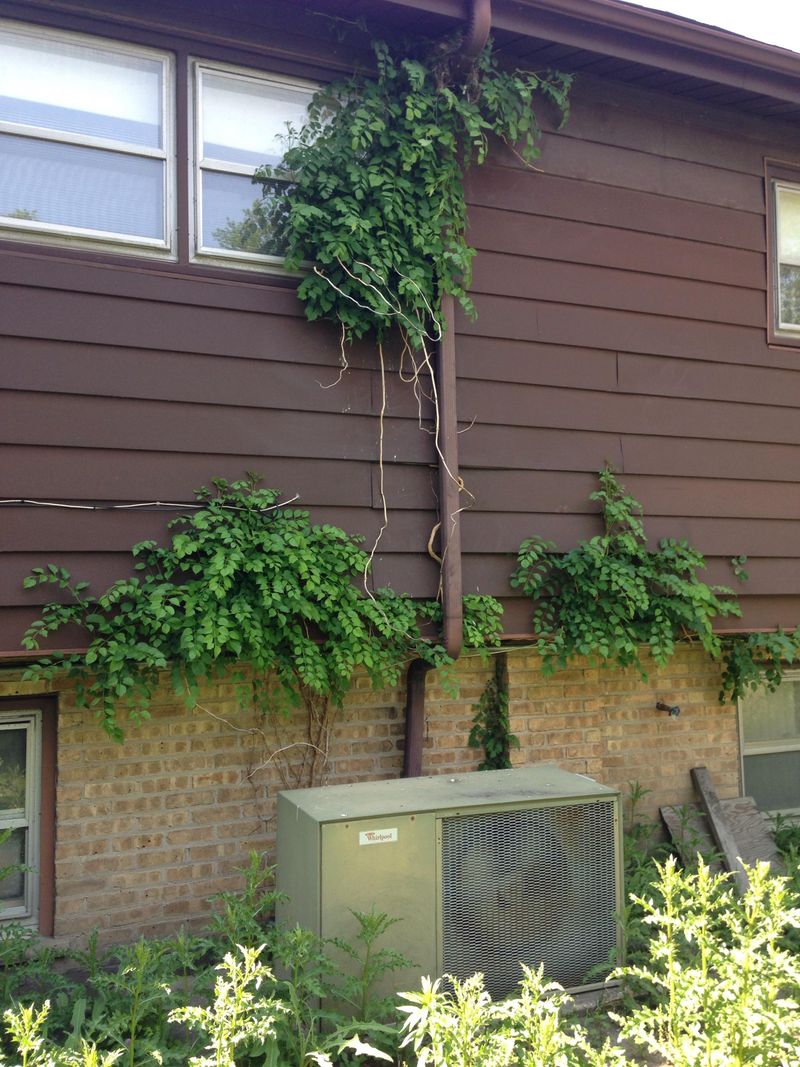
There is something charming about vines climbing the side of a house. They give a home a cozy, cottage-like look.
But in California, those same vines can become one of the biggest fire risks hiding in plain sight.
Vines attach directly to your siding, stucco, or wood trim. They create a thick layer of dry plant material that clings right to the structure of your home.
When fire season arrives and the vines dry out even partially, they can act like a ladder that carries flames straight up your walls and toward your roof.
Removing established vines can take some effort. You will need gloves, pruning shears, and patience.
Cut the vines at the base first to stop them from growing further. Then work your way up, pulling the vines away from the wall carefully to avoid damaging the siding underneath.
After you remove the vines, check your siding for any damage or gaps the roots may have created. Cracks or holes can allow embers to enter your home’s wall cavity, which is a serious fire risk.
In California, fire safety inspectors often flag vines as one of the most overlooked hazards in the home ignition zone. Removing them before fire season is a smart and necessary move.
7. Firewood Beside Walls
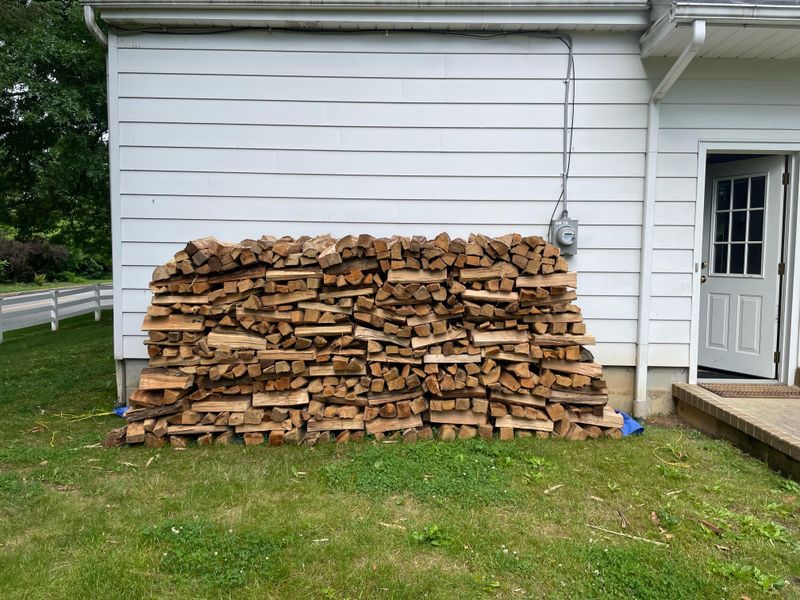
Storing firewood against the side of your house might seem convenient, especially if you use a fireplace or wood stove. But stacked wood sitting right next to your home’s exterior is one of the most common fire hazards that California homeowners overlook.
A stack of firewood is essentially a pile of fuel. It is dense, dry, and catches fire easily.
If a wildfire ember lands on or near your woodpile, it can ignite and burn for a long time. That sustained heat and flame right against your wall can cause serious structural damage or worse.
The solution is to move your firewood at least 30 feet away from your home and store it off the ground if possible. Use a firewood rack to keep it elevated and away from moisture.
This also helps keep pests out of your wood supply, which is an added bonus.
California fire safety guidelines specifically list firewood stored against homes as a major hazard in the home ignition zone. If moving it 30 feet away is not possible on your property, consider storing it in a detached shed or covered structure that is separated from the main house.
Protecting your home sometimes means rethinking habits you have had for years. This is one habit worth changing before fire season arrives.
8. Wooden Furniture Near Windows
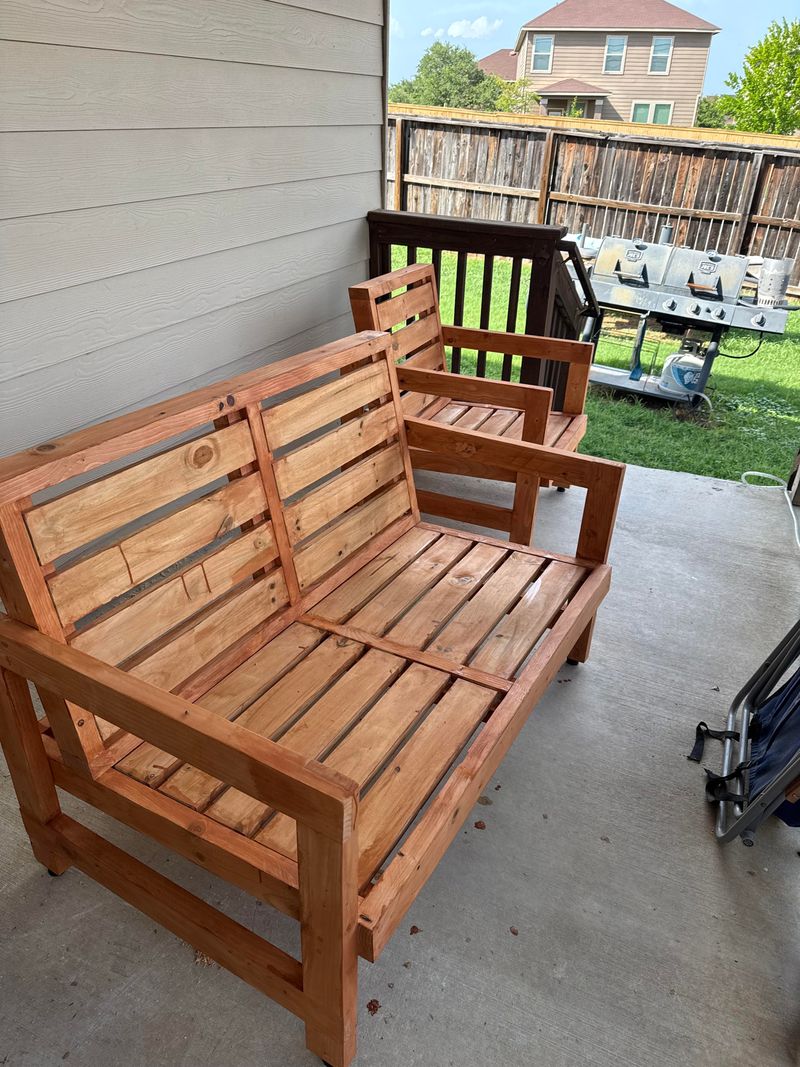
Outdoor furniture makes a patio feel welcoming and comfortable. But wooden chairs, tables, and benches placed too close to your home’s windows and walls can quietly become a fire risk as California’s dry season sets in.
Wood furniture is obviously combustible. When it sits just a foot or two from a window, it creates a fuel source right next to one of the most vulnerable parts of your home.
Embers can land on wooden furniture, ignite it, and send heat and flames directly into your windows. Glass can crack from heat alone, allowing fire inside.
Before fire season, move any wooden furniture away from the house or store it somewhere safer. Metal, concrete, or other noncombustible furniture is a much better option for the area closest to your home.
If you love your wooden pieces, keep them farther out in the yard away from the structure.
Cushions and fabric covers on outdoor furniture also burn quickly and should be stored indoors or in a covered bin during peak fire season in California. Taking a few minutes to rearrange or store your patio furniture could protect your windows, your walls, and ultimately your entire home.
Small actions in the right places add up to real protection when fire season gets serious.