How To Keep Containers From Drying Out Too Fast In May In Georgia
Container gardening in Georgia during May sounds like a dream until your pots decide otherwise.
The temperatures climb fast, the afternoon sun hits your patio like it has a personal vendetta, and those cute little flower pots can go from perfectly watered to bone dry before lunchtime.
It happens to a lot of Georgia gardeners, and it’s genuinely surprising the first time you experience it.
Unlike plants growing in the ground, container plants are fully exposed on all sides, which means they heat up quickly and lose moisture at a pace that can catch you off guard.
A sunny Georgia porch or deck in May is a beautiful thing, but it’s also a tough environment for pots to handle.
The good news is that once you understand what’s actually going on inside those containers, keeping your plants happy and healthy gets a whole lot easier.
1. Choose Larger Containers That Hold Moisture Longer
Smaller pots are among the sneakiest culprits when containers dry out fast on a Georgia patio. A six-inch pot may look charming holding a cluster of petunias, but during a warm May afternoon, that small volume of soil can lose moisture within just a few hours.
Larger containers simply hold more growing medium, which means more water is available to plant roots between waterings.
When shopping for containers at a Georgia garden center this spring, look for pots that are at least twelve to fourteen inches wide for most flowers and herbs.
Vegetables like tomatoes and peppers tend to do better in containers that hold five gallons or more.
The extra soil volume acts as a buffer, slowing down how quickly the root zone dries out when temperatures rise.
Wider containers also tend to shade their own soil surface, which reduces evaporation from the top. Glazed ceramic and thick-walled pots tend to stay cooler than thin plastic ones, which can get very warm when sitting in direct sunlight on a Georgia deck.
Unglazed terracotta, while beautiful, is porous and tends to release moisture through its walls, so pairing those pots with a slightly larger outer container can help slow moisture loss.
Choosing the right size from the start saves a lot of watering effort throughout the month of May.
2. Use A Quality Potting Mix That Drains Well
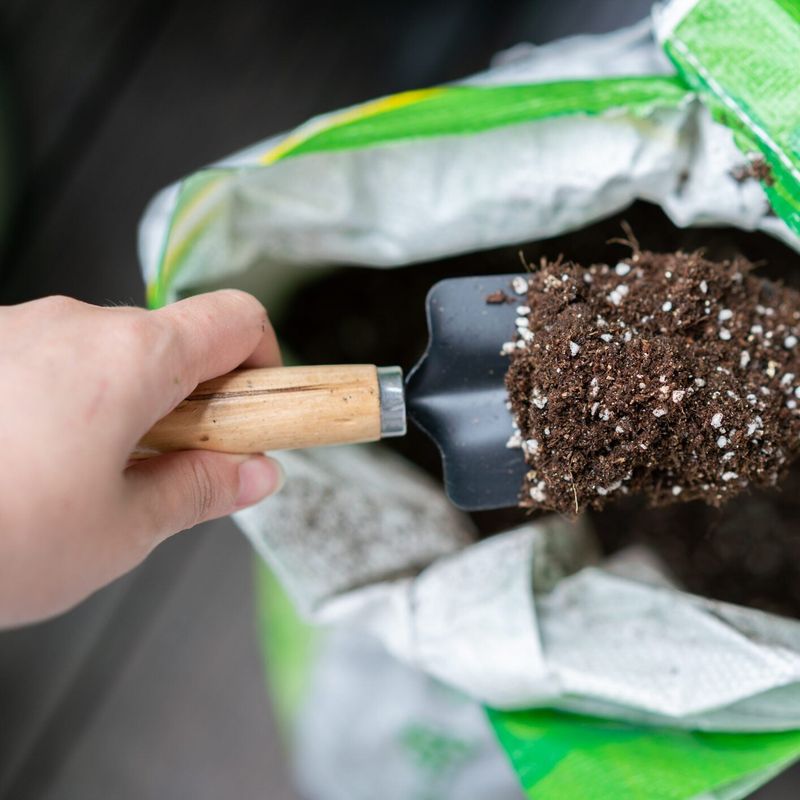
Not all potting mixes behave the same way when May temperatures start climbing across Georgia.
Some budget blends compact quickly after a few waterings, which causes water to run straight down the sides of the pot rather than soaking into the root zone evenly.
A quality potting mix stays loose and porous, allowing water to move through the soil while still holding enough moisture for roots to access between watering sessions.
Look for a mix that includes perlite or coarse vermiculite, as these lightweight materials help keep the soil from compacting and improve how evenly moisture is distributed.
Some mixes are formulated with moisture-retaining particles that absorb water and release it slowly over time.
Your Georgia Garden Changes Every Week. Your Plan Should Too.
Gardening in Georgia changes quickly throughout the season. Every Friday you’ll receive a simple weekly plan showing exactly what to plant, prune, fertilize, harvest, and protect so you never miss the right timing.
These can be especially helpful for container gardens on Georgia porches and balconies where daily watering is not always possible.
One thing worth knowing is that potting mix labeled for outdoor containers is often different from seed-starting mix or general-purpose garden soil.
Garden soil from the yard tends to become dense and poorly aerated when packed into a pot, which actually makes moisture management harder rather than easier.
Refreshing your containers with new potting mix at the start of each season gives plants a better foundation.
A loose, well-structured mix supports healthy root growth and helps containers respond more consistently to watering throughout a warm Georgia May.
3. Water Deeply Until Moisture Reaches The Bottom
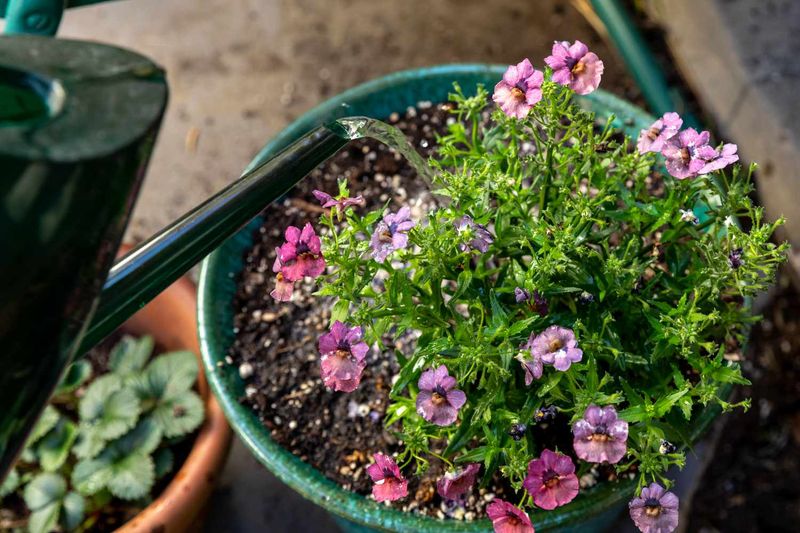
Watering a container garden quickly and moving on is one of the most common habits that leads to dry, struggling plants in May.
A light sprinkle at the top of the pot may wet the surface, but it often does not reach the lower portion of the root zone where roots are actively growing.
During warm Georgia afternoons, that surface moisture evaporates within minutes, and the deeper soil stays dry.
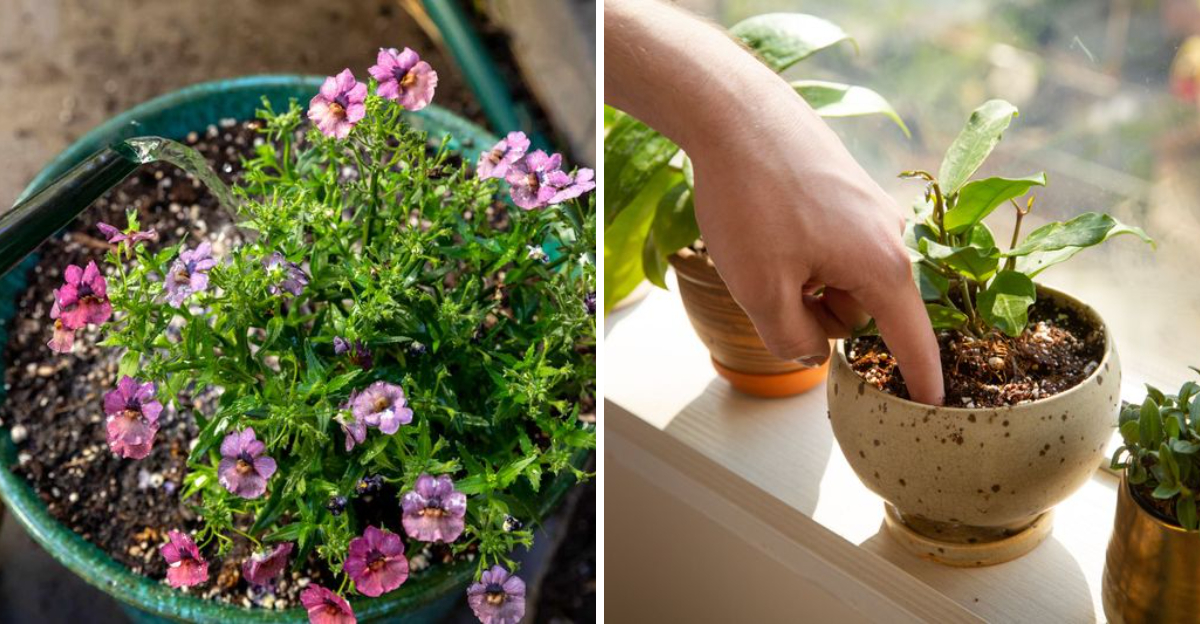
Deep watering means applying water slowly and steadily until you see it flowing from the drainage holes at the bottom of the pot. This confirms that moisture has moved all the way through the growing medium rather than just wetting the top inch or two.
Taking this approach encourages roots to grow deeper into the container, which makes plants more resilient during hot and breezy May days.
A slow, steady stream from a watering can with a long neck or a gentle hose setting works well for most containers.
Avoid high-pressure streams that can displace soil and cause water to channel down the sides of the pot without fully saturating the mix.
If water runs out the bottom very quickly during the first application, the mix may have dried out and become slightly hydrophobic.
In that case, water slowly two or three times in succession, allowing a few minutes between each pass so the soil can gradually rehydrate and hold moisture more evenly.
4. Check Soil Moisture Before The Afternoon Heat
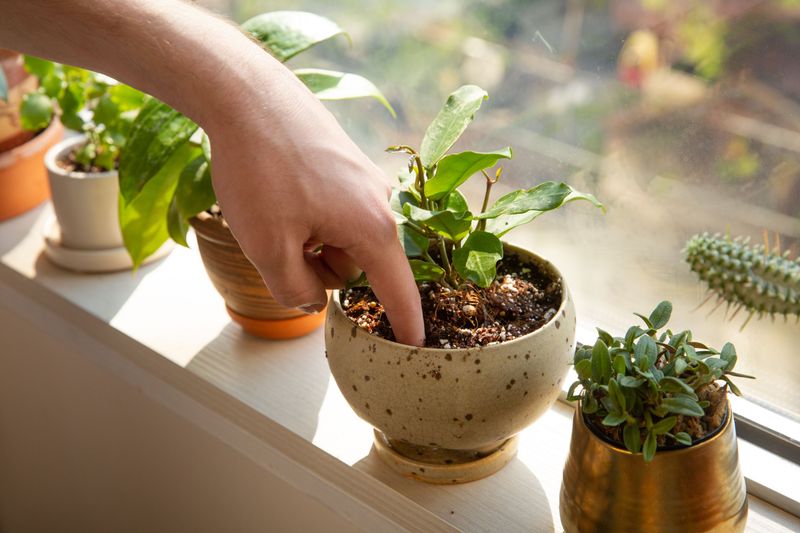
Mornings in Georgia during May tend to be the most forgiving part of the day for container plants. Temperatures are cooler, the sun is lower, and soil that was watered the evening before has had time to distribute moisture evenly through the root zone.
Checking soil moisture early in the day gives gardeners a clear picture of what containers actually need before conditions shift.
The finger test is one of the simplest and most reliable methods for checking container soil. Push a finger about an inch into the growing medium near the edge of the pot.
If the soil feels moist and cool, the container is likely fine for a few more hours. If it feels dry and crumbly, watering before the afternoon heat arrives is a smart move, especially for pots sitting on a south-facing Georgia porch or sunny deck.
Some gardeners find soil moisture meters helpful, particularly when managing a large collection of containers in different sizes and materials. These inexpensive tools give a quick reading without disturbing roots.
Developing a morning routine of checking and watering containers before ten o’clock can make a noticeable difference in how well plants hold up through Georgia’s warm May afternoons.
Plants watered in the morning have time to absorb moisture before peak heat, and foliage tends to dry more quickly, which supports overall plant health throughout the growing season.
5. Add Mulch To Slow Surface Drying
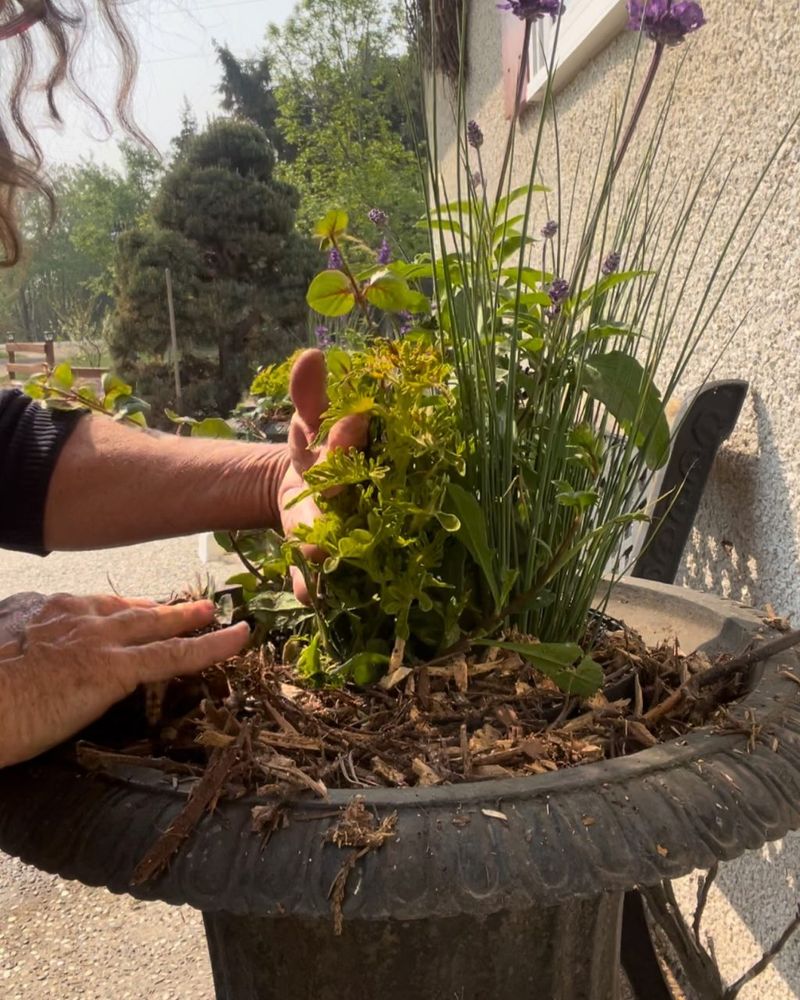
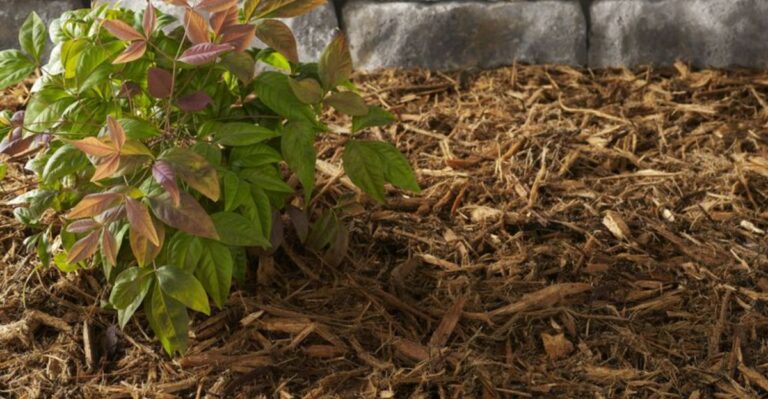
One of the quieter but genuinely useful tricks for slowing moisture loss in container gardens is adding a thin layer of mulch on top of the soil.
During a sunny May afternoon in Georgia, the exposed soil surface of a container can dry out remarkably fast, especially in pots sitting in direct sunlight.
Mulch acts as a physical barrier between the soil and the air, slowing evaporation and keeping the growing medium cooler.
Organic materials like pine straw, shredded bark, or coconut coir work well as container mulch. A layer roughly half an inch to one inch deep is usually enough to make a difference without smothering the base of plant stems.
Pine straw is especially easy to find across Georgia and breaks down slowly, making it a practical choice for pots on a porch or patio.
Small decorative stones or pea gravel can also serve as a mulch layer in containers where aesthetics matter, such as herb planters near an entry door or flower pots on a balcony railing shelf.
While stones do not add organic matter to the soil, they do reduce direct exposure of the soil surface to sun and wind.
Keeping the surface covered in any of these ways can reduce how often containers need watering during the warmer stretches of May, which helps maintain more consistent moisture levels for roots throughout the day.
6. Group Containers With Similar Water Needs
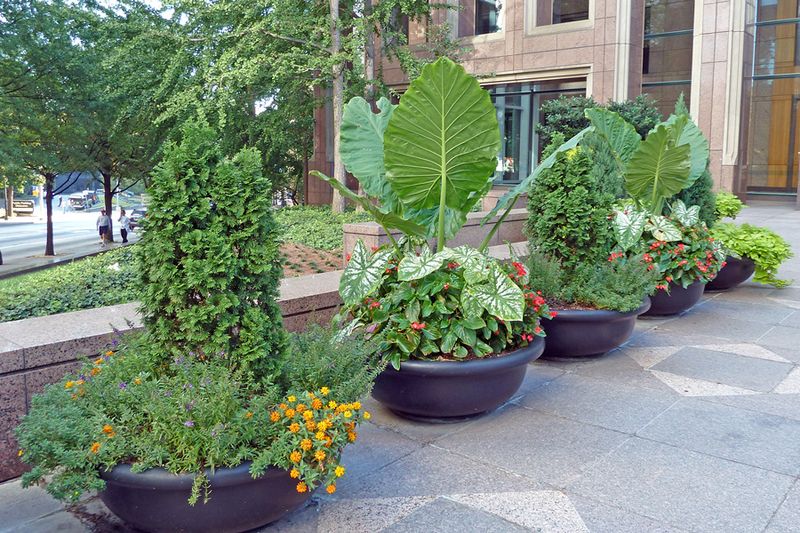
Spreading containers out across a wide open Georgia deck might look tidy, but it can actually make moisture management harder.
Isolated pots are exposed to sun and wind on all sides, which speeds up evaporation from both the soil surface and the pot walls.
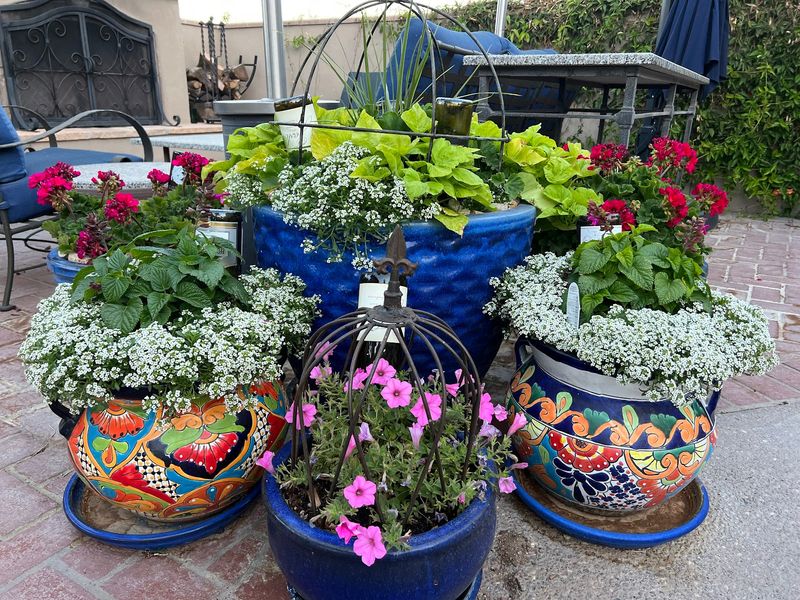
Grouping containers close together creates a small, sheltered environment where plants help shade each other and the soil stays cooler.
When pots are clustered, the foliage of neighboring plants creates a canopy effect that reduces direct sunlight hitting the soil.
The air between grouped containers also tends to stay slightly more humid than open air, which slows how quickly moisture evaporates from the growing medium.
This is a practical strategy for Georgia gardeners working with limited porch or patio space, since it makes the most of what is already there.
Grouping plants with similar water requirements together also makes the watering routine more efficient. Herbs like basil, parsley, and cilantro tend to prefer consistent moisture and can be clustered on one side of a porch.
Drought-tolerant plants like rosemary or succulents can be grouped separately so they are not overwatered when their neighbors need more frequent attention.
Mixing plants with very different water needs in the same cluster can lead to some being overwatered while others stay dry.
Thoughtful grouping takes only a few minutes to set up but can simplify container care throughout the entire month of May in Georgia.
7. Move Pots Away From Harsh Afternoon Sun
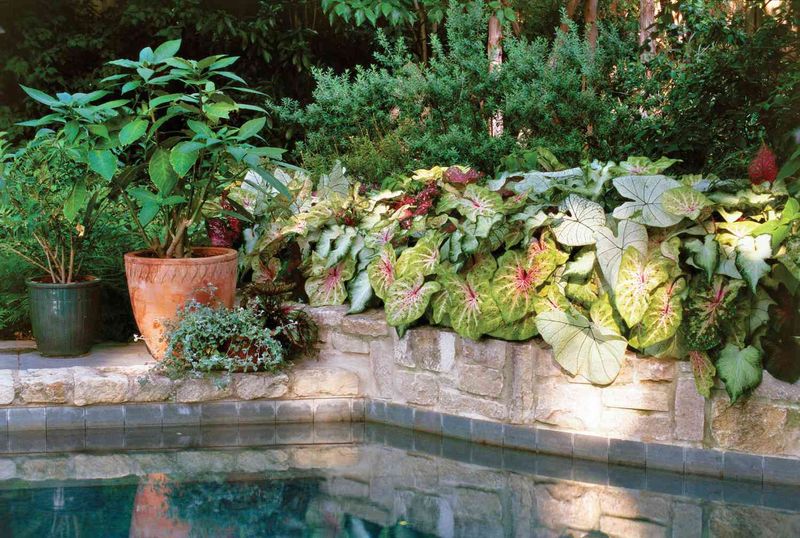
By two or three in the afternoon on a clear May day in Georgia, direct sunlight can be intense enough to heat the sides of dark-colored pots to temperatures that stress both the soil and the roots inside.
Containers sitting on a south- or west-facing deck absorb a significant amount of radiant heat, which drives moisture out of the growing medium faster than most gardeners realize.
Moving pots to a shadier location during the hottest part of the day can make a meaningful difference.
Not every plant needs full afternoon shade, but many popular container choices including impatiens, ferns, coleus, and certain vegetables do better with some protection from Georgia’s intense late-spring sun.
Even a few hours of dappled shade under a pergola, porch overhang, or large tree can reduce how quickly containers dry out between waterings.
Lightweight plastic or resin containers make it easier to shift pots around as the sun moves throughout the day.
For heavier ceramic or concrete containers, plant caddies with wheels are a practical investment that allows repositioning without heavy lifting.
Paying attention to where shadows fall on a porch or deck at different times of day helps identify natural shade spots that can serve as afternoon resting places for moisture-sensitive containers.
Adjusting pot placement even slightly, such as moving a planter from full sun to a spot that receives afternoon shade from a fence or wall, can noticeably extend the time between waterings during May.
8. Watch Small Pots During Hot Windy Weather
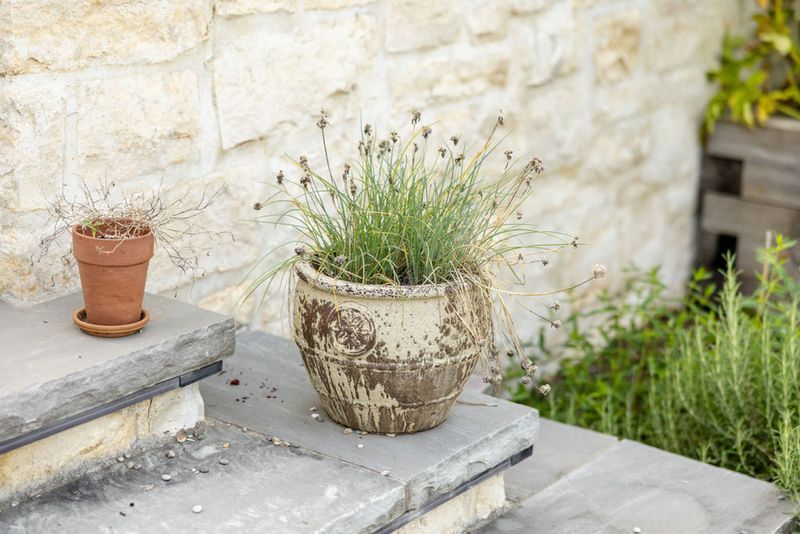
Breezy afternoons are common across Georgia in May, and while a gentle wind can feel refreshing to a gardener working outside, it accelerates moisture loss from container soil at a rate that can catch people off guard.
Small pots are particularly vulnerable because they have less soil volume to act as a moisture reservoir when conditions turn warm and windy at the same time.
A four-inch herb pot sitting on a porch railing on a breezy Georgia afternoon can dry out within just a few hours.
The combination of wind pulling moisture from the soil surface, direct sunlight warming the pot walls, and the plant itself drawing water through its roots can deplete a small container surprisingly fast.
Wilting foliage, dry crusty soil around the edges, and leaves that feel limp rather than firm are signs that a small pot may need attention sooner than expected.
During stretches of hot, windy weather in May, checking small containers more frequently than larger ones is a practical habit.
Moving compact pots to a more sheltered corner of a porch or setting them inside a slightly larger outer container can help buffer them from wind exposure.
Grouping several small pots together also reduces the amount of surface area exposed to moving air.
Keeping a close eye on the smallest containers in a collection during Georgia’s breezy late-spring days helps prevent them from drying out before the next scheduled watering.