The Best Spots To Plant Tomatoes In A North Carolina Yard (And 3 Places You Should Avoid)
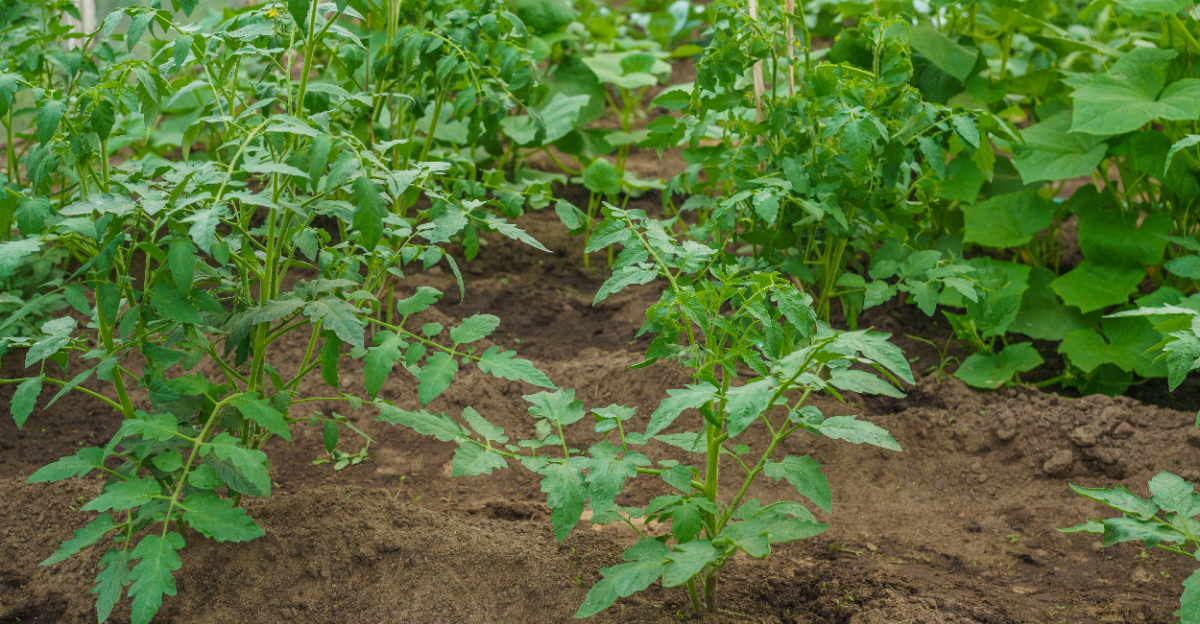
Tomatoes are one of those crops where location does a significant amount of the work before you ever water or fertilize a single plant. Put them in the right spot and they take off with an energy that makes the whole growing season feel easy.
Put them in the wrong one and you spend months troubleshooting problems that trace right back to that original placement decision.
North Carolina yards offer a wider range of growing conditions than many gardeners realize, from full sun slopes that hold heat well into evening to low spots that stay damp and shaded longer than tomatoes can tolerate.
The state’s combination of intense summer sun, high humidity, and occasional stretches of heavy rain means that air circulation, drainage, and sun exposure all carry more weight here than in more forgiving climates.
Knowing where to put your tomatoes in a North Carolina yard is honestly half the battle, and knowing which spots to avoid no matter how convenient they look can save an entire season of effort before it goes sideways.
1. Full Sun Areas With 6-8+ Hours Of Direct Light

Nothing gets tomatoes going quite like a full day of strong, steady sunshine. In North Carolina, the sun is powerful from spring through late summer, and tomatoes absolutely love every bit of it.
A spot that gets at least six to eight hours of direct light each day gives your plants the energy they need to flower, set fruit, and ripen quickly.
Morning sun is especially valuable in North Carolina yards because it dries off moisture that builds up overnight. Wet foliage sitting in humid air is a recipe for fungal problems, and the Tar Heel State already has plenty of natural humidity to deal with.
A sunny eastern or southern exposure is usually your best bet for keeping leaves dry and plants healthy throughout the season.
Tomatoes (Solanum lycopersicum) are sun-hungry plants that slow down fast without enough light. Fewer hours of sun means fewer flowers, smaller fruit, and a longer wait for your harvest.
Walk your yard at different times of day before you plant and track which areas stay bright the longest. That south-facing garden bed or open backyard corner in North Carolina could easily become your most productive tomato patch of the year.
2. Areas With Good Airflow
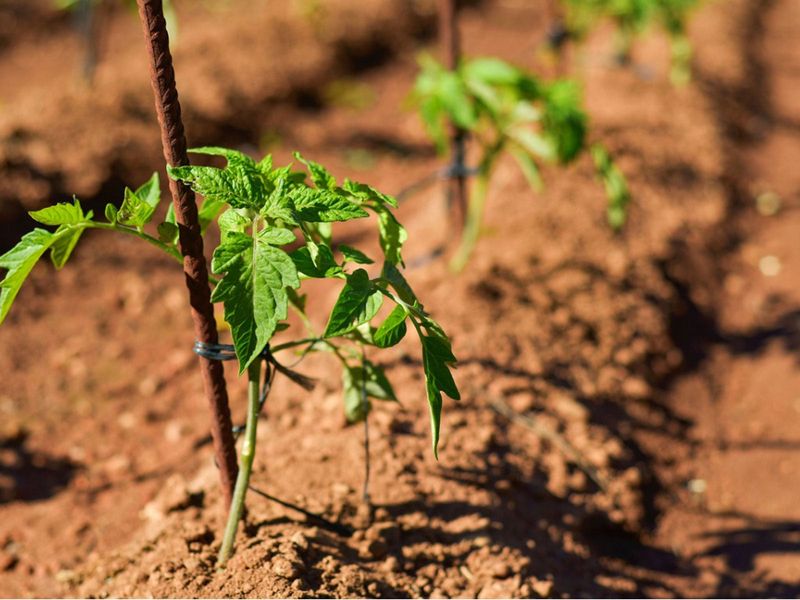
Picture a warm North Carolina afternoon with a steady breeze moving through your garden. That gentle air movement is doing more good for your tomatoes than most gardeners realize.
Good airflow between plants helps leaves dry out faster after rain or a heavy morning dew, which seriously cuts down on fungal disease pressure.
North Carolina summers are notoriously sticky and humid, especially in the Piedmont and coastal regions. Fungal diseases like early blight and Septoria leaf spot spread fast when moisture lingers on foliage.
Planting tomatoes in an open area where air can move freely around each plant is one of the smartest things you can do to keep your crop healthy from June through August.
Your North Carolina Garden Changes Every Week. Your Plan Should Too.
Gardening in North Carolina changes quickly throughout the season. Every Friday you’ll receive a simple weekly plan showing exactly what to plant, prune, fertilize, harvest, and protect so you never miss the right timing.
Spacing matters just as much as location when it comes to airflow. Even in a great open spot, planting too close together creates a pocket of still, damp air right in the middle of your row.
Most tomato varieties do well with at least two to three feet between plants, and indeterminate types often need even more room.
An open patch of your North Carolina yard away from tall fences or dense shrubs gives your tomatoes the breathing room they need to stay strong all season long.
3. Well-Drained Soil Or Raised Beds
Here is something every North Carolina gardener learns sooner or later: clay soil holds water like a sponge. In the Piedmont region especially, heavy clay can stay soggy for days after a good rain, and tomato roots sitting in waterlogged soil quickly run into serious trouble.
Root stress from poor drainage weakens plants and opens the door to diseases that spread fast in warm, wet conditions.
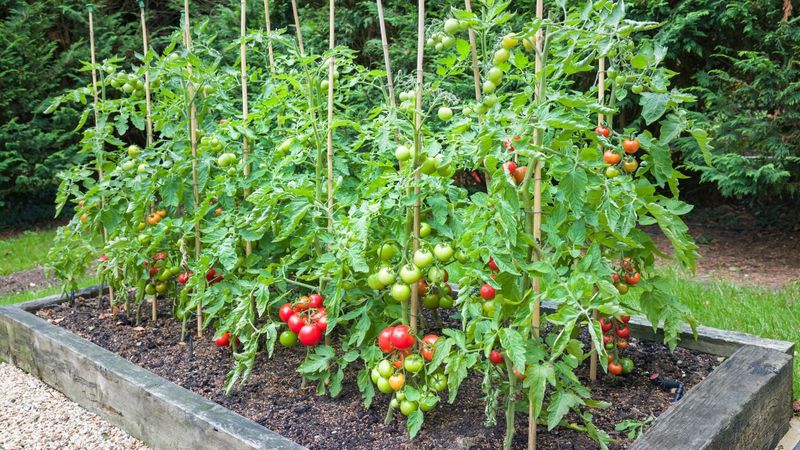
Raised beds are one of the most popular solutions gardeners across North Carolina use to get around this problem. Filling a raised bed with a mix of quality compost, topsoil, and perlite gives tomatoes the loose, well-aerated growing environment they crave.
Water drains through quickly, roots spread easily, and the soil warms up faster in spring, which means you can get plants in the ground a little earlier too.
If raised beds are not an option for your yard, amending your existing soil is the next best move. Working in several inches of compost before planting improves drainage significantly and adds nutrients at the same time.
Slightly mounding your rows can also help water run off rather than pool around plant bases.
Whether you go with raised beds or amended in-ground planting, giving your North Carolina tomatoes well-drained soil is one of the highest-impact choices you can make for a strong harvest.
4. Spots Close To A Water Source

Convenience in the garden is more important than most people give it credit for. When your tomato bed is close to a hose bib or irrigation system, watering consistently becomes easy and almost automatic.
When it is far away and inconvenient, it is easy to skip a day or two, and inconsistent watering is one of the top reasons North Carolina tomatoes develop blossom end rot and cracked fruit.
North Carolina summers can be relentlessly hot, with temperatures regularly climbing above 90 degrees Fahrenheit from July through August. During heat waves, tomatoes may need watering every single day to keep the soil evenly moist.
Drip irrigation or a soaker hose set up near the base of each plant is ideal because it delivers water right to the root zone without wetting the foliage, which helps reduce fungal disease risk.
Mulching heavily around your plants also helps stretch the time between waterings by slowing evaporation from the soil surface. Straw, wood chips, or shredded leaves work great and also help keep soil temperatures from spiking during the hottest parts of the day.
Planting your North Carolina tomatoes within easy reach of a water source from the very beginning saves you time, reduces stress on your plants, and puts you in the best position to bring in a full, flavorful harvest at the end of the season.
5. Low Spots That Stay Wet After Rain
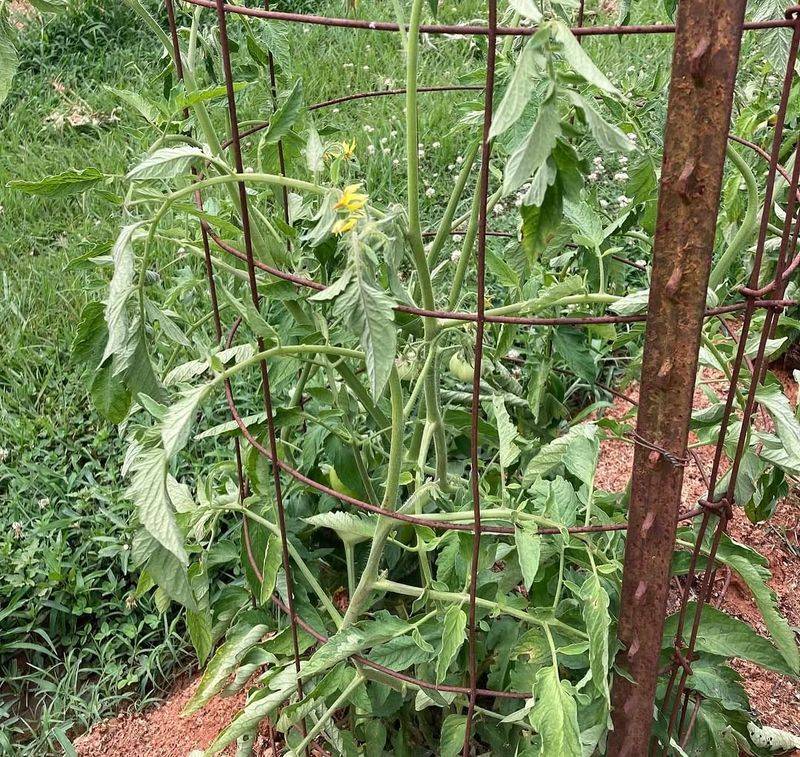
Every yard has that one spot where water collects after a storm and just sits there. In North Carolina, where heavy summer rainstorms are common, those low areas can stay saturated for days at a time.
Tomatoes planted in these spots almost always struggle because their roots need oxygen just as much as they need water, and soggy soil cuts off that oxygen supply fast.
Root stress from waterlogging weakens plants from the inside out. Leaves may yellow, stems may soften, and the overall plant loses its ability to take up nutrients effectively.
Beyond that, standing water creates the perfect environment for soil-borne pathogens like Phytophthora and Pythium, which spread quickly through wet North Carolina clay and can wipe out an entire row of plants within a single season.
The fix sounds simple, but moving your planting location really is the best solution here. No amount of extra fertilizer or disease spray will make up for roots that are constantly sitting in water.
If a low spot is the only space you have available, build it up with fill soil or install a raised bed on top of it to create proper drainage.
North Carolina gardeners who take the time to identify and avoid wet low spots before planting save themselves a lot of frustration and end up with far healthier, more productive tomato plants by midsummer.
6. Shaded Areas Or Afternoon Shade Dominant Spots
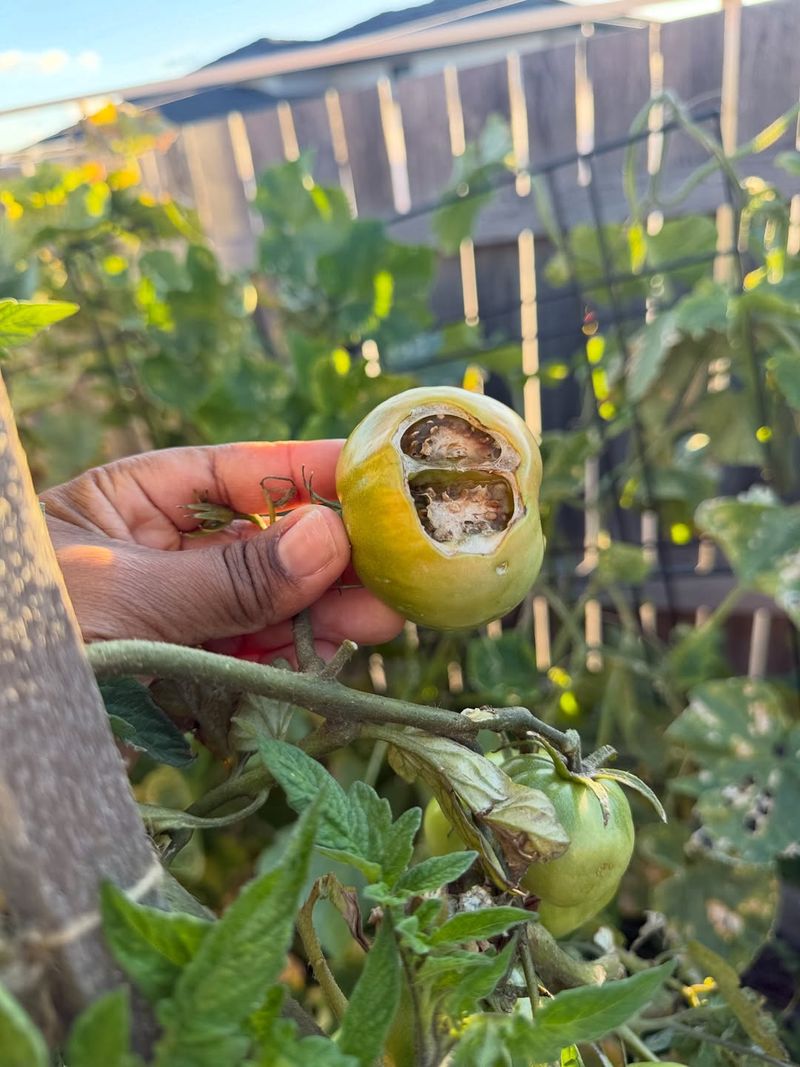
Shade might feel like a relief during a hot North Carolina summer, but your tomatoes do not see it that way.
Tomatoes are one of the most sun-dependent vegetables you can grow, and spots dominated by afternoon shade consistently underperform compared to full-sun locations.
Plants may grow tall and leafy in the shade, but that lush green growth often comes at the cost of flowers and fruit.
Afternoon sun is actually the most intense and productive part of the day for photosynthesis. Losing those hours to tree canopy, a tall privacy fence, or a neighboring structure means your plants are working with a fraction of the energy they actually need.
In North Carolina, where the growing season is long but also humid and disease-prone, every hour of sunlight counts toward building a strong, productive plant that can handle the conditions.
Before you plant, spend a few days watching how shadows move across your yard throughout the afternoon. What looks like a bright spot in the morning can turn surprisingly dark by two or three in the afternoon.
Large oak trees, tall cedar fences, and two-story homes all cast longer shadows than most people expect.
North Carolina gardeners who map their sun patterns carefully before planting almost always end up choosing better spots and harvesting far more tomatoes than those who plant first and hope for the best.
7. Areas With Poor Air Circulation
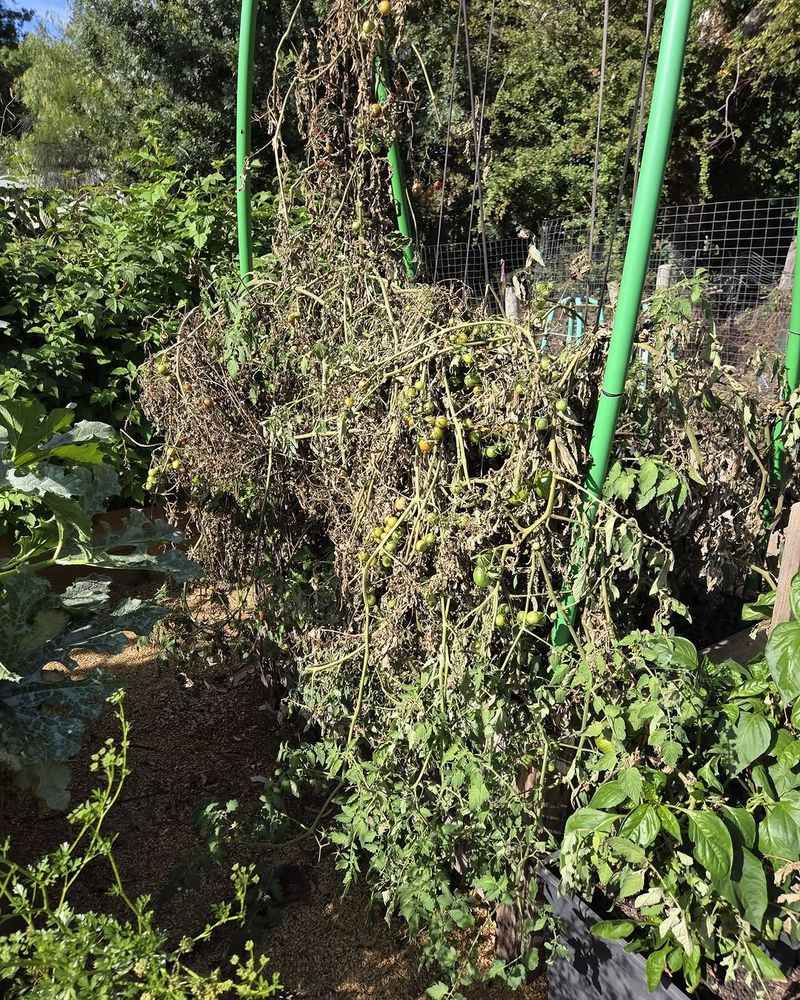
Tucked-away corners of a yard might seem like cozy, protected spots for a garden, but they can be some of the worst places to grow tomatoes in North Carolina.
Solid fences, dense hedges, and tight building corners trap warm, moist air and create a microclimate that fungal diseases absolutely thrive in.
When air cannot move freely, foliage stays damp for hours longer than it should after rain or morning humidity.
Fungal diseases like early blight, late blight, and powdery mildew are already common challenges across North Carolina during the summer months.
Poor air circulation makes these problems significantly worse by giving spores the wet, still conditions they need to germinate and spread from plant to plant.
Once a fungal disease gets a foothold in a crowded, stagnant spot, it can move through an entire planting quickly and be very difficult to manage even with regular fungicide applications.
Choosing an open area in your North Carolina yard is one of the simplest and most effective preventive steps you can take.
Even moving your garden bed just a few feet away from a solid structure can make a noticeable difference in how much airflow your plants receive.
Combine a good open location with proper plant spacing and you dramatically reduce the conditions that allow fungal problems to take hold.
Your tomatoes will reward that extra planning with healthier foliage, stronger stems, and a much better overall harvest from early summer right through the fall.