Things You Should Never Add To North Carolina’s Clay Soil No Matter What You Read Online
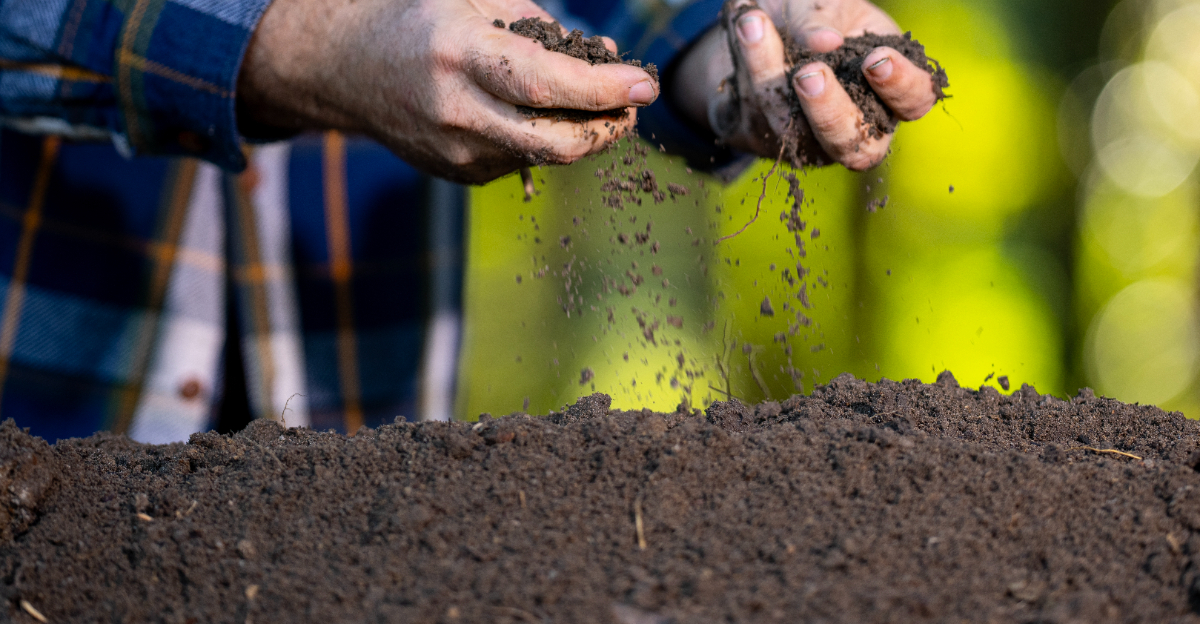
Clay soil covers a massive portion of North Carolina, especially across the Piedmont where that heavy, reddish ground tests the patience of gardeners every single season.
It compacts under foot traffic, cracks when it dries out, and turns into something close to wet cement after a hard rain.
Naturally, gardeners go looking for fixes, and the internet is full of confident advice about what to add to clay soil to make it more workable.
The problem is that some of the most widely shared recommendations are either based on outdated thinking, misapplied science, or approaches that work fine in other soil types but actively create new problems in North Carolina clay.
Adding the wrong amendment does not just fail to help. It can disrupt soil structure further, throw off the biological activity happening underground, or create drainage and chemistry issues that take multiple growing seasons to sort out.
Before you haul anything into your garden beds this year, it is worth knowing which common soil fixes are actually making things harder and why North Carolina clay specifically needs a more careful approach than most general guides are willing to acknowledge.
1. Pure Sand
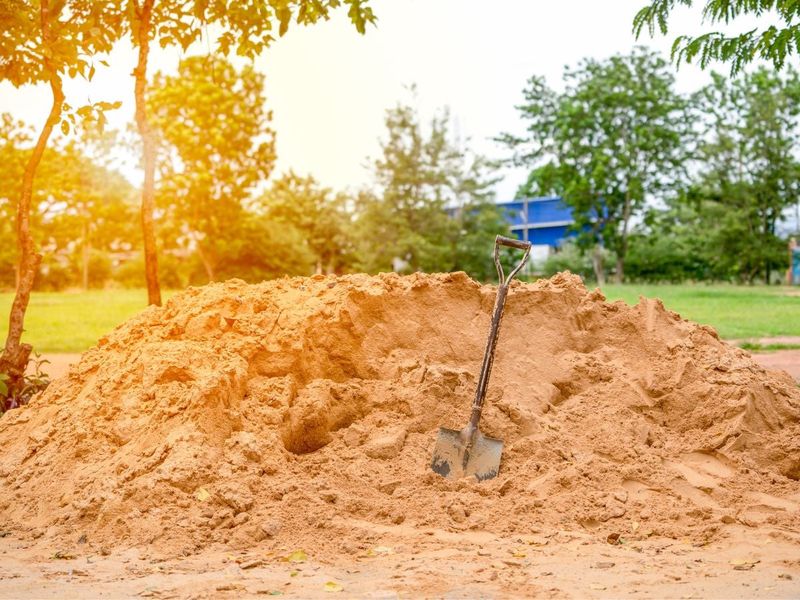
Here is a classic gardening myth that just will not quit. Mixing sand into clay soil sounds logical, like two opposites balancing each other out.
But the science tells a very different story, especially in North Carolina where the red clay is particularly dense and sticky.
When you blend a small amount of sand into clay, the tiny sand particles fill the spaces between clay particles instead of opening them up. The result is something closer to concrete than to loose, workable garden soil.
Experienced soil scientists have compared it to making adobe bricks, which is the last thing you want under your tomatoes or flower beds.
To actually improve drainage with sand, you would need to add so much of it that the project becomes completely impractical for most home gardeners.
We are talking about changing the soil composition to roughly 50 to 70 percent sand by volume, which requires hauling enormous amounts of material. Even then, results in North Carolina clay vary widely depending on your specific yard.
Finished compost, aged pine bark fines, or cover crops are far more reliable ways to loosen clay soil here.
They improve structure gradually, feed soil biology, and build long-term drainage without the risk of turning your garden beds into a solid, brick-like mess that plants cannot push through.
2. Fresh Wood Chips Mixed Into Soil
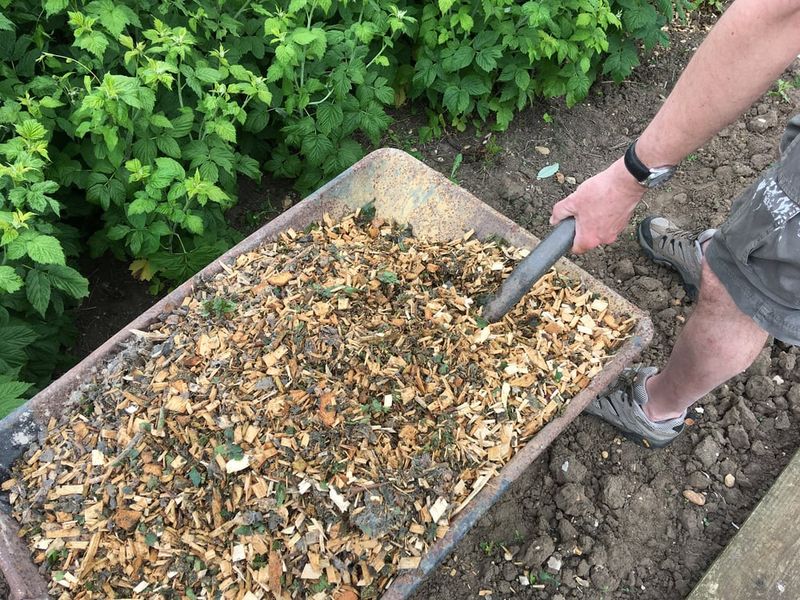
Fresh wood chips spread on top of your garden beds as mulch? Fantastic idea.
Mixing those same fresh chips directly into your North Carolina clay soil? That is where the trouble starts, and many gardeners learn this lesson the hard way after a frustrating growing season.
When fresh wood chips get buried in soil, they begin breaking down through a process that requires nitrogen. Soil microbes pull nitrogen from the surrounding soil to fuel that decomposition, and your plants end up competing for that nitrogen at the worst possible time.
Your North Carolina Garden Changes Every Week. Your Plan Should Too.
Gardening in North Carolina changes quickly throughout the season. Every Friday you’ll receive a simple weekly plan showing exactly what to plant, prune, fertilize, harvest, and protect so you never miss the right timing.
Yellowing leaves, stunted growth, and poor fruit production are common signs that nitrogen has been tied up underground.
Clay soil already drains slowly and holds nutrients in unpredictable ways. Adding a nitrogen-robbing amendment on top of those existing challenges creates a stressful environment for roots trying to establish themselves.
Young transplants and seedlings are especially vulnerable during this phase.
The good news is that wood chips become genuinely useful once they have aged and partially broken down into a darker, crumbly material. Fully composted wood material adds organic matter without stealing nutrients.
If you love the look and benefits of wood-based amendments, let them age in a pile for at least one full year before working them into your North Carolina garden beds for the best results possible.
3. Unfinished Compost
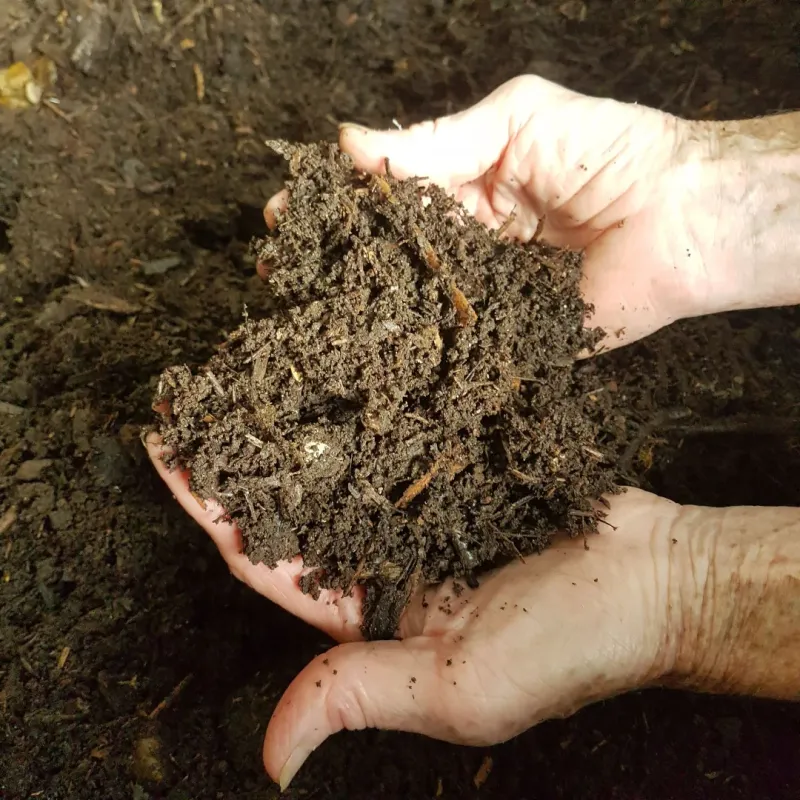
Compost is one of the best things you can ever add to clay soil, but timing and completion matter more than most people realize.
Unfinished compost, meaning material that has not fully broken down yet, carries a set of problems that can seriously set back your garden in North Carolina.
Partially decomposed organic matter contains active microbes working hard to finish the breakdown process. When you mix that material into clay soil, those microbes compete directly with your plants for oxygen and nutrients.
The heat generated during active decomposition can also stress or damage tender roots sitting nearby in the soil.
Unfinished compost can also introduce pathogens and weed seeds that fully finished compost would have eliminated through sustained heat.
North Carolina summers are warm enough that outdoor compost piles can reach the right temperatures, but only if they are managed correctly and allowed to complete the full cycle before use.
Finished compost looks dark, smells earthy like forest floor, and has a crumbly texture with no recognizable food scraps or plant material left. Running your compost through a full cycle before adding it to clay soil makes a noticeable difference in how plants respond.
Patience here truly pays off. Your garden beds will reward you with better drainage, improved root growth, and healthier plants throughout the entire North Carolina growing season.
4. Large Amounts Of Lime Without A Soil Test
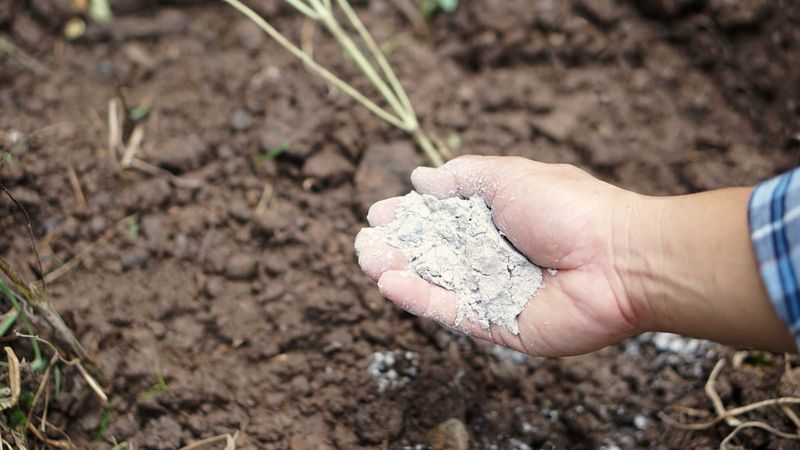
Lime has a well-earned reputation as a soil improver, and in many situations across the country it genuinely helps.
But in North Carolina, the story gets more complicated, and spreading large amounts of lime without testing your soil first is a gamble that rarely pays off the way you hope.
North Carolina clay soils vary widely in their natural pH levels. Some areas have acidic soil that benefits from lime, while others are already sitting close to neutral or even slightly alkaline.
Pouring lime onto soil that does not need it pushes the pH higher than most vegetables, flowers, and shrubs prefer, making it harder for plants to absorb key nutrients like iron, manganese, and zinc.
Nutrient lockout caused by high pH can look a lot like nutrient deficiency, which sends many gardeners reaching for fertilizer when the real fix is actually adjusting pH back down. That cycle wastes money and stresses plants unnecessarily through multiple growing seasons.
A basic soil test through the North Carolina Department of Agriculture costs very little and removes all the guesswork. You get specific recommendations for your exact soil, including how much lime to add if any is needed at all.
Skipping that step and following generic online advice for lime application is one of the most common and costly mistakes North Carolina gardeners make with their clay soil every single year.
5. Straight Topsoil Layered On Top
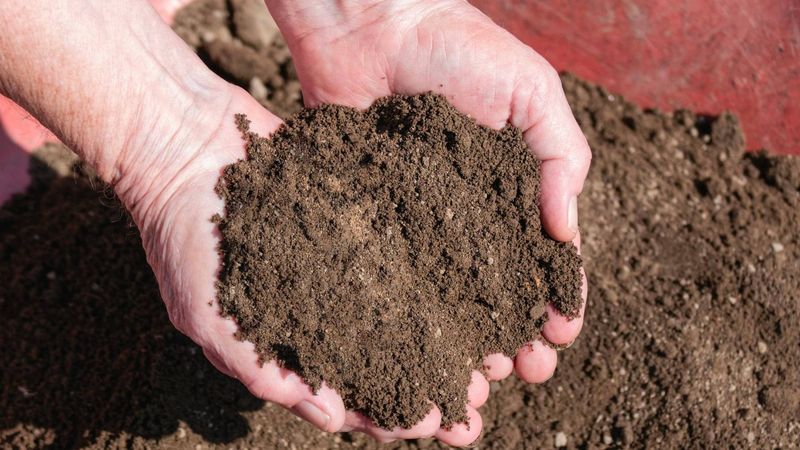
Buying a few bags of topsoil and spreading them over your clay garden bed feels like progress. The soil looks darker, the texture seems better on the surface, and it is tempting to think you have solved the problem.
Unfortunately, layering topsoil directly on top of clay without mixing creates a gardening headache that gets worse over time.
Water moves through soil layers at different speeds depending on texture and density. When loose topsoil sits on top of dense clay, water drains through the upper layer quickly and then hits the clay beneath like a wall.
That water pools at the boundary between the two layers, creating a soggy zone that suffocates roots and encourages fungal issues, especially during North Carolina’s humid summer months.
Plant roots also struggle to cross that distinct boundary line. Many roots will spread through the topsoil layer and then stop when they hit the clay, limiting how deep and strong the root system can grow.
Shallow roots make plants more vulnerable to drought and wind, which are both real concerns across North Carolina.
The right approach is to work any amendment into the existing clay rather than simply piling on top. Till or hand-mix new materials into the top eight to twelve inches of your native soil.
That integration breaks up the layering effect and gives roots a gradual, navigable transition from amended surface soil down into the clay below.
6. Gravel Or Rocks In Planting Holes
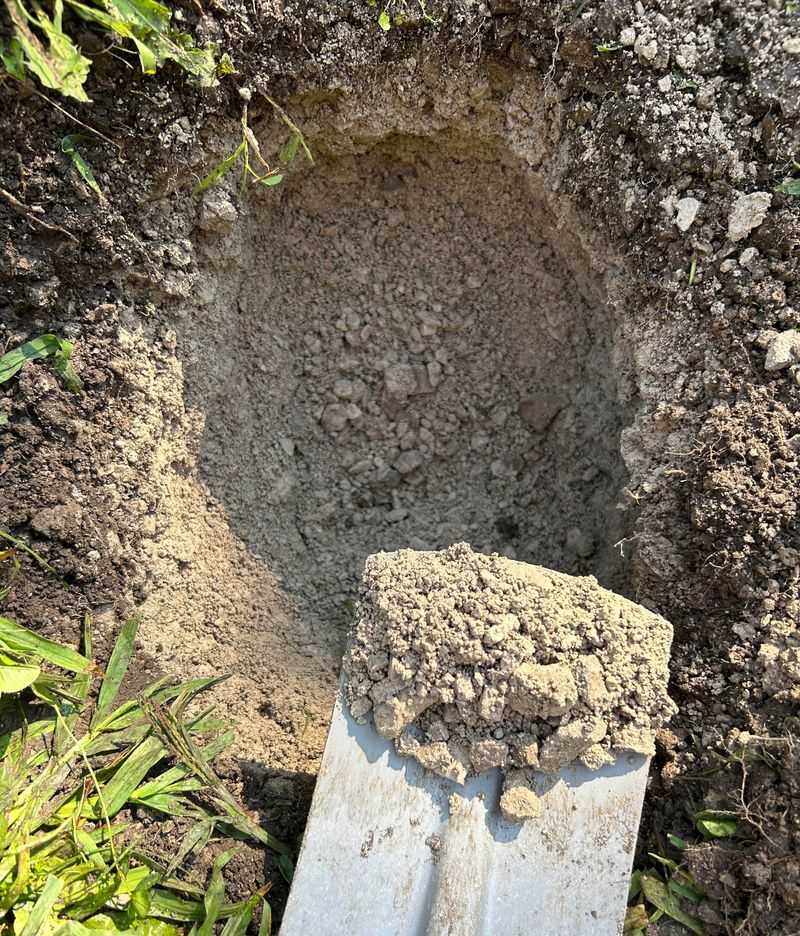
Somewhere along the way, the idea of adding gravel to the bottom of planting holes became common gardening advice. It sounds reasonable enough, like the gravel would help water drain away from roots faster.
In reality, the opposite tends to happen, and this is a mistake that shows up frequently in North Carolina clay gardens.
Soil physics explains the problem clearly. Water moving through soil does not automatically flow into a gravel layer below.
Instead, it tends to stay in the finer soil material above the gravel until that layer becomes completely saturated.
The technical term is a perched water table, and it means your plant roots end up sitting in standing water far longer than they would without any gravel present.
In North Carolina’s clay-heavy soils, this effect is even more dramatic because the native clay already drains slowly. Adding a gravel barrier amplifies the drainage problem rather than solving it.
Shrubs, trees, and perennials planted this way often show signs of root stress within the first season, struggling through wet periods and then wilting quickly when dry weather arrives.
Skip the gravel entirely and focus on improving the surrounding soil with organic matter instead. Backfilling planting holes with a mix of native clay and finished compost encourages roots to grow outward into improved soil.
That outward expansion builds a much stronger, healthier root system than any gravel layer ever could across the varied landscapes of North Carolina.
7. High-Nitrogen Fertilizer Without Testing
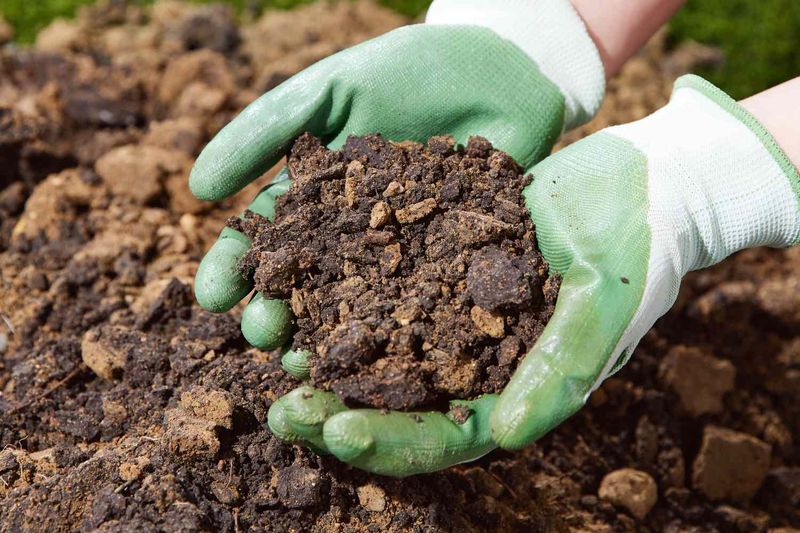
Nitrogen is the nutrient most associated with lush, green growth, and that makes high-nitrogen fertilizers very appealing when plants look pale or sluggish.
But in North Carolina clay soil, reaching for a high-nitrogen product without knowing what your soil already contains is a move that often backfires in surprising ways.
Clay particles hold onto nutrients tightly, which means nitrogen that was applied in previous seasons may still be present in your soil at significant levels.
Adding more on top creates an excess that pushes plants toward producing lots of leafy growth while actually reducing flower and fruit production.
If you have ever grown tomatoes that gave you enormous plants but barely any fruit, excess nitrogen is often the reason.
Too much nitrogen in clay soil also contributes to weaker root systems over time. Plants that are overfed above ground tend to put less energy into building deep, strong roots below ground.
In a soil type that already makes root development challenging, that tradeoff becomes a real problem through hot North Carolina summers when roots need to reach deep for moisture.
A simple soil test tells you exactly what nutrients are already present and what your specific plants actually need. Targeted fertilization based on test results is always more effective than guessing.
Many North Carolina gardeners are surprised to find their clay soil is already well-stocked with certain nutrients, making additional fertilizer not just unnecessary but actively working against their garden goals.