The Vegetables Michigan Gardeners Should Be Planting In May
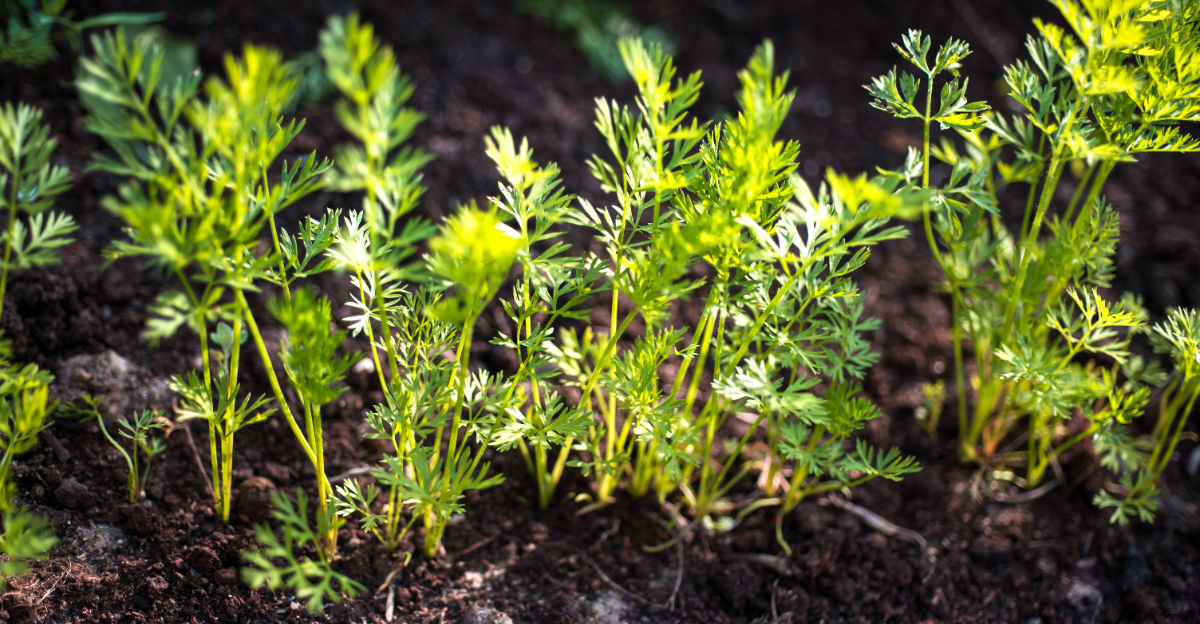
May is the month Michigan gardeners have been waiting for since the last frost pulled the season to a close. The calendar finally lines up with the climate, the soil has had time to warm up properly, and the window for getting productive vegetables in the ground is wide open.
Making the most of May planting matters more in Michigan than in warmer states, because every week of growing time counts when the season has a firm end point built in. The good news is that May offers more flexibility than most gardeners realize.
Some vegetables are ready to go in the ground as soon as the soil is workable, others need to wait until nighttime temperatures settle, and a few can be direct sown with impressive results when timing is right.
Knowing which category your vegetables fall into makes the difference between a productive summer garden and one that gets off to a slow, frustrating start.
These are the vegetables worth prioritizing in May and the timing details that help each one get established before the real heat of summer arrives.
1. Bush Beans (Phaseolus vulgaris)
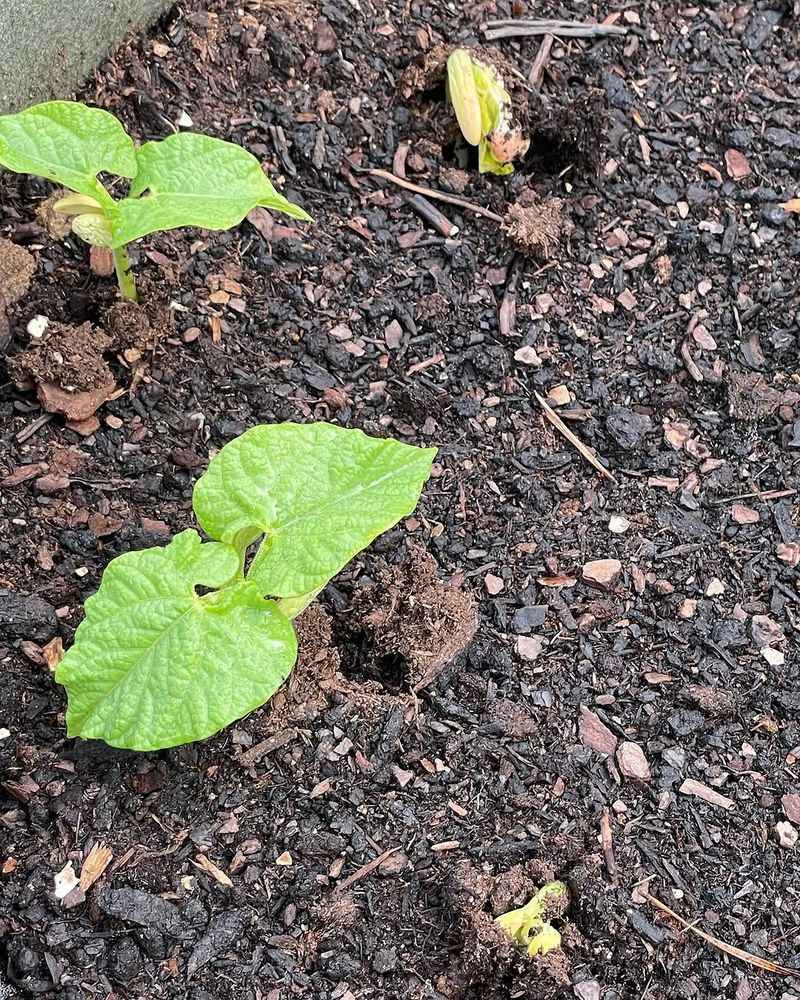
Few vegetables reward Michigan gardeners quite as quickly as bush beans. Once your soil hits around 60 degrees Fahrenheit, you can direct sow the seeds straight into the ground and watch them take off fast.
They are one of the most beginner-friendly crops you can grow, and they produce a generous harvest without much fuss.
Bush beans do not need a trellis or any climbing support, which makes them perfect for smaller garden spaces. Plant them in full sun with well-drained soil, and space the seeds about two to three inches apart in rows.
Water consistently, but avoid soaking the leaves, since wet foliage can invite problems.
Most varieties are ready to harvest in just 50 to 60 days, which fits perfectly inside Michigan’s growing season. You can even plant a second round in late June for a fall harvest.
They are packed with fiber and nutrients, making them a smart and healthy addition to any Michigan garden. Snap them fresh off the plant and enjoy them the same day for the best flavor you will ever taste from a homegrown vegetable.
2. Cucumbers (Cucumis sativus)
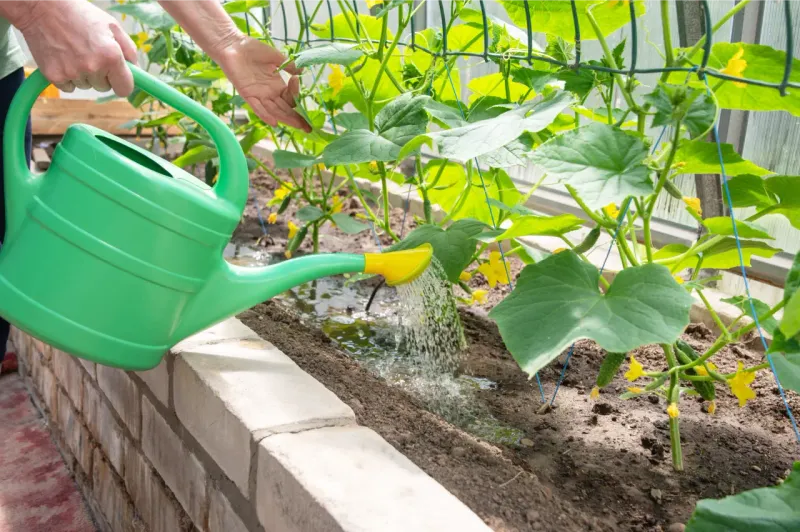
Cucumbers are one of those vegetables that just feel like summer, and Michigan gardeners get to enjoy them in full force when planted in May. Wait until after the last frost has passed and your soil has warmed up nicely before putting seeds or transplants in the ground.
Cold soil slows germination significantly and can stress young plants before they even get started.
Full sun is a must for cucumbers, so pick the sunniest spot in your Michigan garden. Adding a trellis is one of the smartest moves you can make because it keeps vines off the ground, improves airflow around the plant, and helps reduce the chance of foliar issues.
Vertical growing also saves space, which is a big bonus in smaller yards.
Cucumbers are thirsty plants and need consistent moisture, especially once they start producing fruit. Uneven watering can cause bitter-tasting cucumbers or misshapen fruit, so try to water at the base regularly.
Your Michigan Garden Changes Every Week. Your Plan Should Too.
Gardening in Michigan changes quickly throughout the season. Every Friday you’ll receive a simple weekly plan showing exactly what to plant, prune, fertilize, harvest, and protect so you never miss the right timing.
Michigan’s warm summer temperatures are actually ideal for cucumber production, and you can expect a steady harvest throughout July and into August. Slice them fresh, pickle them, or toss them into salads for a crisp and refreshing treat straight from your own backyard.
3. Zucchini (Cucurbita pepo)
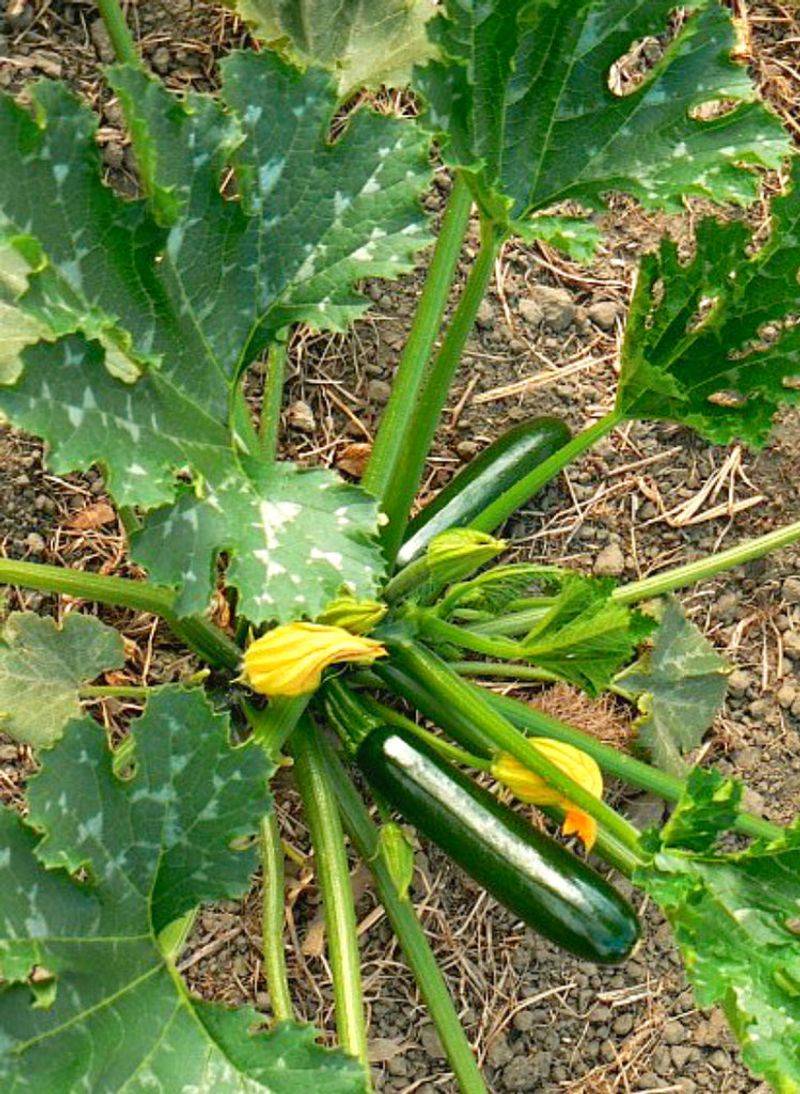
Ask any Michigan gardener about zucchini and they will probably laugh and tell you they had more than they knew what to do with. That is the beauty of this vegetable.
It is incredibly productive, easy to grow from seed, and gets established fast once the soil is warm and the sun is shining. Direct sowing in May gives zucchini exactly the warm conditions it needs to thrive.
Give each plant plenty of room to spread out because zucchini can get big quickly. A spacing of about three feet between plants is a good starting point.
Make sure the spot you choose gets full sun for most of the day, and keep the soil consistently moist without letting it become waterlogged. Mulching around the base helps retain moisture and keeps weeds from competing with your plants.
Zucchini grows so fast that you should check your plants every couple of days once they start producing. A fruit left on the vine too long can grow to an enormous size, and smaller zucchinis tend to taste much better anyway.
Michigan’s warm summers create ideal conditions for a bumper crop. Grill them, bake them into bread, or spiralize them for a healthy pasta alternative.
Once you grow your own, store-bought zucchini will never compare.
4. Sweet Corn (Zea mays)
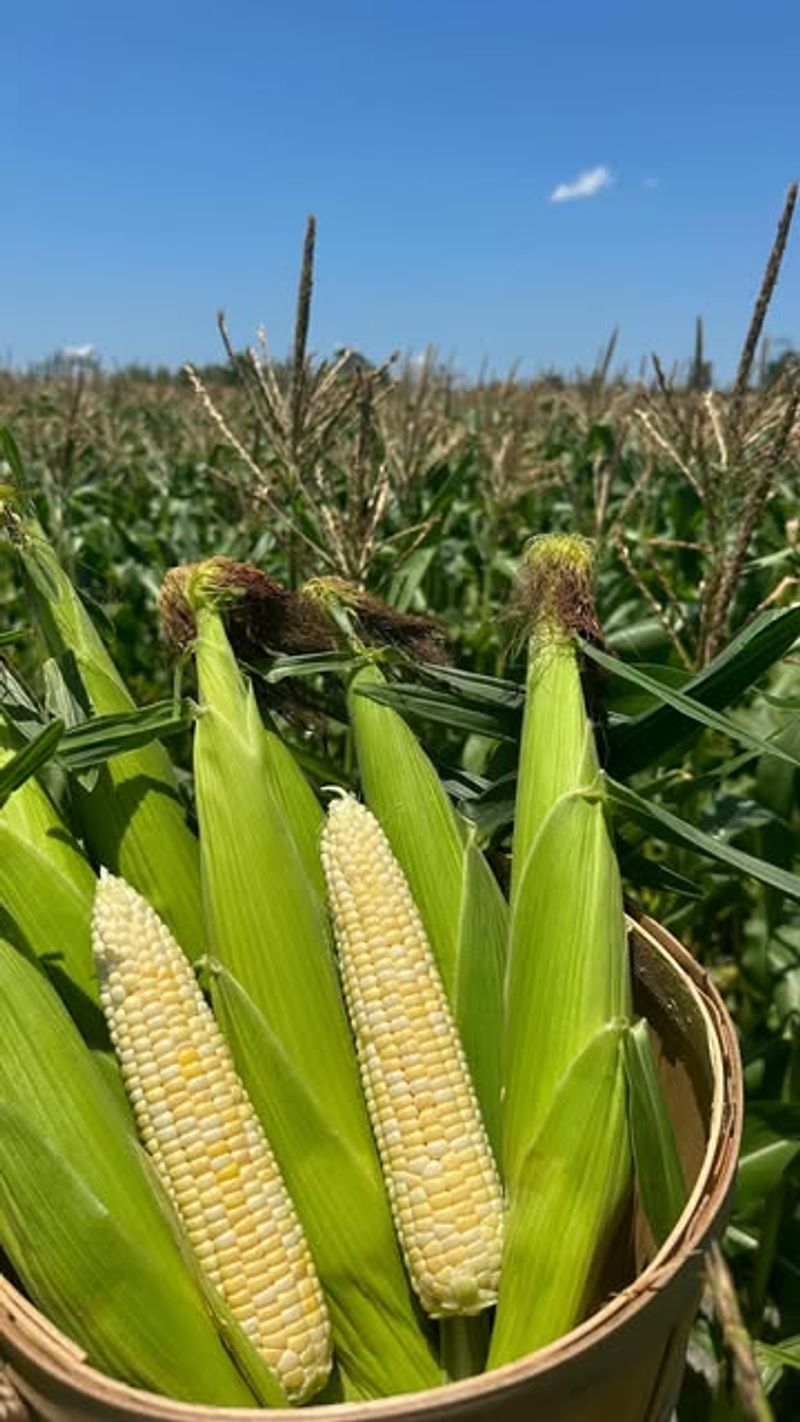
Nothing says Michigan summer quite like fresh sweet corn pulled straight from the stalk. Planting in late May, once the soil has warmed to at least 60 degrees, gives your corn the best possible start.
Cold soil delays germination and can cause seeds to rot before they even sprout, so patience in the early weeks of May really pays off.
One of the most important things to know about growing sweet corn is that it needs to be planted in blocks, not single rows. Corn is wind-pollinated, meaning the pollen from the tassels at the top needs to fall onto the silks below.
A block of at least four rows ensures proper pollination and full ears. Skipping this step often results in incomplete, patchy cobs that are disappointing to harvest.
Michigan’s growing season is long enough for most sweet corn varieties to fully mature before fall arrives. Most types are ready in 70 to 90 days, landing right in the heart of Michigan’s summer harvest window.
Keep the soil moist and feed with a nitrogen-rich fertilizer mid-season for the best results. When the silks turn brown and the kernels are plump and milky, it is time to harvest.
Eat it the same day for sweetness that store-bought corn simply cannot match.
5. Carrots (Daucus carota subsp. sativus)
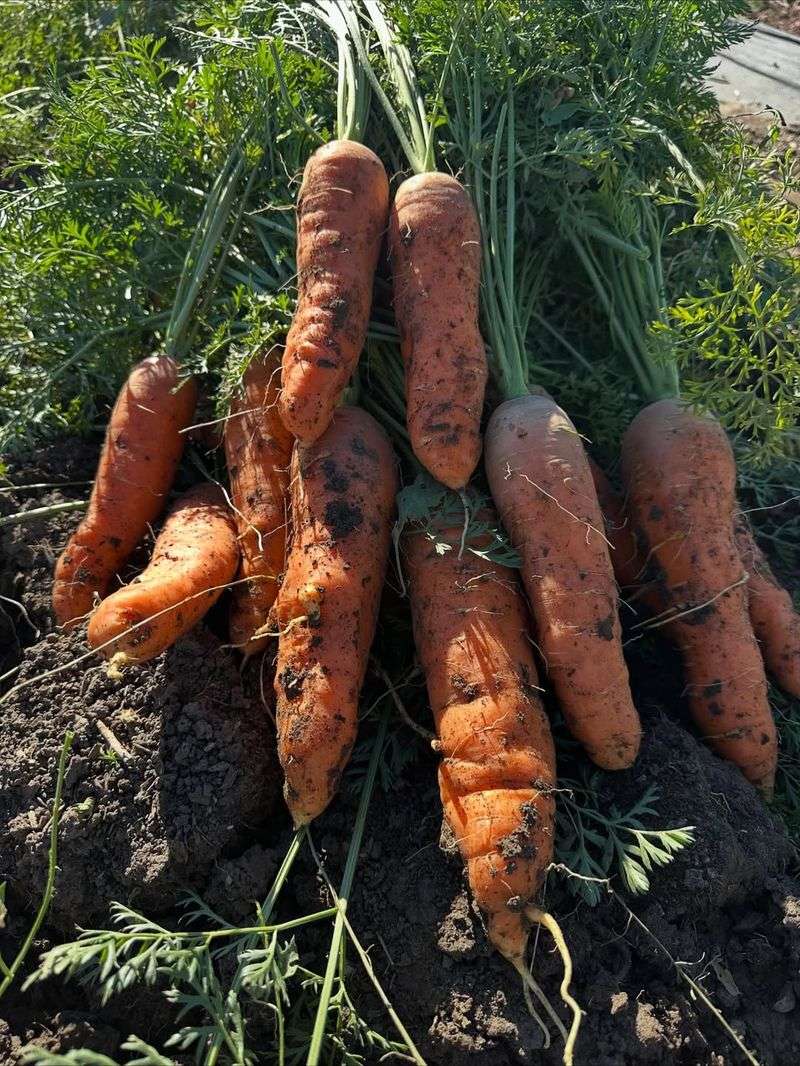
Carrots are one of those vegetables that look simple but have a few secrets to growing them well. The most important one is soil preparation.
Carrots need loose, deep, well-worked soil to develop long, straight roots without forking or stunting. Rocky or compacted soil in Michigan gardens is one of the top reasons carrots come out short and twisted, so loosen the bed to at least 12 inches before sowing.
May is a great time to direct sow carrot seeds in Michigan because the soil is warm enough to support germination while still leaving plenty of time for the roots to fully develop before fall. Sprinkle seeds thinly in rows and cover lightly with soil.
Keeping the surface consistently moist during germination is critical because carrot seeds are slow and will not push through dry, crusty ground.
Thin your seedlings once they reach about two inches tall so each plant has room to grow a proper root. Crowded carrots produce small, tangled results that are hard to harvest cleanly.
Michigan gardeners who take the time to thin properly are always rewarded with plump, flavorful roots. Carrots are also excellent for storing, so a May planting can give you a supply that lasts well into the cooler months ahead.
6. Beets (Beta vulgaris)
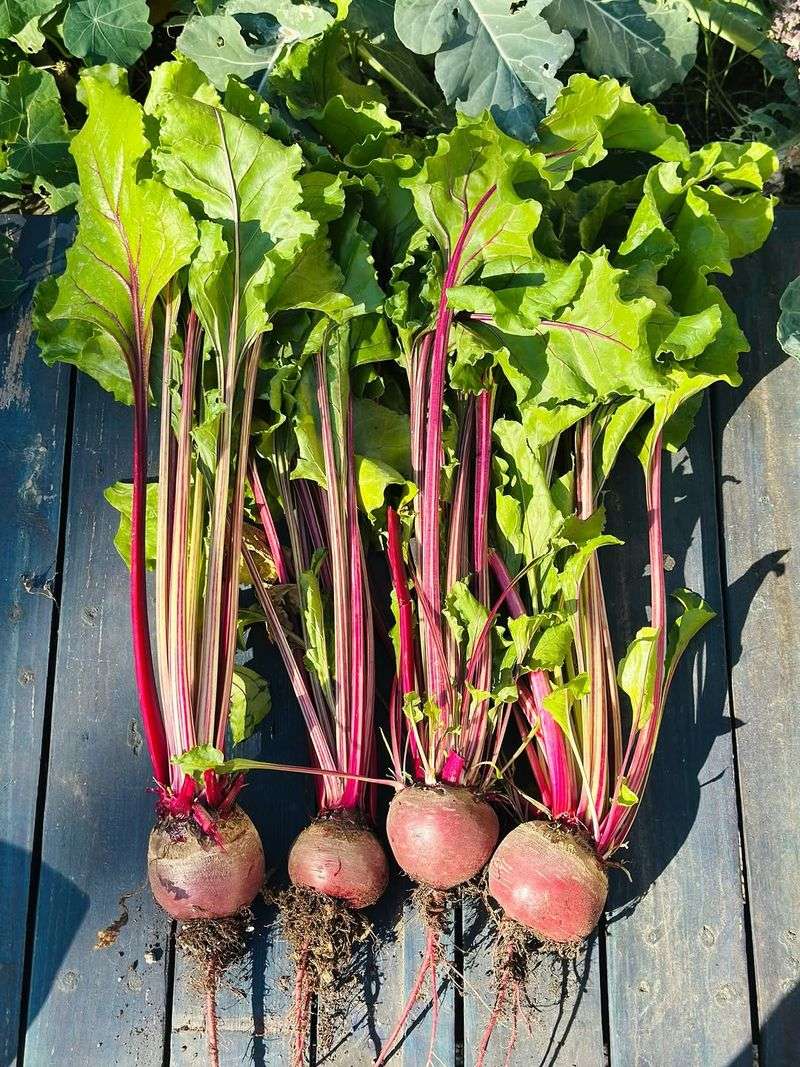
Beets are one of the most underrated vegetables a Michigan gardener can grow, and May is one of the best months to get them in the ground. They are adaptable, low-maintenance, and produce two edible parts: the sweet, earthy root and the tender leafy greens on top.
That double harvest makes them an incredibly smart use of garden space, especially in smaller Michigan yards.
Direct sow beet seeds about half an inch deep in loose, well-drained soil with full to partial sun. One thing many new gardeners do not realize is that a single beet seed is actually a cluster of seeds, meaning multiple seedlings often sprout from one spot.
Thin them out early so each plant has about three to four inches of space to develop a proper root. Skipping this step leads to overcrowded plants and tiny roots.
Most beet varieties are ready to harvest within 55 to 70 days, which fits comfortably within Michigan’s growing season when planted in May. Water regularly and evenly to prevent the roots from becoming tough or cracked.
Roast them with olive oil, toss the greens into a stir-fry, or pickle the roots for a tangy treat that lasts for weeks. Beets are packed with vitamins and antioxidants, making them one of the most nutritious crops in any Michigan garden.
7. Summer Squash (Cucurbita pepo)
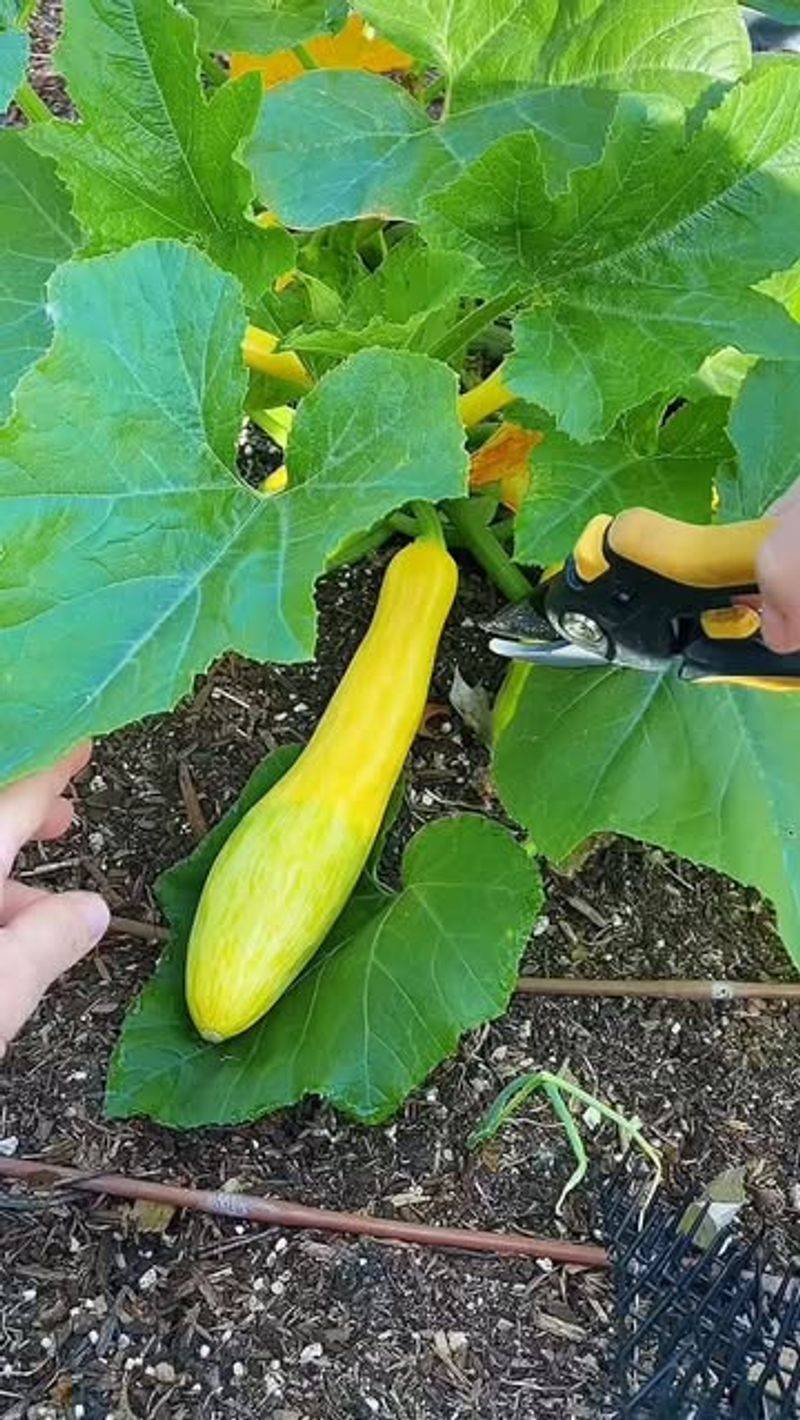
Summer squash, including popular yellow crookneck and straightneck varieties, is one of the fastest-producing vegetables you can put in a Michigan garden in May.
Warm soil is the key to a strong start, so wait until nighttime temperatures stay consistently above 50 degrees before direct sowing seeds.
Once the conditions are right, summer squash practically grows itself with minimal effort from you.
Spacing matters a lot with summer squash because the plants get wide and bushy quickly. Give each plant at least two to three feet of room on all sides so air can circulate freely and the leaves stay dry.
Full sun is non-negotiable for a strong harvest. Michigan summers provide exactly the kind of long, warm days that summer squash absolutely loves, and the plants respond by producing fruit at a rapid and satisfying pace.
Check your plants every day or two once they start producing because summer squash grows surprisingly fast. Harvesting the fruits when they are small, around six to eight inches long, keeps the plant focused on producing more.
Leaving fruits on the vine too long signals the plant to slow down production. Grill summer squash with a little seasoning, saute it with garlic, or shred it into fritters for a crispy side dish that highlights everything great about growing your own food in Michigan.