The Best Dwarf Evergreen Shrubs That Actually Work In Small Michigan Landscapes
Small landscapes present a specific challenge that full sized plants make worse every single year.
What looks manageable at the nursery has a way of outgrowing its space faster than expected, and suddenly you are pruning constantly or pulling out shrubs that never quite fit the spot they were planted in.
Dwarf evergreen shrubs solve that problem in a way few other plants can, offering year round structure and color without the maintenance spiral that comes with larger varieties. For Michigan gardeners, the evergreen element carries extra weight.
Winters here are long, and the plants that hold color and form through snow and cold do more for a landscape during the difficult months than anything that goes dormant and disappears until spring.
The key is finding dwarf varieties that are genuinely cold hardy and actually stay compact in Michigan’s climate rather than slowly creeping beyond their promised size.
These shrubs were chosen because they deliver on that promise, fitting small spaces beautifully while handling everything a Michigan winter can send their way.
1. Dwarf Eastern White Pine (Pinus strobus Dwarf Cultivars)
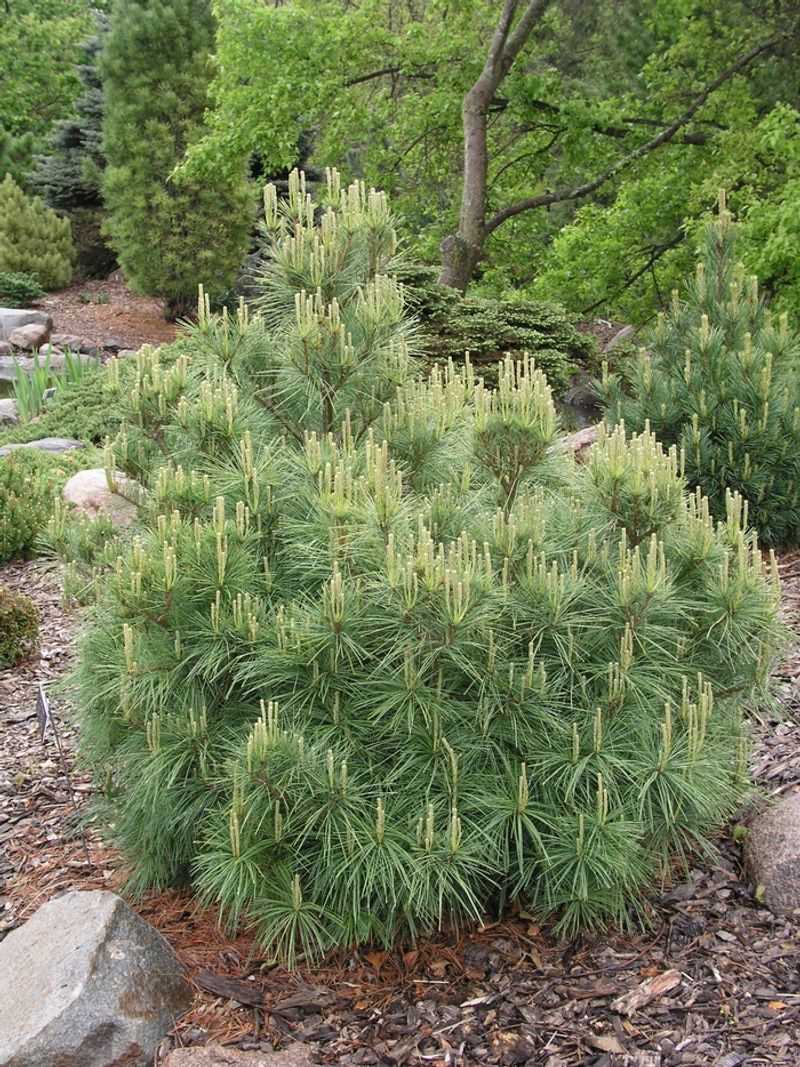
Few plants carry the spirit of Michigan quite like the Eastern White Pine, and its dwarf cultivars bring that same wild beauty down to a size that actually fits your yard.
These compact forms grow slowly and stay manageable, making them a smart pick for foundation plantings, corner beds, or small garden borders across the state.
Unlike the towering full-size tree, dwarf cultivars like ‘Nana’ or ‘Horsford’ top out at just two to four feet over many years.
Plant yours in a spot that gets full sun to part sun, and make sure the soil drains well. Eastern White Pine really struggles in wet, compacted clay, which is common in some parts of Michigan, so amending your soil before planting goes a long way.
Adding organic matter like compost helps loosen dense soil and improves drainage noticeably.
The soft, blue-green needles give this shrub a feathery, airy texture that looks elegant alongside boulders, ornamental grasses, or low perennials. Once established, these plants handle Michigan winters without much fuss at all.
Watering regularly during the first couple of growing seasons helps roots settle in strong. After that, they are surprisingly low maintenance and reward you with year-round evergreen color that never goes out of style in any Michigan landscape.
2. Dwarf Eastern Hemlock (Tsuga canadensis Dwarf Cultivars)
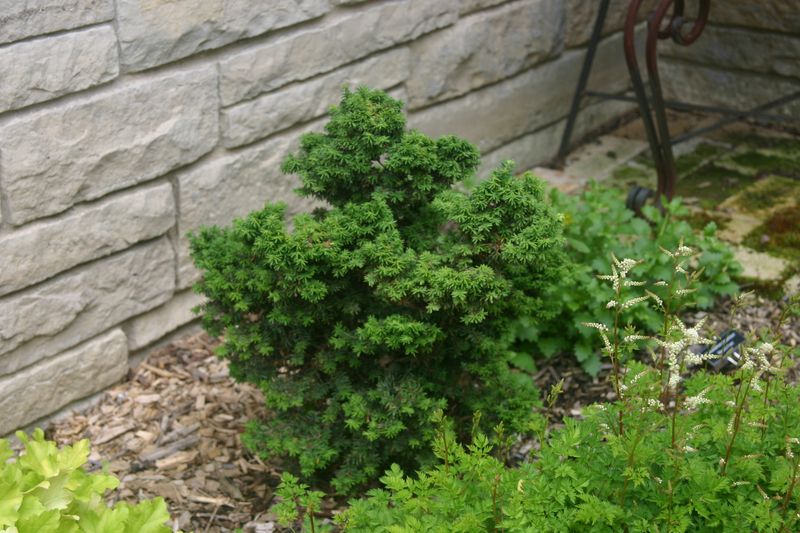
Gardeners with shady yards often feel stuck when it comes to finding evergreens that actually perform well, but Dwarf Eastern Hemlock is one of the best-kept secrets in Michigan landscaping.
Native to the state, this plant thrives in conditions where most other shrubs give up, making it a genuine game-changer for tricky spots under tree canopies or along north-facing foundations.
Compact cultivars like ‘Jeddeloh’ and ‘Cole’s Prostrate’ stay beautifully small and tidy for years.
Eastern Hemlock prefers cool, moist, well-drained soil and really benefits from some protection against drying winter winds, which can be brutal across much of Michigan.
Your Michigan Garden Changes Every Week. Your Plan Should Too.
Gardening in Michigan changes quickly throughout the season. Every Friday you’ll receive a simple weekly plan showing exactly what to plant, prune, fertilize, harvest, and protect so you never miss the right timing.
Planting it near a fence, wall, or taller shrubs on the windward side makes a real difference in how well it performs through cold months.
Mulching around the base also helps retain soil moisture during dry summer stretches.
The fine, dark green needles and graceful, slightly drooping branch tips give this shrub a soft, almost woodland feel that pairs beautifully with ferns, hostas, and native wildflowers. It grows slowly, which means less trimming and more enjoying.
For Michigan homeowners who want a low-maintenance evergreen that handles shade like a champion, Dwarf Eastern Hemlock is absolutely worth adding to your landscape plan this season.
3. Inkberry Holly (Ilex glabra Compact Cultivars)
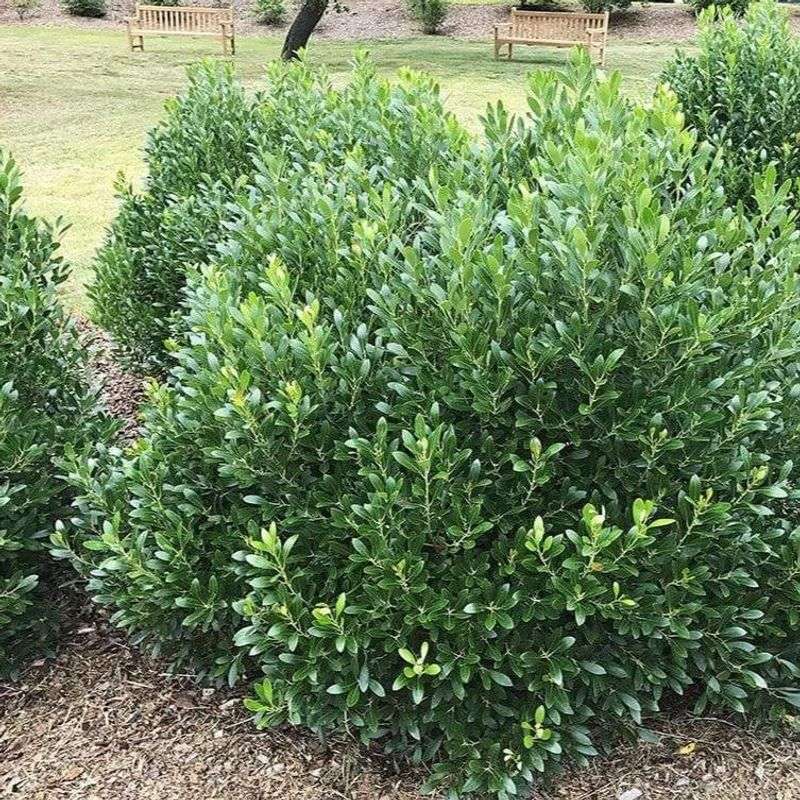
There is something quietly bold about Inkberry Holly that makes it stand out in any Michigan landscape.
While most people think of holly as a holiday decoration, compact cultivars of Ilex glabra are hardworking, four-season shrubs that bring structure, glossy foliage, and even wildlife value to small garden spaces.
Birds absolutely love the small black berries that appear in late summer and persist well into winter, adding life to your yard when everything else looks bare.
Inkberry Holly is native to the eastern United States and performs reliably across much of Michigan when planted in the right spot. It thrives in acidic, moist, well-drained soil and handles both full sun and partial shade without complaint.
Compact cultivars like ‘Shamrock’ and ‘Gem Box’ stay in the two to three foot range, making them ideal for foundation beds, rain gardens, or tight border plantings where space is limited.
One of the best things about this shrub is how tidy it looks throughout the year with very little effort on your part. The glossy, dark green leaves hold their color through Michigan winters and give the landscape a polished, finished appearance even in January.
If you want a native evergreen with real personality and practical benefits, Inkberry Holly earns its place in any small Michigan yard without question.
4. Dwarf Mugo Pine (Pinus mugo Dwarf Cultivars)
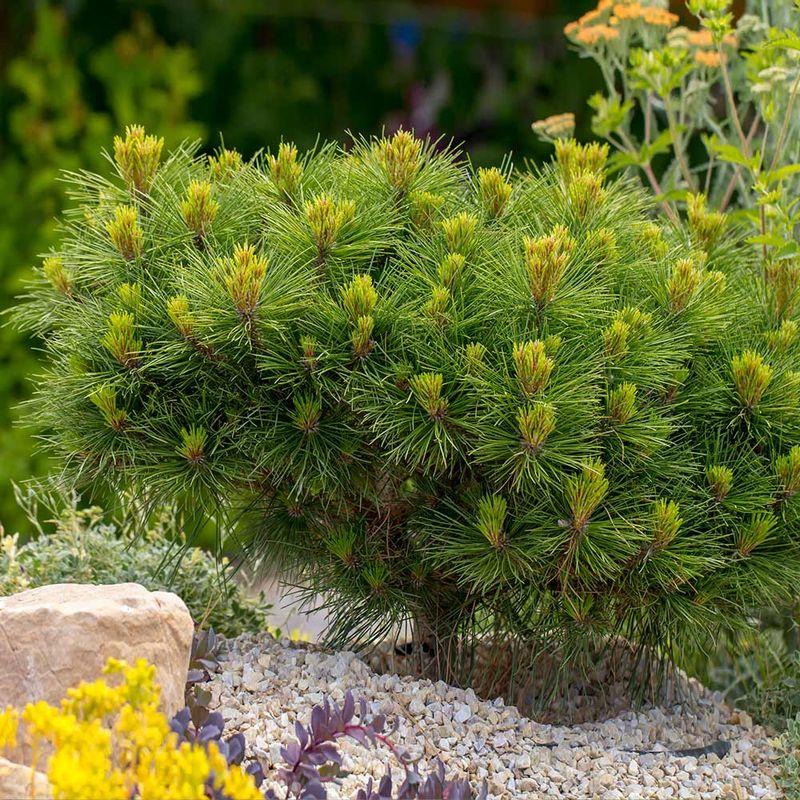
Tough, compact, and almost impossible to rattle, Dwarf Mugo Pine is the kind of shrub that Michigan gardeners come back to again and again.
Originally from the mountains of Central Europe, this non-native pine has proven itself across decades of cold Michigan winters, hot summers, and everything in between.
Its ability to handle tough conditions without missing a beat makes it one of the most reliable choices for small landscapes anywhere in the state.
The key to success with Mugo Pine is choosing a true dwarf cultivar, because standard Mugo Pines can grow much larger than most people expect and quickly outgrow small spaces.
Look for cultivars like ‘Mops’ or ‘Slowmound,’ which stay nicely rounded and compact, typically reaching only two to three feet tall and wide over many years.
Plant in full sun with average, well-drained soil for the best results.
Mugo Pine looks sharp in rock gardens, along driveways, or anchoring the corners of a foundation bed where you need a bold, evergreen presence that requires almost no maintenance.
The dense, dark green needles hold their color beautifully through Michigan winters and give the plant a rich, full look year-round.
For gardeners who want durability without drama, this shrub delivers exactly that, season after season, without needing much attention from you at all.
5. Bird’s Nest Spruce (Picea abies ‘Nidiformis’)
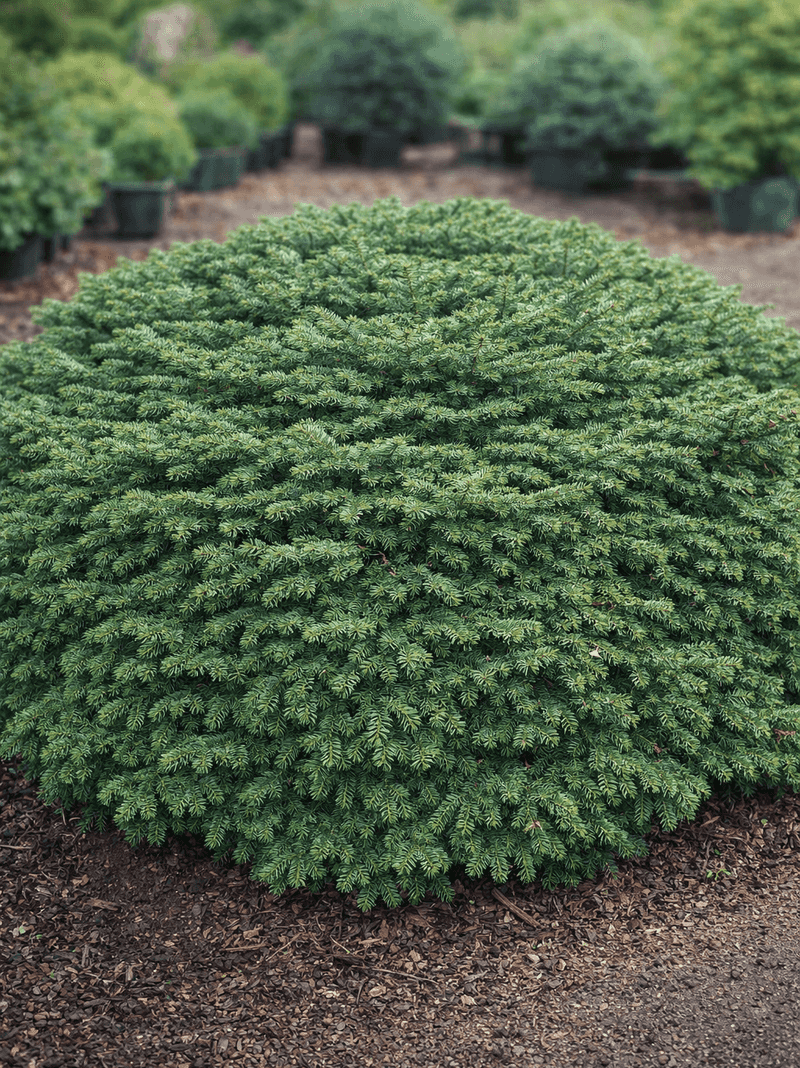
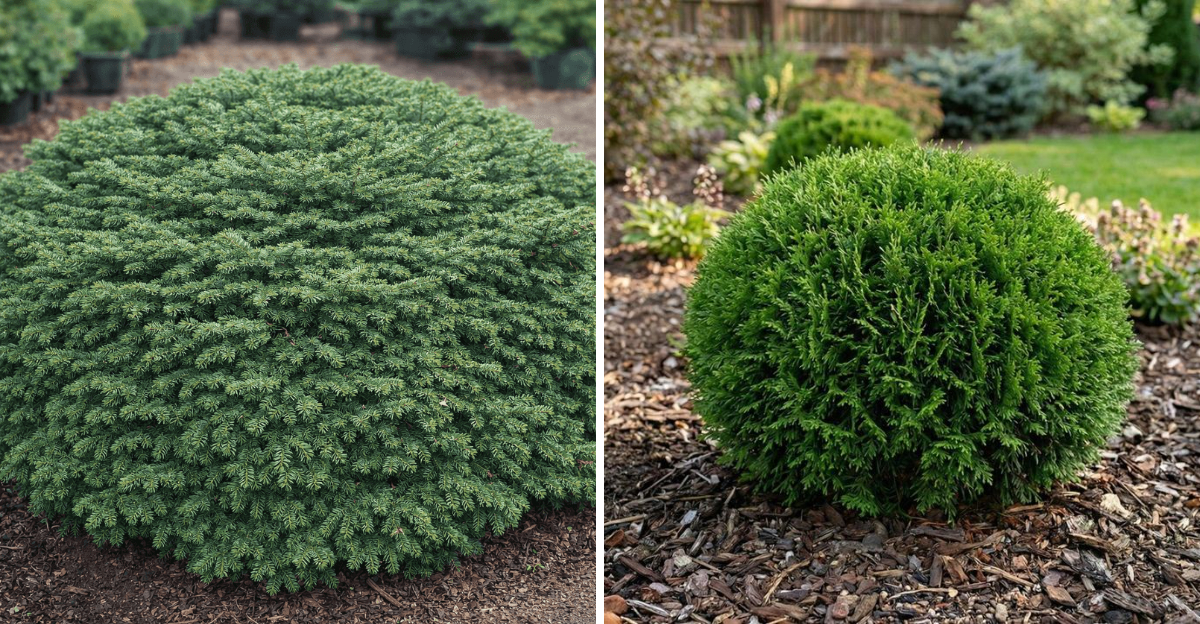
Named for the natural bowl-shaped depression that forms right at its center, Bird’s Nest Spruce is one of the most distinctive-looking compact evergreens you can add to a Michigan landscape.
That hollow, nest-like shape in the middle is not a flaw at all but actually a natural growth habit that makes this spruce instantly recognizable and genuinely interesting to look at from any angle.
It grows very slowly, usually reaching only three to five feet tall and wide over many years.
Picea abies ‘Nidiformis’ is a non-native selection of Norway Spruce, but it has a long, proven track record in Michigan gardens and handles the state’s cold winters without any trouble.
Full sun and good soil drainage are the two most important things this plant needs to stay healthy and looking its best.
Avoid planting it in low spots where water tends to collect after heavy rain, since wet roots can cause problems over time.
Bird’s Nest Spruce works beautifully in foundation beds, small front yards, or as a focal point in a mixed shrub border where you want something with a unique, sculptural quality.
The dense, dark green needles stay rich and full through every season, adding great texture and depth to any planting.
For Michigan homeowners who want a slow-growing, low-maintenance showpiece, this spruce is a genuinely smart and stylish pick.
6. Dwarf Globe Arborvitae (Thuja occidentalis Compact Cultivars)
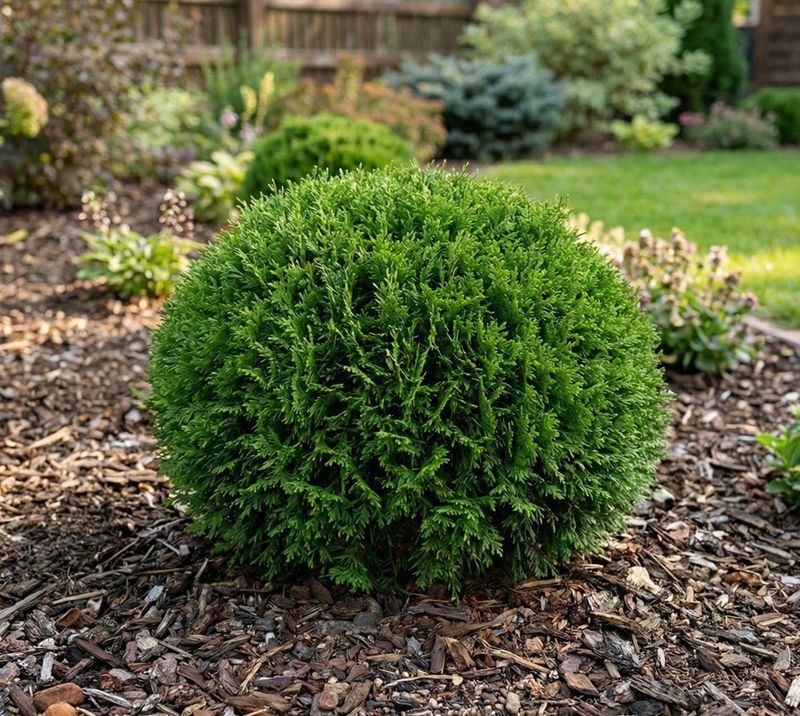
Round, tidy, and packed with year-round green color, Dwarf Globe Arborvitae is one of the most popular compact evergreens in Michigan for good reason.
Thuja occidentalis is actually native to the state, and its many compact cultivars have been winning over homeowners and landscapers alike for generations.
Cultivars like ‘Hetz Midget,’ ‘Woodwardy,’ and ‘Little Giant’ stay naturally globe-shaped without much pruning, which is a huge time-saver for busy homeowners across Michigan.
This shrub performs best in full sun to part sun and appreciates consistent moisture, so watering during dry stretches in summer keeps it looking its best.
Good airflow around the plant also matters, since dense plantings with poor air circulation can sometimes lead to browning inside the foliage during hot, humid Michigan summers.
Spacing plants properly from the start prevents most of those issues before they begin.
One honest thing worth knowing is that deer find Arborvitae very appealing, and in areas of Michigan with heavy deer pressure, browsing can be a real challenge.
Using deer repellent spray during fall and winter, or installing protective fencing around young plants, helps significantly.
Despite that one challenge, Dwarf Globe Arborvitae remains a top choice for Michigan small landscapes because it is affordable, widely available at local nurseries, and delivers reliable evergreen structure that looks polished and intentional in any yard.