The Peony Care Jobs Michigan Gardeners Should Tackle In Spring For Explosive Blooms

Peonies are one of Michigan’s most beloved garden plants, and the springs that produce full, fragrant blooms worth stopping to look at do not happen by accident.
What you do early in the season sets the foundation for everything that follows, and Michigan’s unpredictable spring weather makes that timing more important than general gardening guides tend to acknowledge.
Cold snaps arrive late, soil takes longer to warm in some parts of the state, and getting ahead of the growth curve gives your peonies a real advantage before summer heat kicks in.
Most gardeners water and wait, but the ones with the most impressive blooms are tackling a handful of specific care tasks right now that make a measurable difference come flowering time.
Skipping these jobs does not always show up immediately, but it tends to show up in fewer blooms, weaker stems, or plants that underperform year after year without an obvious reason why.
1. Check Planting Depth For Healthy Blooms
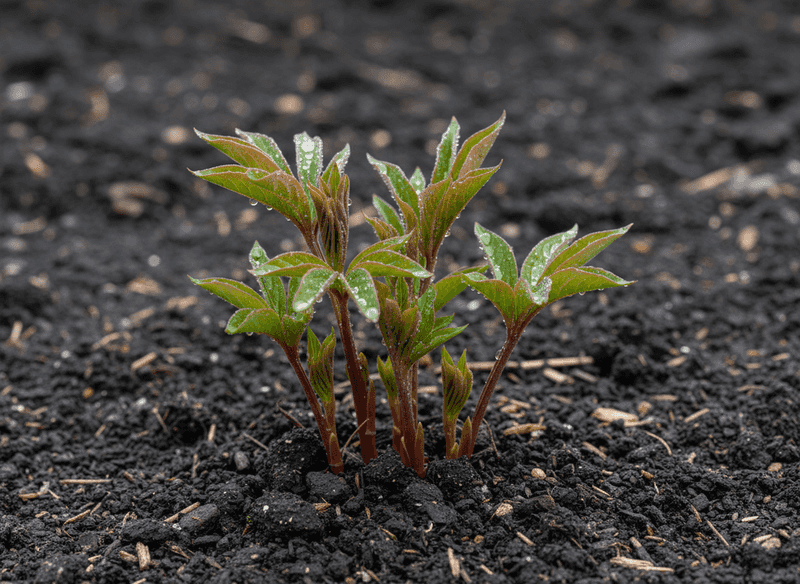
One of the sneakiest reasons Michigan peonies refuse to bloom is something most gardeners never think to check: planting depth.
The fleshy roots of a peony, specifically Paeonia lactiflora, need their buds, called eyes, sitting just one to two inches below the soil surface.
Go much deeper than that, and your plant will put out beautiful leafy growth every year without a single flower to show for it.
Spring is the perfect time to investigate this because the soil is soft, workable, and easy to dig into without causing harm.
Carefully scrape back a little soil around the base of each plant and look for those reddish-pink buds pushing upward.
If the eyes are buried more than two inches down, gently lift the root clump and reset it at the correct depth before the growing season fully kicks in.
Michigan gardeners deal with heavy clay soils in many regions, and those soils can actually shift roots deeper over time as they settle.
It is worth checking even established plants every few years just to be sure.
Catching a depth problem in spring gives you the whole season to enjoy the results, and once your peonies are sitting at the right level, those blooms will come back reliably year after year with very little fuss.
2. Remove Winter Mulch Gradually As Soil Thaws
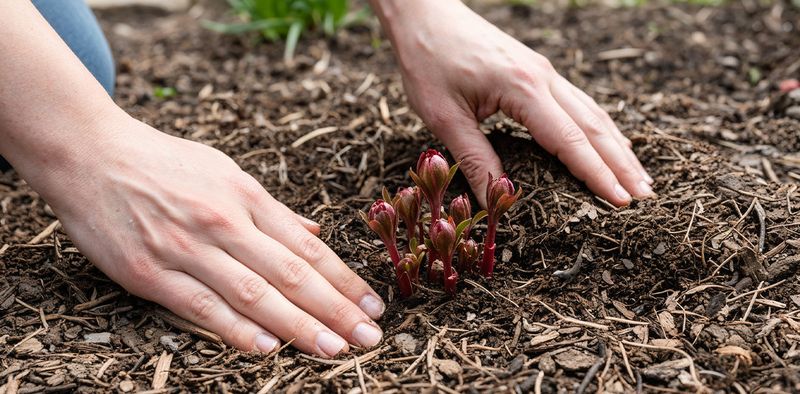
Timing really is everything when it comes to pulling back winter mulch from your peonies in Michigan.
Leaving it on too long traps moisture and heat, which can encourage rot and fungal problems right when your plants are most vulnerable.
But yanking it off all at once during a cold snap can expose tender new shoots to a hard freeze that sets everything back.
The sweet spot is to start removing mulch gradually in early to mid-spring, usually sometime in late March or early April depending on where you are in Michigan.
Begin by pulling back just a portion of the mulch on warmer days, then remove the rest once nighttime temperatures stay consistently above freezing.
Your Michigan Garden Changes Every Week. Your Plan Should Too.
Gardening in Michigan changes quickly throughout the season. Every Friday you’ll receive a simple weekly plan showing exactly what to plant, prune, fertilize, harvest, and protect so you never miss the right timing.
This slow approach lets the soil warm up naturally while still protecting shoots from any surprise frost.
Once the mulch is off, do not just toss it away. Use it to top-dress other garden beds or compost it, so nothing goes to waste.
Clearing the area around emerging peony shoots also helps you spot problems early, like crowded growth or signs of botrytis blight, which is a common fungal issue in Michigan springs.
Good air circulation starts right here at the base of the plant, and that simple step of gradual mulch removal gives your peonies a clean, healthy start to the whole growing season ahead.
3. Clear Out Old Foliage From Last Season
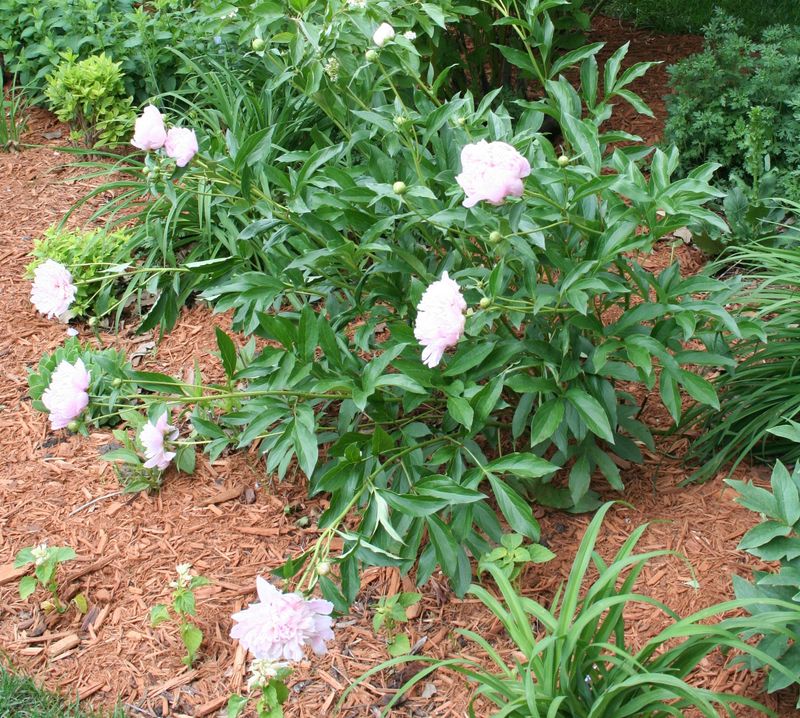
Old peony stems and leaves left over from last fall are more than just an eyesore in spring. They can harbor fungal spores, especially botrytis blight, which thrives in Michigan’s cool and damp spring conditions.
Cleaning up that leftover debris before new growth really gets going is one of the highest-impact things you can do for your plants all season long.
Grab a pair of clean, sharp pruners and cut old stems down to just an inch or two above the soil line.
Bag up all the clippings and send them out with yard waste rather than adding them to your compost pile.
Because fungal spores can survive composting and come right back to cause problems next year, getting that material completely off your property is the smarter move.
After clearing the bed, take a moment to look at the soil surface around each plant. You might notice crowded shoots, signs of early pest activity, or areas where drainage looks questionable.
Michigan springs can bring heavy rainfall for weeks at a time, so spotting drainage issues now helps you address them before they cause root problems.
A clean, tidy peony bed also just feels great to work in, and starting fresh each spring sets a positive tone for everything that comes next in the garden.
Your future self, standing in front of those massive blooms, will absolutely thank you for taking this step.
4. Install Plant Supports Before Stems Get Tall
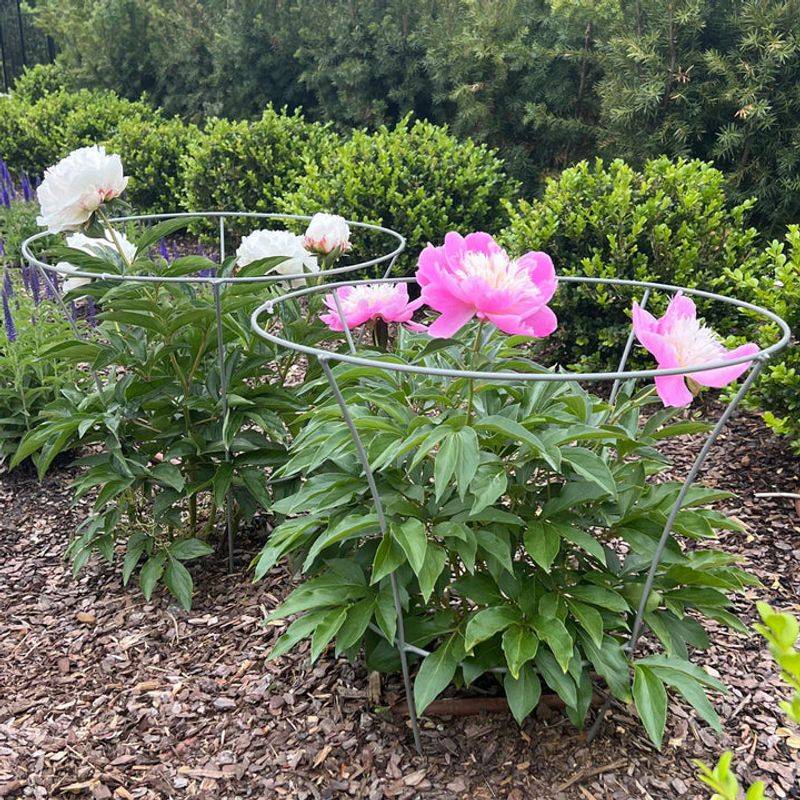
Peony stems are gorgeous but notoriously floppy, and Michigan spring storms do not help matters at all.
A single heavy rain or strong wind can send your entire plant sprawling across the garden bed just as it reaches peak bloom.
The trick that experienced Michigan gardeners swear by is getting supports in place early, before the stems have a chance to grow tall and set their shape.
Peony rings, also called grow-through supports, are the most popular option and for good reason.
You simply set them over the clump when the shoots are only a few inches tall, and as the plant grows up through the grid, the stems naturally find their own support without any tying or fussing.
By the time bloom season arrives, the whole plant holds itself upright as if it was always meant to stand that way.
Look for sturdy, rust-resistant metal rings that will last for many seasons. Bamboo stakes with soft twine also work well if you prefer a more natural look in your garden.
Whatever style you choose, the key is installation timing. Waiting until stems are already long and leaning means you will be forcing them into awkward positions, which can cause damage.
In Michigan, where late May and June bring unpredictable weather, early support installation is truly one of the smartest and simplest habits you can build into your spring garden routine.
5. Apply A Light Fertilizer Only When Needed
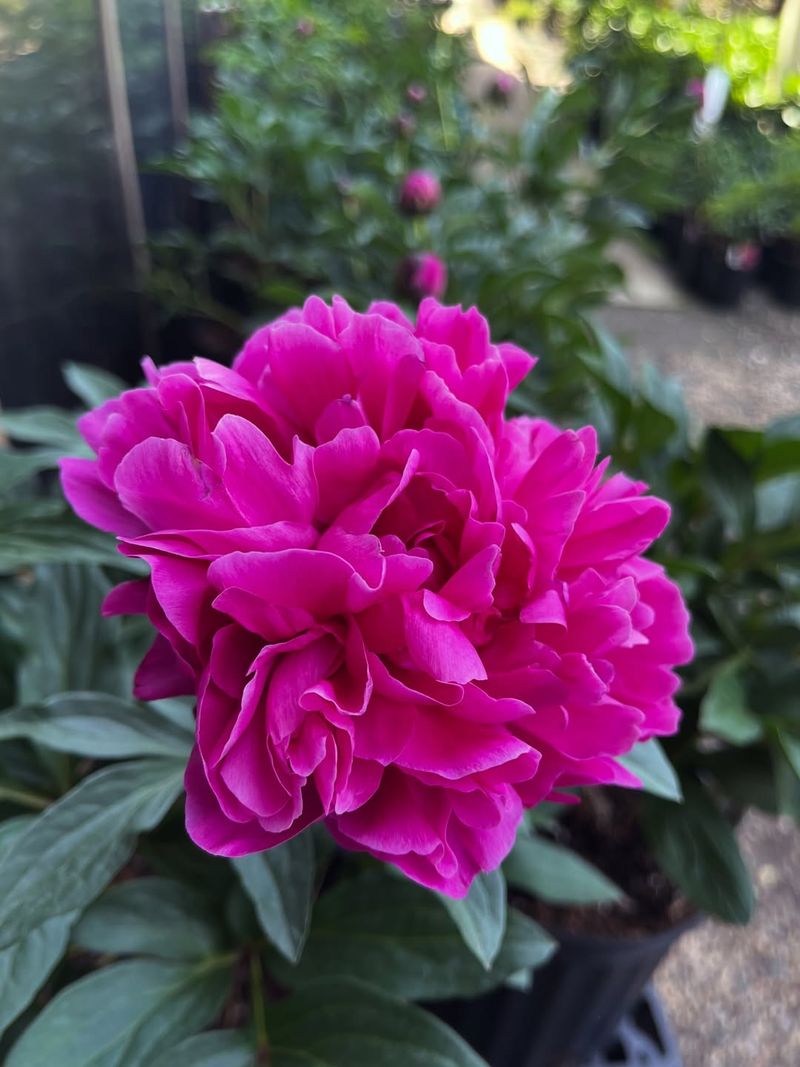
Fertilizing peonies is one of those garden tasks where less is genuinely more.
These plants are surprisingly self-sufficient, and throwing too much fertilizer at them, especially anything high in nitrogen, pushes the plant toward producing big, lush leaves at the direct expense of flowers.
If your Michigan soil is already reasonably healthy, your peonies may not need supplemental fertilizing at all.
That said, if a soil test reveals low phosphorus or potassium levels, a light application of a balanced fertilizer in early spring can give plants a helpful nudge.
Look for a product with a balanced or slightly lower nitrogen ratio, something like a 5-10-10 or similar formula.
Apply it lightly around the drip line of the plant rather than right up against the stems, then water it in well so nutrients can start moving toward the roots.
Michigan gardeners who garden in sandy soils, which are common in the western part of the state, may find their peonies benefit from light feeding more often than those gardening in rich loam.
Getting a soil test through Michigan State University Extension is genuinely worth the small investment because it takes all the guesswork out of the process.
Feed your peonies based on what the soil actually needs rather than habit, and you will see the difference clearly in the quality and quantity of blooms come late spring and early summer.
6. Make Sure Your Peonies Get Enough Sun

Peonies are sun lovers through and through, and Michigan gardens give them a fantastic opportunity to soak up the light they crave.
For a truly spectacular bloom show, your plants need at least six hours of direct sunlight each day, and honestly, more is better.
Shady spots might seem like they are protecting your plants, but reduced sunlight is one of the most common reasons Michigan peonies underperform year after year.
Spring is the right time to take a critical look at the sun exposure your peony beds are actually getting.
Walk your yard at different times of day and observe where shade falls and for how long. Trees that were small when you planted your peonies may have grown significantly and now cast shadows that were not there before.
If a bed is getting consistently less than six hours, it might be time to consider transplanting those roots to a sunnier spot. Full sun in Michigan also plays an important role in plant health beyond just flowering.
More sunlight means foliage dries out faster after rain or dew, which cuts down on fungal disease pressure significantly.
Botrytis blight and other common peony problems thrive in cool, damp, shaded conditions, so positioning your plants where sunshine can reach them freely is a smart preventive strategy.
A sunny location paired with good air circulation is truly the foundation of a healthy, floriferous peony planting in Michigan.
7. Improve Airflow Around Each Plant

Crowded peonies are unhappy peonies, and Michigan’s famously humid late spring weather makes the problem even worse.
When plants are packed too close together, foliage stays wet for hours after rain or morning dew, and that lingering moisture is exactly what fungal diseases like botrytis thrive on.
Giving each peony plant enough breathing room is one of the most underrated care steps you can take.
Standard spacing recommendations call for about three to four feet between peony plants, and that guideline exists for good reason.
At that distance, air can circulate freely around and between the stems, helping leaves and buds dry out much faster after wet weather.
If your existing plants are growing too close together, spring, before they reach full size, is the best time to assess the situation and plan any adjustments. Beyond spacing, think about what else is growing nearby.
Tall shrubs, fences, or dense perennials planted right next to your peonies can block airflow just as effectively as crowded spacing.
Trim back neighboring plants if needed, or consider relocating smaller companion plants to give your peonies more room to breathe.
Michigan gardeners who take airflow seriously tend to deal with far fewer disease problems, and their plants look noticeably healthier and more vigorous all season long.
A little thoughtful spacing now pays off in cleaner foliage, stronger stems, and blooms that look absolutely stunning from the first bud to the last petal.
8. Water Consistently But Watch For Soggy Soil
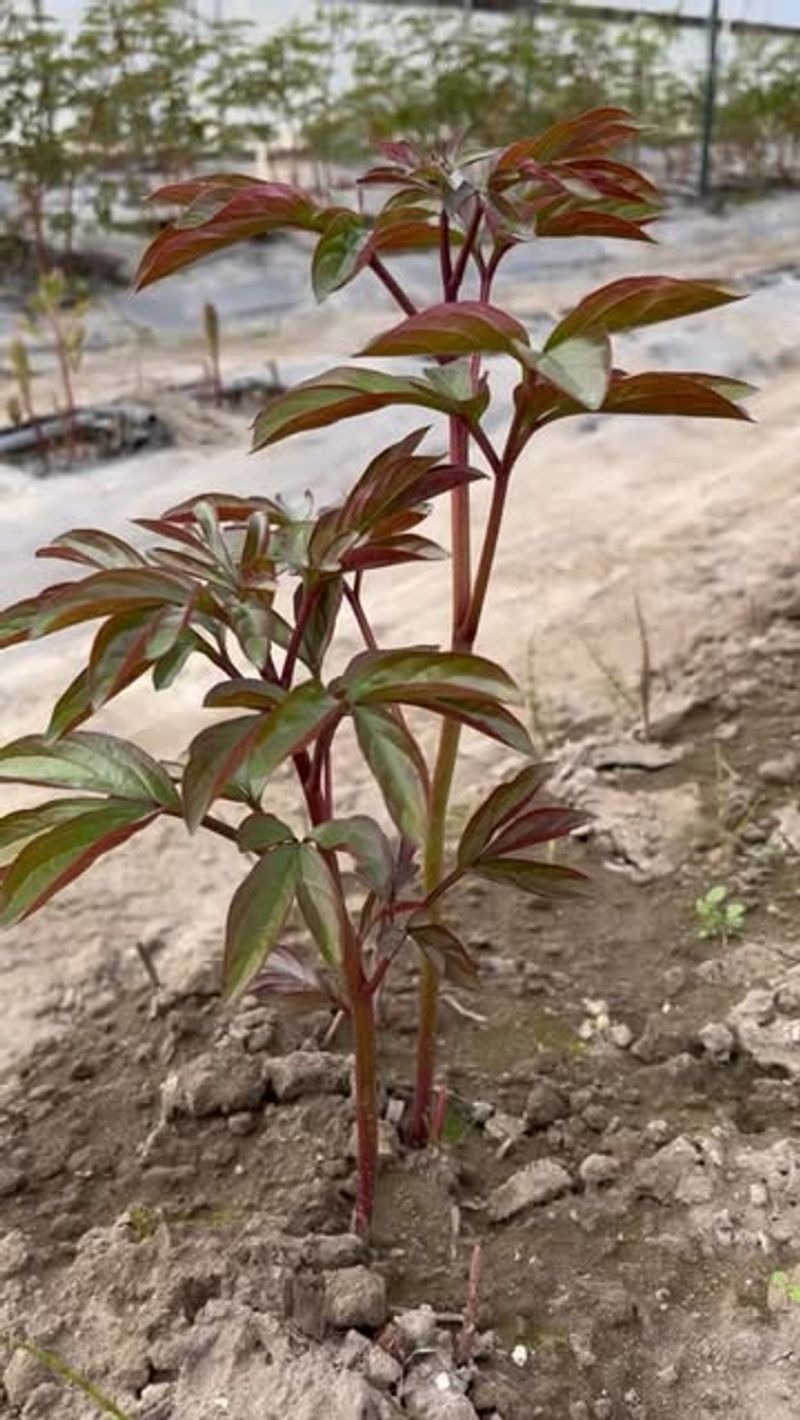
Water is essential for peonies during their active spring growth, but too much of it can cause just as many problems as too little.
Michigan springs are often generous with rainfall, and some years the real challenge is not watering enough but making sure your soil drains properly between rain events.
Roots sitting in waterlogged soil for extended periods can develop rot, and once that happens, recovery is difficult and slow.
Aim to keep the soil evenly moist during the period when peonies are pushing up new growth and developing buds.
If rainfall is consistent and your soil holds moisture reasonably well, you may not need to water at all during a typical Michigan spring.
In drier stretches or in sandy soils that drain quickly, supplement with deep, infrequent watering sessions rather than shallow, frequent sprinkles.
Deep watering encourages roots to grow downward, making plants more resilient. Pay attention to how your soil behaves after a heavy rain.
If water pools around your peony plants for more than a few hours, that is a sign your drainage needs improvement.
Mixing in compost or coarse organic matter can help loosen compacted soil and improve drainage over time.
Raised beds are another great option for Michigan gardens where clay soil is a persistent challenge.
Getting the watering balance right during spring gives your peonies the steady, even moisture they need to develop strong stems and those spectacular, full blooms everyone loves.