6 Ohio Plants That Need Fertilizing In May And 4 That Are Better Left Alone
May is the month Ohio gardeners tend to get fertilizer happy. Everything is growing, the season feels wide open, and it is easy to assume that feeding every plant in the yard is just good practice.
Some plants respond well to that enthusiasm. Others quietly suffer for it.
Fertilizing at the wrong time or with the wrong plant does not always show up immediately.
It shows up later in the season when something is struggling and the cause is hard to trace back.
By then most gardeners have already moved on to blaming the weather or the soil.
Knowing which plants actually want fertilizer in May and which ones are better left alone this month is one of the more practical things an Ohio gardener can sort out before the season gets away from them.
1. Feed Tomatoes At Transplanting For A Strong Start
Picture this: it is mid-to-late May in Ohio, and the danger of frost has passed in your area, and you are finally setting tomato transplants into warm garden beds.
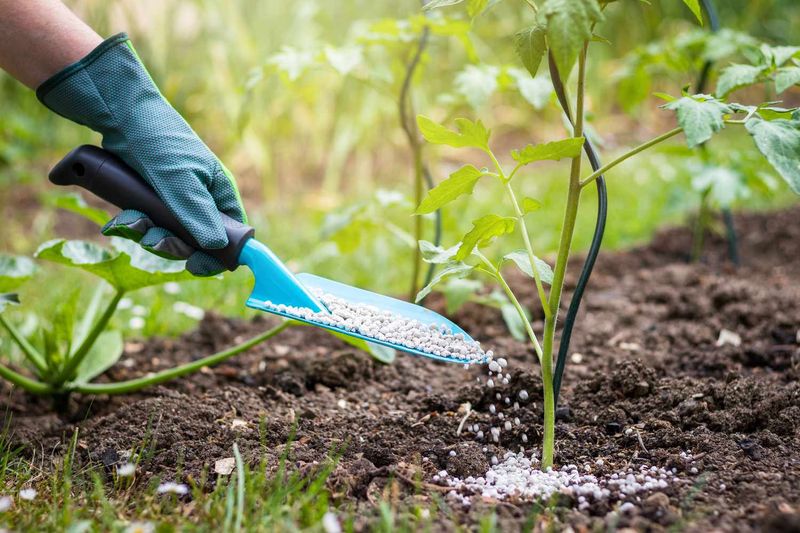
That moment right at transplanting is actually one of the best times to give young tomatoes a little fertility boost.
Tomatoes are heavy feeders by nature, and a starter fertilizer applied at planting can help young roots establish faster and get the plant moving in the right direction.
A starter fertilizer is often water soluble and higher in phosphorus, which supports early root development rather than pushing a bunch of leafy top growth too soon.
Ohio State University Extension notes that excessive nitrogen early on can result in lush, green plants that put off fruit set, which is the opposite of what most gardeners want.
Before you apply anything, a soil test is worth the small investment. Your county OSU Extension office can walk you through the process, and results will tell you exactly what your soil already has.
Follow product label directions carefully and resist the urge to add more than recommended. A steady, well-fed start is far more valuable to a tomato plant than a heavy dose of fertilizer all at once.
2. Give Peppers A Soil Test Based Boost Before Summer Growth
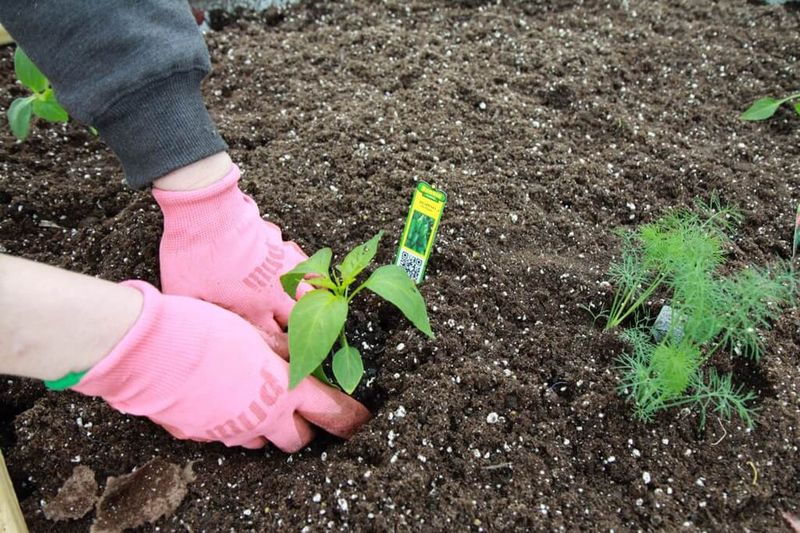
Peppers are a little more patient than tomatoes, but they still appreciate going into well-prepared, fertile soil before summer heat kicks in.
In Ohio, most gardeners wait until late May to set pepper transplants outside because peppers are very sensitive to cool soil temperatures.
A chilly root zone will stall growth even if the air feels warm enough.
Before adding any fertilizer to a pepper bed, get a soil test done. OSU Extension recommends soil testing as the foundation for any fertilizer decision, and peppers are a good example of why that matters.
A garden that has been heavily amended over several seasons may already have plenty of phosphorus and potassium on hand, meaning extra fertilizer could do more harm than good by creating nutrient imbalances.
Peppers grow well in raised beds, traditional in-ground rows, and containers, and each situation may call for a slightly different approach. Container-grown peppers may need more frequent light feeding since nutrients wash out with watering.
Your Ohio Garden Changes Every Week. Your Plan Should Too.
Gardening in Ohio changes quickly throughout the season. Every Friday you’ll receive a simple weekly plan showing exactly what to plant, prune, fertilize, harvest, and protect so you never miss the right timing.
In-ground beds with decent organic matter may need very little added fertility at all. Avoid the temptation to pile on fertilizer just because plants look small early in the season.
Small and healthy is a much better starting point than small and overfed.
3. Fertilize Blueberries Around Bloom And Again Later
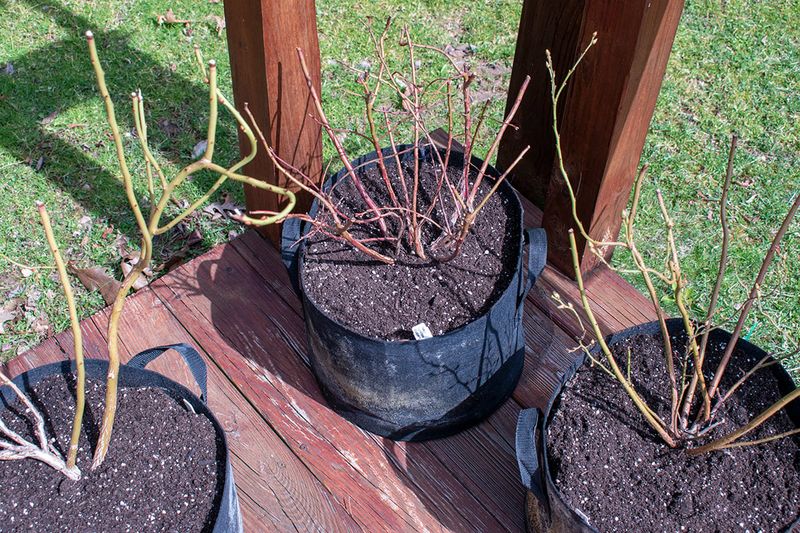
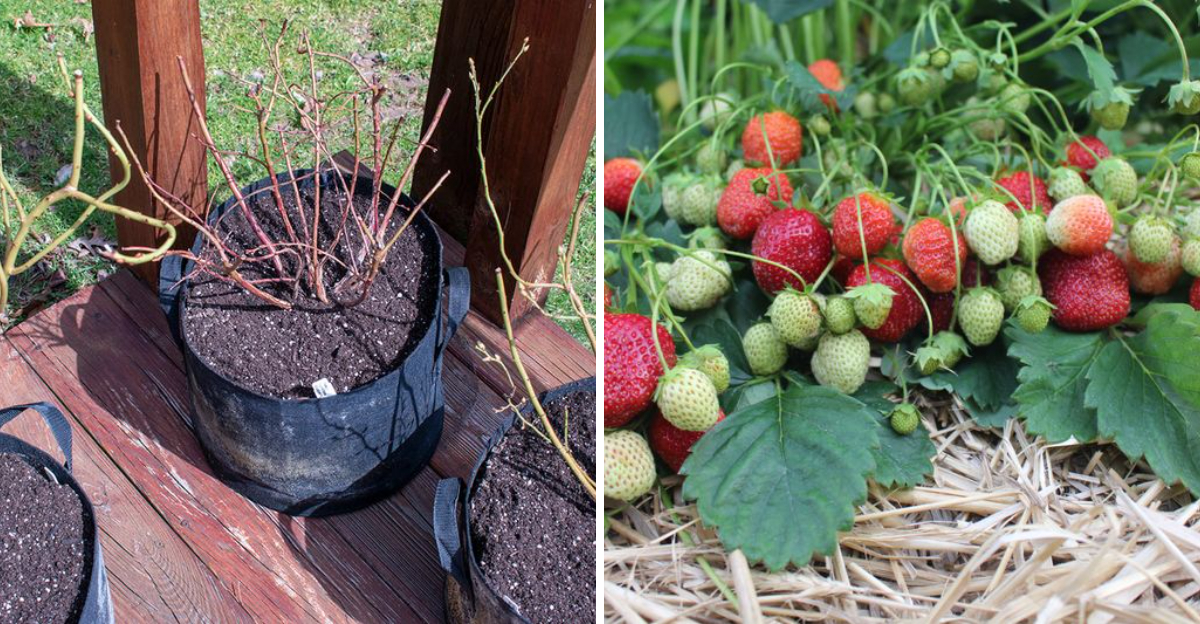
Blueberries have very specific soil needs, and getting those needs right matters far more than simply adding fertilizer on a calendar schedule. Established blueberry plants in Ohio perform best in acidic soil with a pH between 4.5 and 5.0.
If your soil pH is outside that range, added fertilizer will not deliver the results you are hoping for because the plant cannot access nutrients efficiently in the wrong pH environment.
Ohio State University Extension guidance on blueberries supports fertilizing established plants around bloom time and again several weeks later, but always based on soil test results.
Using a fertilizer formulated for acid-loving plants is a common recommendation, and gardeners should keep fertilizer away from the crown and stems of the plant to avoid damage.
Blueberries have shallow roots, so fertilizer should be spread evenly under the plant canopy rather than concentrated at the base.
Random garden fertilizers, especially those with high pH-raising materials like wood ash, are not appropriate for blueberry beds. Soil pH management is an ongoing process, and gardeners should test their blueberry beds regularly.
If plants are yellowing between the leaf veins, that can be a sign of iron deficiency tied to pH problems rather than a simple lack of fertilizer.
4. Feed Currants And Gooseberries In Spring For Better Production
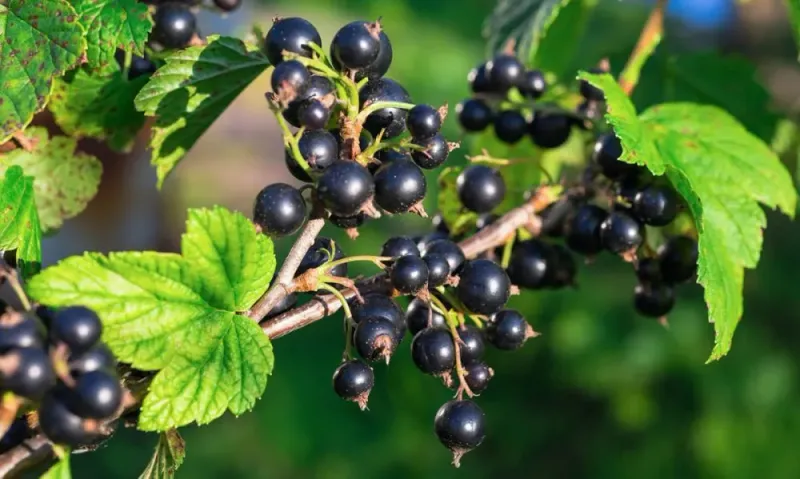
Currants, gooseberries, and jostaberries do not always get the attention they deserve in Ohio home gardens, but these productive fruiting shrubs can reward consistent care with reliable harvests year after year.
Spring is the recommended time to fertilize these crops, and for gardeners in cooler parts of Ohio or those with later-starting garden seasons, May can still fall within a practical spring feeding window.
OSU Extension guidance on small fruits supports using soil test results to guide fertilizer decisions for these crops. Established plants that are growing vigorously and producing well may need very little added fertility.
Plants that are showing slow growth or pale foliage might benefit from a modest nitrogen application, but the amount should be based on what a soil test recommends rather than a general guess.
Keep fertilizer away from the base of the shrubs and spread it out to the drip line where feeder roots are most active.
Mulching around currants and gooseberries with wood chips or straw helps retain moisture and slowly adds organic matter to the soil over time, which is a gentle, low-risk way to support long-term soil health.
These shrubs are not the same as blueberries and should not be managed with the same acid-focused fertility program.
5. Give New Strawberry Plants A Light Early Feeding
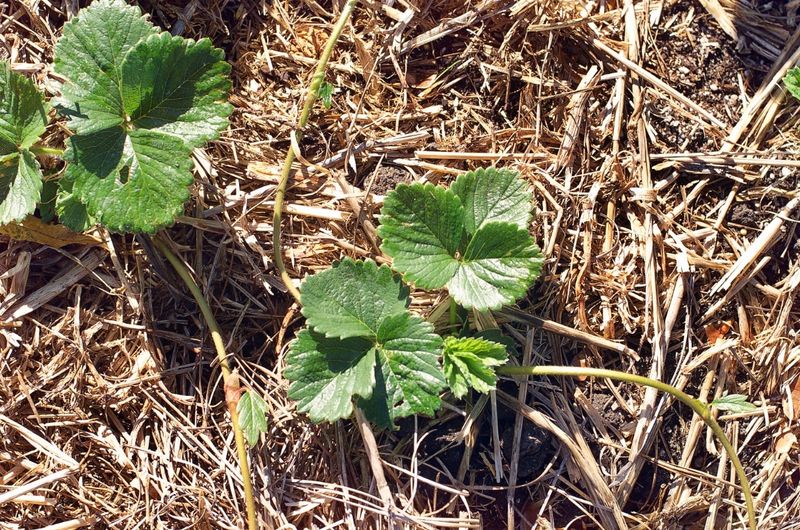
Planting strawberries in early spring is a common practice for Ohio home gardeners, and getting those young plants off to a solid start matters a lot for long-term productivity.
Newly planted strawberries in their first year are focused entirely on building a healthy root system and sending out runners, not on producing fruit.
That early establishment phase is exactly when a light, soil-test-guided fertilizer application can make a real difference.
OSU Extension recommends that newly set strawberry plants receive a modest amount of fertilizer shortly after planting if soil test results support it. The goal is to encourage steady, healthy vegetative growth without pushing the plants too hard.
New plants do not need a heavy feeding, and too much nitrogen too soon can cause problems with excessive soft growth that is more vulnerable to stress.
Spread fertilizer evenly across the bed and water it in well after application.
Keeping the bed free of weeds during this establishment period is just as important as fertility management because weeds compete aggressively for water and nutrients that young strawberry plants need.
A light layer of straw mulch between rows helps conserve moisture and keeps the soil temperature more consistent during the unpredictable warm and cool swings that Ohio May weather is known for delivering.
6. Feed Perennial Flower Beds After Spring Growth Begins
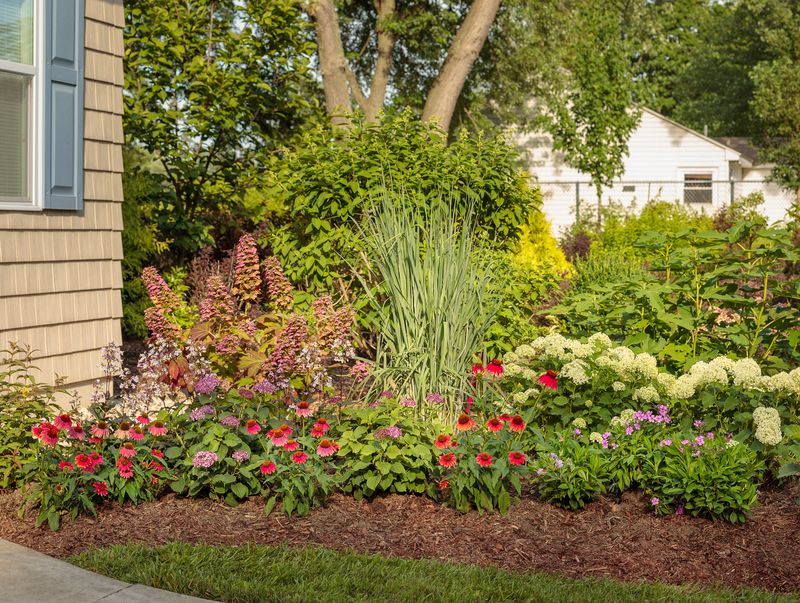
Once perennial flower beds start showing strong new growth in spring, a modest fertility boost can help plants fill in well and set up a good bloom season.
Ohio gardeners with established ornamental beds, including mixed perennial borders with plants like coneflowers, daylilies, and hostas, often refresh beds in May as part of their regular spring garden routine.
Compost worked lightly into the top layer of soil around perennials is one of the most forgiving and soil-friendly ways to add nutrients without the risk of overfertilizing.
If you prefer a granular fertilizer, a soil test will tell you what the bed actually needs rather than guessing based on what the plants look like.
Perennial beds that have been regularly amended with compost over several seasons may need very little added fertilizer at all.
Roses, which many Ohio gardeners grow alongside perennials, can also benefit from feeding after spring growth begins, according to general Extension guidance on ornamental plants.
Avoid applying heavy amounts of quick-release nitrogen to established perennial beds because that can push overly soft, floppy growth.
A steady, moderate approach to feeding keeps perennial plantings balanced and less prone to the kind of lush, weak growth that invites trouble during Ohio’s humid summer months.
7. Skip Spring Nitrogen On Fruiting Strawberries Before Harvest
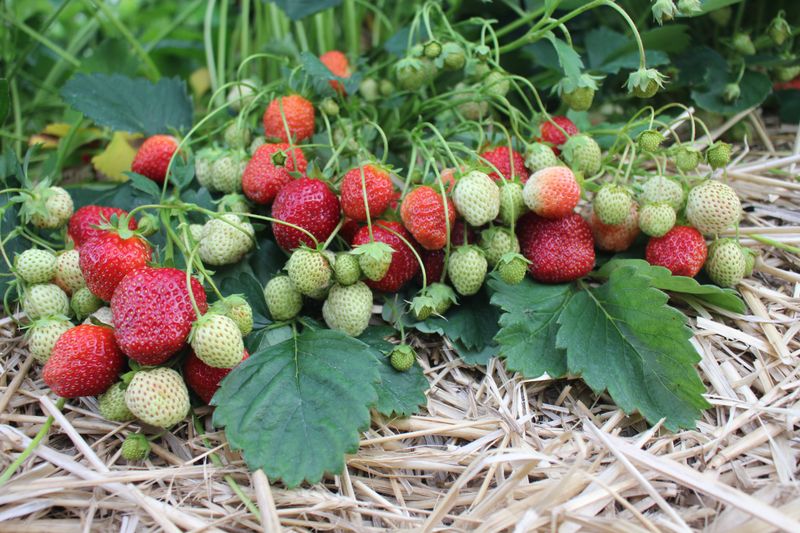
Established strawberry beds in their fruiting year follow a completely different set of rules than newly planted ones, and May is a critical time to get that difference right.
By the time Ohio strawberry beds are loaded with developing fruit in late spring, the last thing those plants need is extra nitrogen pushing more leafy growth.
Heavy spring nitrogen before harvest is one of the more common mistakes home gardeners make with fruiting strawberry beds.
Too much nitrogen at this stage encourages dense, lush foliage that holds moisture and creates conditions favorable for disease problems.
OSU Extension guidance on strawberry production cautions against applying nitrogen to fruiting beds in the period leading up to harvest.
The plants are already doing the work they need to do, and interfering with extra feeding at that point is more likely to cause problems than solve them.
If your fruiting strawberry bed looks genuinely stressed or pale, a soil test is the right first step before reaching for any fertilizer. There may be a specific nutrient deficiency worth addressing, but that decision should be based on real soil data rather than a visual guess.
Patience and restraint go a long way with fruiting strawberries in May, and a hands-off approach during this window usually results in a cleaner, healthier harvest.
8. Leave Established Grapevines Alone If Spring Feeding Was Already Done
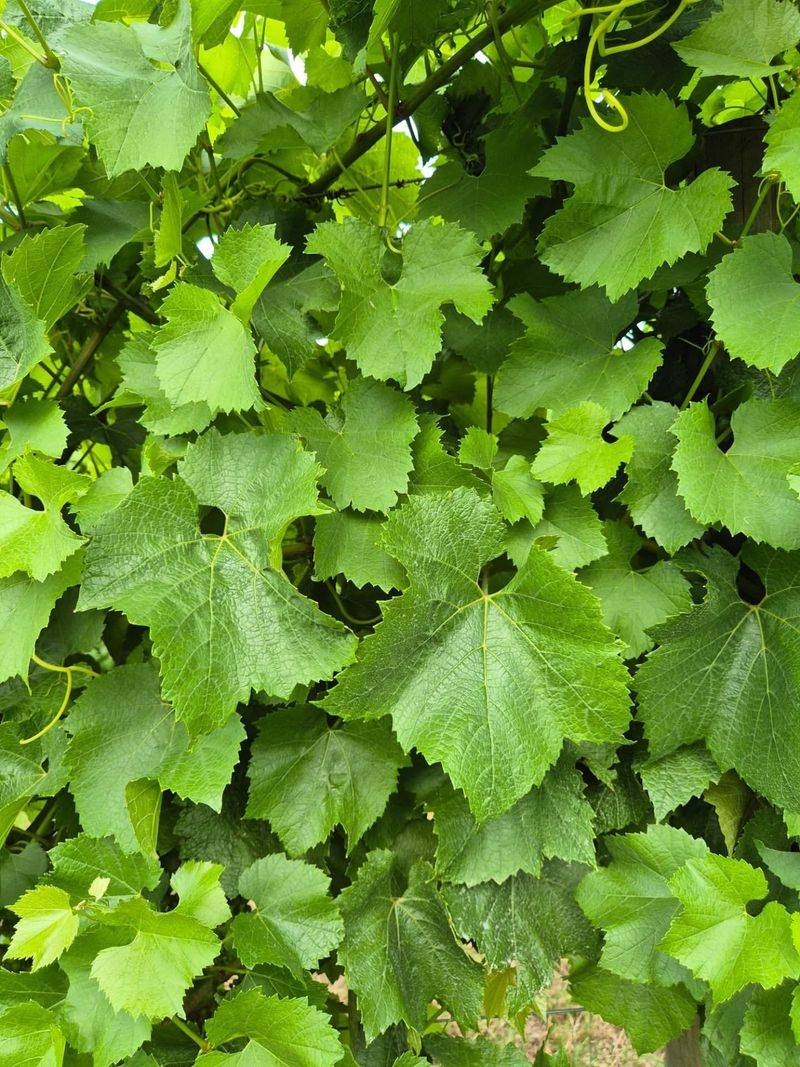
By May, established grapevines in Ohio are often pushing out vigorous new shoot growth, and that visual energy can tempt gardeners into thinking the vines need a fertilizer boost. Most of the time, they do not.
Proper timing for fertilizing established grapevines in Ohio is generally earlier in the season, often before new growth begins or just as growth is starting, not during active May shoot development.
OSU Extension guidance on home vineyard management emphasizes that fertilizer decisions for grapes should be based on soil test results and plant vigor rather than a set calendar date.
Vines that are growing well and were properly fed earlier in spring do not benefit from a second application in May.
Double-feeding established vines can push excessive vegetative growth that makes canopy management harder and may actually reduce fruit quality.
If you missed the earlier spring fertilizing window and your vines show signs of a real nutrient issue, a soil test is the right call before adding anything.
Yellowing leaves, slow growth, or noticeably weak shoots might indicate a deficiency worth investigating, but those symptoms can also have other causes.
Grapevines are more forgiving of modest fertility than many gardeners realize, and in healthy Ohio soils with good organic matter, established vines often need very little supplemental fertilizer at all.
9. Go Easy On Native Wildflowers In Established Beds
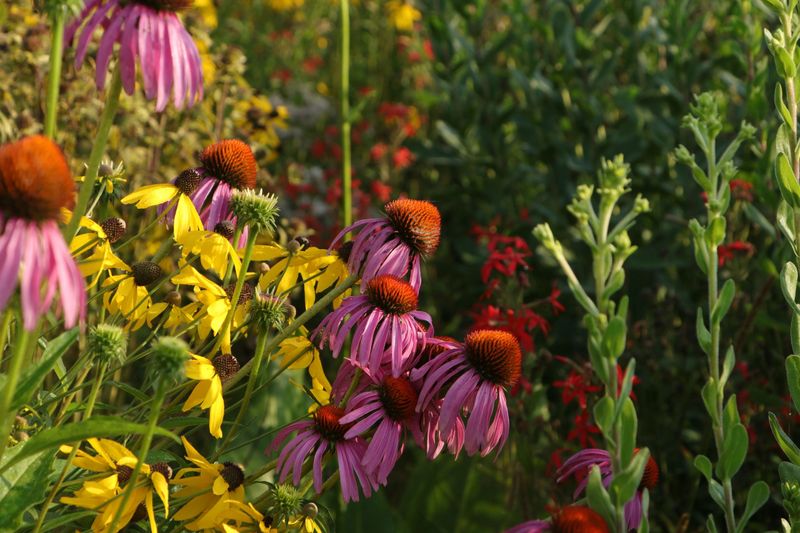
Native wildflower beds and meadow-style plantings are one of the most rewarding low-maintenance choices an Ohio gardener can make, and part of what makes them work so well is leaving them alone to do their thing.
Plants like wild columbine, golden Alexanders, wild blue phlox, and Ohio spiderwort are adapted to the soil conditions of this region and do not rely on regular fertilizer to thrive.
Adding unnecessary fertilizer to an established native planting in May can actually work against you. Extra nitrogen tends to favor fast-growing weedy plants and coarse grasses that can crowd out the more delicate native species you worked hard to establish.
The result is often a bed that looks lush but has shifted away from the balanced, diverse planting you were aiming for.
If native plants in your bed are genuinely struggling, a soil test is a reasonable starting point to check for any specific deficiencies or pH issues. Bare patches, very slow spread, or pale foliage might indicate a soil problem worth investigating.
Most of the time, though, established native beds in Ohio benefit far more from good mulching, weeding, and occasional division than from any kind of fertilizer program.
Pollinators and beneficial insects will thank you for keeping the planting as natural as possible.
10. Do Not Rush Fertilizer On American Ginseng
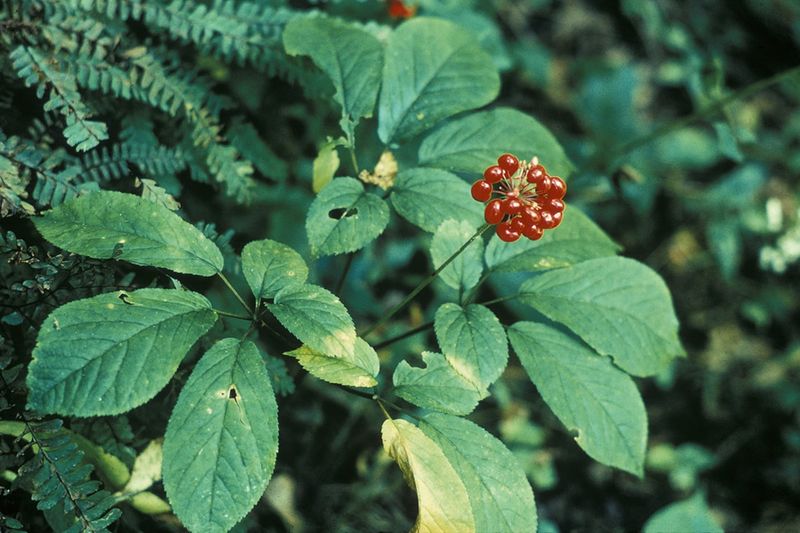
American ginseng is not your average garden plant, and it should not be managed like one.
Growing ginseng in Ohio, whether as a woodland crop or a shaded garden specimen, requires careful attention to site selection, soil conditions, and a light hand with any soil amendments.
May is not the time to casually toss fertilizer around a ginseng planting just because the rest of the garden is getting fed.
OSU Extension resources on ginseng production note that lime and fertilizer applications must be made carefully and based on soil test results. Ginseng is sensitive to soil chemistry, and the wrong amendment at the wrong rate can cause more harm than good.
The crop thrives in naturally rich, well-drained woodland soils with good organic matter, and many successful Ohio ginseng growers rely more on leaf litter and natural decomposition than on added fertilizer.
If you are growing ginseng and have concerns about soil fertility, start with a proper soil test and consult OSU Extension guidance specific to ginseng production before making any changes.
Random fertilizer applications based on what other garden plants are receiving in May is not an appropriate approach for this crop.
Slow, careful, and well-informed management is the right path for anyone serious about growing American ginseng in Ohio.