Oregon Hostas Need These 10 Spring Care Steps For Stunning Growth
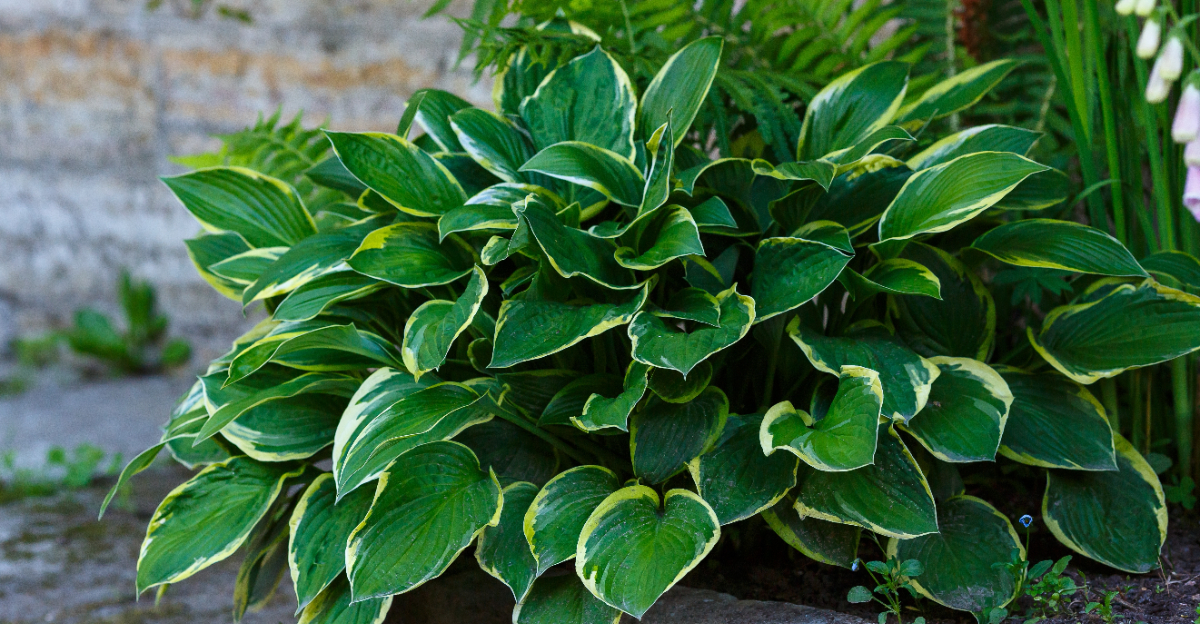
Hostas are one of the most satisfying plants you can grow in an Oregon garden. Big, bold leaves, almost zero drama, and they come back bigger and better every single year.
But here’s what separates the hostas that look good from the ones that look absolutely jaw-dropping: what happens to them in spring. That early seasonal care window is everything.
Oregon’s cool, wet springs are genuinely perfect for hostas. The conditions are basically tailor-made for pushing out lush, healthy new growth.
The problem is that most gardeners either skip the spring care routine entirely or only do half the job. A little neglect at this stage can mean smaller leaves, weaker clumps, and way less of that stunning layered look that makes hostas so irresistible in the first place.
Get the spring steps right and these plants will reward you with growth that looks almost too good to be real. It all starts now.
1. Clear Away Winter Debris
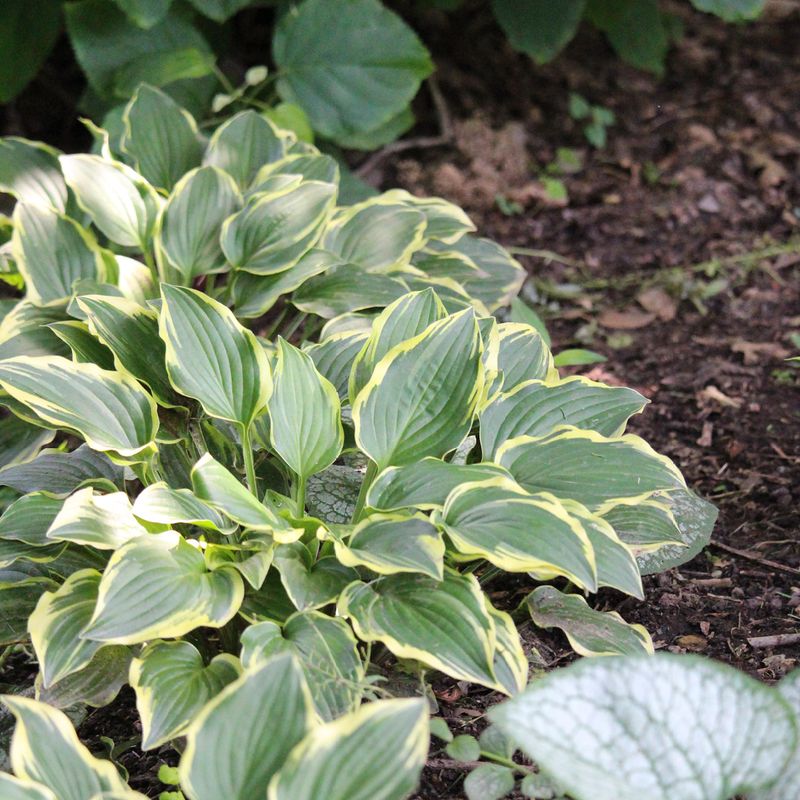
Every Oregon gardener knows that feeling when you spot the first hosta tips poking up through the soil. Before you get too excited, take a few minutes to clear away all the old leaves, dead stems, and soggy debris that built up over winter.
This step matters more than most people think.
Leaving old debris around your hostas creates a cozy hiding spot for pests and disease spores. Slugs especially love to tuck themselves under wet, decomposing leaves.
In Oregon, where moisture lingers well into spring, this can quickly become a real problem for your plants.
Use your hands or a soft rake to gently pull away the old material. Be careful not to disturb any new shoots that are already pushing through.
Drop the debris into your compost bin or yard waste bag. Once the area is clean, your hostas will have better airflow, which helps prevent fungal issues that are common in the damp Oregon climate.
A clean start truly sets the tone for the whole growing season ahead.
2. Check For Slug Damage
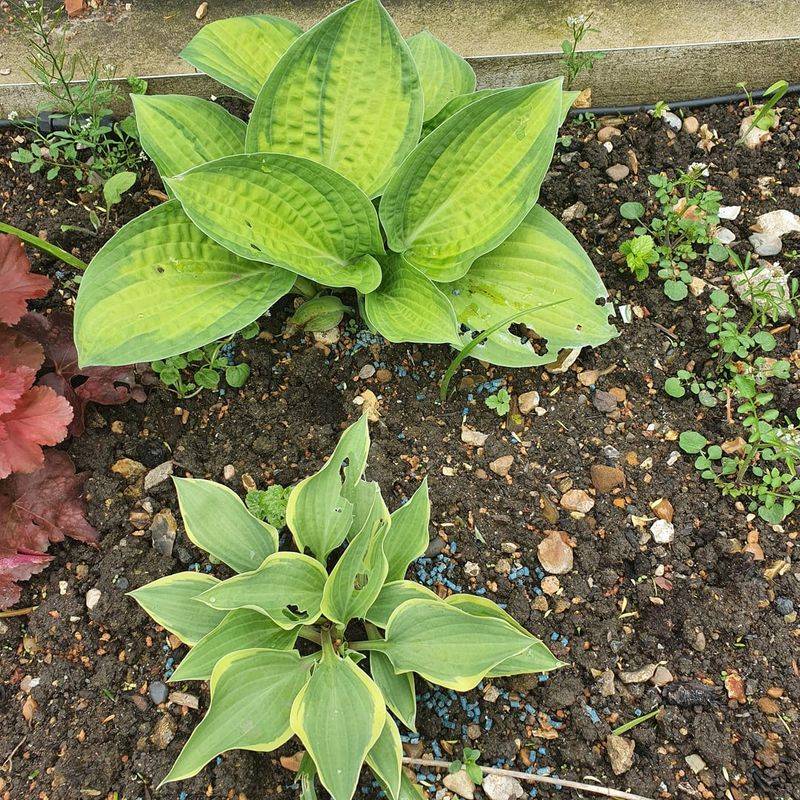
Slugs are practically a mascot of the Pacific Northwest, and Oregon gardens are no exception. These slimy little creatures are most active in cool, wet weather, which is exactly what spring in Oregon delivers.
Checking your hostas early for slug activity can save your plants from serious damage before it gets out of hand.
Look for irregular holes in the leaves, especially near the edges. You might also spot a shiny slime trail on the soil or on the leaves themselves.
Slugs tend to feed at night, so early morning is the best time to catch them in the act or spot their evidence.
There are several ways to manage slugs without harsh chemicals. Iron phosphate pellets are safe for pets and wildlife and work really well in Oregon gardens.
You can also place shallow trays of beer near your hostas as a trap. Copper tape around pots creates a barrier slugs do not like to cross.
Checking regularly in early spring means you stay ahead of the problem before the slug population explodes and your beautiful hosta leaves end up looking like Swiss cheese.
Your Oregon Garden Changes Every Week. Your Plan Should Too.
Gardening in Oregon changes quickly throughout the season. Every Friday you’ll receive a simple weekly plan showing exactly what to plant, prune, fertilize, harvest, and protect so you never miss the right timing.
3. Divide Crowded Clumps
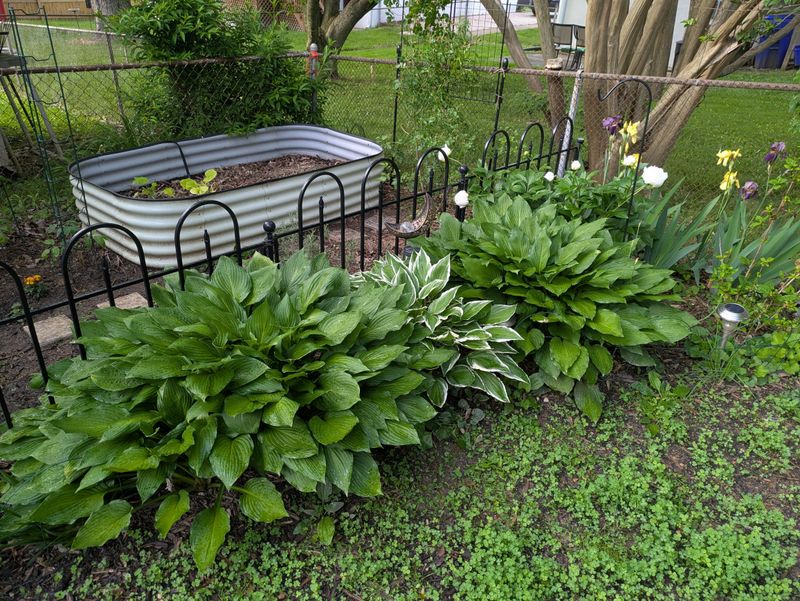
After a few years in the ground, hostas can get pretty crowded. When a clump gets too big, the plants start competing with each other for water and nutrients.
Dividing them in spring is one of the best things you can do to keep your Oregon hostas thriving for years to come.
Spring is the ideal time for division because the new shoots are just emerging and the plants have not yet put energy into full leaf growth. Use a sharp garden fork or spade to dig around the entire clump.
Lift it out of the ground and gently pull or cut it apart into smaller sections, each with several healthy roots and at least one or two shoots.
Replant the divisions right away so the roots do not dry out. Water them in well and keep the soil consistently moist for the first few weeks.
Oregon springs are usually rainy enough to help newly divided hostas settle in without too much extra effort on your part. Dividing also gives you free plants to fill other shady spots in your garden or share with neighbors who admire your gorgeous hosta collection.
4. Refresh Compost Around Plants
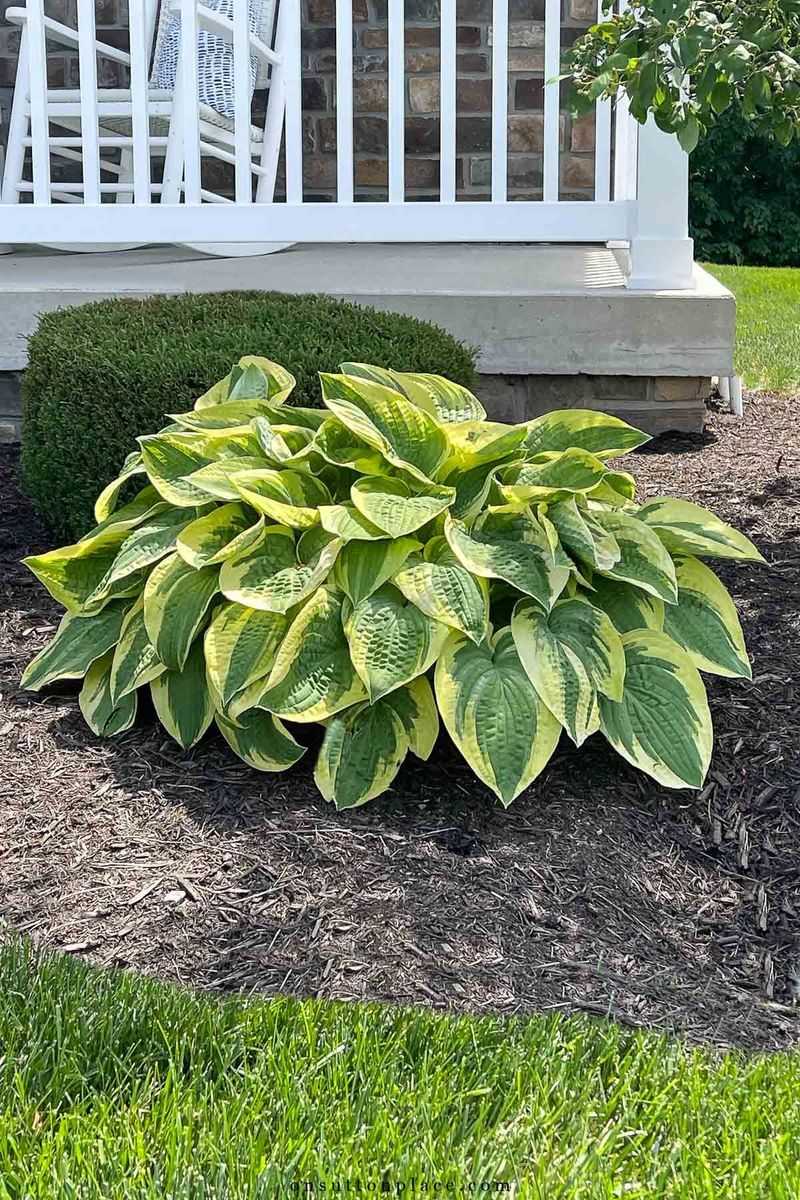
Good soil is the foundation of great hostas. Oregon gardens often have clay-heavy or sandy soil depending on the region, and adding fresh compost each spring is a simple way to improve whatever soil type you are working with.
Compost adds nutrients, improves drainage, and encourages the kind of healthy root growth that leads to big, beautiful leaves.
Spread a one to two inch layer of finished compost around each hosta clump, keeping it a couple of inches away from the center of the plant where the shoots emerge. You do not want to bury the crown, as that can cause rot in Oregon’s wet spring conditions.
Use well-aged compost for the best results.
Homemade compost is wonderful if you have it, but store-bought bagged compost works just as well. Look for options made from yard waste or plant-based materials.
Avoid compost with added synthetic fertilizers, since you will be feeding your hostas separately later in the season. This simple refresh gives the soil a nutritional boost right when your hostas are hungry for energy to push out all that gorgeous foliage that makes Oregon shade gardens so spectacular in summer.
5. Add A Light Mulch Layer
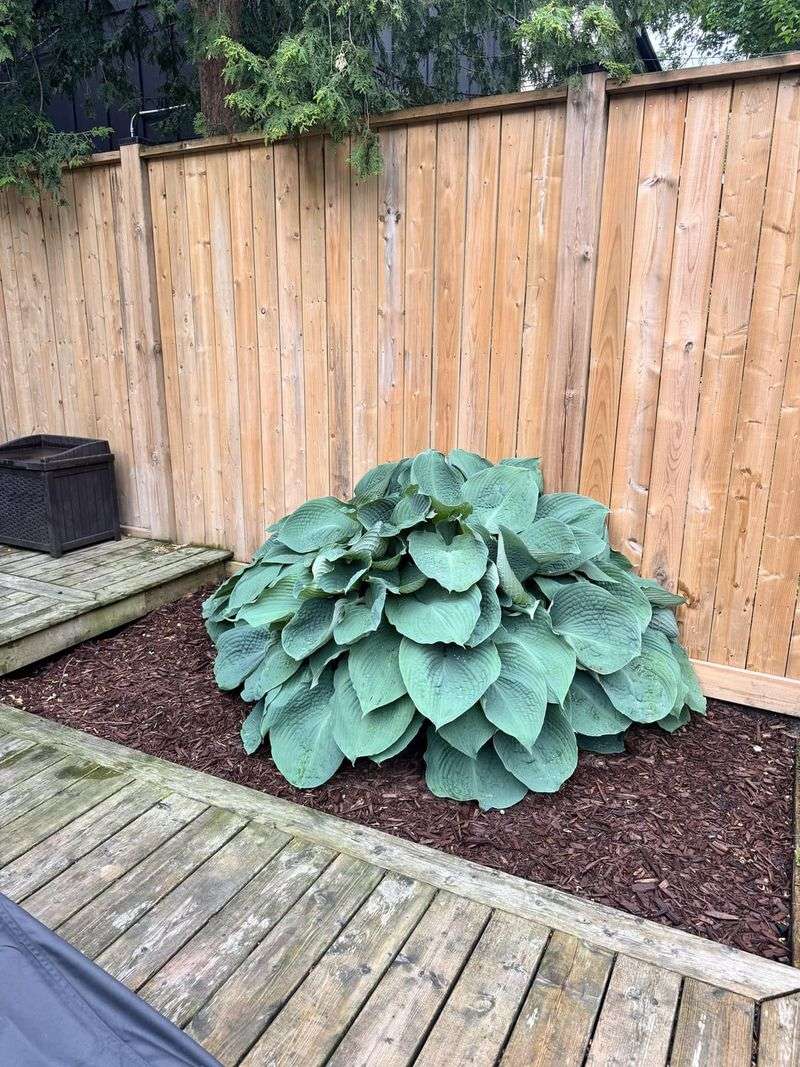
Mulch might be one of the most underrated tools in an Oregon gardener’s toolkit. A light layer of mulch around your hostas does several helpful things at once.
It holds moisture in the soil, regulates soil temperature, suppresses weeds, and gives your garden beds a neat, polished look that really shows off your plants.
Apply two to three inches of bark mulch, wood chips, or shredded leaves around your hostas after you have added your compost layer. Just like with compost, keep the mulch a few inches away from the center of the plant.
Piling mulch directly against the crown traps too much moisture and can lead to rot, which is especially risky in the famously damp Oregon spring.
Fine bark mulch is a popular choice in Oregon because it breaks down slowly and looks attractive throughout the season. Avoid using thick, chunky wood pieces that take too long to break down and can harbor pests.
A fresh mulch layer in spring also acts as a gentle insulator if late cold snaps roll through, which happens more often than Oregon gardeners would like to admit. It is a small effort with a big payoff for your hostas all season long.
6. Water As New Shoots Emerge
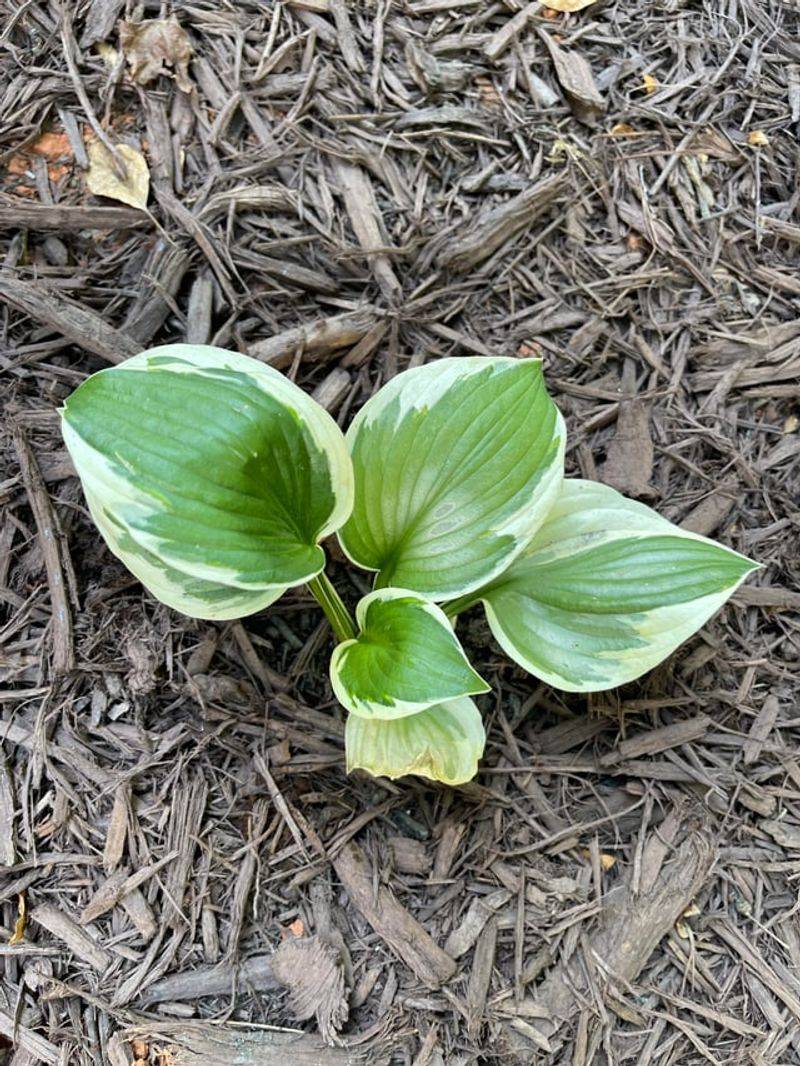
Oregon springs are usually pretty wet, but do not assume the rain is doing all the work for your hostas. Depending on where you live in the state, spring rainfall can be inconsistent.
When new hosta shoots start pushing up from the ground, they need steady moisture to grow strong and healthy right from the start.
Check the soil around your hostas every few days by pressing a finger about an inch into the ground. If it feels dry, give the plants a deep, slow watering at the base.
Avoid overhead watering if you can, since wet leaves in Oregon’s cool spring air can encourage fungal problems like leaf spot.
Drip irrigation or a soaker hose works really well for hostas because it delivers water directly to the roots without splashing the foliage. Water in the morning whenever possible so any moisture on the leaves has time to dry before evening.
As the season progresses and temperatures warm up, you may need to water more frequently. Keeping the soil consistently moist but not waterlogged is the sweet spot for hostas in Oregon gardens, and getting that balance right early in spring makes a big difference in how lush your plants look all summer.
7. Protect Shoots From Late Frost
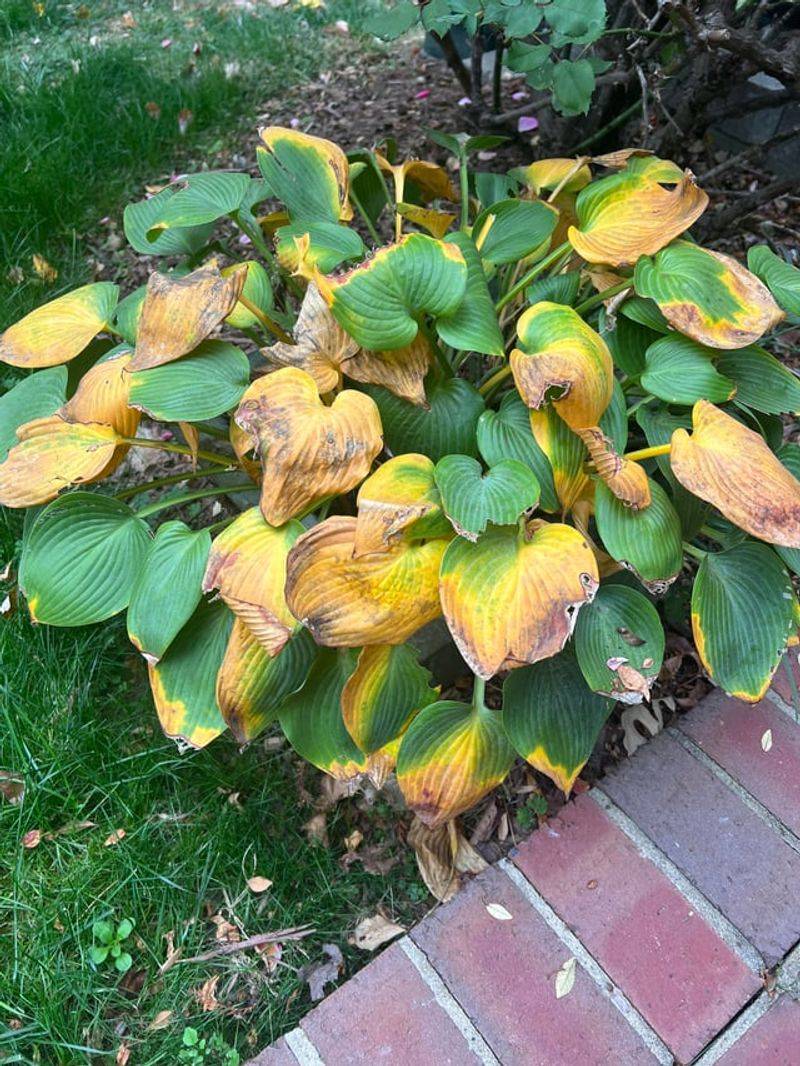
Anyone who has gardened in Oregon for more than a season knows that spring weather can be sneaky. A string of warm days can lull you into thinking winter is truly gone, and then a late frost rolls in overnight and catches your tender hosta shoots off guard.
Those young, soft shoots are very vulnerable to frost damage.
Keep an eye on the forecast from late February all the way through April, especially if you garden in the Willamette Valley or higher elevation areas of Oregon. When temperatures are expected to drop below 32 degrees Fahrenheit overnight, cover your emerging hostas with frost cloth, old bedsheets, or even cardboard.
Remove the covers in the morning once temperatures rise again.
Frost-damaged hosta shoots turn dark and mushy and will not recover. The plant itself will usually push out new growth, but it sets the whole season back by several weeks.
Being proactive about protection is much easier than dealing with the aftermath of a surprise frost. Keep a few sheets of frost cloth folded up in your garage or shed through mid-spring so you are always ready to act quickly when the Oregon weather decides to throw you a curveball at the worst possible moment.
8. Feed With Slow-Release Fertilizer
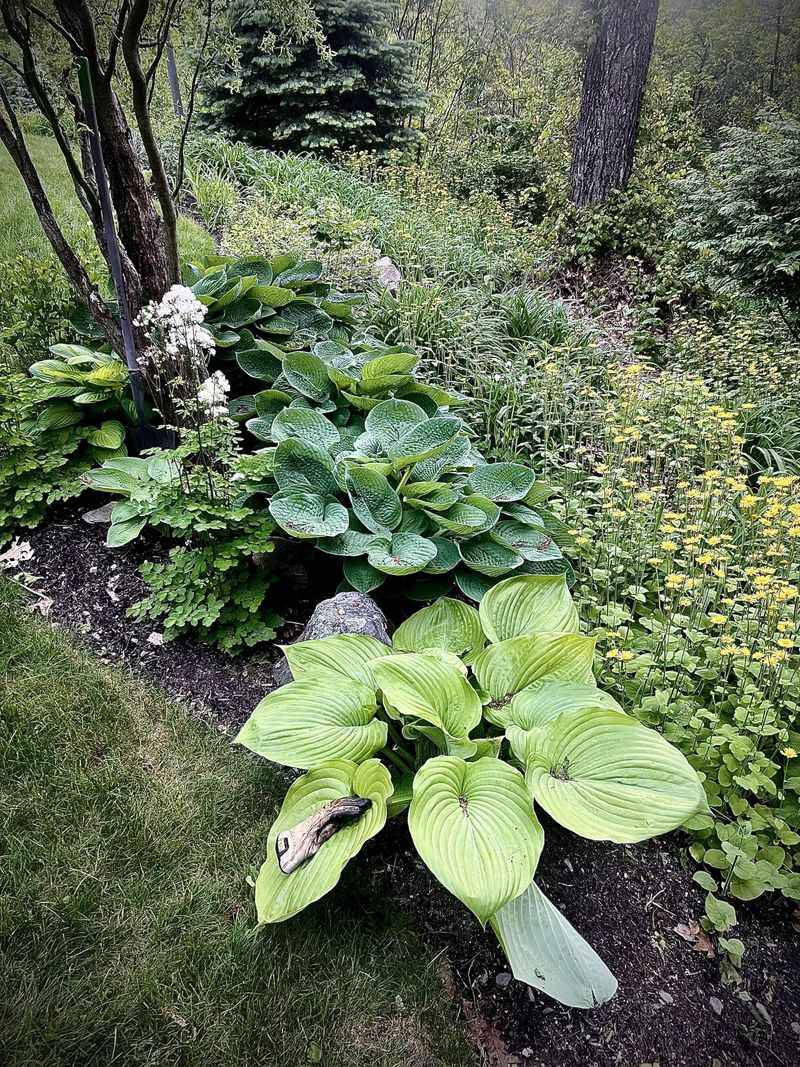
Hostas are hungry plants, especially when they are pushing out all that big, beautiful foliage in spring. Giving them a boost with the right fertilizer at the right time can make a noticeable difference in how full and vibrant they look by midsummer.
Slow-release granular fertilizer is the best option for most Oregon gardeners because it feeds steadily over several months.
Choose a balanced fertilizer with roughly equal amounts of nitrogen, phosphorus, and potassium, such as a 10-10-10 formula. Scatter the granules around the base of each plant according to the package directions, then water them in well.
One application in early spring is usually enough to carry your hostas through the main growing season.
Avoid over-fertilizing, which can actually harm your plants and lead to lush but weak growth that attracts more pests. Liquid fertilizers work faster but need to be applied more often, making slow-release the more convenient choice for busy Oregon gardeners.
If your hostas are planted in rich soil that you refresh with compost each year, they may need even less fertilizer than you expect. Pay attention to how your plants respond and adjust from season to season.
Well-fed hostas reward you with thick, deeply colored leaves that make your shade garden genuinely breathtaking.
9. Give Hostas Morning Sun
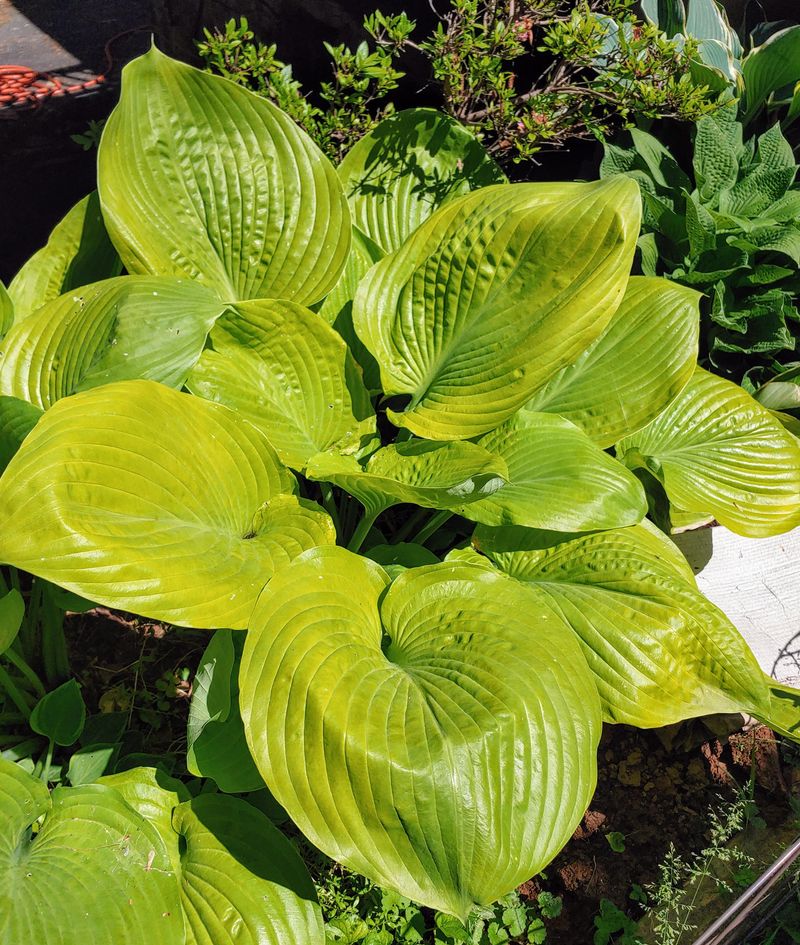
Hostas have a reputation as shade plants, but that does not mean they want to live in complete darkness. Morning sun is actually really good for most hosta varieties, and Oregon gardens often have the perfect setup for it under deciduous trees or along the east side of a house or fence.
A few hours of gentle morning light helps hostas produce better color and more vigorous growth.
The key is to avoid harsh afternoon sun, which can scorch hosta leaves and cause them to fade or develop bleached patches. Morning sun is softer and cooler, making it ideal for these plants.
Blue and green hosta varieties tend to be the most sun-sensitive, while gold and yellow varieties can handle a bit more light throughout the day.
Take a look at where your hostas are planted and observe how the light moves across them during the day. If they are getting afternoon sun for several hours, consider adding a shade structure or moving them to a better spot in fall.
Oregon’s tall Douglas firs and big-leaf maples create wonderful dappled light conditions that hostas absolutely love. Getting the light balance right is one of the easiest ways to unlock the full potential of your hostas without spending a single extra dollar.
10. Watch For Deer And Rabbits
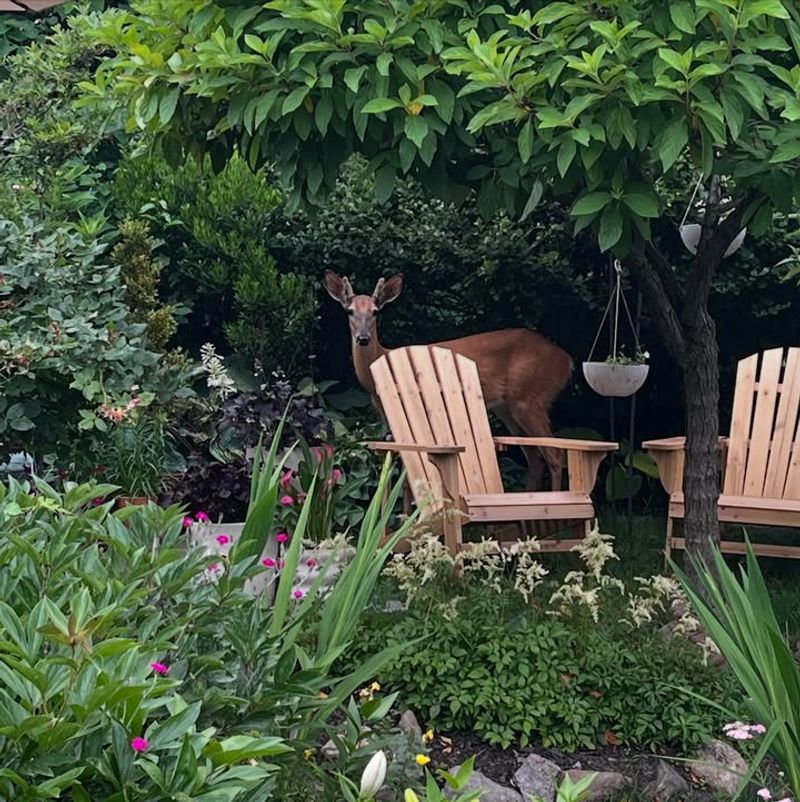
Hostas are basically a gourmet meal for deer and rabbits, and Oregon has plenty of both. If you live near wooded areas, open fields, or even suburban neighborhoods with green spaces, there is a good chance these animals have already noticed your garden.
Spring is a particularly risky time because food sources are still limited and your fresh, tender hosta shoots are incredibly appealing.
A physical barrier is the most reliable protection. Chicken wire or hardware cloth placed around your hosta beds works well for rabbits, which tend to stay low to the ground.
For deer, you need taller fencing, at least six feet high, since deer are surprisingly good jumpers when motivated by hunger.
If fencing is not practical, motion-activated sprinklers can startle deer away from your garden beds. There are also deer and rabbit repellent sprays available at most Oregon garden centers that work by creating an unpleasant scent around your plants.
Reapply these sprays after rain, which is something you will be doing often in the Pacific Northwest. Planting deer-resistant plants around the edges of your garden can also help create a buffer zone.
Staying consistent with your prevention strategy means your hostas get to grow undisturbed and show off their full glory all season long.