11 Pink Perennials That Brighten Ohio Gardens Year After Year
Pink has a way of softening an Ohio garden without making it feel quiet or dull. It catches light differently through spring mornings, stands out against green foliage in summer, and keeps a gentle presence even as the season starts to fade.
There is something steady about perennials like these, they do not just show up for one season and disappear, they return and build character year after year.
Ohio gardens deal with a bit of everything, from cold winters to humid summers, so plants that can return reliably earn their place quickly. Pink-flowering perennials add that extra layer of warmth and color without demanding constant attention in return.
As they settle into the landscape, they start to feel like part of the garden’s rhythm, showing up at just the right time each season and quietly changing how the whole space feels.
1. Peony Brings Reliable Spring Color Year After Year
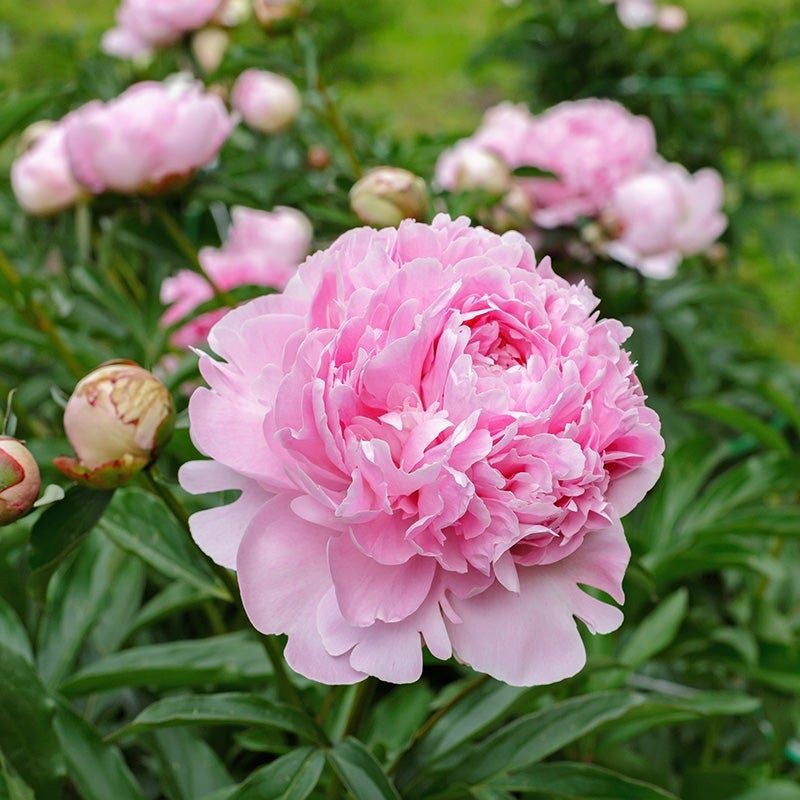
Few perennials have the staying power of a well-planted peony. Ohio gardeners have passed down the same peony plants through generations, and for good reason.
Once established in the right spot, these plants can thrive for decades with very little attention.
Peonies do best in full sun, meaning at least six hours of direct light each day. They prefer well-drained soil and do not like to be moved once settled.
Plant the eyes, which are the reddish buds on the roots, no more than one to two inches below the soil surface. Planting too deep is one of the most common reasons peonies fail to bloom.
Ohio winters are no problem for peonies. They are cold-hardy through Zone 4, and Ohio mostly falls in Zones 5 and 6, so these plants handle the frost without any special protection.
Blooms appear in late spring, usually May into early June, and the fragrance is hard to beat. Varieties like ‘Sarah Bernhardt’ and ‘Bowl of Beauty’ produce gorgeous pink flowers that make stunning cut arrangements.
Stake taller varieties to keep blooms upright after rain.
2. Garden Phlox Adds Tall Summer Blooms And Pollinator Appeal
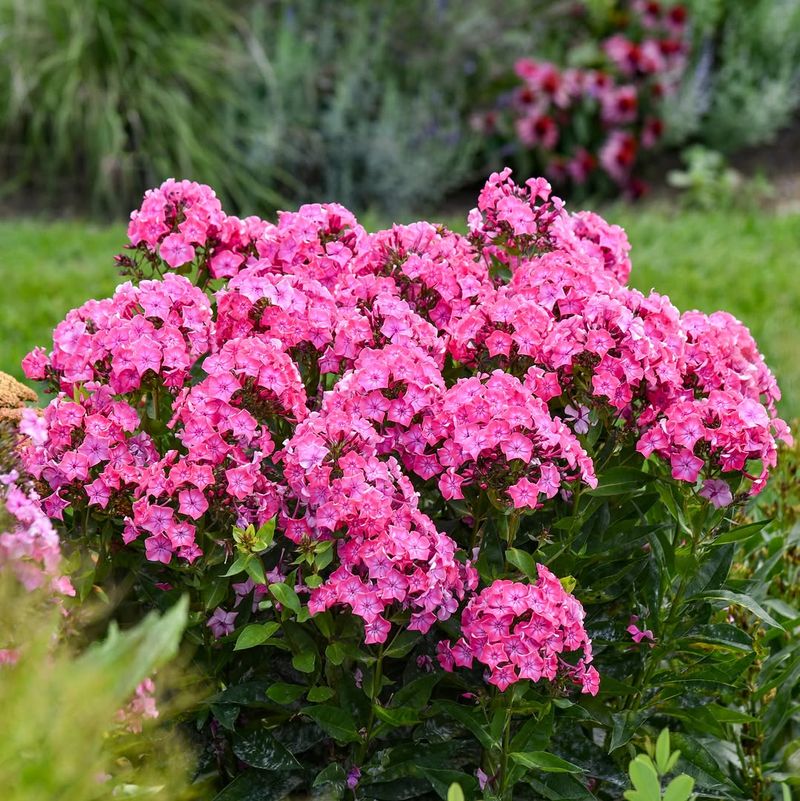
Standing up to four feet tall in midsummer, garden phlox commands attention in any Ohio border planting. The large flower clusters come in shades ranging from soft blush to deep rose, and they bloom for several weeks from July into August.
Butterflies and hummingbirds visit them regularly, making them a pollinator favorite.
One important thing to know about garden phlox is airflow. Powdery mildew can be a real issue when plants are crowded together.
Space plants about 18 to 24 inches apart and avoid overhead watering whenever possible. Mildew-resistant varieties like ‘David’ and ‘Robert Poore’ are smart choices for Ohio gardens where humidity tends to run high in summer.
Garden phlox thrives in full sun with consistently moist, fertile soil. Adding a layer of mulch around the base helps retain moisture during dry spells.
Deadheading spent blooms encourages a second flush of flowers later in the season. Dividing clumps every three to four years keeps plants vigorous and helps prevent disease buildup.
Your Ohio Garden Changes Every Week. Your Plan Should Too.
Gardening in Ohio changes quickly throughout the season. Every Friday you’ll receive a simple weekly plan showing exactly what to plant, prune, fertilize, harvest, and protect so you never miss the right timing.
For a bold, colorful summer display that also supports local wildlife, garden phlox is hard to beat in Ohio landscapes.
3. Astilbe Thrives In Shade With Soft Pink Plumes
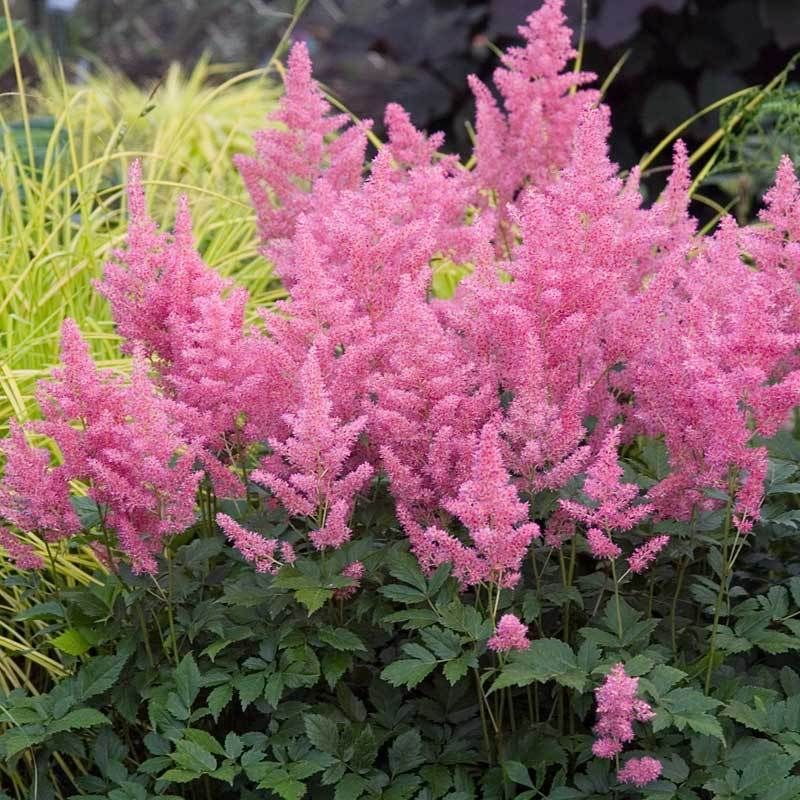
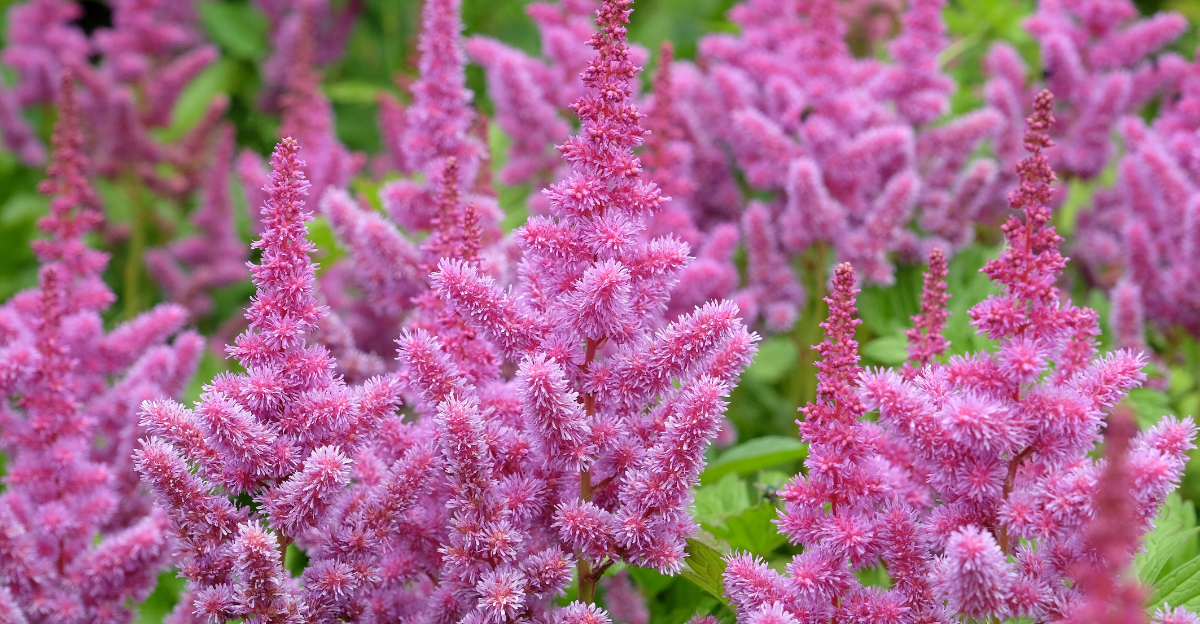
Shady spots in Ohio gardens can feel tricky to plant, but astilbe turns those dim corners into something genuinely beautiful. The feathery, plume-like flower spikes rise above fern-like foliage and sway gently in the breeze.
Pink varieties range from pale blush to vivid rose, and blooms typically appear from late spring through midsummer depending on the cultivar.
Consistent moisture is the key to happy astilbe. The roots do not tolerate dry soil for long, so placement near a downspout, rain garden, or naturally damp area works well.
Pairing astilbe with hydrangeas or hostas creates a layered shade bed that looks full and lush all season. Amending the soil with compost before planting helps hold moisture and adds nutrients.
Astilbe grows best in partial to full shade, though some varieties tolerate morning sun if the soil stays moist. Divide clumps every three to four years to maintain vigor.
One underrated bonus is that even after blooming, the dried seed heads add texture to the garden through fall and early winter. ‘Sprite’ and ‘Visions in Pink’ are two compact varieties that perform consistently well in Ohio growing conditions.
4. Bleeding Heart Brightens Early Spring Beds
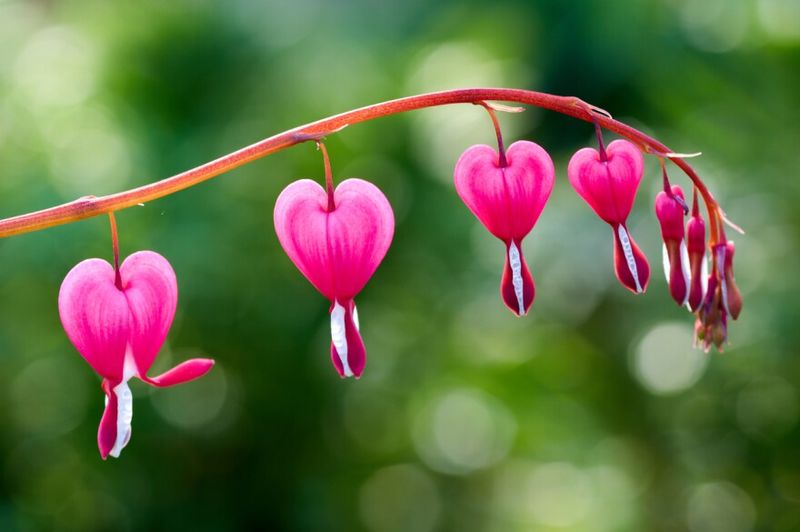
Before most perennials have even pushed through the soil, bleeding heart is already putting on a show. The arching stems lined with heart-shaped, dangling pink blooms are one of spring’s most charming sights in Ohio gardens.
This plant fills the color gap between early bulbs and summer-blooming perennials beautifully.
Common bleeding heart, Lamprocapnos spectabilis, prefers partial to full shade and moist, humus-rich soil. It tends to go dormant by midsummer once temperatures climb, so pairing it with hostas, ferns, or astilbe helps fill in the space it leaves behind.
Fringed bleeding heart, Dicentra eximia, is a more compact option that blooms longer and handles Ohio conditions very well.
Plant bleeding heart in a spot protected from harsh afternoon sun to keep foliage looking fresh through spring. Mulching around the roots helps keep soil cool and moist.
These plants are low-maintenance once established and come back reliably each year with no special care. Clumps slowly expand over time but rarely become invasive.
For gardeners looking to add early-season pink color to a shaded bed without a lot of effort, bleeding heart is a classic choice that never disappoints.
5. Coneflower Delivers Tough Plants With Long Bloom Time
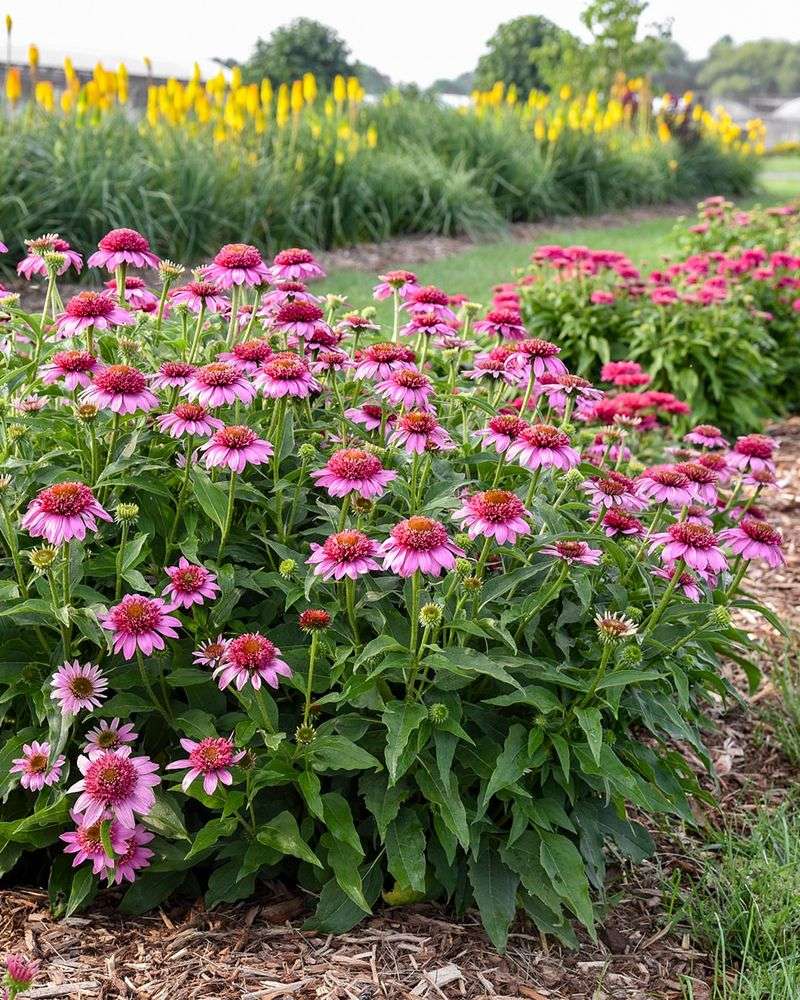
Coneflowers are among the toughest perennials an Ohio gardener can grow. Once established, they handle summer heat, dry spells, and clay-heavy soil without much complaint.
The daisy-like blooms with their distinctive raised centers start appearing in June and can continue well into September, making them one of the longest-blooming perennials in the region.
Native Echinacea purpurea is the most reliable species for Ohio gardens. It grows naturally throughout the eastern United States and is well-adapted to local conditions.
The rosy-pink blooms attract bees, butterflies, and goldfinches, which visit the seed heads in fall. Leaving the seed heads standing through winter provides food for birds and adds structure to the garden during cold months.
Coneflowers thrive in full sun and well-drained soil. They do not need rich soil, and over-fertilizing actually reduces flowering.
Space plants about 18 to 24 inches apart to allow good airflow. While young plants need regular watering, established coneflowers are quite drought-tolerant.
Popular pink varieties include ‘Magnus,’ ‘Kim’s Knee High,’ and ‘Prairie Splendor.’ Dividing clumps every three to four years keeps the plants producing strong blooms and prevents the center from becoming woody and unproductive.
6. Hardy Geranium Spreads Gently With Steady Pink Flowers
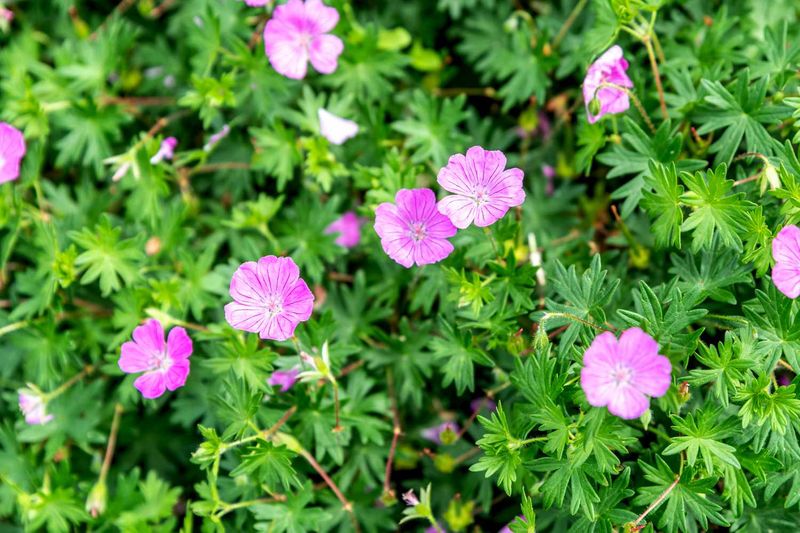
Hardy geranium, also called cranesbill, is one of those plants that earns its place in the garden by just quietly doing its job without drama.
Unlike the annual geraniums sold in containers at garden centers, hardy geraniums are true perennials that come back reliably each year in Ohio’s climate.
The small, five-petaled pink blooms appear in late spring and often continue through much of summer.
One of the best things about hardy geraniums is their manageable spreading habit. They fill in gaps between larger perennials and serve as effective groundcover in sunny to partly shaded spots.
They do not take over aggressively, making them easy to keep in bounds with minimal edging. Varieties like ‘Rozanne’ and ‘Biokovo’ are particularly well-suited to Ohio gardens and are widely available at local nurseries.
Hardy geraniums prefer well-drained soil and do well in both full sun and partial shade. They are drought-tolerant once established and rarely need fertilizing.
After the main flush of blooms fades, cutting plants back by about one-third encourages fresh foliage and a second round of flowers. These compact plants work beautifully along pathways, at the front of borders, and in cottage-style garden designs throughout Ohio.
7. Bee Balm Adds Bright Color And Pollinator Power
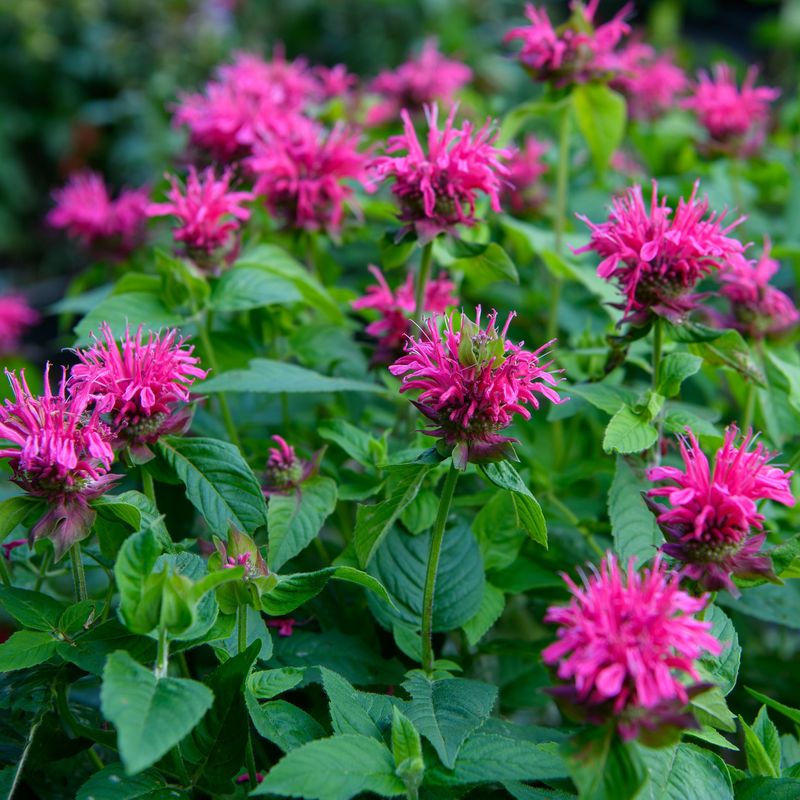
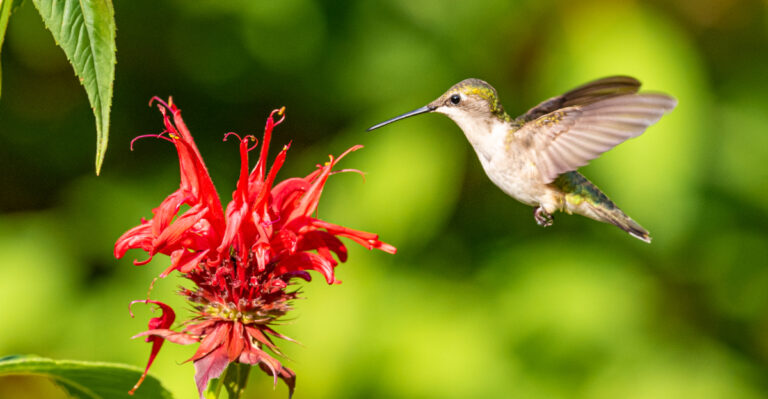
Walk past a patch of bee balm in full bloom and you will likely hear it before you see it. The buzzing of bees and the flutter of hummingbirds make this plant one of the most lively spots in any Ohio summer garden.
The shaggy, tubular flower heads come in shades of pink and red, and they bloom from late June through August.
Native Monarda fistulosa and Monarda didyma are the species most commonly grown in Ohio gardens. Both attract an impressive range of pollinators, including native bees, hummingbirds, and sphinx moths.
Like garden phlox, bee balm can develop powdery mildew when air circulation is poor. Spacing plants 18 to 24 inches apart and choosing mildew-resistant varieties like ‘Jacob Cline’ or ‘Marshall’s Delight’ goes a long way toward preventing problems.
Bee balm grows best in full sun to partial shade with consistently moist soil. It spreads by underground rhizomes, so dividing clumps every two to three years keeps it from crowding neighboring plants.
Deadheading spent flowers extends the blooming period and keeps the planting looking tidy. For gardeners wanting to support pollinators while adding bold summer color, bee balm is one of the most rewarding native perennials Ohio has to offer.
8. Coral Bells Offer Pink Blooms With Colorful Foliage
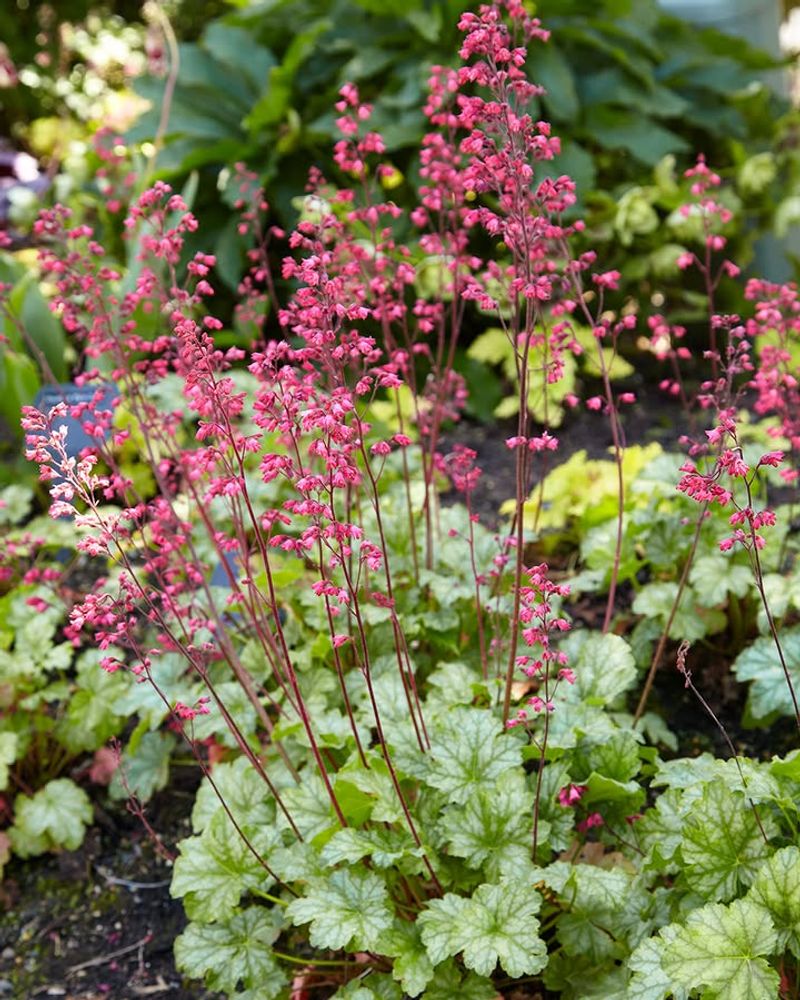
Most perennials earn their keep through flowers alone, but coral bells brings something extra to the table.
The foliage, which can range from lime green to deep burgundy to copper, stays colorful from spring through fall and sometimes into winter in milder Ohio years.
Slender stems rise above the leaves in late spring and early summer, topped with tiny bell-shaped pink flowers that hummingbirds find irresistible.
Heuchera, the botanical name for coral bells, adapts well to both sun and shade, though most varieties prefer partial shade in Ohio’s warmer summers. Too much afternoon sun can scorch the leaves, especially in darker-leaved varieties.
Well-drained soil is important because coral bells does not like to sit in wet conditions, particularly over winter. Raised beds or slopes with amended soil work very well.
Popular varieties for Ohio include ‘Palace Purple,’ ‘Caramel,’ and ‘Berry Smoothie,’ each offering distinct foliage colors paired with pink or white blooms. These plants mix beautifully with hostas, ferns, and astilbe in shade beds.
Dividing every three to four years prevents the crown from heaving out of the soil, which can happen naturally as plants age. Coral bells is a true four-season plant that earns its garden space effortlessly.
9. Dianthus Stays Compact With Fragrant Pink Flowers
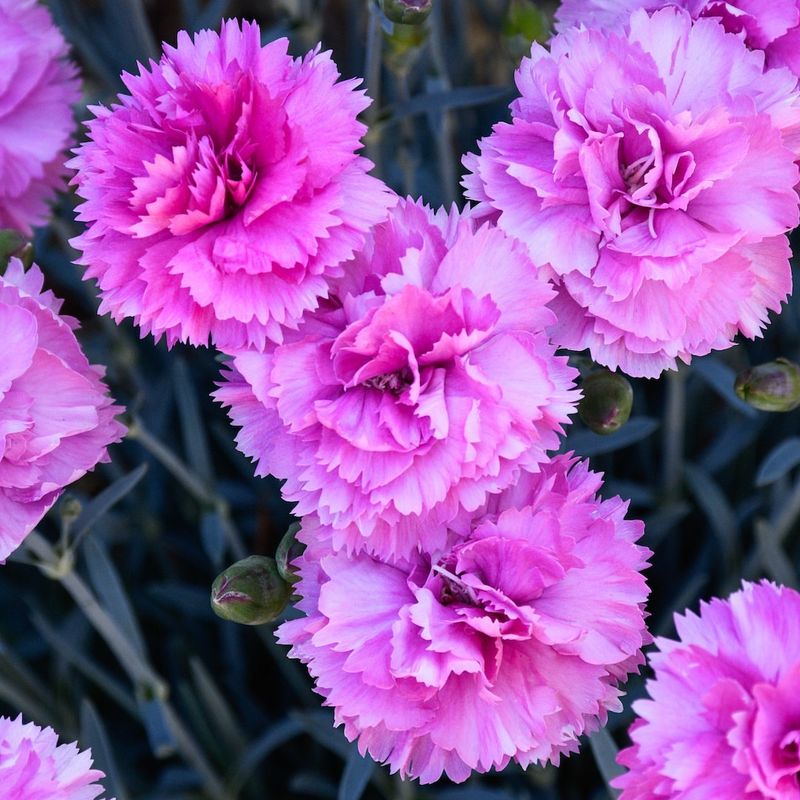
The sweet, clove-like fragrance of dianthus is the kind of scent that stops people mid-stride. Commonly called pinks, these compact plants produce clusters of fringed flowers in shades ranging from pale blush to deep rose.
They are a natural fit for edging garden paths, raised beds, and front borders where their low, tidy growth habit stays neat all season.
Good drainage is the single most important factor for growing dianthus successfully in Ohio. These plants do not tolerate soggy soil and are particularly vulnerable to root problems during wet winters.
Planting in raised beds, slopes, or well-amended garden borders with sandy or gritty soil helps ensure they come back strong each spring. Full sun, meaning six or more hours per day, keeps the plants compact and blooming well.
Dianthus typically blooms in late spring to early summer, with some rebloom possible if spent flowers are removed promptly. Varieties like ‘Firewitch,’ which earned the Perennial Plant of the Year award in 2006, perform exceptionally well in Ohio conditions.
The silvery-blue foliage stays attractive even when plants are not in bloom, adding texture to the border year-round. These charming, fragrant plants are underused in Ohio gardens and deserve far more attention than they typically receive.
10. Sedum Brings Late Season Pink With Minimal Care
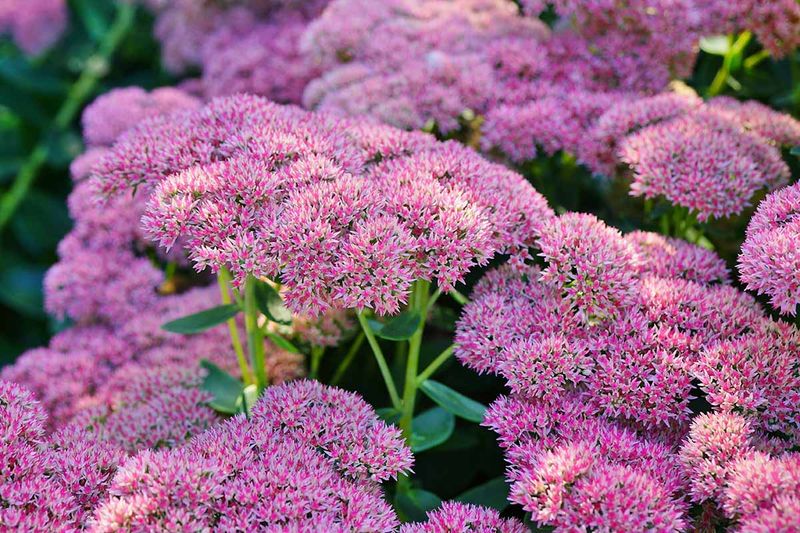
As summer winds down and most perennials start to fade, sedum steps up with some of the best color of the entire gardening year.
Upright sedum varieties, now classified as Hylotelephium, produce flat-topped clusters of tiny star-shaped flowers that open in shades of pink and deepen to rosy red as fall progresses.
The thick, succulent foliage looks attractive well before the flowers even appear.
‘Autumn Joy’ is perhaps the most recognized variety, and it remains one of the most dependable perennials for Ohio gardens.
It blooms from late August through October and the dried flower heads hold their structure through winter, offering visual interest long after the growing season ends.
Bees and butterflies flock to the blooms, making it a valuable late-season pollinator resource when few other flowers remain.
Sedum thrives in full sun and well-drained soil. It tolerates drought, poor soil, and neglect far better than most perennials, making it an excellent choice for low-maintenance Ohio landscapes.
Avoid planting in heavy clay that stays wet because that is the one condition these plants genuinely struggle with. Cutting stems back to a few inches in early spring keeps growth tidy.
For sunny, dry spots where other plants struggle, sedum is practically unbeatable.
11. Turtlehead Thrives In Moist Soil With Unique Pink Blooms
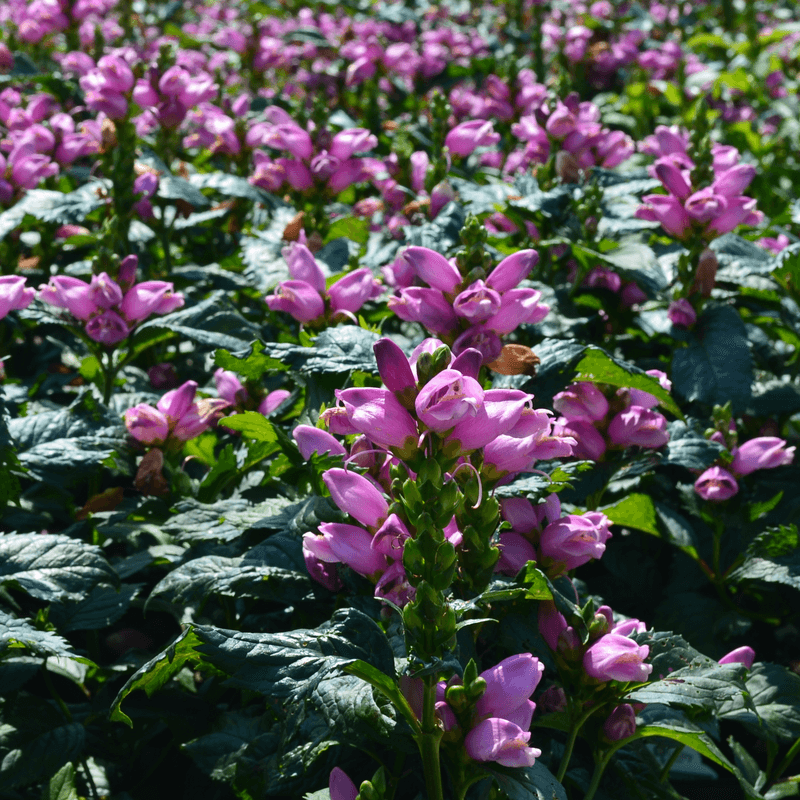
Not many perennials can claim both native status and a truly unusual flower shape, but turtlehead does both with style.
The tubular pink blooms, which genuinely resemble the head of a turtle with its mouth slightly open, appear in late summer and early fall when most other perennials are winding down.
It is a plant that sparks curiosity and conversation in any Ohio garden.
Chelone glabra and Chelone lyonii are the native species most commonly grown in Ohio. Both are well-suited to moist, low-lying areas where other perennials struggle.
Rain gardens, pond edges, streamside plantings, and shaded spots with consistently damp soil are ideal locations.
Baltimore checkerspot butterflies, a native species, rely on turtlehead as a host plant for their larvae, making this an especially valuable addition to wildlife-friendly gardens.
Turtlehead grows best in partial shade to full sun with rich, consistently moist soil. Plants reach two to three feet tall and work well in the middle of a border or naturalized area.
Spacing about 18 inches apart allows for good airflow and natural spread over time.
Because it blooms so late in the season, turtlehead extends garden interest well into September and October, filling a color gap that is genuinely hard to address with other pink perennials.