The Tomato Growing Secrets North Carolina Gardeners Use To Push Through The July Humidity Slump
July is where a lot of North Carolina tomato gardens quietly fall apart.
The plants go in strong, May and June bring steady growth and promising blooms, and then the heat and humidity arrive together and everything stalls.
Fruit production slows down, flowers drop before setting, foliage starts looking tired, and gardeners who were excited about their crop a few weeks earlier start wondering what went wrong.
This pattern is common enough across the state that experienced growers have a name for it, and more importantly, they have developed specific strategies for pushing through it.
The July humidity slump is not inevitable, it is manageable, but it requires a different approach than what gets most tomatoes through the easier parts of the season.
The gardeners who consistently pull strong harvests well into late summer are doing a handful of things differently during this critical stretch, adjustments in timing, plant management, and soil care that add up to a harvest that keeps going while neighboring gardens are struggling to hold on.
1. Prune Lower Leaves Early And Consistently
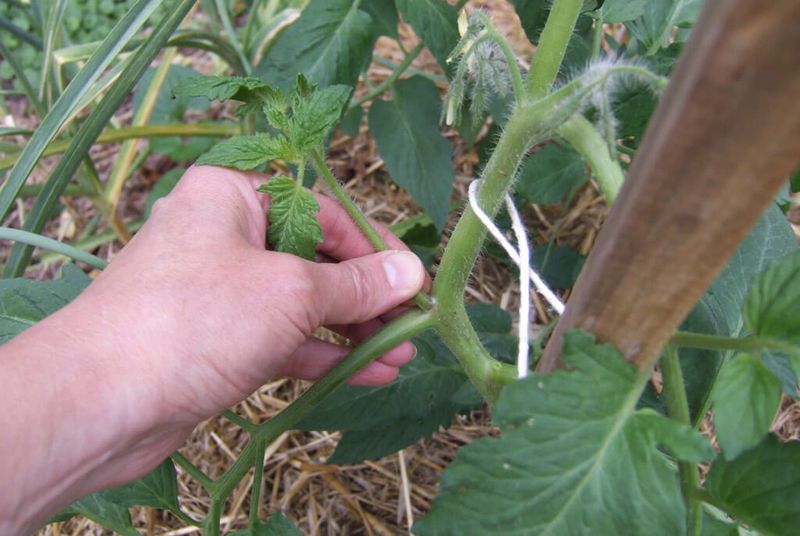
Most gardeners know that tomato plants can get bushy fast, but not everyone realizes how much those lower leaves can work against you during humid North Carolina summers.
Removing the bottom 8 to 12 inches of foliage is one of the smartest moves you can make before July really heats up.
When you open up that lower section of the plant, air moves through more freely and leaves dry out faster after rain or morning dew.
Fungal diseases absolutely love moisture, and wet leaves sitting close to the soil are basically an open invitation for trouble. Consistent pruning keeps that risk much lower throughout the season.
Make it a weekly habit to check your plants and snip off any new growth creeping back into that lower zone.
Always use clean, sharp scissors or pruners so you are not spreading bacteria from plant to plant. Wipe your blades with rubbing alcohol between plants if you notice any spots or yellowing.
North Carolina summers are long and humid, so staying on top of this simple task from the start gives your tomatoes a much stronger chance of staying healthy and productive well into August and beyond.
2. Space Plants Wider Than Typical Recommendations
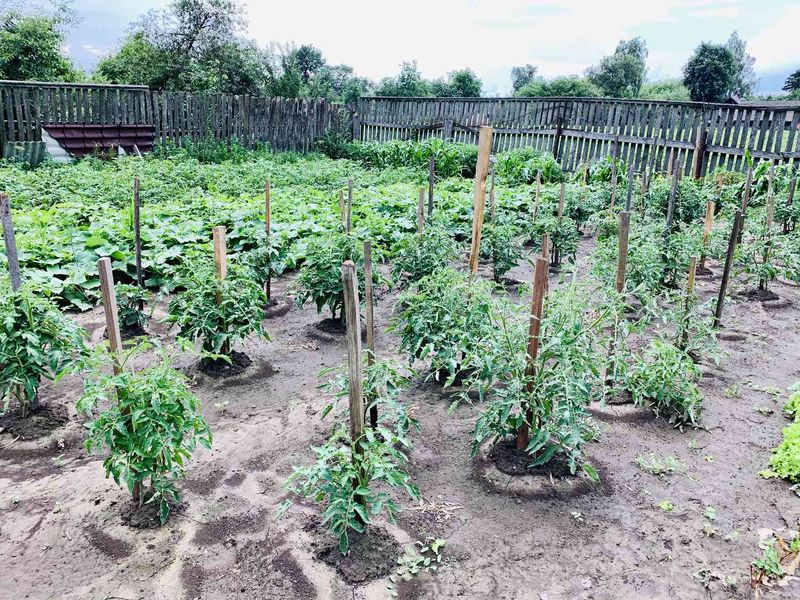
Picture two tomato plants crammed so close together that their leaves constantly brush and overlap.
That is a recipe for moisture buildup, poor air circulation, and rapid disease spread, especially in a humid state like North Carolina where July air already feels thick enough to cut with a knife.
Giving your plants extra room is one of those simple adjustments that pays off in a big way.
Standard planting guides often suggest spacing tomatoes about 18 to 24 inches apart, but in humid climates, bumping that up to 30 or even 36 inches makes a noticeable difference.
More space means more airflow between plants, which means leaves dry out faster after rain and morning humidity burns off more quickly.
That faster drying time reduces the window when fungal spores can take hold and spread.
Your North Carolina Garden Changes Every Week. Your Plan Should Too.
Gardening in North Carolina changes quickly throughout the season. Every Friday you’ll receive a simple weekly plan showing exactly what to plant, prune, fertilize, harvest, and protect so you never miss the right timing.
Wider spacing also makes it easier to get in between plants for pruning, inspecting, and harvesting without damaging stems or knocking fruit off the vine.
North Carolina gardeners who have made this switch often say it is one of the best decisions they ever made for their summer garden.
Yes, you might fit fewer plants in your bed, but the ones you do grow will be healthier, more productive, and far less likely to struggle through the brutal humidity of a Piedmont or coastal summer.
3. Mulch To Prevent Soil Splash
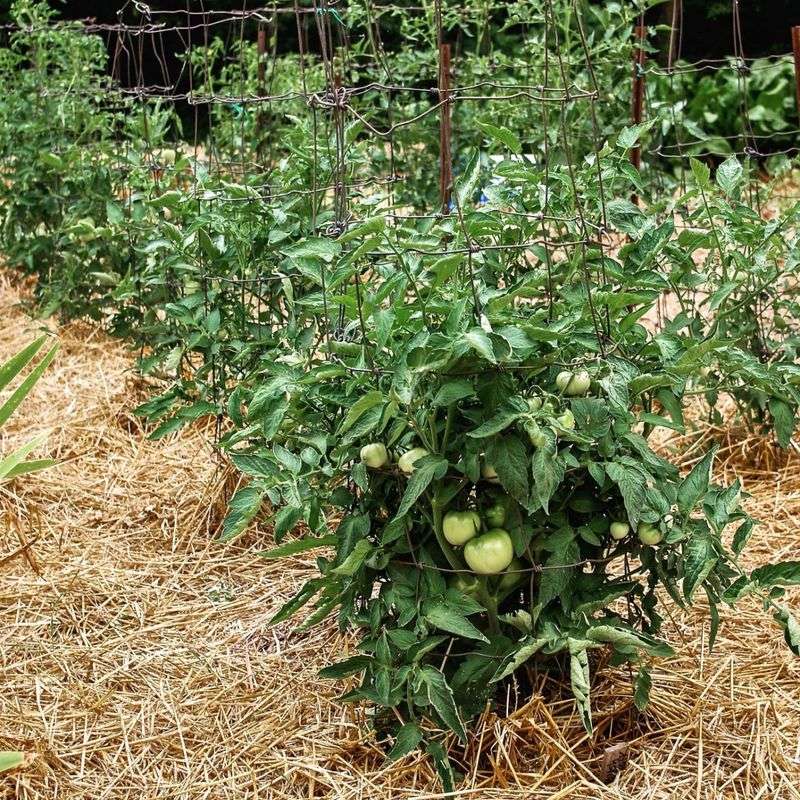
Here is something that surprises a lot of newer gardeners: a huge source of tomato disease does not come from the air, it comes from the ground.
During North Carolina’s heavy July rainstorms, soil particles loaded with fungal spores and bacteria get splashed up onto the lower leaves and stems of tomato plants.
Once those pathogens land on wet foliage, they have everything they need to spread fast. A good layer of mulch acts like a protective barrier between the soil and your plants.
Straw is the most popular choice among North Carolina gardeners because it is affordable, widely available, and does a great job of absorbing the impact of heavy rain before it can kick up soil.
Apply a layer about 3 to 4 inches thick around the base of each plant, keeping it a few inches away from the stem itself to avoid trapping moisture right against the plant.
Beyond disease prevention, mulch also helps regulate soil temperature during those scorching July afternoons, keeps moisture in the soil longer so you water less often, and even suppresses weeds competing for nutrients.
It is genuinely one of the most hardworking tools in a gardener’s toolkit.
Whether you are growing in the mountains near Asheville or down in the coastal plains near Wilmington, mulching your tomato beds before the summer rains hit is a habit worth building every single year.
4. Water At The Base, Not Overhead
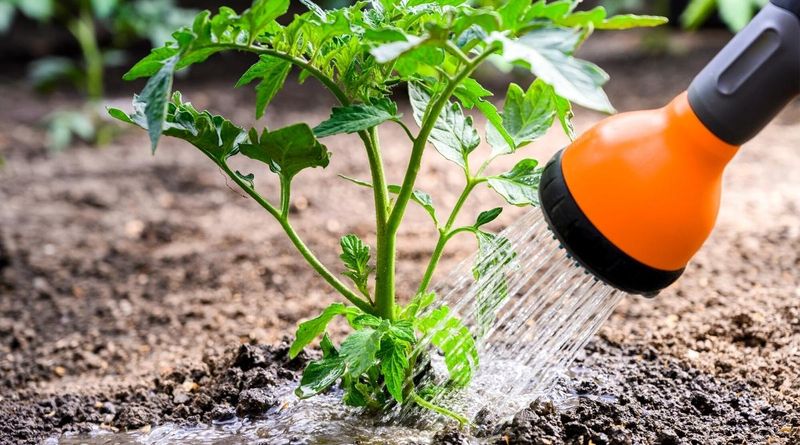
Watering tomatoes might seem straightforward, but the way you deliver water matters more than most people expect.
Overhead watering, whether from a sprinkler or a hose held up high, coats the leaves with moisture and keeps them wet for hours.
In North Carolina’s sticky July humidity, those wet leaves become prime territory for early blight, late blight, and a whole lineup of other fungal problems that can spread through a garden surprisingly fast.
Switching to base watering changes the game completely. Drip irrigation systems are the gold standard because they deliver water slowly and directly to the root zone without getting a single leaf wet.
If drip irrigation is not in your budget right now, a simple soaker hose works beautifully and costs very little.
Even careful hand watering aimed right at the soil near the base of each plant is a massive improvement over sprinklers.
Try to water in the morning so the soil has time to absorb moisture before the heat of the day, and any accidental splashes on leaves can dry out quickly in the sun.
Avoid watering in the evening when cooler night temperatures slow evaporation and leave surfaces damp for hours.
North Carolina gardeners who make this one switch often see a noticeable drop in fungal issues within just a few weeks, making it one of the easiest and most effective changes you can make this summer.
5. Use Shade Cloth During Extreme Heat
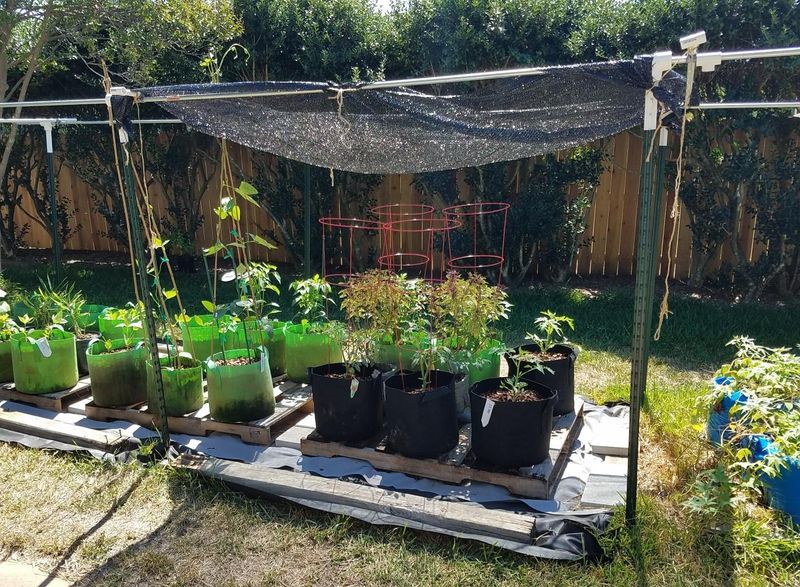
North Carolina summers can get brutally hot, and July is often the worst of it. When temperatures regularly push past 95 degrees Fahrenheit, tomato plants start to struggle in ways that go beyond just wilting.
Flower drop becomes a real problem because blossoms fall off before they can set fruit, and that means fewer tomatoes at harvest time no matter how well you have been caring for your plants.
A light shade cloth rated around 30 percent is a practical and affordable solution that many experienced North Carolina gardeners swear by.
It reduces the intensity of direct afternoon sun just enough to keep plant stress levels manageable without blocking so much light that growth slows down.
You can find these cloths at most garden centers or online, and they are easy to drape over simple hoops or a basic frame above your tomato beds.
The goal is not to shade your plants all day long but rather to take the edge off during the hottest part of the afternoon, usually between noon and 4 p.m.
Once the sun drops lower and temperatures ease, you can fold the cloth back to let in full light.
Gardeners in areas like the Research Triangle and the Sandhills region, where summer heat can be especially intense, have found this technique particularly helpful for keeping tomatoes in flower and fruit production mode straight through the toughest weeks of the season.
6. Choose Heat-Set Or Heat-Tolerant Varieties
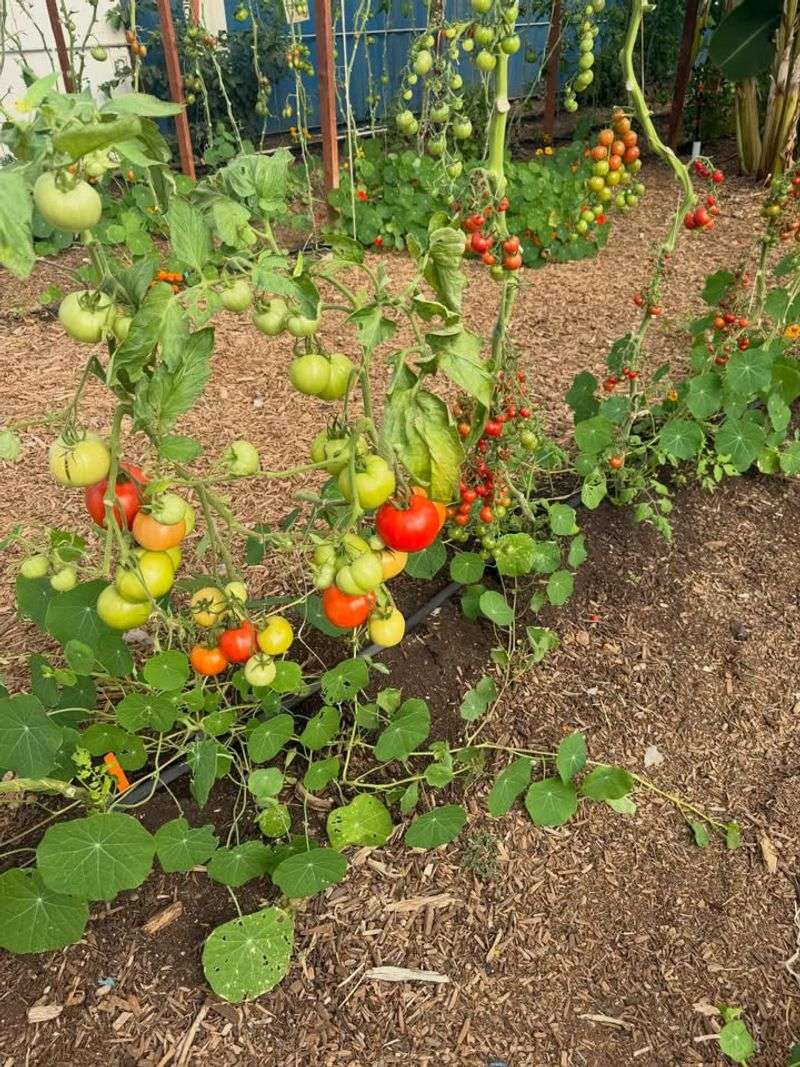
Not every tomato variety handles the Carolina heat the same way, and choosing the right one from the start can save you a whole season of frustration.
Standard varieties like Celebrity or Early Girl are solid performers, but when July temperatures stay above 90 degrees during the day and barely drop below 75 at night, even reliable varieties can struggle to set fruit.
The pollen becomes less viable in extreme heat, and that means fewer tomatoes making it to your table.
Heat-set and heat-tolerant varieties are bred specifically to keep producing under those tough conditions.
Varieties like Heatmaster, Solar Fire, and Florida 91 have been developed and tested in hot, humid climates very similar to North Carolina’s summer environment.
They hold their blossoms better, set fruit more reliably during heat waves, and tend to bounce back faster after a particularly brutal stretch of weather.
Checking with your local North Carolina Cooperative Extension office is a great way to find out which varieties perform best in your specific region, whether you are in the Appalachian foothills or the flat coastal plain.
Local farmers markets and plant sales are also excellent places to ask experienced growers what they plant and why.
Picking the right variety before you even put a single plant in the ground is one of the highest-impact decisions you can make for a successful summer tomato harvest in North Carolina.
7. Remove Diseased Leaves Immediately
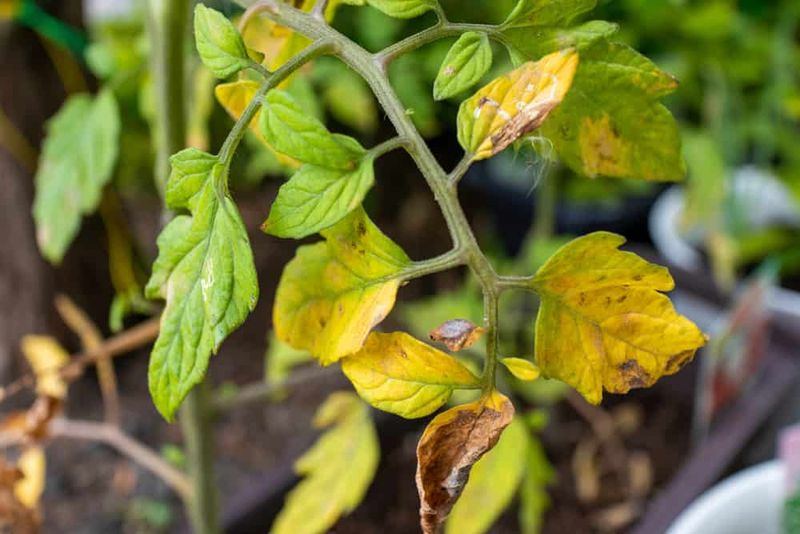
Spotting a yellowing leaf or a brown spotted one on your tomato plant can feel discouraging, but the worst thing you can do is leave it there hoping it will get better on its own.
In North Carolina’s July humidity, fungal diseases move fast. What starts as one or two spotted leaves can spread to half the plant within a week if you do not act quickly.
Catching problems early and removing affected leaves right away is one of the most effective ways to slow that spread.
When you spot leaves with dark spots, yellow patches, or any kind of unusual discoloration, pull them off cleanly and dispose of them away from the garden.
Do not toss them into your compost pile because fungal spores can survive there and cause problems later.
Bagging them up and putting them in the trash is the safer move. After removing diseased material, always wash your hands or wipe down your pruners before touching healthy plants.
Making a habit of walking through your garden every two or three days during July gives you the best chance of catching issues before they get out of hand. Think of it like a quick wellness check for your plants.
North Carolina summers are relentless, but gardeners who stay observant and act fast when they spot trouble tend to enjoy longer harvests and healthier plants all the way through the end of the season. Staying proactive really does make all the difference.