This Is When Florida Gardeners Should Stop Pruning Their Tomatoes
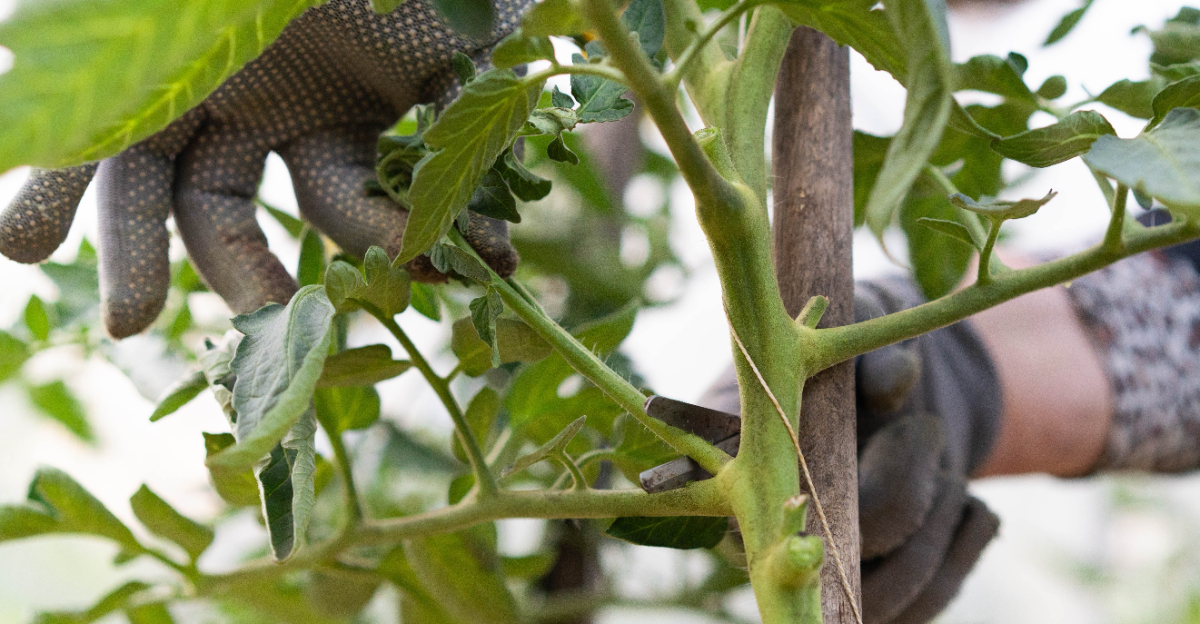
Pruning tomatoes feels productive. You are out there making decisions, cleaning up the plant, keeping things tidy.
For a lot of Florida gardeners it becomes a habit, something to do every time you walk past the garden and notice a new sucker pushing out. The problem is that tomatoes in Florida are working against a clock that most pruning advice does not account for.
The window between a manageable plant and one that is already fighting heat stress, disease pressure, and a season that is winding down faster than you expected is shorter than it looks.
At a certain point, pruning stops helping and starts hurting.
Knowing where that line is makes a real difference in what actually makes it to your plate before the season closes out.
1. Stop Heavy Pruning Once Florida Heat Starts Winning
By the time May rolls around in Florida, the sun does not just warm your garden, it hammers it. Temperatures climb fast, nights stay warm, and the air gets thick with humidity that makes everything feel like it is wrapped in a hot, damp towel.
That combination changes what your tomato plant actually needs from you.
Heavy pruning at this stage removes the leafy canopy that shades developing fruit from direct sunlight. Without enough leaf cover, tomatoes can develop sunscald, which shows up as pale, papery patches on the fruit skin.
That damage cannot be reversed once it sets in.
Stripping too many leaves also reduces the plant’s ability to make energy through photosynthesis, which is already under pressure from heat stress. A plant that looks a little tired by noon does not need fewer leaves.
It needs every healthy leaf it still has.
Regional timing matters a lot here. North Florida gardeners may still have several productive weeks left in their spring season, so light and targeted pruning can still make sense.
Central Florida is entering a rougher transition period where the benefits of heavy cutting shrink fast. South Florida is often already at or past the traditional tomato season’s best window, so aggressive pruning there rarely pays off at this point in the year.
2. Watch The Plant Stage Before You Cut Another Sucker
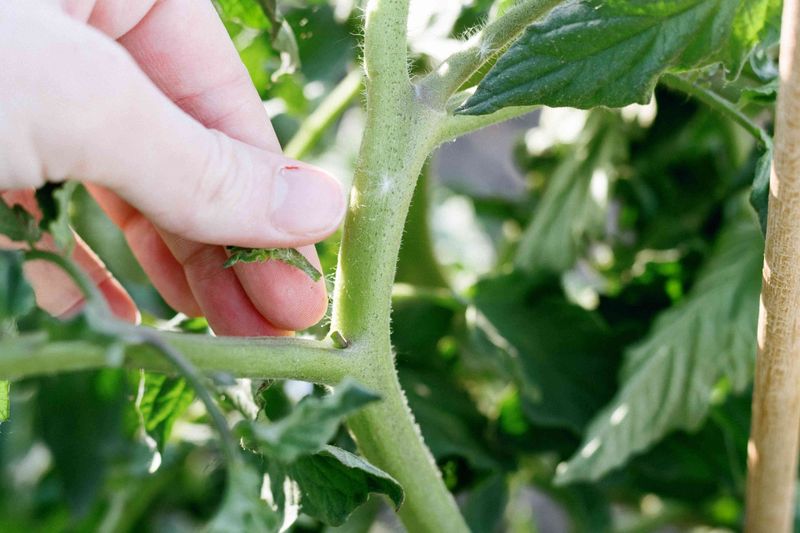
Not every sucker needs to go, and not every plant is ready for any pruning at all. The calendar is only one piece of the picture.
What the plant is actually doing right now matters just as much as what month it is.
Young, vigorous tomato plants with strong stems, healthy color, and no fruit yet can usually handle light sucker pinching without much stress.
UF/IFAS guidance on tomato pruning focuses on managing young sucker shoots during the early training stage, not on stripping mature plants that are already carrying a crop.
Once a plant is flowering, setting fruit, or already hauling a heavy load of developing tomatoes, it is working hard. Cutting suckers at that stage removes growth that the plant may be relying on for energy and leaf cover.
Your Florida Garden Changes Every Week. Your Plan Should Too.
Gardening in Florida changes quickly throughout the season. Every Friday you’ll receive a simple weekly plan showing exactly what to plant, prune, fertilize, harvest, and protect so you never miss the right timing.
If the plant is wilting in afternoon heat, showing yellowing leaves, or losing foliage to disease, pruning should become very selective and minimal.
A simple rule that works well in Florida gardens: before you reach for the shears, look at what the plant is doing. Is it thriving, struggling, or somewhere in between?
A thriving young plant can take light training. A stressed, fruiting, or heat-worn plant needs support and stability, not more cuts.
Reading the plant honestly before pruning saves a lot of problems later in the season.
3. Leave Determinate Tomatoes Mostly Alone After Fruit Sets
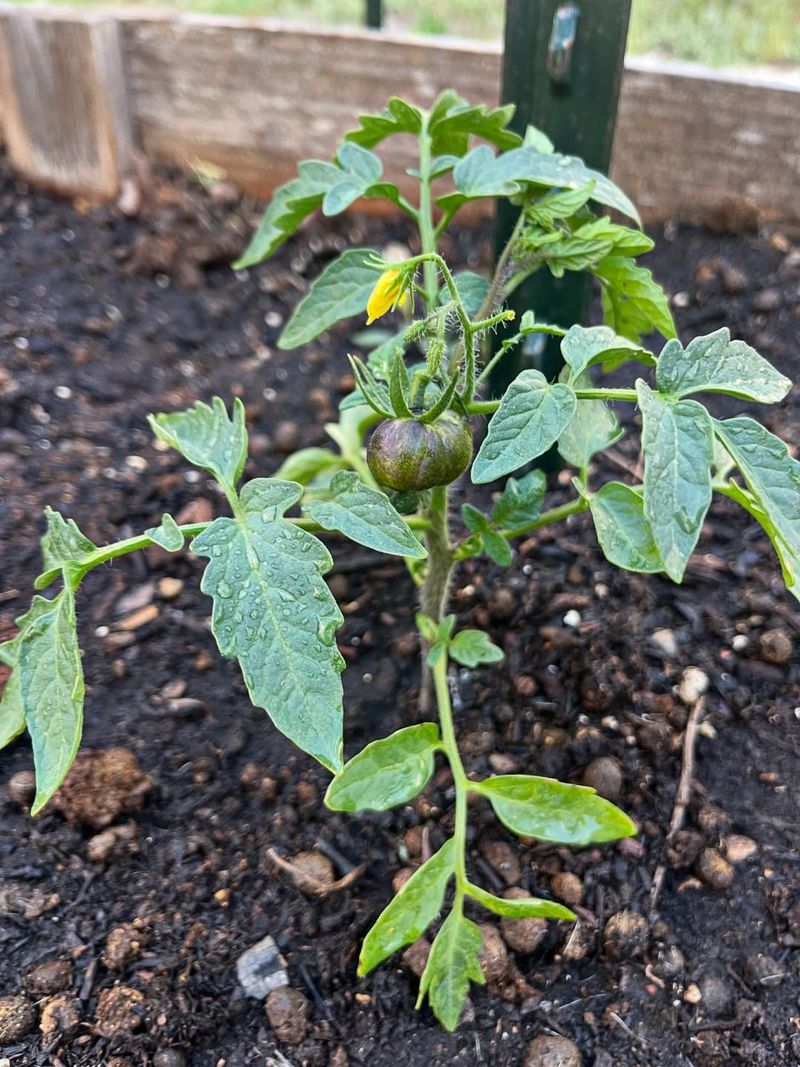
Determinate tomatoes grow in a compact, bushy shape and tend to load up their fruit within a fairly concentrated window of time.
That growth habit makes them popular in Florida home gardens because they are easier to manage than tall climbing vines, but it also means they need a different pruning approach than most guides suggest.
Once a determinate plant has set its fruit, heavy pruning can actually hurt your harvest.
Those leaves and branches you are thinking about removing are often shading the fruit, supporting the structure of the plant, and contributing to the energy the tomatoes need to finish ripening.
Cutting too much away at this stage is working against what the plant is trying to accomplish.
The right approach after fruit set is to keep pruning very limited. Remove leaves that are touching the soil, since those can carry disease up into the plant.
Take out growth that is clearly diseased, broken, or badly crowded in a way that blocks airflow. Beyond that, leave the plant alone and let it do its job.
Determinate plants are not indeterminate vines that keep pushing new growth all season. They have a plan, and that plan is already in motion once fruit appears.
Respecting that natural growth cycle, especially during Florida’s warm and humid late spring, gives the plant the best chance of delivering a full and healthy crop before the heat becomes overwhelming.
4. Ease Up On Indeterminate Tomatoes When The Canopy Protects Fruit
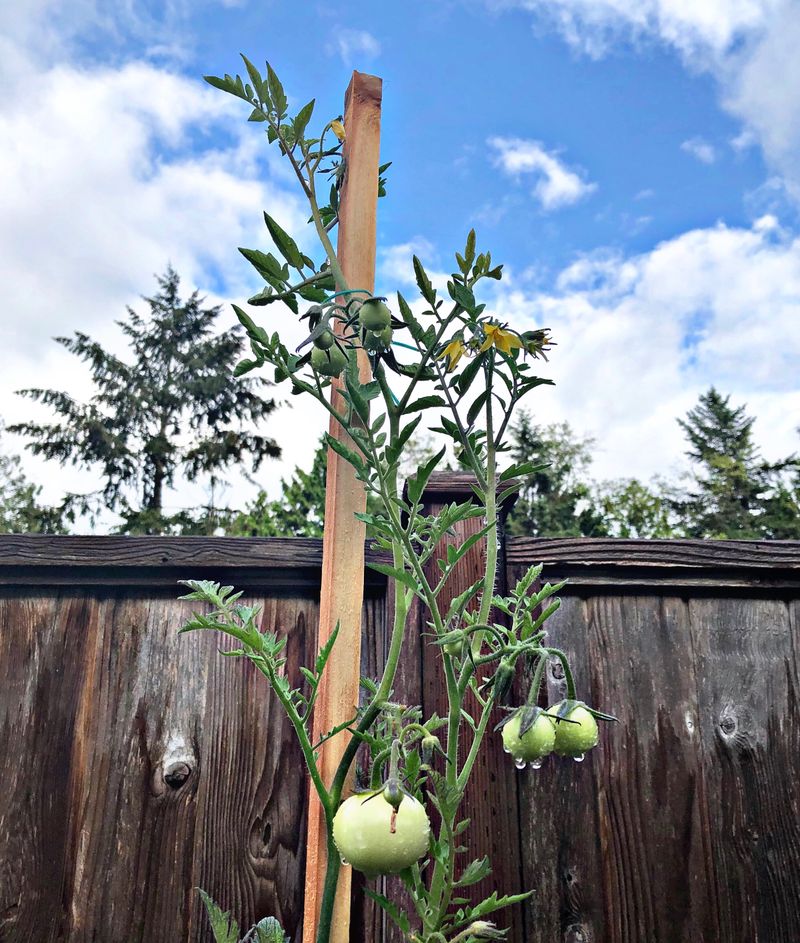
Tall, climbing indeterminate tomatoes are the type that most people picture when they think about sucker pruning and careful training.
Early in the season, managing suckers on these plants makes real sense because it helps direct energy, keeps the plant from getting too bushy, and makes it easier to support the vine as it grows.
However, the goal shifts once Florida’s sun gets serious and fruit starts forming on the plant. At that point, the dense canopy of healthy leaves becomes a valuable tool rather than a problem to manage.
Those leaves shade the developing fruit from intense sunlight, help regulate the temperature around the clusters, and keep photosynthesis running so the plant can actually finish what it started.
Aggressively removing suckers once the plant has a solid structure and visible fruit is counterproductive. You are essentially taking away the shade cover and energy-making capacity the plant built up through the whole early season.
Switch to a maintenance approach instead. Walk the plant and look for leaves that are clearly diseased, broken, or creating dense wet pockets that stay damp after rain.
Improve airflow in problem spots without stripping healthy growth. Keep the plant well supported so branches do not snap under the weight of fruit.
The indeterminate tomato has more growing potential than a determinate type, but that potential depends on keeping a healthy, functional canopy through the harder part of the Florida season.
5. Prune For Airflow Not For Endless New Growth
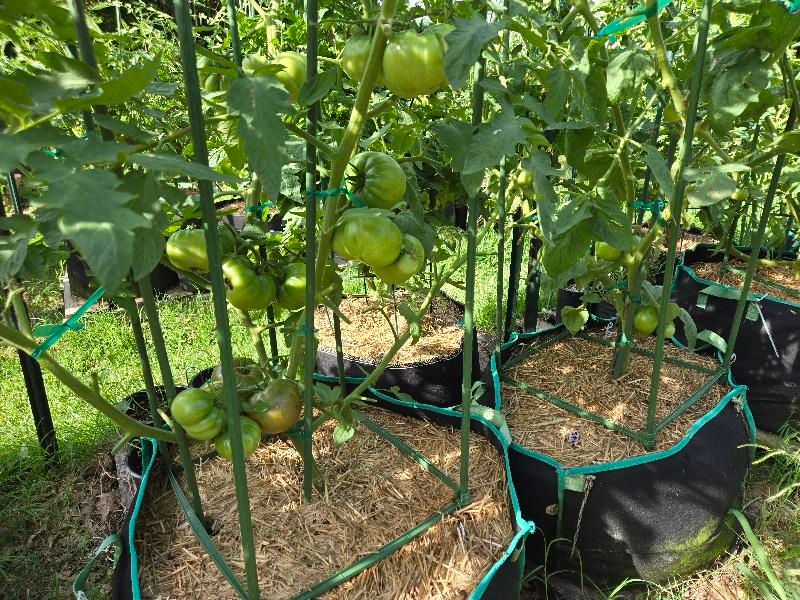
Sticky, humid Florida air creates the perfect environment for fungal diseases, and dense tomato foliage that stays wet after afternoon storms is an invitation for serious problems.
That is the real reason to keep pruning selectively later in the season, but the goal is better airflow, not forcing the plant to push out endless new shoots.
Lower leaves that touch or nearly touch the soil should come off carefully. Soil contact allows fungal spores and bacteria to splash up onto the plant during rain or irrigation, and in Florida’s wet season, that happens constantly.
Removing those lower leaves reduces one of the most common disease entry points in the home garden.
Interior growth that stays crowded and damp, crossing stems that rub together, and leaves that are already showing spots or discoloration are also reasonable targets.
Taking out a few problem areas at a time improves airflow without removing so much that you expose healthy fruit to the sun.
What you want to avoid is using airflow as a reason to prune heavily all at once. Removing too much foliage in a single session stresses the plant, reduces its energy-making capacity, and can leave fruit suddenly exposed to full Florida sun.
Think of late-season pruning as careful editing rather than a major renovation. A few strategic cuts made regularly do far more good than one aggressive session that leaves the plant scrambling to recover during the hottest and most stressful part of the year.
6. Let North Florida Plants Carry Their Spring Crop Longer
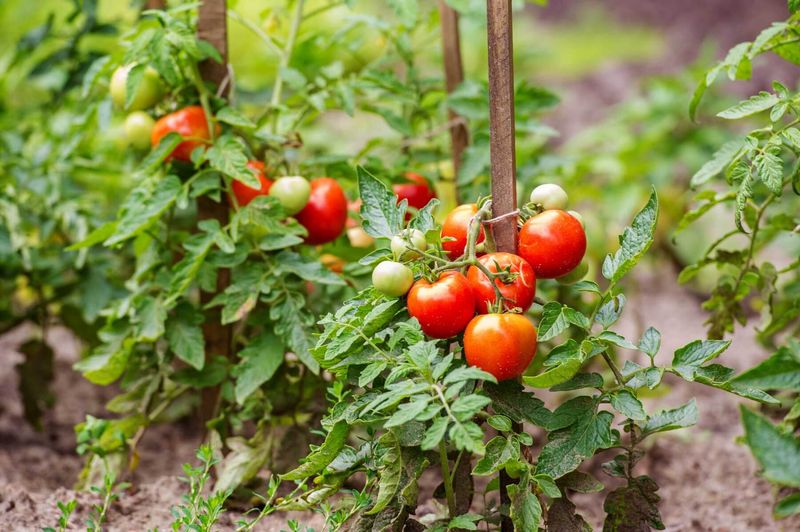
North Florida operates on a different tomato schedule than the rest of the state, and that difference is worth understanding before you decide to pull back on all pruning at once.
Tomatoes planted in March or April in the Panhandle or north of Gainesville may still be in a strong, productive growth phase well into May, with flowering continuing and fruit actively setting on healthy plants.
That extra productive window means light, targeted pruning can still make sense for indeterminate tomatoes in North Florida that need ongoing training and support.
Managing a few suckers, removing lower leaves from the soil zone, and keeping tall vines tied to their supports are all reasonable tasks during this period.
What to avoid is making harsh cuts during a hot, dry stretch or right before a storm system moves through. Heat stress combined with fresh pruning wounds puts extra pressure on the plant at a vulnerable moment.
Timing even minor pruning during a cooler morning and giving the plant steady water and mulch support helps it recover smoothly.
The focus for North Florida in May should be carrying the existing crop through to harvest rather than trying to restart the plant or push aggressive new growth.
Keep what is working, fix what is causing problems, and let the plant use its energy where it counts most right now, which is finishing the fruit that is already on the vine and doing well.
7. Treat Central Florida May As A Transition Month
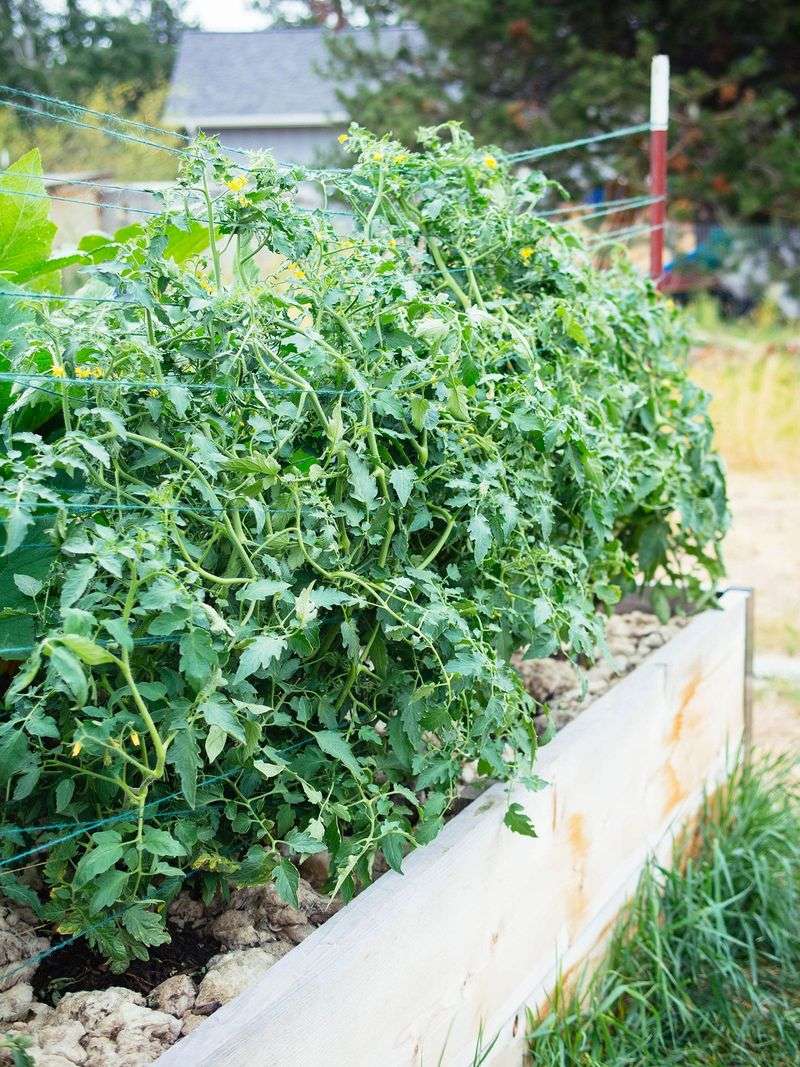
Central Florida in May sits in an uncomfortable in-between space for tomato growers. Some plants may still be producing well, especially if they were planted on a good schedule and have been well cared for.
But the conditions surrounding those plants are shifting fast, and that shift changes what pruning can realistically accomplish.
Heat is building, afternoon storms are becoming more frequent and intense, humidity is climbing, and disease and pest pressure are picking up as the rainy season approaches.
A tomato plant dealing with all of that at once does not benefit much from continued aggressive sucker removal.
What it needs is stability, consistent moisture, good mulch coverage, and protection from the stress that is coming from every direction.
This is the time to move from active training pruning toward careful maintenance pruning. Scout for disease symptoms like early blight or leaf spot and remove affected leaves promptly.
Keep soil-touching foliage trimmed. Make sure the plant is well supported so storm winds do not snap branches loaded with fruit.
Watering consistency matters more than pruning at this stage. Sandy Central Florida soils lose moisture quickly, and a plant that dries out and then gets drenched by a storm is already working hard just to stay stable.
Pruning cannot fix heat stress, root problems, or poor drainage. Recognizing that May is a transition month, not a peak growing moment, helps Central Florida gardeners make smarter choices about where to focus their energy and effort.
8. Stop Pushing South Florida Tomatoes Past Their Best Season
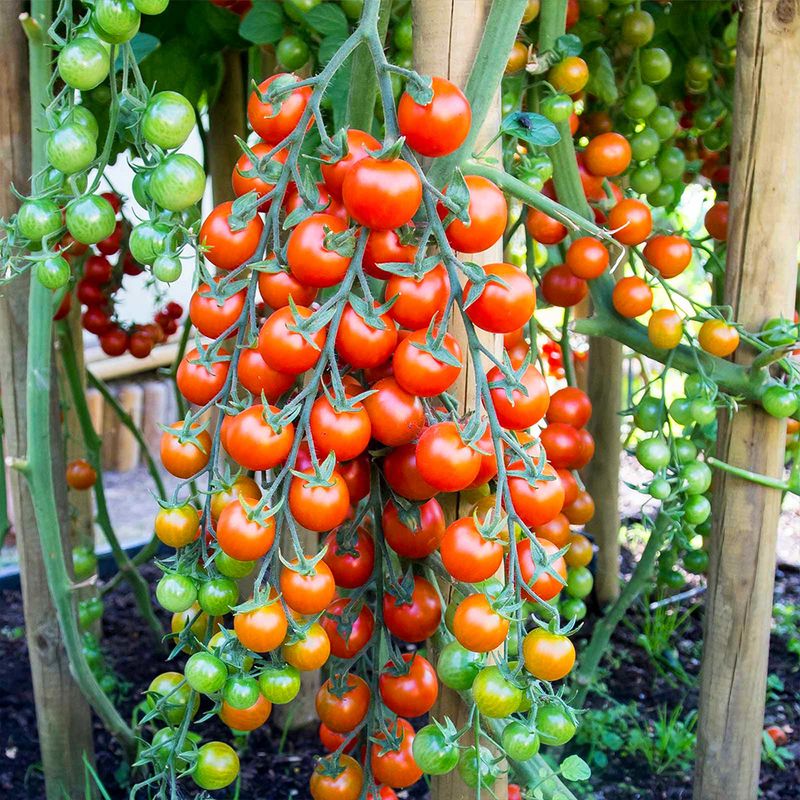
South Florida plays by its own rules when it comes to tomatoes, and May is often a clear signal that the traditional growing season is winding down or already past its strongest stretch in many locations.
The best tomato growing in South Florida happens during the cooler fall, winter, and early spring months when temperatures are manageable and disease pressure is lower.
By May, that comfortable window is closing or already gone.
Pruning heavily to force new growth through hot, humid South Florida weather is rarely a winning strategy. The plant is already dealing with heat and humidity that can limit flowering, fruit quality, and overall performance.
A smarter approach for South Florida gardeners in May is to support whatever healthy fruit is still on the plant, remove diseased or physically damaged foliage to keep airflow decent, and avoid making major cuts that expose the plant to even more sun stress.
If the plant looks like it has given most of what it has, let it finish gracefully rather than trying to force another round of production.
Container tomatoes, cherry tomato varieties, and heat-tolerant types may still be producing in some South Florida spots, and those plants can continue with cautious, minimal pruning focused only on problem areas.
But the bigger takeaway for South Florida in May is this: start thinking about the next planting window, which will arrive again in fall, rather than squeezing a struggling plant through conditions it cannot handle well.