Perennial Veggies You Can Plant In Pennsylvania Once And Harvest For Years
Most vegetable gardeners spend more time replanting than they probably realize. Every spring it’s the same routine – starting seeds, buying transplants, prepping beds, and investing real time and money into crops that will be completely gone by fall.
It’s rewarding, no question, but it’s also a cycle that resets itself every single year without any accumulated return on all that effort. Perennial vegetables quietly solve that problem in a way that more Pennsylvania gardeners should know about.
Plant them once, give them a season or two to get properly established, and they just keep producing year after year without asking you to start over.
Some of them actually improve with age, putting out bigger and better harvests as their root systems mature and deepen over multiple seasons.
Pennsylvania’s climate, with its defined seasons and reliable rainfall, turns out to be genuinely well suited to a surprising variety of perennial vegetables that most gardeners have never considered growing.
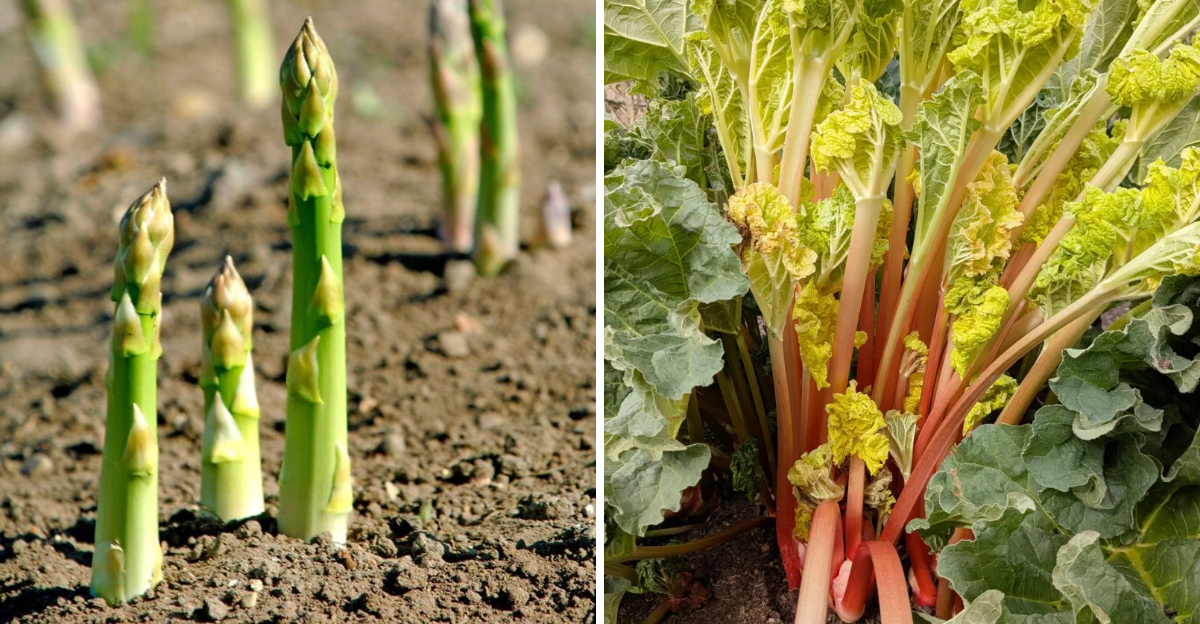
1. Asparagus
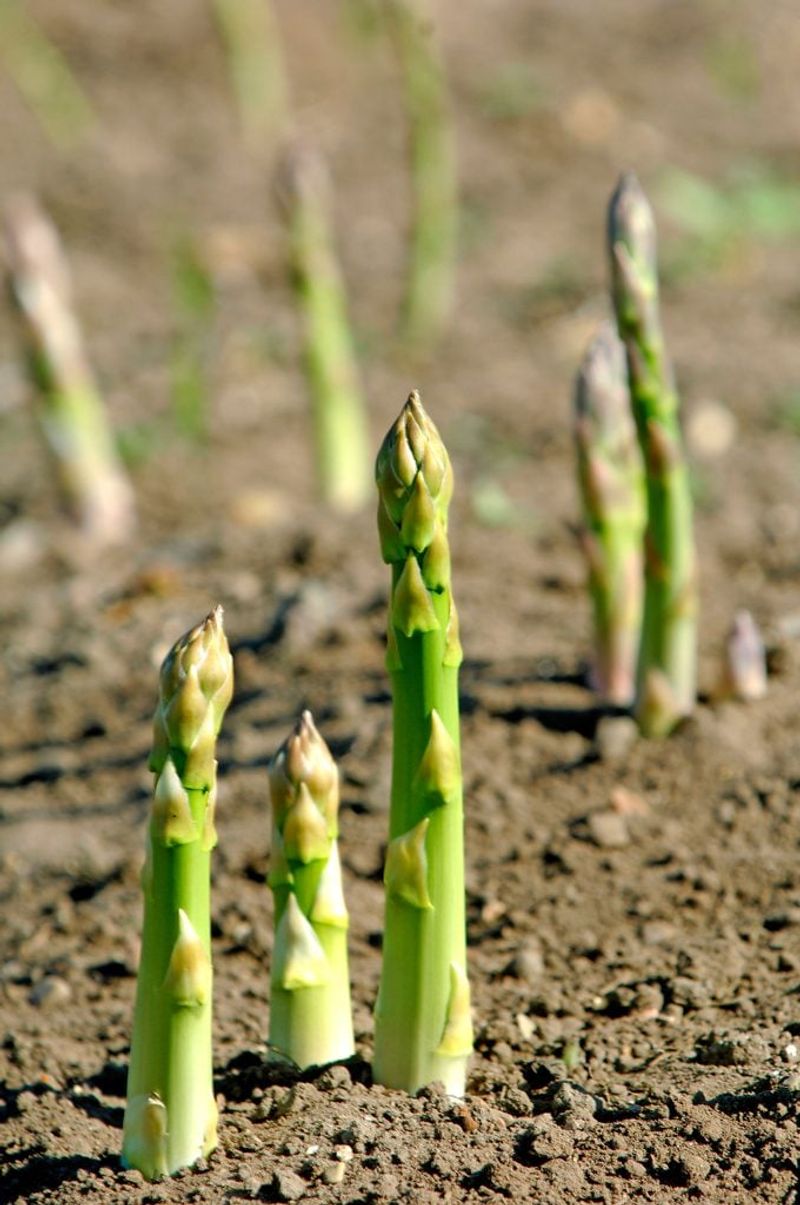
Plant asparagus once, and it will reward you with fresh spears every spring for up to 20 years. That is not a typo.
This classic perennial vegetable is one of the best long-term investments any Pennsylvania gardener can make. Once the roots settle in, asparagus comes back stronger and more productive with each passing year.
Asparagus grows best in full sun and well-drained soil. Pennsylvania’s climate is a great match for this crop.
Pick a permanent spot in your garden because once you plant it, you will not want to move it. Raised beds work really well since they keep the soil from getting waterlogged during rainy springs.
Start with one-year-old crowns rather than seeds. This saves a full growing season and gets you to harvest much faster.
Plant the crowns in a trench about 6 to 8 inches deep, spacing them roughly 18 inches apart. Cover them gradually as the shoots grow upward.
The hardest part of growing asparagus is waiting. You should avoid harvesting during the first two years so the plants can build strong root systems. By year three, you will have a solid harvest. After that, expect more spears every spring.
Asparagus spears should be cut when they are about 6 to 8 inches tall and still tight at the tip. Once the tips begin to open up and feather out, they become tough and less tasty. A sharp knife or garden scissors makes clean cuts without damaging the crown below.
Pennsylvania gardeners who stick with asparagus are rarely disappointed. It is low maintenance, cold-hardy, and absolutely delicious fresh from the garden.
2. Rhubarb
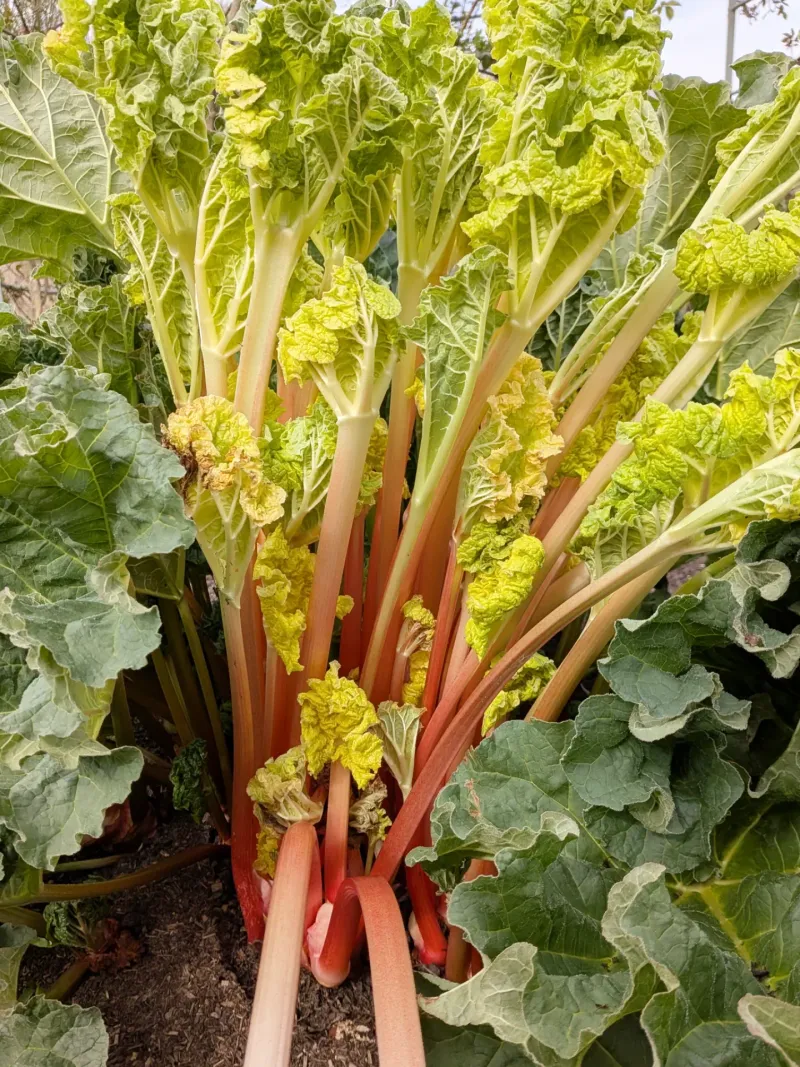
Few plants are as tough and reliable as rhubarb. It laughs in the face of a Pennsylvania winter and bounces back every spring like nothing happened.
Gardeners across the state have grown rhubarb patches that have lasted for decades, sometimes outliving the gardeners who planted them. That kind of staying power is hard to beat.
Rhubarb loves cold winters, which makes Pennsylvania an ideal home for it. The plant actually needs a period of freezing temperatures to thrive and produce well the following year.
Your Pennsylvania Garden Changes Every Week. Your Plan Should Too.
Gardening in Pennsylvania changes quickly throughout the season. Every Friday you’ll receive a simple weekly plan showing exactly what to plant, prune, fertilize, harvest, and protect so you never miss the right timing.
It prefers full sun but can handle a little afternoon shade. Rich, well-drained soil with plenty of organic matter will keep it growing strong year after year.
Plant rhubarb crowns in early spring as soon as the ground can be worked. Space them about 3 to 4 feet apart since they spread out quite a bit as they mature.
Give each plant a generous amount of compost when planting, and top-dress with compost every spring to keep the soil fertile.
Just like asparagus, patience is key with rhubarb. Avoid harvesting stalks during the first year so the plant can establish itself.
By the second year, you can take a light harvest. By year three and beyond, you will have more rhubarb than you know what to do with. Only the stalks are edible. The leaves contain oxalic acid and should never be eaten.
Twist or cut stalks from the base when they are firm and at least 10 inches long. Rhubarb is famous in pies and jams, but it also pairs well with strawberries in countless recipes.
3. Walking Onion (Allium x proliferum)
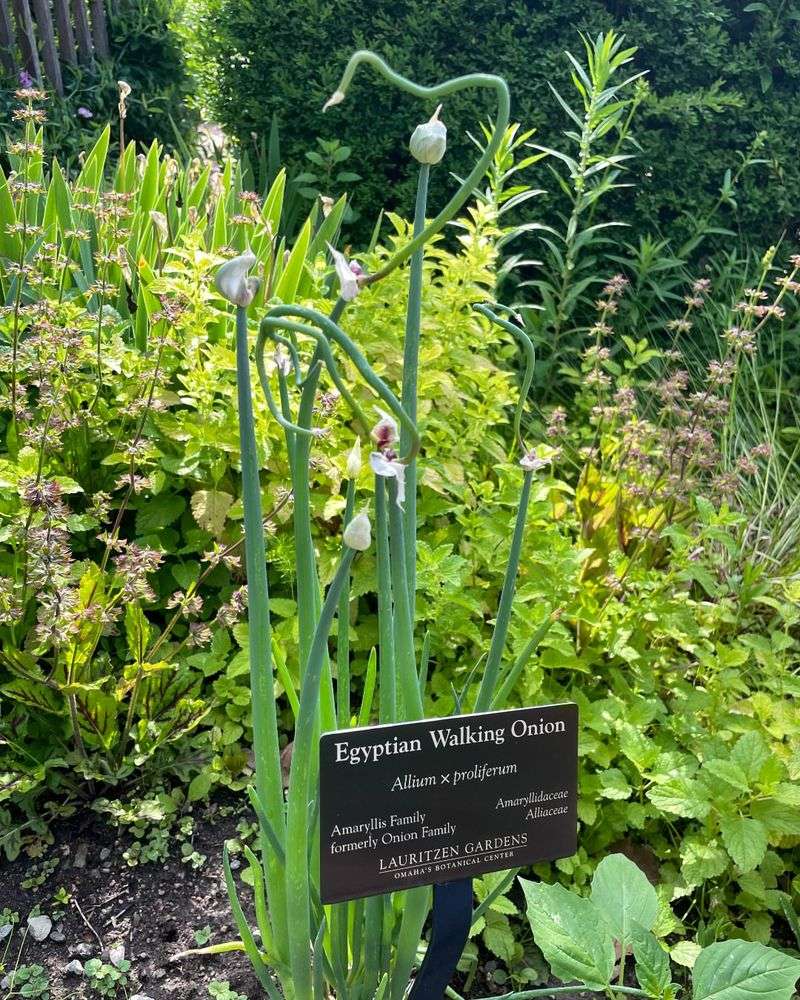
Walking onions have one of the most fascinating tricks in the plant world. Instead of producing flowers that turn into seeds, they grow small clusters of bulblets right on top of their stalks.
When those bulblets get heavy enough, the stalk bends down and the bulblets touch the soil, where they root and start new plants. That is how they “walk” across your garden, and it is genuinely fun to watch.
For Pennsylvania gardeners looking for a no-fuss, self-spreading onion, walking onions are a fantastic choice. They are extremely cold-hardy and come back year after year without any replanting on your part.
Once you get a patch going, it practically takes care of itself. They thrive in well-drained soil with full sun and need very little fertilizer.
You can harvest from walking onions in multiple ways. The green tops can be snipped like chives throughout the growing season and added to salads, soups, and stir-fries.
The small bulbs at the base can be dug up and used like regular onions. The top-set bulblets are also edible and have a mild, punchy flavor.
Plant the bulblets in fall or early spring about an inch deep and 6 inches apart. They establish quickly and will begin spreading on their own by the second season. Thin out the patch occasionally so plants do not crowd each other too much.
Walking onions are a conversation starter in any garden. Visitors always ask about those strange little clusters at the top of the stalks. They are productive, interesting, and a perfect fit for Pennsylvania’s growing conditions.
4. Jerusalem Artichoke
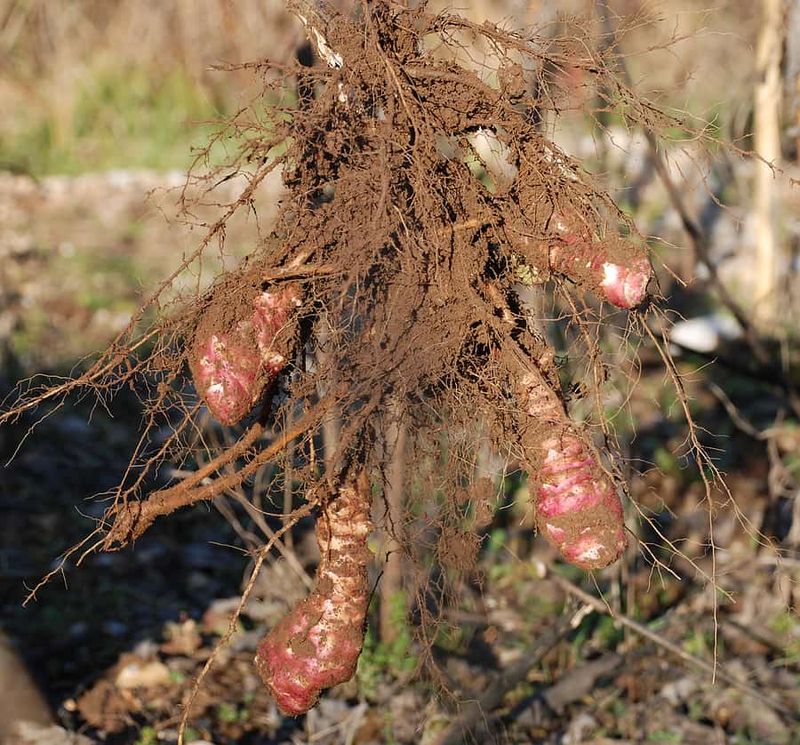
Do not let the name fool you. Jerusalem artichokes have nothing to do with Jerusalem, and they are not actually artichokes either.
They are a native North American plant related to sunflowers, and they produce knobby underground tubers that are absolutely delicious roasted, mashed, or eaten raw. Pennsylvania gardeners love them because they are nearly impossible to stop once they get going.
These plants grow tall, sometimes reaching 6 to 10 feet in height, and they produce cheerful yellow flowers that look just like small sunflowers.
In Pennsylvania, they bloom in late summer and early fall, adding a bright splash of color to the garden right when most other plants are winding down.
The tubers develop underground throughout the growing season and are ready to harvest in fall after the first frost.
Jerusalem artichokes are incredibly vigorous. They spread through underground tubers, so you need to plant them somewhere you do not mind them taking over a bit.
A dedicated bed or a corner of the yard works great. They are not picky about soil and will grow in conditions that would challenge other vegetables.
To harvest, simply dig up the tubers with a garden fork after the stalks have turned brown. Leave a few tubers in the ground and they will sprout again the following spring without any effort from you.
The tubers store well in the refrigerator or in a cool, dark place for several weeks. Nutritionally, Jerusalem artichokes are rich in inulin, a type of fiber that supports gut health. They are a smart, low-maintenance addition to any Pennsylvania edible garden.
5. Sorrel
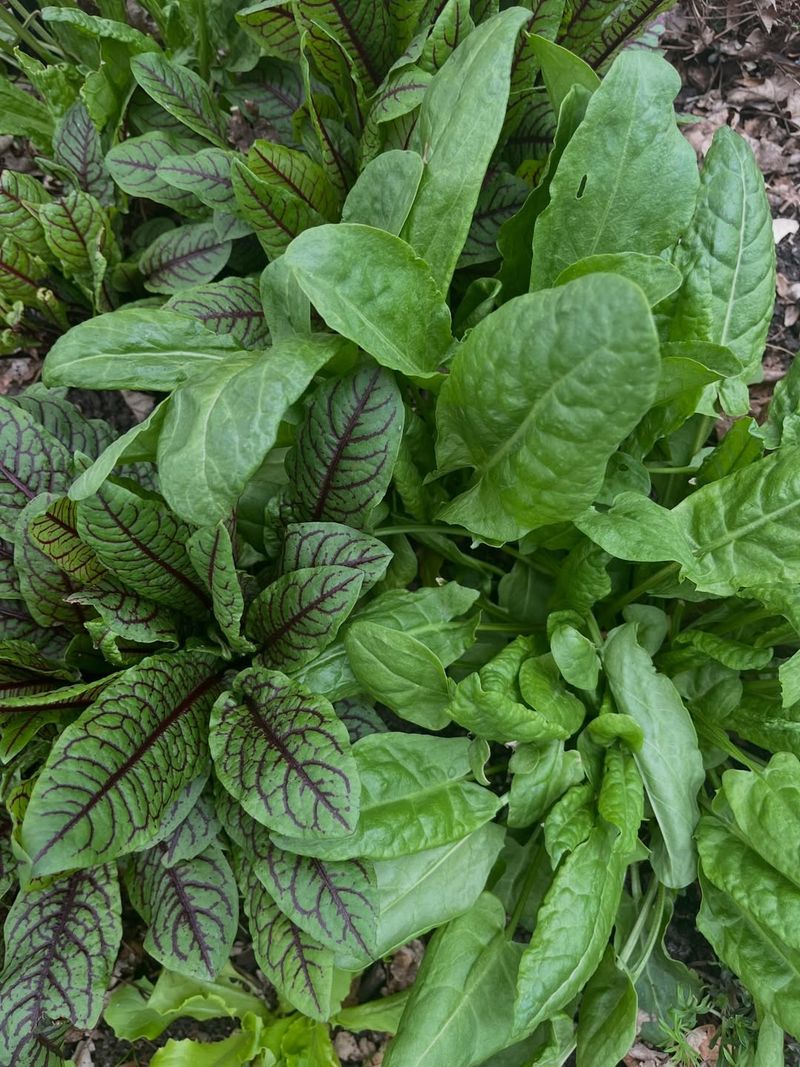
Sorrel is the kind of plant that makes you feel like spring has officially arrived. It is one of the very first greens to poke up through the soil in Pennsylvania, often appearing before most gardeners have even started thinking about their planting schedule.
The bright, lemony-tart flavor of fresh sorrel leaves is unlike anything else in the garden, and it brings a lively kick to soups, salads, and sauces.
This perennial leafy green is incredibly cold-hardy and comes back reliably every year with almost zero effort. Once established, a sorrel plant can produce fresh leaves for many years.
It prefers full sun but tolerates partial shade better than most vegetables, making it a flexible option for gardens with tricky light conditions. Well-drained soil with moderate fertility suits it just fine.
Sorrel grows in a compact clump that gradually expands each year. You can start it from seed or transplant divisions from an existing plant.
Seeds germinate quickly, usually within one to two weeks when soil temperatures are above 50 degrees. Thin seedlings to about 12 inches apart to give each plant room to grow.
Harvest sorrel by cutting the outer leaves first and leaving the center of the plant intact. This encourages continuous new growth throughout the season.
In Pennsylvania, you can often harvest from early spring all the way into late fall. Cut the flower stalks as soon as they appear to keep the plant focused on producing tender leaves.
Sorrel is rich in vitamin C and has been used in cooking for centuries. It is an easy, rewarding, and often overlooked gem for Pennsylvania home gardens.
6. Sea Kale
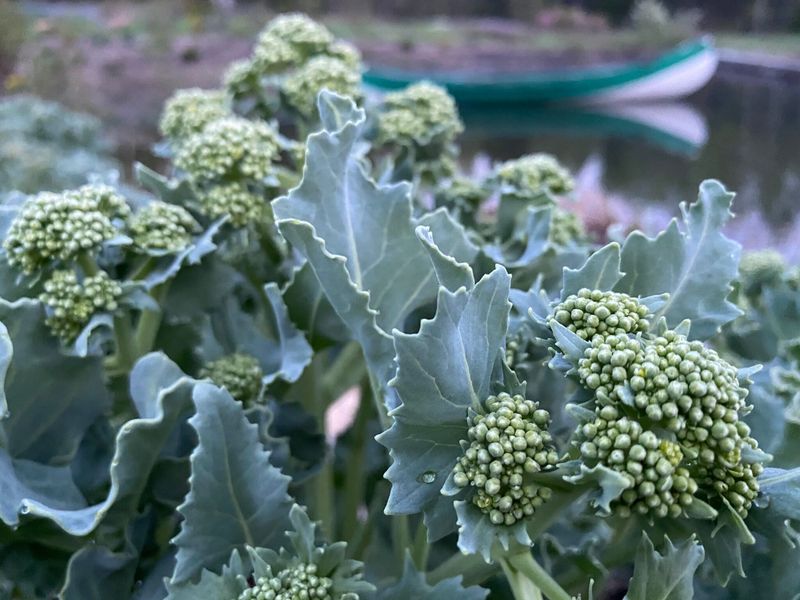
Sea kale is one of those hidden gems that most gardeners have never heard of but absolutely love once they try it. Originally from the rocky coastal cliffs of Europe, this tough and striking perennial has been grown as a vegetable since at least the 1700s.
Thomas Jefferson reportedly grew it at Monticello, which means it has a long and respected history in American gardens. Pennsylvania growers are slowly rediscovering just how rewarding it can be.
The part of sea kale that is most prized is its tender young shoots, which emerge in early spring and taste somewhat like a mild, nutty version of asparagus. To get the best shoots, gardeners typically force the plant by covering the crown with a pot or bucket in late winter.
This blocks out light and causes the shoots to blanch, making them pale, sweet, and incredibly tender.
Sea kale thrives in well-drained soil and full sun, both of which are easy to provide in many Pennsylvania gardens. It is highly cold-hardy and handles freezing winters without any trouble.
Sandy or gravelly soil actually suits it very well since it naturally grows in coastal areas with excellent drainage. Avoid heavy clay or waterlogged ground.
Plant sea kale from root cuttings called thongs in early spring, or start from seed, though seed germination can be slow. Space plants about 2 feet apart. Once established, a sea kale plant can live for 10 years or more with minimal care.
Beyond its edible value, sea kale is genuinely beautiful. Its large, wavy blue-green leaves and clusters of white flowers make it a standout in any Pennsylvania edible landscape.