Orange Perennials To Plant In Pennsylvania Once And Enoy Them Forever
Orange is one of those garden colors that people either commit to completely or avoid without really knowing why.
It’s bold, it’s warm, it has a kind of confidence that softer pastels don’t, and when it’s paired with the right plants and the right setting, it brings an energy to a garden bed that genuinely stops people in their tracks.
The gardeners who lean into orange rarely regret it. What makes this list particularly satisfying is that every plant on it is a perennial, meaning the investment you make this season keeps paying off for years without any replanting on your part.
Pennsylvania’s climate, with its cold winters and warm summers, is actually well suited to a surprisingly wide range of perennials that produce rich, lasting orange color across multiple seasons.
Plant them once, watch them establish, and let them do what perennials do best – show up reliably every single year without being asked.
1. Butterfly Weed (Asclepias Tuberosa)
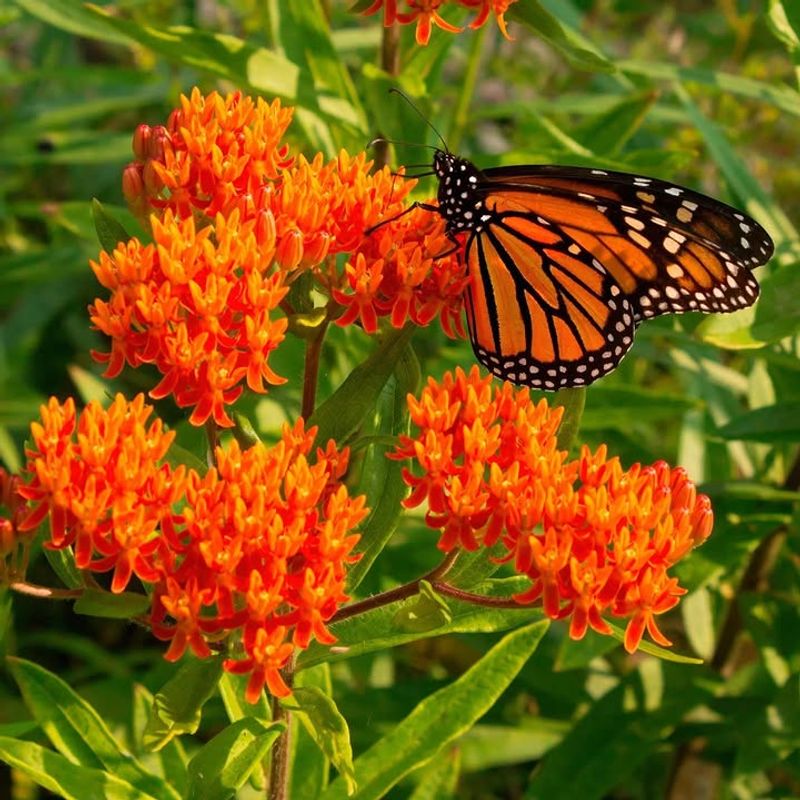
Monarch butterflies have a secret favorite plant, and it grows beautifully right here in Pennsylvania. Butterfly Weed, known scientifically as Asclepias tuberosa, is a native wildflower that produces clusters of vivid, flame-orange blossoms from June through August.
It is one of the most beloved plants among pollinators, attracting not just monarchs but also swallowtails, bees, and hummingbirds.
What makes this plant extra special is its toughness. Butterfly Weed is incredibly drought-tolerant once it gets established in your garden.
It actually prefers poor, dry, well-drained soil, which means you do not need to fuss over it or water it constantly. Pennsylvania summers can get hot and dry, and this plant handles that with ease.
Planting Butterfly Weed is straightforward. Choose a sunny spot in your yard that gets at least six hours of direct sunlight each day.
Plant it in spring after the last frost, and give it some space to spread out. It grows about one to two feet tall and wide, making it a great mid-border plant.
One thing to know is that Butterfly Weed is slow to emerge in spring. Do not panic if it takes a while to show up after winter.
Once it does, it grows quickly and rewards you with weeks of brilliant color. Since it is a native Pennsylvania plant, it is perfectly adapted to local soil and weather conditions.
This is truly a plant-it-once-and-forget-it kind of perennial that delivers season after season.
2. Daylilies (Hemerocallis Spp.)
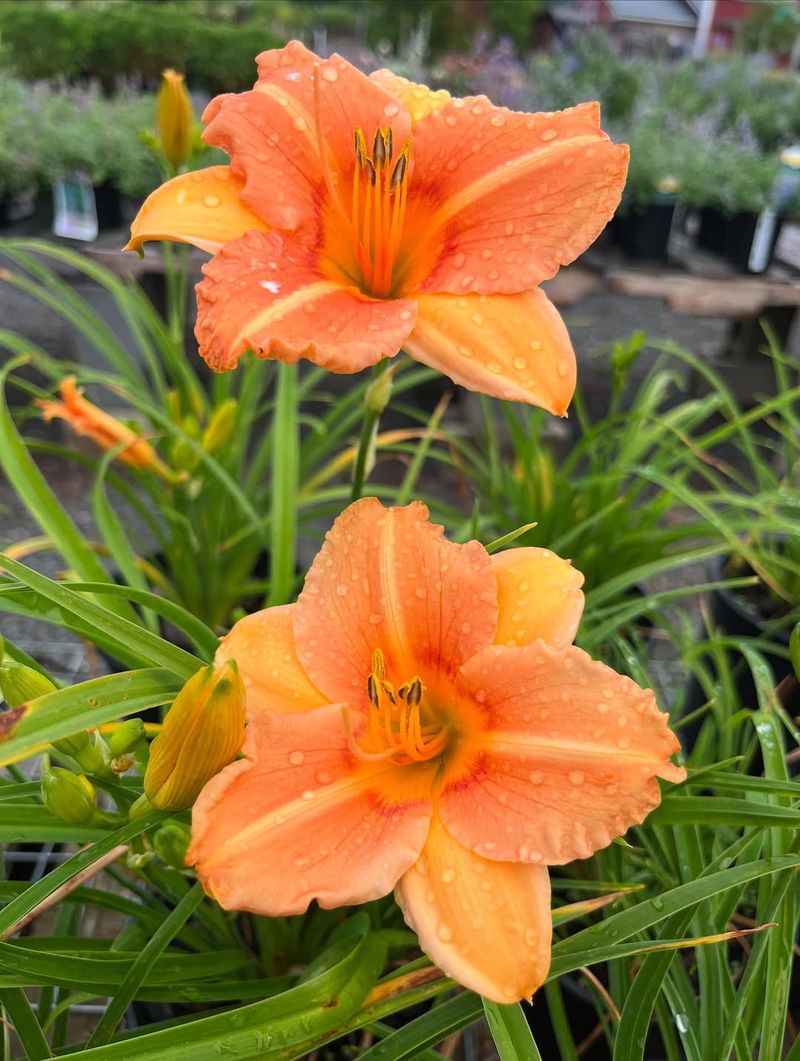
Few plants are as reliable and cheerful as daylilies. Gardeners across Pennsylvania have grown them for generations because they are nearly impossible to mess up.
Bold, trumpet-shaped orange blooms light up the landscape from midsummer into early fall, and the plants return bigger and better every single year without much help from you.
Daylilies are not picky about soil. They grow in sandy, clay, or loamy ground, which covers most of what you will find across Pennsylvania.
Give them a spot with full sun or light shade, water them during dry spells, and they will take care of the rest. Over time, clumps will multiply and spread, giving you more plants to divide and share with neighbors.
Your Pennsylvania Garden Changes Every Week. Your Plan Should Too.
Gardening in Pennsylvania changes quickly throughout the season. Every Friday you’ll receive a simple weekly plan showing exactly what to plant, prune, fertilize, harvest, and protect so you never miss the right timing.
There are thousands of daylily varieties to choose from, and many feature stunning shades of orange ranging from soft apricot to deep burnt orange.
Popular cultivars like ‘Stella de Oro’ and ‘Happy Returns’ are compact and long-blooming. Taller varieties like ‘Autumn King’ make a bold statement at the back of a border.
One fun fact about daylilies is that each individual flower only lasts one day, but each plant produces dozens of buds over several weeks. So you get a continuous show of fresh blooms throughout the season.
In Pennsylvania, they typically bloom from June through August. Plant them in fall or spring, water them in, and let them settle.
Within a year or two, they will be thriving and spreading beautifully across your garden beds.
3. Blanket Flower (Gaillardia × Grandiflora)
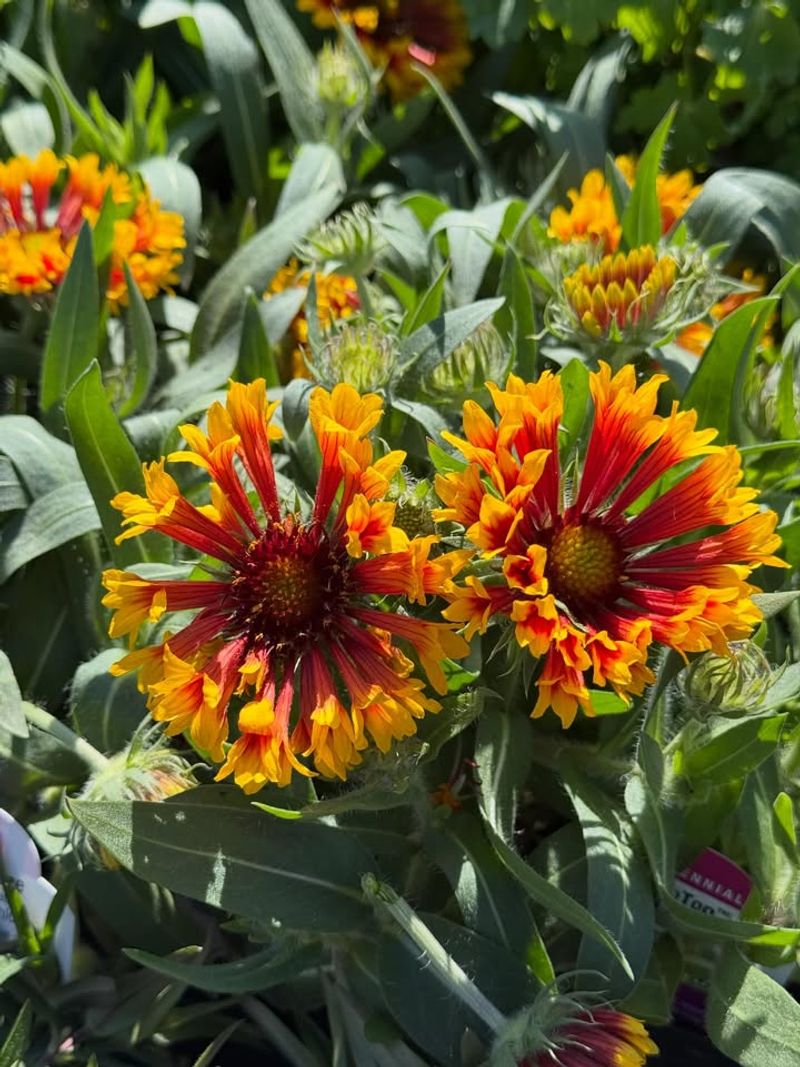
Imagine a flower so tough it actually thrives in poor soil and blazing heat. That is exactly what Blanket Flower brings to Pennsylvania gardens.
With its bold, daisy-like blooms in fiery shades of orange and red, Gaillardia is one of the longest-blooming perennials you can grow. It starts flowering in early summer and keeps going well into fall, giving you months of color with very little effort.
Blanket Flower loves the sun. Plant it in a spot that gets full sun all day long, and it will reward you generously.
It actually struggles in rich, overly moist soil, so if you have a dry, rocky, or sandy patch in your Pennsylvania yard, this is the perfect plant for that spot. It handles heat and drought like a champion.
Growing to about two feet tall, Blanket Flower works beautifully in cottage gardens, along walkways, or in mixed borders. The blooms are a stunning combination of orange, red, and yellow, with a warm glow that looks especially gorgeous in late afternoon sunlight.
Deadheading spent flowers encourages more blooms, but even if you skip that step, the plant keeps producing.
One quirky detail about Gaillardia is that its name is inspired by its resemblance to colorful Native American blankets. It is a fitting comparison given the rich, warm tones of its petals.
In Pennsylvania, it is winter-hardy in most zones, so once planted, it will come back faithfully every spring. Pair it with ornamental grasses or coneflowers for a stunning, low-maintenance garden display.
4. Orange Coneflower (Rudbeckia Fulgida)
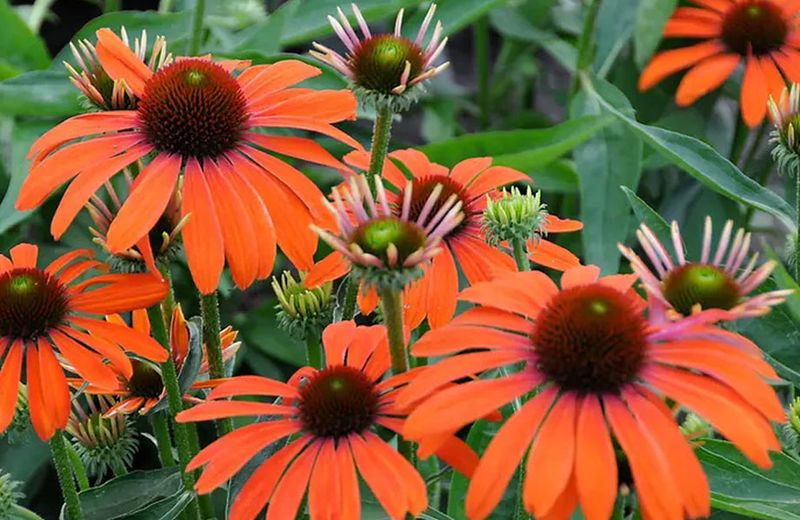
There is something deeply satisfying about a plant that asks for almost nothing and gives back so much. Orange Coneflower, or Rudbeckia fulgida, is exactly that kind of plant.
With warm golden-orange petals surrounding a rich, dark brown center cone, it delivers a classic, cheerful look that brightens any Pennsylvania garden from midsummer through early fall.
Rudbeckia is incredibly easy to grow. It adapts well to a wide range of soil types found across Pennsylvania, from the clay-heavy soils of the Piedmont region to the loamy ground of central Pennsylvania farmland.
Give it full sun or partial shade, water it occasionally during dry periods, and watch it flourish. It is also remarkably resistant to pests and diseases, which makes it a top pick for beginner gardeners.
The cultivar ‘Herbstsonne,’ which translates to ‘autumn sun’ in German, is a standout variety that grows four to six feet tall and produces an abundance of large, golden-orange blooms. It works beautifully at the back of a flower border or in naturalized garden settings.
Shorter varieties like ‘Goldsturm’ are better suited for smaller spaces and container planting.
After the blooms fade in fall, leave the seed heads standing. Birds like goldfinches absolutely love the seeds and will visit your garden throughout winter.
The dried stems also add texture and visual interest to the winter landscape. Rudbeckia spreads slowly by seed and division, so over time your original planting will grow into a generous, full clump that fills your Pennsylvania garden with golden warmth year after year.
5. Crocosmia (Crocosmia ‘Lucifer’)
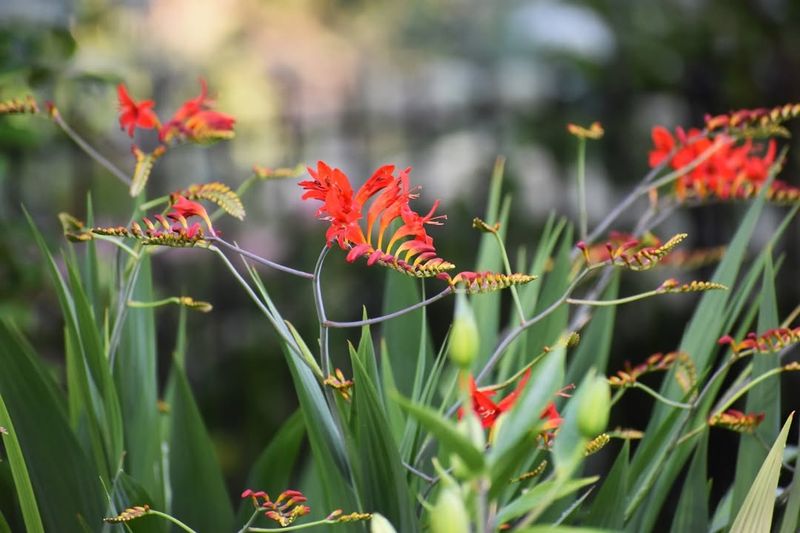
If your garden is missing some drama, Crocosmia ‘Lucifer’ is ready to deliver. This striking perennial sends up tall, arching stems loaded with fiery orange-red blooms that look almost tropical.
In Pennsylvania, it flowers from July into August, creating a bold, eye-catching display that stops people in their tracks. It is the kind of plant that makes neighbors ask, “What is that?”
Crocosmia grows from small corms, which are bulb-like structures that multiply over time. Plant them in spring in a sunny to partially shaded location with well-drained soil.
In most of Pennsylvania, Crocosmia ‘Lucifer’ is reliably winter-hardy, especially when given a light layer of mulch before the cold sets in. It grows three to four feet tall, adding real height and structure to garden borders.
The arching stems covered in funnel-shaped blooms are irresistible to hummingbirds. If you have been trying to attract these tiny, jewel-like birds to your Pennsylvania garden, planting Crocosmia is one of the best moves you can make. The bright orange-red color is a natural magnet for them.
Crocosmia spreads steadily each year as the corms multiply underground. Every few years, you can dig up the clumps in fall, separate the corms, and replant them to refresh the planting or expand it to new areas of your garden.
The sword-shaped foliage also stays attractive even when the plant is not in bloom, adding a bold, upright texture to mixed borders throughout the growing season in Pennsylvania.
6. Geum (Geum Chiloense Varieties)
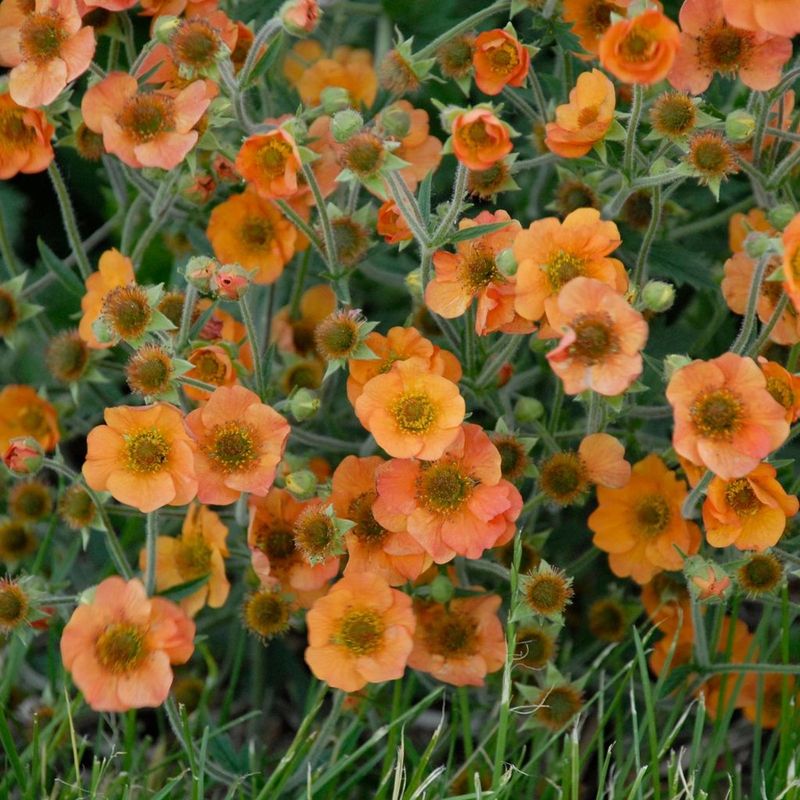
Not every orange perennial needs to shout. Geum brings a softer, more refined kind of beauty to Pennsylvania gardens.
With its delicate, cup-shaped blooms in warm shades of orange, coral, and copper, Geum chiloense varieties add a charming cottage-garden feel to borders and flower beds.
They bloom in late spring to early summer, filling a gap when many other perennials are just getting started.
Geum plants form low, tidy mounds of scalloped green leaves that stay attractive all season long. The flowers rise above the foliage on slender, branching stems, creating a light and airy effect.
Popular varieties like ‘Mrs. J. Bradshaw’ and ‘Totally Tangerine’ are particularly well-suited to Pennsylvania’s climate and offer reliable repeat blooming if you deadhead the spent flowers regularly.
Growing Geum is not complicated. It prefers well-drained soil and a spot with full sun to partial shade.
In the warmer parts of Pennsylvania, a bit of afternoon shade actually helps the plants perform better through the hottest months of summer. Water regularly during dry spells, especially in the first season while the plants are getting established.
Geum stays compact, usually reaching only about one to two feet in height, which makes it an excellent front-of-border plant. It pairs beautifully with blue or purple perennials like salvia or catmint, where the contrast really makes those orange blooms pop.
Once established in your Pennsylvania garden, Geum comes back reliably each spring, spreading slowly into generous, healthy clumps that reward you with weeks of cheerful color.
7. Orange Torch Lily (Kniphofia Uvaria)
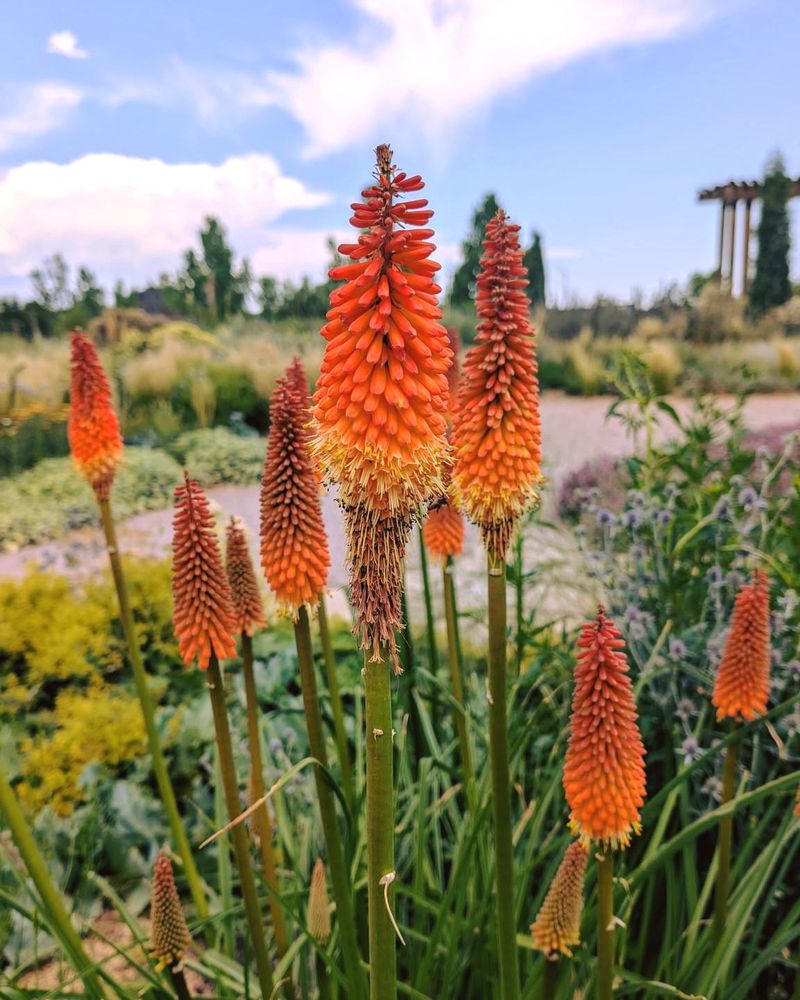
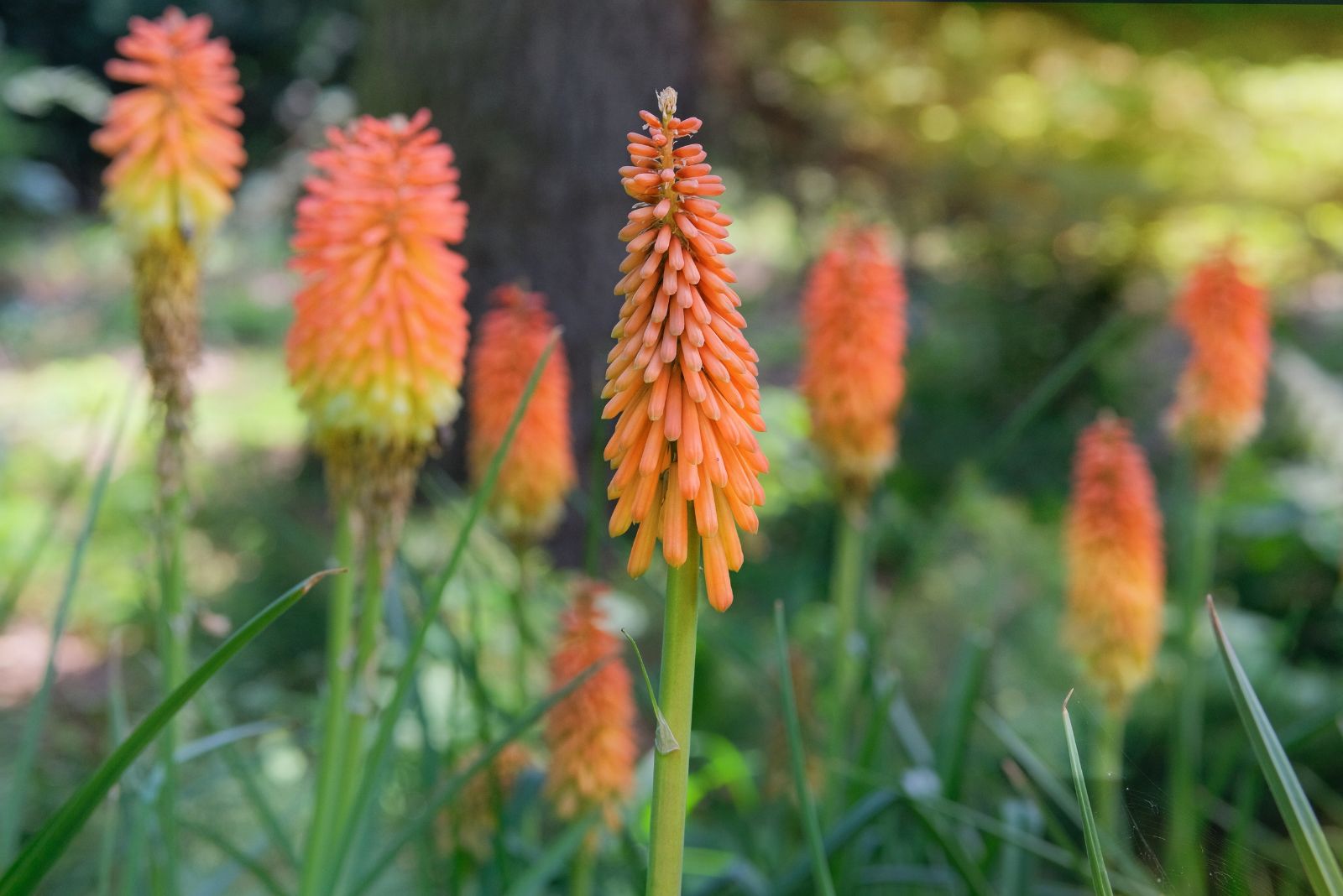
There are plants that blend into a garden, and then there is Kniphofia uvaria, the Orange Torch Lily. Also called Red Hot Poker, this perennial is an absolute showstopper.
It sends up tall, dramatic spikes of tightly packed tubular flowers in blazing shades of orange, red, and yellow that look like torches burning above the garden. In Pennsylvania, it blooms from late spring through midsummer and occasionally reblooms in fall.
Torch Lily thrives in full sun and well-drained soil. It does not like wet feet, so avoid planting it in low spots where water tends to collect after rain.
In Pennsylvania, raised beds or slopes with good drainage are ideal locations. Once established, it is drought-tolerant and handles summer heat very well, making it a low-maintenance choice for busy gardeners.
The flower spikes can reach three to four feet tall, creating a bold vertical element in the garden. Hummingbirds are absolutely wild about these flowers, and you will often see them hovering around the blooms on warm summer mornings.
The grassy, strap-like foliage stays green and attractive even when the plant is not flowering, giving you year-round visual interest.
In colder parts of Pennsylvania, a layer of mulch over the crown in late fall will help protect the plant through winter. In milder areas like southeastern Pennsylvania, it often needs no extra protection at all.
Over time, clumps expand and can be divided every three to four years to keep them vigorous. Once you plant Orange Torch Lily, its fiery presence will return to light up your Pennsylvania garden every single year.