These Are The Best Pennsylvania Perennials For A Firefly-Friendly Yard
Some yards look nice during the day, but the ones people remember often come alive after sunset. That is especially true when fireflies start flickering through the garden and giving the whole space a softer, more magical feel.
If you want more of that in your Pennsylvania yard, the plants you choose matter. Perennials are a smart place to start because they come back year after year and can help create a space that feels welcoming to those tiny glowing visitors.
That makes them both practical and rewarding. You are not only adding color and texture to your yard, but also shaping an outdoor space that feels more lively from spring through summer.
In Pennsylvania, where gardens change with the seasons, dependable perennials can bring beauty without needing to be replanted every year. The right mix can make your yard feel fuller, calmer, and more inviting once the sun goes down.
1. Joe-Pye Weed
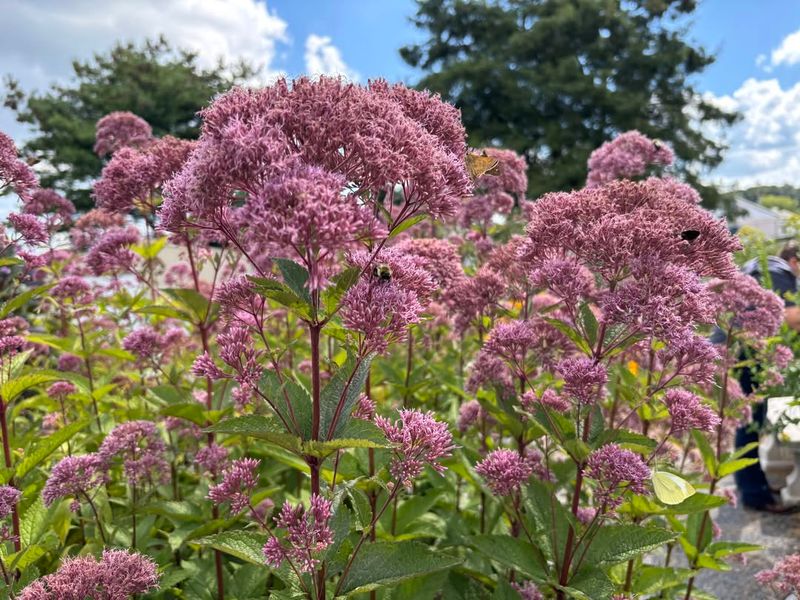
Walk past a patch of Joe-Pye Weed on a warm Pennsylvania evening, and you will quickly notice how alive it feels. This towering native perennial can grow anywhere from five to nine feet tall, and it brings a wild, lush energy to any yard.
Its large, dusty-pink flower clusters bloom from midsummer into early fall, drawing in butterflies, bees, and countless other insects.
Fireflies are drawn to the kind of habitat Joe-Pye Weed creates. It loves moist soil, which means planting it near a rain garden, pond edge, or low-lying area of your yard makes perfect sense.
That damp, sheltered environment is exactly where firefly larvae spend most of their lives, hunting for small prey in the soil beneath dense plant cover.
Beyond moisture, the sheer size of Joe-Pye Weed provides something else fireflies appreciate: protection. Adult fireflies rest during the day in tall vegetation, hidden from predators.
The thick stems and broad leaves of this plant give them plenty of places to tuck away safely until evening arrives.
Growing Joe-Pye Weed in Pennsylvania is surprisingly simple. It tolerates partial shade and thrives in average to moist garden soil.
Once established, it requires very little maintenance. Plant it toward the back of a border or along a fence line where it has room to spread.
Over time, a healthy clump of Joe-Pye Weed becomes a cornerstone plant in any firefly-friendly Pennsylvania garden, supporting the whole ecosystem from the ground up.
2. Wild Bergamot
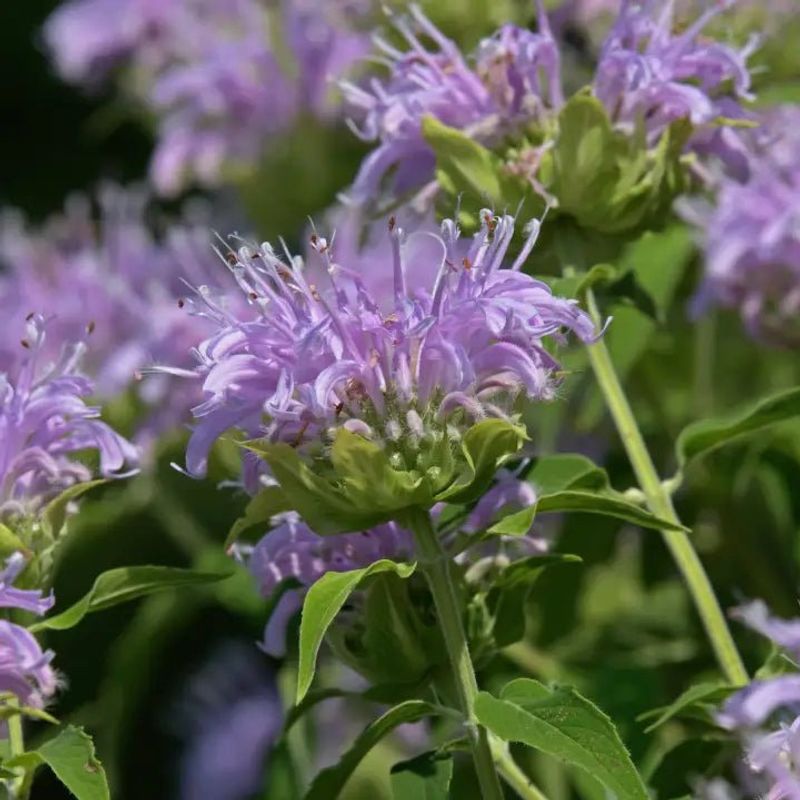
There is something wonderfully cheerful about Wild Bergamot. Its shaggy, lavender-pink blooms look like tiny fireworks frozen in place, and they have a light, herbal fragrance that drifts through the air on warm summer afternoons.
Native to Pennsylvania and much of eastern North America, this tough perennial asks for very little but gives back a lot.
Wild Bergamot blooms from June through August, right in the middle of firefly season. That timing matters more than most gardeners realize.
A yard full of active pollinators and insects is exactly the kind of place fireflies choose to inhabit. Firefly larvae feed on soft-bodied insects and worms in the soil, so a healthy, buzzing insect community directly supports the next generation of fireflies.
Your Pennsylvania Garden Changes Every Week. Your Plan Should Too.
Gardening in Pennsylvania changes quickly throughout the season. Every Friday you’ll receive a simple weekly plan showing exactly what to plant, prune, fertilize, harvest, and protect so you never miss the right timing.
This plant thrives in full sun and tolerates dry to medium soils, making it flexible enough for many Pennsylvania yards.
It spreads slowly over time, forming attractive clumps that work well in meadow-style plantings or along sunny garden edges. Deer tend to avoid it, which is a bonus for gardeners in more rural parts of Pennsylvania.
One fun fact: Wild Bergamot is a close relative of the bee balm you might already have in your garden. Both belong to the mint family, which explains that pleasant, slightly spicy scent.
Planting Wild Bergamot in groups of three or more creates a stronger visual impact and a bigger draw for the insect life that makes your firefly-friendly yard truly thrive through the season.
3. Black-Eyed Susan
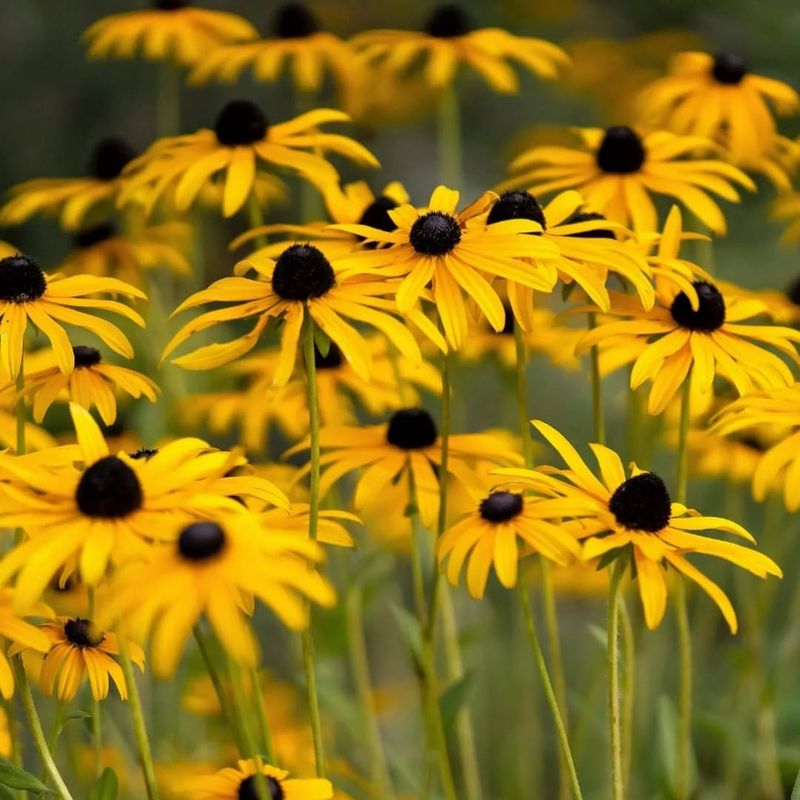
Few flowers say “Pennsylvania summer” quite like the Black-Eyed Susan. Those bright yellow petals surrounding a dark, chocolatey center are instantly recognizable along roadsides, meadows, and garden beds across the state.
Beyond their cheerful good looks, these flowers do serious work in supporting the kind of yard where fireflies can flourish.
Black-Eyed Susans bloom from June through September, providing a long window of insect activity right through the heart of firefly season. Beetles, native bees, and small butterflies flock to the flowers for nectar and pollen.
That steady stream of insect visitors keeps the ecosystem in your yard active and well-fed, creating conditions that help firefly populations stay strong.
Heat and drought do not slow this plant down much at all. It is one of the toughest native perennials you can grow in Pennsylvania, thriving in full sun and tolerating poor, dry soils where other plants might struggle.
That resilience makes it a reliable anchor plant in any firefly-friendly planting scheme, especially in sunnier spots of the yard.
Another reason to love Black-Eyed Susans: if you leave the seed heads standing through fall and winter, birds will visit regularly to feed on them. That ongoing activity adds another layer of life to your yard.
Plant them in generous drifts for the best effect, mixing them with taller natives like Joe-Pye Weed or Goldenrod to create a layered, naturalistic planting that Pennsylvania fireflies and pollinators will genuinely appreciate all season long.
4. New England Aster
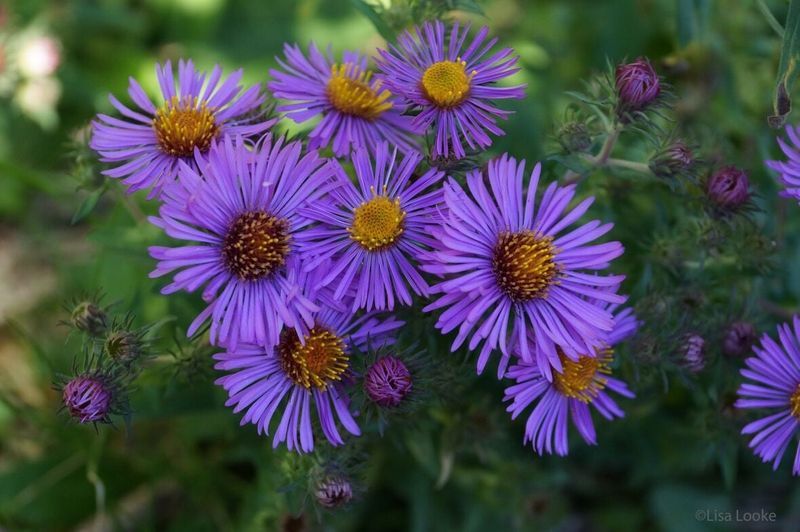
Most flowering plants in a Pennsylvania yard start winding down by late summer, but New England Aster is just getting warmed up.
This bold, bushy native perennial bursts into vivid purple-blue blooms from August all the way through October, filling in the gap when most other flowers have already faded. That late-season timing makes it genuinely valuable for firefly-friendly gardening.
Firefly adults are most active from late spring through midsummer, but the larvae that will become next year’s fireflies are busy in the soil through late summer and fall.
Keeping insect activity going during those months helps ensure there is enough food in the soil ecosystem to support developing firefly larvae.
New England Aster does exactly that, attracting bees, butterflies, and other insects well into the cooler months.
Growing this plant in Pennsylvania is easy. It prefers full sun to partial shade and moist to medium soils.
It can get quite tall, sometimes reaching five or six feet, so giving it a spot at the back of a border or along a fence works well. Some gardeners cut it back by half in early summer to encourage a bushier, more compact shape.
The dense, leafy growth of New England Aster also provides excellent shelter. Adult fireflies rest in tall vegetation during daylight hours, and the thick stems of a mature aster clump are perfect for that purpose.
Planting it alongside Goldenrod creates a late-season powerhouse combination that keeps your Pennsylvania yard humming with life long after summer ends.
5. Goldenrod
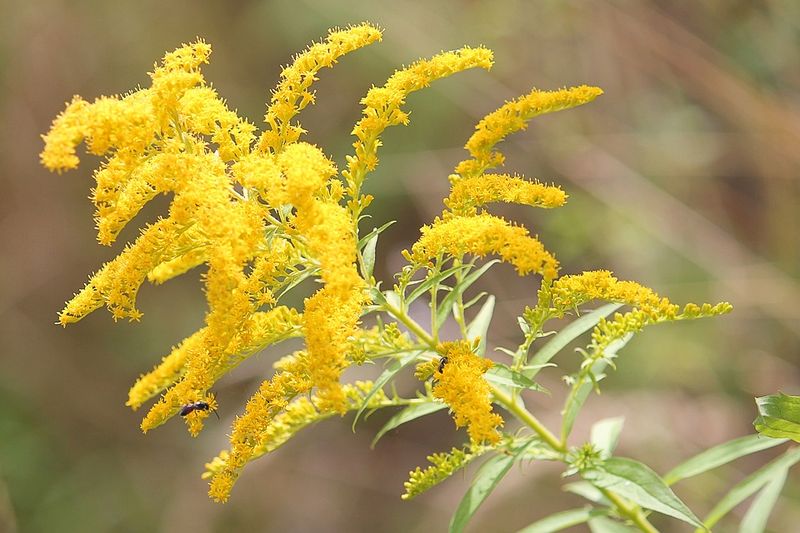
Goldenrod has had an unfair reputation for years. Many people blame it for fall allergies, but the real culprit is ragweed, which blooms at the same time.
Goldenrod is actually one of the most ecologically important native perennials in Pennsylvania, and for firefly enthusiasts, it is absolutely worth planting.
The numbers behind goldenrod are genuinely impressive. Research has shown that goldenrod supports over 100 species of caterpillars and hundreds of other insect species.
That level of biodiversity is remarkable for a single plant genus. All those insects create a rich, active soil and plant community, which is precisely the environment where fireflies complete their life cycle and thrive year after year.
Goldenrod blooms from late summer into fall, with bright golden-yellow plumes that light up the garden like tiny suns. The flowers attract massive numbers of bees, wasps, beetles, and butterflies, making any yard feel wonderfully alive.
Tall stems give adult fireflies places to perch and rest during the day, adding another layer of habitat value.
For Pennsylvania gardens, there are several great goldenrod species to choose from. Stiff goldenrod (Solidago rigida) works well in dry, sunny spots.
Tall goldenrod (Solidago altissima) is great for naturalistic borders. Zigzag goldenrod (Solidago flexicaulis) handles shade beautifully.
Plant any of these species in groups and resist the urge to cut them back too early. Leaving the stems through winter gives overwintering insects the shelter they need to survive until spring returns to Pennsylvania.
6. Cardinal Flower
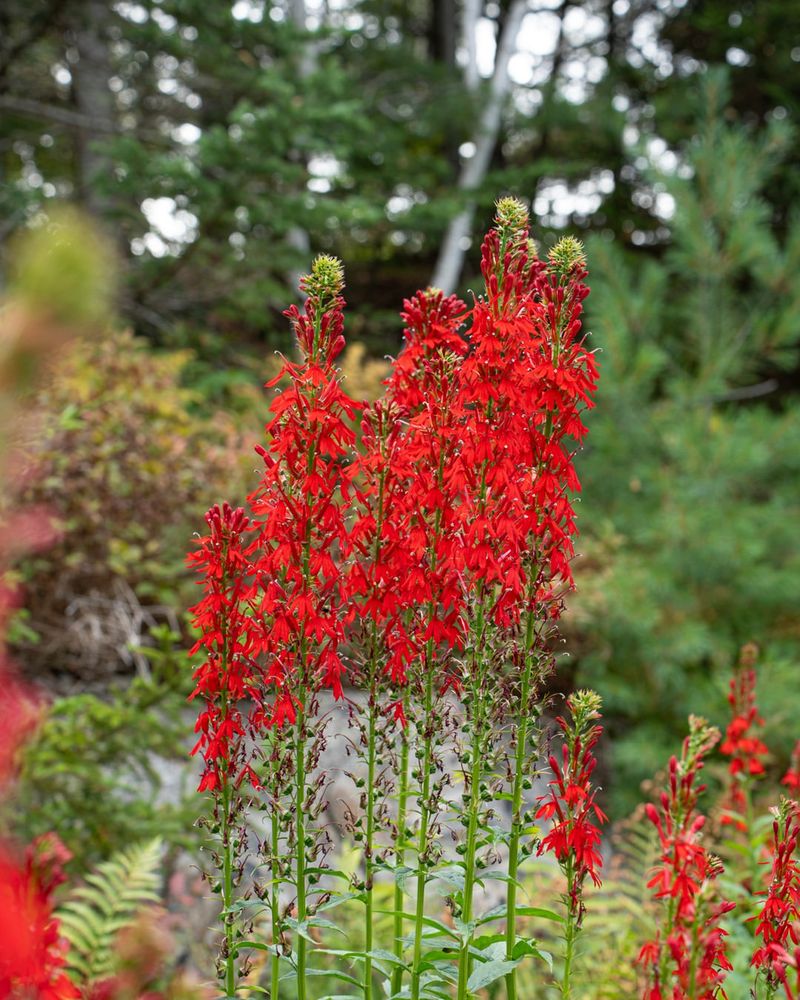
If there is one plant that stops people in their tracks, it is Cardinal Flower. The color is almost unreal: a deep, saturated red that practically glows against green foliage on a summer afternoon.
Native to Pennsylvania and found naturally along stream banks and wetland edges, this striking perennial is one of the best choices for creating the moist, lush conditions that fireflies favor.
Fireflies are strongly connected to damp environments. Their larvae live in moist soil, and adults are far more common near water features, low spots, and areas with consistently wet ground.
Cardinal Flower naturally thrives in exactly those places. Planting it near a rain garden, a backyard pond, or a naturally boggy corner of your yard puts it right where it will perform best and do the most good for firefly habitat.
The brilliant red flowers bloom from July through September, and they are a magnet for hummingbirds. Hummingbirds are actually the primary pollinator for Cardinal Flower, since the long, tubular blooms are shaped perfectly for a hummingbird’s bill.
That relationship makes your yard more dynamic and alive, which is always a good thing for the broader ecosystem.
Cardinal Flower prefers partial to full shade in hotter spots of Pennsylvania, though it tolerates more sun near water where roots stay consistently moist. It is a short-lived perennial but self-seeds reliably, so a healthy patch will renew itself naturally over time.
Group several plants together for a bold visual statement and a genuinely productive firefly-friendly habitat zone in your Pennsylvania yard.
7. Foamflower
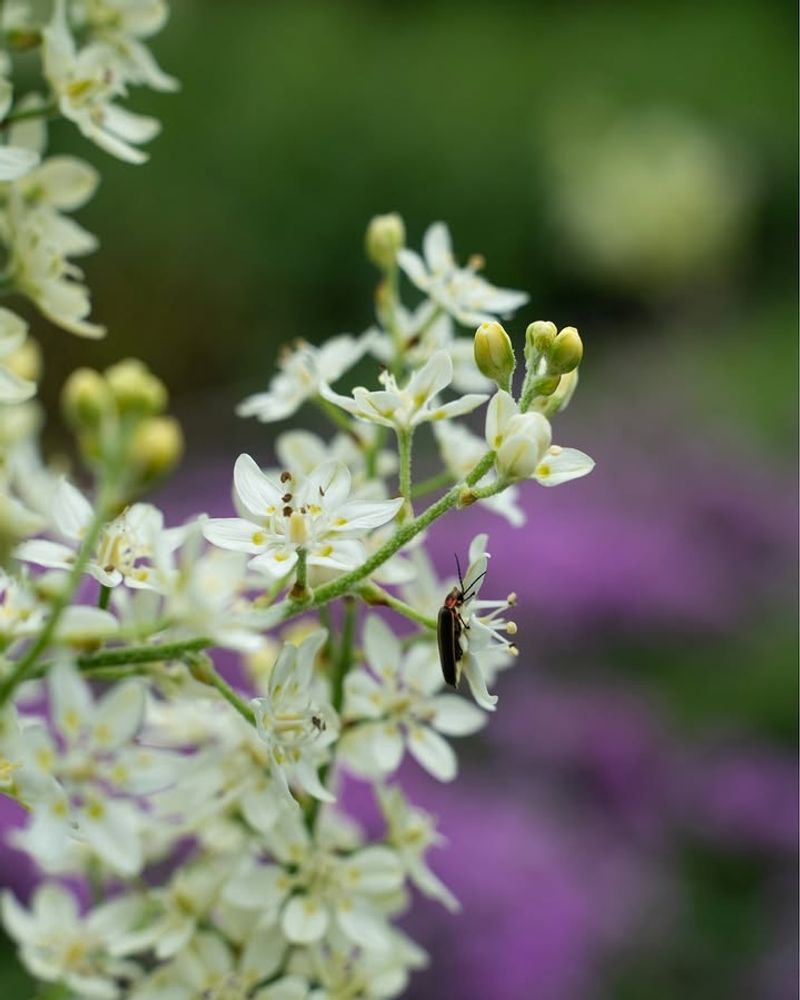
Picture a quiet, shaded corner of a Pennsylvania woodland, where the soil stays cool and damp even on hot summer days. That is the natural home of Foamflower, and recreating that feel in your own backyard is one of the smartest things you can do for fireflies.
This low-growing, spreading groundcover is built for exactly the kind of sheltered, moist microhabitats that fireflies need most.
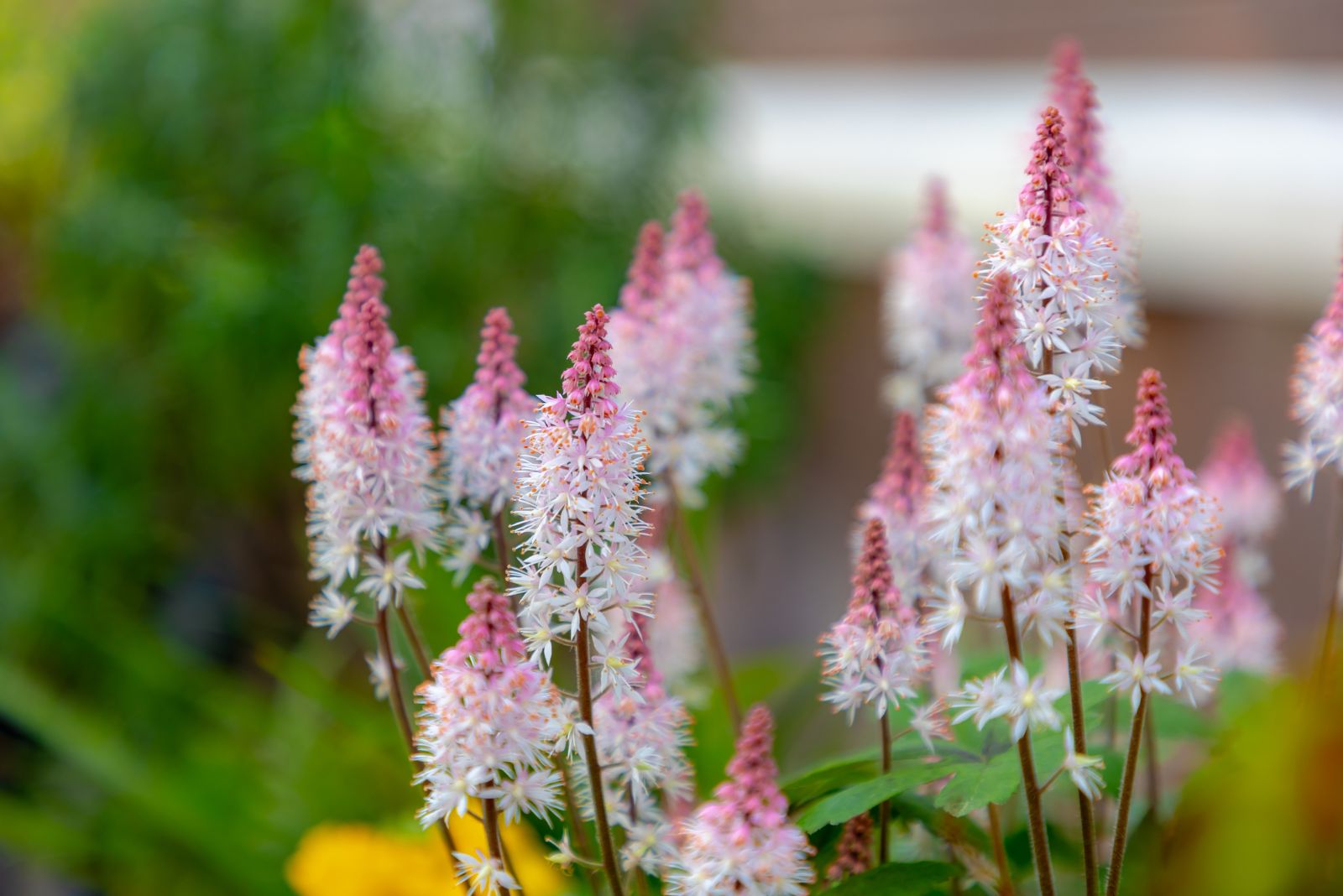
Foamflower earns its name from the delicate, foamy-looking white flower spikes that rise above its heart-shaped leaves each spring. The blooms appear in April and May, offering an early nectar source for pollinators waking up after winter.
Once flowering is done, the attractive foliage takes over, forming a dense, weed-suppressing mat that holds moisture in the soil all season long.
That moisture retention is the key benefit for firefly gardening. Firefly larvae spend up to two years living in the soil, and they need consistent dampness to survive and develop.
Foamflower’s dense leaf cover shades the ground, slows evaporation, and keeps the soil environment stable. Planting it under trees or along the shaded edges of your yard creates exactly the cool, protected zones where fireflies rest during daylight hours.
Foamflower spreads gently by runners, gradually filling in bare patches under trees where lawn grass refuses to grow. It pairs beautifully with ferns, Wild Ginger, and other shade-loving Pennsylvania natives.
For gardeners looking to establish a true woodland feel in their yard, Foamflower is an essential building block, quietly creating the habitat foundation that makes firefly evenings in Pennsylvania truly unforgettable.